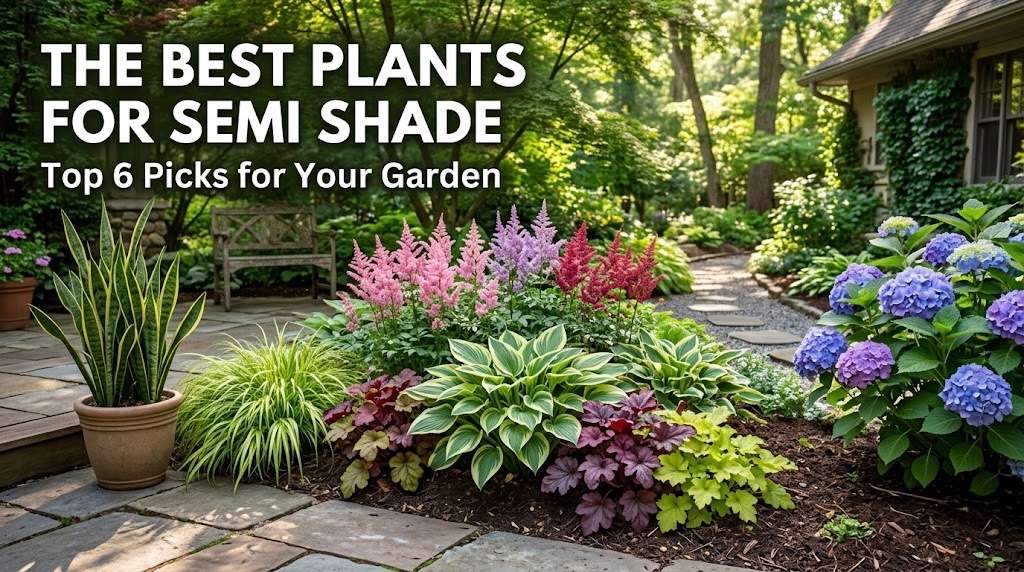
Finding high-performing varieties for partial sun can make the difference between a lush outdoor space and stunted, leggy growth. When selecting the best plants for semi shade, prioritisation should go to cultivars that balance shade tolerance with enough sun resilience to maintain bold foliage and heavy bloom counts. Below is our streamlined comparison matrix to help you quickly identify the ideal choice for your space.
Comparative Product Overview
Buying Guide: How to Choose the Best Plants for Semi Shade
Navigating semi-shaded garden spaces requires evaluating five critical environmental factors before making a purchase:
1. Sunlight Timing & Intensity
Not all 4-hour sunlight blocks are equal. Morning sun (8 AM – 12 PM) is cooler and gentler, allowing delicate shade plants to photosynthesise without losing excessive foliage moisture. Afternoon sun (12 PM – 4 PM) carries intense UV index levels and heat; placing sensitive shade species in afternoon semi shade often results in leaf scorch and root stress.
2. Soil Moisture and Drainage Balance
Shaded soils evaporate water significantly slower than full-sun garden beds. However, large canopy trees often absorb available ground water. Look for plants that match your soil’s moisture profile: Astilbes require consistently damp conditions, while Heuchera demand fast-draining soil to prevent winter crown rot.
3. Foliage Longevity vs. Flowering Cycles
Flowering shade perennials like Astilbe offer intense, head-turning blooms during peak summer, but their flowers typically last 3 to 4 weeks. If your goal is multi-season structure, blend flowering options with high-impact foliage plants like Hostas or Coral Bells, which maintain colorful visual appeal from early spring through autumn frost.
4. Container vs. In-Ground Adaptability
If you are landscaping a covered porch, balcony, or shaded entryway, verify whether the plant’s root architecture adapts well to pot confinement. Compact options like Sansevieria or dwarf Heuchera varieties thrive in containers, whereas large shrubs like Bigleaf Hydrangea require heavy watering schedules when pot-bound.
5. USDA Hardiness Zones & Winter Survivability
Always match the plant species to your regional growing zone. Perennials like Hostas require cold winter temperatures (vernalisation) to reset their annual growth cycle in Zones 3–9, whereas indoor/outdoor crossover plants like Snake Plants are frost-tender and must be brought indoors when temperatures drop below 50°F (10°C).
Detailed Product Reviews & Recommendations
Product 1: Hosta Perennial Live Plants (Best Overall for Semi Shade)
-
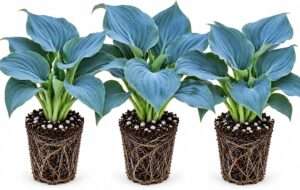
Product Description: Hostas stand as the foundational pillar of partial shade gardening. Featuring broad, architectural leaves that range from deep sapphire blue to striking cream-and-green variegated edges, these long-lived perennials form dense, mounded crowns. During mid-to-late summer, slender stalks emerge high above the foliage canopy to showcase bell-shaped lavender or white flowers that attract natural pollinators.
-
Estimated Price: $15.00 – $35.00 (varies by container size and multi-pack bare root counts)
-
Key Features & Benefits: Extremely hardy growth across cold winter regions (Zones 3–9), wide variety of leaf textures (smooth, corrugated, or wavy), and high adaptability to varying light levels.
-
Pros:
-
Exceptional cold hardiness and dependable return every spring.
-
Variegated cultivars light up dark garden corners.
-
Simple to divide and transplant to propagate new garden beds.
-
-
Cons:
-
Highly attractive to deer, slugs, and snails in damp shade.
-
Leaves completely collapse after the first hard autumn freeze.
-
-
Amazon Customer Ratings & Reviews: 4.6 out of 5 Stars (Based on 1,200+ verified customer ratings). Reviewers consistently highlight how fast live-rooted containers establish, noting that morning sun exposure dramatically enhances the bright margins on variegated cultivars like ‘Patriot’ and ‘Francee’.
-
Why It’s a Good Choice for Semi Shade: Hostas utilize 3 to 5 hours of soft morning sunlight to produce lush leaf pigment without risking foliage burn.
-
Ideal Use Case: Homeowners looking to frame shaded walkways, fill foundation beds beneath roof eaves, or establish groundcover under tall tree canopies.
Product 2: Heuchera / Coral Bells Live Plants (Best for Year-Round Foliage Color)
-
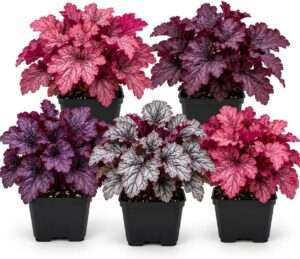
Product Description: For gardeners seeking vibrant leaf color without relying entirely on short-lived flower cycles, Heuchera (Coral Bells) is an essential choice. Exhibiting ruffled leaves in shades of deep plum, bright chartreuse, burnt copper, and smoky rose, these compact plants stay evergreen in temperate zones. In late spring, wiry stems extend upward, bearing small, bell-shaped flowers that hummingbirds actively frequent.
-
Estimated Price: $12.00 – $28.00 per live plant pot
-
Key Features & Benefits: Outstanding spectrum of foliage hues, highly compact mound habit (10–18 inches wide), drought-tolerant once roots establish, and strong deer resistance.
-
Pros:
-
Provides continuous, multi-season color across spring, summer, and fall.
-
Excellent mounding structure for small-space container gardening.
-
Attracts hummingbirds and beneficial pollinators.
-
-
Cons:
-
Highly sensitive to crown rot if planted in dense, heavy clay soil.
-
Shallow root systems may require winter mulching in colder climates.
-
-
Amazon Customer Ratings & Reviews: 4.5 out of 5 Stars (Based on 850+ verified customer ratings). Buyers frequently praise Heuchera for adding instant contrast next to dark green ferns, with multiple reviews pointing out how well they perform in porch containers exposed to partial sun.
-
Why It’s a Good Choice for Semi Shade: Filtered sun triggers intense leaf color synthesis while protecting the tender, ruffled leaf edges from drying out.
-
Ideal Use Case: Patio container growers, front-of-border edging, and gardeners building colorful foliage displays.
Product 3: Astilbe / False Spirea Live Bare Roots & Pots (Best Flowering Plant for Semi Shade)
-
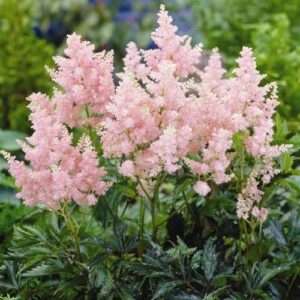
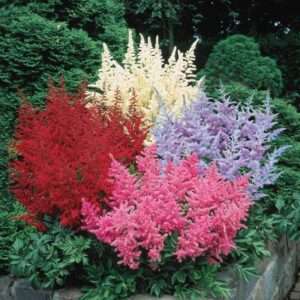
Product Description: Astilbe brings airy elegance to semi-shaded landscapes with its feathery, fern-like foliage and vibrant upright flower plumes. Available in radiant shades of crimson, blush pink, orchid lavender, and crisp white, these perennials bloom mid-to-late summer, creating striking vertical accents against broader-leafed shade companions.
-
Estimated Price: $14.00 – $30.00 (varies by bare root cluster count or container volume)
-
Key Features & Benefits: Distinct plume-like flower head structure, deer- and rabbit-resistant properties, highly effective as cut flowers, and robust performance in rich, moist soils.
-
Pros:
-
Delivers high-impact vertical height and texture to flat garden beds.
-
Completely unbothered by browsing deer or woodland pests.
-
Flower plumes dry gracefully directly on the stalk for late-season visual interest.
-
-
Cons:
-
Low tolerance for drought; foliage wilts rapidly if the soil dries out entirely.
-
Requires aggressive spring mulching to retain root moisture.
-
-
Amazon Customer Ratings & Reviews: 4.4 out of 5 Stars (Based on 650+ verified customer ratings). Reviewers emphasize that planting Astilbe in spots receiving early morning sun results in dramatically larger flower spikes compared to planting them in deep, sunless shade.
-
Why It’s a Good Choice for Semi Shade: Gentle morning light fuels the energy needed to push out heavy summer blooms without burning the plant’s delicate, ferny foliage.
-
Ideal Use Case: Woodland borders, low-lying garden beds that retain moisture, streamside landscaping, or mixed perennial rows.
Product 4: Live Snake Plant / Sansevieria (Best Low-Maintenance Crossover Pick)
-
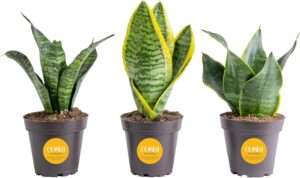
Product Description: Famous for its architectural presence and extreme adaptability, the Snake Plant (Sansevieria trifasciata) features rigid, upright leaves patterned with alternating bands of dark green, gray, and bright yellow margins. While widely grown as an indoor houseplant, it excels outdoors during warm seasons on shaded decks, patios, and covered entryways.
-
Estimated Price: $37.99
-
Key Features & Benefits: Extreme drought resistance, architectural vertical silhouette, top-tier air purification qualities, and low maintenance requirements.
-
Pros:
-
Thrives on neglect; requires minimal watering cycles.
-
Adapts effortlessly between indoor window sills and outdoor shaded patios.
-
Unaffected by common garden pests or high ambient heat.
-
-
Cons:
-
Intolerant of frost (must be brought indoors when temperatures drop below 50°F / 10°C).
-
Highly susceptible to root rot if overwatered or placed in non-draining pots.
-
-
Amazon Customer Ratings & Reviews: 4.7 out of 5 Stars (Based on 2,100+ verified customer ratings). Customers routinely rate this as the most bulletproof plant choice for low-light porches and apartment balconies where traditional garden perennials struggle.
-
Why It’s a Good Choice for Semi Shade: Handles dappled, indirect, or partial light with zero risk of leggy stretching, maintaining its clean structural shape all season.
-
Ideal Use Case: Covered porch containers, urban apartment balconies, covered entryway planters, or indoor-outdoor hybrid gardens.
Product 5: Bigleaf Hydrangea / Hydrangea Macrophylla (Best Showstopping Shrub)
-
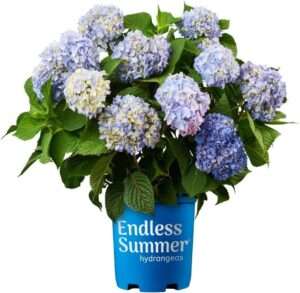
Product Description: Renowned for producing massive, cloud-like bloom heads that can reach the size of bowling balls, the Bigleaf Hydrangea (Hydrangea macrophylla) serves as a premier anchor shrub for semi-shaded properties. Depending on your soil’s aluminum availability and pH levels, these shrubs produce clusters in deep blue, soft violet, bright pink, or creamy white.
-
Estimated Price: $25.00 – $55.00 (varies by 1-gallon to 3-gallon pot size)
-
Key Features & Benefits: Continuous bloom displays from early summer through autumn, large glossy green foliage, and high visual impact as a hedge or border focal point.
-
Pros:
-
Dramatic seasonal color display that transforms curb appeal.
-
Excellent for fresh cut flower arrangements or dried floral crafts.
-
Blooms dynamically shift color based on soil acidity (acidic = blue, alkaline = pink).
-
-
Cons:
-
Heavy water requirement; leaves easily droop under harsh midday heat.
-
Sensitive to late spring frosts that can damage developing flower buds.
-
-
Amazon Customer Ratings & Reviews: 4.5 out of 5 Stars (Based on 980+ verified customer ratings). Buyers frequently point out that positioning this shrub where it gets morning light followed by afternoon shade is the absolute key to keeping its blooms vibrant and upright.
-
Why It’s a Good Choice for Semi Shade: Needs 3 to 4 hours of early sun to synthesize energy for big flower buds, but requires afternoon shade protection to preserve leaf moisture and bloom structure.
-
Ideal Use Case: Foundation plantings alongside house walls, property line hedges, and large ornamental patio containers.
Product 6: Japanese Forest Grass / Hakonechloa macra (Best Texture & Ornamental Accent)
-
Product Description: Unlike rigid full-sun grasses, Japanese Forest Grass (Hakonechloa macra) brings soft, cascading movement to partial-shade gardens. Featuring slender, bamboo-like foliage that arch gracefully to form loose mounds, golden and variegated cultivars ripple with the slightest breeze, introducing a brilliant chartreuse-to-gold texture into shadowy garden layers.
-
Estimated Price:
-
Key Features & Benefits: Non-invasive mounding growth habit, bright visual contrast, soft rustling texture, and autumn foliage color transitions to copper and bronze.
-
Pros:
-
Softens hard landscaping edges along stone walls, pavers, and retaining steps.
-
Brightens dark garden corners with brilliant lime-green or golden foliage.
-
Completely non-invasive compared to other spreading grass varieties.
-
-
Cons:
-
Moderately slow growth rate during its first year in the ground.
-
Requires steady moisture to prevent leaf tips from browning.
-
-
Amazon Customer Ratings & Reviews: 4.6 out of 5 Stars (Based on 420+ verified customer ratings). Gardeners love using this grass to frame darker plants like burgundy Heuchera or deep green Hostas, calling it a game-changer for shade landscaping texture.
-
Why It’s a Good Choice for Semi Shade: Direct harsh sun bleaches its golden leaves white, while partial shade keeps the foliage vivid, vibrant, and healthy.
-
Ideal Use Case: Bordering pathways, cascading over retaining walls, filling woodland garden pockets, or planting in accent containers.
Practical Tips for Success with Semi-Shade Plants
Maximizing the health and appearance of the best plants for semi shade comes down to three fundamental practices:
-
Strategic Soil Moisture Management: Soil shaded by structures or trees stays damp longer than soil in full sun, but tree roots aggressively suck up moisture. Test the top two inches of soil with your finger—water deeply only when the top inch feels dry to the touch.
-
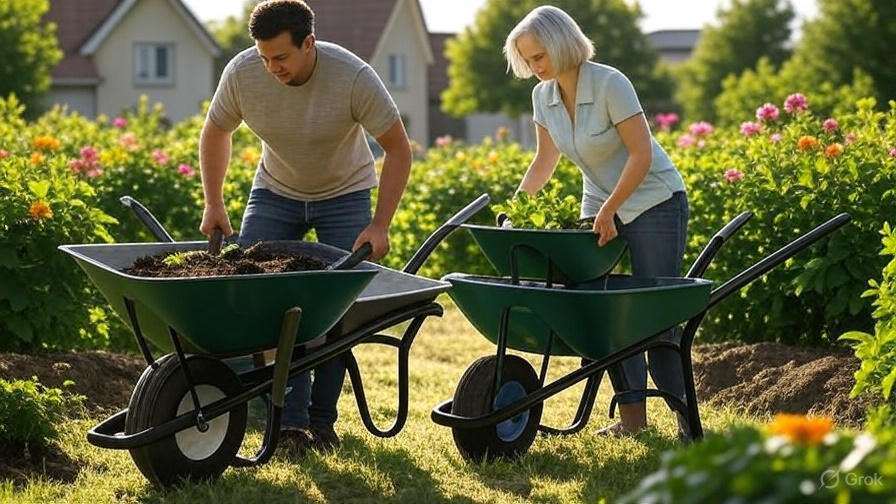
Organic Compost Integration: Enrich shaded garden beds with 2–3 inches of organic compost annually. Compost improves moisture retention in sandy soils while breaking up heavy clay, creating the rich environment that woodland and semi-shade species crave.
-
Protecting Roots with Shredded Mulch: Apply a 2-inch layer of shredded bark mulch or leaf mold around your plants. Mulch keeps root systems cool during hot summer days, reduces water evaporation by up to 50%, and keeps low-lying leaves free of soil-borne fungi.
Frequently Asked Questions (FAQ)
Q1: What is the exact difference between partial shade and partial sun?
While both terms refer to areas receiving 3 to 6 hours of direct sunlight daily, “partial sun” emphasizes plants that can handle the hotter, direct afternoon sun rays. “Partial shade” implies that the plant prefers cooler morning light or dappled sun and requires protection from harsh afternoon heat.
Q2: Can plants recommended for semi shade grow in total shade?
Most semi-shade plants will survive in total shade (fewer than 2 hours of light), but they will rarely thrive. Flowering plants like Astilbe and Hydrangeas will produce significantly fewer blooms, and variegated foliage plants like Hostas and Heuchera may lose their bright leaf patterns, turning dull green.
Q3: How often should container-grown semi-shade plants be watered?
Potted plants lose moisture faster than in-ground garden beds. During summer heat, check container moisture levels every 1 to 2 days. Water thoroughly until liquid drains from the bottom holes whenever the top inch of potting soil feels dry.
Q4: Which semi-shade plants are safest from deer and rabbits?
If animal browsing is a major issue in your yard, prioritize Astilbe, Heuchera (Coral Bells), and Japanese Forest Grass. While Hostas are deer favorites, these three species are rarely touched by woodland wildlife.
Final Verdict: Choosing the Right Plant for Your Space
Building a thriving semi-shade garden is simple once you match the plant to your specific goals:
-
For maximum foliage color and effortless care: Go with Hosta Perennial Live Plants or Heuchera (Coral Bells). Both offer unmatched leaf variations that keep garden beds lively from spring to frost.
-
For jaw-dropping summer flowers: Choose Astilbe for vertical spires or Bigleaf Hydrangeas for massive, classic flower clusters.
-
For low-maintenance containers & covered spaces: Opt for the Snake Plant (Sansevieria) outdoors in summer or Japanese Forest Grass for elegant container borders.
Check live availability on Amazon today to secure healthy, rooted plants and turn your shaded garden spots into vibrant outdoor features!