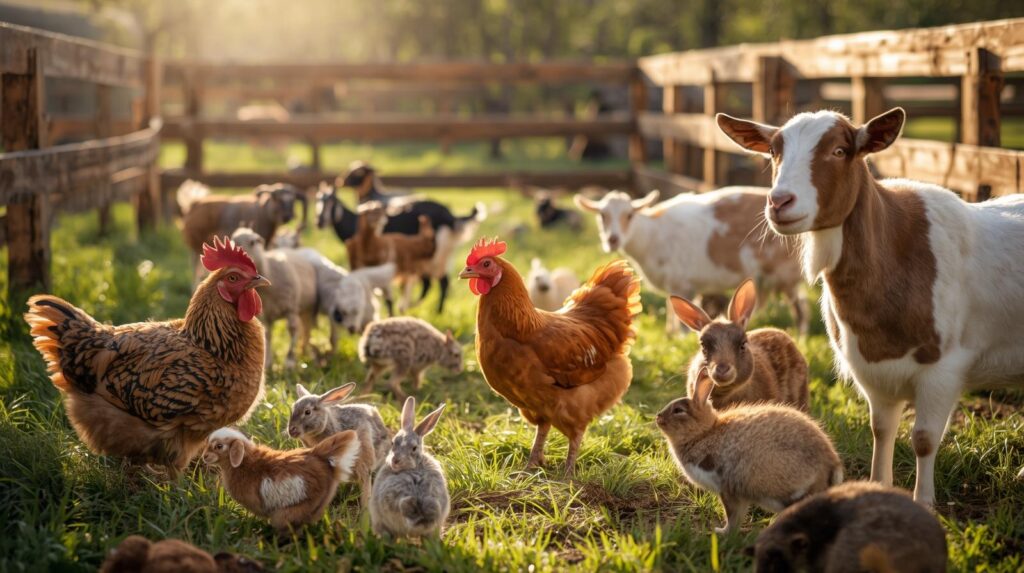
Imagine waking up to the sound of fresh eggs being laid in your backyard coop, knowing your family will enjoy nutrient-rich, home-produced food while cutting grocery bills in half. For countless new homesteaders across the US, this dream becomes reality by starting with the best starter livestock for a small US homestead—animals that fit limited space, require minimal experience, and deliver quick rewards like eggs, meat, milk, or natural pest control.
In 2025, with rising food costs and a growing emphasis on sustainability and self-sufficiency, choosing beginner-friendly livestock is more important than ever. Many aspiring homesteaders on 1-5 acres fail early by selecting high-maintenance animals, leading to frustration and abandonment. This comprehensive guide draws from real-world homesteader experiences, current trends, and expert recommendations to help you avoid those pitfalls. We’ll cover practical options tailored to small US homesteads, factoring in space constraints, local regulations, costs, and 2025’s focus on resilient, multi-purpose breeds.
Whether your goal is fresh daily eggs, home-raised meat, or closing the nutrient loop with garden-fertilizing manure, the right starters will build your confidence and provide tangible benefits fast.
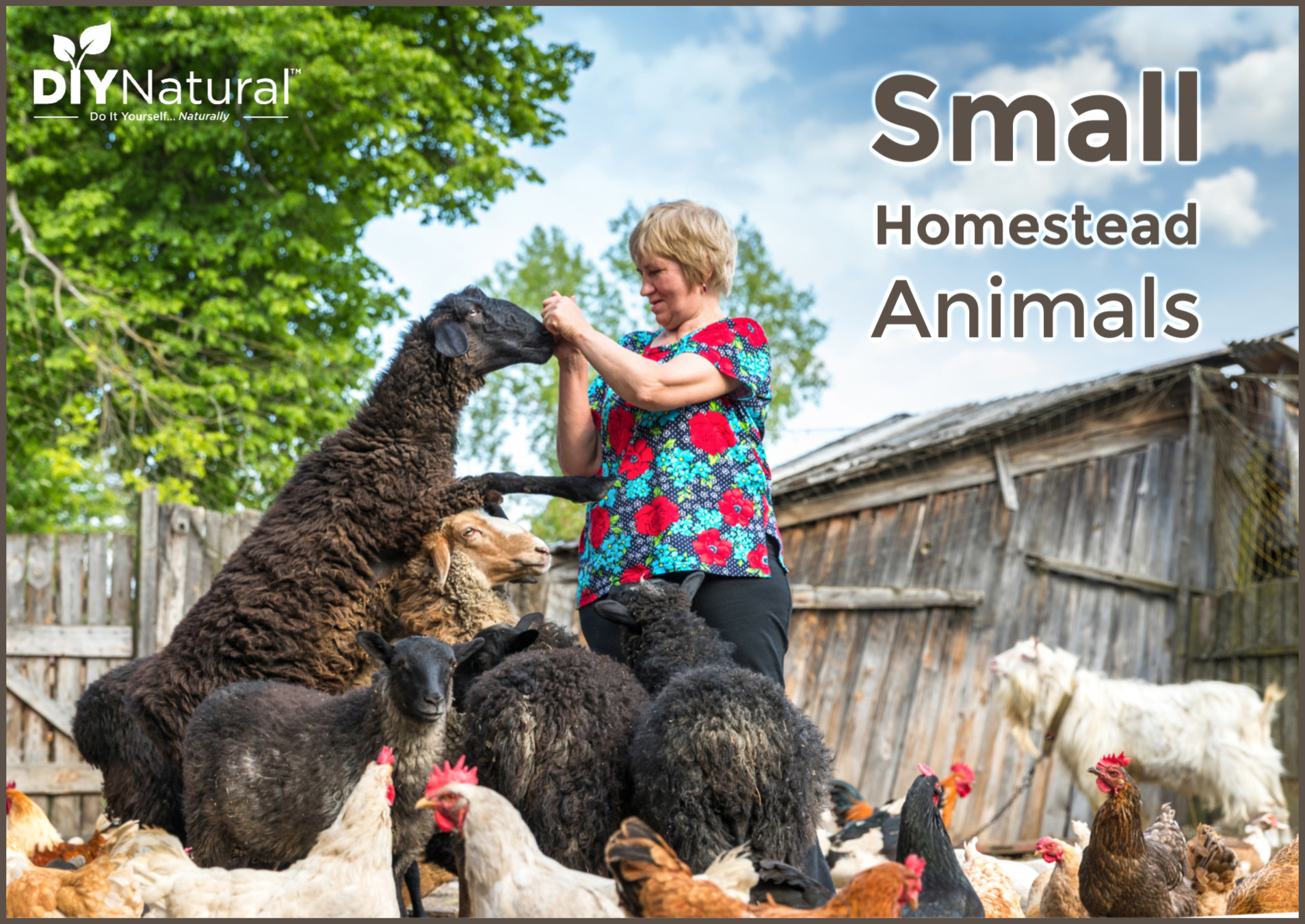
Why Start Small? Key Considerations Before Choosing Livestock
Jumping into livestock without preparation is one of the top reasons new homesteaders burn out. Starting small allows you to learn animal husbandry basics while managing daily chores alongside work or family life.
Assessing Your Space and Resources
Small US homesteads typically range from backyard lots to 5 acres. Large animals like full-size cattle need 1-2 acres per head—impractical for beginners. Focus on compact options:
- Chickens: 4-10 square feet per bird in a coop and run.
- Quail or rabbits: Stackable cages fitting in 100 square feet or less.
- Ducks: Similar to chickens but need water access.
- Mini goats: 0.25-0.5 acres for 2-4 animals.
In 2025, rotational grazing and multi-species stacking (e.g., chickens following goats to sanitize pasture) maximize limited land.
Local Zoning and Regulations in the US
US zoning varies widely by state, county, and municipality—always verify before purchasing animals.
- Backyard chickens: Permitted in many urban/suburban areas, often limited to 4-12 hens (roosters frequently banned due to noise).
- Rabbits and quail: Often unrestricted or treated as pets.
- Ducks: Similar to chickens but may require water feature setbacks.
- Mini goats: Allowed on 1+ acres in rural-residential zones; pygmy or Nigerian Dwarfs common in permissive areas.
- Larger animals (pigs, sheep): Typically need agricultural zoning and more acreage.
Check your local planning department or use resources like municipal codes online. In 2025, more communities amend rules for food security, but violations can lead to fines or forced removal.
Your Goals and Lifestyle
Align livestock with your needs:
- Daily eggs and pest control: Poultry (chickens, ducks, quail).
- Efficient meat production: Rabbits or meat birds.
- Milk and brush clearing: Miniature goats.
- Low time commitment: Aim for 15-30 minutes daily initially.
2025 Trends in Homesteading Livestock
This year emphasizes regenerative practices and resilience amid economic uncertainty:
- Heritage and dual-purpose breeds for hardiness.
- Compact animals like Coturnix quail and Nigerian Dwarfs gaining popularity.
- Focus on low-input foraging to offset rising feed costs.
Common Beginner Mistakes to Avoid
- Overstocking leading to disease or resource strain.
- Inadequate predator-proofing (foxes, hawks, raccoons rampant).
- Ignoring biosecurity (quarantine new animals).
- Skipping health basics like parasite control.

Top Beginner-Friendly Livestock for Small US Homesteads
Based on ease, productivity, and suitability for limited space, here are the top five—ranked for novices in 2025.
1. Chickens: The Ultimate Gateway Livestock
Chickens remain the #1 recommendation from experts and homesteaders alike. Affordable, productive, and forgiving, they provide quick wins.
Pros
- Eggs in 5-6 months; meat birds ready in 8-12 weeks.
- Excellent pest control and manure for gardens.
- Adaptable to small spaces.
Cons
- Predator risks.
- Roosters noisy (avoid if zoned against).
Best Breeds for 2025
- Buff Orpingtons or Plymouth Rocks: Docile, cold-hardy dual-purpose.
- Rhode Island Reds or Australorps: Prolific layers (250-300 eggs/year).
- Starter flock: 6-12 hens.
Startup Costs and Tips
- $300-600 for coop, birds, and feed (chicks $3-6 each).
- Use deep litter method for easy maintenance.
2. Rabbits: Efficient Meat Producers for Tiny Spaces
Quiet and compact, rabbits excel for meat on minimal land.
Pros
- Fast reproduction: Litters every 30 days.
- Superior feed-to-meat ratio; “garden gold” manure.
- Quiet—no noise complaints.
Cons
- Heat-sensitive.
- Predator-proof housing essential.
Best Breeds for 2025
- New Zealand or Californian: Reliable meat producers.
- Starter: 1 buck + 2-3 does.
Startup Costs and Tips
- $300-700 for hutches and breeding stock.
- Colony raising for natural behavior.

3. Ducks: Hardy Alternatives to Chickens
Ducks offer richer eggs and superior foraging.
Pros
- Pest control champions (slugs, bugs).
- Cold-hardy and disease-resistant.
- Fun personalities.
Cons
- Messier (need water).
- Louder quacks.
Best Breeds for 2025
- Pekin (dual-purpose) or Khaki Campbell/Indian Runner (egg specialists, 250-300 eggs/year).
- Starter: 4-8 ducks.
Startup Costs and Tips
- $300-600, similar to chickens.
- Provide kiddie pool for dabbling.

4. Miniature Goats (e.g., Nigerian Dwarfs or Pygmies): Compact Dairy and Brush Clearers
Mini goats bring milk and personality to small homesteads.
Pros
- 1-2 quarts rich milk daily per doe.
- Clear weeds/brush naturally.
- Affectionate companions.
Cons
- Expert escape artists—robust fencing required.
- Parasite management key.
Best Breeds for 2025
- Nigerian Dwarfs: High butterfat milk, compact size.
- Starter: 2-3 does (breed later or use AI).
Startup Costs and Tips
- $600-1,200 for animals and fencing.
- Mineral supplements essential.
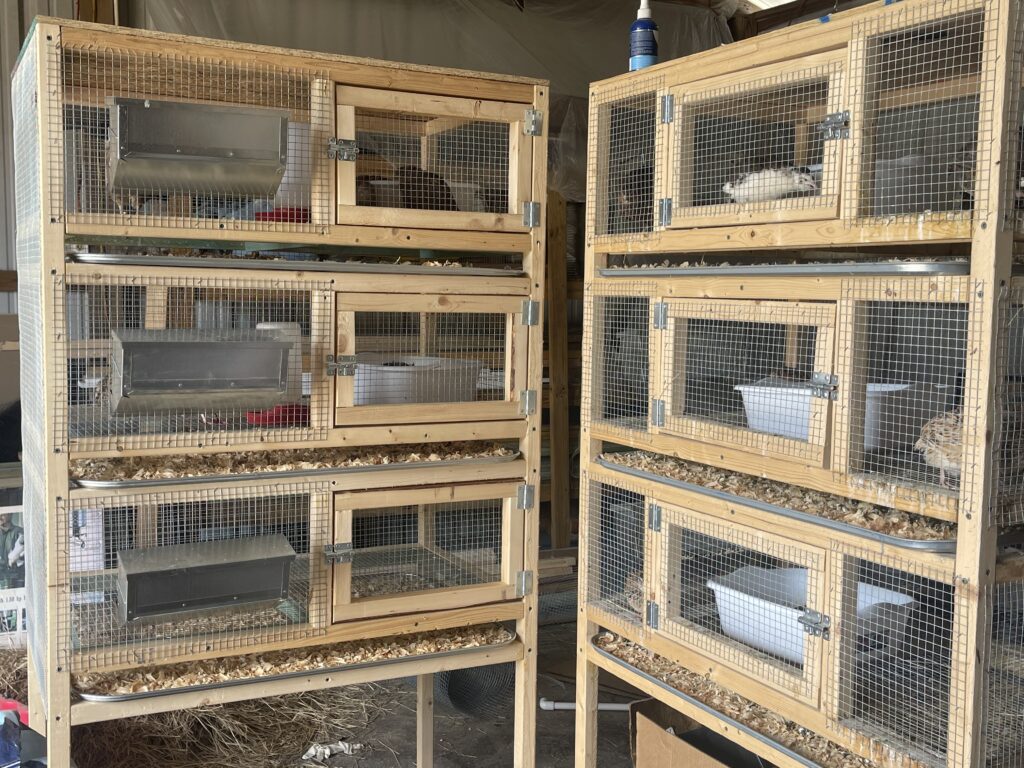
5. Quail: Ultra-Compact Egg and Meat Birds
Ideal for tiniest spaces or urban edges.
Pros
- Mature in 6-8 weeks.
- Quiet, low-maintenance.
- Stackable housing.
Cons
- Smaller yields.
- Flighty—secure enclosures.
Best Breeds for 2025
- Coturnix (Jumbo for meat).
- Starter: 20-50 birds.
Startup Costs and Tips
- $200-500 for cages and birds.
- Excellent for vertical integration.
Honorable Mentions for Slightly Larger Small Homesteads
- KuneKune Pigs: Docile, grazing meat producers.
- Honey Bees: Low-daily care, pollination + honey.
Comparison Table: Quick Overview of Top Options
| Animal | Space Needed (per group) | Startup Cost | Daily Time | Primary Benefits | Beginner Rating |
|---|---|---|---|---|---|
| Chickens | Low (coop + run for 6-12) | $300-600 | Low | Eggs, meat, pest control, manure | Easiest |
| Rabbits | Very Low (cages) | $300-700 | Low | Meat, manure | Very Easy |
| Ducks | Low-Medium | $300-600 | Low | Eggs, superior foraging | Easy |
| Mini Goats | Medium (0.25-0.5 acres) | $600-1,200 | Medium | Milk, brush clearing | Moderate |
| Quail | Very Low | $200-500 | Very Low | Eggs/meat in tiny space | Easy |
Essential Setup Tips for Success
- Predator Protection: Electric netting, sturdy coops, guardian dogs if scaling.
- Feeding and Health: Quality feed initially; transition to forage. Learn basic care (vaccinations, deworming).
- Biosecurity: Quarantine newcomers 2-4 weeks.
- Scaling Up: Master one species before adding another.
Expert Insights and Real Homesteader Stories
Experienced homesteaders emphasize starting with chickens or rabbits to build skills. In 2025, many report offsetting feed costs via gardening scraps and foraging. One common theme: “Chickens taught me responsibility; rabbits provided our first home-raised meat without overwhelm.”
Frequently Asked Questions (FAQs)
- What if zoning bans roosters or large animals? Start with hens, rabbits, or quail—widely allowed.
- How much feed will I need? Varies; chickens ~$20-30/month for 10 birds initially.
- Can I raise these for profit? Yes, eggs/meat sales common; check cottage food laws.
- Easiest for complete beginners? Chickens or quail.
- 2025 resources/grants? USDA programs, local extensions for beginners.
Your Path to a Thriving Small Homestead
In 2025, starting with beginner-friendly livestock like chickens, rabbits, or quail positions you for sustainable success on a small US homestead. These animals offer resilience, nutrition, and joy while aligning with trends toward self-reliance.