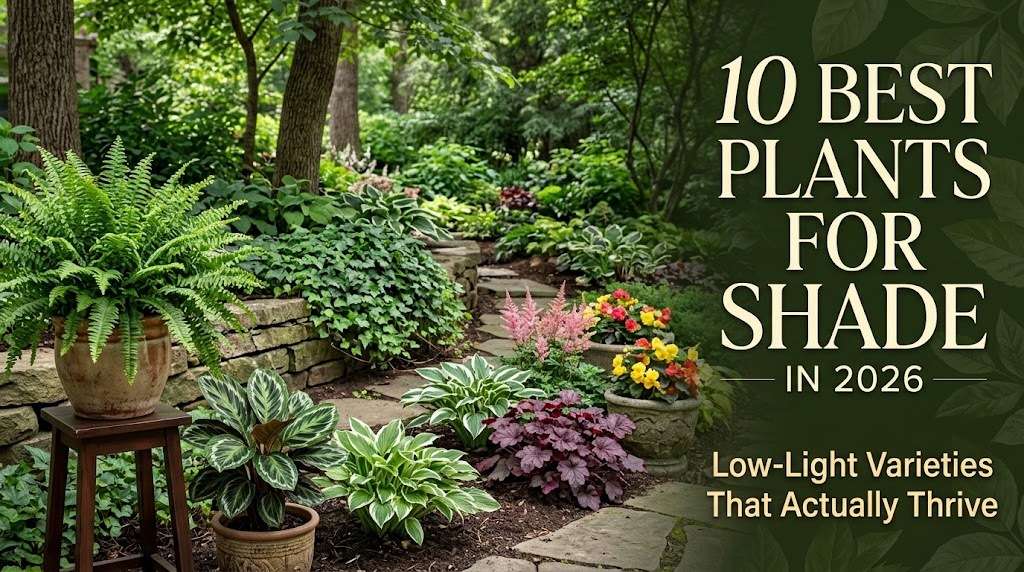
If you have a dark hallway, a north-facing living room, or a garden bed hidden under a heavy tree canopy, you know how frustrating it can be to watch typical nursery greenery wither away. Many gardeners and homeowners assume that a thriving garden or lush indoor display requires endless hours of direct sunlight. The truth is, finding the best trees for shade can completely transform those dim, neglected spaces into vibrant green sanctuaries without requiring constant maintenance or trial-and-error.
It is a common misconception that low-light environments cannot support colorful blooms or rich, dramatic foliage. In reality, a wide variety of shade-tolerant perennials and indoor plants have evolved specifically to flourish under filtered sunlight and dim canopy conditions. Choosing species adapted to low light lets you eliminate patchy lawns, cover bare soil beneath trees, and bring fresh life into dark rooms—all while cutting back on routine watering and intense sun-scald repair.
Section 2: Buyer’s Guide — How to Choose the Right Shade Plant
Selecting the right plant for a shaded environment requires matching your site’s environmental conditions with the plant’s physiological capabilities.
1. Define Your Specific Light Level
Light exposure varies significantly across different shade settings. Accurately assessing your space prevents weak, leggy growth or foliage burn.
-
Deep Shade: Locations receiving fewer than 2 hours of direct sunlight daily or filtered ambient light only. Examples include spaces under dense evergreen canopies, covered porches, or windowless interior hallways relying on overhead artificial lighting.
-
Partial/Dappled Shade: Areas receiving 3 to 6 hours of soft sunlight per day—ideally cool morning rays or dappled sunlight filtering through deciduous leaf canopies.
-
Light Shade / Bright Indirect: Spaces receiving indirect sunlight throughout the day without direct beam exposure, such as spots near east- or north-facing windows indoors.
2. Soil, Moisture & Drainage Essentials
Shade microclimates come with distinct soil moisture challenges:
-
Outdoor Dry Shade: Planting under mature trees forces small plants to compete with deep root systems for water. Choose drought-tolerant shade species like hostas or coral bells and enrich the soil with organic matter to lock in moisture.
-
Indoor Evaporative Rates: Soil dries out much slower in low-light indoor environments. Use porous terracotta pots and well-aerated potting mixes (containing perlite or bark) to prevent waterlogging and root rot.
3. Pet Toxicity & Environmental Hardiness
Always verify plant safety if you share your home with domestic pets:
-
Pet Safety: Plants such as Coral Bells and Astilbe are non-toxic to dogs and cats according to the ASPCA. Conversely, Hostas, ZZ Plants, Snake Plants, and Peace Lilies contain compounds (like insoluble calcium oxalates or saponins) that cause gastrointestinal irritation if ingested.
-
USDA Hardiness Zones: For outdoor landscaping, select perennials rated for your specific USDA Cold Hardiness Zone so they reliably return each spring.
Section 3: Feature Comparison Table
To ensure clear, mobile-friendly navigation, this summary table breaks down our top shade plant recommendations across three essential core parameters.
| Plant Name | Environment & Light | Key Specs & Safety |
| Shadowland ‘Autumn Frost’ Hosta |
Outdoor
• Partial to Deep Shade |
Height: 12″–16″
Rating: 4.6/5 ★
Pet Safe: ❌ No |
| Dolce ‘Cherry Truffles’ Coral Bells |
Outdoor
• Dappled to Partial Shade |
Height: 8″–10″
Rating: 4.5/5 ★
Pet Safe: ✅ Yes |
| Fanal Red Astilbe |
Outdoor
• Partial to Deep Shade |
Height: 20″–24″
Rating: 4.4/5 ★
Pet Safe: ✅ Yes |
| Costa Farms ZZ Plant |
Indoor
• Low to Medium Light |
Height: 12″–36″
Rating: 4.7/5 ★
Pet Safe: ❌ No |
| Laurentii Snake Plant |
Indoor
• Low to Bright Indirect |
Height: 18″–48″
Rating: 4.6/5 ★
Pet Safe: ❌ No |
| Spathiphyllum Peace Lily |
Indoor
• Medium to Low Light |
Height: 16″–24″
Rating: 4.5/5 ★
Pet Safe: ❌ No |
Section 4: Detailed Product Reviews
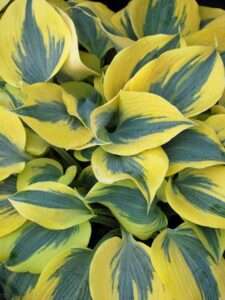
1. Shadowland ‘Autumn Frost’ Hosta (Hosta hybrid) — Best Outdoor Foliage for Deep Shade
The Shadowland ‘Autumn Frost’ Hosta is a premium outdoor perennial renowned for its striking color contrast and extreme hardiness in shaded landscapes. It features thick, heart-shaped leaves with deep blue-green centers and broad, bright yellow margins that fade to a clean cream-white as summer progresses.
Product Overview & Pricing
-
Price Range: ~$18.99 – $21.99 (Live 1-Gallon Pot)
-
Environment: Outdoor (USDA Hardiness Zones 3–9)
-
Light Requirement: Partial to Deep Shade
Key Features & Benefits
-
Thick Foliage Texture: The dense, heavy substructure of its leaves makes ‘Autumn Frost’ noticeably more resistant to slug and snail damage than thin-leaved hosta cultivars.
-
Multi-Season Visual Appeal: Provides dynamic color shifting from early spring through autumn, culminating in light lavender blooms held on upright scapes in mid-summer.
-
Low Maintenance Needs: Once established, it requires minimal intervention beyond routine autumn cleanup.
Pros & Cons
-
Pros: Highly hardy across cold climates; excellent weed-suppressing ground cover; thrives in dense tree shade.
-
Cons: Toxic to dogs, cats, and horses if consumed; highly attractive to deer.
Amazon Customer Ratings & Reviews
-
Overall Rating: 4.6 out of 5 stars (~1,200+ ratings)
-
User Feedback: Customers praise the plant’s packaging security during transit and note strong root establishment within 2 to 3 weeks of ground planting.
Why It’s a Good Choice & Ideal Use Case
It is one of the most reliable options for brightening dark garden corners where turf grass refuses to grow. Ideal for: Homeowners looking to establish low-maintenance border plantings along north-facing walls or around the base of shade trees.
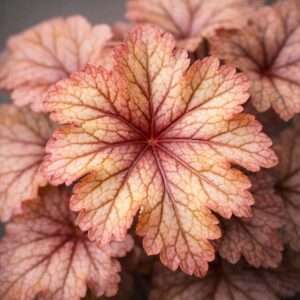
2. Dolce ‘Cherry Truffles’ Coral Bells (Heuchera) — Best Multi-Color Accent Plant
Dolce ‘Cherry Truffles’ brings warm, rich tones to cool, shaded garden beds. Its heavily ruffled, mahogany-red leaves maintain their vibrant coloration throughout the season, forming dense, mounded clumps that serve as visual anchors in shaded garden beds.
Product Overview & Pricing
-
Price Range: ~$17.99 – $19.99 (Live 1-Quart to 1-Gallon Pot)
-
Environment: Outdoor (USDA Hardiness Zones 4–9)
-
Light Requirement: Dappled to Partial Shade
Key Features & Benefits
-
ASPCA Non-Toxic Rating: Completely non-toxic to domestic pets, making it a safe choice for low-lying yard borders accessible to dogs and cats.
-
Evergreen Character: Retains its colorful foliage year-round in milder winter regions.
-
Drought & Heat Tolerance: Displays greater heat and humidity tolerance than traditional Heuchera varieties once rooted.
Pros & Cons
-
Pros: Safe for households with pets; striking mahogany-red foliage color; works well in ground beds and containers.
-
Cons: Poorly drained or soggy winter soils can cause crown rot; prefers morning sun over deep shade.
Amazon Customer Ratings & Reviews
-
Overall Rating: 4.5 out of 5 stars (~850+ ratings)
-
User Feedback: Reviewers love the rich leaf color contrast against traditional green ferns and hostas, highlighting its fast growth in decorative patio pots.
Why It’s a Good Choice & Ideal Use Case
Adds warm color accenting without relying on short-lived flowers. Ideal for: Gardeners designing multi-layered shade borders or mixed patio containers requiring pet-safe plants.
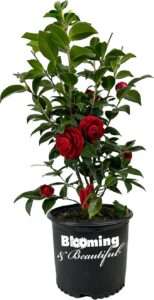
3. Fanal Red Astilbe (Astilbe japonica) — Best Flowering Shade Perennial
Fanal Red Astilbe produces feathery, deep crimson flower plumes rising above bronze-green fern-like foliage. It is one of the few shade perennials that delivers intense floral color in damp, low-light gardens.
Product Overview & Pricing
-
Price Range: $64.99 (Live Potted Plant)
-
Environment: Outdoor (USDA Hardiness Zones 4–9)
-
Light Requirement: Partial to Deep Shade
Key Features & Benefits
-
Vivid Floral Spikes: Features upright flower plumes that bloom for 4 to 6 weeks during early-to-mid summer.
-
Deer & Rabbit Resistance: Natural foliage textures deter common backyard grazers.
-
Loves Moist Soils: Thrives in damp locations where other perennial roots might rot.
Pros & Cons
-
Pros: Excellent architectural height; deer and rabbit resistant; non-toxic to pets.
-
Cons: Demands consistently moist soil; leaves will brown and crisp quickly if allowed to dry out completely.
Amazon Customer Ratings & Reviews
-
Overall Rating: 4.4 out of 5 stars (~640+ ratings)
-
User Feedback: Buyers emphasize the importance of keeping the soil moist, noting spectacular mid-summer flower spikes when properly watered.
Why It’s a Good Choice & Ideal Use Case
It provides vertical height and vibrant color in low-light garden zones. Ideal for: Rain gardens, pond margins, or damp shaded beds with rich, organic soil.
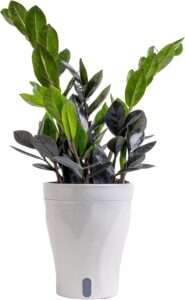
4. Costa Farms ZZ Plant (Zamioculcas zamiifolia) — Best Low-Maintenance Indoor Plant
The ZZ Plant features glossy, dark green leaflets arranged along thick, upright stems. It is widely considered one of the most forgiving indoor plants available, thriving in dark apartments and low-light offices.
Product Overview & Pricing
-
Price Range: ~$24.99 – $31.99 (6-Inch Decor Pot)
-
Environment: Indoor Houseplant
-
Light Requirement: Low to Bright Indirect Light (Thrives under fluorescent light)
Key Features & Benefits
-
Tuberous Water Storage: Stores water in underground rhizomes, allowing it to survive weeks of missed waterings without wilting.
-
Extreme Light Flexibility: Performs reliably in low-light interior spaces, dark bedrooms, and windowless offices.
-
Slow, Compact Growth: Maintains its structural shape without rapid, unwieldy growth.
Pros & Cons
-
Pros: Virtually indestructible; low watering requirements (once per month); highly tolerant of neglect.
-
Cons: Mildly toxic to pets if ingested; sensitive to overwatering and poorly draining soil.
Amazon Customer Ratings & Reviews
-
Overall Rating: 4.7 out of 5 stars (~3,400+ ratings)
-
User Feedback: Rated exceptionally high for longevity. Frequent travelers praise its ability to stay green despite weeks without care.
Why It’s a Good Choice & Ideal Use Case
It is the ultimate “set-it-and-forget-it” indoor plant for low-light spaces. Ideal for: Beginners, frequent travelers, or windowless office environments.
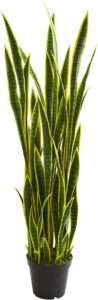
5. Laurentii Snake Plant (Sansevieria trifasciata) — Best Air-Purifying Shade Plant
The Laurentii Snake Plant features upright, sword-like leaves edged with vibrant yellow margins. Its vertical growth habit allows it to fit into tight architectural spaces while tolerating dim indoor lighting.
Product Overview & Pricing
-
Price Range: ~$19.99 – $27.99 (Live 6-Inch Nursery Pot)
-
Environment: Indoor Houseplant
-
Light Requirement: Low Light to Bright Indirect Light
Key Features & Benefits
-
Nighttime Oxygen Production: Performs Crassulacean Acid Metabolism (CAM), converting carbon dioxide into oxygen during nighttime hours.
-
Narrow Footprint: Grows vertically, making it ideal for tight corners, hallways, and narrow plant stands.
-
Low Water Demands: Requires minimal irrigation—allow the soil to dry out completely between waterings.
Pros & Cons
-
Pros: Distinct vertical aesthetic; highly adaptable to low light; drought tolerant.
-
Cons: Toxic to cats and dogs if chewed; prone to root rot if soil remains soggy.
Amazon Customer Ratings & Reviews
-
Overall Rating: 4.6 out of 5 stars (~4,800+ ratings)
-
User Feedback: Customers highlight its steady growth in dark apartment corners and sturdy condition upon arrival.
Why It’s a Good Choice & Ideal Use Case
Combines structural style with low light adaptability and air purification. Ideal for: Bedrooms, dim entryways, or tight living room corners.
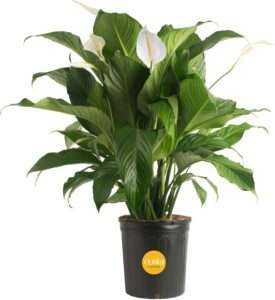
6. Spathiphyllum Peace Lily — Best Blooming Indoor Shade Plant
The Peace Lily is a classic indoor plant featuring lush, glossy foliage and elegant white spathe blooms. Unlike most flowering houseplants, it reliably produces blooms under indirect light conditions.
Product Overview & Pricing
-
Price Range: ~$21.99 – $29.99 (Live 6-Inch Pot)
-
Environment: Indoor Houseplant
-
Light Requirement: Medium to Low Indirect Light
Key Features & Benefits
-
Visual Moisture Indicator: Leaves droop noticeably when the plant needs water and rebound within hours after irrigation.
-
Low-Light Blooming: One of the few indoor houseplants capable of producing white flowers without direct sun.
-
Humidity Enhancement: Transpires moisture, helping increase ambient indoor humidity levels naturally.
Pros & Cons
-
Pros: Flowers reliably indoors; clear visual signals for watering needs; rich green foliage.
-
Cons: Toxic to pets (causes mouth irritation); sensitive to tap water chemicals like chlorine or fluoride.
Amazon Customer Ratings & Reviews
-
Overall Rating: 4.5 out of 5 stars (~2,100+ ratings)
-
User Feedback: Buyers praise its long-lasting white blooms and fast recovery from dramatic wilting.
Why It’s a Good Choice & Ideal Use Case
It delivers organic floral elegance to interior rooms without requiring sunny windows. Ideal for: Living rooms, office desks, or moisture-rich environments like bathrooms.
Section 5: Troubleshooting & Maintenance Guide for Shade Plants
Maintaining long-term plant health in shaded environments requires adjusting your care habits compared to sunny garden plots:
1. Water Management & Moisture Testing
-
Slower evaporation in shade means soil stays wet much longer. Overwatering is the primary cause of root rot in low-light settings.
-
The Moisture Test: Insert your finger 2 inches into the soil before watering. If you feel cool moisture or damp soil clings to your skin, hold off on watering for another 3 to 5 days.
2. Managing Leggy Growth & Light Adjustments
-
If an indoor plant develops long, thin stems with sparse foliage leaning toward the nearest window, it is signaling a need for slightly more light.
-
Gently rotate indoor containers 90 degrees every two weeks to promote balanced, symmetrical growth. For outdoor perennials, trim overhead tree branches to increase dappled light filtration.
3. Fertilization & Soil Health
-
Plants in low light grow at a slower rate and consume fewer nutrients.
-
Apply a diluted, balanced organic fertilizer (half-strength) only during active spring and summer growth. Avoid fertilizing during autumn and winter dormancy.
Section 6: Frequently Asked Questions (FAQ)
Q1: Can plants grow in complete darkness without light?
No plant can survive in total darkness indefinitely. While low-light plants like the ZZ Plant and Snake Plant tolerate dim corners, all plants require photon energy for photosynthesis. If natural light is completely absent, provide standard LED grow lights or fluorescent office lighting for at least 8 to 10 hours daily.
Q2: What is the difference between full shade and partial shade?
-
Partial Shade: Locations receiving 3 to 6 hours of direct sun per day, ideally during cool morning hours.
-
Full Shade: Areas receiving less than 2 hours of direct sun daily, relying instead on indirect sky shine or light filtering through dense tree canopies.
Q3: Which shade plants are safest for households with pets?
Outdoor perennials like Coral Bells (Heuchera) and Astilbe are non-toxic to dogs and cats according to the ASPCA. Indoor options like Boston Ferns and Calatheas are also pet-safe. Plants like Hostas, ZZ Plants, Snake Plants, and Peace Lilies contain irritants and should be kept out of reach of pets.
Section 7: Final Verdict & Buying Summary
Choosing the best plants for shade comes down to identifying your space constraints, lighting levels, and maintenance preferences:
-
Best Overall Outdoor Pick: Shadowland ‘Autumn Frost’ Hosta — Offers unbeatable cold hardiness, bold leaf coloration, and reliable growth in deep garden shade.
-
Best Overall Indoor Pick: Costa Farms ZZ Plant — Highly resilient and adaptable to low-light rooms, making it virtually unkillable for busy plant owners.
-
Best Flowering Picks: Fanal Red Astilbe (for outdoor damp shade gardens) and Spathiphyllum Peace Lily (for elegant indoor blooms without direct sun).