Imagine this: You’ve carefully selected high-quality seeds, filled your trays with fresh potting mix, and placed them in the perfect spot under grow lights. Tiny green shoots emerge, full of promise for a bountiful vegetable harvest. Then, overnight, disaster strikes — entire sections of your seedlings wilt, collapse at the soil line, and die. Frustrated growers often sigh and declare, “Calling seedlings a loss”, writing off the batch and starting over with wasted time, seeds, and money.
This heartbreaking scenario is all too common in agriculture and home gardening, especially when starting vegetables like tomatoes, peppers, cucumbers, brassicas, or beans. The primary culprit? Damping-off, a devastating soil-borne disease caused by fungi and fungus-like organisms (oomycetes) such as Pythium, Rhizoctonia, Fusarium, and Phytophthora. These pathogens thrive in cool, wet conditions and attack vulnerable young seedlings, leading to pre-emergence rot (seeds fail to sprout) or post-emergence collapse (seedlings topple over and die).
As an agricultural expert with years of experience advising farmers and extension services in regions like Bangladesh (where humid climates amplify the issue), I’ve seen damping-off cause yield losses of 50-90% in affected seedling batches. The good news? Prevention is highly effective. This comprehensive guide, drawing from trusted sources like University of Minnesota Extension, NC State Extension, and University of Wisconsin Horticulture, reveals the 7 common causes behind seedling failure and proven, practical strategies to save your crops. By implementing these steps, you can dramatically reduce losses and achieve strong, vigorous transplants ready for field success.
What Exactly Is “Calling Seedlings a Loss”? Understanding Damping-Off and Seedling Failure
Damping-off is a collective term for diseases that kill seeds or young seedlings, often before they develop true leaves. It manifests in two forms:
- Pre-emergence damping-off: Seeds rot in the soil before sprouting, resulting in poor or no germination. Affected seeds appear soft, discolored, and mushy.
- Post-emergence damping-off: Seedlings emerge normally but suddenly develop water-soaked lesions at or near the soil line. The stem constricts (often called “wirestem” with Rhizoctonia), the plant collapses like a felled tree, and it dies rapidly.
Here are some visual examples of the damage:
Here are real-life examples of damping-off in action:
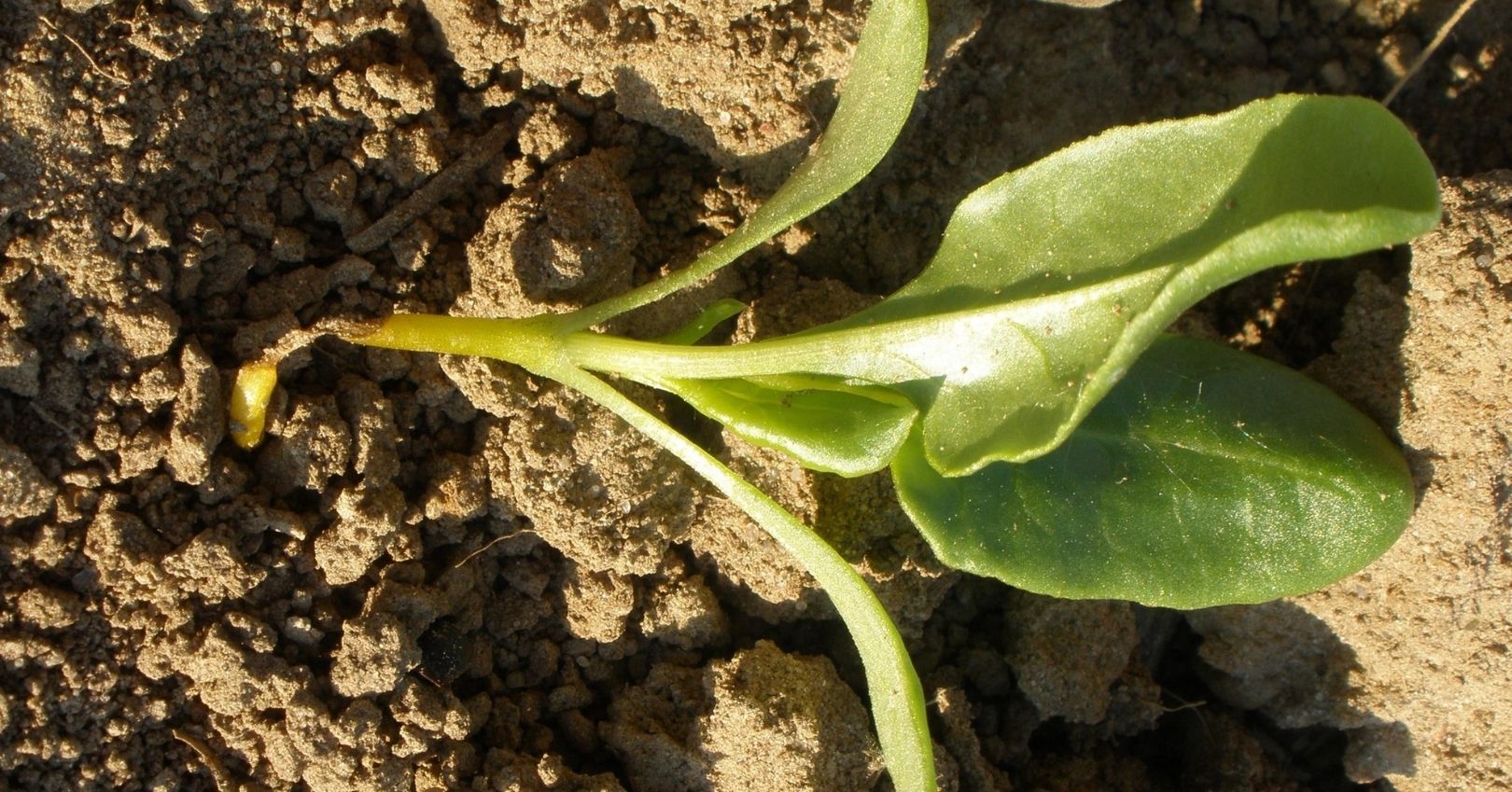
Seedlings are most vulnerable in the first 1-3 weeks after emergence because their cell walls are thin, roots are underdeveloped, and they lack natural defenses. Pathogens exploit this window, especially when conditions slow growth — cool soils below 68°F (20°C), overwatering, low light, or overcrowding.
The economic impact is significant: replanting delays harvests, increases seed costs, and reduces overall yield. In commercial nurseries or smallholder farms in humid areas, damping-off can wipe out thousands of transplants in days. Once symptoms appear, affected plants rarely recover — prevention is the only reliable control.
7 Common Causes: Why Seedlings Fail and Get Called a Loss
Damping-off rarely strikes randomly. These interconnected factors create ideal conditions for pathogens:
- Excessive Moisture & Poor Drainage The #1 trigger. Overwatering or waterlogged soil keeps the surface constantly wet, allowing Pythium and Phytophthora to thrive. Pathogens spread via splashing water or zoospores swimming in saturated conditions.
- Cool Temperatures & Slow Germination Soil temperatures below 70-75°F (21-24°C) slow seedling growth while favoring cool-loving pathogens like Pythium. Seedlings take longer to “grow out” of the susceptible stage.
- Contaminated Soil or Growing Medium Garden soil, reused pots, or old mix often harbors pathogens. Dirty tools, benches, or floors transfer spores.
- Overcrowding & Poor Air Circulation Dense seeding creates high humidity and stagnant air, trapping moisture around stems and promoting mold.
- Poor Seed Quality or Old Seed Low-vigor seeds produce weak seedlings that struggle to emerge quickly and resist attack.
- Improper Planting Depth & Conditions Sowing too deep causes rot; too shallow exposes roots. Uneven moisture or temperature swings compound issues.
- Other Contributing Factors Low light leads to leggy, weak plants; excess nitrogen creates succulent tissue prone to infection; physical damage (wind, frost) opens wounds for entry.
These causes often combine — e.g., cool, wet, overcrowded trays in reused pots. Recognizing patterns (circular dead patches in trays) helps diagnose early.
Here are close-up views of typical symptoms — note the water-soaked, collapsed stems:
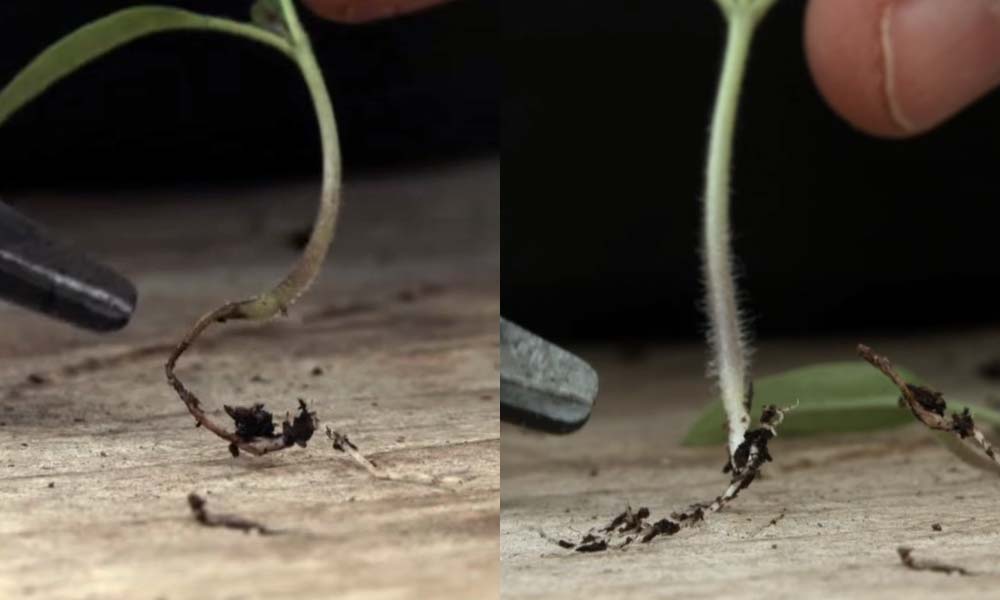
Early Symptoms: Spot the Problem Before It’s Too Late
Act fast when you notice:
- Uneven or failed germination (pre-emergence rot).
- Water-soaked, discolored stems at soil line.
- Sudden wilting and collapse (seedlings fall over in rows or patches).
- White/gray fuzzy mold on soil or stems.
- Stunted growth or “wirestem” (thin, tough stems).
Patterns often show circular dead zones in flats, spreading rapidly in humid environments. Differentiate from other issues: nutrient burn causes tip scorch; pests leave chew marks. Early detection allows removal of affected plants to limit spread
Proven Prevention Strategies: Stop Calling Seedlings a Loss Forever
Prevention is the cornerstone of successful seedling production. Once damping-off pathogens attack, recovery is rare — the focus must be on creating conditions where fungi and oomycetes struggle while seedlings thrive. Below are comprehensive, expert-recommended strategies drawn from university extension services (University of Minnesota, Cornell, NC State, and others) and real-world farming practices.
Here are examples of thriving, healthy vegetable seedlings started with proper care:

1. Choose the Right Growing Medium Always use a sterile, soilless seed-starting mix specifically formulated for germination. These mixes are lightweight, well-draining, and low in organic matter that could harbor pathogens. Avoid plain garden soil, compost (unless pasteurized), or reused potting soil.
Here are close-up views of high-quality seed-starting mixes:

2. Sanitize Everything Pathogens survive on dirty trays, pots, tools, and benches.
- Wash all containers with hot, soapy water.
- Disinfect with a 10% bleach solution (1 part bleach to 9 parts water) for 10 minutes, or use 70% isopropyl alcohol.
- Rinse thoroughly and air-dry.
- Clean greenhouse floors, benches, and tools regularly.
3. Optimize Temperature & Light Warm soil accelerates germination and helps seedlings grow past the vulnerable stage quickly. Ideal soil temperature: 70–85°F (21–29°C) depending on crop. Use seedling heat mats with a thermostat for consistent bottom heat — especially valuable for peppers, tomatoes, and eggplants.
Here are reliable seedling heat mats in use:

Provide strong, consistent light immediately after emergence (14–16 hours daily) using full-spectrum LED or fluorescent grow lights kept 2–4 inches above the plants. This prevents leggy, weak seedlings.
4. Master Watering Practices Overwatering is the single biggest mistake.
- Bottom-water only — place trays in a shallow pan of water and let the mix wick up moisture. Remove excess after 10–20 minutes.
- Allow the top ¼–½ inch of mix to dry slightly between waterings to discourage fungal growth.
- Use room-temperature water and water in the morning so foliage dries before night.
Practical bottom-watering setups in action:
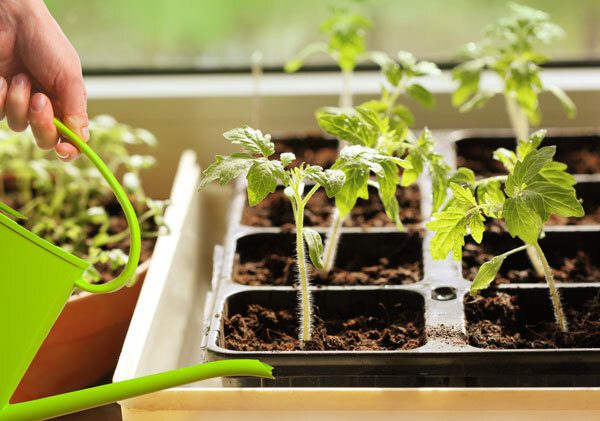
5. Improve Airflow & Spacing Gentle air movement strengthens stems and reduces humidity around foliage.
- Place a small oscillating fan on low speed, aimed indirectly at seedlings (never directly blasting them).
- Thin seedlings to recommended spacing as soon as true leaves appear.
- Avoid overcrowding trays.
A small fan making seedlings gently “dance” is one of the best low-cost preventatives:

6. Seed Selection & Proper Planting
- Purchase fresh, high-quality seeds from reputable suppliers.
- Treat seeds with hot water (122°F/50°C for 25 minutes) or commercial fungicide coatings when allowed.
- Plant at the correct depth (usually 1–2 times the seed diameter).
- Cover lightly with vermiculite for better moisture control and light penetration.
7. Advanced & Biological Options
- Introduce beneficial microbes: Products containing Trichoderma harzianum, Bacillus subtilis, or mycorrhizal fungi outcompete damping-off organisms.
- Organic growers can use cinnamon powder (antifungal properties) or diluted chamomile tea as a preventive drench.
- As a last resort (commercial settings), apply labeled fungicides like mefenoxam or fludioxonil — but always follow local regulations and rotate modes of action.
Quick-Reference Prevention Checklist
- Sterile seed-starting mix → Yes
- Sanitized containers/tools → Yes
- Soil temp 70–85°F + heat mat → Yes
- Bottom watering only → Yes
- Fan for airflow → Yes
- Strong light 14–16 hrs/day → Yes
- Proper seed depth & spacing → Yes
- High-quality seeds → Yes
Implementing even 4–5 of these steps can reduce damping-off incidence by 80–90%.
Here’s a powerful visual comparison — diseased seedlings vs. healthy ones after applying prevention:
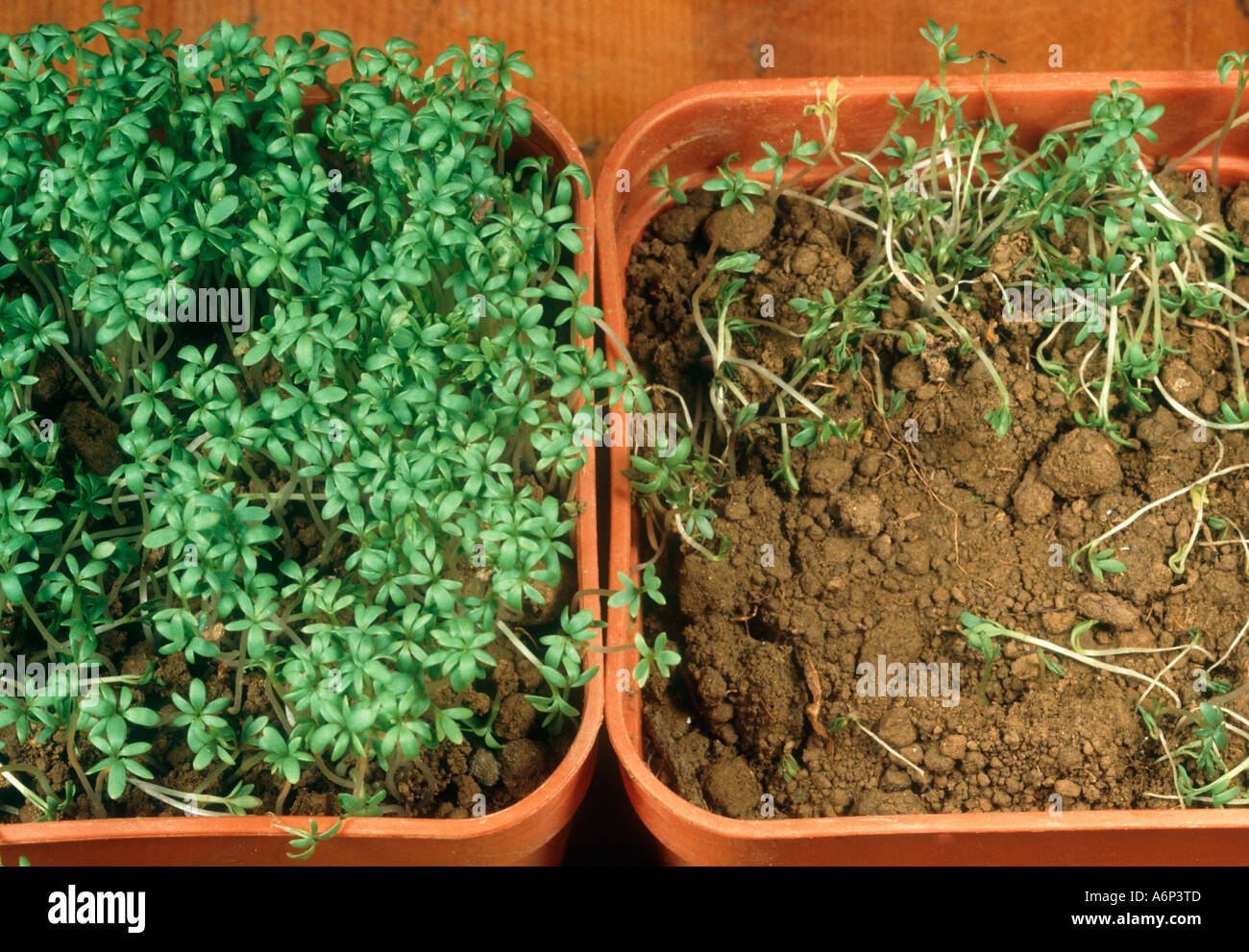
What to Do If You Already Have Losses: Damage Control & Recovery
If damping-off has struck:
- Immediately remove and discard all affected seedlings (do NOT compost them — burn or bag for disposal).
- Isolate remaining trays to prevent spread.
- Improve conditions: Increase airflow, reduce watering, raise temperature if possible.
- Apply a preventive biological treatment to survivors.
- Replant fresh seeds in a completely new, sterilized setup.
For recurring problems, reassess your entire system — most persistent cases trace back to sanitation or watering habits.
Real-World Success Stories & Expert Tips
In humid regions like Bangladesh, many smallholder farmers have cut seedling losses dramatically by switching to bottom-watering + fans + heat mats, often achieving 85–95% survival rates on tomatoes and brinjal (eggplant). University of Minnesota trials show that combining sanitation, warm soil, and airflow reduces damping-off by over 90% compared to standard practices.
Pro Tips from Agronomists
- Keep detailed records of sowing dates, temperatures, and watering to spot patterns.
- Start small batches to test new techniques.
- In tropical climates, shade cloth + morning watering helps manage heat stress.
Calling seedlings a loss doesn’t have to be your reality. Damping-off and other early failures are preventable with consistent attention to moisture control, sanitation, temperature, airflow, and light. These strategies — rooted in decades of agricultural research and extension experience — deliver stronger, more uniform transplants and protect your time, investment, and future harvest.
This season, implement the checklist above and watch your success rate soar. Your seedlings deserve every chance to thrive — and with these proven methods, they will.
Have you battled damping-off before? Share your experience in the comments — your story might help another grower avoid the same heartache. For more practical agricultural tips, subscribe and never miss an update