Imagine stepping into your backyard garden after a scorching summer week, only to find your tomatoes drooping, leaves curled in desperation, and your hard-earned harvest at risk—all because inconsistent watering turned your thriving plot into a wilted disappointment. If you’re a budget-conscious gardener, homesteader, or vegetable grower tired of skyrocketing water bills, daily hauling of heavy watering cans, or watching precious water evaporate under overhead sprinklers, you’re not alone. The good news? You don’t need expensive commercial drip kits or automated systems to keep your plants hydrated efficiently. Welcome to the world of cheap ‘poor man’s’ garden irrigation—time-tested, ultra-affordable DIY methods that deliver water directly to plant roots using everyday recyclables and basic materials.
As a seasoned agricultural practitioner with over 20 years of hands-on experience in sustainable farming, organic vegetable production, and water-conserving techniques across various climates, I’ve implemented these systems in my own gardens and helped countless growers do the same. These “poor man’s” approaches draw from ancient practices—like clay pot irrigation used for thousands of years in arid regions—and modern resourceful hacks that save up to 70% on water usage compared to traditional methods. Not only do they reduce waste and costs, but they also promote healthier plants by minimizing foliar diseases, encouraging deeper roots, and suppressing weeds.
In this comprehensive guide, we’ll explore seven simple, low-cost DIY irrigation systems that anyone can build for under $50 (often much less, using items you already have). Whether you have a small container garden, raised beds, or a large in-ground plot, these solutions are beginner-friendly, scalable, and proven effective. By the end, you’ll have step-by-step plans to implement one—or combine several—for a low-maintenance, drought-resilient garden that thrives without breaking the bank.
Why Cheap DIY Irrigation is Essential for Modern Gardens
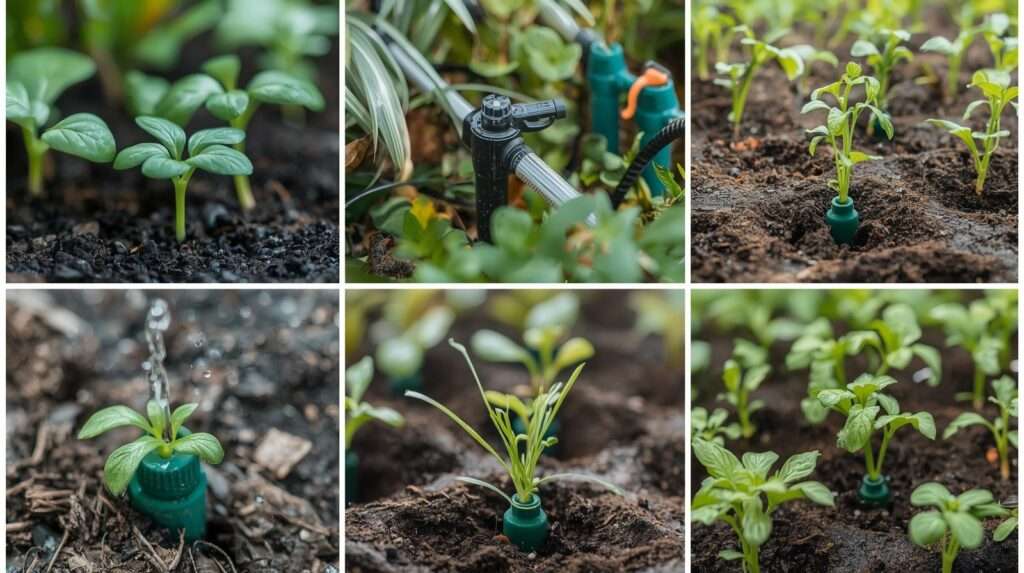
In today’s world of unpredictable weather patterns, rising utility costs, and a push toward sustainable living, efficient garden watering isn’t a luxury—it’s a necessity. Traditional overhead sprinkling wastes enormous amounts of water through evaporation (up to 50% on hot days) and runoff, while also wetting leaves and inviting fungal issues like powdery mildew or blight. In contrast, root-zone irrigation methods—such as drip systems or soakers—deliver moisture exactly where plants need it, cutting water use by 30-70% according to studies from extension services like those at Cornell University and the USDA.
Commercial drip irrigation kits can easily run $100-$500 for even modest setups, putting them out of reach for many hobby gardeners or those on tight budgets. That’s where cheap ‘poor man’s’ garden irrigation shines: These DIY alternatives cost a fraction, often $0-$50, by repurposing household items like plastic bottles, old hoses, or terracotta pots. They’re environmentally friendly, reducing plastic waste through recycling and conserving water in drought-prone areas.
From my experience trialing these in sandy soils of coastal regions and heavy clay in inland plots, they’ve consistently yielded healthier crops—bigger tomatoes, crispier lettuce, and robust root vegetables—with far less effort. They’re ideal for vacation-proofing your garden, off-grid homesteading with rain barrels, or simply freeing up time for other tasks. Plus, in an era of water restrictions, these systems help you grow food responsibly without guilt over high bills.
Key Principles of Effective Low-Cost Irrigation
Before diving into the builds, understanding a few core principles ensures long-term success and maximizes efficiency.
First, prioritize root-zone watering: Plants absorb most water through roots, not leaves. Direct delivery prevents evaporation, reduces disease risk (e.g., avoiding blossom end rot in tomatoes from inconsistent moisture), and builds drought tolerance with deeper roots.
Second, choose safe materials: Use food-grade plastics, unglazed terracotta, or untreated hoses to avoid leaching chemicals into edible crops. Avoid pressure-treated lumber or glues with toxins.
Third, plan your layout: Sketch your garden, grouping plants by water needs (e.g., thirsty cucumbers near melons, drought-tolerant herbs separate). Consider soil type—sandy soils drain fast and need frequent slow drips; clay holds moisture longer, suiting larger reservoirs.
Finally, incorporate mulch: Organic mulches like straw, leaves, or cardboard retain soil moisture, suppress weeds, and enhance any irrigation system.
Safety note: Always use clean, potable water sources, and design systems to avoid standing water that breeds mosquitoes.
These principles, grounded in permaculture and soil science, form the foundation of all seven systems below.
The 7 Simple, Low-Cost DIY Systems
1. Recycled Bottle Drip Irrigation
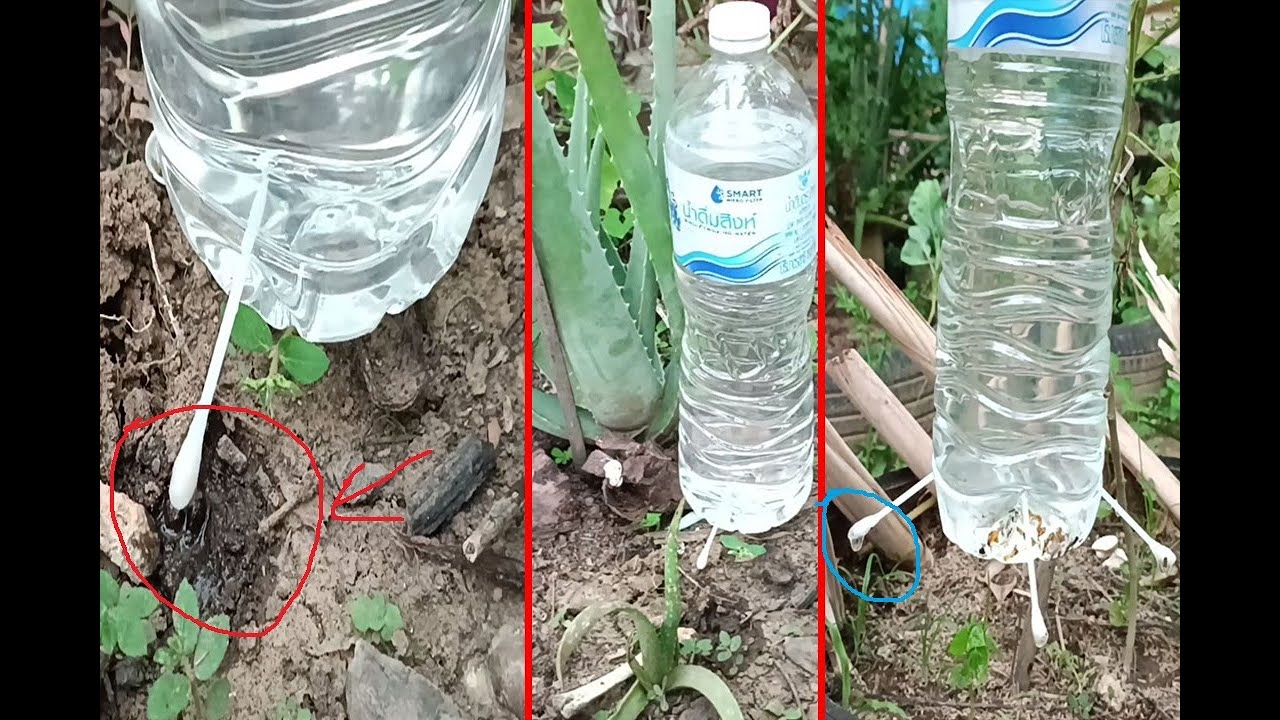
One of the simplest and most versatile entries into cheap ‘poor man’s’ garden irrigation is the recycled bottle drip system. Perfect for individual plants or small rows, this method uses plastic bottles to slowly release water directly to roots—ideal for containers, seedlings, or high-value crops like peppers and tomatoes.
Materials Needed (Cost: $0-5):
- Clean 2-liter plastic bottles (soda or water)
- Nail, drill, or awl for holes
- Optional: Cotton wick or coffee filter for anti-clog
Step-by-Step Build:
- Rinse bottles thoroughly.
- For upside-down version: Poke 4-8 small holes in the cap (start small to control flow). Fill with water, screw cap on, and bury neck-down 4-6 inches near plant roots.
- For bottom-up: Cut bottle bottom off, poke holes in sides near neck, invert and bury with neck up; fill through open bottom and cover with lid to reduce evaporation.
- Adjust hole size based on soil—more/fewer for faster/slower drip (aim for 1-2 liters per day per bottle).
How It Works: Gravity pulls water out slowly as soil dries, self-regulating to some degree.
Pros: Completely free if recycling, portable, customizable drip rate. Cons: Bottles may clog with debris (fix: filter with fabric); lasts 1-2 seasons.
Best For: Potted plants, greenhouse seedlings, or spot-watering in vegetable beds. In my trials, this saved young transplants during heat waves.
Variations: Add wicks (old t-shirt strips) through the cap for capillary action, or connect multiple bottles for rows.
2. DIY Clay Pot Ollas
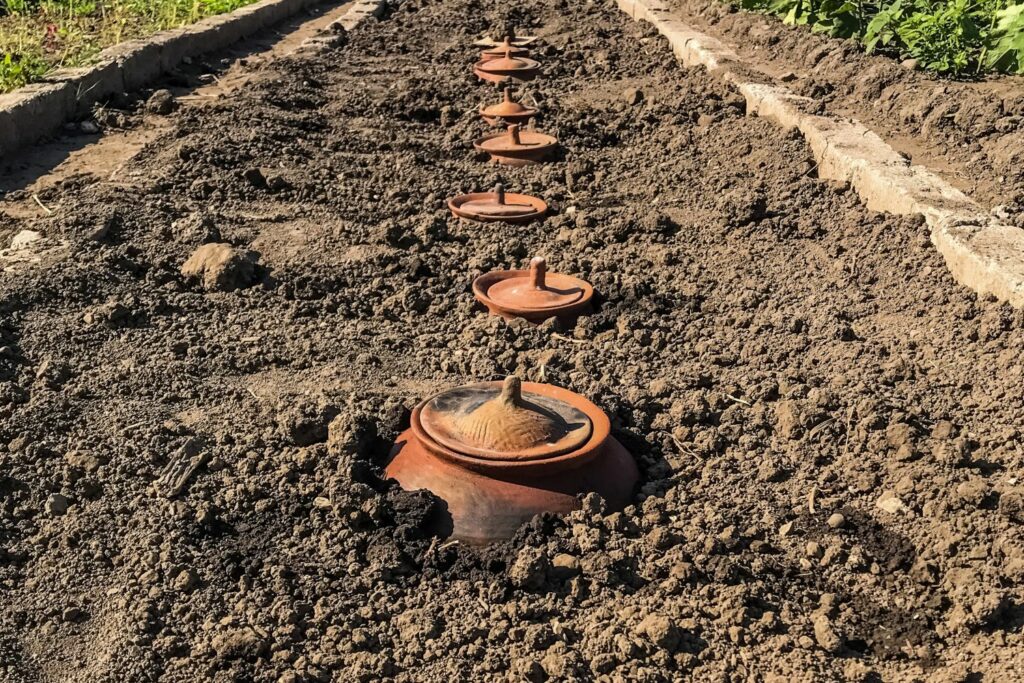
Drawing from ancient irrigation wisdom—ollas have been used in China, Africa, and the Americas for over 4,000 years—this unglazed terracotta pot system is a standout for passive, self-regulating watering. Water seeps through porous clay only when soil is dry, preventing overwatering.
Materials Needed (Cost: $5-15 per olla):
- Two 6-10 inch unglazed terracotta pots
- Silicone sealant or epoxy (food-safe)
- Saucer or pebble for lid
- Optional: Glue gun for sealing rim
Step-by-Step Build:
- Seal the drainage hole in one pot with silicone.
- Join the two pots rim-to-rim with sealant, creating a sealed sphere with one open neck.
- Let cure 24 hours.
- Bury the olla neck-up in the garden bed, leaving 2-3 inches exposed. Fill with water via the neck, cap with saucer to prevent debris/mosquitoes.
- Place one olla per 2-4 plants (covers ~18-36 inch radius).
How It Works: Osmosis draws water through clay walls as soil moisture drops, delivering exactly what’s needed.
Pros: Extremely efficient (up to 90% water savings), no overwatering, lasts decades. Cons: Fragile if frozen; initial setup time.
Best For: Raised beds, thirsty crops like zucchini, melons, or corn. I’ve seen ollas keep beds productive through month-long dry spells with weekly refills.
Tips: In cold climates, dig up for winter. Test seepage rate by filling and timing empty.
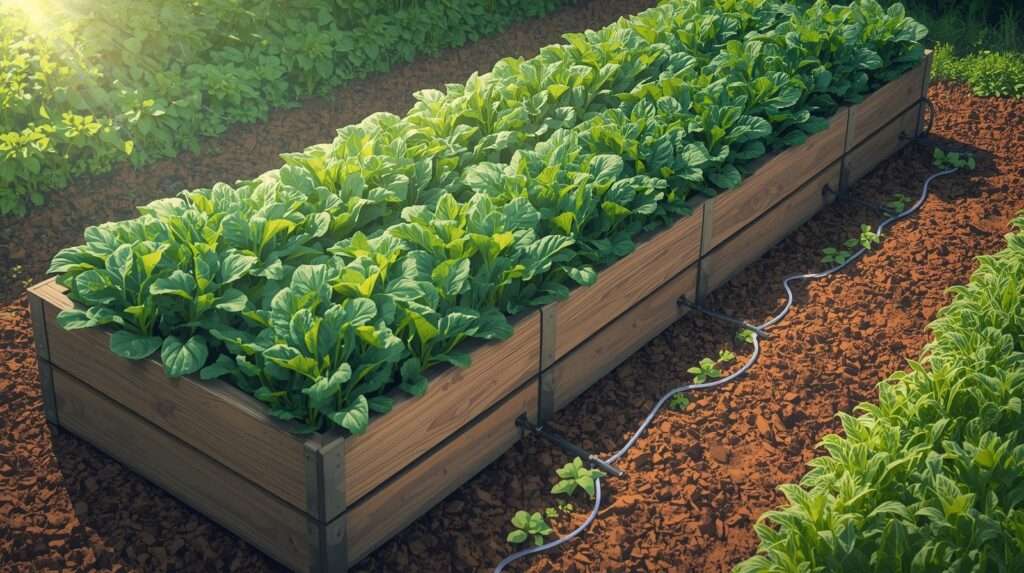
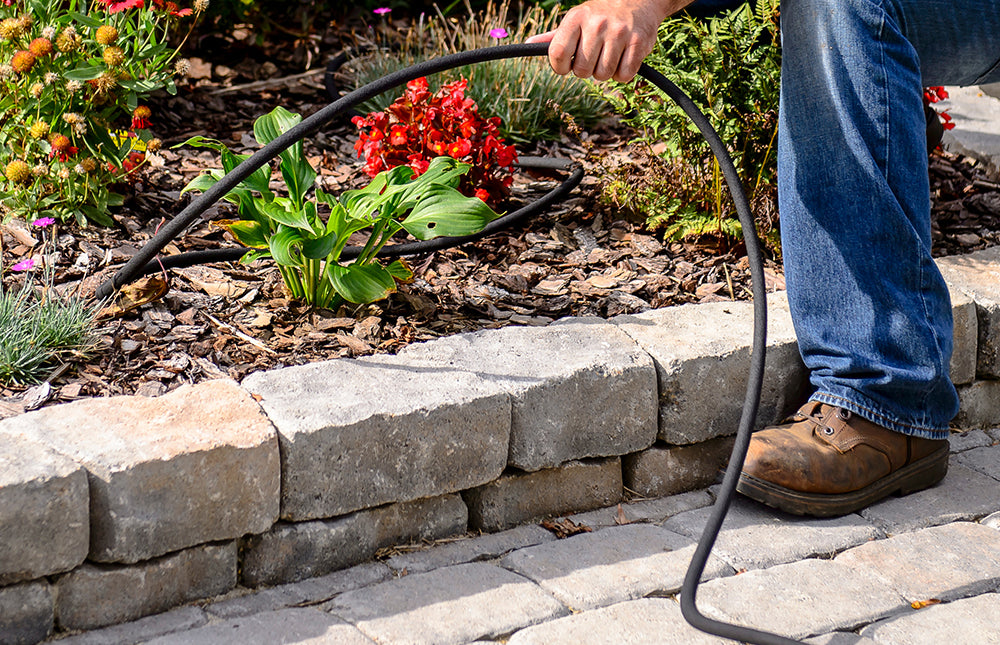
3. Homemade Soaker Hose from Recycled Garden Hose
Turn an old, leaky garden hose into a highly effective soaker—perfect for long rows of beans, carrots, or greens.
Materials Needed (Cost: $0-10):
- Old standard garden hose (50-100 ft)
- Drill with 1/16-1/8 inch bit
- End cap or plug
- Hose connector for faucet end
Step-by-Step Build:
- Clean hose thoroughly.
- Drill small holes every 6-12 inches along one side only (for even weeping on ground).
- Cap the far end.
- Connect to faucet or timer; lay flat in beds, hole-side down.
How It Works: Low pressure allows water to ooze out slowly along length.
Pros: Covers large areas evenly, reusable for years. Cons: Needs low pressure (use reducer if too strong); potential clogging.
Best For: Straight row crops in in-ground gardens. Bury slightly under mulch for invisibility and efficiency.
Variations: Multiple parallel lines for wider beds.
:max_bytes(150000):strip_icc()/how-to-make-a-soaker-hose-1388583-02-bef40681265743fc9ed1a357c3d54e0f.jpg)
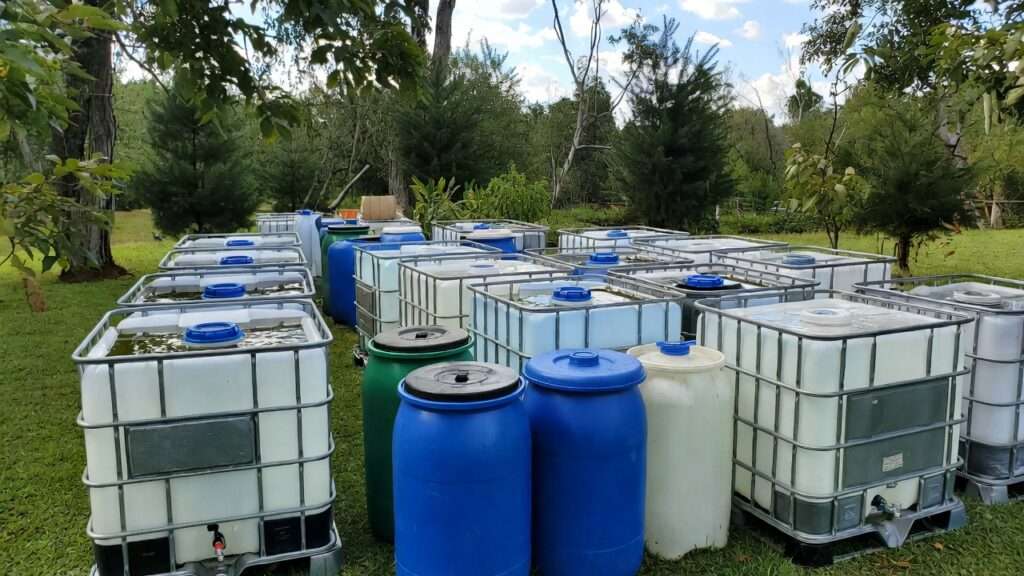
4. Bucket or Barrel Gravity Drip System
For larger gardens or off-grid setups, a gravity-fed system from an elevated bucket or rain barrel provides passive drip to multiple plants.
Materials Needed (Cost: $10-30):
- 5-55 gallon bucket or barrel
- Food-grade tubing (1/4-1/2 inch)
- Emitters: Recycled bottles, poked tubing, or cheap inline drippers
- Optional: Manifold for branching
Step-by-Step Build:
- Elevate container 2-4 feet (on stand or cinder blocks).
- Drill holes near bottom for tubing outlets.
- Attach tubing, route to plants, add bottle emitters or poke holes.
- Fill reservoir; gravity feeds slowly.
How It Works: Height creates gentle pressure for consistent drip.
Pros: No electricity, integrates with rainwater harvesting. Cons: Limited by elevation; refill manually.
Best For: Medium-sized vegetable patches or homesteads.

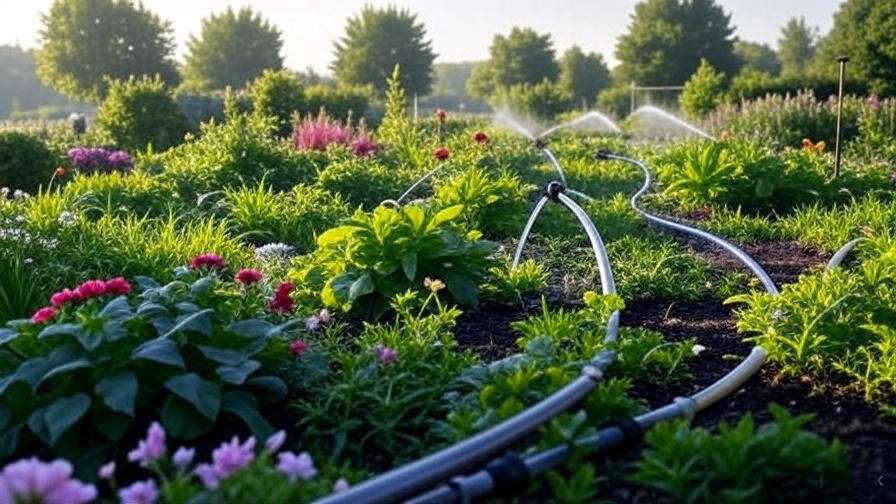
5. Basic PVC or Poly Tubing Drip Lines
For gardeners seeking a more permanent yet still budget-friendly setup, a basic drip line system using inexpensive PVC or polyethylene tubing offers durability and expandability without the high price tag of commercial kits. This is a step up from fully recycled options but remains firmly in the realm of cheap ‘poor man’s’ garden irrigation.
Materials Needed (Cost: $20-50 for 100+ ft coverage):
- 1/2-inch main line PVC or poly tubing (black poly is UV-resistant and flexible)
- 1/4-inch branch tubing
- Fittings: Elbows, tees, end caps (barbed for easy connection)
- Emitters: In-line drippers, adjustable flag emitters, or simply poke holes with a heated nail
- Hole punch tool (or nail)
- Optional: Pressure regulator and filter for city water
Step-by-Step Build:
- Plan your layout: Run a main line along one end of the bed, branching laterals every 12-18 inches for rows.
- Cut main line to length, attach to faucet (via hose adapter).
- Punch holes in main line and insert barbed tees or directly attach 1/4-inch lines.
- Run laterals down plant rows, punch holes for emitters or poke small holes.
- Cap ends and flush system before use.
- Lay on soil surface or bury 1-2 inches under mulch.
How It Works: Water flows through the main line at low pressure, dripping slowly from emitters directly to roots.
Pros: Highly customizable, lasts 5-10+ years, even distribution. Cons: Slightly higher initial cost; requires basic tools.
Best For: Permanent raised beds, perennial herbs, or orchards. In my own setups, this has provided flawless coverage for tomato rows year after year with minimal maintenance.
Variations: Add a cheap battery timer ($10-20) for automation.

6. Wicking Beds or Self-Watering Containers from Recyclables
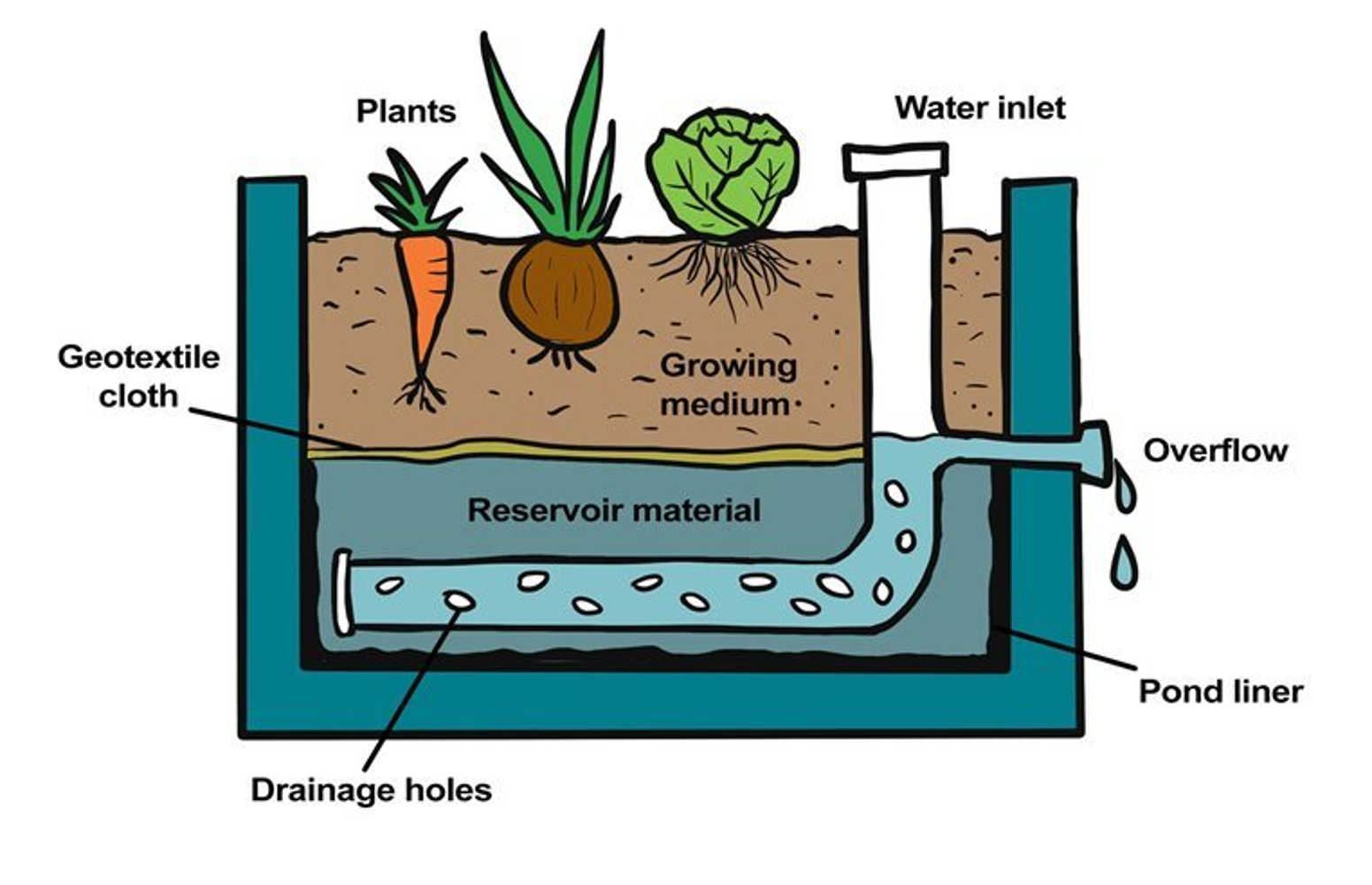
Wicking systems use capillary action to draw water upward from a reservoir, creating truly self-watering beds or pots—excellent for containers on patios or balconies.
Materials Needed (Cost: $5-20):
- Large container (old tote, bucket, or recycled IBC tote cut in half)
- Overflow pipe (PVC scrap)
- Wicking material: Old towels, fabric strips, or perforated pipe
- Reservoir filler tube
- Soil separator (landscape fabric or cardboard)
Step-by-Step Build:
- Drill overflow hole 4-6 inches from bottom.
- Install filler pipe to reservoir.
- Layer gravel or perforated pipe in bottom reservoir.
- Cover with fabric, add wicks dangling into reservoir.
- Fill with soil, plant, and fill reservoir via tube.
- Top up every 1-2 weeks.
How It Works: Water wicks up as soil dries, maintaining consistent moisture.
Pros: Extremely low maintenance, great for vacations. Cons: Heavier containers; limited to pots/beds.
Best For: Container vegetables, herbs, or raised beds in dry climates. These have revolutionized my patio gardening.
7. Mulch-Enhanced Surface Soakers (Hybrid Approach)
No single system is complete without heavy mulching—this hybrid maximizes efficiency across all methods by locking in moisture.
Tips for Implementation:
- Apply 3-6 inches of organic mulch (straw, wood chips, leaves, or cardboard) around plants after installing any soaker or drip.
- Mulch reduces evaporation by 50-70%, cools roots, and feeds soil as it breaks down.
- Combine with buried soakers or ollas for near-zero water loss.
- Refresh annually.
Best For: All gardens—it’s the “secret sauce” that turns good irrigation into exceptional results.
Comparison Table: Which System is Right for You?
Here’s a quick-reference table to help you choose based on your setup:
| System | Estimated Cost | Ease of Build (1-5) | Best For | Water Savings | Durability |
|---|---|---|---|---|---|
| Recycled Bottle Drip | $0-5 | 5 (Easiest) | Containers, spot watering | High | 1-2 seasons |
| DIY Clay Pot Ollas | $5-15 | 3 | Raised beds, thirsty crops | Very High | 10+ years |
| Homemade Soaker Hose | $0-10 | 4 | Long rows | High | 3-5 years |
| Bucket Gravity Drip | $10-30 | 4 | Medium gardens, off-grid | High | 2-5 years |
| PVC/Poly Tubing Drip Lines | $20-50 | 3 | Permanent beds | Very High | 5-10+ years |
| Wicking Beds/Containers | $5-20 | 3 | Pots, patios | Very High | 3-10 years |
| Mulch-Enhanced (Hybrid) | $0-10 | 5 | All systems | Highest | Ongoing |
Start with the easiest for your needs and scale up.
Installation and Maintenance Tips
To ensure success:
- Tools Needed: Drill, hole punch, silicone, basic fittings—all available cheaply.
- Common Mistakes to Avoid: Overly large holes causing flooding (test flow); ignoring filtration leading to clogs (use screens or vinegar flushes monthly).
- Budget Automation: Add a $15 solar timer or mechanical hose timer.
- Troubleshooting: Slow flow? Clean emitters with vinegar soak. Uneven watering? Level ground or adjust elevation.
- Winterizing: Drain lines in freezing climates to prevent cracks.
- Scaling: Combine systems—e.g., ollas in beds with soaker hoses for rows.
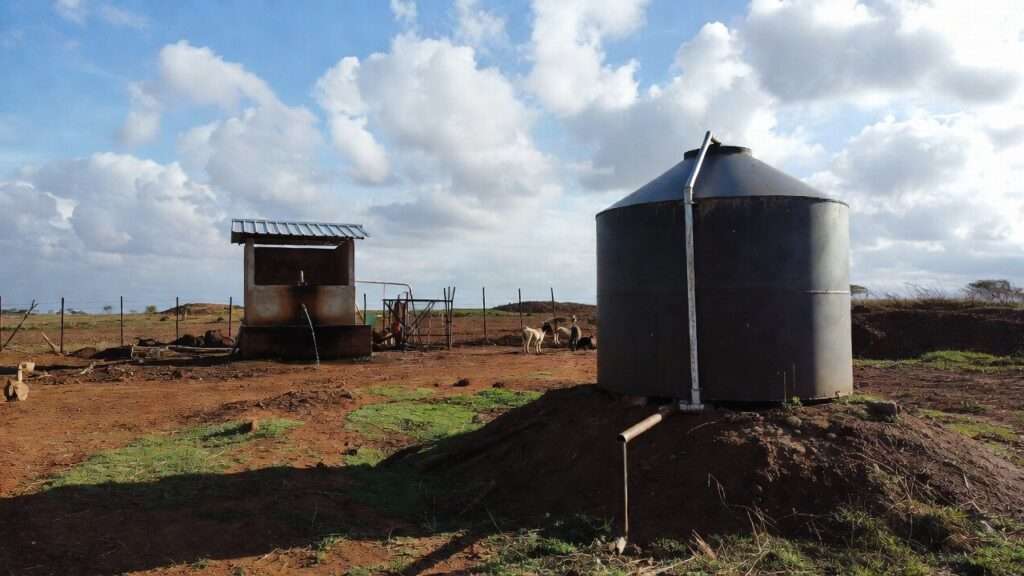
- Sustainability Boost: Pair with rain barrels for free water collection.
These tips come from years of refining setups in diverse conditions.
Real Results and Testimonials
Gardeners worldwide report transformative results with these methods. One homesteader I advised cut their water bill by 60% using bottle drips and ollas during a drought, harvesting record yields of squash and tomatoes. Another converted old hoses into soakers for a community plot, feeding dozens with minimal effort. In my gardens,Cheap ‘Poor Man’s’ Garden Irrigation switching to these DIY systems consistently produces healthier plants with fewer pests and diseases—vibrant greens even in 100°F heat.

Cheap ‘poor man’s’ garden irrigation proves that you don’t need fancy equipment to grow abundant, healthy food. These seven DIY systems—rooted in practical experience and sustainable principles—offer efficient, low-cost alternatives that save water, time, and money while promoting resilient plants. Start small with recycled bottles or an olla, incorporate mulch, and watch your garden thrive.
Implement one today, and enjoy the satisfaction of a self-sufficient, bountiful harvest without the financial strain.
FAQs
1. How much water do these systems really save? Up to 70% compared to sprinklers, per agricultural extension data—direct root delivery minimizes waste.
2. Are DIY irrigation systems safe for vegetable gardens? Yes, when using food-grade or unglazed materials to avoid chemical leaching.
3. How often do I need to refill? Varies by system and climate: Bottles daily-weekly; ollas/wicking every 1-2 weeks.
4. Can these work in clay or sandy soil? Absolutely—adjust drip rates: Slower for clay, faster/more emitters for sandy.
5. What if I go on vacation? Ollas, wicking beds, or gravity systems with large reservoirs can last 2-4 weeks.
6. Do I need a pump or electricity? No—these are gravity or capillary-based for true low-tech reliability.
7. How do I prevent clogs? Use filters, flush lines seasonally, and clean with vinegar solution.
8. Can I use rainwater? Highly recommended—integrate rain barrels for sustainable, free supply.
9. Are these better than commercial drip kits? For budget and customization, yes—though commercial offers more precision for very large operations.
10. Where can I source materials cheaply? Recycling centers, thrift stores, hardware sales, or online for tubing/fittings.
This guide equips you with everything needed to build efficient irrigation on a shoestring budget.