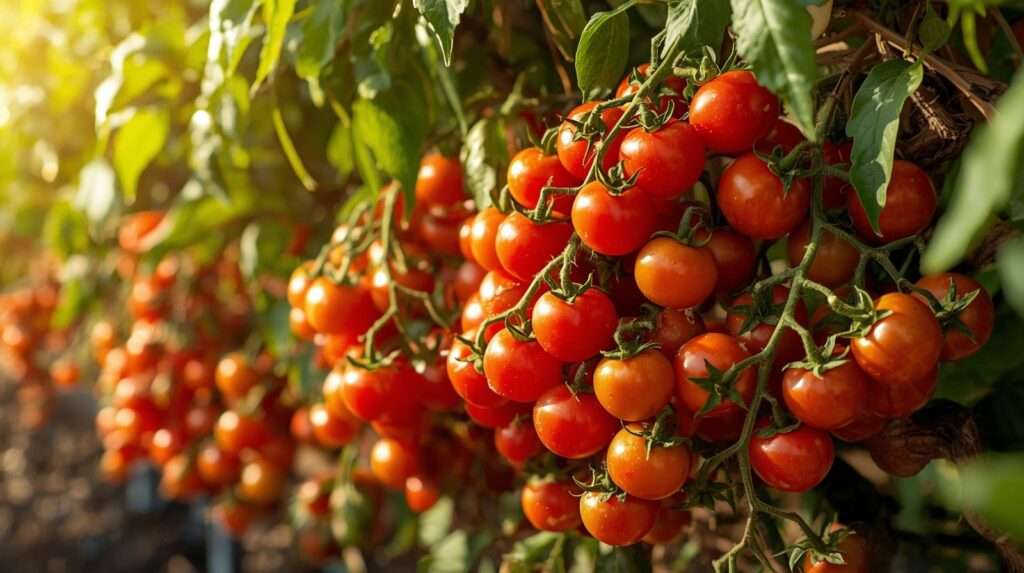
You step into your garden on a warm summer morning, basket in hand, excited to harvest sweet, juicy cherry tomatoes. Instead, you’re greeted by a chaotic jungle: vines sprawling in every direction, overtaking neighboring plants, tangling into an impenetrable mass, with clusters of ripe fruit hidden deep inside or rotting on the ground. Sound familiar?Cherry Tomatoes Going Wild
Cherry tomatoes going wild is a common frustration for home gardeners, especially with vigorous indeterminate varieties. These plants don’t stop growing — they keep producing lush foliage and new shoots (suckers) throughout the season if left unmanaged. The result? Reduced airflow, higher disease risk, difficult harvesting, and lower overall yields despite all that green growth.
The good news is you can regain control and turn the situation around. With the right pruning techniques, sturdy support systems, and ongoing maintenance, you’ll transform overgrown, tangled vines into healthy, productive plants that deliver abundant, high-quality harvests.
In this comprehensive guide, I draw from years of hands-on experience growing tomatoes in diverse conditions, combined with best practices from university extension services like Cornell, Wisconsin Horticulture, and others. You’ll learn exactly why cherry tomatoes explode with vigor, how to safely prune even severely overgrown plants, which support methods work best for their rampant growth, and practical steps to boost fruit production while preventing common problems.
Whether your cherry tomatoes have already taken over the garden bed or you want to prevent it next season, this guide provides actionable, evidence-based solutions tailored for home gardeners. Let’s tame those wild vines and enjoy the bountiful harvest you deserve.
Table of Contents
- Why Cherry Tomatoes Grow So Vigorously (Understanding the “Wild” Behavior)
- Preparing to Tame Your Overgrown Cherry Tomatoes (Safety and Timing)
- Step-by-Step Guide to Pruning Overgrown Cherry Tomato Vines
- Effective Support Systems to Prevent Future Overgrowth
- Ongoing Maintenance to Keep Cherry Tomatoes Under Control
- Boosting Your Harvest After Taming the Vines
- Common Mistakes to Avoid When Dealing with Wild Cherry Tomatoes
- Expert Tips and Real-World Insights
- Frequently Asked Questions (FAQs)
- Conclusion
Why Cherry Tomatoes Grow So Vigorously (Understanding the “Wild” Behavior)
Cherry tomatoes, particularly indeterminate types, are bred for continuous production rather than a single concentrated harvest. Unlike determinate (bush-type) varieties that grow to a set height and stop, indeterminate cherry tomatoes keep extending their vines, flowering, and setting fruit until frost or disease stops them. This “indeterminate” growth habit makes them exceptionally productive — often yielding hundreds of sweet fruits per plant — but also prone to going wild when conditions favor rapid vegetative growth.
The Biology of Indeterminate Cherry Tomato Varieties
Indeterminate tomatoes are vining plants with no natural stopping point in their upward or outward growth. Most cherry varieties, such as Sungold, Sweet 100, Black Cherry, Matt’s Wild Cherry, and Yellow Pear, fall into this category. Their smaller fruit size requires less energy per tomato, leaving plenty of resources for producing more leaves, stems, and suckers.
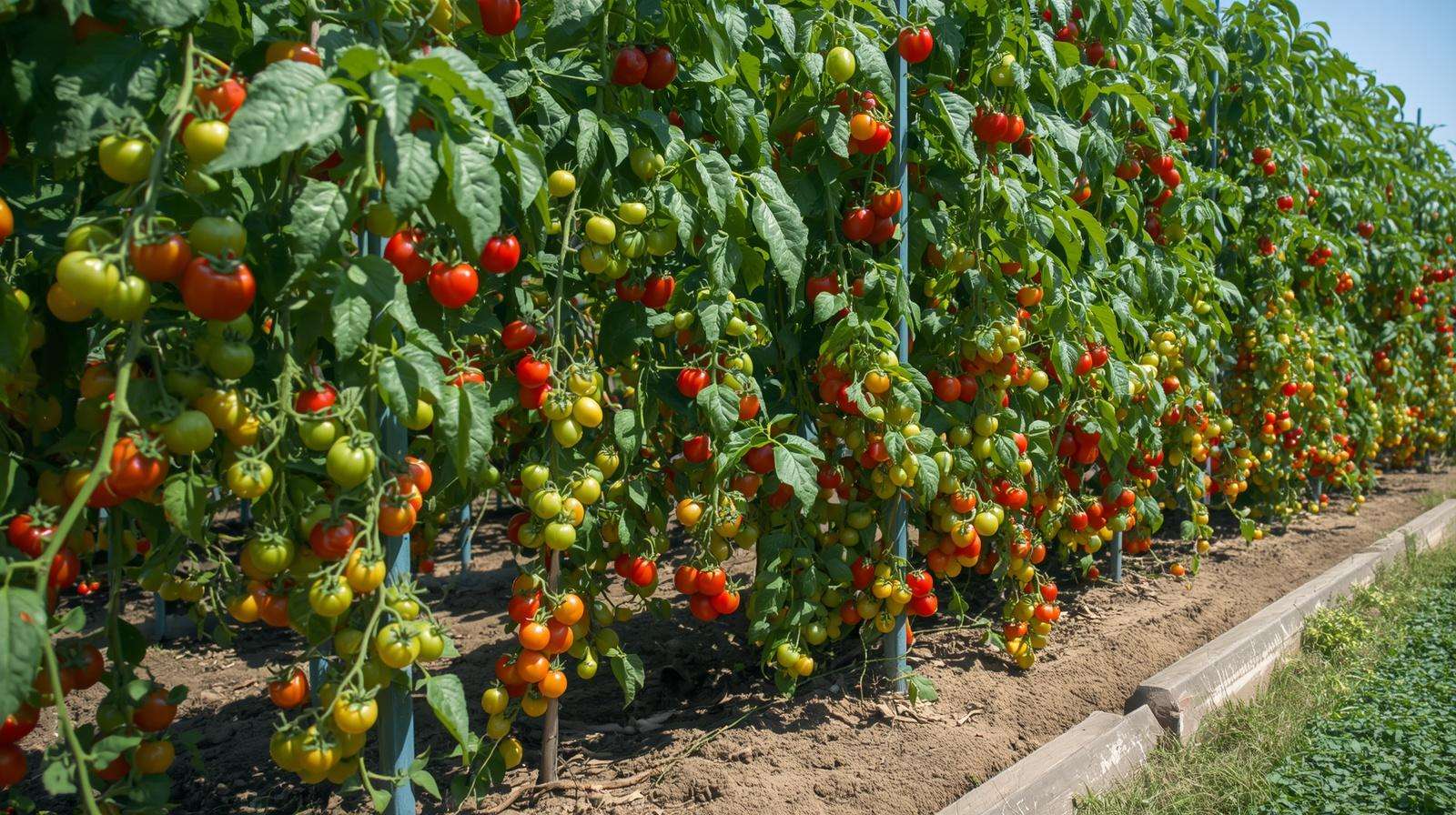
Suckers are the shoots that emerge in the “V” where a leaf branch meets the main stem. In cherry tomatoes, these grow aggressively, quickly turning into additional fruiting stems. Without intervention, a single plant can develop dozens of competing leaders, creating dense, tangled foliage. University extension resources confirm that cherry types are among the most vigorous indeterminate tomatoes, often reaching 6–10 feet or more in a single season when supported properly.
Common Triggers That Make Cherry Tomatoes Go Wild
Several factors accelerate this rampant growth:
- Nutrient-rich soil or excess nitrogen: High nitrogen promotes lush green foliage and suckering at the expense of fruit. Many gardeners unintentionally over-fertilize early in the season.
- Optimal growing conditions: Plenty of sunlight (at least 6–8 hours), warm temperatures (70–85°F daytime), and consistent moisture encourage explosive vegetative growth.
- Lack of early training or support: Plants left unsupported flop over, root along stems touching the ground, and produce even more side shoots.
- Varietal differences: Some cherries like Sungold or certain heirlooms are notoriously energetic compared to more moderate growers.
In humid or warm climates, this vigor can quickly lead to overcrowded plants if pruning is neglected.
Problems Caused by Overgrown Vines
Unmanaged wild cherry tomato vines create multiple issues:
- Poor airflow and increased disease risk: Dense foliage traps moisture, promoting fungal diseases like early blight, septoria leaf spot, and powdery mildew. Lower leaves touching soil can introduce soil-borne pathogens.
- Harvesting difficulties: Fruit becomes hidden in the tangle, leading to overripe or lost tomatoes and attracting pests.
- Structural weakness: Heavy vines flop or snap, damaging stems and reducing productivity.
- Energy diversion: Excess leaves and suckers compete with fruit development, resulting in smaller or fewer ripe tomatoes despite the plant’s size.
- Garden chaos: Overgrown plants shade or smother nearby vegetables, reducing overall garden efficiency.
Addressing these problems early through targeted pruning and support not only restores order but redirects the plant’s energy toward higher-quality fruit production.
Preparing to Tame Your Overgrown Cherry Tomatoes (Safety and Timing)
Before grabbing your shears, proper preparation prevents further stress or disease spread in already vigorous plants.
Best Time to Prune and Manage Wild Vines
Prune on dry mornings when foliage is dry to minimize disease transmission through open cuts. For overgrown plants, act as soon as you notice excessive tangling or vines exceeding supports — ideally before peak fruiting to avoid heavy shock. In many regions, start serious management once plants reach 18–24 inches and the first flower clusters appear. Continue weekly throughout the growing season.
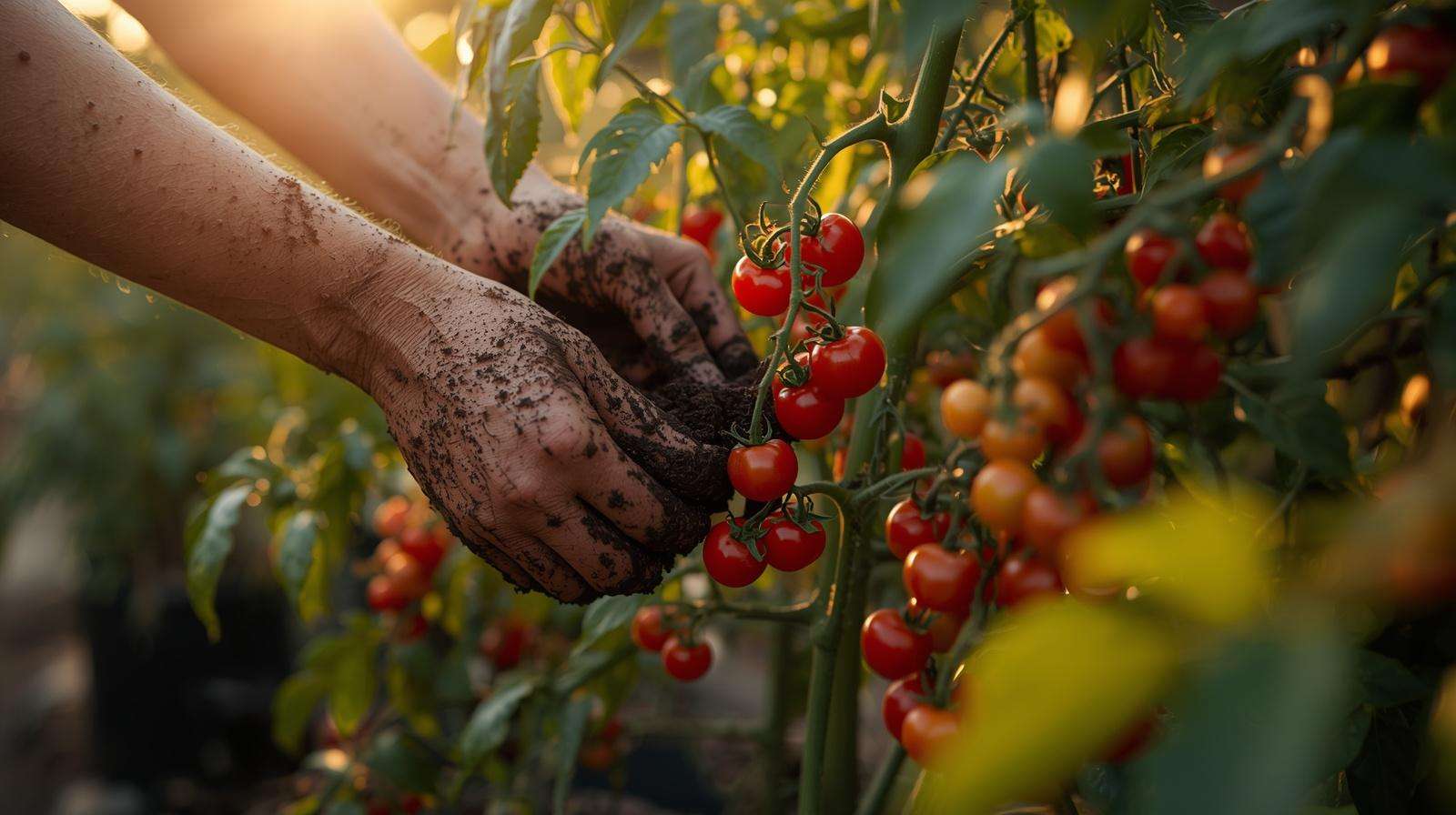
Avoid pruning during extreme heat, heavy rain, or when plants show signs of severe stress (wilting, widespread yellowing). Late-season topping (removing growing tips) can be done 4–6 weeks before expected frost to hasten ripening of existing fruit.
Tools You’ll Need
- Sharp, sterilized pruning shears or micro-tip scissors (disinfect with 10% bleach solution or alcohol between cuts and plants).
- Soft garden twine, velcro ties, or tomato clips for training.
- Sturdy supports: stakes, cages, trellis panels, or string systems (more on this later).
- Gloves to protect hands from sap and potential irritants.
- A bucket for collecting pruned material (do not compost diseased clippings; dispose of them properly).
Keep tools clean — tomato diseases spread easily via contaminated equipment.
Assessing Your Plant’s Condition
Before major pruning, inspect thoroughly:
- Check for disease symptoms (dark spots, yellowing leaves, white powdery residue).
- Look for pest damage (aphids, hornworms, spider mites).
- Evaluate soil moisture and nutrient balance — wilting may indicate underwatering rather than overgrowth.
- Note the extent of tangling and how many main leaders have formed.
If the plant is severely stressed or diseased, focus first on removing obviously infected parts and improving cultural conditions before aggressive pruning. Healthy vigorous growth responds best to management.
Step-by-Step Guide to Pruning Overgrown Cherry Tomato Vines
Pruning is the most effective way to control cherry tomatoes going wild. It improves airflow, reduces disease pressure, and channels energy into fruit rather than endless foliage. Extension services like Wisconsin Horticulture and Cornell recommend regular sucker removal for indeterminate varieties.
Identifying Suckers and Leaders
A sucker is a new shoot growing from the axil (the angle between the main stem and a leaf branch). Young suckers have a different appearance — often more upright with smaller or differently shaped leaves initially.
- Main leaders (stems) carry the primary fruit clusters.
- For cherry tomatoes, you’ll typically maintain 1–2 (or sometimes more) strong leaders depending on your space and support system.
- Remove most suckers while they are small (under 2–4 inches) by pinching them off with fingers or clean cuts. Larger suckers require shears.
Visual tip: The strongest sucker is often the one just below the first (lowest) flower cluster — many growers leave this one to create a double-leader (Y-shaped) system.
Recommended Pruning Systems for Cherry Tomatoes
- Single-leader system: Remove all suckers, training one main vine upward. This produces larger individual fruits and is easier to manage in limited space but may require more frequent attention for cherries’ vigor.
- Double-leader (Y-shape) system: Leave the main stem and the strong sucker below the first flower cluster; remove all others. This balances yield and manageability. Cornell guidelines note that double leaders often work well for cherry types, providing good production without excessive workload.
For highly vigorous cherries, some gardeners start with two leaders but may need to thin further if growth remains rampant. Research shows pruning responses vary by variety, so observe your plants and adjust.
How to Prune an Already Overgrown Plant (Recovery Pruning)
For plants that have already gone wild:
- Start conservatively: Never remove more than 20–30% of foliage at once on a stressed or heavily fruited plant to avoid shock.
- Remove lower leaves and ground-contact growth: Cut off all leaves and stems touching or within 6–12 inches of the soil. This reduces soil-borne disease risk.
- Thin the interior: Selectively remove crowded suckers and crossing branches to open up the canopy for better light and air penetration.
- Choose and reinforce leaders: Identify 1–2 strongest vertical stems and tie them to supports. Remove or shorten competing vigorous side shoots.
- Top if necessary: If vines have outgrown supports, cut the growing tips (apical meristem) to encourage side fruiting and control height.
Work from the bottom up. Dispose of clippings away from the garden. Water gently afterward and monitor for a few days.
Pruning for Better Airflow and Disease Prevention
Maintain an open structure by gradually removing older, lower leaves as fruit clusters ripen and are harvested. Aim for a balance: enough leaves for photosynthesis and fruit protection from sunscald, but not so dense that moisture lingers. Proper pruning significantly lowers incidence of early blight and other fungal issues common in humid conditions.
Effective Support Systems to Prevent Future Overgrowth
Once you’ve pruned back the chaos of cherry tomatoes going wild, the next critical step is installing or upgrading support systems. Without strong, tall structures, even well-pruned plants will quickly sprawl again due to their vigorous indeterminate growth. Proper trellising not only keeps vines upright and organized but also maximizes space, improves sunlight exposure, and makes harvesting far easier.
Choosing the Right Trellis or Cage for Vigorous Cherry Tomatoes
Cherry tomato varieties demand taller and stronger supports than many larger-fruited tomatoes because of their relentless vining habit. Here’s a comparison of popular options:
| Support Type | Pros | Cons | Best For |
|---|---|---|---|
| Standard Tomato Cages | Easy to set up, affordable | Often too short and weak for cherries | Smaller or determinate varieties |
| Single Stakes | Inexpensive, simple | Requires frequent tying; limited space | Small gardens |
| Florida Weave (String) | Excellent airflow, scalable | Needs sturdy posts; more labor | Row planting |
| Cattle Panel Arches | Very sturdy, reusable, allows vertical/horizontal training | Higher initial cost | High-vigor cherries |
| String-and-Clip Trellis | Highly adjustable, maximizes vertical space | Requires regular training | Intensive home gardens |
| Concrete Reinforcing Mesh | Strong, long-lasting | Heavy to move | Permanent setups |
For most home gardeners dealing with overgrown cherry tomatoes, I recommend upgrading to cattle panel arches or a sturdy string trellis system. These handle the weight of heavy fruit clusters and rampant foliage far better than flimsy wire cages.
Installing and Training Vines on Supports
For already overgrown plants:
- Gently untangle vines without breaking stems — work in sections.
- Select your chosen leaders and loosely tie them to the support using soft twine or clips. Avoid tight ties that can girdle stems as they thicken.
- Train new growth upward or along the trellis weekly. Weave vines through cattle panels or clip them to strings.
- Use a “V” or “fan” training pattern for double-leader plants to spread foliage and fruit for better light penetration.
Vertical training saves ground space and reduces soil contact. In small gardens or raised beds, consider overhead or A-frame trellises to utilize vertical real estate efficiently.
Upgrading Support Mid-Season for Wild Plants
It’s never too late to reinforce supports. Drive sturdy stakes or posts deep into the ground (at least 12–18 inches) beside existing plants. Add horizontal bars or additional strings as needed. For severely tangled plants, you can carefully lift and re-tie sections over several days to avoid shock. Mulch around the base after repositioning to reduce stress and retain moisture.
A well-supported plant is far less likely to go wild again because growth is directed productively rather than sprawling uncontrollably.
Ongoing Maintenance to Keep Cherry Tomatoes Under Control
Controlling overgrown vines is not a one-time fix — it requires consistent weekly attention throughout the growing season.
Weekly Pruning Routine
- Check plants every 5–7 days.
- Pinch or cut small suckers before they reach 4 inches.
- Remove any yellowing or diseased leaves promptly.
- Maintain your chosen number of leaders (usually 1–2 for cherries).
- As lower fruit clusters ripen and are harvested, continue stripping leaves below them to improve airflow.
This routine takes only 10–15 minutes per plant once you’re familiar with it and prevents the “jungle” effect from returning.
Watering, Mulching, and Fertilization Adjustments
Overgrown cherry tomatoes often result from excessive nitrogen, which fuels leafy growth. Switch to a balanced or bloom-boosting fertilizer (lower nitrogen, higher phosphorus and potassium) once flowering begins. Examples include 5-10-10 or organic options like compost tea with bone meal.
- Water deeply but infrequently (1–2 inches per week) at the base to encourage strong roots rather than shallow, lush top growth.
- Apply 2–3 inches of organic mulch (straw, shredded leaves, or wood chips) around plants. Mulch conserves moisture, suppresses weeds, moderates soil temperature, and prevents soil splash that spreads disease.
- Avoid overhead watering, which worsens fungal problems in dense foliage.
Pest and Disease Management in Dense Vines
Proper pruning dramatically improves integrated pest management (IPM). Better airflow reduces humidity-loving pests and diseases. Scout regularly for aphids, tomato hornworms, and spider mites. Hand-pick larger pests and use neem oil or insecticidal soap as needed for softer-bodied insects. Companion planting with marigolds, basil, or nasturtiums can help deter pests naturally.
If disease appears, remove affected parts immediately and consider organic fungicides like copper or sulfur sprays as a last resort, following label instructions carefully.
Boosting Your Harvest After Taming the Vines
The ultimate goal of controlling cherry tomatoes going wild is not just tidiness — it’s significantly higher fruit quality and quantity.
How Proper Management Increases Yield and Fruit Quality
By reducing excessive vegetative growth, the plant redirects energy into flowering and fruit development. Studies and extension trials show that well-pruned indeterminate tomatoes often produce sweeter, larger (for cherry size), and more uniform fruit with better color and flavor due to increased sunlight exposure.
Improved airflow also means fewer fruits are lost to rot or cracking. Expect easier, faster harvesting and less fruit dropping hidden in the tangle.
Harvesting Tips for Tamed Cherry Tomato Plants
- Pick fruit frequently — every 1–2 days once ripening starts. This signals the plant to produce more flowers and fruit.
- Harvest when fruits are fully colored but still firm for best flavor and storage.
- Use scissors for clusters to avoid damaging vines.
- In hot weather, pick morning or evening to reduce heat stress on picked fruit.
End-of-Season Strategies (Topping and Cleanup)
As frost approaches (4–6 weeks out), “top” the plants by removing growing tips. This halts new vegetative growth and pushes the plant to ripen existing green fruit. At season’s end, pull and dispose of plants (especially if diseased) to reduce overwintering pests and pathogens. Rotate tomato crops the following year to maintain soil health.
Common Mistakes to Avoid When Dealing with Wild Cherry Tomatoes
Even experienced gardeners make these errors:
- Over-pruning at once: Removing too much foliage shocks the plant, reduces photosynthesis, and can lower yields or cause sunscald on exposed fruit.
- Pruning wet plants or with dirty tools: Spreads diseases rapidly.
- Waiting too long to install supports: Early training prevents major tangling.
- Excessive nitrogen fertilization: Creates more leaves than fruit.
- Ignoring varietal differences: Treating all tomatoes the same — cherries need more aggressive management than slicing types.
- Composting diseased material: Reintroduces pathogens to the garden.
Avoiding these pitfalls through consistent, moderate care keeps your plants productive rather than chaotic.
Expert Tips and Real-World Insights
From years of growing tomatoes across different climates and soil types, here are proven strategies:
- Start pruning and training early — when plants are 12–18 inches tall — to prevent problems before they escalate.
- In hot, humid regions (common in many parts of Bangladesh and similar climates), prioritize excellent airflow and morning watering.
- For container or balcony gardening, choose slightly less vigorous cherry varieties or use dwarf indeterminate types with strong supports.
- Save healthy pruned suckers (4–6 inches) in water or moist soil to propagate free new plants for succession planting.
- Monitor soil pH (ideal 6.0–6.8) and add calcium to prevent blossom end rot, which can worsen under stress from overgrown conditions.
- Use reflective mulch or red plastic mulch to boost yields in sunny locations by increasing light to lower fruit.
- Track your results season to season — note which varieties go wild fastest and adjust pruning intensity accordingly.
Sustainable practices like using homemade compost, crop rotation, and encouraging beneficial insects build long-term garden resilience.
Frequently Asked Questions (FAQs)
Can I prune cherry tomatoes heavily if they’re already overgrown? Yes, but do it gradually. Remove no more than 20–30% of foliage in one session and focus on improving airflow and support first.
Should I prune determinate cherry tomato varieties? Determinate (bush) cherries need minimal pruning — mainly remove lower leaves and suckers only up to the first flower cluster. Heavy pruning can reduce their concentrated harvest.
Will pruning reduce my total harvest? When done correctly, pruning usually increases usable harvest by improving fruit quality, reducing disease, and making picking easier. Unpruned plants often waste energy on foliage and hidden/rotten fruit.
How do I fix tangled vines without damaging the plant? Work slowly on dry days. Gently untangle sections, tie to supports, and prune selectively. Spread the task over 2–3 days if the tangle is severe.
What’s the best trellis for super-vigorous cherry tomatoes? Cattle panel arches or tall string trellises (8–10 feet) perform best for highly energetic varieties like Sungold or Sweet 100.
Is it too late to control wild vines mid-season? It’s rarely too late. You can still prune, add support, and improve conditions to salvage the rest of the season and boost remaining fruit.
Why do my cherry tomatoes keep producing suckers? This is their natural indeterminate growth habit. Consistent weekly removal is required throughout the season.
Can I use pruned suckers to start new plants? Absolutely — many gardeners root healthy suckers in water or soil for a second wave of plants, extending the harvest.
Final word
Cherry tomatoes going wild doesn’t have to ruin your garden or your harvest. By understanding their vigorous biology, pruning strategically, installing proper supports, and maintaining balanced care, you can transform chaotic, overgrown vines into orderly, highly productive plants that deliver sweet, abundant cherry tomatoes from early summer until frost.
The key takeaways are clear: act early with consistent sucker removal, choose strong tall supports suited to indeterminate growth, adjust fertilization to favor fruit over foliage, and prioritize airflow to prevent disease. These steps not only solve the immediate problem of tangled, unmanageable plants but also lead to healthier gardens and more satisfying yields season after season.
Take action today — head to your garden with sharp shears and a plan. Within a week or two of proper management, you’ll notice improved structure, easier access to ripening fruit, and a noticeable difference in plant vigor directed toward production rather than chaos.
If you’ve battled wild cherry tomato vines before, share your experiences or successes in the comments below. What varieties do you grow, and which support system worked best for you? For more practical agricultural tips and guidelines, explore our other guides on tomato varieties, organic pest control, and season-long garden planning.
Happy gardening — may your tamed cherry tomatoes reward you with baskets full of sweet, sun-ripened harvests!