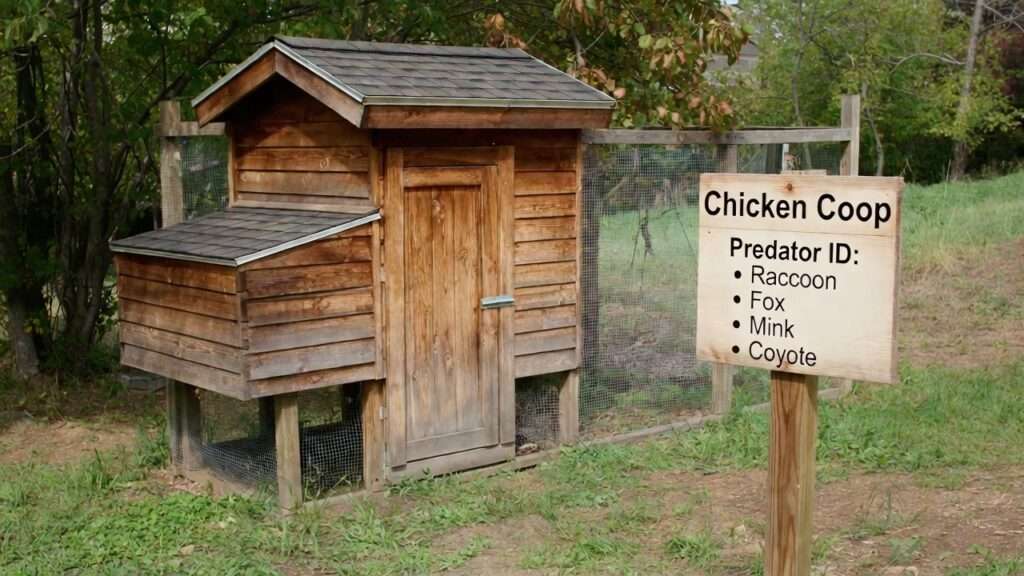
Waking up to the grim scene of scattered feathers, a headless hen, or several birds missing from your flock is every poultry keeper’s nightmare. In regions like Barishal’s humid, riverine landscape—where diverse wildlife thrives alongside small-scale homesteads—these losses hit hard, disrupting food security, income from eggs, and the joy of raising birds regeneratively. But here’s the empowering truth: most attacks are preventable once you correctly identify the culprit. Misidentification leads to wasted effort on the wrong defenses, while accurate chicken coop predator identification raccoon fox clues (and the others like mink or coyote) allow targeted, nature-respecting solutions that align with permaculture’s core ethos.
In permaculture systems, predators aren’t enemies to eradicate—they’re signals of imbalance in your design. By observing patterns (principle #1: Observe and Interact), integrating rather than segregating elements, and using edges wisely, you build resilience. This comprehensive guide draws from university extension resources (e.g., University of Maryland, Virginia Tech, Kentucky Cooperative Extension), experienced homesteaders, and real-world permaculture applications to go beyond basic lists. You’ll learn detailed kill signs, tracks, behaviors, and regenerative prevention strategies far more thorough than typical articles. Whether you’re dealing with nocturnal raids or daylight losses, this resource equips you to protect your flock sustainably, reduce stress, and thrive in harmony with local ecosystems.
Why Accurate Chicken Coop Predator Identification Matters in Permaculture Systems
Backyard and small-scale poultry keepers often search frantically after an attack: “What killed my chicken?” or “chicken coop predator signs.” The urgency is real—repeated losses can wipe out a flock, erode trust in free-ranging, and push people toward industrial fixes that contradict permaculture values.
Predators are ecosystem participants. Raccoons, foxes, minks, and coyotes help control rodents and maintain balance. Lethal trapping disrupts biodiversity and invites more problems (e.g., rebound populations). Instead, permaculture emphasizes proactive design: secure coops as “zones” within food forests, use guardian plants for edges, and stack functions (e.g., thorny barriers that also produce berries).
Benefits of precise identification include:
- Tailored defenses that save money and time.
- Reduced flock stress, improving egg production and health.
- Ethical, low-impact management aligned with “care for the earth” and “care for people.”
- Long-term resilience: A well-designed system deters without constant intervention.
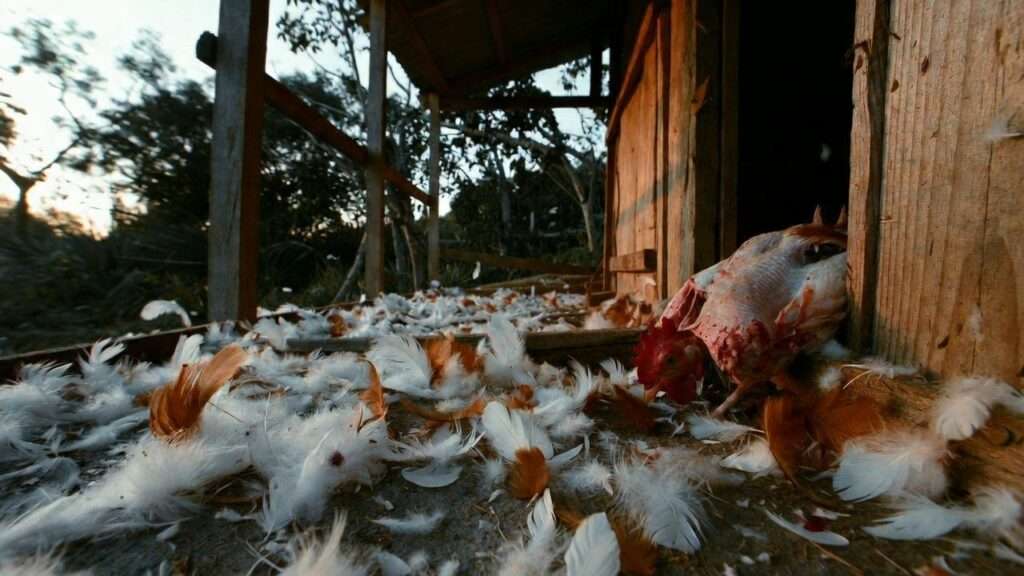
University extensions consistently note that misidentification prolongs vulnerability—fox defenses won’t stop a determined mink, for example.
Common Signs of a Chicken Coop Attack: What to Look For First
Before species-specific clues, assess the overall “crime scene.” These general indicators narrow possibilities quickly.
- Time of attack: Nocturnal (most common for raccoons, foxes, minks, coyotes) vs. diurnal (less likely but possible for coyotes or opportunistic foxes).
- Entry points: Dug tunnels under fences (coyotes, foxes), small gaps near water (minks), reach-through wire (raccoons), forced latches/doors (raccoons, coyotes).
- Feather and blood patterns:
- Scattered feathers trail → bird carried away (fox, coyote).
- Blood inside coop, mess on-site → kill occurred there (raccoon, mink).
- Minimal blood, clean pluck → efficient carrier (fox).
- Bird condition:
- Multiple killed but uneaten/mauled → surplus/frenzy killing (mink, sometimes raccoon).
- Whole birds missing → cached for later (fox, coyote).
- Head/crop eaten, body left → classic raccoon.
- Other evidence: Musky odor (mink), scat, disturbed plants/compost.
Permaculture tip: Treat the attack as site analysis. Walk the edges at dawn after rain for tracks in mud. Document with photos—patterns emerge over time.
Quick Checklist:
- Birds missing entirely, feathers trail: Likely fox or coyote.
- Head/neck missing, body mutilated: Raccoon probable.
- Multiple piled/mauled birds, strong smell: Mink.
- Large digging, scattered remains: Coyote.
Detailed Predator Profiles: Clues to Identify Raccoon, Fox, Mink, or Coyote
This section provides skyscraper-level detail, synthesizing extension guides and homesteader reports for clarity.
Raccoon Attacks: The Clever Opportunist
Raccoons top lists as the #1 backyard predator due to adaptability and intelligence.
- Kill signs: Head and crop/breast eaten or missing; body often left behind (pulled through wire gaps). Limbs may be removed; small birds fully mutilated and scattered. Bites neat, focused on soft parts.
- Entry methods: Reach-through fencing (classic “arm in” kills), latch manipulation (they unscrew or lift), climbing over low barriers.
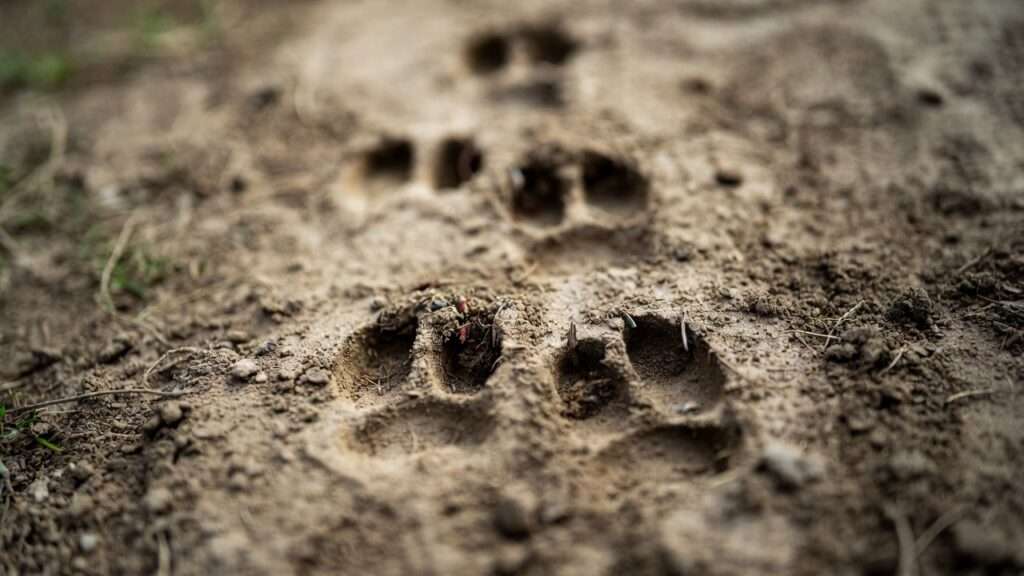
- Tracks: Hand-like prints with 5 long toes and claws; front prints look like tiny human hands (rear more elongated).
- Behavior: Strictly nocturnal; urban/rural adaptable; return if food available.
- Permaculture insight: Attracted to unsecured feed/compost. Integrate by securing scraps in closed systems and planting deterrent guilds (e.g., garlic, marigolds around perimeters).
Fox Attacks: The Efficient Carrier
Red foxes are sly, persistent, and common in rural edges.
- Kill signs: One or few birds taken whole; scattered feathers trail from coop to den/cache. Little blood inside; birds often buried for later (kits). Throat/neck bites.
- Entry: Digging under (but minimal evidence—neat); jumping fences; staking out days before striking.
- Tracks: Small dog-like, narrow, with claw marks; pads often in line.
- Behavior: Solitary or family; cache food; avoid humans but exploit edges.
- Permaculture insight: Edges (fence lines, hedgerows) attract. Design thorny living fences (e.g., blackberry, hawthorn) and diverse plant cover for hiding spots.

Mink Attacks: The Ferocious Small Killer
Minks thrive near water—relevant in Barishal’s delta.
- Kill signs: Multiple birds mauled/piled neatly; necks bitten through; heads/crops eaten; strong musky odor. Surplus killing common (kill more than eat).
- Entry: Small gaps (2-3 inches), near ponds/swales; squeeze through.
- Tracks: Small (1-1.5 inches), 5-toed, bounding gait (paired prints).
- Behavior: Aquatic preference; vicious, territorial.
- Permaculture insight: Wetland edges draw them. Zone ponds/swales away from coop; use water features with barriers or plant dense reeds as buffers.
Coyote Attacks: The Bold Pack Hunter
Coyotes are less common near homes but bold in open areas.
- Kill signs: Whole birds missing or large mess; tunneling/digging evidence; scattered remains if pack. Throat/neck focus.
- Entry: Digging under, pushing weak spots; may return repeatedly.
- Tracks: Larger dog-like (2-3 inches), rounder than fox; toes forward.
- Behavior: Nocturnal; solitary or pack; adaptable but wary.
- Permaculture insight: Open spaces invite. Use rotational grazing, livestock guardians (dogs, geese), and dense planting to break sightlines.
Quick Comparison Table
| Predator | Kill Style | Remains Left | Tracks | Common Entry | Permaculture Deterrence Tip |
|---|---|---|---|---|---|
| Raccoon | Head/crop eaten, body left | Mutilated corpse, limbs gone | Hand-like, 5 toes | Reach-through, latches | Secure compost, deterrent plants |
| Fox | Whole bird carried off | Feather trail, cached | Narrow dog-like | Dig/jump, minimal signs | Thorny hedgerows, cover guilds |
| Mink | Multiple mauled, piled | Bloodied, organs missing | Small 5-toed, bounding | Small gaps near water | Zone away from wet areas, dense buffers |
| Coyote | Whole/messy, scattered if pack | Large digging | Larger dog-like | Tunneling under | Rotational systems, guardians, sight breaks |
Permaculture-Based Prevention: Building Resilience After Identification
Once identified, shift to regenerative design.
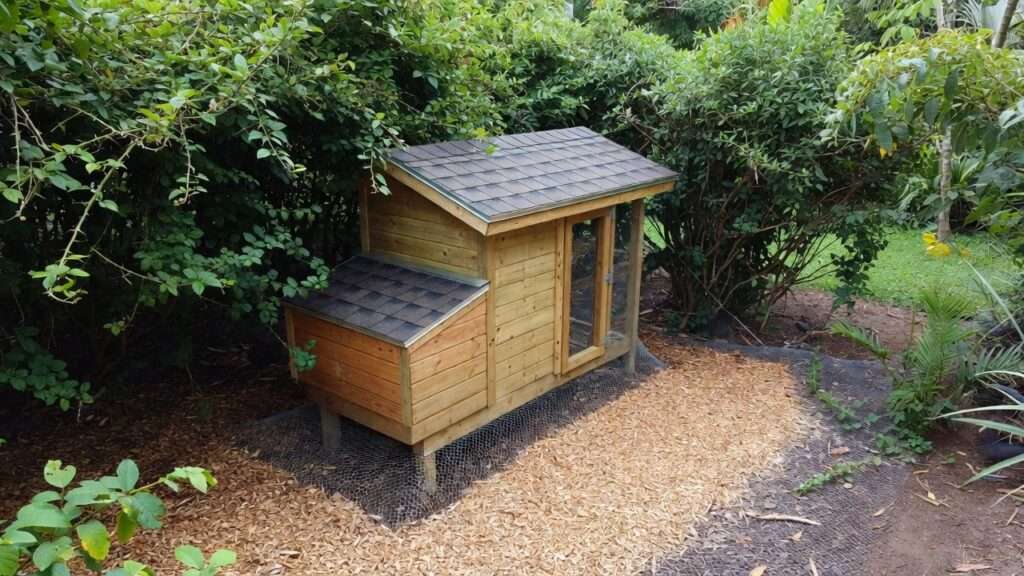
- Structural upgrades: 1/2-inch hardware cloth (not chicken wire), buried apron (18-24 inches out), elevated coops, auto-latches.
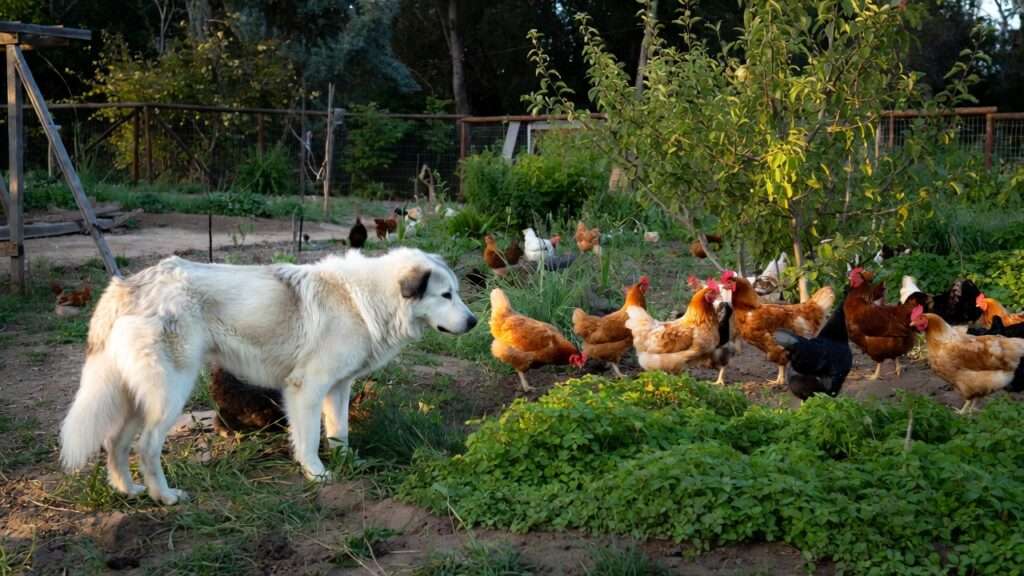
- Natural deterrents: Motion lights/solar radios, guardian animals (geese alarm, livestock dogs), thorny/perimeter guilds (rosemary, lavender for scent).
- Habitat management: Remove attractants (secure feed at night), create buffers, integrate chickens into food forests for natural cover.
- Stacking functions: Mobile tractors for fresh pasture, reducing scent buildup.
Real examples: Homesteaders report attacks drop 90%+ after redesigning edges with living barriers.
Step-by-Step Action Plan: What to Do After an Attack
When you discover the aftermath of a predator raid, acting methodically prevents panic and further losses. This structured protocol combines immediate safety with long-term permaculture thinking.
- Secure the Remaining Flock Immediately Move surviving birds to the safest enclosed space available (even a temporary dog crate or garage pen works in a pinch). Check for injuries—predators sometimes leave wounded birds that can attract secondary scavengers or spread disease. Provide calm, fresh water, and electrolyte solution if birds are stressed.
- Document the Scene Thoroughly (Before Cleanup) Take clear, well-lit photos from multiple angles:
- Overall coop/run area
- Entry/exit points
- Remains and blood patterns
- Any tracks, scat, or disturbed soil Use a ruler or coin next to tracks for scale. Note time, weather, and moon phase (bright nights often increase activity). This evidence helps confirm identification and is invaluable if you later consult local extension agents or wildlife experts.
- Identify the Predator Using This Guide Compare your photos and observations against the profiles and comparison table above. Cross-reference with local knowledge—Barishal’s riverine environment favors minks and raccoons near waterways, while foxes and coyotes prefer drier agricultural edges. If signs are ambiguous (e.g., overlapping raccoon and mink behavior), err toward the most destructive possibility (mink) until clarified.
- Short-Term Reinforcement (Next 24–48 Hours)
- Patch immediate weak points: Cover reach-through gaps with plywood or hardware cloth temporarily.
- Bury or remove remains far from the coop to avoid attracting the same or other predators.
- Double-lock doors and latches; raccoons are notorious for testing new weaknesses nightly.
- Set up inexpensive motion-activated lights or radios tuned to talk stations—disrupts nocturnal comfort without harm.
- Medium-Term Upgrades (1–2 Weeks) Install permanent fixes based on the identified predator:
- Raccoon → Electric fencing topper or secure latches
- Fox → Apron buried 18–24 inches outward + taller fencing
- Mink → Seal gaps under 3 inches, especially near water
- Coyote → Reinforced buried apron + guardian animal introduction
- Long-Term Permaculture Integration (Ongoing) Redesign the system:
- Move coop/run into a more defended zone (closer to house or within thorny guild).
- Plant living barriers (e.g., lemongrass, pigeon pea, or mulberry hedges).
- Introduce mobile chicken tractors for rotational pasturing—reduces scent buildup and allows land to recover.
- Consider stacking functions: Chickens under fruit trees provide pest control while trees offer daytime cover.
- Monitoring & Adjustment Install a low-cost trail camera (solar-powered models work well in humid climates). Review footage weekly to confirm deterrence success and spot new patterns. Adjust as needed—nature is dynamic.
Following this plan typically stops repeat attacks within 1–3 weeks when combined with proper identification.
Frequently Asked Questions (FAQs)
Q: What if there are no clear signs—could it still be a raccoon vs. fox? A: Yes, ambiguous scenes happen, especially with skilled carriers. Look for subtle clues: reach marks on wire (raccoon), feather trails leading away (fox), or musky odor near water (mink). If nothing definitive appears, treat it as the most likely local predator (often raccoon in suburban/rural Barishal settings) and reinforce accordingly. Trail cameras resolve most mysteries.
Q: How do I distinguish mink from weasel or ferret attacks? A: Minks leave a stronger musky smell and target necks/heads with surplus killing. Weasels (smaller) often kill by biting the base of the skull and leave smaller tooth marks. Mink tracks show bounding gait; weasel tracks are more linear. In humid regions like yours, mink is far more common near water sources.
Q: Are there truly effective permaculture ways to deter predators without harming them? A: Absolutely. The key is deterrence through design: secure structures + habitat disruption (remove attractants) + natural repellents (motion lights, guardian geese, thorny perimeters). Many homesteaders report 80–95% reduction in attacks after redesigning edges and integrating chickens into diverse polycultures. Lethal methods often create vacancies that new predators quickly fill.
Q: My coop is near a river—does that change anything? A: Yes—proximity to water dramatically increases mink risk. Zone your coop farther from riverbanks if possible, or install double-layer hardware cloth buried outward. Dense reed or vetiver grass buffers can help without blocking water flow.
Q: Should I use poison or traps? A: In permaculture, we avoid broad-spectrum poisons—they harm non-target wildlife, soil biology, and potentially your flock. Snap traps or live traps are sometimes used short-term for confirmation, but the goal is always exclusion and deterrence first. Consult local wildlife regulations before any lethal control.
Q: How do I introduce guardian animals in a small homestead? A: Start small: A pair of aggressive geese or a trained livestock guardian dog (LGD) breed suited to hot, humid climates (e.g., local Bangladeshi breeds or Anatolian crosses). Geese are low-maintenance and excellent alarms; dogs need more training but offer broader protection.
Q: Will free-ranging ever be safe again? A: Yes, but usually with compromises—supervised ranging, mobile tractors, or daytime-only access. Full free-range works best in systems with strong natural barriers and low predator density. Observe your site over seasons to find the right balance.
Q: What’s the single most important upgrade after an attack? A: Switching from chicken wire to ½-inch hardware cloth for all walls and buried aprons. It stops 90% of reach-through and digging attempts from raccoons, foxes, minks, and coyotes.
Conclusion
Accurate chicken coop predator identification—especially distinguishing raccoon, fox, mink, or coyote attacks—transforms a frightening loss into an opportunity for smarter, more resilient design. By applying permaculture’s observe-and-interact principle, you not only protect your flock but strengthen the entire homestead ecosystem.
Predators teach us where our systems are vulnerable. Use these clues, checklists, and regenerative strategies to close those gaps. Over time, your birds will thrive in a landscape that works with nature rather than against it.