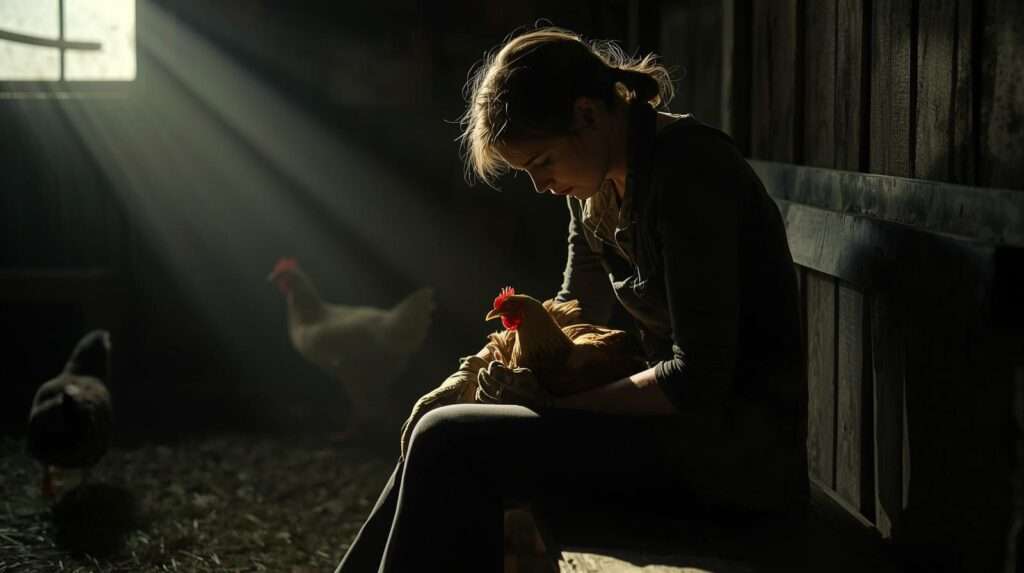
The transition from a peaceful morning of collecting warm eggs to the sudden, gut-wrenching realization that something is terribly wrong in the coop is a moment every poultry keeper fears. One moment, your flock is a vibrant picture of health; the next, you are staring at a favorite hen, hunched and listless in a corner, her eyes clouded with pain. Navigating chicken health crises is a fundamental, yet often unspoken, part of avian stewardship that goes far beyond basic husbandry. It is a high-stakes intersection of medical triage, livestock management, and deep emotional resilience. Whether you are dealing with a contagious outbreak or a terminal individual illness, the decisions you make in these moments will define your journey as a keeper.
In this guide, we will step away from the purely clinical “how-to” and address the “what now?”—providing a professional framework for handling the hardest parts of flock ownership. As someone who has spent years in the trenches of agricultural management, I know that the burden of care is heavy. This article is designed to give you the tools to make objective decisions while validating the very real emotional toll that comes with poultry emergencies.
1. Identifying the Crisis: When “Wait and See” Isn’t an Option
In the world of poultry, chickens are masters of disguise. Evolution has taught them to hide illness to avoid being targeted by predators or bullied by their own flock. This means that by the time you notice a bird is sick, you are often already in the middle of a significant medical event.
Recognizing Subtle Red Flags
Understanding the “Pre-Crisis” phase is essential for survival. You must train your eye to see what isn’t there.
-
The Social Shift: A bird that usually fights for the first scratch grain but is now standing five feet away from the group is signaling distress.
-
The Comb and Wattle Check: A healthy comb is vibrant and warm. A shrunken, pale, or strangely purple comb indicates circulatory or respiratory failure.
-
The Tail Position: A “tucked” tail or a hen that “pumps” her tail while breathing is often in the final stages of a major internal crisis, such as egg yolk peritonitis or severe respiratory infection.
The Triage Protocol
Once a crisis is identified, you must immediately categorize it. Is this an isolated injury (a predator wound or a broken leg), a chronic decline (reproductive cancer or old age), or a biosecurity threat (highly pathogenic avian influenza or infectious bronchitis)? If you suspect a contagious pathogen, your emotional energy must shift from “saving the individual” to “protecting the population.”
Biosecurity as Emotional Insurance
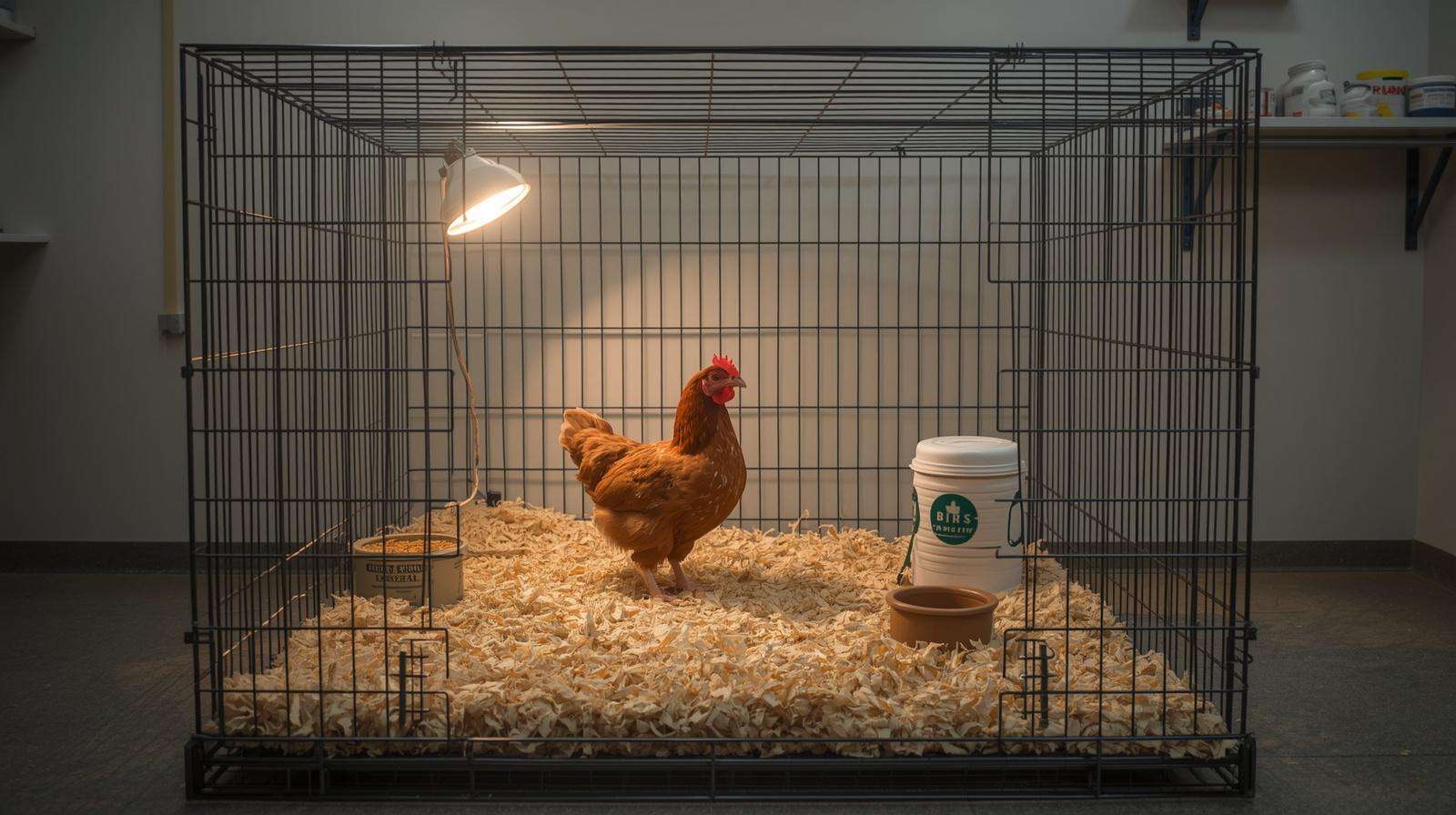
Isolation is your first and most powerful tool. Moving a sick bird to a dedicated “hospital wing” (a large dog crate in a garage or shed) prevents the emotional catastrophe of watching a preventable disease sweep through your entire flock.
2. The Ethical Dilemma: Treatment vs. Quality of Life
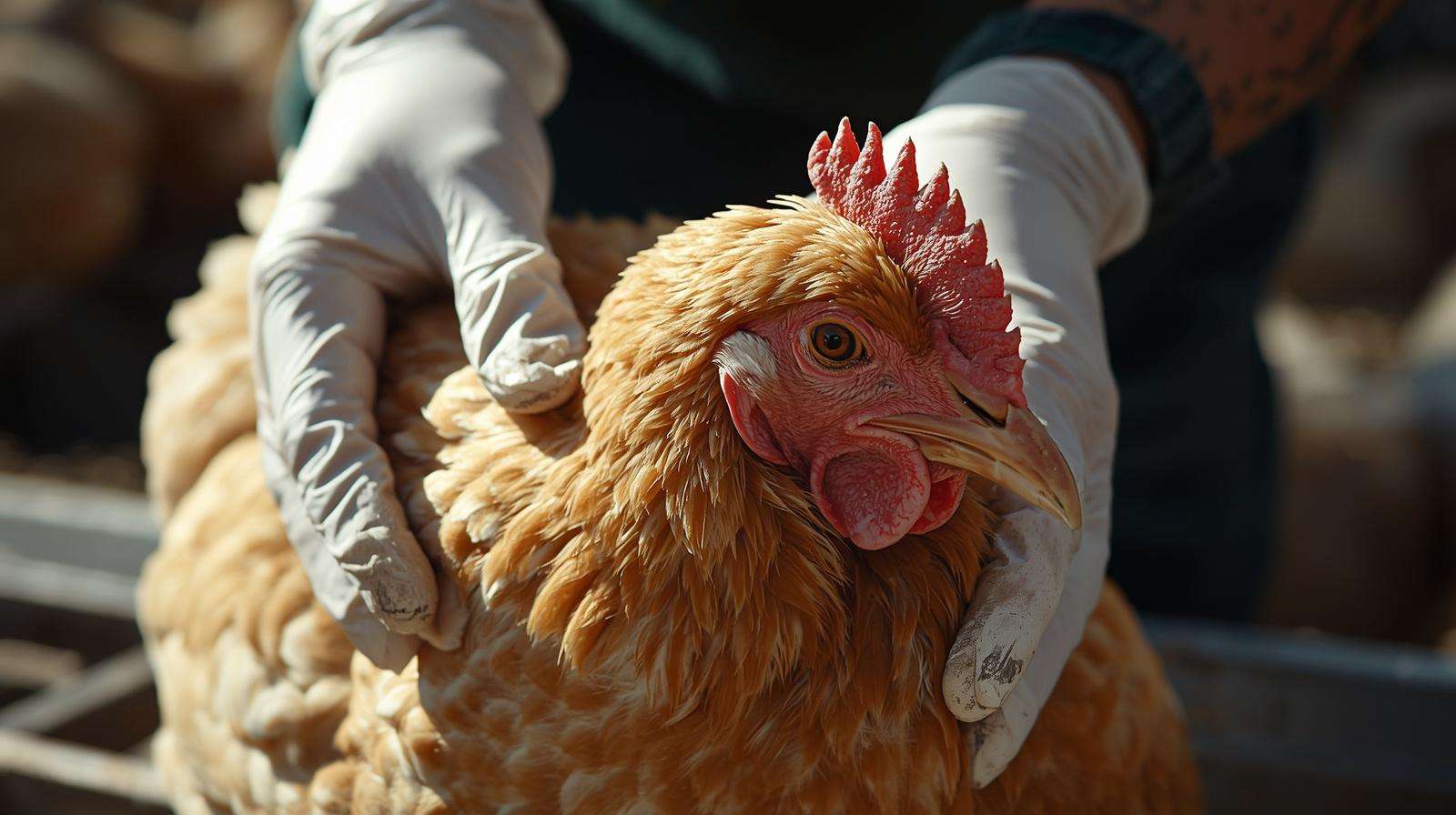
One of the most difficult hurdles in managing chicken health crises is the lack of specialized avian veterinary care in many rural areas. This often leaves the keeper as both the nurse and the surgeon.
Defining “Quality of Life” for a Hen
We must look at the “Five Freedoms” of animal welfare to make objective decisions:
-
Freedom from hunger and thirst: Can she still eat and drink on her own?
-
Freedom from discomfort: Is she able to find a comfortable resting position?
-
Freedom from pain, injury, or disease: Is her pain manageable with available treatments?
-
Freedom to express normal behavior: Can she still dust bathe, preen, or interact with her environment?
-
Freedom from fear and distress: Is the treatment itself (injections, force-feeding) causing more trauma than the illness?
The Financial and Practical Reality
There is no shame in setting a “Medical Threshold.” In an agricultural context, spending hundreds of dollars on a single bird may not be feasible. Furthermore, “Chronic Care Fatigue” is real. If you are spending four hours a day tube-feeding a bird that has a low chance of recovery, your ability to care for the rest of your healthy flock—and your own mental health—will suffer.
3. Hard Decisions: Navigating the Euthanasia Conversation
There is perhaps no greater test of a keeper’s resolve than the decision to end a life. Euthanasia is not a failure of care; it is the final act of stewardship.
Identifying the Point of No Return
When a bird is no longer responsive to light, cannot hold its head up, or has stopped eating and drinking despite intensive support, the “humane” window is closing. Waiting for a bird to “die on its own” can lead to hours of unnecessary suffering.
Methods of Compassionate Ending
For many, the physical act of euthanasia is the part they weren’t ready for. Professionals typically rely on three primary methods:
-
-
Veterinary Intervention: The most peaceful, though often the most expensive and difficult to arrange quickly.
-
Cervical Dislocation: A swift, traditional agricultural method that, when done correctly, causes immediate loss of consciousness.
-
CO2 Chamber: Often seen as the most “detached” method for keepers who cannot bring themselves to use physical force, though it requires specific equipment to be done safely and humanely.
-
The First Time
The first time you perform or witness this procedure, you will likely feel a profound sense of shock and guilt. It is essential to remember that in an agricultural setting, you are the protector. Ending a life that is defined only by pain is a mercy, not a cruelty.
4. What Keepers Weren’t Ready For: The Emotional Fallout
While textbooks cover the science of chicken health crises, they rarely prepare you for the psychological aftermath. Grief in the agricultural world is often complicated by “disenfranchised grief”—a sense that your loss isn’t socially validated because “it’s just a chicken.”
The “It’s Just a Chicken” Myth For the modern keeper, a hen is often more than a livestock unit; she is a companion with a distinct personality. When that bird dies, the silence in the coop is deafening. It is vital to validate your feelings. If you spent months raising a chick from a fragile fluffball to a productive member of the flock, the bond is real. Ignoring that bond makes the next crisis harder to manage because the emotional debt remains unpaid.
The Guilt of the Decision The “What Ifs” are the most predatory part of a health crisis. What if I had cleaned the waterer one day sooner? What if I hadn’t let them free-range near that bush? Expert insight: In most cases, by the time a chicken shows symptoms of a major crisis (like egg peritonitis or a respiratory viral load), the condition has been progressing internally for weeks. You cannot blame yourself for a bird’s evolutionary drive to hide its pain.
The Social Ripple Effect Chickens are highly social creatures with a rigid “pecking order.” The loss of a bird—especially a top-tier “matriarch”—can throw the entire flock into a state of visible stress. You may notice increased squabbling or a temporary drop in egg production from the survivors. Managing the flock’s emotional state is just as important as managing your own.
5. Practical Crisis Management: The First-Aid Mindset
To mitigate the panic that leads to poor emotional decisions, you must approach a crisis with a “flight deck” mentality: prepared, calm, and systematic.

The “Crisis Kit” for Mental Clarity Having a pre-assembled emergency kit isn’t just about the physical supplies; it’s about reducing the “cognitive load” during a panic. If you are hunting for a syringe or a bottle of Vetericyn while a bird is bleeding, your stress levels will spike.
-
Essential Supplies: Styptic powder, self-adhering bandages (Vetwrap), sterile saline, a high-calorie recovery supplement (like Nutri-Drench), and a sharp, dedicated pair of shears.
Documentation as Catharsis Keep a flock log. Tracking the onset of symptoms, the treatments administered, and the eventual outcome provides a sense of agency. When the next of your chicken health crises occurs, you can look back at your records and see what worked, turning a past tragedy into a future survival tool.
6. Community and Support: You Are Not Alone
Isolation is the enemy of the grieving keeper. In a crisis, the burden feels lighter when shared with those who understand the specific nuances of poultry care.
The Value of Mentorship Every keeper should have a “Phone-a-Friend”—someone with more experience who can provide an objective second opinion. During a crisis, our emotions often cloud our judgment. Having a mentor say, “You’ve done everything you could, it’s time to let her go,” provides the external permission many keepers need to make the hard choice.
Digital Sanctuaries Online forums and social media groups dedicated to backyard chickens can be a double-edged sword. While they offer immediate advice, they can also be a source of “judgmental expertise.” Seek out communities that prioritize science-based care and emotional support over anecdotal “miracle cures.”
7. Recovery: Rebuilding the Flock and the Keeper
The end of a health crisis is not the moment the bird passes; it is the moment the keeper finds peace.

Cleaning the Slate There is a profound therapeutic quality to deep-cleaning the coop. Scrubbing the roosts, replacing the bedding with fresh-smelling pine shavings, and disinfecting the feeders acts as a ritual of renewal. It signals to your brain—and the remaining birds—that the crisis is over and safety has returned.
Honoring the Bird Whether it’s a small burial under a fruit tree or simply acknowledging their contribution to the homestead, closure is necessary. Some keepers find peace in performing a necropsy (either personally or through a state lab). Understanding the why of the death often removes the “What If” guilt and provides valuable data for the health of the rest of the flock.
8. Frequently Asked Questions (FAQ)
How do I explain a chicken’s death to children? Be honest but age-appropriate. Use it as a teaching moment about the cycle of life and the responsibilities of stewardship. Avoid euphemisms like “went to sleep,” which can cause fear of bedtime.
Should I let the other chickens see the body? Chickens are intelligent. Allowing the flock to see that their mate is no longer moving can prevent them from fruitlessly searching for the “missing” bird and help the social hierarchy reset more quickly.
How do I overcome the fear of a new health crisis? Focus on what you can control: biosecurity, high-quality nutrition, and daily observations. Accept that in agriculture, death is a neighbor to life. Your job is not to prevent every death, but to provide the best life possible until that time comes.
9. Conclusion: The Heart of the Steward
Managing chicken health crises is the ultimate test of a keeper’s heart. It requires you to be both a clinical technician and a compassionate guardian. By accepting that hard decisions and emotional fallout are part of the journey, you become a more resilient and capable steward.
You aren’t just “raising chickens”; you are managing an ecosystem, and in that ecosystem, your mental health is the most important variable. Treat yourself with the same compassion you extend to that sick bird in the corner of the coop. You have done the hard work, you have made the hard calls, and the flock that remains is stronger for your dedication.