
Backyard chickens can be a joy—fresh eggs, food security, and a closer connection to agriculture right outside your door. But in towns and cities, even one mistake can turn that dream into a neighborhood conflict. Chicken noise and smell in towns are the two biggest reasons urban poultry keepers face complaints, fines, or even forced removal of their birds.
Unlike rural farms, towns have close neighbors, strict ordinances, and low tolerance for nuisance issues. A single loud rooster crow or persistent ammonia odor can trigger complaints that quickly escalate. The good news? With proper knowledge, planning, and daily management, chickens can be raised quietly and cleanly—even in densely populated areas.
This expert guide is designed to help urban and suburban chicken keepers prevent noise and odor problems before they start. Drawing from practical poultry management experience, animal welfare principles, and municipal compliance realities, you’ll learn how to keep chickens responsibly—without disturbing neighbors or breaking local rules.
Understanding Chicken Noise and Smell in Towns
To solve a problem effectively, you must understand its causes. Chicken noise and smell are normal biological realities, but they become issues only when mismanaged.
Why Chickens Make Noise
Chickens are not silent animals. Vocalization is a natural part of flock behavior, but the type and intensity of noise varies.
Key sources of chicken noise include:
-
Egg-laying announcements (the “egg song”)
-
Communication between flock members
-
Alarm calls triggered by predators or sudden disturbances
-
Dominance behavior within the flock
Importantly, hens are relatively quiet compared to roosters. Most urban noise complaints trace back to rooster crowing, which can occur:
-
Early in the morning
-
Multiple times per hour
-
In response to light, sound, or competition
In towns, where sound travels easily between homes, this becomes a serious issue.
Where Chicken Smell Comes From
Chickens themselves do not smell. Poor management does.
Odor issues usually result from:
-
Accumulated manure
-
Wet or soiled bedding
-
Poor ventilation
-
High moisture levels
-
Overcrowding
When manure breaks down in damp conditions, it releases ammonia gas, which has a sharp, unpleasant smell and poses health risks to both humans and birds.
In urban settings, even mild odors can be noticeable due to:
-
Small yard sizes
-
Limited airflow
-
Proximity to windows and outdoor living spaces
Why Noise and Smell Are Bigger Problems in Towns
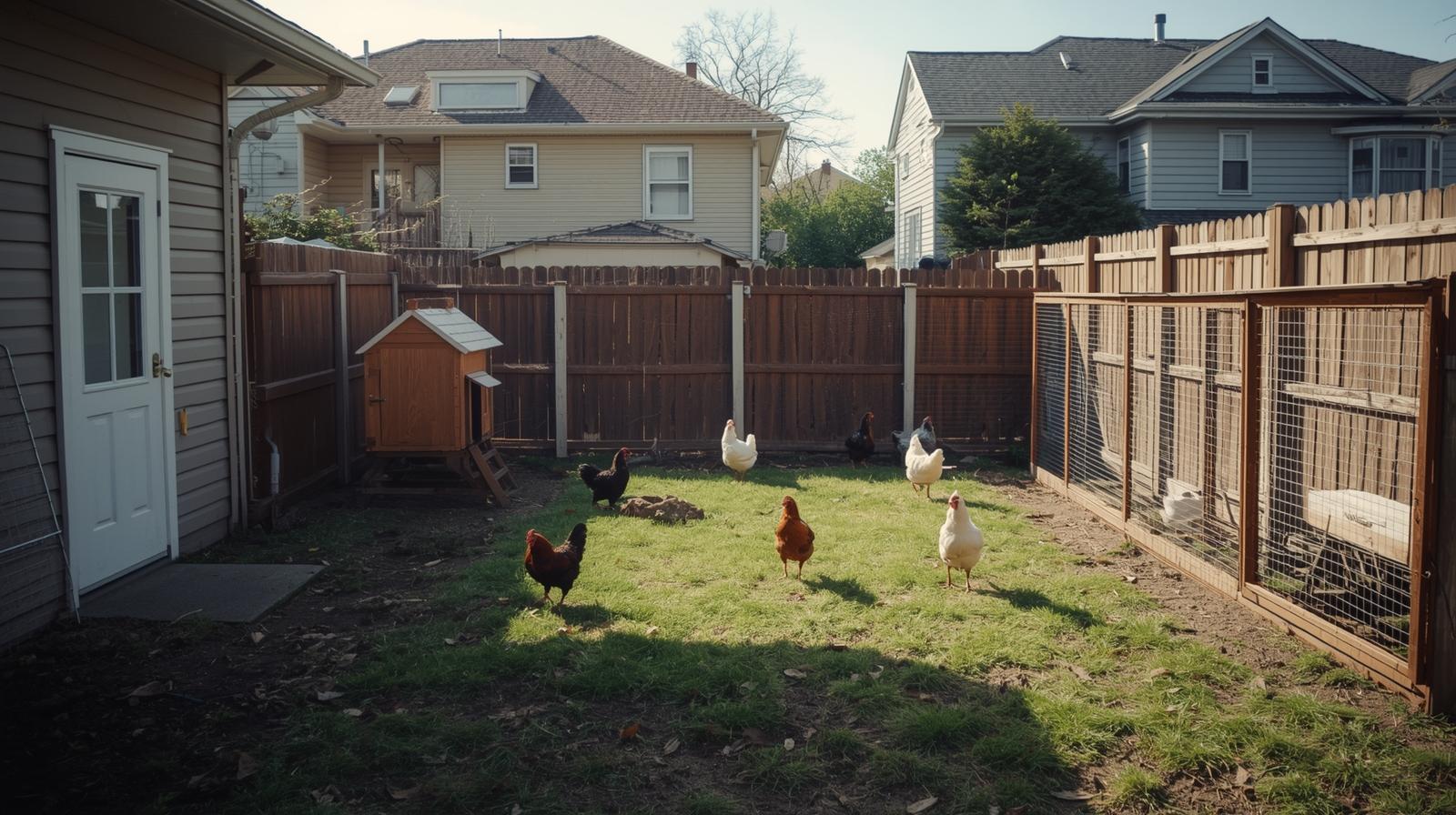
What might go unnoticed on a rural farm becomes unacceptable in town.
Urban-specific challenges include:
-
Neighbors living just a few meters away
-
Strict nuisance and animal control laws
-
Homeowner association (HOA) rules
-
Higher likelihood of formal complaints
Understanding these constraints is critical for responsible backyard poultry keeping.
Local Laws, Ordinances, and Community Rules You Must Know
Before bringing chickens home, legal awareness is essential.
Common Town and City Regulations
Most municipalities regulate backyard chickens through:
-
Limits on the number of hens allowed
-
Rooster bans due to noise
-
Minimum distances between coops and property lines
-
Sanitation and odor-control requirements
Some towns allow chickens by right, while others require permits.
Expert advice: Always check official municipal codes—not social media or neighbor opinions.
Homeowner Associations (HOAs) and Private Rules
Even if city laws allow chickens, HOAs may:
-
Prohibit poultry entirely
-
Restrict coop visibility
-
Enforce stricter noise or cleanliness standards
Violating HOA rules can result in fines or legal action, regardless of municipal law.
Consequences of Ignoring Regulations
Failure to comply can lead to:
-
Written warnings
-
Monetary fines
-
Mandatory removal of chickens
-
Long-term neighbor disputes
Responsible compliance protects both your birds and your peace of mind.
How to Reduce Chicken Noise in Towns
Noise prevention begins with smart decisions, not reactive fixes.
Avoiding Roosters: The Single Most Important Step

If there is one rule for urban chicken keeping, it is this: do not keep roosters in town.
Roosters:
-
Crow loudly and frequently
-
Cannot be trained to stay quiet
-
Are the top cause of complaints
Even well-managed roosters eventually draw attention.
Best practices:
-
Buy sexed pullets from reputable hatcheries
-
Rehome accidental roosters early
-
Understand that crowing often begins at 12–16 weeks
Choosing Quieter Chicken Breeds
Some chicken breeds are naturally calmer and quieter than others.
Traits of quieter breeds:
-
Docile temperament
-
Less flighty behavior
-
Lower tendency for excessive vocalization
While no chicken is silent, breed choice plays a meaningful role in noise reduction.
Coop Placement and Sound Management
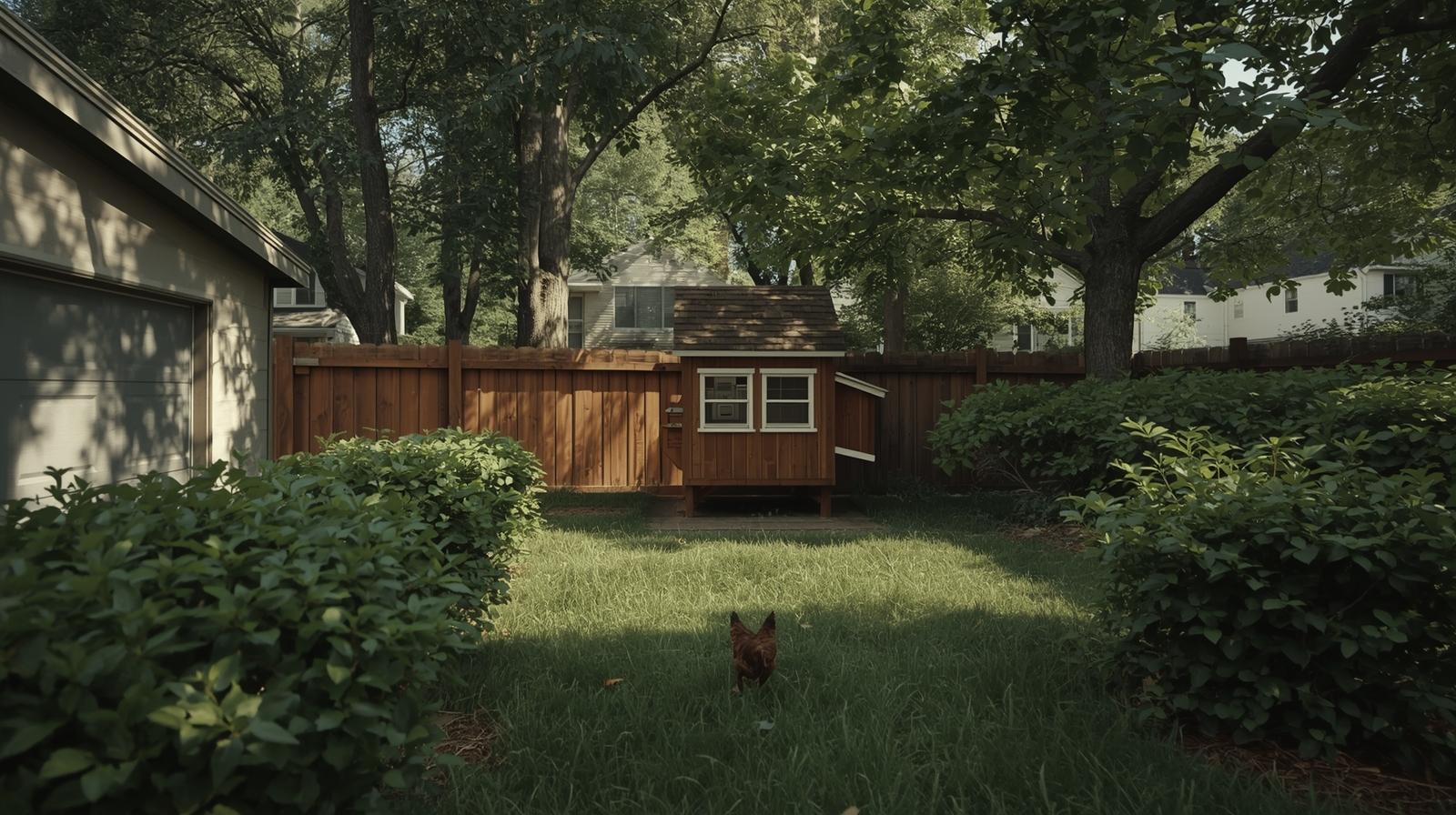
Where you place the coop matters as much as what’s inside it.
Effective strategies include:
-
Positioning the coop as far from neighbors’ homes as possible
-
Avoiding placement near bedrooms or property lines
-
Using solid fencing, walls, or vegetation as sound buffers
Landscaping elements like hedges or privacy screens can significantly reduce perceived noise.
Daily Management Practices That Minimize Noise
Chickens are quieter when they are:
-
Well-fed and hydrated
-
Safe from predators
-
Protected from excessive heat or cold
-
Free from overcrowding
Stress is a major noise trigger. Calm birds are quiet birds.
How to Control Chicken Smell in Towns
Odor control is the deciding factor in whether backyard chickens remain welcome in urban neighborhoods. The good news is that chicken smell is entirely preventable with proper design and management.
Proper Coop Design for Odor Control
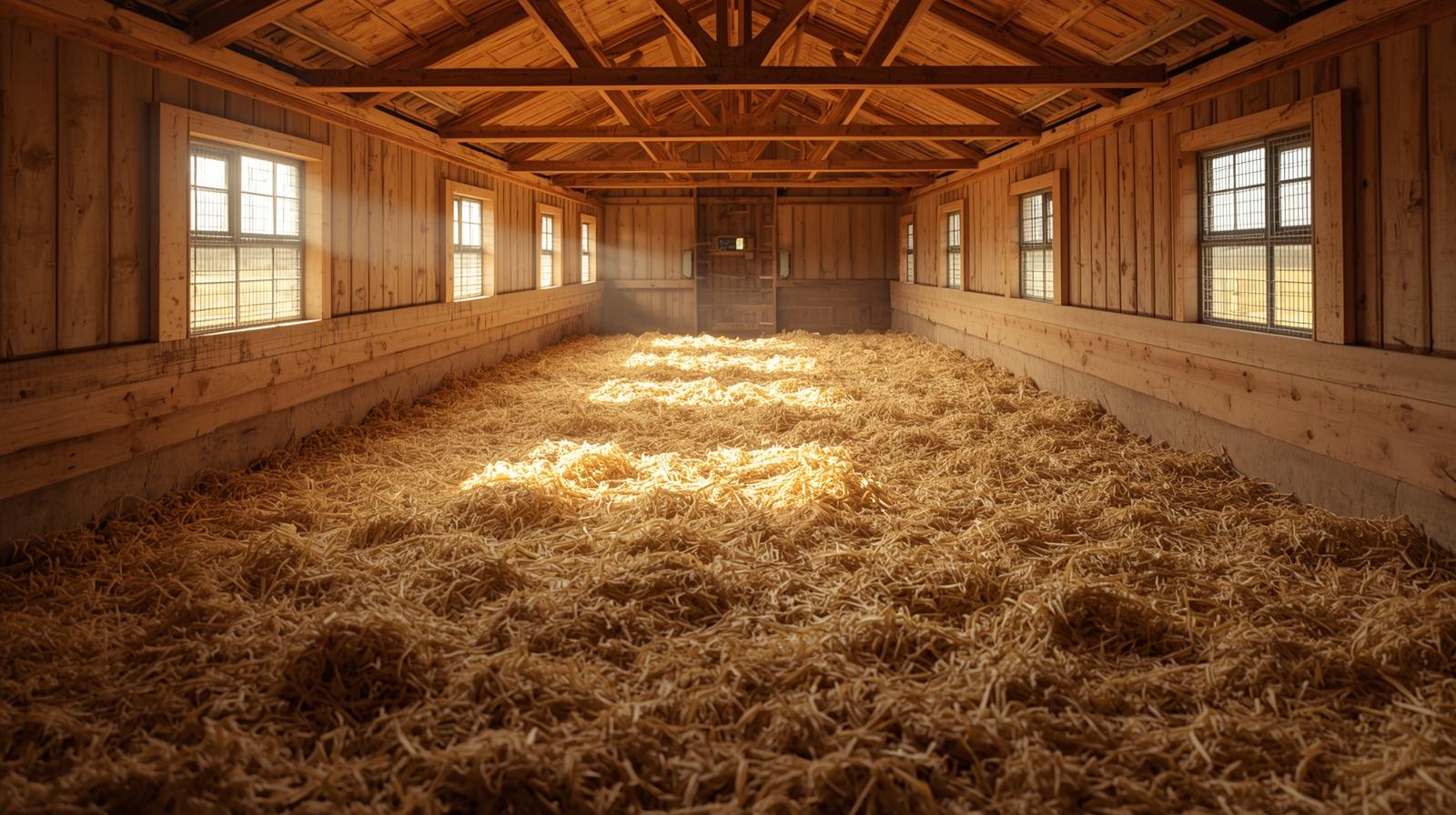
A well-designed coop prevents odor before it starts.
Key design principles include:
-
Excellent ventilation to remove moisture and ammonia gases
-
Protection from rain to keep bedding dry
-
Raised floors or well-drained bases to prevent water buildup
Ventilation should allow fresh air to circulate without creating drafts, especially in colder climates. Poor airflow is one of the most common causes of persistent odor complaints.
Bedding Materials That Reduce Odor
Choosing the right bedding is critical for managing chicken smell in towns.
Common bedding options include:
-
Wood shavings (highly absorbent and widely used)
-
Straw (less absorbent, requires more frequent changes)
-
Sand (easy to clean, excellent drainage in dry climates)
Many urban keepers successfully use the deep litter method, where bedding is allowed to build up gradually and compost naturally. When managed correctly, this method:
-
Reduces ammonia smell
-
Requires less frequent cleaning
-
Improves insulation
However, deep litter only works if moisture is carefully controlled.
Manure Management and Cleaning Schedules
Urban coops require more frequent cleaning than rural setups due to proximity to neighbors.
Recommended practices:
-
Remove droppings from roosts daily or every few days
-
Replace wet bedding immediately
-
Fully clean the coop every 2–4 weeks, depending on flock size
Collected manure should be:
-
Stored in sealed containers
-
Composted properly
-
Kept away from property lines
Proper manure management protects air quality and prevents fly problems.
Managing Moisture to Prevent Ammonia Smell
Moisture is the enemy of odor control.
Prevent excess moisture by:
-
Fixing waterer leaks promptly
-
Using drip-free water systems
-
Sloping floors for drainage
-
Ensuring roofs and runs are rainproof
If you smell ammonia, it’s a warning sign. Immediate action is required to protect both bird health and neighbor relations.
Fly, Pest, and Neighbor Perception Management
In towns, perception matters almost as much as reality.
Preventing Flies and Rodents
Flies and rodents often trigger complaints before smell does.
Effective prevention strategies include:
-
Storing feed in sealed metal or plastic containers
-
Cleaning spilled feed promptly
-
Using fly traps away from neighboring properties
-
Encouraging dry conditions in and around the coop
A clean, dry coop rarely attracts pests.
Visual Cleanliness and Neighbor Sensitivity
Even if your coop doesn’t smell, a messy appearance can create tension.
Best practices:
-
Keep coops well-maintained and tidy
-
Use neutral colors or natural materials
-
Screen coops with fencing or landscaping
Neighbors are far more accepting when chicken setups look intentional and well cared for.
Best Coop and Run Setup for Urban Environments
Urban chicken keeping requires thoughtful space management.
Space Requirements in Small Yards
Overcrowding is a leading cause of noise, smell, and health problems.
General minimum guidelines:
-
3–4 square feet per bird inside the coop
-
8–10 square feet per bird in the run
Providing adequate space reduces stress, odor buildup, and aggressive behavior.
Enclosed Runs and Urban Safety
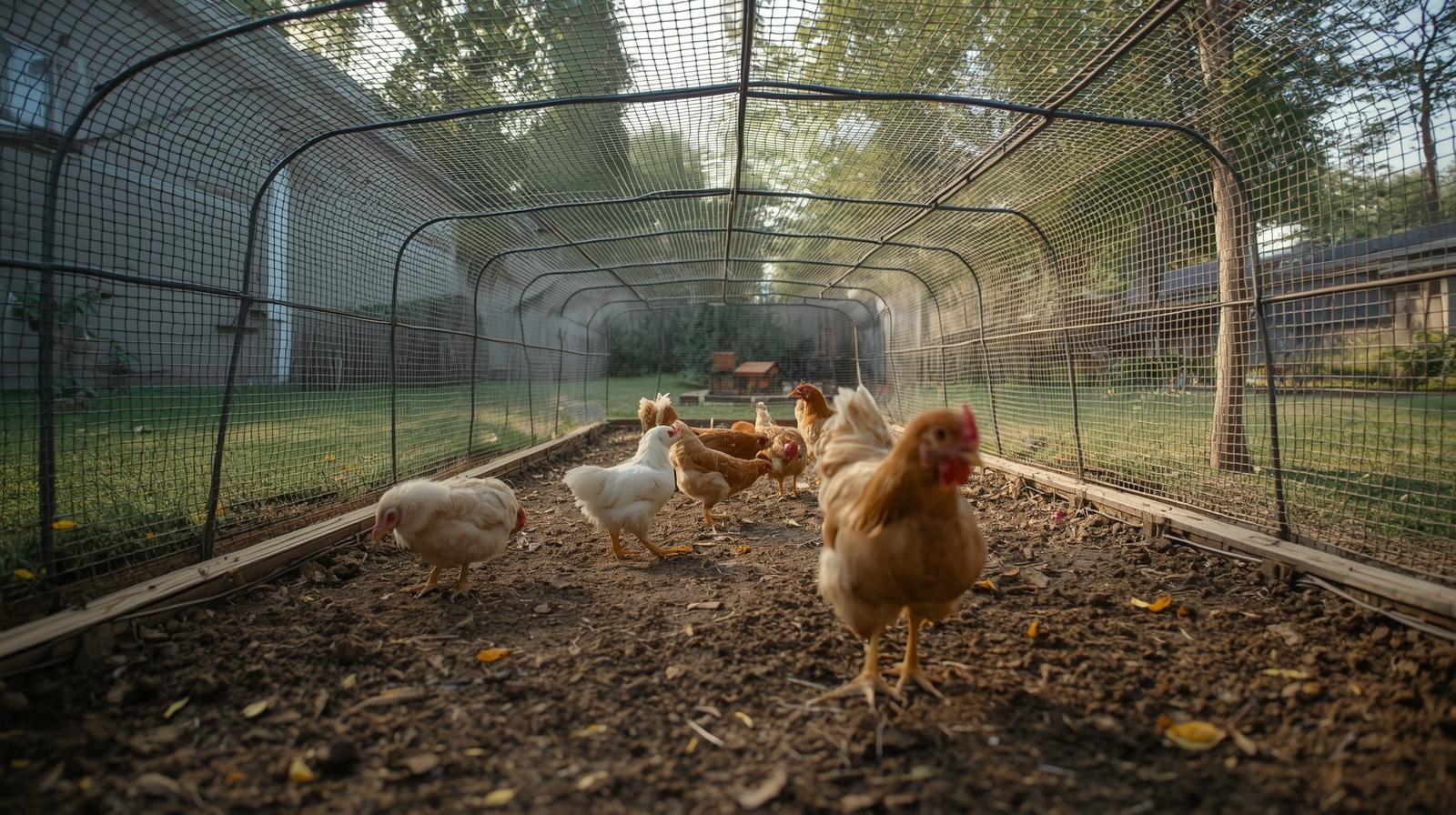
In towns, free-ranging is often impractical or prohibited.
Enclosed runs:
-
Protect chickens from predators
-
Prevent property damage
-
Reduce neighbor complaints
Covered runs also help control mud and moisture, further reducing odor issues.
Using Landscaping as Buffers

Natural buffers improve both function and aesthetics.
Effective options include:
-
Hedges
-
Shrubs
-
Privacy fences
-
Living screens
These elements reduce noise perception, block sightlines, and help absorb odors.
Practical Examples from Urban and Suburban Chicken Keepers
Real-world application shows what works best.
Small Backyard Setup (3–5 Hens)
In tight spaces:
-
Rooster-free flocks are essential
-
Weekly cleaning schedules work best
-
Sand or wood shavings simplify odor control
Many urban keepers report zero complaints with proper care.
Suburban Lot with Close Neighbors
Successful setups often include:
-
Coops placed behind garages or sheds
-
Solid fencing and greenery
-
Clear communication with neighbors
Proactive planning prevents long-term conflict.
Common Mistakes That Lead to Complaints
Most issues are preventable.
Common errors include:
-
Accidentally keeping a rooster
-
Skipping regular cleaning
-
Poor ventilation
-
Too many birds for the space
Avoiding these mistakes protects your investment and your reputation.
Chicken Noise and Smell as Public Health and Welfare Issues
Responsible chicken keeping protects more than neighbor relationships.
Health Implications
-
Ammonia irritates eyes and lungs
-
Poor sanitation increases disease risk
-
Clean coops improve bird welfare and egg safety
Healthy birds are quieter, cleaner, and more productive.
Frequently Asked Questions (FAQs)
Do hens smell if properly managed?
No. Well-managed hens produce little to no noticeable odor.
How many chickens can I keep without complaints?
This depends on space, management, and local laws—but fewer birds are always easier to manage quietly.
Can neighbors legally force me to remove chickens?
Only if you violate local ordinances or nuisance laws.
What’s the quietest chicken breed for towns?
Docile, calm breeds are generally quieter, especially when no roosters are present.
Expert Tips for Raising Chickens Peacefully in Towns
-
Talk to neighbors before problems arise
-
Share eggs as goodwill gestures
-
Inspect coops weekly
-
Adjust practices seasonally
Good communication and consistency matter.
Conclusion: Raising Chickens in Towns Without Noise or Smell Problems
Raising chickens in towns is absolutely possible—and rewarding—when done responsibly. By understanding the causes of chicken noise and smell in towns, following local regulations, choosing the right setup, and maintaining high sanitation standards, backyard poultry can coexist peacefully with neighbors.
Urban chicken keeping isn’t just about eggs—it’s about respect, responsibility, and good management. When these principles are followed, chickens become a quiet, clean, and valued part of town life rather than a source of conflict.