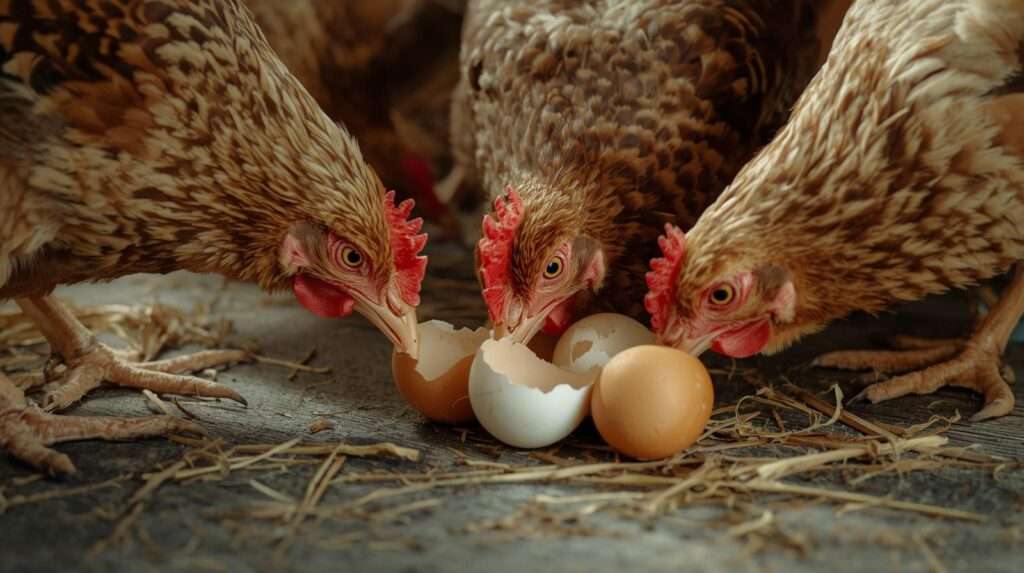
You open the nesting box expecting fresh eggs — but instead, you find broken shells, sticky bedding, and no eggs at all. Few problems frustrate poultry keepers faster than discovering Chickens Eating Their Own Eggs, especially when it begins suddenly and spreads through the flock.
Egg eating is more than a nuisance. Left unchecked, it can lead to serious financial loss, reduced egg supply, and ongoing behavioral problems that are difficult to reverse. From my experience working with backyard poultry keepers and small-scale farmers, this issue almost always stems from identifiable causes: nutrition imbalances, stress, poor coop management, or accidental habit formation.
The good news? With a systematic approach based on poultry science and field-tested practices, egg eating can be stopped — often quickly. In this comprehensive guide, you’ll learn exactly why chickens develop this habit, how to identify the cause in your flock, and the most effective solutions for preventing and correcting egg loss long-term.
Understanding Why Chickens Eat Their Own Eggs (Expert Foundation)
Natural Chicken Behavior Explained
Chickens are naturally curious and opportunistic feeders. Their instinct to peck and explore their surroundings is essential for survival in the wild but can create challenges in confined systems.
Egg eating usually begins unintentionally:
-
A hen accidentally cracks an egg
-
She tastes the contents
-
She repeats the behavior
Because eggs are nutrient-rich, hens quickly associate them with food.
How the Habit Develops and Spreads
Egg eating spreads quickly through social learning:
-
One hen breaks eggs
-
Others observe and imitate
-
Soon multiple birds participate
This is why early intervention is critical.
Common Causes of Chickens Eating Their Own Eggs
Nutritional Deficiencies

One of the most common causes is poor nutrition.
Calcium Deficiency
Without sufficient calcium:
-
Eggshells become thin
-
Eggs crack easily
-
Hens consume shells instinctively
Provide free-choice oyster shell to prevent deficiency.
Protein Imbalance
Low protein diets increase pecking behavior and curiosity-driven egg eating.
Balanced layer feed typically solves this issue.
Thin or Weak Eggshells
Weak shells increase breakage risk.
Common contributors:
-
Stress
-
Age-related decline
-
Poor hydration
Strengthening shell quality reduces egg-eating opportunities.
Boredom and Environmental Stress

Chickens without stimulation often develop destructive habits.
Contributing factors include:
-
Overcrowding
-
Lack of enrichment
-
Limited outdoor access
Poor Nest Box Management
Poor nesting conditions increase egg damage.
Common issues:
-
Dirty bedding
-
Too few boxes
-
Bright lighting
Proper nest design reduces egg exposure.
Step-by-Step Plan to Stop Chickens Eating Their Own Eggs
Step 1: Fix Nutrition Immediately
Start by addressing diet:
-
Provide high-quality layer feed
-
Offer oyster shell separately
-
Ensure constant clean water
This often resolves the issue quickly.
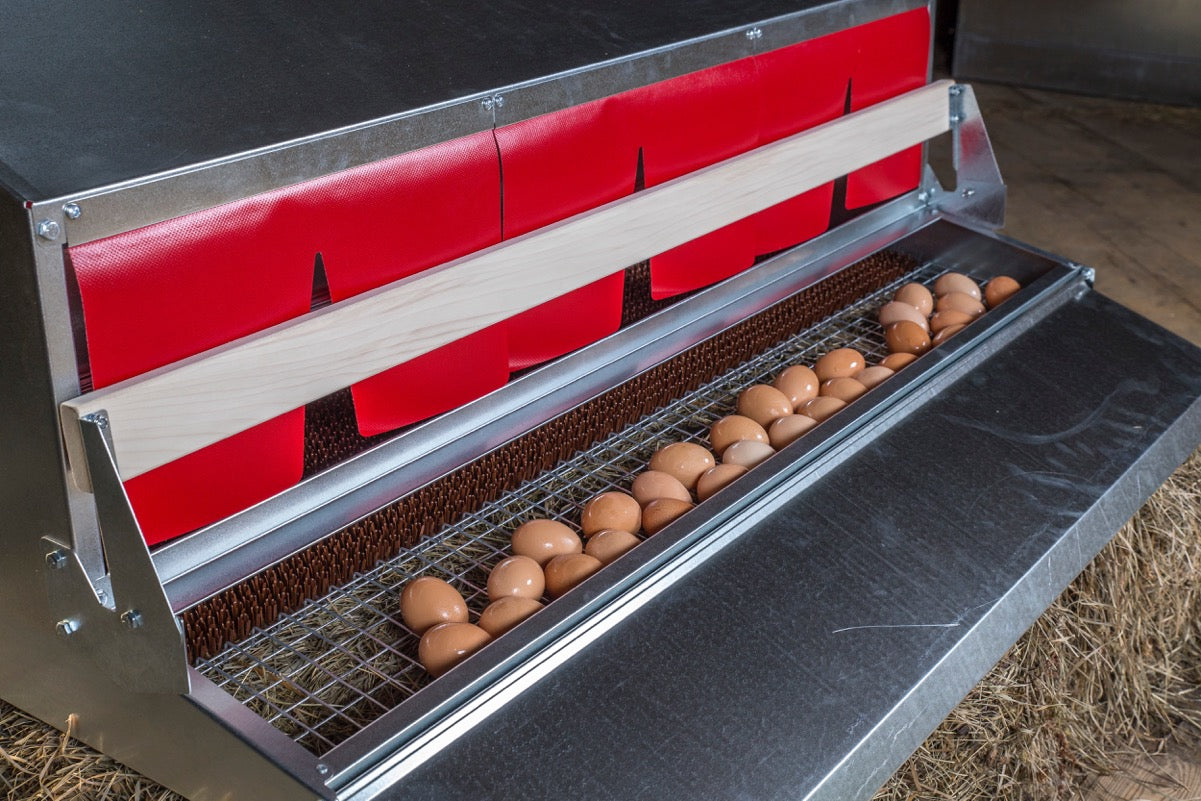
Step 2: Improve Nest Box Design
Key improvements:
-
Dark, quiet nesting areas
-
Soft bedding
-
Roll-away nest boxes
Roll-away designs prevent access after laying.
Step 3: Collect Eggs Frequently
Frequent collection minimizes risk:
-
Morning collection
-
Afternoon check
Reduce egg exposure time.
Step 4: Reduce Stress and Boredom
Offer enrichment:
-
Hanging vegetables
-
Scratch grains
Encourage natural behaviors.
Step 5: Identify and Manage Problem Birds
Watch for hens that:
-
Linger in nests
-
Peck aggressively
Isolate persistent offenders if necessary.
Prevention Strategies That Work Long-Term
Coop Management Best Practices
Maintain:
-
Clean bedding
-
Proper ventilation
-
Adequate nesting space
Balanced Feeding Routine
Ensure consistency in feed quality and schedule.
Regular Flock Monitoring
Observe behavior daily for early warning signs.
Myths and Misconceptions About Egg Eating
Myth: Feeding Eggshells Causes Egg Eating
Crushed shells are safe when mixed properly.
Myth: Only One Hen Is Responsible
Often multiple hens participate.
Troubleshooting Persistent Egg Eating
When Behavioral Changes Don’t Work
Reassess nutrition, space, and management practices.
Using Decoy Eggs Safely
Ceramic eggs discourage pecking behavior.
Last-Resort Solutions
Persistent offenders may require permanent separation.
Expert Tips for Maintaining Egg Production and Preventing Loss
-
Keep records of laying patterns
-
Inspect nests daily
-
Adjust management seasonally
Frequently Asked Questions (FAQs)
Can egg eating be completely stopped?
Yes, with early intervention.
How do I identify the egg eater?
Observe nesting behavior closely.
Should I remove problem birds permanently?
Only if other strategies fail.
Do fake eggs really work?
Yes — often very effectively.
Conclusion: Protect Your Eggs and Restore Flock Productivity
Stopping Chickens Eating Their Own Eggs requires a combination of good nutrition, proper nest management, stress reduction, and observation. By addressing root causes and acting quickly, you can restore productivity and prevent long-term losses.
With consistent management and patience, your flock can return to normal laying behavior quickly. 🥚🐔🌿