As global temperatures climb and heat waves become more frequent and intense, many traditional vegetable crops struggle to produce reliable harvests. Blossom drop, sunscald, wilting, and reduced fruit set are now common frustrations for farmers and home gardeners in hot regions. If you’re facing declining yields in your summer garden or field due to prolonged high temperatures, choosing heat-tolerant crops is one of the most effective, practical solutions available.
These resilient plants maintain productivity even when daytime temperatures soar above 35°C (95°F) and nights stay warm, helping you sustain food production, reduce losses, and adapt to a changing climate. In this comprehensive guide, we’ll explore the science of heat stress, key selection factors, and 12 proven heat-tolerant crops complete with variety recommendations, growing techniques, and real-world tips. Whether you garden in tropical, subtropical, or increasingly warm temperate zones, these options can help you keep your plot productive through the hottest months.
Backed by insights from university extension services (such as University of Florida IFAS, University of Maryland Extension, and Texas A&M AgriLife), field observations, and climate adaptation research, this article provides actionable strategies to build a more resilient garden or small farm. By the end, you’ll have a clear roadmap for choosing heat-tolerant crops that match your conditions, resources, and goals—delivering higher yields, better nutrition, and greater peace of mind in an era of rising temperatures.
Understanding Heat Stress in Crops and Why It Matters
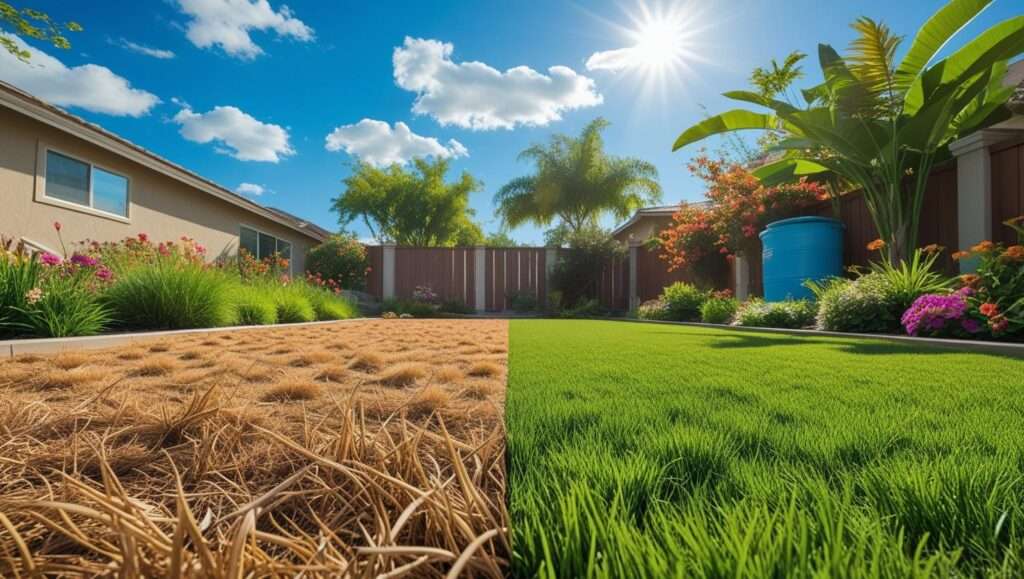
Heat stress occurs when temperatures exceed a crop’s optimal range for growth, reproduction, and recovery. Most cool-season vegetables (like lettuce or broccoli) suffer above 25–30°C (77–86°F), while even many warm-season crops falter when daytime highs push past 35°C combined with warm nights that prevent nighttime recovery.
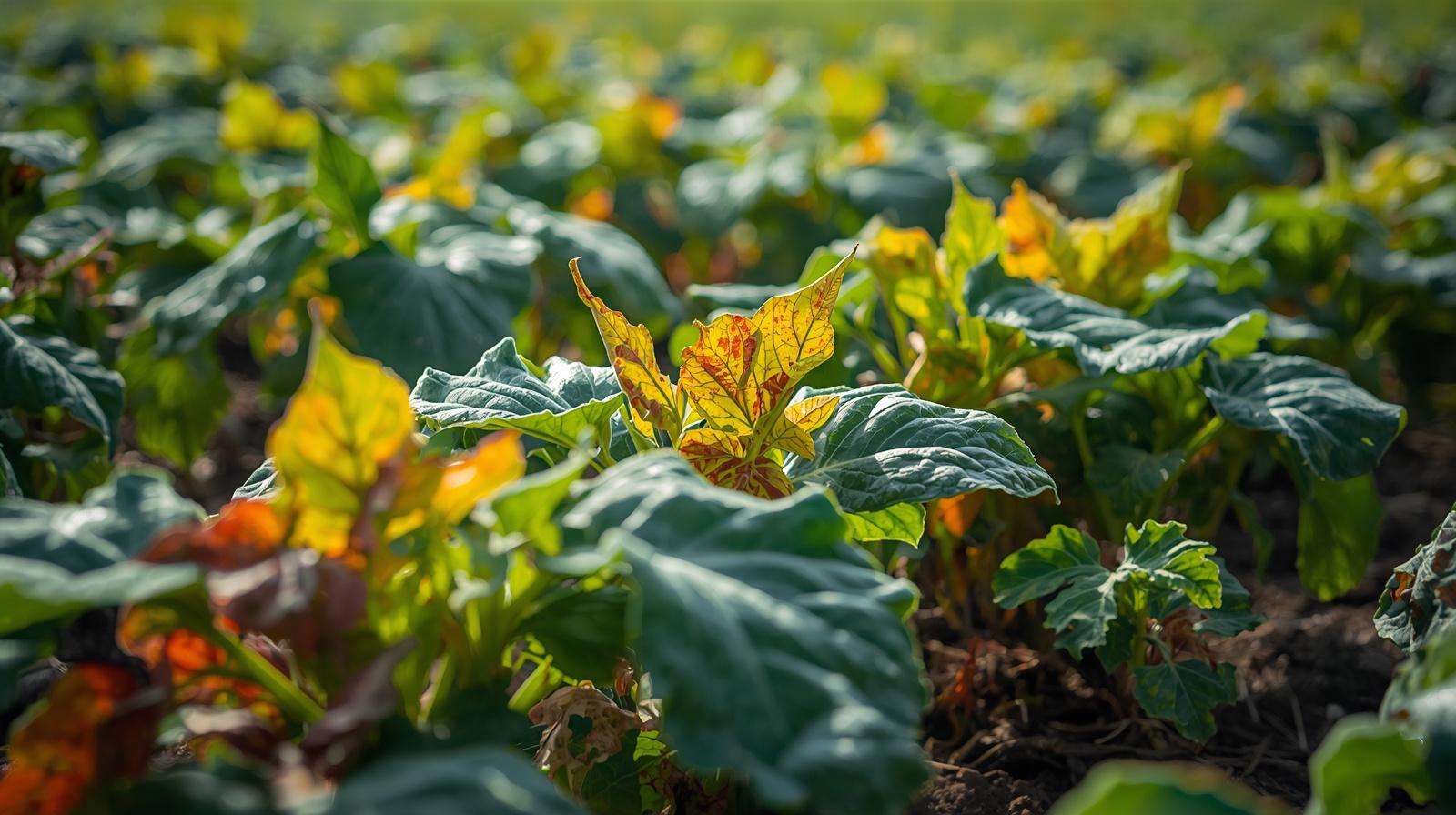
Common symptoms of heat stress include:
- Wilting and leaf rolling or cupping as plants close stomata to conserve water, reducing photosynthesis.
- Leaf scorching, bleaching, or sunscald on fruits and foliage.
- Blossom and fruit drop, poor pollination, and reduced fruit set—especially damaging in tomatoes, beans, and peppers.
- Smaller fruit size, lower quality, and increased susceptibility to pests and diseases.
- Stunted growth and premature bolting in leafy greens.
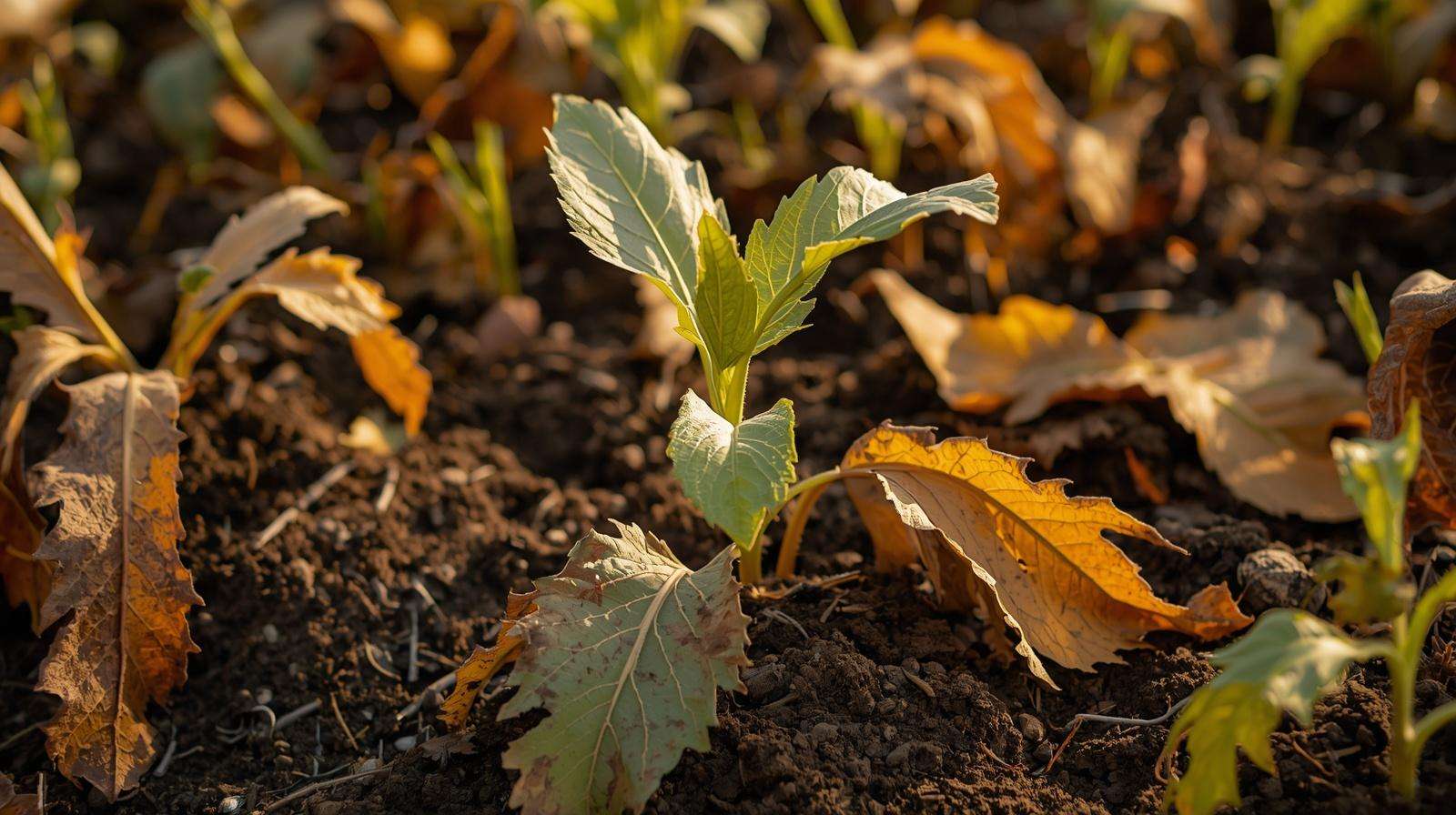
Research shows that for every 1°C rise in temperature, yields of major staples like maize and wheat can decline by 4–10%, with even steeper losses during critical flowering and grain-filling stages. Extreme heat events have already caused double-digit crop losses in many regions, and projections indicate these impacts will worsen with ongoing climate change.
Nighttime temperatures are particularly critical. Many plants need a drop of at least 10–15°C (18–27°F) at night to recover metabolic processes. When nights stay above 20–25°C (68–77°F), respiration outpaces photosynthesis, depleting energy reserves and slashing yields.
Why choosing heat-tolerant crops is your best first defense: Unlike constant interventions (shade cloth, frequent irrigation, or chemical protectants), selecting inherently resilient varieties minimizes labor, water use, and costs while delivering consistent results. Heat-tolerant crops often feature deeper root systems, efficient water use, better pollen viability in high heat, and continued fruit set under stress. They also support sustainable practices by improving soil health or requiring fewer inputs.
In regions like South Asia, the southern United States, the Middle East, and parts of Africa and Australia, growers who shift toward these crops report more stable harvests and economic resilience. For small-scale farmers and backyard gardeners in Barishal or similar hot, humid areas of Bangladesh, these options can mean the difference between a failed summer garden and abundant fresh produce.
Key Factors to Consider When Choosing Heat-Tolerant Crops
Successful adaptation starts with honest assessment of your site and goals. Consider these factors before planting:
- Local Climate and Microclimate: Record daytime highs, nighttime lows, humidity levels, and heat wave frequency. Humid heat (common in tropical zones) stresses plants differently than dry heat (common in arid areas). Soil temperature at planting depth should ideally reach 18–24°C (65–75°F) or higher for warm-season crops.
- Soil Type and Health: Well-drained, fertile soil with good organic matter retains moisture and nutrients better under heat. Sandy soils drain quickly (requiring more mulch and water), while clay soils may compact and heat unevenly.
- Water Availability: Even heat-tolerant crops need consistent moisture during establishment and fruiting. Pair crop choice with efficient irrigation (drip systems) and mulching.
- Purpose and Market: Choose for fresh eating, storage, processing, nutrition (e.g., high-vitamin greens), or dual-purpose (edible leaves + roots). Consider market demand if selling produce.
- Space and Scale: Container or vertical options suit small plots; vigorous vining or bush types work for fields.
- Days to Maturity and Succession Planting: Shorter-cycle crops allow multiple harvests before or between peak heat.
- Pest and Disease Resistance: Heat often amplifies issues like aphids, spider mites, or fungal diseases in humidity—select varieties with built-in resistance.
- Sustainability Benefits: Nitrogen-fixing crops (like cowpeas) improve soil; deep-rooted types enhance drought tolerance.
Evaluate your resources realistically. Start small by trialing 2–3 new crops alongside familiar ones to build confidence and data for your specific location.
12 Best Heat-Tolerant Crops for Hot Climates
Here are 12 standout options proven to perform well in high temperatures. Each includes recommended varieties, growing guidelines, care tips, and benefits. These selections draw from extension trials in hot regions and offer diversity across vegetables, greens, roots, and legumes.
1. Okra
Okra (Abelmoschus esculentus) is a heat-loving champion native to tropical Africa. It thrives in soil temperatures of 80°F+ (27°C+) and continues producing pods through intense summer heat where other crops fail.
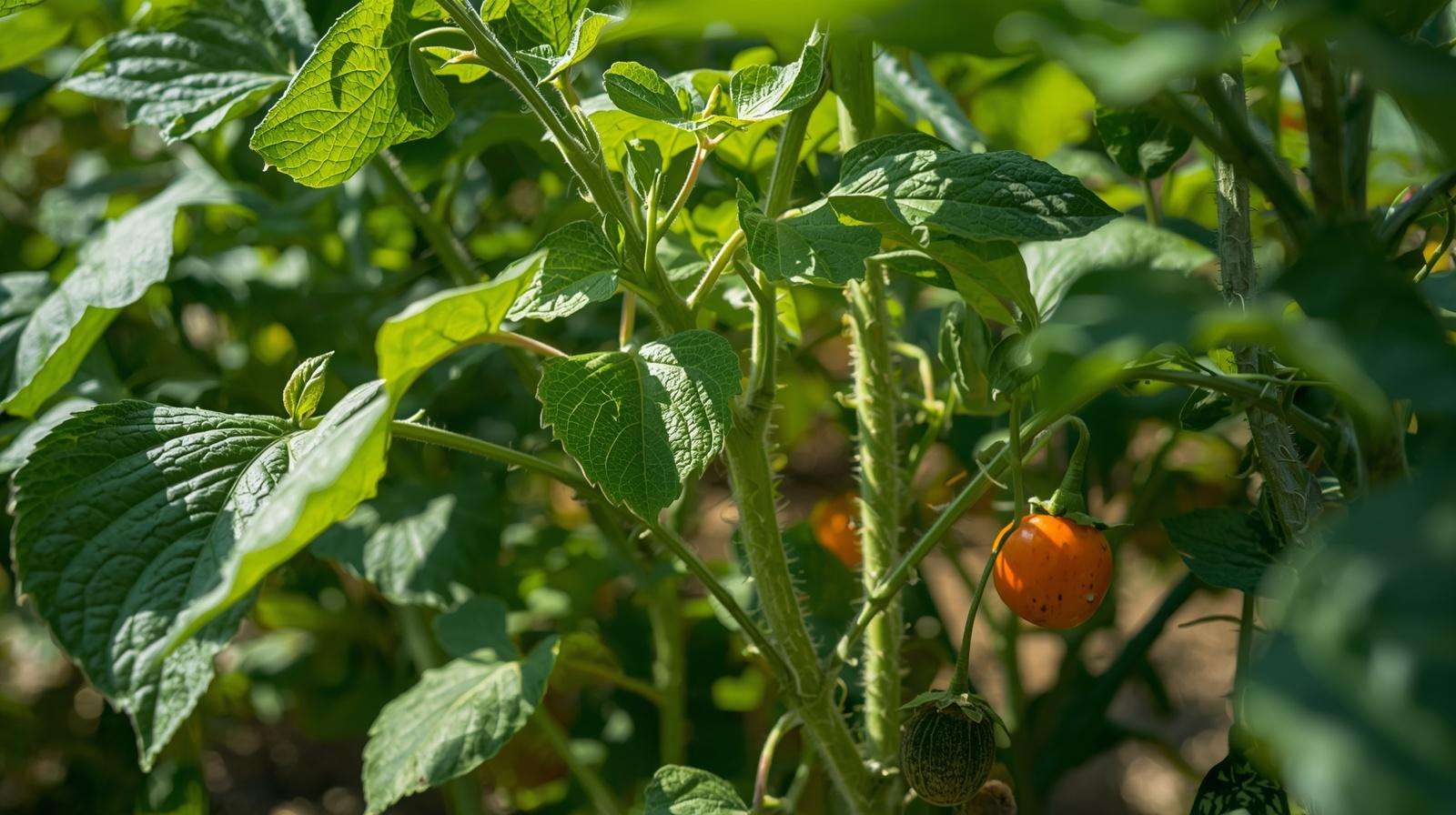
Recommended varieties: Clemson Spineless, Annie Oakley, Emerald, or heat-adapted hybrids like Cajun Delight. For smaller spaces, try dwarf types.
Growing conditions: Full sun, well-drained soil rich in organic matter. Plant after soil warms to 24°C (75°F). Space 30–45 cm (12–18 inches) apart in rows 90–120 cm (3–4 feet) apart. Days to harvest: 50–60.
Care tips: Water deeply but infrequently once established. Mulch heavily to cool roots and suppress weeds. Harvest pods every 1–2 days when 5–10 cm (2–4 inches) long to keep production high—over-mature pods become tough and woody. Side-dress with compost mid-season.
Benefits: Extremely prolific (one plant can yield dozens of pods); rich in fiber, vitamins C and K, and antioxidants. Young leaves are also edible. Excellent for hot, humid climates like Bangladesh.
Yield expectations: 5–10 kg per plant over a long season in good conditions.
2. Sweet Potatoes (and Edible Leaves)
Sweet potatoes (Ipomoea batatas) excel in hot, humid, or dry conditions. They are drought-tolerant once established and produce both nutritious tubers and edible greens.
Recommended varieties: Beauregard, Covington, Jewel, or regional favorites suited to tropical conditions. For leaves, choose vigorous vining types.
Growing conditions: Loose, well-drained sandy loam preferred. Plant slips (vine cuttings) after last frost when soil is warm. Space 30–45 cm apart in rows 90–120 cm. Full sun. Days to harvest: 90–120 for tubers.
Care tips: Provide consistent moisture early; reduce watering near harvest to sweeten tubers. Use black plastic mulch to warm soil and conserve moisture. Pinch vines to encourage tuber development. In humid areas, ensure good airflow to prevent fungal issues.
Benefits: High in beta-carotene, vitamins A and C; leaves are a protein-rich “spinach” alternative. Stores well for food security. Improves soil structure with its dense vine cover.
Yield expectations: 10–20+ kg per 10 plants depending on variety and care. Both roots and young leaves can be harvested progressively.
3. Eggplant
Eggplant (Solanum melongena) loves full sun and warm soil, producing heavy yields even in scorching conditions.
Recommended varieties: Black Beauty, Ichiban (long Asian type), Rosa Bianca, or heat-tolerant hybrids like Hansel or Gretel for smaller fruits.
Growing conditions: Rich, well-drained soil; pH 5.5–6.8. Transplant after soil reaches 21°C (70°F). Space 45–60 cm apart. Full sun. Days to harvest: 60–80.
Care tips: Stake or cage plants for support. Mulch to retain moisture and prevent fruit from touching hot soil. Water consistently at the base to avoid blossom end rot. Harvest when glossy and firm.
Benefits: Versatile in cuisine; good source of fiber and antioxidants. Compact varieties suit containers or small plots.
Yield expectations: 4–8 kg per plant over the season.
4. Peppers (Hot and Some Sweet Varieties)
Peppers (Capsicum spp.) are among the most heat-loving solanaceous crops. Hot varieties generally outperform sweet bells in extreme heat.
Recommended varieties: Jalapeño (e.g., TAMU Mild Jalapeño), Serrano, Thai hot, or heat-set bells like Heatmaster. For sweet: some hybrids maintain set better than traditional bells.
Growing conditions: Full sun, warm soil. Transplant when nights stay above 15°C (60°F). Space 30–45 cm apart. Days to harvest: 60–90 depending on type.
Care tips: Provide even moisture; avoid overhead watering in humidity. Use shade cloth (30%) during extreme heat waves (>40°C) if blossom drop occurs. Fertilize moderately—excess nitrogen promotes leaves over fruit.
Benefits: High in vitamin C; add flavor and nutrition. Hot types often set fruit reliably when bells fail.
Yield expectations: Heavy producers—dozens of peppers per plant.
5. Yard-Long Beans (Asparagus Beans)
Unlike common green beans that drop blossoms in heat, yard-long beans (Vigna unguiculata subsp. sesquipedalis) thrive in extreme temperatures.
Recommended varieties: Red Noodle, Chinese Long Bean, or green types from Asian seed suppliers.
Growing conditions: Full sun, well-drained soil. Provide strong trellis or fence. Plant after soil warms. Space 15–20 cm apart. Days to harvest: 60–70.
Care tips: Nitrogen-fixing—needs little fertilizer. Harvest pods young (30–60 cm long) for tenderness. Tolerates humidity well.
Benefits: High protein; improves soil nitrogen. Prolific and space-efficient on vertical supports.
Yield expectations: Continuous harvest over weeks from a small planting.
6. Southern Peas / Cowpeas (including Black-eyed Peas)
Cowpeas (Vigna unguiculata) are legendary for heat and drought tolerance while fixing nitrogen.
Recommended varieties: California Blackeye, Pinkeye Purple Hull, or crowder types.
Growing conditions: Full sun, any well-drained soil. Direct sow when soil is warm. Space 10–15 cm apart in rows. Days to harvest: 60–90 (green or dry).
Care tips: Minimal care once established. Harvest as green snaps, shelling peas, or dry beans.
Benefits: Dual-purpose (fresh or dried); excellent soil builder. Nutritious and storable.
Yield expectations: Reliable even in poor conditions.
7. Malabar Spinach (and Amaranth)
These vining or upright greens replace traditional spinach in summer heat.
Malabar spinach (Basella alba/rubra): Climbing vine with thick, succulent leaves. Amaranth (Amaranthus spp.): Fast-growing, nutritious leaves (and sometimes seeds).
Recommended varieties: Red-stemmed Malabar; Red Garnet or Asian amaranth types.
Growing conditions: Full sun to part shade; rich soil. Trellis Malabar. Plant after frost danger. Days to harvest: 30–45 for leaves.
Care tips: Keep moist; Malabar climbs vigorously. Harvest young leaves and tips repeatedly.
Benefits: High in vitamins, minerals, and protein. Heat-proof “summer spinach.”
Yield expectations: Continuous cutting from a few plants.
8. Sweet Corn
Corn handles high daytime heat well with adequate water and pollination support.
Recommended varieties: Heat-tolerant supersweets like Affection, Nirvana, or regional adapted types.
Growing conditions: Full sun, rich soil. Plant in blocks for pollination. Space 20–30 cm apart. Days to harvest: 70–90.
Care tips: Consistent deep watering during tasseling and silking. Mulch to conserve moisture.
Benefits: Sweet, versatile crop; provides shade for lower plants when interplanted.
Yield expectations: 1–2 ears per stalk in good conditions.
9. Watermelon and Melons (e.g., Cantaloupe)
Melons sweeten beautifully in intense heat and prefer drier conditions near harvest.
Recommended varieties: Sugar Baby or Crimson Sweet watermelon; Athena or Ambrosia cantaloupe.
Growing conditions: Full sun, sandy well-drained soil. Space vines generously. Days to harvest: 70–90.
Care tips: Use drip irrigation; reduce water as fruits mature to concentrate sugars. Elevate fruits off hot soil with mulch or boards.
Benefits: Refreshing, nutritious summer fruit; high market value.
Yield expectations: Multiple fruits per vine.
10. Tropical Squashes (Seminole Pumpkin, Calabaza, Luffa, Tromboncino)
These outperform standard zucchini and summer squash in prolonged heat.
Recommended varieties: Seminole Pumpkin (stores well), Tromboncino (long-fruited), Luffa (edible young or sponge when mature).
Growing conditions: Full sun, rich soil. Provide space or trellis. Days to harvest: 80–100+.
Care tips: Harvest young for tenderness; allow luffa to mature for sponges.
Benefits: Versatile use; vigorous growth covers ground and suppresses weeds.
Yield expectations: High productivity over extended periods.
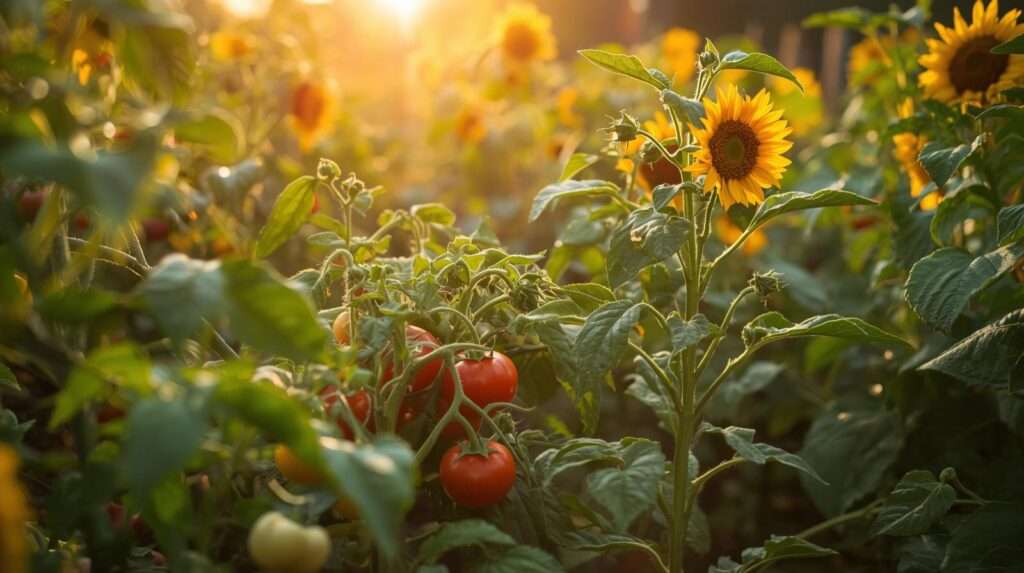
11. Cherry Tomatoes or Heat-Set Tomato Varieties
Cherry types and specialized heat-set varieties maintain fruit production better than large slicing tomatoes.
Recommended varieties: Heatmaster, Solar Fire, Florida 91, Sun Sugar, or cherry types like Black Cherry, Sun Gold.
Growing conditions: Full sun, rich well-drained soil. Stake or cage. Transplant when warm. Days to harvest: 55–75 for cherries.
Care tips: Consistent moisture prevents cracking and blossom end rot. Provide afternoon shade if temperatures exceed 38°C (100°F) for extended periods. Support pollination with gentle shaking or beneficial insects.
Benefits: Smaller fruits set more reliably; high flavor and nutrition. Indeterminate types produce over a long season.
Yield expectations: Prolific—hundreds of fruits per plant.
12. Roselle (Hibiscus) or Winged Beans
Roselle: Edible calyces for teas/jams; heat-loving tropical. Winged beans: All parts edible; excellent in hot, humid tropics.
Recommended varieties: Local or adapted roselle types; winged bean varieties suited to your humidity levels.
Growing conditions: Full sun; provide trellis for winged beans. Days to harvest: Varies (60–90+).
Care tips: Roselle tolerates poor soil; harvest calyces when plump. Winged beans fix nitrogen.
Benefits: Multi-use (tea, vegetable, protein); highly resilient in tropical heat.
Yield expectations: Steady production with minimal inputs.
(For a quick comparison, many sources recommend creating a table with columns for heat tolerance range, days to maturity, water needs, and key benefits—consider adding one in your final published version.)
Advanced Growing Techniques to Maximize Success in Hot Climates
Choosing heat-tolerant crops is powerful, but combining them with smart techniques amplifies results:
- Soil Preparation: Incorporate plenty of compost or well-rotted manure to improve water-holding capacity and microbial activity. Test and amend pH as needed.
- Mulching Strategies: Apply 5–10 cm (2–4 inches) of organic mulch (straw, leaves, or grass clippings) to cool soil by 5–10°C, reduce evaporation, and suppress weeds. Reflective mulches can help in very hot, dry areas.
- Irrigation Best Practices: Use drip or soaker hoses for deep, infrequent watering early in the day. Avoid wetting foliage in humid conditions to limit disease.
- Shade and Protection: 30–50% shade cloth during peak heat waves protects sensitive stages. Row covers or temporary structures can help during extreme events.
- Companion Planting: Grow heat-lovers with beneficial companions—e.g., marigolds for pest control, basil near tomatoes, or corn with beans and squash (Three Sisters method adapted for heat).
- Timing and Succession: Plant in waves; use early-maturing varieties to harvest before peak heat or start new plantings as others finish.
- Organic Pest/Disease Management: Heat can increase spider mites or aphids—encourage predators (ladybugs, lacewings) and use neem or insecticidal soaps judiciously. Good airflow and resistant varieties reduce fungal risks.
Monitor soil temperature with a simple thermometer and keep records of weather and performance to refine your approach each season.
Building Long-Term Resilience: Beyond Single Crops
For lasting success, integrate heat-tolerant crops into a diversified system:
- Rotate crops and use cover crops to maintain soil health and break pest cycles.
- Support breeding efforts by saving seeds from your best-performing plants (where legal and appropriate) or sourcing from programs developing climate-resilient varieties.
- Focus on soil biology: No-till or minimal tillage, regular compost additions, and mycorrhizal inoculants improve water and nutrient efficiency.
- Incorporate water-harvesting techniques (swales, rain barrels) alongside drought-tolerant choices.
- Use simple tools: Weather apps for heat alerts, soil moisture meters, and phenological observations.
Case studies from Florida, Texas, and South Asian smallholder farms show that diversified systems with 40–60% heat-tolerant species maintain yields 20–50% better during heat waves compared to traditional monocultures.
Common Mistakes to Avoid When Growing in Heat
- Planting heat-sensitive crops too late in the season.
- Inconsistent watering (feast-or-famine cycles worsen stress).
- Ignoring nighttime heat—provide evening airflow or avoid overcrowding.
- Over-fertilizing, which promotes lush foliage vulnerable to heat and pests.
- Failing to harvest regularly, which signals plants to slow production.
Frequently Asked Questions (FAQs)
What temperature is too hot for most vegetables? Daytime highs above 35°C (95°F) with warm nights (>20–25°C) stress many crops, but heat-tolerant options continue performing up to 40°C+ with proper care.
Can I grow lettuce or cool-season crops in summer heat? Some heat-tolerant lettuces (e.g., Jericho romaine) or alternatives like Malabar spinach and amaranth work better. Use shade cloth and plant in cooler microclimates.
Which heat-tolerant crops are best for containers or small spaces? Dwarf okra, cherry tomatoes, peppers, Malabar spinach on trellises, and bush-type eggplants or beans.
How do I protect crops during a sudden heat wave? Apply extra mulch, provide temporary shade, increase watering frequency (without waterlogging), and avoid pruning or fertilizing during the peak stress period.
Are there heat-tolerant fruit trees or herbs worth adding? Yes—consider figs, pomegranates, or herbs like basil, rosemary, and thyme that handle heat well.
How does rising CO₂ and climate change affect crop selection? Elevated CO₂ can boost photosynthesis in some C3 plants but often fails to offset heat and drought stress. Prioritize varieties bred or selected for combined resilience.
Final Word
Choosing heat-tolerant crops like okra, sweet potatoes, eggplant, yard-long beans, and the other resilient options detailed here empowers you to maintain productive gardens and farms even as summers grow hotter. These plants not only survive—they often thrive—while delivering nutritious food, economic value, and environmental benefits through better resource use and soil improvement.
Start by assessing your site, selecting 2–3 crops that match your needs, and applying the growing techniques outlined. Experiment, observe, and adjust. Over time, you’ll build a climate-resilient system that reduces risk and increases satisfaction from your land.
If you’re gardening in hot, humid conditions like those in Barishal or similar regions, these crops can transform challenging summers into abundant seasons. Share your experiences in the comments—which heat-tolerant crop have you tried, and what results did you see? For more agricultural tips and guidelines, explore our other resources on mulching, companion planting, and sustainable soil management.
By making informed choices today, you contribute to a more secure and sustainable food future. Happy growing!