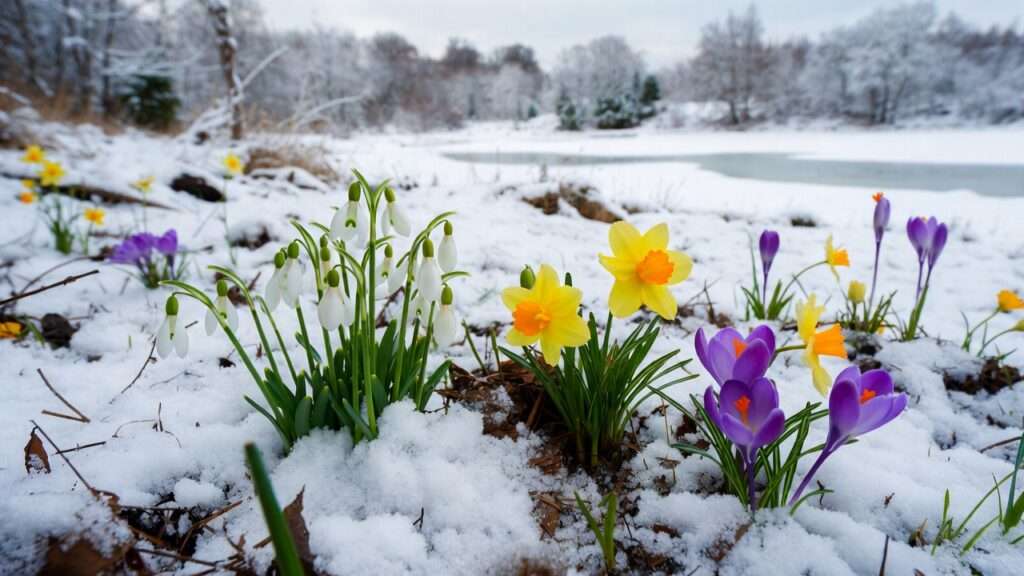
Imagine stepping outside on a crisp late-winter day, snow still lingering on the ground, only to be greeted by delicate white snowdrops nodding gently or vibrant crocuses piercing through the frost like tiny bursts of hope. For gardeners in cold climates—those facing harsh winters with temperatures plunging well below freezing—this scene isn’t a dream. It’s achievable with the right cold-tolerant bulbs and flowers. These resilient plants not only survive sub-zero conditions but often require a period of winter chill to deliver their most spectacular spring displays.
In regions corresponding to USDA Hardiness Zones 3 through 7 (and sometimes colder), many traditional tender plants fail after the first hard freeze. Yet cold-hardy spring-flowering bulbs and select perennials thrive precisely because of the cold, using vernalization—the natural cold exposure—to trigger robust blooming. Whether you’re dealing with heavy snow, frozen soil, or short growing seasons, these selections provide early color, support pollinators emerging from hibernation, and bring low-maintenance beauty when your garden needs it most.
As an agricultural expert with extensive experience in temperate and northern gardening, including field trials in variable winter conditions, I’ve seen firsthand how choosing the right varieties transforms barren winter landscapes into vibrant preludes to spring. This comprehensive guide covers the top cold-tolerant bulbs and flowers, planting strategies, care essentials, design ideas, and troubleshooting tips to help you create a resilient, colorful garden that defies the freeze. Let’s dive in and solve the common challenge: how to enjoy reliable, stunning blooms despite freezing winters.
Why Choose Cold-Tolerant Bulbs and Flowers? (Benefits and Science)
Cold-tolerant bulbs and flowers offer unmatched advantages for gardeners in harsh climates. First, they deliver some of the earliest color—often weeks before other perennials emerge—bridging the gap between winter dormancy and full spring. Species like snowdrops and winter aconite can bloom as early as February or March in milder cold zones, while crocuses and daffodils follow in quick succession.
These plants are low-maintenance perennials that naturalize over time, meaning they multiply and return year after year with minimal intervention. Many are deer-resistant (daffodils top this list due to toxic alkaloids like lycorine), rodent-resistant, and drought-tolerant once established. They also support early pollinators—bees and butterflies—that rely on these early nectar sources.
Scientifically, vernalization is key. Most spring-flowering bulbs require 10–16 weeks of soil temperatures below about 45°F (7°C) to form flower buds properly. In freezing winters, this requirement is naturally met, leading to stronger, more prolific blooms compared to mild-climate plantings. Without sufficient chill, bulbs may produce foliage but skip flowers—a common frustration in warmer zones.
Compared to tender annuals or subtropical varieties, cold-hardy options excel in poor-draining or compacted soils common after winter thaw, provided drainage is adequate to prevent rot.
Understanding Cold Hardiness and Your Climate
Cold hardiness refers to a plant’s ability to withstand low temperatures without damage. The USDA Hardiness Zone map is the standard reference: Zones 3–4 experience minimums of -40°F to -20°F (-40°C to -29°C), Zones 5–6 range from -20°F to 0°F (-29°C to -18°C), and Zone 7 dips to 0°F to 10°F (-18°C to -12°C). Most bulbs discussed here are reliably hardy to Zone 3 or 4.
Microclimates matter—south-facing slopes or sheltered areas warm faster, while low spots collect cold air. Soil drainage is critical: Bulbs rot in waterlogged winter soil, so amend heavy clay with compost, sand, or raised beds.
Chill hours (accumulated time below 45°F) differ from extreme cold tolerance. Bulbs need chill for blooming but must also endure deep freezes without heaving (soil expansion pushing bulbs up).
Top Cold-Tolerant Spring-Flowering Bulbs
These are the standouts for freezing winters, selected for reliability, bloom time diversity, and performance in Zones 3–7.
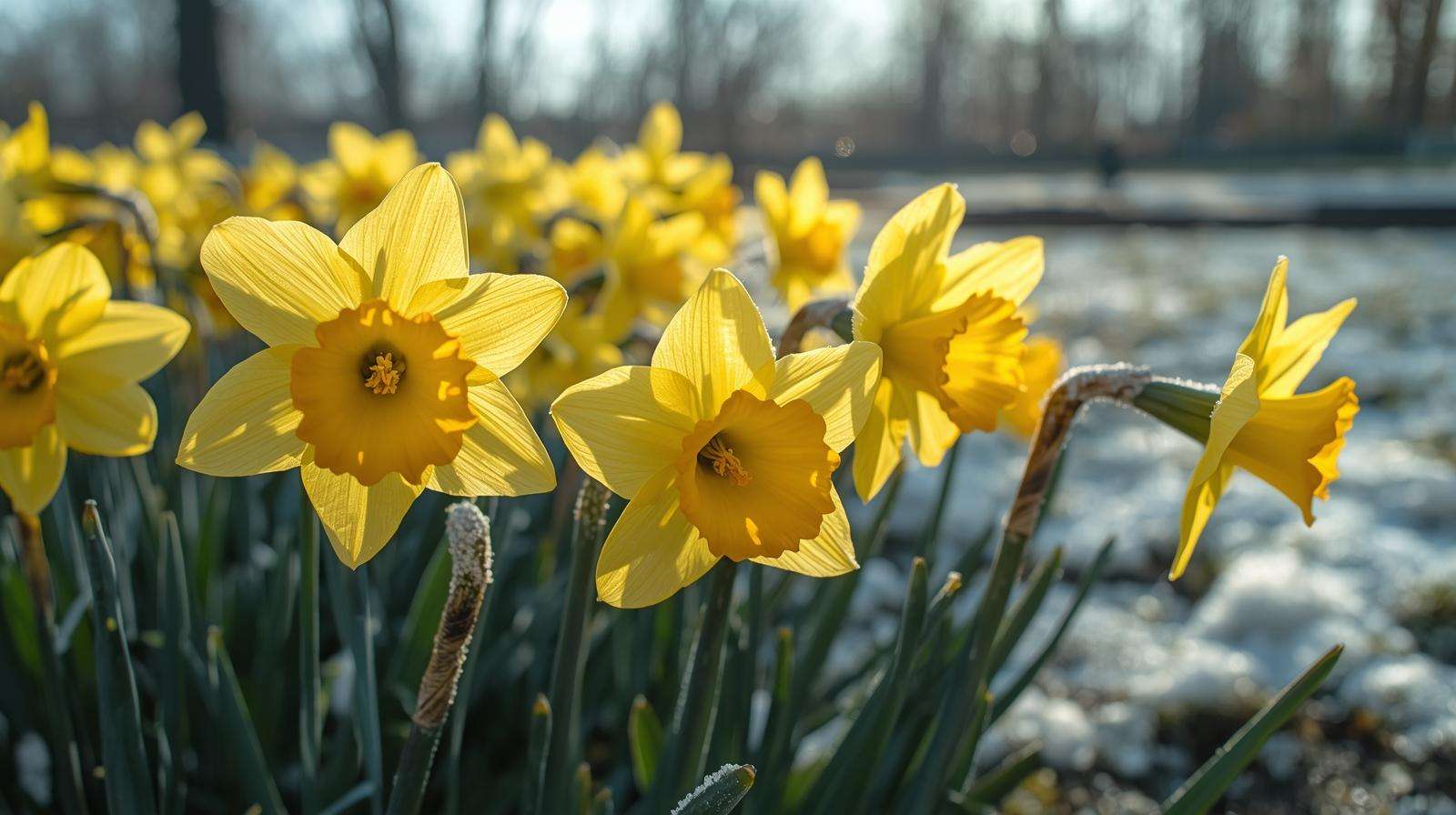
Daffodils (Narcissus spp.) The gold standard for cold climates. Hardy to Zone 3, daffodils are highly deer- and rodent-resistant thanks to lycorine. They naturalize beautifully, spreading over years.
- Bloom time: Early to mid-spring (March–May depending on zone).
- Height: 6–20 inches.
- Colors: Yellow, white, orange, pink bi-colors.
- Planting: 6–8 inches deep, 4–6 inches apart. Pros: Long-lived, fragrant varieties available, excellent for naturalizing. Expert insight: Plant a mix of early (‘February Gold’), mid (‘Ice Follies’), and late (‘Thalia’) for extended color.
Crocuses (Crocus spp., especially snow crocus like Crocus tommasinianus) Among the earliest bloomers, often pushing through snow. Hardy to Zone 3.
- Bloom time: Late winter to early spring.
- Height: 3–6 inches.
- Colors: Purple, yellow, white, striped.
- Planting: 3–4 inches deep. Pros: Low-growing carpets, pollinator magnets. Tip: ‘Tommy’ crocuses are more rodent-resistant than large Dutch types.
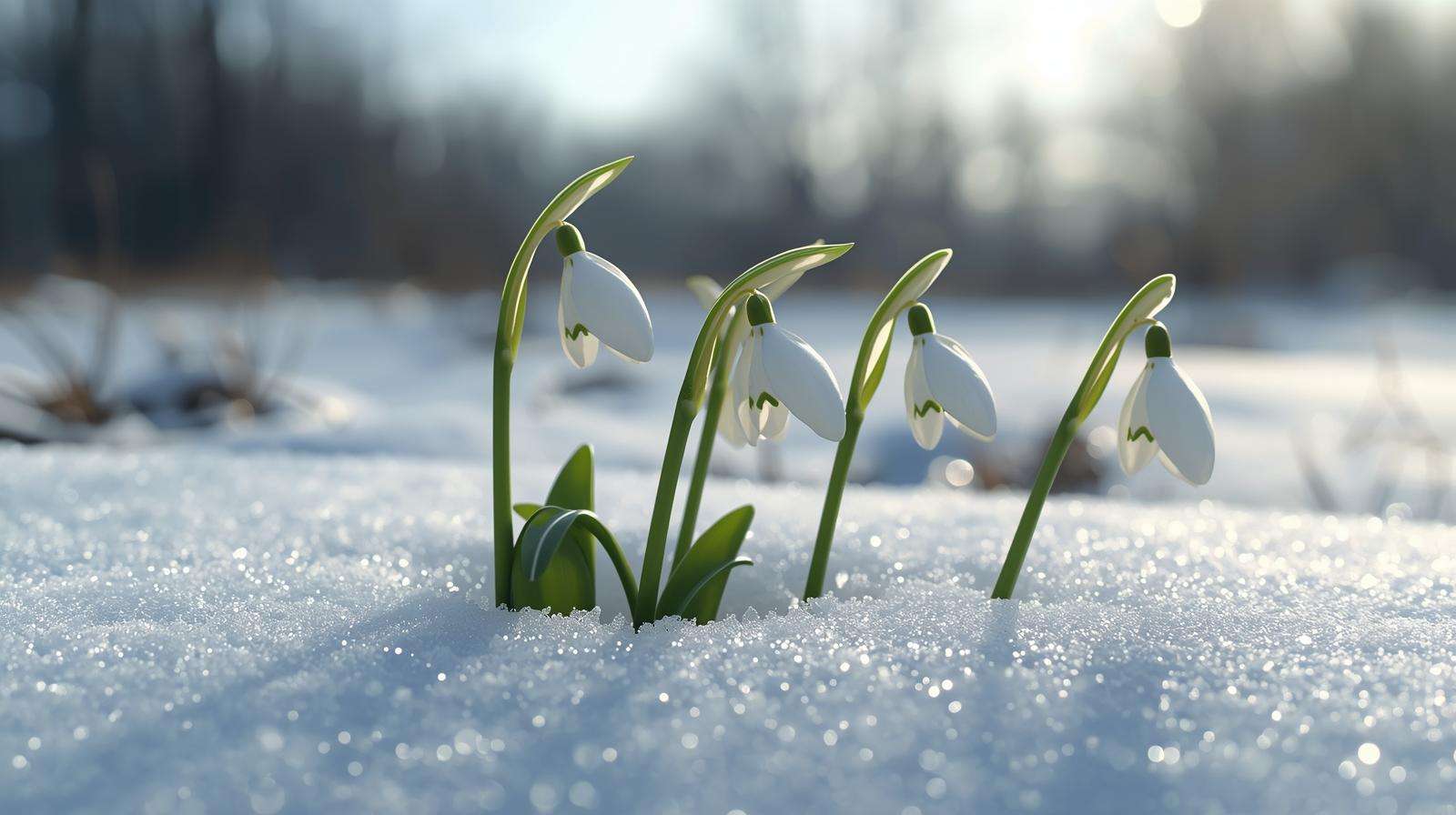
Snowdrops (Galanthus nivalis) The true harbinger of spring, blooming even with snow cover. Zone 3 hardy.
- Bloom time: Late winter–early spring.
- Height: 4–8 inches.
- Colors: White with green markings.
- Planting: 3 inches deep, in groups. Pros: Naturalize in shade, deer-resistant.
Tulips (Tulipa spp., hardy varieties like Darwin Hybrids or species tulips) Classic but choose reliably perennial types—many hybrid tulips fade after 1–2 years in cold zones.
- Bloom time: Mid to late spring.
- Height: 12–24 inches.
- Colors: Vast range.
- Planting: 6–8 inches deep. Pros: Dramatic impact. Cons: Less deer-resistant; protect if needed. Expert pick: Species tulips (e.g., Tulipa kaufmanniana) perennialize better.
Hyacinths (Hyacinthus orientalis) Fragrant clusters, hardy to Zone 4 (protect in Zone 3).
- Bloom time: Early to mid-spring.
- Height: 8–12 inches.
- Colors: Blue, pink, white, purple. Pros: Intense scent, good for forcing indoors.
Glory-of-the-Snow (Chionodoxa forbesii) Star-shaped flowers spread naturally. Zone 3–8.
- Bloom time: Early spring.
- Height: 4–6 inches.
- Colors: Blue, pink, white.
Winter Aconite (Eranthis hyemalis) Bright yellow carpets in late winter. Zone 4–7. Pros: Shade-tolerant, early nectar.
Reticulated Iris (Iris reticulata) Miniature irises in purple/blue. Zone 4 hardy. Pros: Rock garden favorites.
Bonus: Grape hyacinth (Muscari), Siberian squill (Scilla siberica), and early alliums add variety.
Other Cold-Hardy Flowers and Perennials for Winter/Early Spring Interest
Extend interest beyond bulbs with these tough companions.
Hellebores (Helleborus spp., Lenten Rose) Evergreen foliage, blooms late winter–early spring. Zone 4–9. Pros: Shade-loving, deer-resistant, long bloom.
Pansies and Violas Frost-tolerant cool-season bloomers. Zone 4+. Pros: Continuous color with protection.
Witch Hazel (Hamamelis spp.) Shrub with fragrant spider-like flowers mid-winter. Zone 5+.
Primroses (Primula spp., hardy types) Early shade bloomers.
Winter Jasmine (Jasminum nudiflorum) Yellow flowers on bare stems late winter. Zone 6+.
Additional structure: Ornamental grasses (e.g., switchgrass), sedum seed heads, and yarrow persist through winter.
How and When to Plant Cold-Tolerant Bulbs (Step-by-Step Guide)
Success with cold-tolerant bulbs begins in autumn. The ideal planting window is 6–8 weeks before the ground freezes solid—typically late September through November in most cold zones, but adjust based on your local first hard freeze date (often mid-October to early December in Zones 5–7, earlier in Zones 3–4).
Step 1: Select Quality Bulbs Choose firm, plump bulbs without soft spots, mold, or sprouting shoots (premature sprouting risks winter damage). Buy from reputable suppliers—garden centers, mail-order specialists (e.g., those specializing in hardy perennials), or certified bulb farms. Avoid bargain bins where bulbs may have dried out or been stored improperly.
Step 2: Prepare the Soil Bulbs demand excellent drainage to avoid rot during wet, cold winters. Test your soil: If water pools after rain, create raised beds or mounds 6–12 inches high.
- Loosen soil to 12–18 inches deep.
- Incorporate 2–4 inches of well-rotted compost or aged manure.
- For heavy clay, add coarse sand or grit (not fine builder’s sand).
- Aim for slightly acidic to neutral pH (6.0–7.0); most hardy bulbs tolerate a wide range but prefer good fertility.
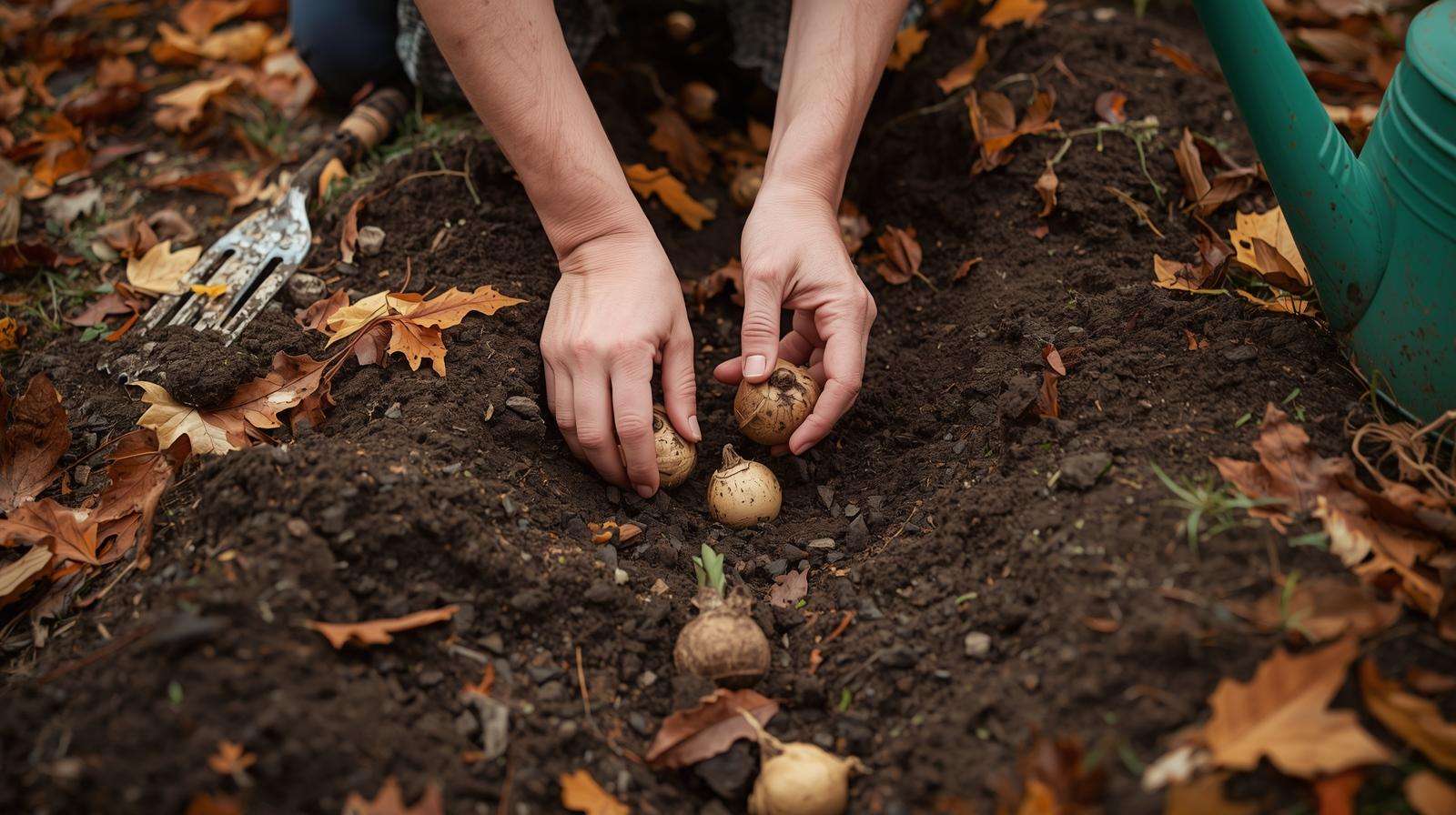
Step 3: Planting Technique Dig individual holes or trenches. General rule: Plant bulbs at a depth 2–3 times their height (e.g., a 2-inch daffodil bulb goes 6 inches deep).
- Spacing: 3–6 inches apart depending on variety (closer for small bulbs like crocuses, wider for large tulips or hyacinths).
- Orientation: Pointy end up (the future shoot).
- For naturalized drifts, toss bulbs gently and plant where they land for a spontaneous look.
- Water thoroughly after planting to settle soil and eliminate air pockets—critical in dry fall weather.
Step 4: Mulch for Protection Apply 2–4 inches of organic mulch (shredded leaves, pine needles, straw, or bark) after the first hard freeze. This insulates against temperature swings, prevents heaving (frost push-up), and suppresses weeds. In very cold zones (3–4), lean toward thicker mulch (up to 6 inches).
Special Techniques for Success
- Layer planting: In deeper beds or containers, plant smaller early bloomers (crocus, snowdrops) higher, with larger daffodils or tulips below for sequential emergence.
- Rodent protection: In vole- or mouse-heavy areas, plant bulbs inside wire mesh cages or baskets buried at planting depth.
- Naturalizing: Choose self-seeding or multiplying types (daffodils, snowdrops, glory-of-the-snow) and avoid disturbing foliage post-bloom.
Essential Care Tips for Success in Freezing Winters
Once planted, these bulbs are remarkably low-maintenance, but a few key practices ensure peak performance year after year.
Watering Fall planting requires a good soak. During winter dormancy, nature usually provides enough moisture. In spring, water during dry spells until foliage yellows. Avoid overwatering—soggy soil in winter is the number-one killer.
Fertilizing At planting, mix in bone meal or a low-nitrogen bulb fertilizer (e.g., 4-10-12 or 5-10-10) for root development. In early spring, as shoots emerge, apply a balanced slow-release fertilizer or compost top-dressing. Avoid high-nitrogen feeds that promote foliage over flowers.
Mulch Management In spring, rake back heavy mulch gradually as soil warms to allow shoots to emerge easily. Leave some mulch in place for moisture retention and weed suppression.
Pest and Disease Management
- Rodents: Use physical barriers or repellents (castor oil-based products work well).
- Bulb rot (Fusarium, Pythium): Ensure drainage; remove and destroy affected bulbs.
- Deer: Daffodils, snowdrops, and winter aconite are naturally resistant. For tulips and crocuses, use deer repellents or netting during early emergence.
- Slugs/snails: Hand-pick or use organic iron phosphate baits in damp springs.
Post-Bloom Care Never cut foliage while green—leaves photosynthesize to recharge the bulb for next year. Allow leaves to yellow and wither naturally (usually 6–8 weeks after bloom). Tie or braid longer leaves (daffodils, tulips) if aesthetics matter, but avoid removing until fully brown.
Designing a Stunning Cold-Weather Garden with These Plants
A thoughtful design turns cold-tolerant bulbs from scattered survivors into a breathtaking seasonal display.
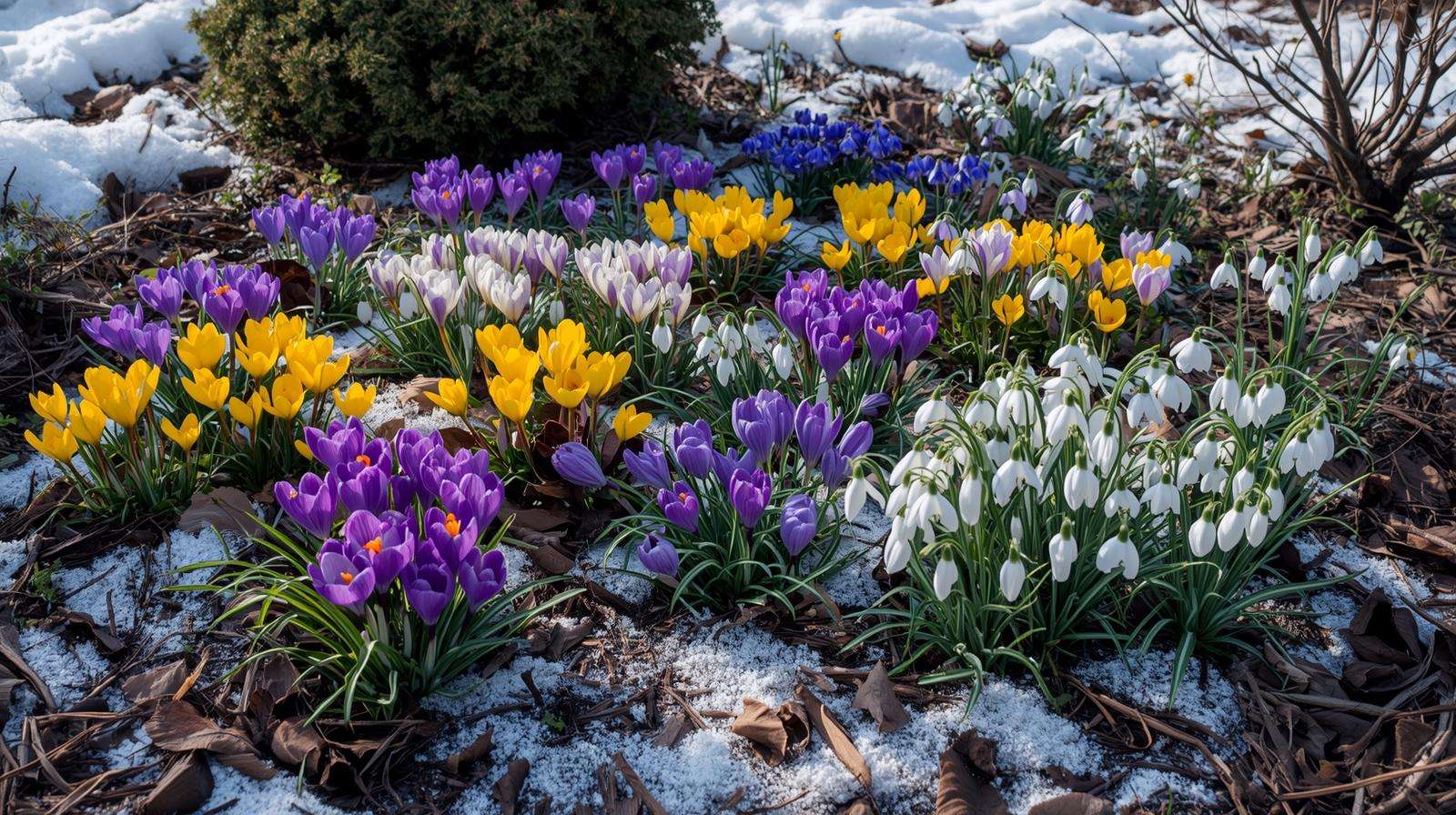
Layering for Continuous Bloom Plan succession:
- Late winter: Snowdrops, winter aconite, early crocuses
- Early spring: Reticulated iris, glory-of-the-snow, more crocuses
- Mid-spring: Daffodils, hyacinths
- Late spring: Tulips, early alliums
Companion Planting
- Pair with evergreen groundcovers (pachysandra, vinca) or early perennials (hellebores, pulmonaria) for winter structure.
- Add ornamental grasses (miscanthus, panicum) for vertical interest and seed-head persistence through winter snow.
- Under trees or shrubs: Snowdrops and winter aconite excel in dappled shade.
Container Gardening in Cold Zones Use frost-proof pots (terracotta, glazed ceramic, or fiberglass). Plant densely for impact, mulch heavily, and group pots against a sheltered wall or wrap in burlap for extra insulation. Move to an unheated garage during extreme cold if desired, but most hardy bulbs tolerate container conditions well.
Landscape Examples
- Woodland edge: Snowdrops + hellebores + early daffodils under deciduous trees.
- Rock garden: Crocuses, reticulated iris, glory-of-the-snow among stones that retain heat.
- Front border: Drifts of mixed daffodils with pansies for winter color continuity.
Common Mistakes to Avoid with Cold-Tolerant Bulbs and Flowers
- Planting too shallow → Bulbs heave or dry out.
- Ignoring drainage → Winter rot destroys entire plantings.
- Cutting foliage prematurely → Weak blooms next season.
- Planting too late → Insufficient root establishment before freeze.
- Over-fertilizing with nitrogen → Lush leaves, few flowers.
- Buying pre-sprouted bulbs in fall → Vulnerable to frost damage.
Expert Insights and Pro Tips
- In Zone 3–4 extremes, choose the hardiest cultivars: ‘Tête-à-Tête’ daffodils, ‘Jeanne d’Arc’ snowdrops, species tulips over hybrids.
- For marginal chill in warmer microclimates within cold zones, refrigerate bulbs 12–14 weeks before planting to simulate winter.
- Force bulbs indoors: Plant extra hyacinths or paperwhites in pots in fall, chill 10–12 weeks, then bring to a cool bright window for mid-winter blooms.
- Sustainability: Choose pollinator-friendly varieties (single-flowered over doubles), avoid chemical slug pellets harmful to wildlife, and compost spent foliage.
- Long-term success: Divide overcrowded clumps every 4–6 years after foliage dies back—replant immediately for rejuvenation.
Frequently Asked Questions (FAQs)
Do all spring bulbs need cold winters to bloom? Most true hardy spring bulbs (daffodils, crocuses, snowdrops, etc.) require vernalization (10–16 weeks of cold) for optimal flowering. In warmer zones, they may bloom poorly or not at all without artificial chilling.
Which bulbs are most deer-resistant? Daffodils lead the list due to toxic compounds. Snowdrops, winter aconite, and grape hyacinths are also rarely bothered. Tulips and crocuses are more attractive to deer.
Can I plant these in heavy clay soil? Yes, but amend heavily with compost and grit, plant in raised beds, or use bulb baskets to improve drainage.
How do I protect bulbs from squirrels and rodents? Bury bulbs in wire mesh cages, use repellents (hot pepper, castor oil), or plant daffodils/snowdrops as “sacrificial” borders around tastier varieties.
What if my winters aren’t cold enough? In borderline areas (Zone 7b–8a), pre-chill bulbs in the refrigerator for 12–16 weeks before fall planting.
Best varieties for beginners? Start with daffodils (‘Tête-à-Tête’, ‘Ice Follies’, ‘Thalia’), snow crocuses, and snowdrops—they’re forgiving, multiply readily, and resist most pests.
Conclusion
Freezing winters don’t have to mean a colorless garden. With carefully selected cold-tolerant bulbs and flowers—from the earliest snowdrops to reliable daffodils and dramatic tulips—you can enjoy vibrant, reliable blooms that turn the harshest seasons into a celebration of resilience and renewal.
The key is planning ahead: plant in fall, ensure good drainage, protect foliage until it naturally dies back, and layer varieties for extended interest. These plants reward patience with years of low-effort beauty, early pollinator support, and a garden that stands out when others are still dormant.
Now is the perfect time to assess your space, order quality bulbs, and prepare for next spring’s display. Your future self (and the early bees) will thank you.