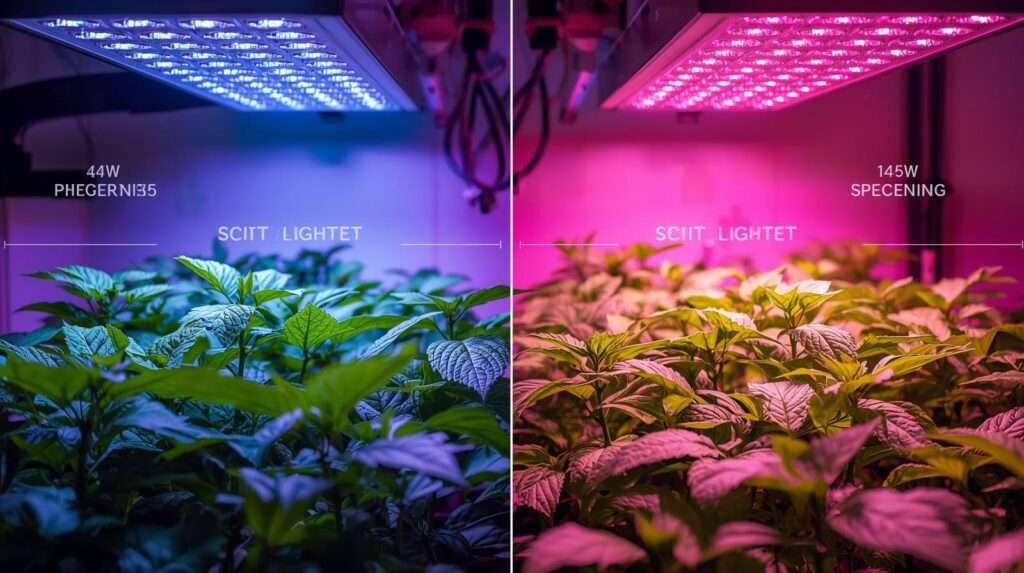
Imagine tending to your precious vegetable seedlings or herbs on a balcony in Narayanganj or a small urban apartment in Dhaka, only to watch them stretch leggy and pale during the long monsoon clouds or short winter days. You place them near the brightest window, yet growth remains slow, yields disappoint, and plants struggle. Pure window light often falls short in consistency and intensity, while relying solely on artificial LEDs can feel expensive and unnatural.
The smart solution many successful indoor growers use is combining window light with LEDs. This hybrid lighting approach leverages free natural sunlight through your window while using efficient LEDs to fill critical gaps in intensity, duration, and spectrum. The result? Healthier plants, stronger stems, higher yields, and more resilient crops year-round — all without massive electricity bills or complex setups.
In this comprehensive guide, I draw from years of practical experience in indoor and urban agriculture, horticultural science, and real-world testing in variable climates like Bangladesh’s. You’ll learn the exact science behind hybrid lighting, step-by-step setup instructions tailored for small spaces, plant-specific recommendations, common pitfalls to avoid, and proven tips to maximize results. Whether you grow tomatoes, leafy greens, herbs, or seedlings for your kitchen garden, this guide solves the real problem of inconsistent natural light and helps you achieve optimal plant growth efficiently and affordably.
By the end, you’ll have a complete blueprint to build a reliable hybrid system that mimics ideal outdoor conditions indoors. Let’s dive in.
Why Combining Window Light with LEDs Beats Using Either Alone
Many gardeners start with a sunny windowsill and assume it’s enough. Others invest in full LED setups and overlook the free energy from the sun. Both approaches have limitations.
Window light alone provides a broad, full-spectrum source with beneficial UV and far-red wavelengths that support natural plant rhythms. However, intensity drops dramatically even a few feet from the glass, especially on cloudy days, north-facing windows, or during Bangladesh’s rainy season. Light levels can fluctuate wildly, leading to uneven growth, weak stems (etiolation), and lower photosynthesis rates.
LED grow lights, on the other hand, deliver consistent, targeted photosynthetic photon flux density (PPFD) and allow precise control over photoperiod. Modern full-spectrum LEDs are energy-efficient, produce low heat, and can be dimmed or tuned. Yet using them exclusively misses the dynamic qualities of natural sunlight and can increase running costs if run for long hours.
Combining window light with LEDs creates synergy: Natural light handles baseline illumination and provides a complete spectrum during sunny periods, while LEDs supplement during low-light times (early morning, late afternoon, cloudy weather, or winter). This hybrid method stabilizes the Daily Light Integral (DLI) — the total amount of usable light plants receive per day — resulting in faster growth, better nutrient uptake, compact structure, and improved flavor and nutritional quality in crops.
Research and grower experience show hybrid setups often outperform single-source lighting in efficiency and plant health, especially in urban or seasonal-challenged environments.
Understanding Plant Light Needs: The Science Behind Hybrid Lighting
Successful indoor agriculture starts with understanding how plants use light. Photosynthesis converts light energy into chemical energy, powering growth, flowering, and fruiting. Chlorophyll primarily absorbs blue (400–500 nm) and red (600–700 nm) wavelengths, but plants benefit from a broader spectrum.
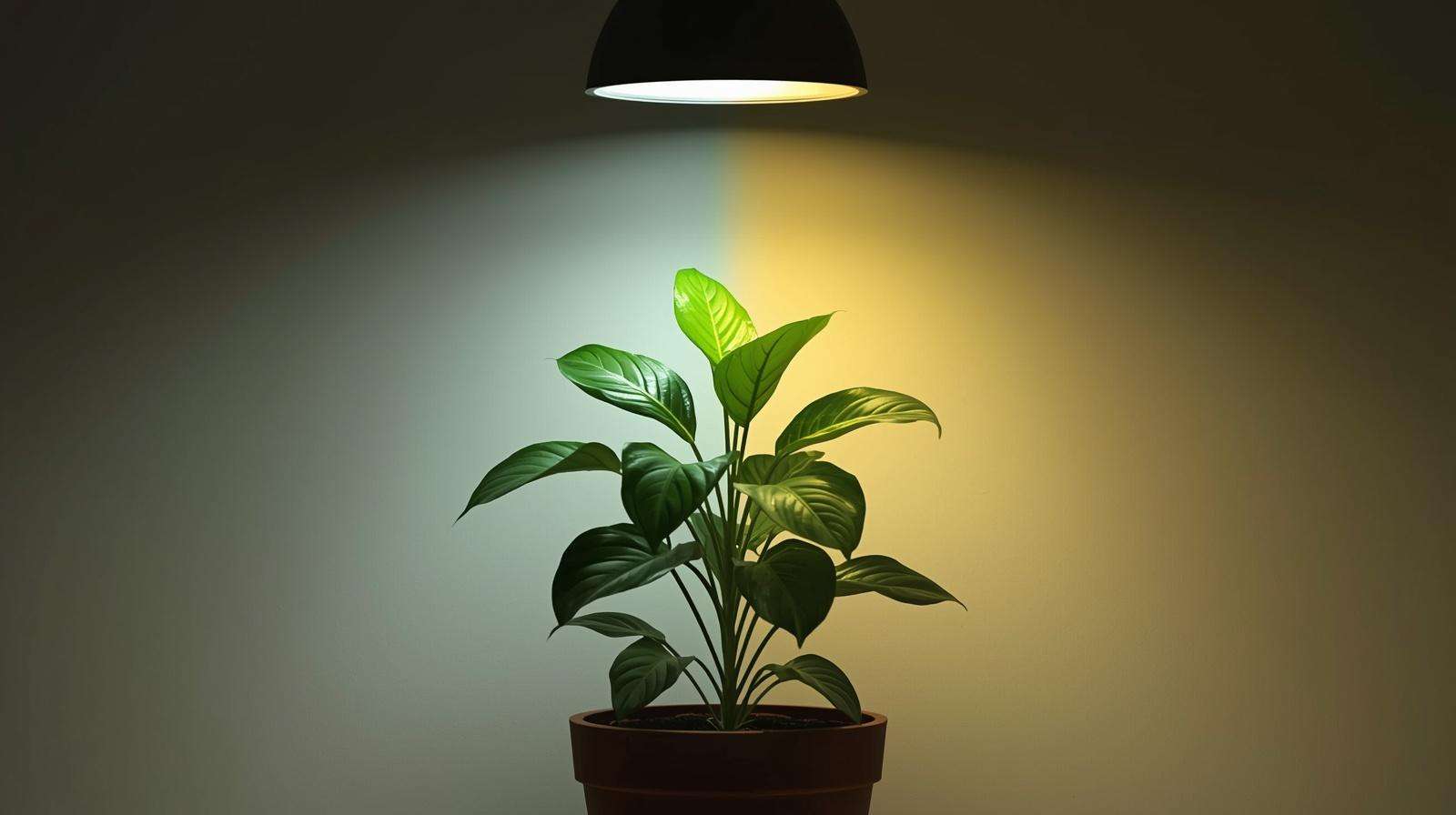
Key metrics every grower should know:
- Photosynthetic Photon Flux Density (PPFD): Measures light intensity in the photosynthetically active range (PAR, 400–700 nm) reaching the plant surface, expressed in µmol/m²/s. Higher PPFD generally drives faster photosynthesis up to a saturation point.
- Daily Light Integral (DLI): Total light accumulated over 24 hours, in mol/m²/d. It combines PPFD with duration and is the best predictor of growth potential.
- Photoperiod: The number of hours of light per day, which influences vegetative growth vs. flowering in some plants.
Typical DLI recommendations (approximate ranges based on horticultural guidelines):
- Seedlings and young plants: 8–18 mol/m²/d
- Leafy greens (lettuce, spinach): 12–18 mol/m²/d
- Herbs (basil, parsley): 10–20 mol/m²/d
- Fruiting vegetables (tomatoes, peppers): 20–30+ mol/m²/d for optimal yields
Window light can deliver high PPFD near the glass on bright days (often 200–800+ µmol/m²/s midday), but averages much lower over the day and drops sharply indoors. LEDs maintain steady PPFD regardless of weather.
Window Light vs. LED Grow Lights – A Detailed Comparison
| Aspect | Window Light Alone | LEDs Alone | Combined (Hybrid) |
|---|---|---|---|
| Spectrum | Full natural (including UV/IR) | Targeted or full-spectrum | Most balanced & complete |
| Intensity (PPFD) | Highly variable, often insufficient | Consistent & controllable | Optimized and stable DLI |
| Consistency | Weather & time dependent | Fully controllable | Reliable year-round |
| Energy Cost | Free | Higher if overused | Most efficient (supplement only) |
| Heat Output | None from light itself | Low with quality LEDs | Minimal overall |
| Best For | Sunny, stable climates | Low-light or controlled spaces | Variable conditions & small spaces |
Hybrid setups excel because natural light provides dynamic qualities LEDs can’t fully replicate cheaply, while LEDs compensate for natural light’s unreliability.
How Hybrid Lighting Enhances Plant Growth
When combined effectively, the two sources create a more complete light environment. Natural window light supports robust morphology and secondary metabolite production (flavor compounds, nutrients). LEDs boost total photon delivery during weak periods, preventing stress and promoting uniform canopy development.
Growers report 20–50% better yields, reduced legginess, and stronger disease resistance with hybrid systems. In tropical/subtropical regions with monsoon variability, this approach extends productive seasons significantly.
Pro Tip: Aim to maintain consistent DLI rather than chasing peak PPFD. Plants respond better to steady daily totals than intense spikes followed by darkness.
Benefits of Combining Window Light with LEDs in Indoor Agriculture
This hybrid strategy delivers multiple practical advantages for home gardeners and small-scale growers:
- Energy Efficiency and Cost Savings: Use LEDs only as needed (e.g., 4–8 supplemental hours instead of 12–18). Quality LEDs consume far less power than older HID systems, and free window light reduces overall electricity use.
- Extended Growing Season: Critical in areas with cloudy monsoons or shorter daylight. Hybrid lighting ensures seedlings start strong and vegetables produce longer.
- Improved Plant Quality and Yields: Better spectrum balance leads to compact growth, higher biomass, richer flavors, and increased nutritional value (e.g., more antioxidants in leafy greens).
- Lower Heat Stress: LEDs run cooler than traditional lights; combined with natural ventilation near windows, this reduces the need for extra cooling.
- Sustainability: Lower carbon footprint through reduced energy consumption and the ability to grow fresh produce locally, cutting transport emissions.
- Versatility for Small Spaces: Perfect for balconies, rooftops, or apartment windows where full artificial setups may not fit or be affordable.
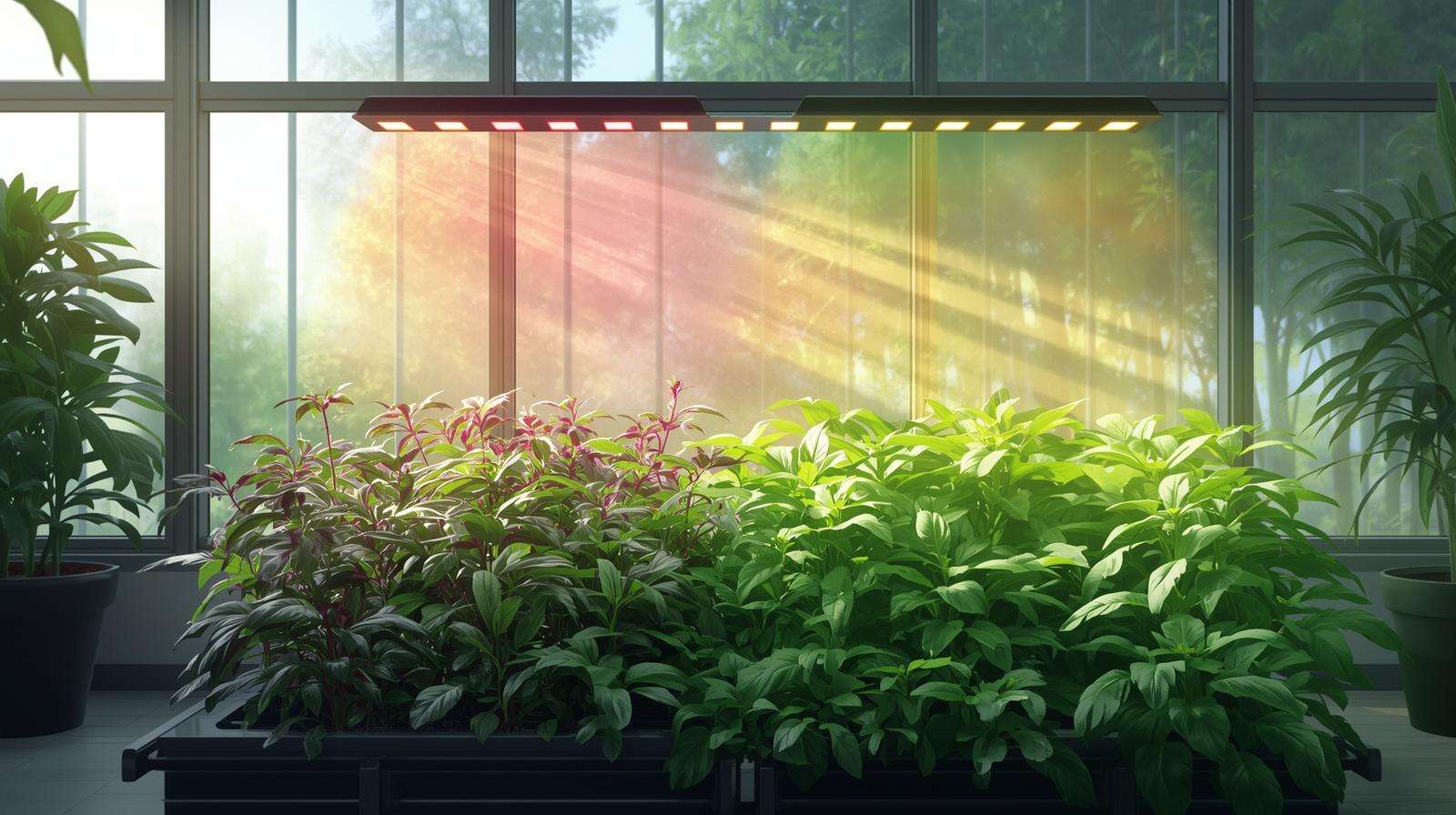
Real-world example: A balcony grower in Dhaka using south-facing windows supplemented with dimmable full-spectrum LEDs reported doubling tomato production compared to window-only setups, with healthier foliage even during overcast weeks.
Choosing the Right LED Lights for Window Setups
Not all lights work equally well in hybrid systems. Focus on dedicated grow lights rather than ordinary household LEDs, which lack proper spectrum and intensity for photosynthesis.
Types of LED Grow Lights Suitable for Hybrid Use
- Full-Spectrum LEDs: Best overall choice. They mimic sunlight closely, supporting all growth stages. Ideal for most vegetables and herbs near windows.
- Red/Blue Focused: More efficient for specific phases (blue for vegetative/compact growth, red for flowering/fruiting). Use as targeted supplements.
- Dimmable and Tunable Models: Allow precise adjustment to avoid over-lighting when window light is strong.
Key Features to Look For
- High efficiency (≥2.5 µmol/J preferred for energy savings).
- Adequate PPFD output (target 100–400 µmol/m²/s at plant level for supplemental use).
- Low heat emission and good ventilation.
- Timers or smart controls for easy integration with natural daylight.
- Coverage area matching your window setup (e.g., 2×2 ft or 4×2 ft panels).
Budget-friendly options exist (bar-style or quantum board styles), while higher-end models offer better longevity and spectrum quality. Avoid cheap “grow lights” with poor diode quality or misleading wattage claims.
Common Mistakes When Selecting Lights
Using regular household LEDs (wrong spectrum), oversized high-wattage fixtures (unnecessary for supplemental use), or ignoring PPFD maps provided by manufacturers.
Expert Recommendation: For most window-based setups, choose a dimmable full-spectrum LED delivering 150–300 watts actual draw (not “equivalent”) that can cover your growing area at 12–24 inches distance. Test with a light meter app first.
Step-by-Step Guide: Setting Up Your Hybrid Lighting System
This is the core practical section — follow these steps for reliable results.
Assessing Your Window Light Conditions
Start by evaluating your available natural light:
- Observe light patterns throughout the day for a week. South or southeast-facing windows in the Northern Hemisphere (including Bangladesh) generally perform best.
- Measure approximate light levels using a free smartphone app like Photone (Grow Light Meter). Place your phone at plant canopy height and record PPFD at different times. Calculate rough daily DLI.
- Simple test: If a newspaper held at plant level casts a faint or no shadow midday, supplemental lighting is likely needed.
In urban settings with nearby buildings or during monsoon, expect lower baseline light.
Positioning LEDs with Window Light
- Place plants close to the window (within 1–3 feet) to maximize natural contribution.
- Position LEDs overhead or at an angle to fill shadows and provide even coverage. Supplemental side lighting can help deeper canopies.
- Recommended distances: Start LEDs 18–24 inches above plants for seedlings (lower intensity); adjust to 12–18 inches for mature vegetative growth. Always consult your light’s PPFD map.
- Use reflective surfaces (white walls, mylar) to bounce light efficiently.
Timing and Photoperiod Management
Sync LEDs with natural daylight for seamless hybrid performance:
- Turn on LEDs in early morning before sunrise or during cloudy periods to extend effective daylight.
- Total photoperiod: 12–18 hours depending on crop (seedlings often need longer; leafy greens shorter).
- Example: If your window provides good light from 9 AM–4 PM, run LEDs from 6–9 AM and 4–8 PM on low-medium setting.
Use a programmable timer or smart plug. Monitor for signs of light stress and adjust gradually.
Tools and Accessories You’ll Need
- Digital timer or smart outlet
- Light meter app (Photone recommended for PPFD/DLI)
- Adjustable shelves or racks
- Reflectors or light blockers if needed
- Thermometer/hygrometer for overall environment monitoring
Numbered Setup Checklist:
- Clean windows for maximum light transmission.
- Position plants and measure baseline natural PPFD/DLI.
- Install LEDs at proper height and angle.
- Set timer for supplemental hours.
- Run for 3–5 days and re-measure total DLI.
- Fine-tune intensity and duration based on plant response.
With this setup, most growers achieve stable DLI targets efficiently.
Plant-Specific Recommendations for Hybrid Lighting
Different crops have unique light requirements. Combining window light with LEDs allows you to fine-tune the total Daily Light Integral (DLI) and spectrum to match each plant’s needs, especially in variable climates like Bangladesh where natural light can drop sharply during monsoons or winter.
High-Light Crops (Tomatoes, Peppers, Cucumbers)
Fruiting vegetables demand high light levels for strong flowering and fruit set. Target DLI: 20–30+ mol/m²/day.
- Tomatoes: Seedlings need 8–18 mol/m²/day (PPFD 150–350 µmol/m²/s). Mature plants thrive at 22–30 mol/m²/day with higher red light during fruiting.
- Use window light as the base during sunny hours. Supplement with full-spectrum or red-heavy LEDs in early morning and late afternoon, or on cloudy days, to maintain consistent PPFD around 350–800 µmol/m²/s at canopy level.
- Benefits observed in studies: Supplemental LED lighting in greenhouse/tomato setups has increased yields by up to 40%, soluble solids by 6%, and ascorbic acid by 11%. Hybrid approaches deliver similar gains indoors by stabilizing light.
Position LEDs 12–18 inches above plants. Increase supplemental hours during low-light periods to reach target DLI without over-relying on electricity.
Leafy Greens and Herbs (Lettuce, Spinach, Basil, Parsley)
These crops prefer moderate-to-high light but are more forgiving. Target DLI: 12–20 mol/m²/day.
- Lettuce and Spinach: 12–18 mol/m²/day (PPFD 250–350 for lettuce). They grow compact and flavorful with balanced spectrum and steady light.
- Basil: 12–26 mol/m²/day; benefits from blue light for bushy growth and essential oil production.
- In hybrid setups, natural window light often covers much of the requirement on bright days. LEDs act as “insurance” for 4–8 hours, preventing stretching and bolting.
Growers in small urban spaces frequently report faster harvests and better taste when using this method compared to window-only or full-LED systems.
Seedlings and Young Plants
Young plants are sensitive to light stress. Start with lower intensity: DLI 8–18 mol/m²/day (PPFD 100–300 µmol/m²/s).
- Place seedlings near the window for gentle natural diffuse light.
- Use dimmable LEDs at greater distance (18–24+ inches) or on low setting for supplemental hours.
- Gradually increase intensity as plants develop true leaves to harden them off.
This prevents leggy seedlings while building resilience — a common challenge for indoor seed starting in apartments or during off-seasons.
Houseplants and Ornamentals
Many foliage plants (e.g., pothos, monstera, or flowering varieties) adapt well to hybrid lighting. Maintain DLI 6–15 mol/m²/day depending on species. The natural light component helps maintain realistic growth habits and coloration that pure LEDs sometimes struggle to replicate.
Practical Example for Bangladeshi Growers: On a typical monsoon day with limited direct sun, a south-facing window might deliver only 5–10 mol/m²/day. Adding 6 hours of supplemental LED at 200 µmol/m²/s can push the total DLI into the optimal range for leafy greens or herbs without excessive energy use.
Experiment and observe your plants — adjust based on local window orientation and seasonal changes.
Advanced Tips and Best Practices for Maximum Results
To elevate your hybrid setup beyond basic functionality:
- Spectrum Optimization: Blue light (400–500 nm) promotes compact vegetative growth and strong stems. Red light (600–700 nm) supports flowering and fruiting. Full-spectrum LEDs provide balance, while tunable models let you shift ratios seasonally.
- Monitoring Plant Response:
- Too little light: Leggy stems, pale leaves, slow growth.
- Too much light: Leaf burn (bleaching), curled edges, reduced photosynthesis.
- Healthy signs: Deep green leaves, sturdy stems, even canopy development.
- Integrating Environmental Factors: Light works best with good ventilation, 50–70% humidity (higher for seedlings), and appropriate nutrients. CO₂ levels around 400–800 ppm enhance light utilization.
- Seasonal Adjustments: In Bangladesh’s hot summer, use LEDs sparingly during peak sun to avoid heat buildup. In monsoon or winter, extend supplemental hours. Clean windows regularly for maximum natural transmission.
- Reflective Surfaces: White paint, aluminum foil, or mylar sheets around the setup can increase effective light by 20–30% with minimal cost.
Pro Tip: Use a reliable PPFD meter app (such as Photone) weekly. Calculate approximate DLI by averaging readings across the day and multiplying by hours of effective light. This data-driven approach separates good results from exceptional ones.
Common Mistakes to Avoid When Combining Window Light with LEDs
Even experienced growers encounter pitfalls. Here are the most frequent ones to watch for:
- Ignoring Variable Natural Light: Assuming window light is consistent leads to under- or over-lighting. Always measure and adjust LEDs daily or weekly.
- Wrong Distance or Intensity: Placing LEDs too close causes light burn; too far results in stretching. Start conservative and use PPFD maps from your light manufacturer.
- Poor Timing: Running LEDs during peak sunlight hours wastes energy and risks stress. Focus supplemental lighting on shoulder hours or cloudy periods.
- Using Non-Grow LEDs: Household bulbs lack proper PAR spectrum and efficiency. Stick to dedicated full-spectrum grow lights.
- Neglecting Uniformity: Uneven coverage creates strong and weak plants in the same tray. Use multiple smaller lights or reflectors for even distribution.
- No Monitoring: Failing to track DLI or plant symptoms delays corrections.
Avoiding these mistakes can improve outcomes dramatically and prevent wasted time and resources.
Troubleshooting and Maintenance
Common issues and solutions:
- Uneven Growth: Reposition lights or plants; add side lighting if needed.
- Leaf Burn or Bleaching: Raise lights, dim LEDs, or reduce hours when window light is strong.
- Slow Growth Despite Setup: Check total DLI with a meter app; verify ventilation, watering, and nutrients.
- LED Issues: Clean dust from fixtures monthly (use soft cloth, power off). Check connections and timers. Quality LEDs last 50,000+ hours but drivers may need replacement over time.
Routine maintenance — wiping leaves for better light absorption and ensuring good airflow — keeps your hybrid system performing optimally.
Cost Analysis and ROI for Indoor Growers
Initial investment for a basic hybrid setup (dimmable LED panel suitable for 2–4 sq ft, timer, basic meter app) typically ranges from BDT 5,000–15,000 depending on quality.
Ongoing costs are low: LEDs used supplementally consume far less power than full-time operation. Many growers see payback within one season through higher yields, extended harvests, and reduced reliance on market-bought produce.
In small-scale urban agriculture, the ROI shines through fresher, higher-quality vegetables and herbs, plus the satisfaction of reliable year-round production despite challenging weather.
Frequently Asked Questions (FAQs)
Can I use regular household LED bulbs instead of dedicated grow lights? No. Household LEDs lack the proper spectrum and intensity in the PAR range needed for efficient photosynthesis. Dedicated grow lights deliver targeted wavelengths and higher PPFD, making them far more effective in hybrid setups.
How far should LEDs be from plants near a window? Generally 12–24 inches, depending on light wattage and plant stage. Seedlings prefer greater distance or lower intensity. Always reference your specific light’s PPFD chart and monitor plant response.
Will combining lights burn my plants? Only if total intensity becomes excessive. Start with conservative supplemental hours and intensity. Watch for signs of stress and adjust. Hybrid systems are generally safer than full artificial setups because natural light is more diffuse.
What is the best setup for small balconies or apartments in Bangladesh? Use south or southeast-facing windows. Place plants on shelves or racks close to the glass. Add one or two dimmable full-spectrum LED bars or panels overhead. Focus on leafy greens and herbs initially before scaling to fruiting crops.
How much can yields improve with hybrid lighting? Growers commonly report 20–50% better growth and yields compared to window-only, especially during low-light seasons. Supplemental LED studies show significant increases in biomass, chlorophyll, and quality traits like sweetness and nutrients.
Do I need special timers or smart controls? Programmable timers or smart plugs are highly recommended. They automate supplementation to match natural daylight patterns, saving energy and ensuring consistency.
How do I calculate if my setup is providing enough light? Use a PPFD meter app to take multiple readings at canopy level throughout the day. Multiply average PPFD by total effective light hours and 0.0036 to estimate DLI. Compare against crop-specific targets.
Conclusion
Combining window light with LEDs offers one of the most practical, efficient, and effective solutions for achieving optimal plant growth in indoor and urban agriculture. By harnessing free natural sunlight through your window and intelligently supplementing with modern LEDs, you create a balanced, resilient lighting environment that supports healthier plants, higher yields, and extended growing seasons — even in challenging conditions like variable weather in Dhaka Division or across Bangladesh.
This hybrid approach saves energy, reduces costs, and delivers results that often surpass single-source methods. Remember the core principles: understand DLI and PPFD, assess your specific window conditions, choose quality lights, monitor plant responses, and adjust seasonally.
Start small — evaluate your current setup, measure light levels, and add targeted supplementation. Within weeks, you’ll likely notice stronger stems, greener foliage, and faster progress toward harvest.
Experiment, observe, and refine. Indoor agriculture thrives on practical experience combined with sound science. If you implement these strategies, you’ll be well on your way to productive, sustainable home or small-scale growing.