
You’ve just mixed up a batch of compost tea or manure tea, excited to feed your garden with that nutrient-rich brew everyone raves about—then a few days later you lift the lid and the smell hits you: rotten eggs, sewage, a sour funk that makes your eyes water. Suddenly what was supposed to be liquid gold has become a stinking mess, and you’re left wondering whether it’s still safe to use or if you’ve wasted your time and materials. Compost or manure teas can be one of the most powerful tools in an organic gardener’s arsenal, delivering readily available nutrients, beneficial microbes, and even disease suppression to plants, but the line between a thriving aerobic brew and a toxic anaerobic disaster is surprisingly thin. As someone who has brewed and used hundreds of gallons of these teas on my own homestead and taught workshops for extension programs and local gardening groups for over 15 years, I’ve seen the same mistake repeated countless times: people steep too long without aeration, the oxygen runs out, bad bacteria take over, and the tea goes foul. The good news? With the right timing, simple equipment, and a few monitoring tricks, you can consistently produce sweet-smelling, effective teas every time.
This guide is written to help you master compost or manure teas—specifically answering the question most gardeners ask when their brew starts to stink: how long can you safely steep before it turns anaerobic and smelly? We’ll cover the science of aerobic vs anaerobic brewing, exact steeping time guidelines for different recipes, signs of trouble, how to fix a bad batch, prevention strategies, and advanced tips for maximum potency and plant health. Whether you’re using compost tea for foliar sprays, manure tea for soil drenches, or experimenting with both, this article gives you the practical, experience-backed knowledge to avoid the nasty stage and get the best results from your garden.
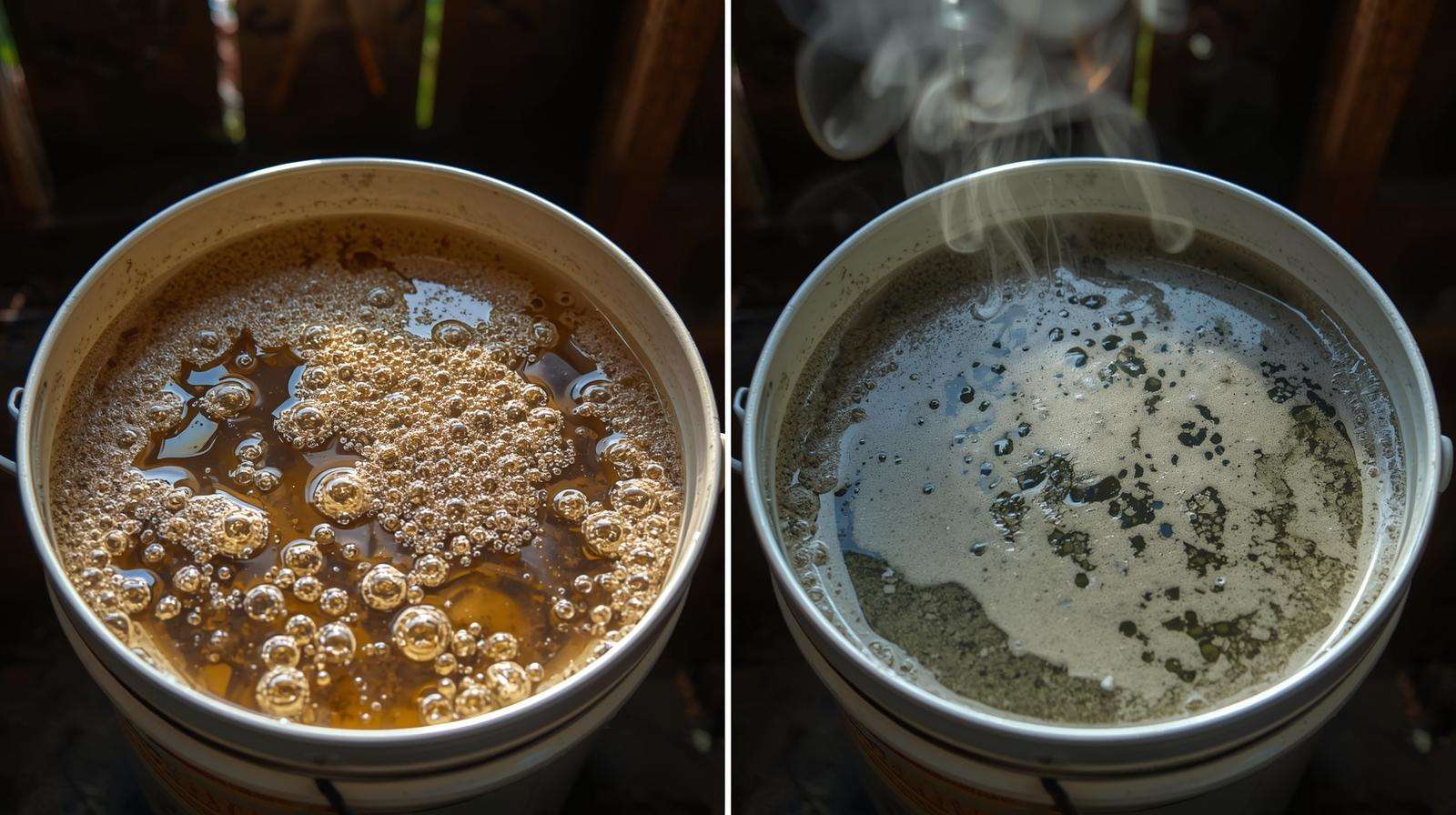
Understanding Aerobic vs Anaerobic Teas: Why Smell and Timing Matter
Compost and manure teas are essentially water extracts of organic matter, designed to pull soluble nutrients and beneficial microorganisms into a liquid form plants can absorb quickly. The key difference between a good tea and a bad one lies in oxygen levels during brewing.
Aerobic Teas (The Goal) When oxygen is plentiful—through stirring, air pumps, or bubbling—the tea stays in an aerobic state. Beneficial bacteria and fungi dominate, producing a mild earthy smell (like fresh soil after rain). Nutrients stay stable, and the tea delivers plant-available nitrogen, phosphorus, potassium, micronutrients, and a dose of helpful microbes that can suppress soil-borne diseases.
Anaerobic Teas (The Problem) When oxygen depletes—usually after 24–72 hours without aeration—anaerobic bacteria take over. They produce foul-smelling compounds like hydrogen sulfide (rotten eggs), putrescine, and cadaverine (the smell of rotting flesh). The tea becomes low-oxygen, potentially harboring pathogens (E. coli, Clostridium), and loses much of its beneficial microbial population. While some gardeners still use anaerobic teas on soil (not foliage), the consensus among most extension services and organic growers is that they’re less effective and riskier.
Why Timing Is Critical Most aerobic recipes recommend 24–48 hours of active aeration for compost teas and 3–14 days for manure teas (with stirring or pumps). Beyond those windows without oxygen, the tea shifts anaerobic. The exact crossover point depends on temperature, material, and aeration method—warmer brews go anaerobic faster, denser materials (like fresh manure) deplete oxygen quicker.
Expert Insight: Oregon State University Extension warns that anaerobic compost teas can contain harmful pathogens, and recommends strict aerobic brewing for foliar applications to avoid leaf burn or disease spread.
Tip: Smell Test Timeline
- Day 1: Fresh, earthy.
- Day 2–3: Mildly sweet.
- Day 4+: Sour/rotten = anaerobic shift.
- Stop and restart if it smells off.
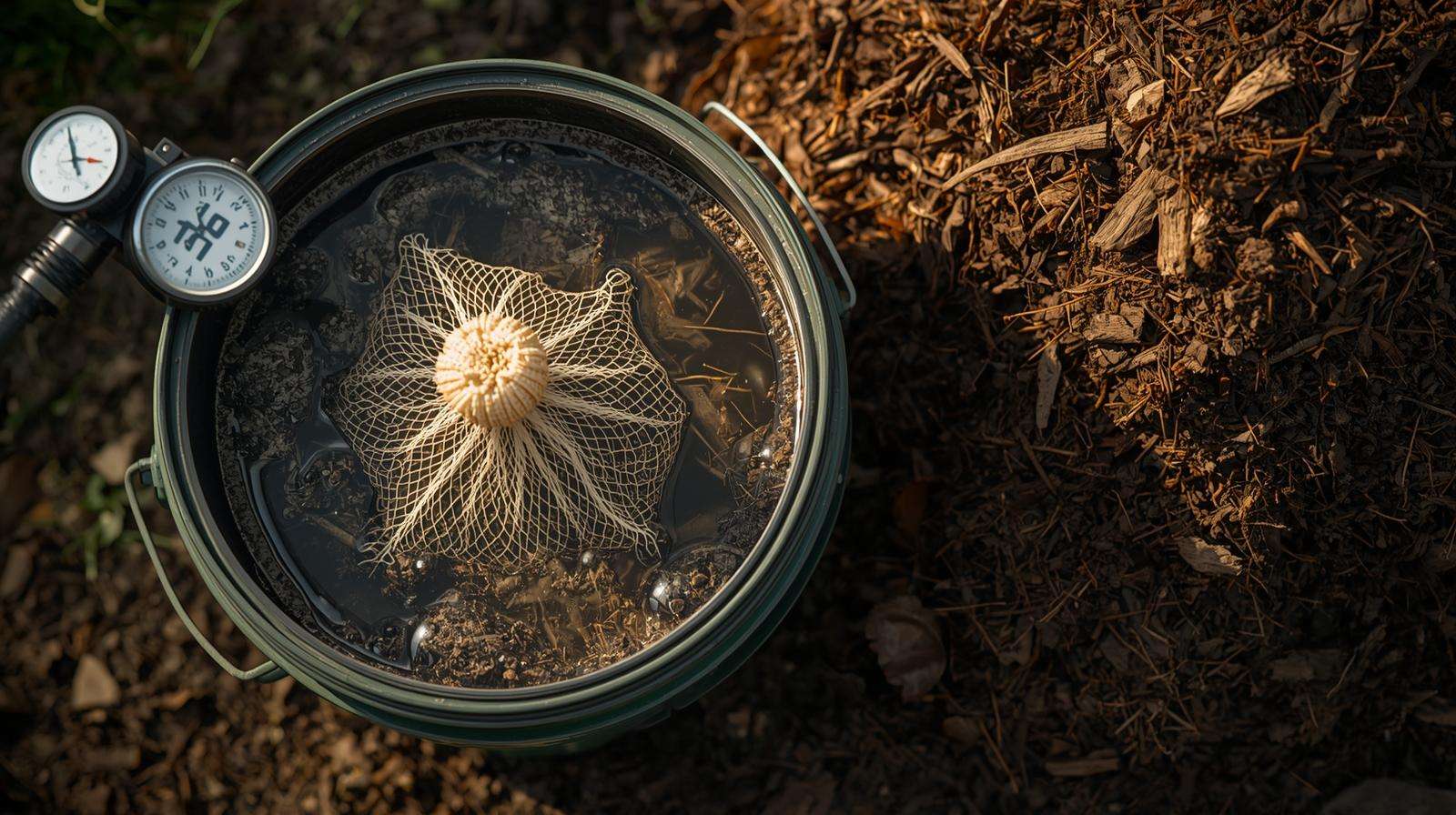
Safe Steeping Times for Compost Teas
Compost tea brewing times vary depending on whether you’re making aerated (active oxygen) or non-aerated (passive) tea, and what ingredients you use.
Aerated Compost Tea (Recommended for Most Uses)
- Standard recipe (good compost + water + molasses or kelp): 24–48 hours with air pump or frequent stirring.
- Peak microbial activity: Around 36 hours.
- Stop at first sign of foam reduction or smell change.
Non-Aerated Compost Tea
- Passive steeping (no pump): 3–7 days max.
- Riskier for pathogens; use only on soil, not foliage.
- Smell test every day—discard if sour.
Temperature Impact
- 60–70°F: Ideal, 36–48 hours aerobic.
- 80°F+: Faster oxygen depletion, shorten to 24 hours.
- Below 50°F: Slower brewing, can extend to 72 hours.
Expert Insight: Rodale Institute trials show peak nutrient extraction and microbial diversity in aerated teas at 36–48 hours; beyond that, benefits drop and anaerobic risks rise.
Tip: Brewing Timer Checklist
- Start with fresh, well-aged compost.
- Use non-chlorinated water.
- Aerate constantly (pump or stir 2–3 times daily).
- Smell/test daily after 24 hours.
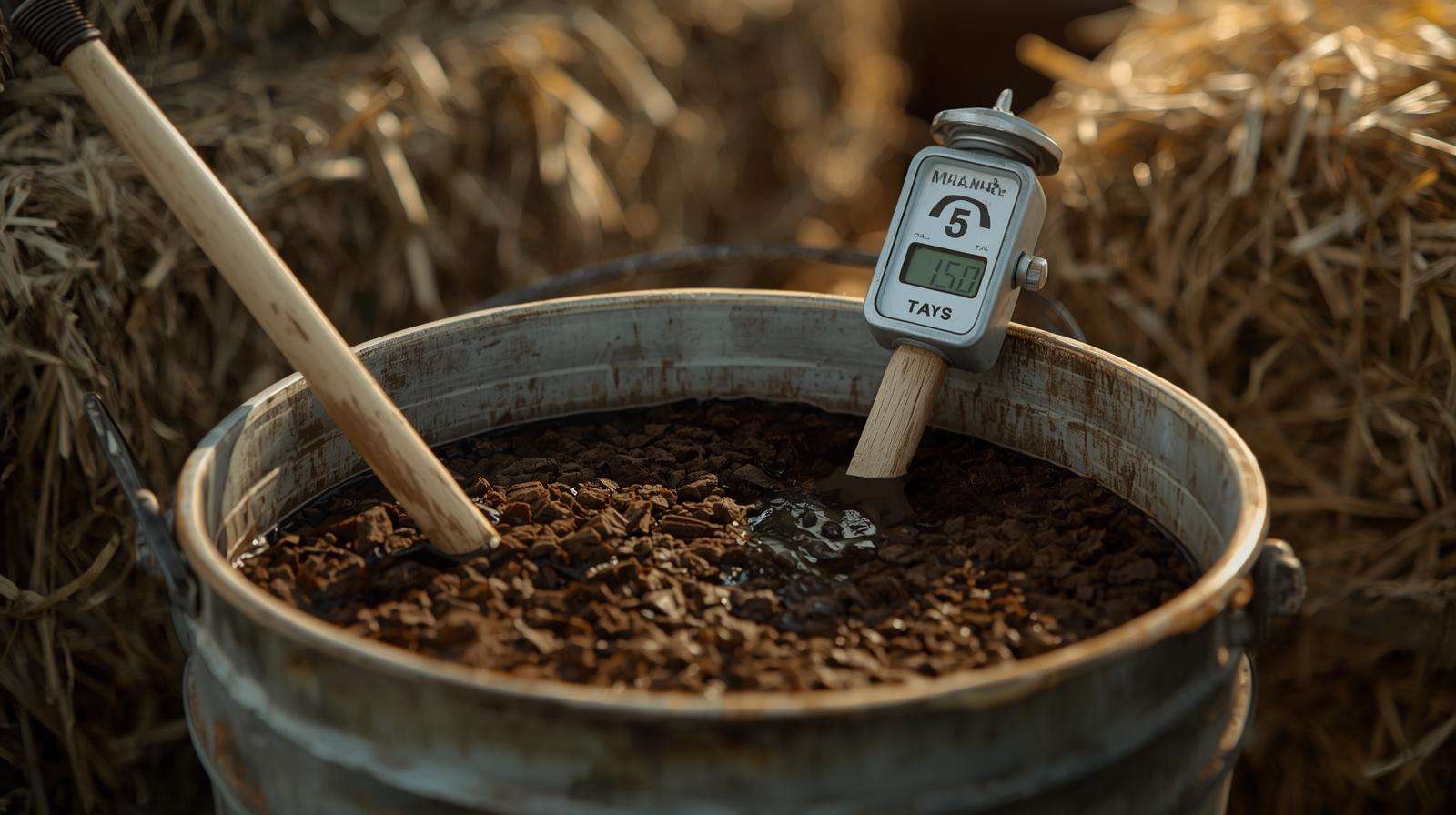
Safe Steeping Times for Manure Teas
Manure teas are stronger and riskier than compost teas due to higher pathogen load in fresh manure.
Aerated Manure Tea
- Aged manure + water: 3–7 days with air pump.
- Fresh manure (higher risk): 1–3 days max, aerated heavily.
- Stop at 5–7 days or when smell turns from earthy to sour.
Non-Aerated Manure Tea
- Traditional method: 7–14 days.
- High pathogen risk—use only on soil, dilute heavily.
Pathogen & Smell Risks
- E. coli, Salmonella in fresh manure.
- Anaerobic shift produces foul odors and harmful compounds.
Expert Insight: ATTRA (Appropriate Technology Transfer for Rural Areas) recommends aerated manure teas for 3–5 days max to minimize pathogens while maximizing nutrients.
Tip: Manure Tea Safety Rules
- Use only aged (6+ months) manure.
- Dilute 1:10–1:20 before application.
- Never use on edible leaves (soil drench only).
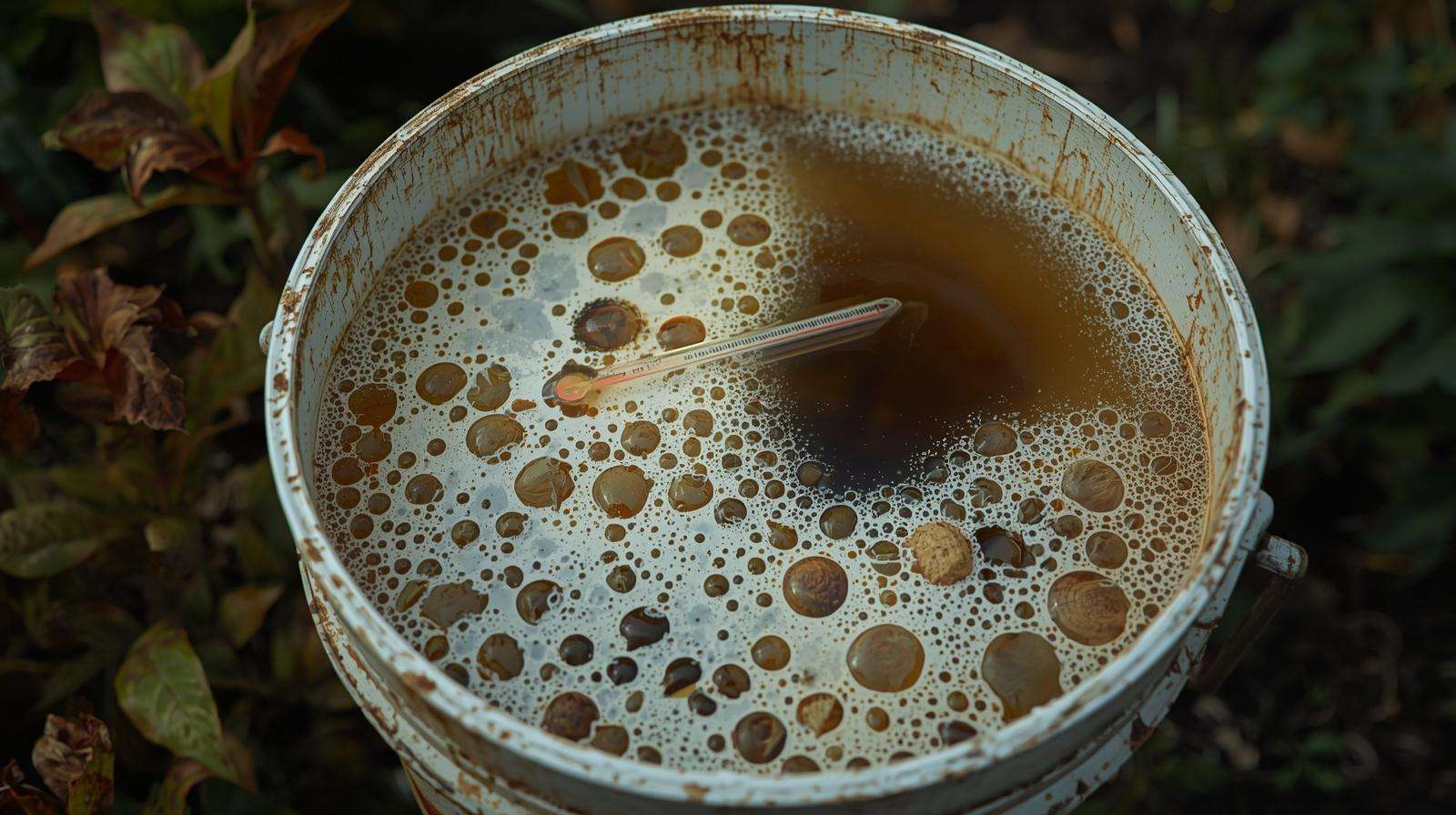
Signs Your Tea Has Gone Anaerobic & What to Do
Early Warning Signs
- Smell shift: From earthy/sweet to sour, rotten eggs, or sewage.
- Foam collapse: Active bubbles disappear.
- Color change: Darkens or turns murky gray/brown.
- pH drop: Below 6.0 (test strips).
What to Do If It Goes Bad
- Don’t use on foliage—pathogen risk.
- Soil drench only if diluted 1:20 and smell is mild.
- Best option: Dump and start fresh.
- Prevention: Aerate constantly, brew shorter.
Expert Insight: Garden Myths blog and multiple extension services agree: once anaerobic, teas lose most beneficial microbes and gain potential pathogens—discard for foliar use.
Tip: Rescue Protocol
- If borderline (slight sour smell): Aerate heavily for 12 hours.
- If strongly foul: Discard safely (compost pile).
How to Prevent Anaerobic Teas Every Time
Aeration Methods
- Air pumps + airstones (best for 5+ gallons).
- Manual stirring 2–3 times/day.
- Bucket with loose lid for gas escape.
Temperature Control
- Brew at 60–70°F for best results.
- Shade in summer, insulate in winter.
Ingredients & Ratios
- 1:5 to 1:10 compost/manure to water.
- Add molasses (0.5–1 tbsp/gallon) for microbes, but not too much (feeds bad bacteria).
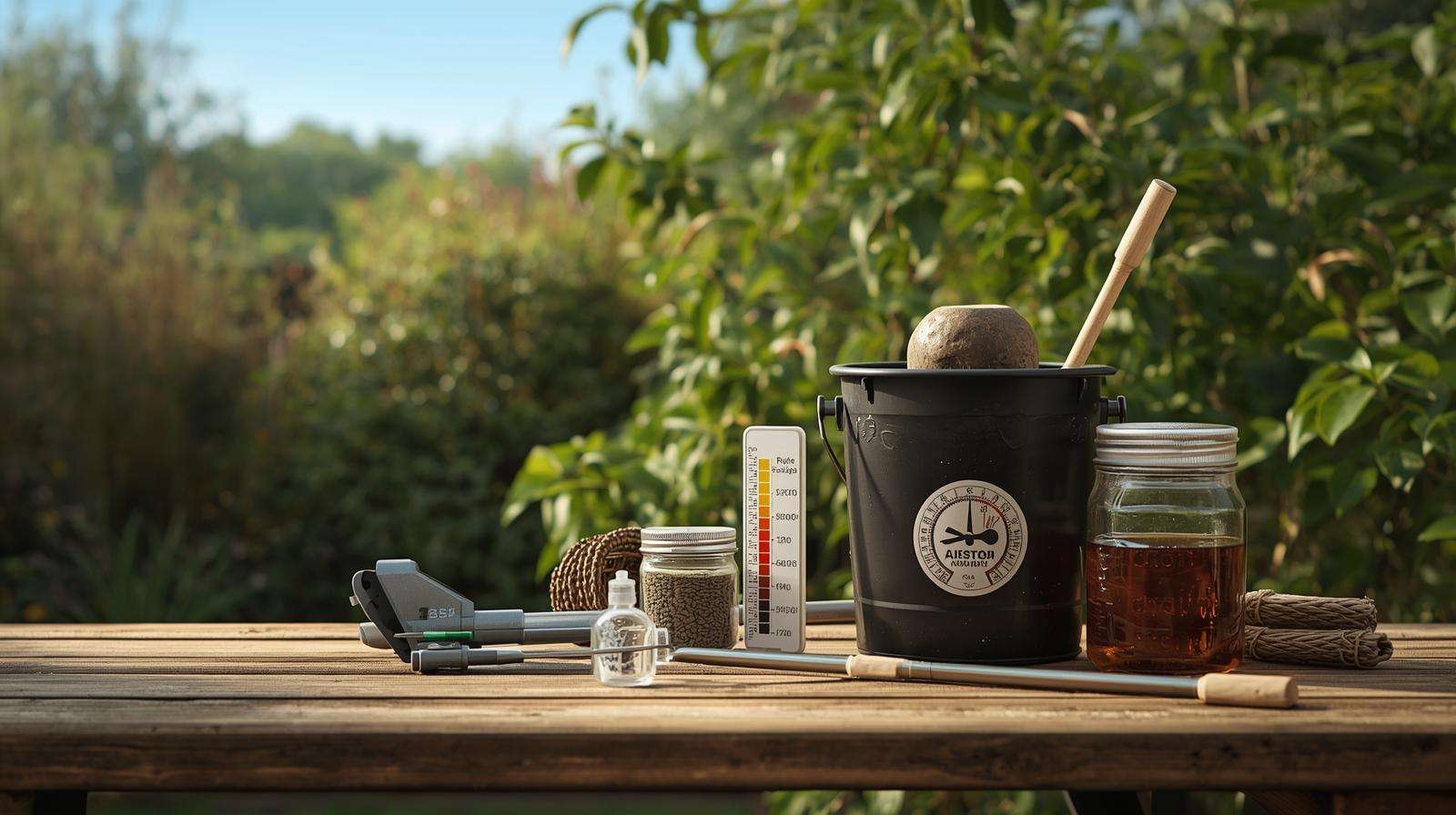
Monitoring Tools
- Thermometer, pH strips, dissolved oxygen meter (optional).
- Smell test daily.
Expert Insight: Rodale Institute recommends constant aeration and 36–48 hour brew times for optimal aerobic compost tea.
Tip: Brewing Success Checklist
- Fresh materials?
- Aeration constant?
- Temp 60–70°F?
- Smell check daily?
- Stop at 48 hours max?
Advanced Tips for Maximum Potency & Safety
- Use finished compost (dark, crumbly).
- Add kelp meal or fish hydrolysate for micronutrients.
- Brew in shade to prevent overheating.
- Dilute properly: 1:10 foliar, 1:5 soil drench.
- Store finished tea: Use within 4–6 hours for max microbes.
Case Study: A Midwest gardener switched from passive 7-day manure tea to 36-hour aerated compost tea — plant growth improved, no more foul odors.
Expert Insight: Oregon State Extension: Aerated teas at 24–48 hours deliver peak nutrient availability and beneficial microbes.
Tip: Potency Booster Recipe
- 5 gal water
- 1 gal finished compost
- 1 tbsp unsulfured molasses
- Air pump 36 hours
- Dilute 1:10 for use
Troubleshooting & Common Mistakes
- Tea smells bad after 24 hours → over-warm brew; shorten time.
- No bubbles → pump failure or low molasses.
- Plants burn → too strong; dilute more.
- Pathogens suspected → use only on soil.
Tip: Mistake-Proof Brewing Checklist
- Use aged material?
- Aerate constantly?
- Smell check daily?
- Dilute before use?
Expert Insights and Real Gardener Stories
Research Perspective Rodale Institute trials: Aerated teas at 36–48 hours peak in nutrient and microbial benefits.
Extension Advice University of Maryland: “Never use anaerobic teas on edible leaves—pathogen risk outweighs benefits.”
Real Stories
- Southeast success: Switched to 24-hour aerated teas — no more smells, better plant health.
- Northern adaptation: Used cold-tolerant brewing — still effective in winter.
- Lesson learned: 7-day passive tea — foul batch; switched to aerated, success.
2026 Trends Automated aerated brewers and microbial inoculants per USDA organic reports.
Conclusion
Compost or manure teas can supercharge your garden when done right—steep 24–48 hours for compost, 3–7 days for manure, always aerated, and stop at the first sour smell. With proper timing and monitoring, you’ll get nutrient-rich, microbe-packed brews every time.
Test your next batch with the smell test and aeration—your plants will thank you.
Share in comments: What’s your go-to steep time? Ever had a batch go bad?
Final Tip Aerate constantly and trust your nose — sweet smell means success, sour smell means stop.
Frequently Asked Questions (FAQs)
How long to steep compost tea? 24–48 hours with aeration for best results.
When does manure tea go anaerobic? Usually after 5–7 days without aeration; stop at sour smell.
Is anaerobic tea safe to use? Soil only, heavily diluted; never on leaves due to pathogen risk.
How to tell if tea is bad? Foul rotten egg or sewage smell, foam collapse, murky color.
What to do with a smelly tea batch? Discard for foliar use; dilute heavily for soil if mild.
Can I steep longer if aerated? Up to 72 hours max; benefits peak at 36–48 hours.
Best temperature for brewing? 60–70°F; warmer speeds anaerobic shift.
Should I add molasses? Yes, 0.5–1 tbsp/gallon for microbes; too much feeds bad bacteria.
How to dilute compost tea? 1:10 for foliar sprays, 1:5 for soil drench.
Can I use fresh manure for tea? Yes, but only aerated 1–3 days; high pathogen risk.