Imagine spending less time scrubbing chicken coop floors and more time enjoying your flock—while your birds stay warmer, healthier, and happier through the coldest months. For backyard poultry keepers tired of weekly cleanouts, ammonia odors, and frozen waterers, deep litter coop floors offer a game-changing solution. This time-tested method transforms your coop’s floor into a living compost system: chicken manure mixes with absorbent bedding, beneficial microbes break it down naturally, and the process generates gentle heat, controls smells, and produces rich fertilizer for your garden.
As a poultry management enthusiast with years of hands-on experience in sustainable backyard farming, I’ve seen deep litter turn high-maintenance coops into low-effort havens. Drawing from trusted experts like Lisa Steele (Fresh Eggs Daily), Kathy Shea Mormino (The Chicken Chick), and Harvey Ussery (The Small-Scale Poultry Flock), plus practical insights from homesteading communities, this comprehensive guide covers everything you need. Whether you’re dealing with a dirt, concrete, or wood floor, you’ll learn how to implement deep litter correctly to boost flock health, cut labor, and embrace eco-friendly chicken keeping. Let’s dive in and solve the common frustrations of coop maintenance once and for all.
What Is the Deep Litter Method and How Does It Work on Coop Floors?
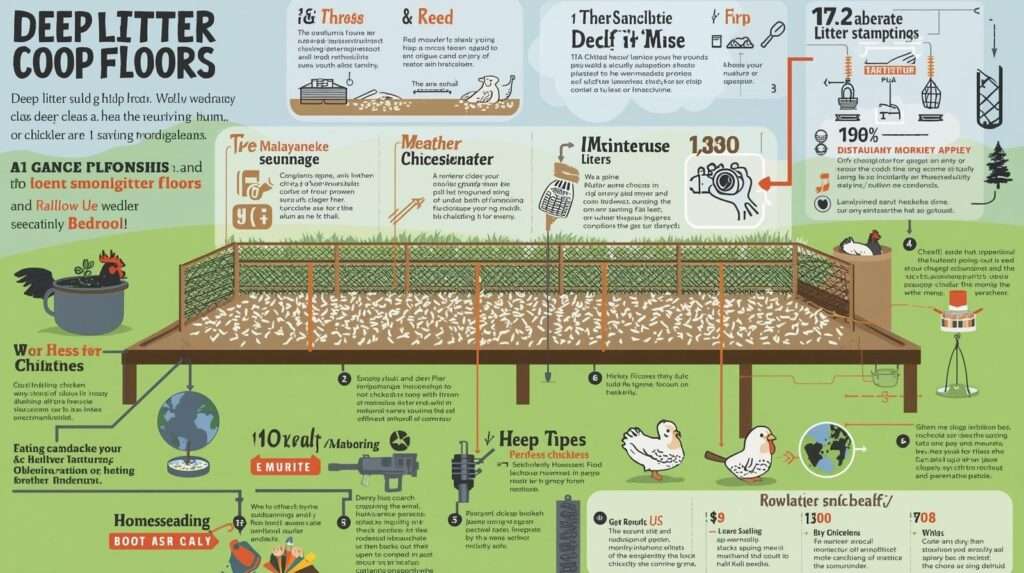
The deep litter method—also called the built-up litter system or composting litter—is an in-coop composting process where chicken droppings and carbon-rich bedding accumulate and decompose aerobically right on the coop floor. Unlike simple deep bedding (which is just layering dry material without active fermentation), true deep litter involves moisture-balanced microbial activity that turns waste into humus without foul odors.
Chickens naturally scratch and forage, turning the material and incorporating oxygen. Nitrogen from fresh manure combines with carbon from bedding like pine shavings, fueling beneficial bacteria and fungi. This breakdown generates heat (often raising coop temperatures by 5–10°F in winter), absorbs ammonia, and creates vitamins (like B12) that birds ingest for better immunity.
The coop floor plays a critical role: it influences drainage, microbial contact, and material durability. Earth floors wick moisture and host soil microbes for faster composting, while solid surfaces like concrete require extra attention to ventilation and starters. Proper setup prevents issues like rot or excess humidity, making deep litter viable across setups.
Benefits of Using Deep Litter on Coop Floors
Deep litter coop floors deliver multiple advantages for sustainable poultry keeping:
- Significant Time and Labor Savings — Clean fully only 1–2 times per year instead of weekly scooping. Add thin layers as needed; chickens handle most turning.
- Natural Winter Warmth — Microbial decomposition produces steady, low-level heat, insulating against cold and reducing supplemental heating needs—ideal for cooler climates.
- Improved Flock Health — Beneficial microbes boost immunity, reduce pathogens (like coccidia), and provide natural enrichment as birds forage for bugs and vitamins in the litter.
- Odor and Pest Control — Balanced carbon-nitrogen ratios eliminate ammonia smells and deter flies; a properly managed bed stays earthy and fresh.
- Sustainability and Cost-Effectiveness — Turns waste into high-quality compost for gardens, cutting bedding purchases over time and minimizing environmental impact.
- Flock Enrichment — Scratching promotes natural behaviors, reducing stress and boredom, especially in winter confinement.
Backyard keepers report healthier birds, fewer respiratory issues, and richer garden soil from the resulting humus.
Potential Drawbacks and When Deep Litter May Not Be Ideal
While powerful, deep litter isn’t perfect for every situation:
- Moisture Challenges — Excess wetness leads to mold, ammonia, or pathogens; requires vigilant monitoring and ventilation.
- Floor-Specific Risks — Wood floors absorb moisture and may rot over time; concrete lacks natural drainage and microbes, slowing decomposition.
- Climate Limitations — Thrives in cooler seasons but can trap heat/humidity in hot, humid areas—avoid or adapt in summer.
- Initial Effort and Monitoring — Setup needs a clean start and regular checks; not “set-it-and-forget-it.”
- Space and Ventilation Needs — Requires good airflow to prevent buildup; overcrowded or poorly ventilated coops struggle.
If your coop has poor ventilation, extreme heat, or you’re new to poultry, start with deep bedding (non-composting layering) before full deep litter.
Best Flooring Choices for Deep Litter Coop Floors
Floor type dramatically affects success. Here’s a breakdown:
Earth/Dirt Floor (Top Recommendation) Pros: Excellent natural wicking, microbial inoculation from soil, fastest composting, predator security with proper skirting. Cons: Harder full cleanouts; potential digging predators if unsecured. Tips: Ideal for ground-level or semi-permanent coops; add apron wire to deter burrowing.
Concrete Floor Pros: Durable, rodent-proof, easy disinfection when needed. Cons: No natural drainage or microbes; retains moisture if unmanaged, slower composting. Adaptations: Start with a compost starter layer or thick absorbent bedding; prioritize top-tier ventilation; some keepers add a thin soil/compost base.
Wood/Plywood Floor Pros: Lightweight, common in raised coops. Cons: High rot risk from absorbed moisture/ammonia. Adaptations: Protect with vinyl/linoleum, epoxy, or metal barriers; consider deep bedding variant over full composting; monitor closely.
Other Options (e.g., Linoleum, Rubber, Metal) Waterproof surfaces prevent rot but demand manual aeration/moisture control; less ideal for true microbial composting.
Earth wins for natural performance, but adaptations make deep litter workable on solid floors.
How to Set Up Deep Litter Coop Floors Step-by-Step
- Prepare the Coop — Deep clean (spring/fall ideal), repair leaks, ensure ventilation (windows, vents, no drafts).
- Choose and Prep Flooring — Secure dirt; seal/protect wood; sweep concrete.
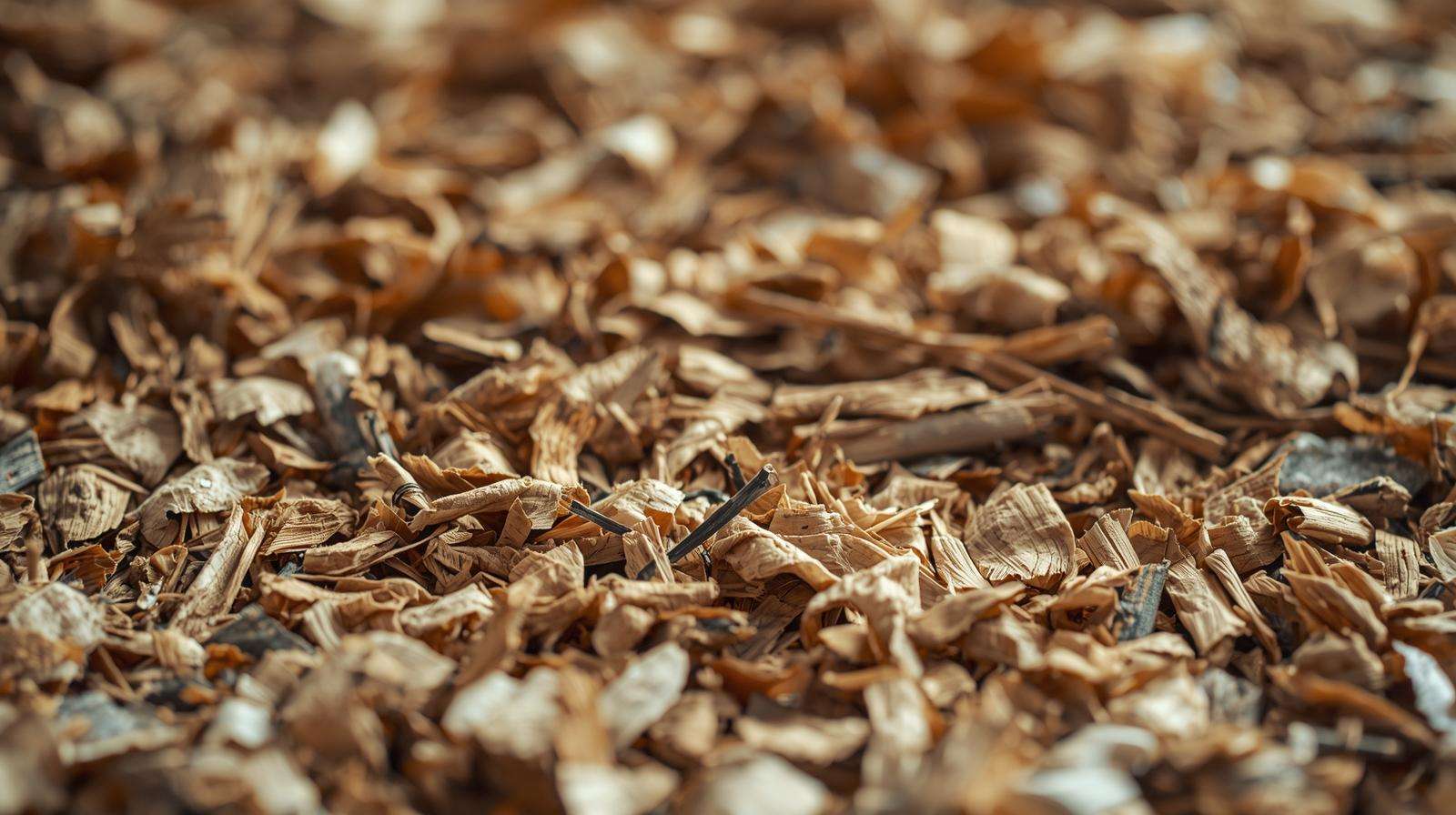
- Select Bedding Materials Best: Pine shavings (absorbent, aromatic, quick-composting). Good: Hemp, aspen, leaves/grass clippings (mix for variety). Avoid: Cedar (respiratory irritant/toxic), straw alone (poor absorption), sand (no composting).
- Initial Layer — Spread 4–8 inches dry bedding; on solid floors, add starter compost/microbes.
- Introduce Flock — Let chickens scratch/turn; toss scratch grains to encourage activity.
Start in fall/winter for heat benefits.
Daily/Weekly Maintenance for Healthy Deep Litter Coop Floors
- Monitor moisture: Feels like wrung-out sponge; add dry bedding if soggy.
- Aerate: Rake/turn weekly in stagnant spots; chickens do most work.
- Add layers: 1–2 inches as manure accumulates.
- Ventilation: Check airflow to vent ammonia/moisture.
- Success signs: Earthy smell, fluffy texture, no flies/ammonia.
Troubleshooting Common Problems
- Ammonia odor → Add carbon bedding, boost ventilation.
- Wet/moldy litter → Increase dry material, turn more, fix leaks.
- Pests/flies → Balance moisture, avoid overstocking.
- Slow decomposition → Adjust C:N ratio, add starters on solid floors.
Cleaning Out and Using Your Deep Litter Compost
Clean at 8–12 inches or seasonally: Remove most, leave 1–2 inches starter. Pile removed litter outside to finish composting; age before garden use for nutrient-rich, soil-improving fertilizer.
Expert Tips and Real-World Examples
- Climate tweaks: More bedding in cold; better ventilation in humid.
- Flock size: More birds speed buildup—scale bedding.
- Success stories: Keepers report bi-annual cleanouts, warmer coops, healthier flocks.
- Advanced: Mix beddings, use probiotics for starters.
Frequently Asked Questions (FAQs)
- Can deep litter work on concrete/wood floors? Yes, with adaptations like starters and protection.
- What’s the best bedding for beginners? Pine shavings—affordable and effective.
- How much heat does it generate? Up to 10°F warmer, enough for noticeable comfort.
- Is it safe year-round? Best in cool seasons; switch to lighter bedding in summer.
- What if I smell ammonia? Immediate fix: More carbon, ventilation, turning.
Deep litter coop floors revolutionize backyard poultry by delivering healthier chickens, less work, natural warmth, and garden gold—all sustainably. Success hinges on observation, balance, and starting right. Try it this season: prep your floor, layer wisely, monitor closely, and reap the rewards. Share your experiences—what flooring are you using? Your flock (and garden) will thank you.