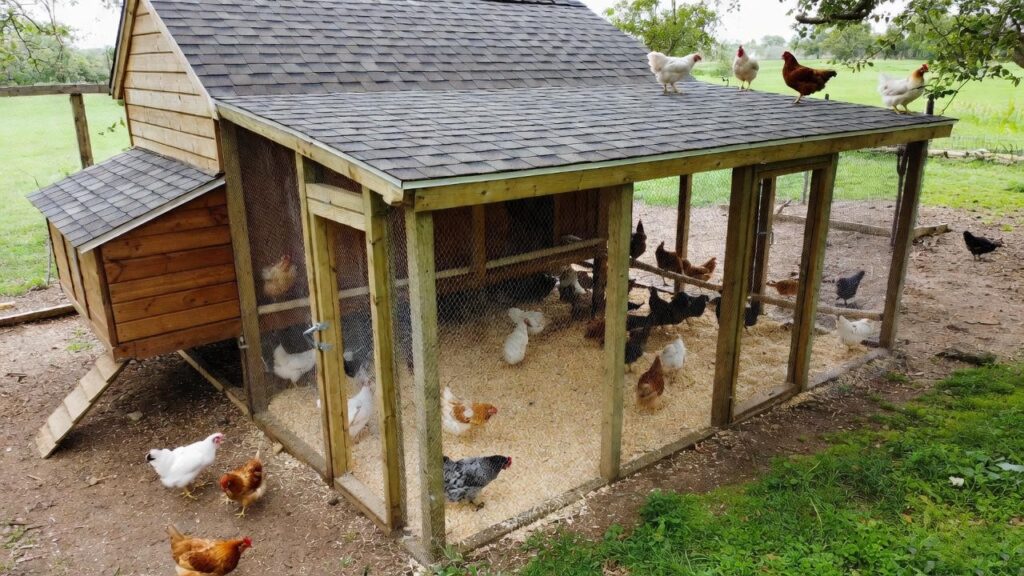
If you’ve ever walked into a chicken coop and been hit with a sharp ammonia smell, you’ve already learned one hard truth: cleaning alone does not equal good coop management.
Many poultry keepers are drawn to the deep litter method because they hear it means less work. But without proper Deep Litter Coop Management, that promise quickly turns into wet bedding, flies, respiratory issues, and frustrated flock owners. When done correctly, however, deep litter becomes one of the most effective systems for odor control, flock health, winter warmth, and long-term labor reduction.
This guide is written from real-world poultry management experience—not theory alone. You’ll learn how deep litter actually works, why it sometimes fails, and exactly how to manage it step by step so your coop stays dry, healthy, and nearly odor-free year-round.
What Is Deep Litter Coop Management?

The Science Behind the Deep Litter Method
Deep litter is not about piling bedding and ignoring it. It is a controlled biological system.
At its core, deep litter relies on:
-
Beneficial microbes
-
Carbon-rich bedding
-
Oxygen
-
Time
Chicken manure is high in nitrogen. When it mixes with carbon materials like wood shavings or straw, microbial activity begins breaking it down. This slow decomposition process:
-
Reduces odor
-
Locks up ammonia
-
Generates mild heat
-
Creates valuable compost over time
Proper Deep Litter Coop Management ensures this process stays aerobic (oxygen-rich). When oxygen disappears due to moisture or compaction, harmful anaerobic bacteria take over—and that’s when smells and health issues begin.
Deep Litter vs Traditional Coop Cleaning
Traditional coop care relies on:
-
Frequent clean-outs
-
Scraping droppings
-
Replacing all bedding regularly
Deep litter management relies on:
-
Layering carbon
-
Stirring and aerating
-
Managing moisture instead of removing it constantly
The result is not neglect—but intentional management. When done right, deep litter dramatically reduces labor while improving coop conditions.
Benefits of Proper Deep Litter Coop Management

Odor Control and Ammonia Reduction
A well-managed deep litter coop should not smell bad. In fact, it should smell earthy—similar to forest soil.
Odor is controlled by:
-
Maintaining a proper carbon-to-nitrogen ratio
-
Keeping litter dry
-
Ensuring adequate airflow
Ammonia forms when manure stays wet and compacted. Deep litter systems that are stirred and layered correctly trap nitrogen instead of releasing it into the air.
Improved Chicken Health and Comfort
Proper deep litter management supports flock health by:
-
Reducing respiratory irritation
-
Preventing foot problems like bumblefoot
-
Encouraging natural scratching behavior
-
Keeping bedding dry and insulated
Chickens housed on dry litter experience less stress and stronger immune function, especially during colder months.
Winter Warmth and Natural Insulation
As microbes slowly break down organic matter, they generate heat. This does not replace good coop design—but it does help stabilize temperatures.
In cold climates, deep litter:
-
Insulates the coop floor
-
Reduces cold drafts at ground level
-
Creates a more stable internal environment
This is one reason deep litter systems are popular in northern regions.
Reduced Labor and Long-Term Efficiency
When managed correctly, deep litter:
-
Eliminates weekly full clean-outs
-
Requires only periodic topping and stirring
-
Produces compost as a byproduct
Many experienced poultry keepers clean out their deep litter coop once or twice per year, not weekly.
When Deep Litter Is NOT the Right Choice
Deep litter is powerful—but it is not universal.
Climate Conditions That Make Deep Litter Difficult
Deep litter struggles in:
-
High-humidity regions
-
Areas with frequent rain and poor drainage
-
Coastal or tropical climates without strong ventilation
Moisture is the enemy of deep litter. If you cannot keep bedding dry, deep litter will fail.
Coop Designs Unsuitable for Deep Litter
Avoid deep litter if your coop has:
-
Low ceilings with poor airflow
-
Dirt floors without drainage
-
Chronic roof leaks
-
No ventilation openings above bird level
Deep litter requires air exchange, not sealed boxes.
Flock Situations That Require Different Systems
Deep litter may not be ideal when:
-
Housing sick or injured birds
-
Raising very young chicks
-
Managing severe parasite outbreaks
-
Dealing with heavy overcrowding
In these cases, simpler and more controllable bedding systems are safer.
Choosing the Right Bedding Materials

Best Carbon Materials for Deep Litter Coops
Carbon is the foundation of deep litter success. The best options include:
-
Pine shavings (most popular and reliable)
-
Chopped straw (must stay dry)
-
Dry leaves (excellent when shredded)
-
Wood chips (coarse, long-lasting, best mixed)
Ideal bedding materials are:
-
Absorbent
-
Dry
-
Free of mold
-
Slow to compact
Materials to Avoid
Some materials cause more problems than they solve:
-
Hay (molds easily)
-
Cedar shavings (toxic oils)
-
Sand (no composting action)
-
Wet or moldy bedding
Using the wrong bedding is one of the most common deep litter failures.
Ideal Bedding Depth by Season
-
Initial setup: 4–6 inches
-
Winter depth: 8–12 inches
-
Summer depth: Shallower with more frequent turning
Depth is adjusted based on climate and moisture—not guesswork.
Step-by-Step Guide to Starting a Deep Litter System
Preparing the Coop Before You Begin
Before adding bedding:
-
Fix roof leaks
-
Improve ventilation
-
Ensure floor drainage
-
Secure against predators
Deep litter will not fix a poorly built coop.
Initial Bedding Setup
-
Start with a clean, dry floor
-
Add 4–6 inches of carbon material
-
Spread evenly
-
Do not wet the bedding
Moisture comes from manure—not water.
Introducing Chickens to the System
Chickens naturally scratch and mix litter, helping aerate it. For the first week:
-
Monitor moisture
-
Check for odor
-
Add carbon if needed
Early adjustments prevent long-term problems.
Daily, Weekly, and Seasonal Deep Litter Management

Deep litter succeeds or fails based on ongoing management, not how it starts. The goal is to keep litter dry, loose, and biologically active.
Daily Observations That Prevent Problems
Daily chores are minimal, but observation is critical.
Each day, quickly check:
-
Smell: A healthy coop smells earthy, not sharp
-
Moisture: No wet patches under roosts or near waterers
-
Chicken behavior: Healthy birds scratch, dust bathe, and rest comfortably
If you smell ammonia or see damp clumps, it’s a signal—not a failure.
Weekly Stirring and Carbon Additions
Once or twice per week:
-
Lightly stir compacted areas with a rake or fork
-
Add a thin layer of fresh carbon where droppings accumulate
-
Focus under roosts and high-traffic zones
You are not “turning compost”—just reintroducing oxygen and absorbing moisture.
Seasonal Adjustments
Summer
-
Increase ventilation
-
Reduce litter depth slightly
-
Stir more frequently to prevent moisture buildup
Winter
-
Increase litter depth
-
Reduce stirring frequency
-
Focus on dryness, not removal
Seasonal management is one of the most overlooked aspects of Deep Litter Coop Management.
Odor, Moisture, and Ammonia Control (Critical Section)

Why Ammonia Is the #1 Danger
Ammonia is not just unpleasant—it’s dangerous.
Prolonged exposure can:
-
Damage chickens’ respiratory systems
-
Reduce egg production
-
Increase disease susceptibility
-
Harm human lungs and eyes
If you smell ammonia, your chickens are already breathing it.
How to Fix a Smelly Deep Litter Coop
Immediate corrective steps:
-
Add a thick layer of dry carbon
-
Break up compacted areas
-
Increase ventilation immediately
-
Remove and replace any saturated bedding
Long-term prevention:
-
Move waterers outside or raise them
-
Improve airflow above roost height
-
Maintain proper stocking density
Odor is almost always a moisture management issue, not a deep litter failure.
Ventilation Best Practices
Good ventilation:
-
Removes moisture without creating drafts
-
Is placed high on coop walls
-
Allows warm, moist air to escape
Common mistakes:
-
Sealing coops “for warmth”
-
Blocking vents in winter
-
Relying on windows instead of vents
Ventilation and deep litter work together—not against each other.
Pest, Fly, and Rodent Management
Why Properly Managed Deep Litter Attracts Fewer Pests
Healthy deep litter:
-
Dries quickly
-
Breaks down manure efficiently
-
Leaves little exposed waste
This discourages flies and reduces odor that attracts rodents.
Signs of Pest Problems
Watch for:
-
Fly larvae in wet litter
-
Rodent tunnels along coop edges
-
Increased nighttime noise
These signs almost always point to excess moisture or spilled feed.
Natural and Structural Control Methods
-
Keep feed in sealed containers
-
Elevate feeders
-
Use hardware cloth on all openings
-
Maintain dry bedding
Pests exploit poor management—not deep litter itself.
Common Deep Litter Coop Management Mistakes
Confusing Deep Litter with “Never Cleaning”
Deep litter still requires:
-
Monitoring
-
Stirring
-
Carbon additions
Neglect creates anaerobic rot, not compost.
Overcrowding the Coop
Too many birds:
-
Overwhelm microbial activity
-
Increase moisture faster than carbon can absorb
-
Create constant ammonia issues
Deep litter does not compensate for overcrowding.
Ignoring Moisture Buildup
Water spills, roof leaks, and poor drainage destroy deep litter systems faster than anything else.
Using the Wrong Bedding Materials
Low-quality bedding creates:
-
Mold
-
Compaction
-
Odor
Carbon quality matters.
When and How to Remove Deep Litter
Signs It’s Time for a Clean-Out
You may need removal when:
-
Litter depth exceeds 12–15 inches
-
Material becomes overly compacted
-
Spring weather allows garden use
Most well-managed coops only require annual or semiannual clean-outs.
Safe Removal Process
-
Remove chickens
-
Shovel litter into compost bins or garden beds
-
Leave a thin base layer if desired
-
Restart with fresh carbon
How Often Full Clean-Outs Are Actually Needed
-
Cold climates: Once per year (spring)
-
Mild climates: Twice per year
-
Humid climates: As needed
Using Spent Deep Litter in the Garden
Composting vs Direct Application
Spent deep litter can be:
-
Fully composted
-
Applied to fall garden beds
-
Used around fruit trees
Always avoid direct application to active vegetable beds.
Nutrient Benefits for Soil
Deep litter compost:
-
Improves soil structure
-
Adds organic matter
-
Provides slow-release nutrients
It’s one of the hidden benefits of proper management.
Safety Guidelines for Food Gardens
-
Compost at least 3–6 months before planting
-
Keep away from root crops if uncomposted
-
Follow local agricultural guidelines
Deep Litter Coop Management for Different Climates
Cold and Snowy Regions
-
Excellent system when ventilated properly
-
Increase litter depth for insulation
Hot and Dry Regions
-
Works well with airflow
-
Shallower litter depth recommended
Humid and Rainy Regions
-
Most challenging
-
Requires aggressive ventilation and frequent carbon additions
Climate awareness is essential for long-term success.
Expert Tips from Long-Time Chicken Keepers
-
Trust your nose
-
Dry beats clean
-
Carbon is cheaper than fixing problems
-
Build ventilation before winter
-
Adjust as flock size changes
Experience teaches that management beats perfection.
Frequently Asked Questions
Does deep litter smell bad?
Not when managed correctly.
How deep should litter be?
4–12 inches depending on season and climate.
Is deep litter safe for chicks?
Only in clean, dry, well-managed environments.
Can deep litter be used year-round?
Yes, with seasonal adjustments.
How often should I clean a deep litter coop?
Typically once or twice per year.
Conclusion: Mastering Deep Litter Coop Management the Right Way
Successful Deep Litter Coop Management is not about doing less—it’s about doing the right things consistently.
When managed correctly, deep litter:
-
Controls odor naturally
-
Supports flock health
-
Reduces labor
-
Produces valuable compost
It rewards observation, adjustment, and patience.
If you treat deep litter as a living system—not a shortcut—you’ll end up with a cleaner coop, healthier birds, and far less work in the long run.