Imagine walking into your grow space excited to check on your hydroponic setup, only to discover that the once-vibrant green leaves of your lettuce, herbs, or tomatoes have started turning a sickly yellow. In Deep Water Culture (DWC) systems—where roots dangle freely in oxygenated nutrient solution—this change can happen alarmingly quickly, often within days. Yellowing leaves, known as chlorosis, aren’t just cosmetic; they’re an urgent distress signal from your plants indicating stress that can stunt growth, reduce yields, or even kill your crop if not addressed promptly.
Deep Water Culture yellowing leaves is one of the most searched hydroponic problems because DWC’s fully submerged root environment amplifies small imbalances. Unlike soil gardening, where nutrients buffer slowly, DWC delivers everything directly—making precision essential. The good news? Most cases are fixable fast with the right diagnosis and targeted corrections.
In this comprehensive guide, we’ll walk you through the exact causes of yellowing in DWC, step-by-step troubleshooting, proven fixes that deliver results in 24–72 hours, and long-term prevention strategies. Whether you’re a beginner with your first bucket system or an experienced grower battling recurring issues, you’ll gain the tools to restore lush green foliage and maximize your harvest. Let’s dive in and get your plants thriving again.
Understanding Yellowing Leaves in DWC Systems
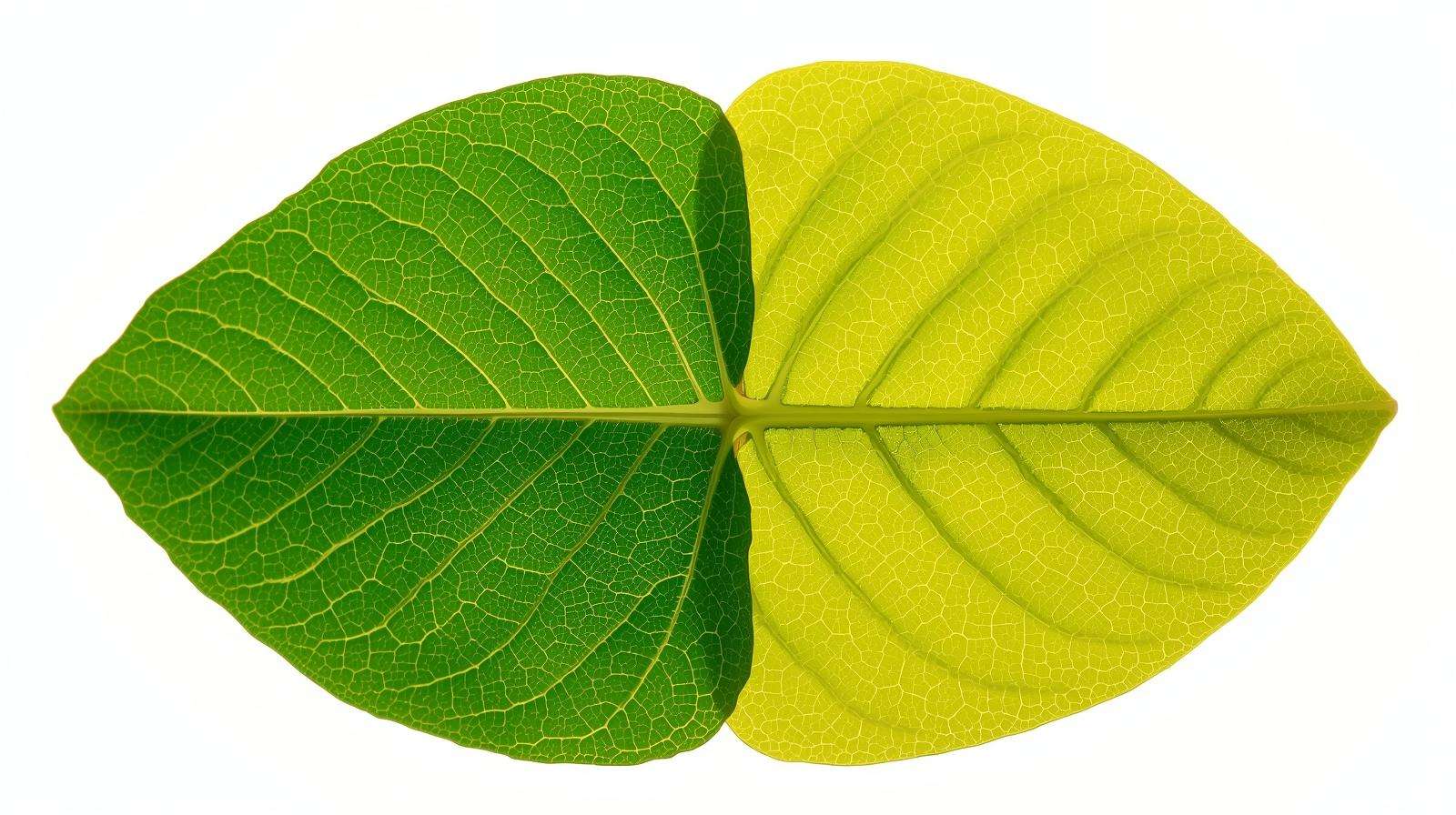
Chlorosis, or yellowing leaves, occurs when plants can’t produce enough chlorophyll—the green pigment essential for photosynthesis. Without sufficient chlorophyll, leaves lose color, starting in specific patterns that often reveal the underlying issue.
In DWC hydroponics, yellowing appears faster than in other methods because roots are constantly submerged. There’s no soil buffer to absorb shocks from pH swings, oxygen drops, or nutrient fluctuations. Common patterns include:
- Uniform yellowing on older (lower) leaves — Often points to mobile nutrient deficiencies like nitrogen.
- Interveinal chlorosis (yellow between green veins) on new growth — Classic sign of iron or magnesium lockout.
- Tip burn or edge yellowing — May indicate nutrient toxicity or environmental stress.
- Overall pale or spotted yellowing — Could signal root problems or low dissolved oxygen.
Recognizing these patterns is key to quick recovery. DWC thrives on balance: pH between 5.5–6.5, water temperature 65–72°F (18–22°C), high dissolved oxygen (>6–8 ppm), and stable EC/PPM levels tailored to your crop stage.
Step-by-Step Troubleshooting: Diagnose the Root Cause
Effective fixes start with accurate diagnosis. Grab these essential tools before proceeding:
- Digital pH meter (calibrated)
- EC/TDS meter
- Thermometer (for reservoir temp)
- Magnifying glass or loupe (for root inspection)
- Dissolved oxygen test kit (optional but ideal)
Follow this systematic checklist:
- Inspect overall plant health — Note where yellowing starts (old vs. new leaves), accompanying symptoms (wilting, curling, slow growth), and root appearance (lift a net pot to check).
- Measure water parameters immediately:
- pH: Ideal 5.5–6.5 (most crops); note drift over 24 hours.
- EC/PPM: Compare to your nutrient schedule (e.g., vegetative stage often 800–1200 PPM).
- Temperature: Above 75°F reduces oxygen solubility; below 65°F slows uptake.
- Check dissolved oxygen — Strong bubbling from air stones? Roots should be white and fuzzy; brown/slimy roots signal trouble.
- Examine roots — Healthy roots are bright white. Brown, mushy, or foul-smelling roots indicate rot or low oxygen.
- Review recent changes — New nutrients, water source, light adjustments, or reservoir top-offs?
Document findings—these clues narrow causes quickly. Many growers waste time guessing; precise measurements save plants.
Common Causes of Yellowing Leaves in Deep Water Culture
Here are the top culprits in DWC systems, ranked by frequency based on grower reports and hydroponic research.
Nutrient Deficiencies
DWC plants rely entirely on the solution for nutrition. Deficiencies manifest clearly due to direct delivery.
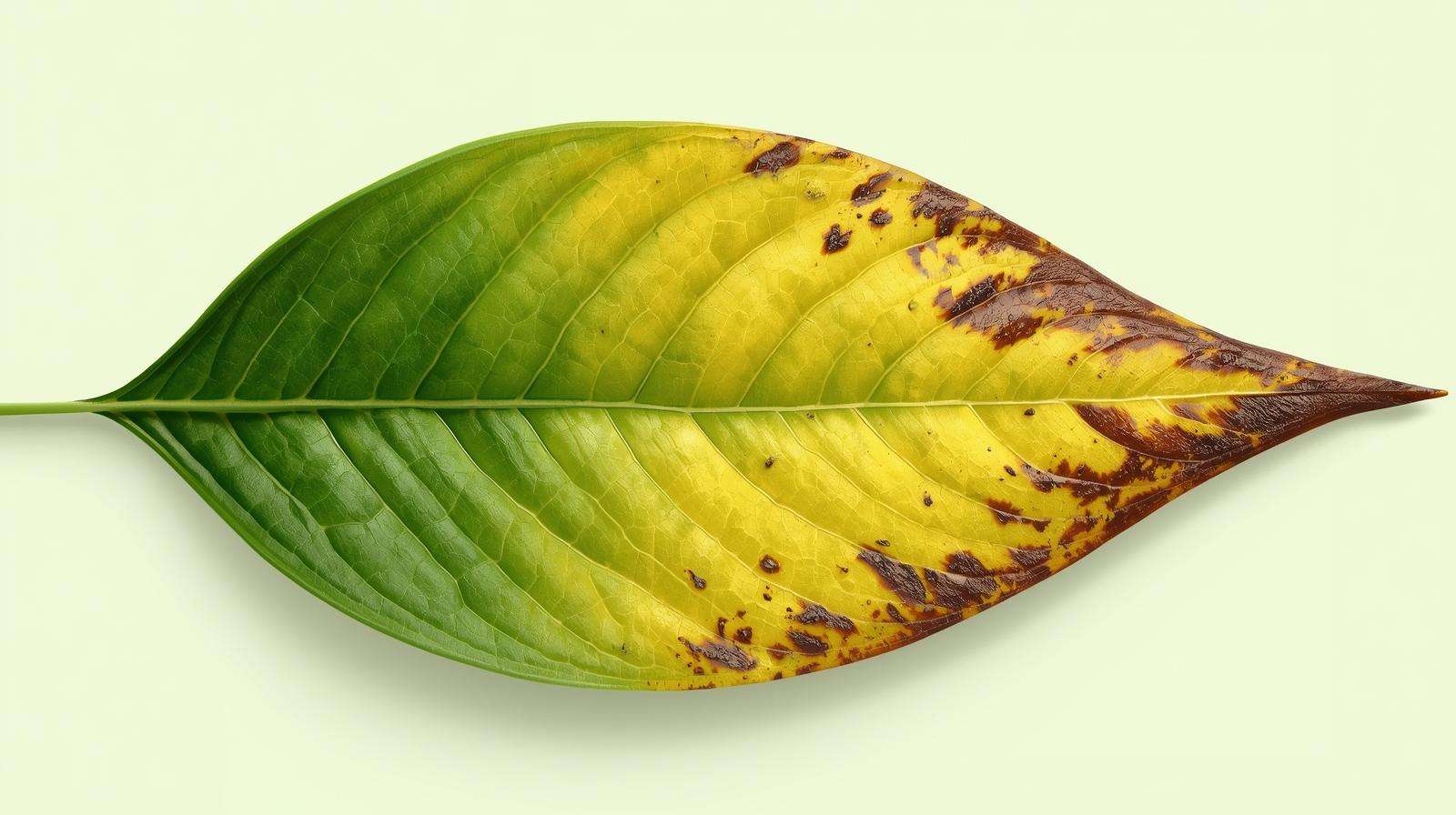
- Nitrogen (N) Deficiency Older leaves yellow uniformly from tips inward, then drop. New growth stays green initially. Common in vegetative stage if EC is too low or nitrogen-heavy nutes deplete. Fix: Increase nitrogen-rich nutrients (e.g., boost grow formula); partial reservoir change if needed.
- Iron (Fe) Deficiency Newer leaves show interveinal chlorosis—yellow tissue between dark green veins. Extremely common in DWC due to pH lockout above 6.2–6.5. Fix: Lower pH to 5.8 and add chelated iron (Fe-EDDHA or Fe-DTPA for stability).
- Magnesium (Mg) Deficiency Interveinal yellowing on older leaves; leaves may curl or show purple tinges. Often from neglecting CalMag in RO/soft water setups. Fix: Supplement CalMag (calcium + magnesium); aim for 100–150 PPM Ca/Mg.
- Other Micronutrients (Zinc, Calcium, etc.) Zinc: Mottled yellowing on new leaves. Calcium: Tip burn + yellow spots. Use a complete hydro formula with micros; avoid single-element chasing.
Nutrient Deficiency Quick-Reference Table
| Deficiency | Affected Leaves | Pattern | Common DWC Trigger | Fast Fix |
|---|---|---|---|---|
| Nitrogen (N) | Older/lower | Uniform yellow, tips first | Low EC, fast growth | Increase N in feed; res change |
| Iron (Fe) | Newer/upper | Interveinal chlorosis | High pH (>6.5) | Lower pH + chelated iron |
| Magnesium (Mg) | Older | Interveinal yellow | Soft water, no CalMag | Add CalMag supplement |
| Calcium (Ca) | New growth | Tip burn, yellow spots | Low Ca, high K | CalMag boost, stable pH |
| Zinc (Zn) | New | Mottled, small leaves | High pH, excess P | Micro pack addition |
pH Imbalance and Nutrient Lockout
pH controls nutrient availability. Outside 5.5–6.5, “lockout” occurs—even if nutrients are present, roots can’t absorb them.
- High pH (>6.5): Locks iron, manganese → new leaf yellowing.
- Low pH (<5.5): Locks phosphorus, calcium → overall stunting + yellowing.
DWC pH drifts fast from plant uptake or microbial activity. Daily checks are non-negotiable.
Fix: Adjust gradually (0.2–0.5 units at a time) with pH down (phosphoric/nitric acid) or up (potassium hydroxide). Recheck after 4–6 hours.
Low Dissolved Oxygen and Root Suffocation
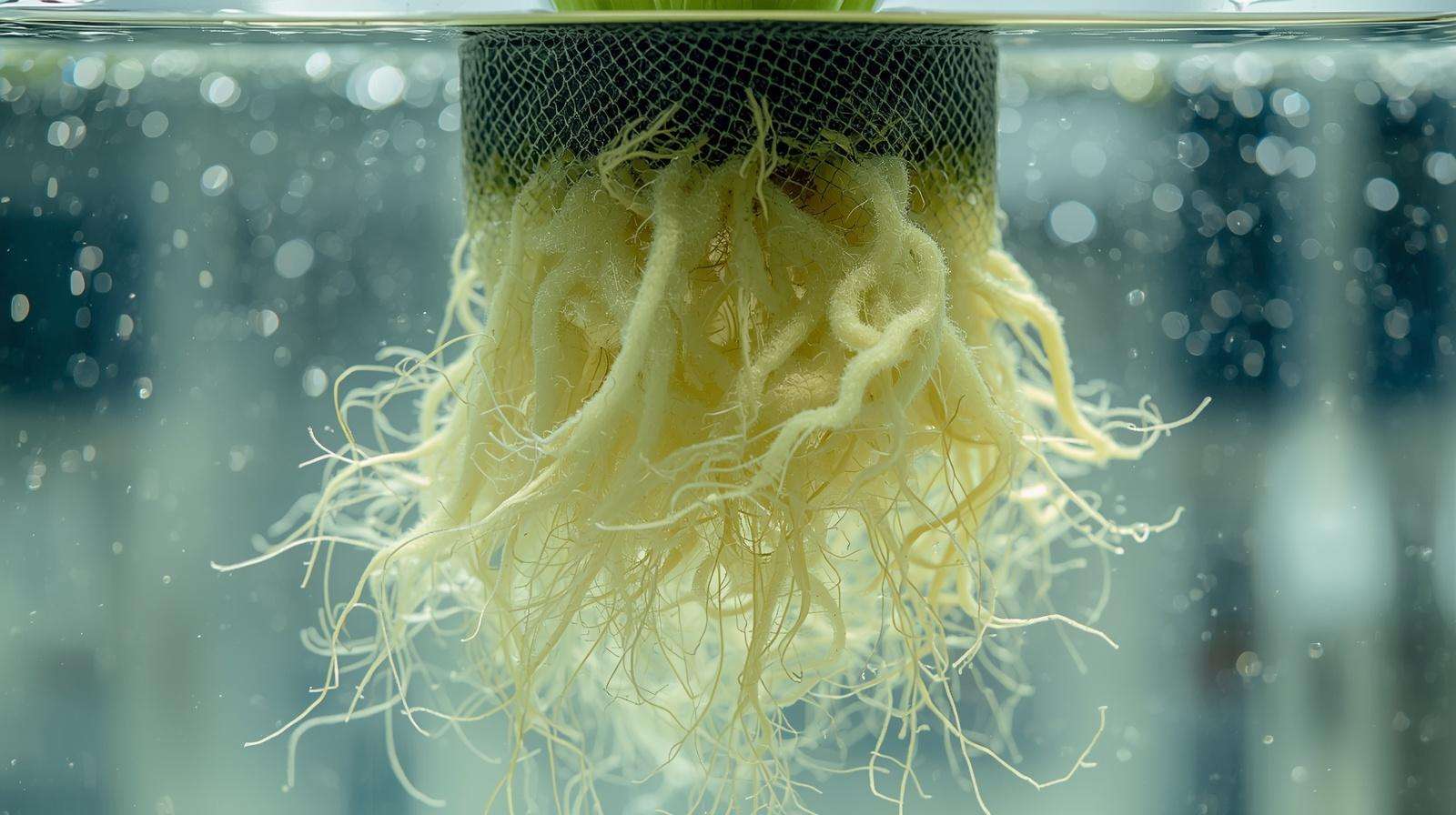
DWC roots need high oxygen to respire and uptake nutrients. Warm water (>75°F) holds less DO; weak aeration exacerbates it.
Symptoms: Yellowing + wilting despite wet roots; brown/slime on roots.
Fixes:
- Upgrade to powerful air pump + multiple air stones.
- Keep res temp 65–72°F (use chiller or frozen bottles in hot climates).
- Add hydrogen peroxide (3% at 5–10 ml/gal) for temporary oxygen boost (use sparingly).
Root Rot and Pathogens
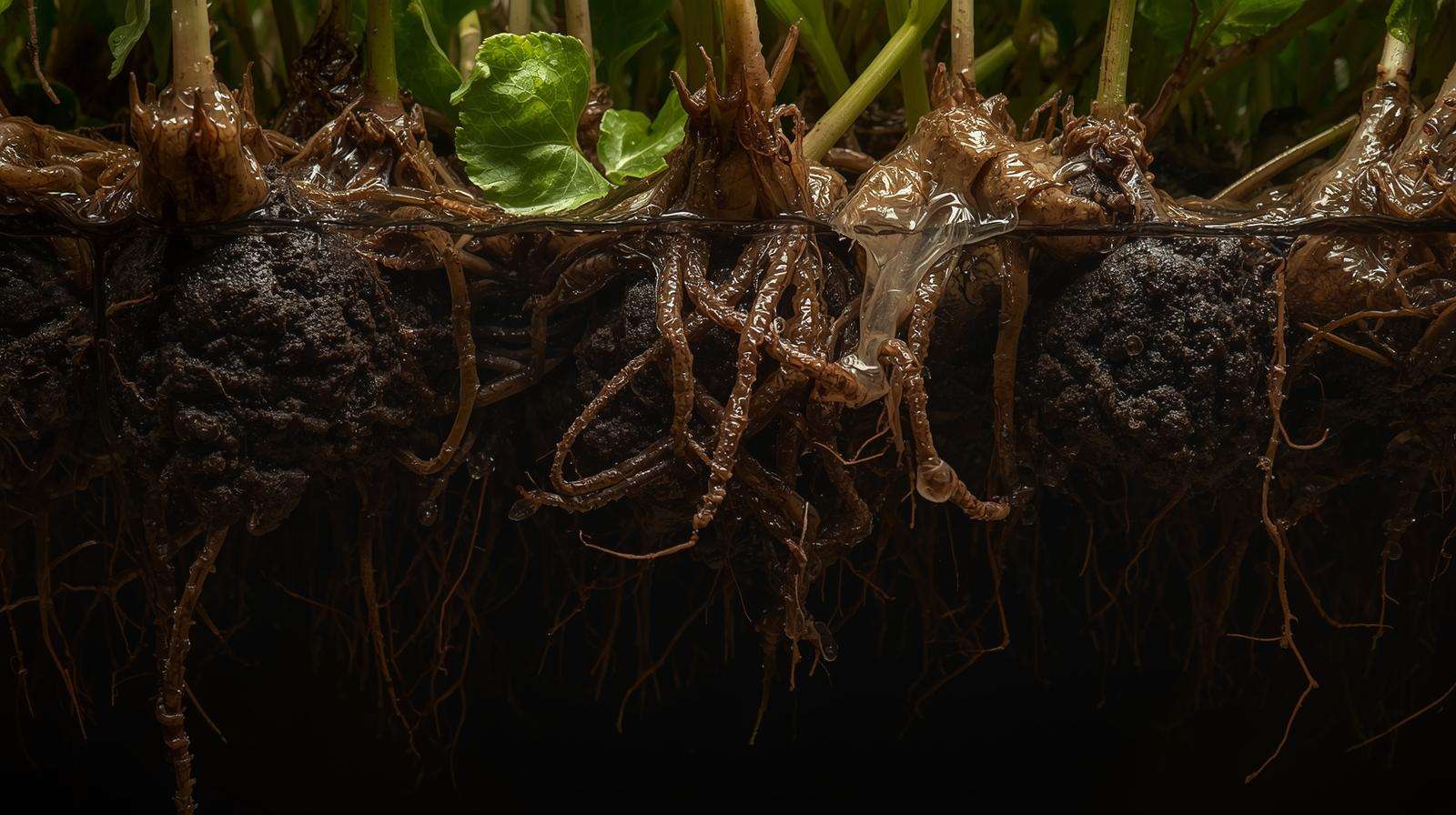
Often follows low oxygen. Pythium thrives in warm, low-DO water → brown, mushy roots with foul smell; rapid yellowing spread.
Rescue:
- Trim dead roots with sterilized scissors.
- Flush with H2O2 solution (higher dose, 20–30 ml/gal 3%).
- Add beneficial microbes (e.g., Hydroguard, Voodoo Juice).
- Sanitize system between cycles.
Temperature Extremes and Environmental Stress
- Hot res: Low DO + algae growth → yellowing.
- Cold res: Slow metabolism → pale leaves.
- Light/heat stress: Bleached tips mimicking deficiency.
Maintain stable environment: 65–75°F air, shaded res, proper light distance.
Other Less Common Causes
- Overfeeding/toxicity: Burnt tips + yellowing; flush with pH‘d water.
- Poor water quality: Chlorine/chloramine or high base PPM; use RO or let tap sit 24h.
- Setup issues: Roots not fully submerged or light leaks promoting algae.
How to Fix Yellowing Leaves Fast: Actionable Solutions
Prioritize fixes by likelihood in DWC:
- Check and correct pH first — Adjust to 5.8; monitor drift.
- Boost oxygenation — Add air stones/pump if bubbling is weak.
- Address top deficiency suspects — Add CalMag + iron if new leaves affected; increase N if old leaves.
- Partial reservoir change — Replace 25–50% with fresh balanced solution.
- Root inspection & treatment — If brown, treat for rot immediately.
Expect green-up in 24–72 hours for most issues; severe cases take longer. Take before/after photos to track progress.
Prevention: Keep Your DWC Plants Green and Thriving Long-Term
- Monitor daily: pH, EC, temp.
- Weekly full res change (or 50% top-off + nutrients).
- Use light-proof buckets; black-out lids to prevent algae.
- Quality nutrients: Hydro-specific with chelated micros.
- Equipment: Reliable air pump, thermometer, backup pH solution.
- Seasonal tweaks: Chillers in summer; heaters in winter.
Implement a weekly checklist for consistency.
Real-World Examples and Case Studies
Example 1: Lettuce in home DWC — New leaves yellow with green veins (iron lockout from pH 6.8 drift). Lowered to 5.8 + chelated iron → full recovery in 4 days.
Example 2: Tomato setup — Older leaves yellow, roots slimy. Low DO from weak pump + 78°F res. Upgraded aeration, cooled res, H2O2 flush → roots whitened, yellowing stopped.
These mirror thousands of grower experiences: early action prevents total loss.
Frequently Asked Questions (FAQs)
Is yellowing reversible in DWC? Yes, if caught early—most deficiencies reverse with corrections; severe root rot may not.
Can I use tap water in DWC? Yes, if dechlorinated (let sit 24h or use conditioner); test PPM first. RO water needs full remineralization.
How often should I change the reservoir? Every 7–10 days, or when EC drifts >20% or pH unstable.
What’s the ideal DO level? 6–8+ ppm; aim for vigorous bubbling.
Why do new leaves yellow but old ones don’t? Typically iron or pH lockout—immobile nutrients affect new growth first.
(And more in full article…)
Conclusion
Deep Water Culture yellowing leaves doesn’t have to derail your hydroponic success. By understanding patterns, measuring parameters religiously, and applying targeted fixes, you can turn yellow into green quickly. The key is proactive monitoring—catch issues before they escalate.
Start checking your system today. Share your DWC setup or progress in the comments below—let’s troubleshoot together. For more hydroponic tips, subscribe to our newsletter. Happy growing!