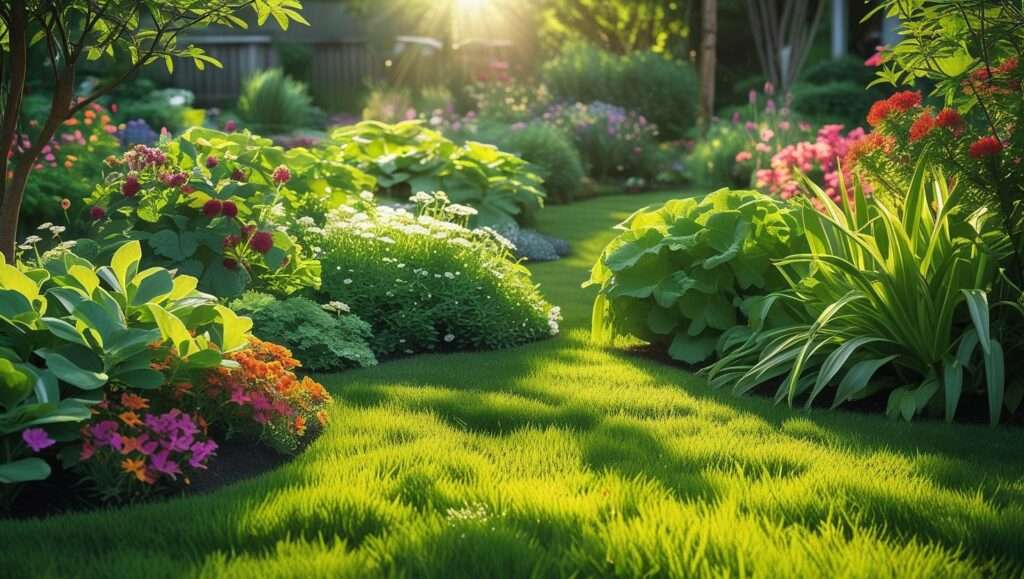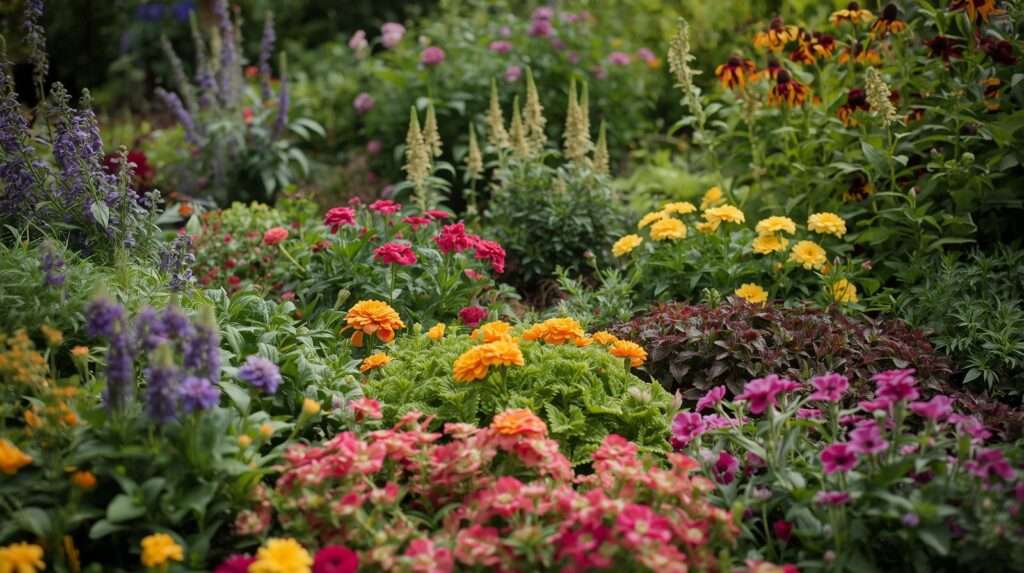
A beautiful perennial garden rarely happens by accident. Many gardeners start with enthusiasm, plant what looks attractive at the nursery, and months later face gaps in color, overcrowded plants, and constant maintenance. If you’re serious about Designing a Perennial Bed, success comes from thoughtful planning, plant knowledge, and long-term strategy — not impulse planting.
As someone who has worked with growers, landscapers, and home gardeners across diverse climates, I’ve seen how a well-designed perennial bed can transform a landscape. When planned properly, perennial plantings deliver season-long blooms, support pollinators, reduce labor, and improve soil health for years to come.
This comprehensive guide walks you step by step through professional design principles, plant selection strategies, and proven layout techniques to help you build a thriving, low-maintenance perennial garden that performs beautifully year after year.
Understanding the Basics of Perennial Bed Design
What Makes Perennials Different from Annuals
Perennials differ significantly from annuals in both growth patterns and management needs.
Key differences include:
-
Perennials return year after year
-
Annuals complete their lifecycle in one season
-
Perennials require long-term planning
Because perennials persist, poor placement can create long-term maintenance challenges.
Key Design Goals for a Successful Perennial Bed
Professional designers focus on three main goals:
Continuous Bloom:
Ensure flowers appear across all seasons.
Structural Balance:
Use height, spacing, and repetition for visual harmony.
Ease of Care:
Plan for mature size and maintenance needs.
These principles guide all successful perennial garden designs.
Site Assessment Before Designing a Perennial Bed
Evaluating Sunlight and Microclimate
Understanding your growing conditions is essential.
Assess:
-
Full sun (6+ hours)
-
Partial shade (3–6 hours)
-
Full shade (less than 3 hours)
Also consider:
-
Wind exposure
-
Heat reflected from walls
-
Moisture patterns
Matching plants to microclimate ensures long-term success.
Soil Testing and Preparation
Healthy soil supports strong perennial growth.
Steps:
-
Improve drainage with compost
-
Add organic matter
Avoid excessive fertilization, which promotes weak growth.
Step-by-Step Guide to Designing a Perennial Bed
Step 1: Define Shape, Size, and Layout

Choose a layout that complements your space.
Curved beds: natural and flowing
Straight beds: formal and structured
Consider:
-
Viewing angles
-
Accessibility
-
Maintenance pathways
Step 2: Plan Plant Layers and Structure
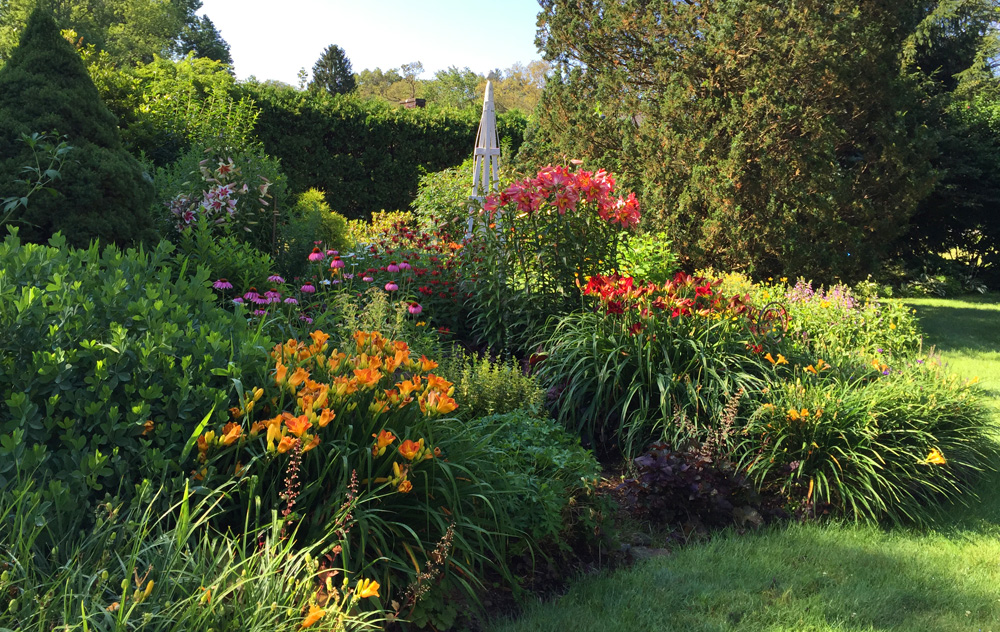
Use layered planting:
-
Tall plants in the back
-
Medium plants in the middle
-
Groundcovers in front
Layering creates depth and visual interest.
Step 3: Select Plants for Year-Round Interest

Plan bloom succession carefully:
Spring: tulips, phlox
Summer: coneflowers, salvia
Fall: asters, sedum
Mix foliage textures for winter interest.
Step 4: Design with Color, Texture, and Contrast
Professional strategies include:
-
Repeating colors for unity
-
Mixing foliage textures
-
Balancing warm and cool tones
These elements prevent visual clutter.
Step 5: Space Plants for Growth and Maintenance
Avoid overcrowding by planning for mature size.
Proper spacing improves:
-
Airflow
-
Disease resistance
-
Long-term appearance
Best Perennials for Different Conditions
Full Sun Perennials

Top choices:
-
Coneflower
-
Black-eyed Susan
-
Lavender
Shade-Loving Options

Excellent performers:
-
Hostas
-
Ferns
-
Astilbe
Drought-Tolerant Choices

Reliable options:
-
Yarrow
-
Blanket flower
-
Russian sage
Maintenance Planning for Long-Term Success
Seasonal Care Calendar
Spring:
-
Divide crowded plants
-
Refresh mulch
Summer:
-
Water during drought
-
Deadhead blooms
Fall:
-
Cut back selectively
-
Add compost
Dividing and Pruning Techniques
Divide perennials every 3–5 years for vigor.
Mulching and Weed Control
Organic mulch:
-
Conserves moisture
-
Suppresses weeds
-
Improves soil structure
Common Mistakes When Designing a Perennial Bed
-
Planting too densely
-
Ignoring mature height
-
Poor bloom planning
Design Styles and Inspiration

Popular styles:
-
Cottage gardens
-
Formal borders
-
Naturalistic plantings
Expert Tips for a Low-Maintenance Perennial Bed
-
Use native plants
-
Repeat plant groupings
-
Focus on soil health
Frequently Asked Questions (FAQs)
How wide should a perennial bed be?
Typically 4–8 feet.
How many plants should I include?
Depends on spacing and size.
Can beginners design successful beds?
Yes, with planning.
How do I avoid seasonal gaps?
Use bloom succession planning.
Conclusion: Create a Perennial Bed That Thrives for Years
Mastering Designing a Perennial Bed allows you to build a beautiful, resilient garden with less effort over time. With proper planning, thoughtful plant selection, and consistent care, your perennial bed will flourish season after season.
Invest in smart design now — and enjoy lasting beauty for years to come. 🌸🌿