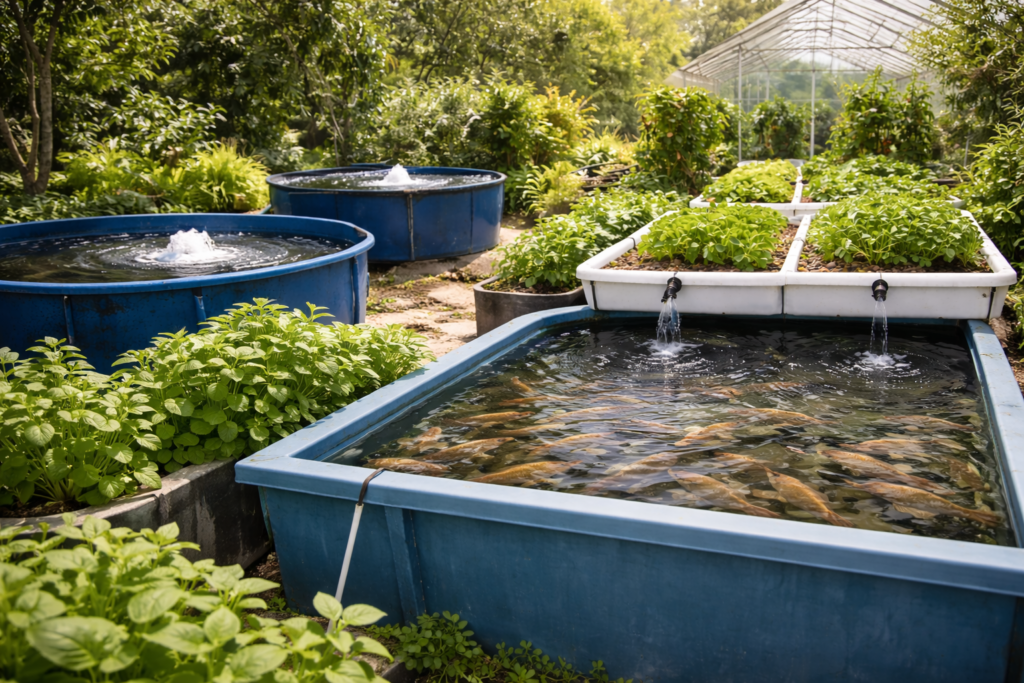
What if you could produce fresh, healthy fish at home—using simple materials, limited space, and a modest budget—while reducing grocery bills or even earning extra income?
That’s exactly why interest in a DIY Home Fish Farm has exploded in recent years.
Rising food prices, concerns about fish quality, and the desire for self-sufficiency have pushed many beginners to explore home-based fish farming. Yet most people fail before they start—not because fish farming is hard, but because they lack clear, practical guidance.
This guide is written from real-world agricultural experience, not theory. It strips away confusion and shows you how to build a simple, affordable, and productive DIY home fish farm step by step, even if you’ve never raised fish before.
By the end of this article, you’ll know:
-
Whether DIY fish farming is right for you
-
What system works best for beginners
-
How to build your setup with minimal cost
-
How to avoid the most common (and costly) mistakes
Let’s start with the fundamentals.
What Is a DIY Home Fish Farm? (Beginner-Friendly Explanation)
A DIY home fish farm is a small-scale fish farming system built using locally available or low-cost materials, designed for personal use or small income generation rather than commercial mass production.
Unlike large fish farms that require heavy investment, land, and machinery, DIY systems focus on:
-
Simplicity
-
Cost efficiency
-
Easy management
-
Gradual scaling
What Makes a Fish Farm “DIY”?
-
Uses plastic tanks, barrels, or ponds instead of expensive infrastructure
-
Built and managed by the farmer (you)
-
Flexible design that fits backyards, rooftops, or indoor spaces
-
Focused on learning, food security, and steady improvement
Common Goals of DIY Home Fish Farming
-
Producing safe, fresh fish for family consumption
-
Supplementing household income
-
Learning aquaculture skills step by step
-
Practicing sustainable food production
Expert insight:
Many successful small-scale fish farmers today started with a simple DIY setup before expanding. The skills you gain here matter more than the size of your first system.
Is DIY Home Fish Farming Right for You?
Before you invest time or money, it’s important to know whether this project aligns with your lifestyle and expectations.
Key Benefits of a DIY Home Fish Farm
1. Low Startup Cost
You can start with basic tanks, fingerlings, and feed—no heavy machinery required.
2. Minimal Space Requirement
A DIY fish farm can fit in:
-
A backyard
-
A rooftop
-
A garage
-
Even a spare room (with proper ventilation)
3. Control Over Fish Quality
You decide:
-
What feed is used
-
How water is managed
-
When fish are harvested
4. Scalable at Your Own Pace
Start small, learn, then add more tanks once confident.
Common Challenges (and How Beginners Overcome Them)
Fear of Fish Disease
Most fish diseases are caused by poor water quality—not “bad luck.” With basic monitoring, this risk drops dramatically.
Lack of Technical Knowledge
DIY fish farming does not require advanced science. You only need to understand a few key principles, which this guide explains clearly.
Worry About Daily Work
A well-managed DIY home fish farm typically needs 15–30 minutes per day.
Planning Your DIY Home Fish Farm (The Most Important Step)
Skipping planning is the number one reason beginners fail. A few smart decisions upfront prevent months of frustration later.
Choosing the Right Location
Your fish don’t care about luxury—but they do care about stability.
Ideal Location Characteristics
-
Easy access to clean water
-
Protection from direct extreme heat or cold
-
Good ventilation (especially for indoor setups)
-
Secure from predators and theft
Common Location Options
-
Backyard: Best overall option
-
Rooftop: Works if weight and drainage are managed
-
Garage or shed: Good for temperature control
-
Indoor room: Possible but requires careful aeration
Choosing the Right Fish Species for Beginners
Fish species selection directly affects survival rate, growth speed, and profitability.
Best Beginner-Friendly Fish Species
Tilapia
-
Extremely hardy
-
Fast-growing
-
Excellent feed conversion
-
High market demand
Catfish
-
Tolerates poor water conditions better than most fish
-
Suitable for tanks and ponds
-
Strong local market value
Common Carp
-
Ideal for pond systems
-
Grows well in varied climates
Expert recommendation:
For first-time DIY home fish farmers, tilapia or catfish offer the highest success rate.
DIY Home Fish Farm System Types
There is no “one-size-fits-all” system. The best system depends on space, budget, and goals.
Tank-Based DIY Fish Farming System
This is the most popular option for beginners.
Common Containers Used
-
Plastic water tanks
-
IBC containers
-
Food-grade barrels
-
Fiberglass tanks
Advantages
-
Easy to manage
-
Portable
-
Works in small spaces
-
Better control over water quality
Limitations
-
Requires regular water management
-
Limited stocking capacity per tank
Pond-Based DIY Fish Farming
Best suited for rural or semi-rural areas.
Pond Options
-
Earthen ponds
-
Lined ponds (plastic or tarpaulin)
Advantages
-
Lower maintenance once established
-
Natural food availability for fish
-
Higher stocking potential
Limitations
-
Requires land
-
Harder to control water quality precisely
Indoor DIY Fish Farming Systems
Indoor systems are gaining popularity in urban areas.
Key Considerations
-
Temperature control
-
Continuous aeration
-
Backup power options
Indoor systems offer excellent control but demand consistency and discipline.
Materials and Tools Needed for a DIY Home Fish Farm
You don’t need fancy equipment—only what truly matters.
Essential Materials
-
Fish tank or pond
-
Clean water source
-
Aeration device (air pump or blower)
-
Fish feed
-
Fingerlings (juvenile fish)
Optional but Highly Useful Tools
-
Water testing kit (pH, ammonia)
-
Backup aerator
-
Fish net
-
Thermometer
Cost Breakdown (Beginner Range)
-
Very low-budget setup: recycled containers + basic aeration
-
Moderate setup: plastic tanks + reliable air pump
Expert insight:
Spend money on aeration and quality fingerlings, not unnecessary accessories.
Step-by-Step Guide: How to Build a DIY Home Fish Farm
This is where everything comes together.
Step 1: Preparing the Tank or Pond
-
Wash the tank thoroughly (no soap residue)
-
Place it on a level, stable surface
-
Fill with clean water
-
Allow water to sit for 24 hours before stocking
Step 2: Installing Aeration and Water Flow
Oxygen is life for fish.
-
Install an air pump or aerator
-
Ensure bubbles are evenly distributed
-
Test system before adding fish
Step 3: Acclimating and Stocking Fingerlings
Never dump fingerlings directly into a new tank.
Proper acclimation process:
-
Float the fingerling bag in tank water for 15–20 minutes
-
Gradually mix tank water into the bag
-
Release fish gently
Stocking density tip:
Overstocking is the fastest way to fail. Start light.
Step 4: Feeding and Daily Management
-
Feed small amounts 2–3 times per day
-
Only feed what fish consume within 5 minutes
-
Remove uneaten feed
Observation is more important than feeding quantity.
Water Quality Management for DIY Home Fish Farming
Most problems in a DIY home fish farm start with water.
Key Water Parameters to Monitor
-
Temperature
-
Dissolved oxygen
-
pH level
-
Ammonia buildup
You don’t need laboratory precision—consistency matters more.
Simple Water Management Practices
-
Partial water changes (10–20% weekly)
-
Avoid overfeeding
-
Keep tanks clean
Fish Health, Disease Prevention, and Biosecurity
One of the biggest fears beginners have about a DIY home fish farm is disease—and rightly so. However, experienced fish farmers know a critical truth: most fish diseases are preventable.
Common Fish Diseases in DIY Home Fish Farms
Fish diseases usually arise from stress caused by poor water conditions, overcrowding, or improper feeding.
Common Beginner-Level Issues
-
Fungal infections (often from dirty water)
-
Bacterial infections (caused by stress or injuries)
-
Parasitic infestations (introduced with poor-quality fingerlings)
Early warning signs to watch for:
-
Fish swimming near the surface gasping for air
-
Loss of appetite
-
Clamped fins or unusual spots
-
Lethargy or erratic swimming
Preventive Measures That Actually Work
Prevention is far cheaper—and easier—than treatment.
Proven Preventive Practices
-
Maintain good water quality at all times
-
Avoid overstocking
-
Quarantine new fingerlings if possible
-
Use high-quality feed
-
Clean equipment regularly
Expert insight:
In years of small-scale aquaculture practice, water quality management alone prevents more than 80% of disease problems.
When and How to Treat Sick Fish
If disease appears:
-
Isolate affected fish immediately
-
Improve water quality first
-
Reduce feeding temporarily
-
Use treatments only when necessary
Avoid random medication use—it often causes more harm than good.
Feeding Strategies for Faster Growth and Higher Survival
Feeding is both the largest ongoing cost and the biggest growth driver in a DIY home fish farm.
Choosing the Right Fish Feed
A good feed should:
-
Match the species and growth stage
-
Have balanced protein levels
-
Sink or float as appropriate for the fish
Commercial vs Homemade Feed
-
Commercial feed: consistent results, higher cost
-
Homemade feed: cheaper, requires careful formulation
For beginners, commercial feed is safer and more predictable.
Feeding Frequency and Quantity
-
Juveniles: 2–3 times per day
-
Adults: 1–2 times per day
Feed only what fish consume within 5 minutes.
Common mistake:
Overfeeding causes water pollution faster than any other factor.
Understanding Feed Conversion Ratio (FCR)
FCR measures how efficiently fish convert feed into body weight.
-
Lower FCR = higher efficiency
-
Good management improves FCR dramatically
Harvesting Your Fish
Harvesting is the reward for good management.
When Is the Right Time to Harvest?
Harvest timing depends on:
-
Fish species
-
Market size requirements
-
Household consumption needs
Typical harvest timeline:
-
Tilapia: 5–7 months
-
Catfish: 4–6 months
Harvesting Methods for DIY Systems
Partial Harvesting
-
Removes larger fish first
-
Reduces crowding
-
Allows smaller fish to grow further
Complete Harvest
-
Used when resetting the system
-
Ideal for major sales or family events
Handle fish gently to reduce stress and quality loss.
Profitability: Can a DIY Home Fish Farm Make Money?
Yes—but only with realistic expectations.
Income Potential of a DIY Home Fish Farm
Profit depends on:
-
Feed efficiency
-
Survival rate
-
Fish size at harvest
-
Local market prices
Even small systems can:
-
Offset household food costs
-
Generate steady side income
Common Profit-Killing Mistakes to Avoid
-
Overstocking tanks
-
Buying poor-quality fingerlings
-
Ignoring water management
-
Expanding too fast
Expert insight:
Successful DIY fish farming is about consistency, not shortcuts.
Scaling Up Your DIY Home Fish Farm
Once you master one system, scaling becomes easier.
Smart Ways to Scale
-
Add tanks gradually
-
Improve feeding efficiency
-
Reduce mortality before increasing stock
-
Reinvest profits instead of borrowing
Many farmers evolve from DIY setups into semi-commercial operations over time.
Expert Tips for Long-Term Success
These principles separate long-term success from short-lived experiments.
1. Start Small, Learn Fast
Mistakes are cheaper at small scale.
2. Observe Your Fish Daily
Fish behavior is your best diagnostic tool.
3. Keep Simple Records
Track feeding, growth, and water changes.
4. Focus on Water First
Healthy water = healthy fish.
5. Stay Patient
Fish farming rewards consistency, not impatience.
Frequently Asked Questions (SEO-Optimized)
How much does it cost to start a DIY home fish farm?
Costs vary, but beginners can start with minimal investment using recycled tanks and basic aeration.
What is the easiest fish to raise at home?
Tilapia is widely considered the easiest and most forgiving species.
Can I do DIY fish farming without electricity?
Yes, but survival rates improve significantly with aeration support.
How often should I change the water?
Typically 10–20% weekly, depending on stocking density and feeding.
How long does it take to harvest fish?
Most species reach harvest size in 4–7 months under good management.
Final Thoughts: Is a DIY Home Fish Farm Worth It?
A DIY home fish farm is not just a farming project—it’s a practical skill that builds food security, saves money, and opens doors to sustainable income.
When done correctly:
-
It is affordable
-
It is manageable
-
It is scalable
-
It is deeply rewarding
The key is not complexity—but consistency, patience, and smart planning.
If you start small, manage water carefully, and learn from your fish daily, your DIY home fish farm can become one of the most valuable assets you build at home.