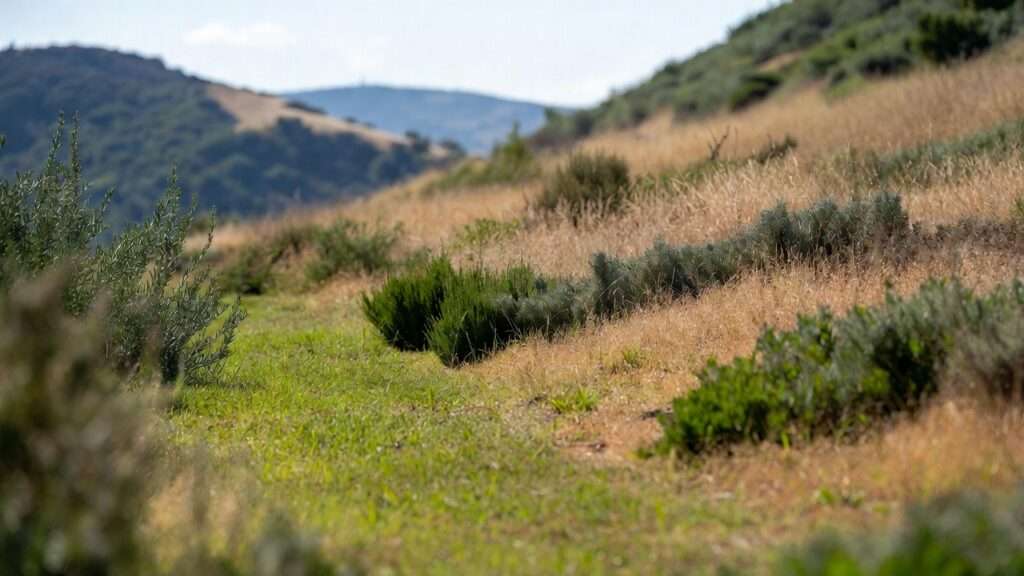
In an era of increasing water scarcity, rising utility costs, and climate uncertainty, traditional lawns are becoming a luxury few can afford—both financially and environmentally. Conventional turfgrass often demands frequent irrigation, regular mowing, and chemical inputs, contributing to high water bills and ecological strain. Yet, beautiful, functional outdoor spaces don’t have to come at such a steep price. Drought-resistant lawns and meadows provide a practical, sustainable alternative: resilient landscapes that thrive with significantly less water, require minimal upkeep, and enhance biodiversity while delivering year-round visual appeal.
This comprehensive guide draws from agronomic research, extension service recommendations, and real-world applications to help you transition to low-water landscapes. Whether you’re a homeowner facing drought restrictions, a gardener seeking eco-friendly options, or someone simply tired of endless lawn maintenance, you’ll find actionable steps, plant recommendations, and proven strategies here. By choosing drought-tolerant grasses, native perennials, and meadow-style plantings, many achieve 50-80% reductions in landscape water use compared to traditional lawns, according to sources like the EPA WaterSense program and various university studies—savings that translate to lower bills, healthier soil, and support for pollinators and wildlife.
Why Choose Drought-Resistant Lawns and Meadows?
Switching to drought-resistant options addresses core challenges: water conservation, cost efficiency, environmental impact, and lifestyle convenience.
Water Conservation and Cost Savings Traditional lawns, especially cool-season varieties like Kentucky bluegrass or tall fescue in non-native regions, can require 1-2 inches of supplemental water weekly during peak summer—often 30-50 inches annually in arid or semi-arid areas. In contrast, drought-resistant alternatives like buffalograss or native meadows often rely primarily on natural rainfall after establishment, with occasional deep watering. Studies show conversions can save 30-80% on outdoor water use; for example, xeriscape-style replacements have demonstrated averages of 19-62 gallons saved per square foot of turf removed in programs across the U.S. This directly lowers utility bills and qualifies for rebates in many municipalities promoting water-wise landscaping.
Environmental Benefits These landscapes reduce chemical runoff from fertilizers and pesticides common in conventional turf management. Native plants and grasses improve soil structure, enhance carbon sequestration, prevent erosion, and create vital habitats. Meadows, in particular, boost pollinator populations—bees, butterflies, and birds—by providing diverse nectar and pollen sources throughout seasons, contributing to broader biodiversity efforts amid declining insect populations.
Low Maintenance Lifestyle Say goodbye to weekly mowing. Many drought-resistant lawns need cutting only a few times per season, while meadows often require annual or biennial trimming. Fertilizer needs drop dramatically—often to zero or minimal organic applications—as these plants are adapted to lean conditions. This frees up time and reduces equipment wear and fuel use.
Aesthetic and Functional Appeal Far from barren, drought-resistant designs offer rich textures, seasonal color changes, and natural movement. A buffalograss lawn provides a soft, prairie-like green carpet suitable for light foot traffic, while meadows deliver waves of wildflowers against grassy backdrops—evolving beauty from spring greens to summer blooms and fall seed heads.
Health and Safety Reduced pesticide reliance means safer spaces for children, pets, and families. Some options lower grass pollen allergens, and diverse plantings create cooler microclimates through shade and transpiration.
Understanding the Differences: Drought-Resistant Lawns vs. Meadows
While both emphasize water efficiency, they serve different purposes and aesthetics.
Drought-Resistant Lawns These mimic traditional turf: low-growing, walkable surfaces for play, pathways, or formal yards. They use specialized grasses with deep roots and efficient water use, maintaining a manicured look with far less input.
Drought-Resistant Meadows More naturalistic, these feature mixes of native grasses and flowering perennials for larger or wilder areas. They prioritize biodiversity and seasonal interest over uniform appearance, ideal for pollinator gardens, erosion-prone slopes, or low-traffic zones.
Hybrid Approaches Combine both: edge meadows with low-mow grass borders for structure, or create zoned landscapes—turf in high-use areas, meadows elsewhere—to balance function and ecology.
Best Drought-Tolerant Grasses for Lawns
Selection depends on your region (warm-season vs. cool-season), soil, sun, and traffic. Warm-season grasses excel in hot, southern climates; cool-season in northern or transitional zones.
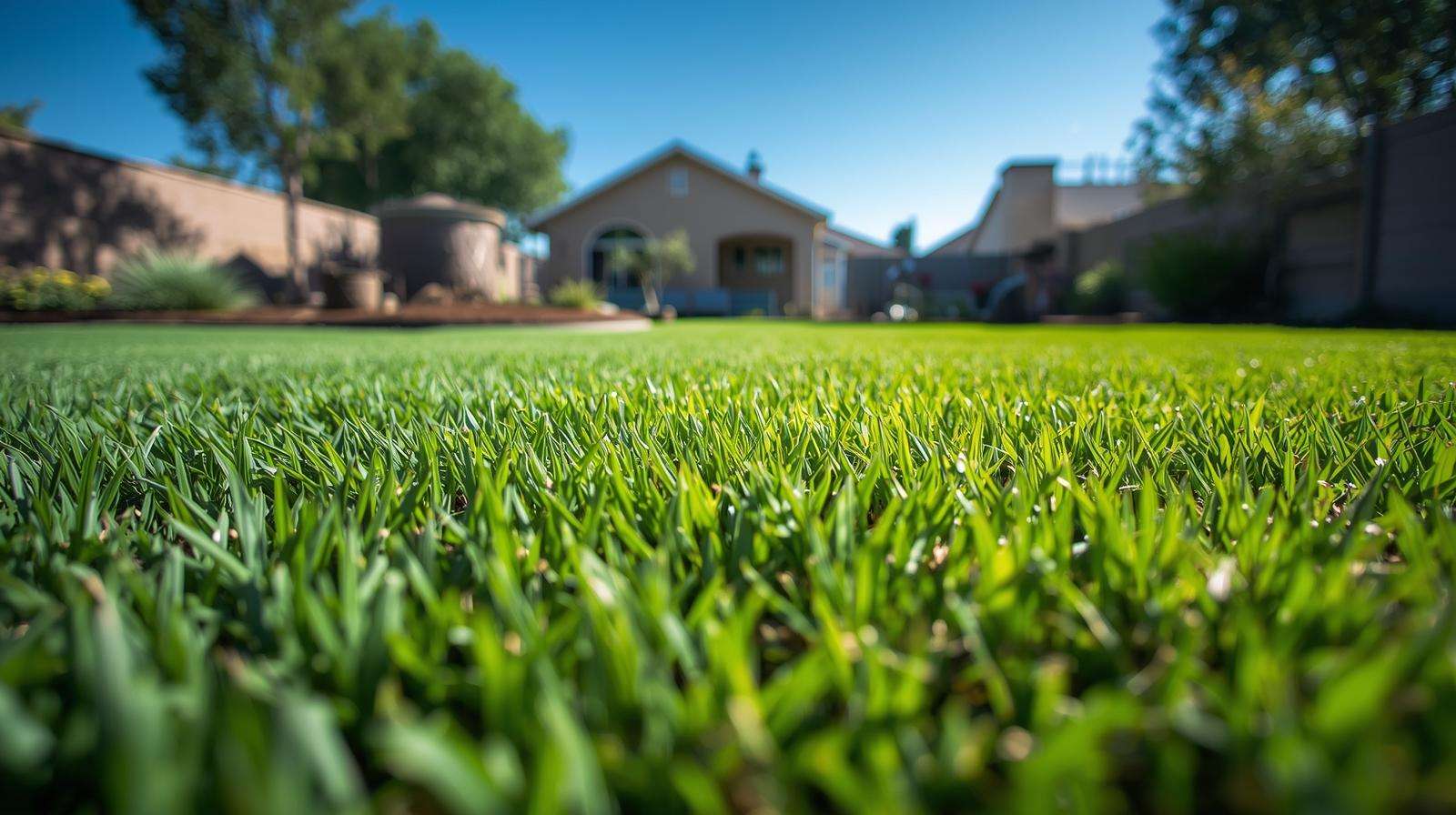
Buffalograss Native to the Great Plains, this warm-season grass is among the most drought-tolerant. It features fine texture, low growth (often 4-6 inches unmowed), and deep roots. Water needs: minimal after establishment (0.5-1 inch/week to prevent dormancy). Maintenance: infrequent mowing, low nitrogen (0-1 lb/1,000 sq ft/year). Best for: full sun, dry climates (Central/West U.S.), eco-conscious yards. Drawback: slower establishment, browns in winter.
Bermudagrass A top performer in hot, dry southern regions (Southwest, Southeast, Texas). Fast-spreading via stolons/rhizomes, excellent heat and drought tolerance. Water: 0.75-1 inch every 5-10 days when active. Maintenance: regular mowing (1-2 inches height), moderate fertility. Pros: quick recovery, heavy traffic tolerance. Cons: aggressive, invasive in some areas; dormant in winter.
Zoysiagrass Dense, carpet-like texture with good shade tolerance in varieties. Drought-resistant once established, slower growth means less mowing. Water: infrequent deep soaks. Maintenance: low fertilizer, thatch management needed. Ideal for: transitional zones, upscale looks.
Tall Fescue Deep-rooted cool-season standout for drought-prone northern/transitional areas. Excellent heat/drought tolerance with shade adaptability. Water: modest irrigation during dry spells. Maintenance: 2-3.5 inch mowing, moderate nitrogen. Pros: year-round green in many climates.
Fine Fescues (e.g., creeping red, hard, sheep) Low-maintenance cool-season mixes for shade/dry spots. Bunch-type growth, minimal water/fertilizer. Best for: northern lawns, low-traffic.
Other notables: Bahiagrass (coarse, very drought-hardy Southeast), St. Augustine (coastal shade-tolerant, select cultivars).
For quick comparison:
- Buffalograss: Lowest water/mow, native appeal.
- Bermudagrass: Fastest establishment, traffic king.
- Tall fescue: Versatile cool-season drought fighter.
Consult local extension services for region-specific cultivars.
Creating a Stunning Drought-Resistant Meadow
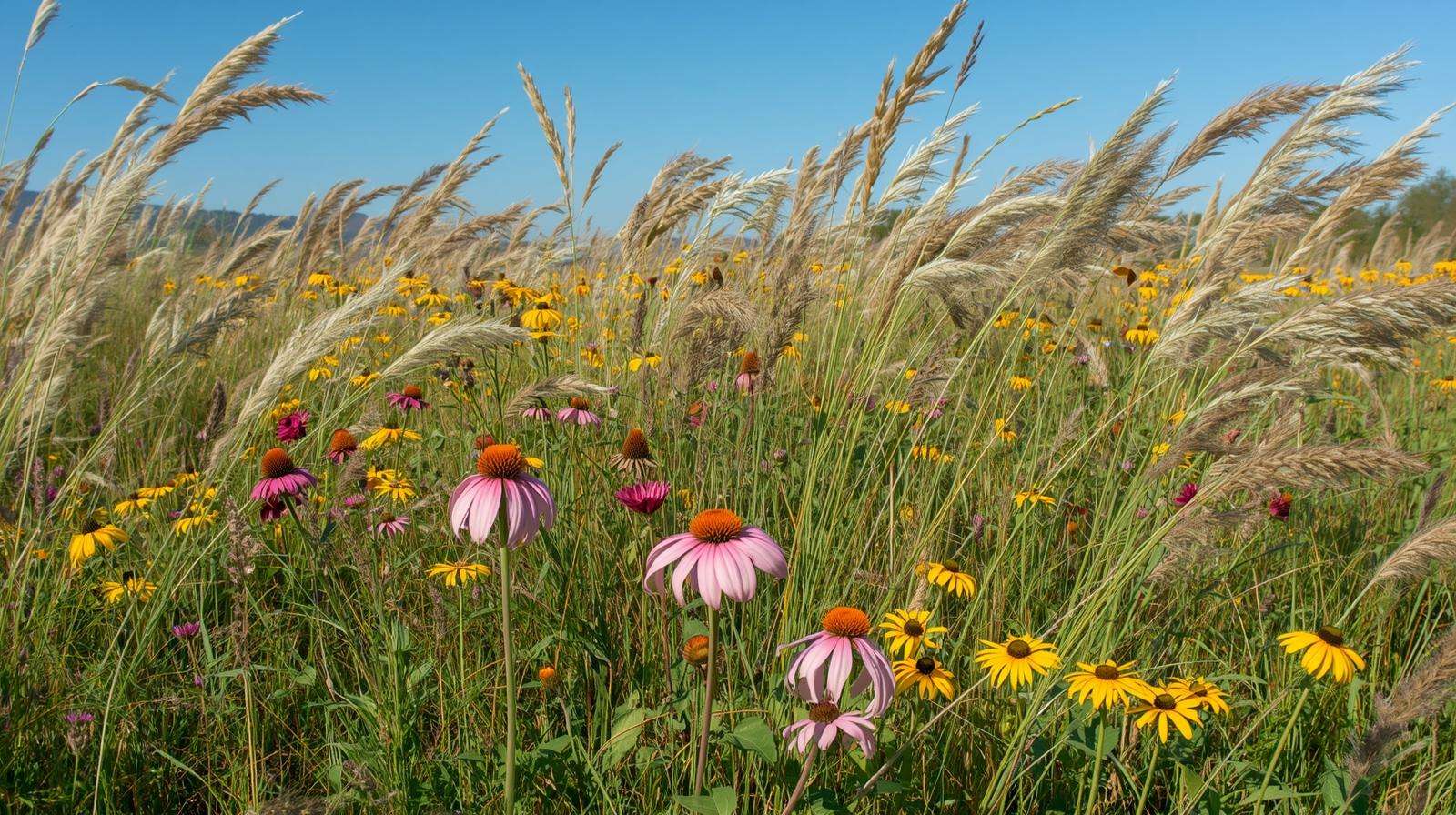
Meadows shine in biodiversity and seasonal drama, using native grasses (50-80% of mix) with perennials for color succession.
Key plant types:
- Grasses: little bluestem, switchgrass, side-oats grama, purple needlegrass (regional natives).
- Wildflowers: coneflowers (Echinacea), black-eyed Susans (Rudbeckia), yarrow, milkweed, coreopsis, blazing star.
- Perennials for structure: asters, goldenrods, bee balm.
Seed mix strategy: Choose regional native blends for adaptation—avoid non-natives that become invasive. Design for bloom waves: early spring bulbs, summer daisies, fall composites.
Principles: Layer heights/textures, ensure succession, harmonize colors for polished wild look.
Step-by-Step Installation Guide
Transforming your landscape starts with careful planning and execution. A successful conversion typically takes 1–3 years to fully establish, but the payoff in reduced maintenance and water use begins sooner.
Site Assessment and Planning Begin by evaluating your space thoroughly. Test soil pH, texture, drainage, and nutrient levels—many drought-resistant plants thrive in lean, well-drained soils rather than rich, amended ones. Map sun exposure (full sun for most options, partial shade for fine fescues or certain meadows), slope (for erosion control), and intended use (play areas favor turf-like lawns; wildlife gardens suit meadows). Check local regulations, HOA rules, or water restrictions. In regions like tropical or subtropical climates (e.g., parts of South Asia or similar humid zones), prioritize heat- and humidity-tolerant species while ensuring good drainage to avoid waterlogging. Use tools like USDA hardiness zone maps or local extension resources to match plants. Plan zones: high-traffic turf near patios, meadows in low-use or sloped areas.
Removing Existing Lawn Eliminate old turf to reduce competition. Options include:
- Solarization: Cover with clear plastic for 4–8 weeks in hot sun to kill weeds and grass via heat—eco-friendly and effective in sunny climates.
- Sheet mulching: Layer cardboard/newspaper, then 4–6 inches of mulch/compost; smothers grass over months while building soil.
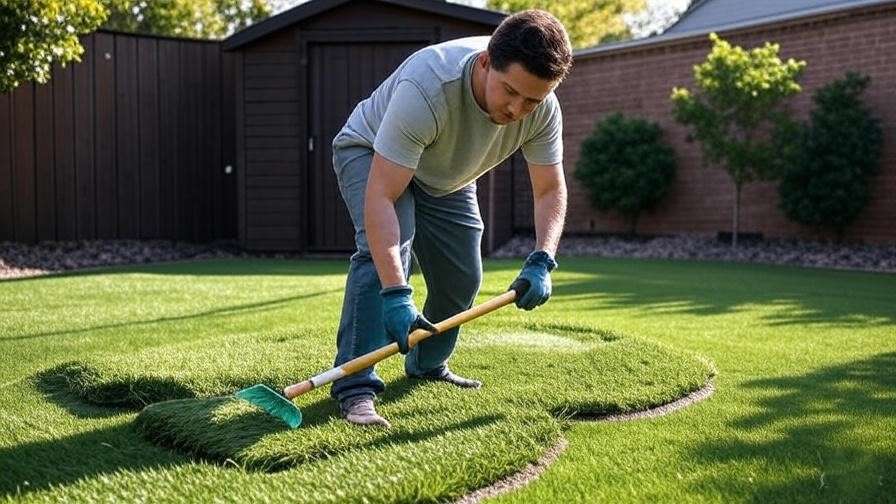
- Sod cutter or manual removal: Fast but labor-intensive; rent equipment for larger areas. Avoid broad herbicide use unless necessary, and follow label instructions. In tropical areas with year-round growth, repeat treatments may be needed.
Soil Preparation Minimal intervention preserves native soil biology. Lightly till or aerate if compacted, then incorporate a thin layer (1–2 inches) of compost for initial microbial boost—avoid heavy fertilization, as drought-tolerant plants prefer low-nutrient conditions. Improve drainage with sand or gravel if needed, but don’t over-amend. For meadows, poor soil often favors natives over invasives.
Planting Options
- Seeding: Most economical for large areas. Best timing: fall for cool-season grasses/meadows (allows root establishment before winter), spring for warm-season. Use rates per package (e.g., 5–10 lbs/1,000 sq ft for buffalograss). Broadcast evenly, rake lightly, and roll for seed-to-soil contact. Hydroseeding (professional slurry mix) speeds germination.
- Plugs/sod/transplants: Faster results for lawns. Plant plugs 6–12 inches apart; sod for instant coverage (but higher water initially). Ideal for Zoysiagrass or Bermudagrass.
- Professional installation: Worth considering for complex sites or large meadows.
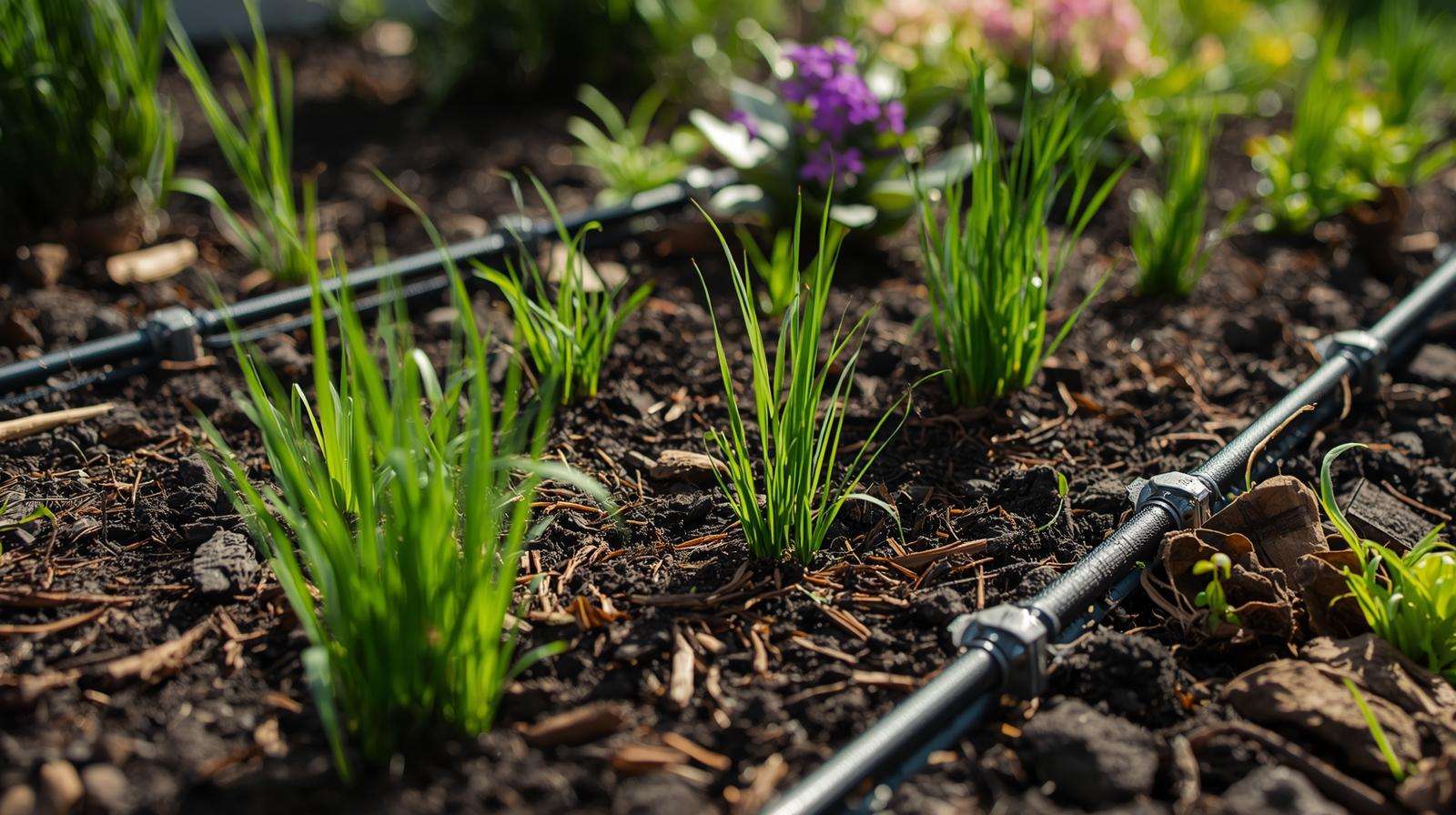
Initial Watering and Establishment Water deeply but infrequently to encourage deep roots—1 inch per session, 2–3 times weekly initially, tapering as plants establish. Use mulch (2–3 inches organic or gravel) to retain moisture and suppress weeds. In the first season, expect more watering; by year 2, many rely on rainfall except in extreme drought. Monitor for dormancy (browning is normal in buffalograss during dry periods—it’s survival, not death).
Timeline: Year 1 focuses on establishment (weeds common, sparse appearance); Year 2–3 brings density, blooms, and resilience.
Maintenance Tips for Long-Term Success
Once established, these landscapes demand far less effort.
Watering strategies post-establishment: Rely on natural rainfall; supplement only during prolonged dry spells with deep, infrequent soaks (every 10–14 days). Install rain sensors or smart controllers to avoid overwatering. In tropical humid climates, natural precipitation often suffices after roots deepen.
Mowing/weeding: Drought-resistant lawns like buffalograss mow 2–4 times/year at 3–4 inches; meadows often once annually in late winter/early spring (or after seed set for self-seeding). Use sharp blades; leave clippings. Weed by hand or spot-treat—dense planting crowds out invaders.
Fertilizing and amendments: Minimal—over-fertilizing encourages weeds. Apply slow-release organic nitrogen sparingly (0–1 lb/1,000 sq ft/year) if growth lags. Focus on soil health via mulch and occasional compost top-dressing.
Pest/disease management: Native-adapted plants resist most issues. Promote beneficial insects; use integrated pest management (e.g., neem oil for outbreaks). Avoid broad-spectrum chemicals.
Seasonal care: Spring cleanup (remove dead material); fall overseeding if gaps appear; winter protection minimal (mulch in colder zones).
Common Challenges and Solutions
Weed invasion during establishment: Persistent spot-weeding and thick mulching help; patience allows natives to outcompete.
Slow germination/growth: Proper timing and consistent moisture speed it; choose regionally adapted seed.
Dealing with dormancy: Brown periods in buffalograss or warm-season grasses are natural—educate family/neighbors it’s healthy.
Wildlife interactions: Positive (pollinators thrive); manage deer/rabbits with fencing or repellents if needed.
Regional adaptations: For clay soils, ensure drainage; high winds favor low-growing bunchgrasses; tropical/humid areas suit Bermudagrass or vetiver for erosion control.
Case Studies and Real-World Examples
In arid Southwest U.S., Las Vegas xeriscape conversions saved an average 55.8 gallons per square foot annually, with 30% overall household water reduction after turf removal and efficient irrigation. Homeowners reported lower maintenance (26 fewer hours/year) and costs.
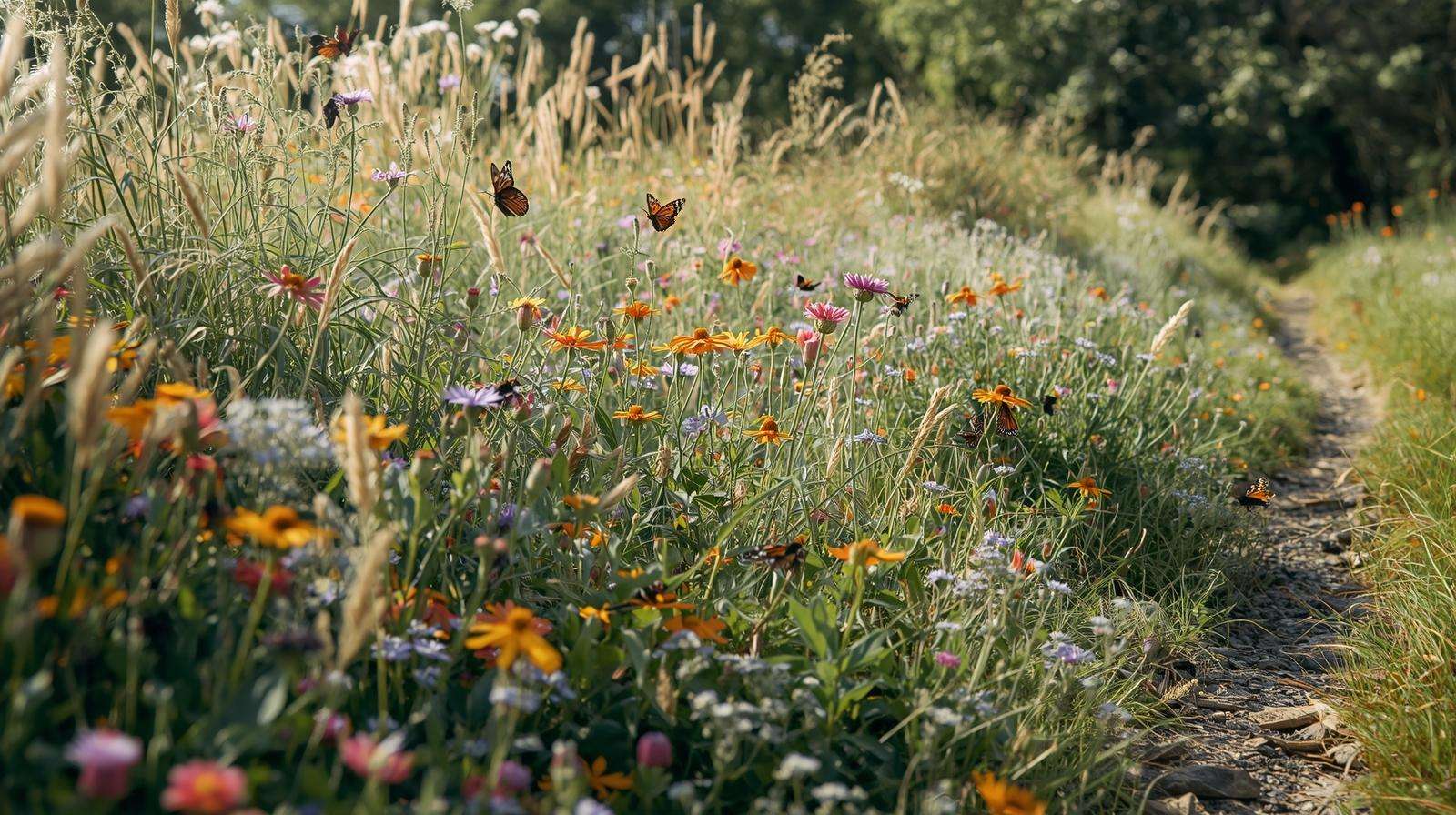
Midwest prairie restorations using native mixes (little bluestem, coneflowers) transformed former lawns into vibrant meadows supporting monarch butterflies and birds, with near-zero supplemental water after year 2.
In transitional zones, tall fescue blends reduced irrigation by 30% while maintaining green appearance longer than warm-season options.
These examples, backed by university extensions and water authorities, show reliable success when following site-specific plans.
FAQs
How much water do drought-resistant lawns/meadows really save? Typically 50–80% compared to traditional turf, or 19–62 gallons per square foot annually depending on climate and conversion (e.g., Southern Nevada studies showed 55.8 gpsf savings).
Can I convert gradually? Yes—start with small patches or zones to test and build confidence.
Are they pet-friendly? Most are safer without chemicals; buffalograss and fine fescues handle light traffic well; avoid toxic plants in mixes.
What’s the best option for small yards? Low-mow buffalograss or fine fescue for lawn-like feel; small meadow pockets with plugs for color.
How do I choose native plants for my area? Consult local extension offices, native plant societies, or databases for region-specific lists—prioritize natives for best adaptation and ecology.
Conclusion
Embracing drought-resistant lawns and meadows isn’t just about surviving dry conditions—it’s about creating thriving, beautiful, low-effort landscapes that benefit your wallet, health, and the environment. With deep-rooted plants, smart design, and minimal inputs, you’ll enjoy resilient green spaces that support pollinators, conserve water, and require far less time.
Start small: assess one area, remove turf, plant adapted species, and observe. Reach out to local agricultural extensions, native nurseries, or conservation groups for tailored advice. The transformation rewards patience with lasting beauty and sustainability—your yard can become part of the solution to water security and biodiversity loss.