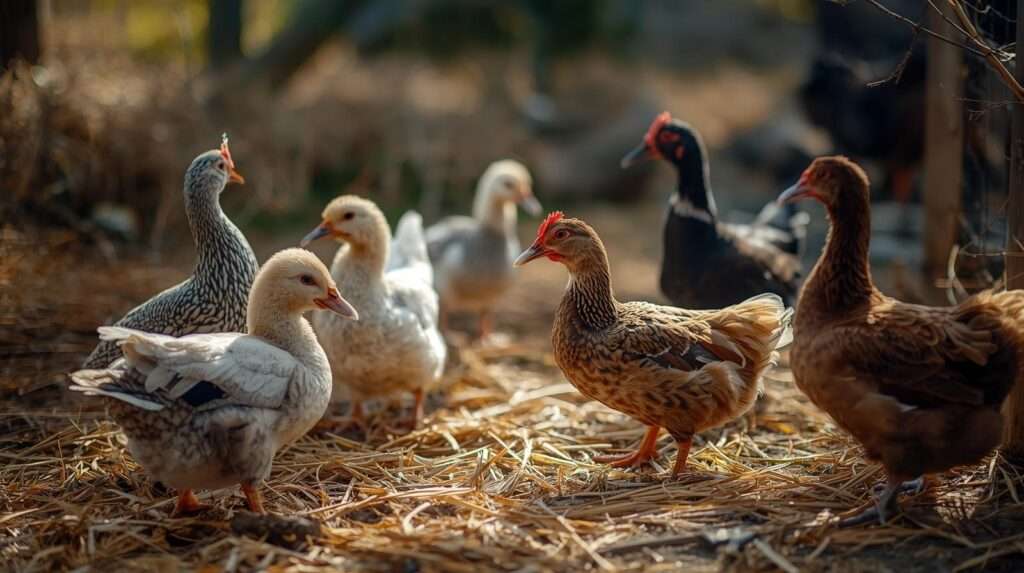
Imagine stepping into your backyard each morning to the cheerful quacks and clucks of a thriving mixed flock, collecting a colorful assortment of eggs—rich, large duck eggs alongside the reliable brown or white ones from your chickens—while both species work together to patrol for pests like slugs, snails, and insects. For many homesteaders and backyard poultry enthusiasts, this harmonious scene is not just a dream; it’s an achievable reality. Ducks and chickens together can create a dynamic, productive poultry system that maximizes space, boosts natural pest control, and diversifies your egg harvest.
However, the key word here is “can”—because while it’s entirely possible to raise ducks and chickens together successfully, it requires thoughtful planning and management. Ducks are messier with water, have different housing preferences, and can introduce unique challenges like wet bedding that affects chicken health. Chickens, meanwhile, often roost high and may bully newcomers if introductions go poorly.
As someone with extensive experience managing mixed flocks on small-scale homesteads (including years of observing breed interactions, troubleshooting common issues, and optimizing setups for health and productivity), I’ve seen firsthand what works and what leads to frustration. In this comprehensive guide, we’ll cover everything from compatibility basics to advanced tips on housing, feeding, health, and introductions—drawing from proven poultry management practices, real-world observations, and expert recommendations. Whether you’re a beginner considering your first mixed flock or an experienced keeper looking to refine your system, you’ll find actionable steps to make ducks and chickens together a rewarding part of your agricultural routine.
By the end, you’ll have the knowledge to avoid common pitfalls, ensure animal welfare, and enjoy the benefits of a well-balanced mixed poultry flock.
Can Ducks and Chickens Live Together? The Real Answer
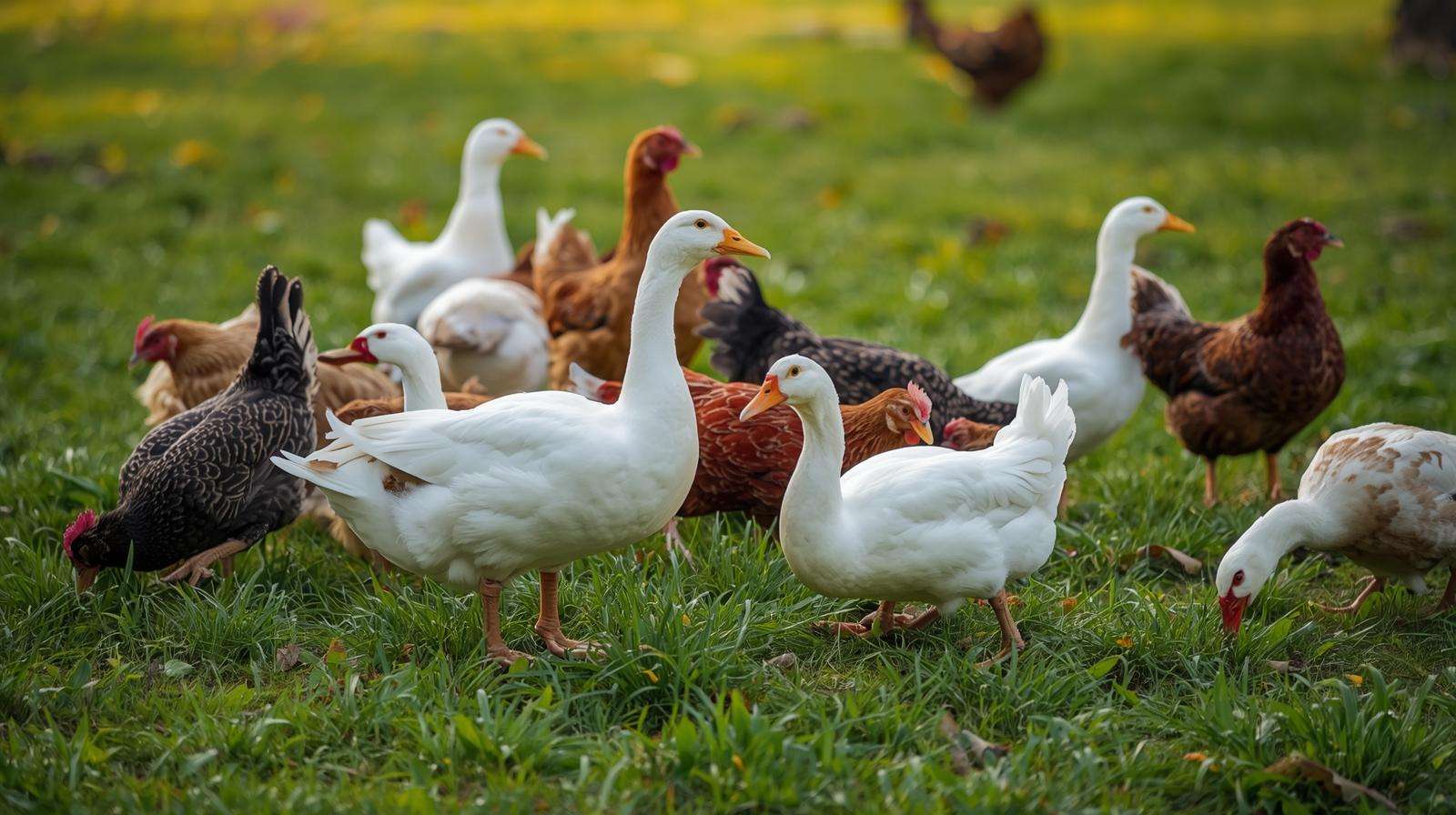
Yes, ducks and chickens can live together safely and peacefully in most cases, provided their basic needs are met and you address species-specific differences proactively.
Compatibility largely depends on several factors:
- Space availability — Ample room reduces competition and allows each species to retreat to their preferred areas. In confined setups, tensions rise quickly. Most experts recommend at least 10–15 square feet per bird in the run, with 20+ square feet ideal for long-term harmony.
- Introductions and age — Birds raised together from a young age (ducklings and chicks brooded side-by-side) often bond better and view each other as flockmates. Introducing adults requires a gradual “see but don’t touch” phase.
- Sex ratios and breeds — Avoid keeping drakes (male ducks) with chicken hens, as drakes can cause serious injury during mating attempts due to their rougher anatomy and stronger drive. Roosters may also harass ducks. Opt for all-female flocks or ensure drakes have sufficient duck hens (at least 3–4 per drake) to redirect attention. Docile breeds like Indian Runner or Khaki Campbell ducks pair well with calm chicken breeds such as Orpingtons or Wyandottes.
- Temperament — Aggressive individuals in either species can disrupt harmony, but with space, most flocks settle into a natural pecking (and quacking) order.
In my experience and from reports by many backyard keepers, mixed flocks thrive when space is generous and resources like food and water are plentiful to prevent guarding. If your setup is small or you notice persistent bullying, separate housing is the kinder, safer choice. But with proper management, many keepers maintain mixed flocks for years without major issues—enjoying the complementary behaviors where ducks excel at wet-area foraging and chickens handle dry-ground pest control.
Pros and Cons of Raising Ducks and Chickens Together
Raising ducks and chickens together offers clear advantages but also realistic drawbacks. Understanding both sides helps you decide if a mixed flock fits your goals and resources.
Pros:
- Superior pest control — Ducks are enthusiastic slug, snail, frog, and tadpole hunters, thriving in damp areas where chickens hesitate. Chickens focus on flying insects, ticks, grasshoppers, and grubs, creating a more complete natural pest management team for your garden or yard.
- Diverse egg production — Ducks often lay larger, richer eggs (with higher fat and nutrient content, ideal for baking) consistently through winter when chicken production dips due to shorter daylight. A mixed flock extends your fresh egg supply year-round.
- Efficient land and resource use — Shared runs and coops maximize backyard space. Ducks’ foraging reduces feed costs, while their manure adds nitrogen-rich fertilizer to compost piles—great for garden fertility.
- Dynamic backyard ecosystem — The combination creates a lively, interactive environment. Ducks’ water play can keep areas moist for worms and insects, benefiting chicken scratching.
- Added resilience — Ducks are generally hardier against cold, wet conditions, and some diseases, providing flock stability during harsh weather.
Cons:
- Water mess and mud — Ducks splash and submerge their heads while drinking and bathing, turning runs muddy and soaking bedding—leading to wet, ammonia-heavy conditions that can cause respiratory stress in chickens.
- Housing mismatches — Chickens need elevated roosts for safety, comfort, and to stay dry; ducks prefer flat, ground-level sleeping and dislike perching.
- Disease and parasite risks — While not drastically higher than single-species flocks, cross-species transmission (e.g., certain parasites, bacteria like E. coli in wet environments, or respiratory issues from damp bedding) is possible. Wet conditions can exacerbate coccidiosis in young chickens.
- Feeding competition and nutritional differences — Ducks require higher niacin for strong legs and joints; chickens thrive on standard layer feed. Ducks eat messily, wasting food and wetting it, which can spoil quickly.
- Potential aggression or bullying — Chickens’ sharp beaks can injure ducks’ softer skin, while larger ducks may dominate resources. Drakes pose the biggest risk to hens, and overcrowding amplifies squabbles.
Overall, the pros often outweigh the cons for keepers with adequate space and commitment to daily management. Many long-term mixed-flock owners report minimal issues after initial setup tweaks, with the added joy of watching two species complement each other.
Housing a Mixed Flock: Coop and Run Setup
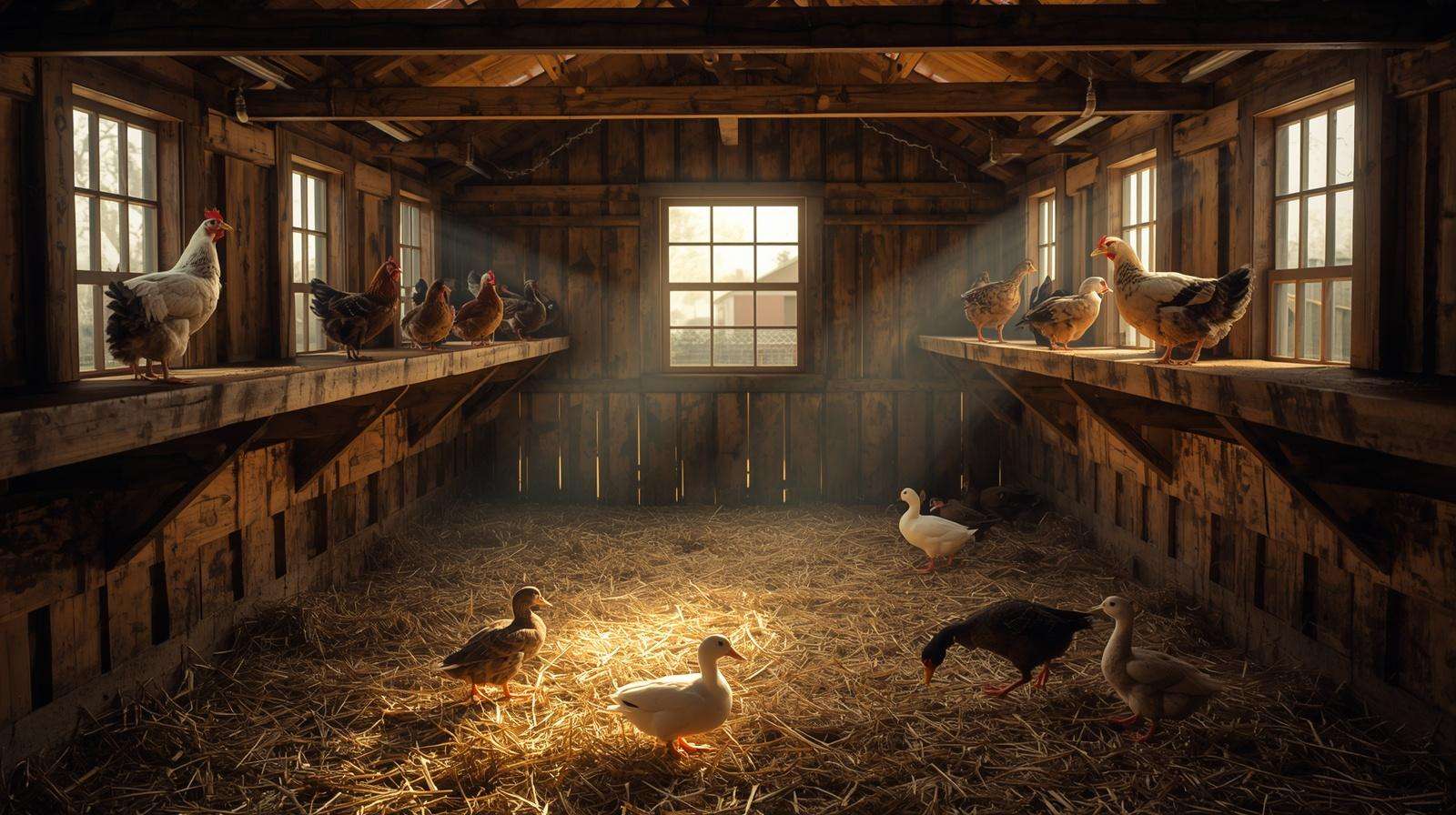
Proper housing is the foundation of success when raising ducks and chickens together. The goal is a dry, well-ventilated coop for night safety and a spacious, well-drained run for daytime activity.
Coop Design Requirements Chickens prefer roosting 2–4 feet off the ground to avoid ground predators and stay clean/dry. Provide sturdy roosts (2×4 boards flat-side up for foot health) with enough space (8–12 inches per bird). Ducks sleep on the floor, so allocate a clean, straw- or pine-shaving-bedded area away from roosts to prevent droppings from above. Use the deep litter method (adding absorbent materials weekly and turning occasionally) but monitor moisture closely—ducks add significant humidity. Ensure excellent cross-ventilation (windows, vents high up, or ridge vents) to exhaust moist air without drafts at bird level. Predator-proof with ½-inch hardware cloth on all openings and secure latches. Minimum coop space: 4 square feet per bird, but aim for more in mixed setups.
Run and Space Recommendations Aim for 10–15 square feet per bird minimum in the run; 20+ is ideal for harmony and natural behaviors. Divide the run into zones if possible—dry scratching areas with sand or wood chips for chickens, gravel or sloped sections for ducks to reduce mud tracking. Use sand, pea gravel, or wood chips as base material for better drainage. Fence securely (at least 4–6 feet high, buried 12 inches to deter diggers) and cover tops if aerial predators like hawks are common.
Water Management Solutions This is often the biggest challenge in mixed flocks. Use nipple drinkers, cups, or poultry fountains elevated for chickens to keep water clean and dry. For ducks, provide a separate kiddie pool, large tub, or child’s wading pool in a corner on gravel or a sloped drainage area for bathing and head-dipping (essential for nostril cleaning and eye health)—change water daily or use a simple siphon/drain system. Position pools away from main traffic and coop entrance to contain splashes. In winter, use heated buckets to prevent freezing; in summer, add shade to avoid overheating. Add ramps if ducks struggle to enter/exit pools.
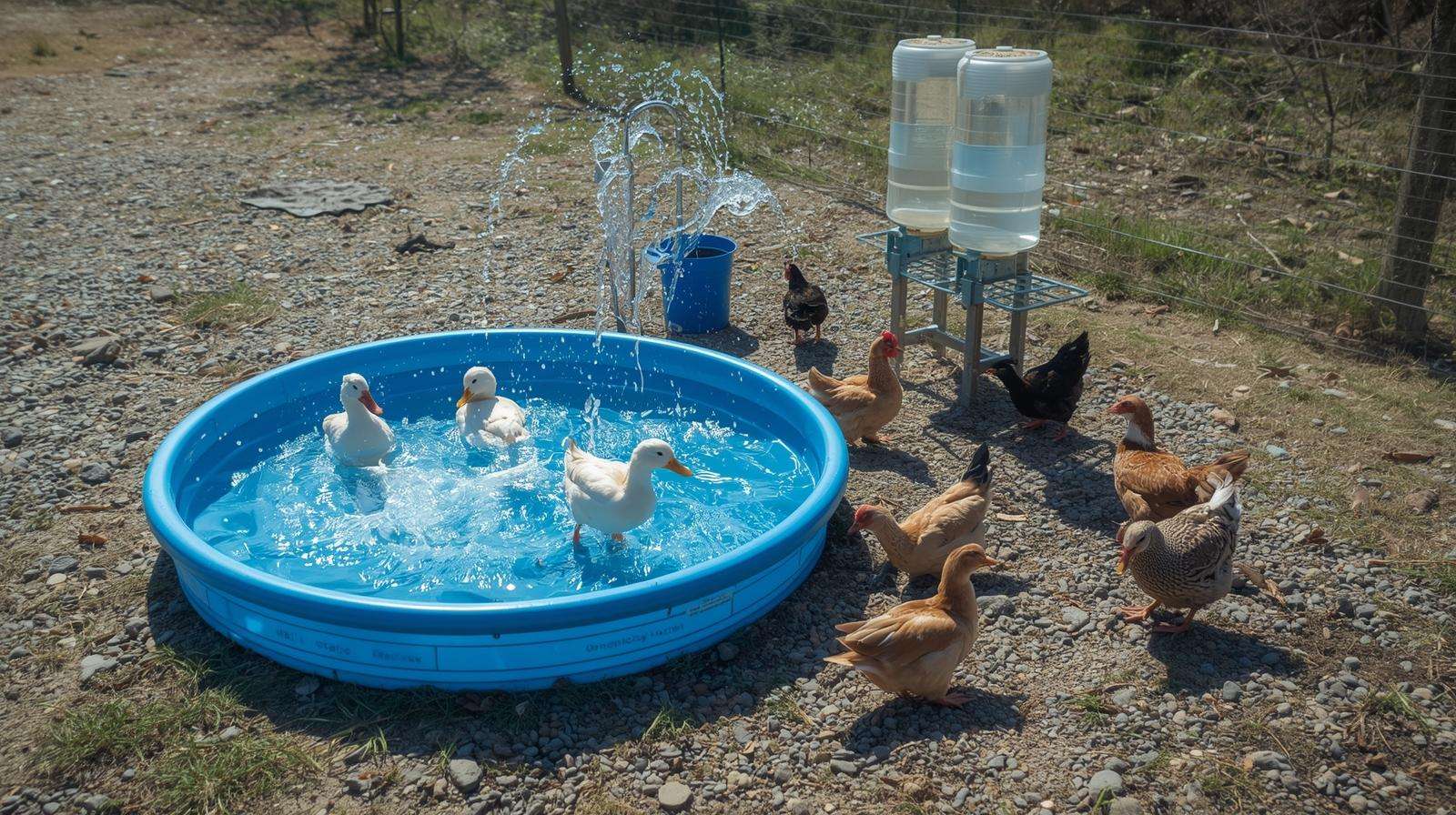
Expert tip: Many successful keepers use automatic nipple waterers for chickens inside the coop (or on raised platforms) and outdoor pools for ducks only. Regular raking, refreshing bedding, and occasional lime application keep conditions sanitary and odor-free.
Feeding Ducks and Chickens Together
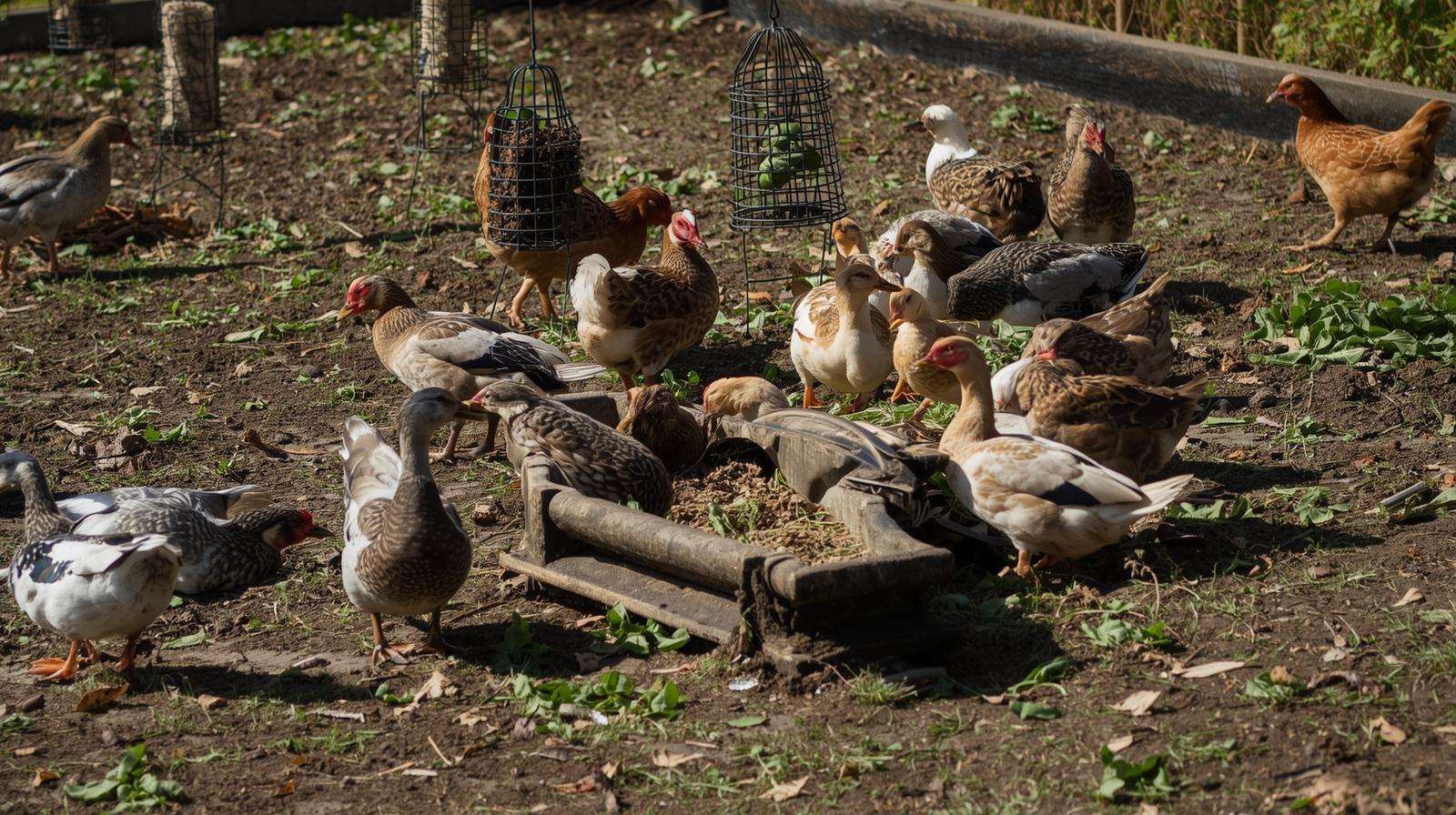
One of the most frequent questions from people starting mixed flocks is: “Can they eat the same feed?” The short answer is mostly yes—with important adjustments and smart strategies to prevent nutritional shortfalls, waste, and competition.
Base Feed Strategy Most backyard keepers use a high-quality commercial layer feed (16–18% protein) as the foundation for both species once birds reach laying age. This works well because:
- Chickens get balanced nutrition for egg production.
- Ducks can utilize it effectively for maintenance and laying.
However, ducks have a higher requirement for niacin (vitamin B3) to support healthy leg development and prevent conditions like bowed legs or “angel wing.” Standard chicken layer feeds often fall short on niacin for ducks, especially fast-growing ducklings or heavy breeds.
Practical Solutions:
- Supplement duck-specific needs by adding brewer’s yeast (2–3 tablespoons per pound of feed), crushed niacin tablets, or a dedicated duck feed mixed in.
- Offer free-choice access to layer feed plus a separate “duck boost” bowl containing brewer’s yeast, rolled oats, or a niacin-rich pellet.
- For ducklings and chicks, use a starter/grower feed (20–22% protein) until 16–20 weeks, then transition to layer feed. Add niacin to duckling water or feed during the first 8–10 weeks.
Feeding Setup to Reduce Competition and Mess Ducks eat quickly and sloppily, often dunking feed in water and creating a wet, spoiled mash. Chickens are pickier and can be outcompeted by larger, faster-eating ducks.
Recommended setup:
- Use multiple feeding stations (at least one per 6–8 birds) placed in different areas of the run.
- Elevate chicken feeders on platforms or hang them to keep ducks from easily accessing them.
- Provide a low, wide trough or ground feeder for ducks so they can eat comfortably without climbing.
- Feed twice daily in measured amounts to reduce waste, or use a hanging feeder with a grill to limit spillage.
- Offer treats and greens (lettuce, kale, cucumber, mealworms, black soldier fly larvae) in separate scattered areas to encourage natural foraging and reduce direct competition.
Water at Feeding Time Always provide clean drinking water near feed stations. Ducks will inevitably wet feed, so change or refresh soggy feed daily to prevent mold and bacterial growth.
With these adjustments, most mixed flocks eat from the same base ration successfully, and keepers report only slightly higher feed consumption due to ducks’ higher metabolic rate and foraging enthusiasm.
Health and Biosecurity in Mixed Flocks
Raising ducks and chickens together does not inherently make your flock dramatically more disease-prone, but the combination of wetter conditions from ducks and close proximity can amplify certain risks if not managed.
Key Health Risks in Mixed Setups
- Respiratory issues — Wet, ammonia-laden bedding from duck splashing is one of the biggest threats to chickens. Poor ventilation exacerbates this.
- Parasites — External parasites (mites, lice) can transfer between species, though ducks tend to be less affected by red mites than chickens.
- Bacterial and protozoal diseases — Wet environments favor pathogens like E. coli, Salmonella, and coccidiosis. Young birds are especially vulnerable.
- Foot problems — Ducks can develop bumblefoot from sharp gravel or dirty conditions; chickens are prone to scaly leg mites.
Proactive Prevention Strategies
- Maintain excellent ventilation and dryness in the coop (aim for <60% humidity).
- Use deep litter with frequent additions of dry material (pine shavings, straw, hemp) and turn it weekly.
- Change duck pool water daily and sanitize weekly with diluted vinegar or poultry-safe disinfectant.
- Quarantine new birds for 2–4 weeks before introduction, regardless of species.
- Perform regular health checks: look for clear eyes/nostrils, bright combs, active behavior, clean vent feathers.
- Vaccinate if recommended in your area (e.g., Marek’s disease for chickens; duck viral enteritis vaccine where available).
- Deworm both species 2–4 times per year with a broad-spectrum poultry wormer (fenbendazole or levamisole), rotating products to prevent resistance.
- Provide dust-bath areas with dry soil, wood ash, and diatomaceous earth for natural parasite control.
When to Separate Birds If you notice persistent sneezing, watery eyes, lethargy, weight loss, or diarrhea in any bird, isolate the affected individual immediately and consult a poultry-savvy veterinarian. Early separation prevents wider spread.
With diligent management, many mixed-flock keepers go years without major health events—often reporting that ducks’ robustness helps buffer the flock during cold or stressful periods.
Introducing Ducks and Chickens: Step-by-Step Guide
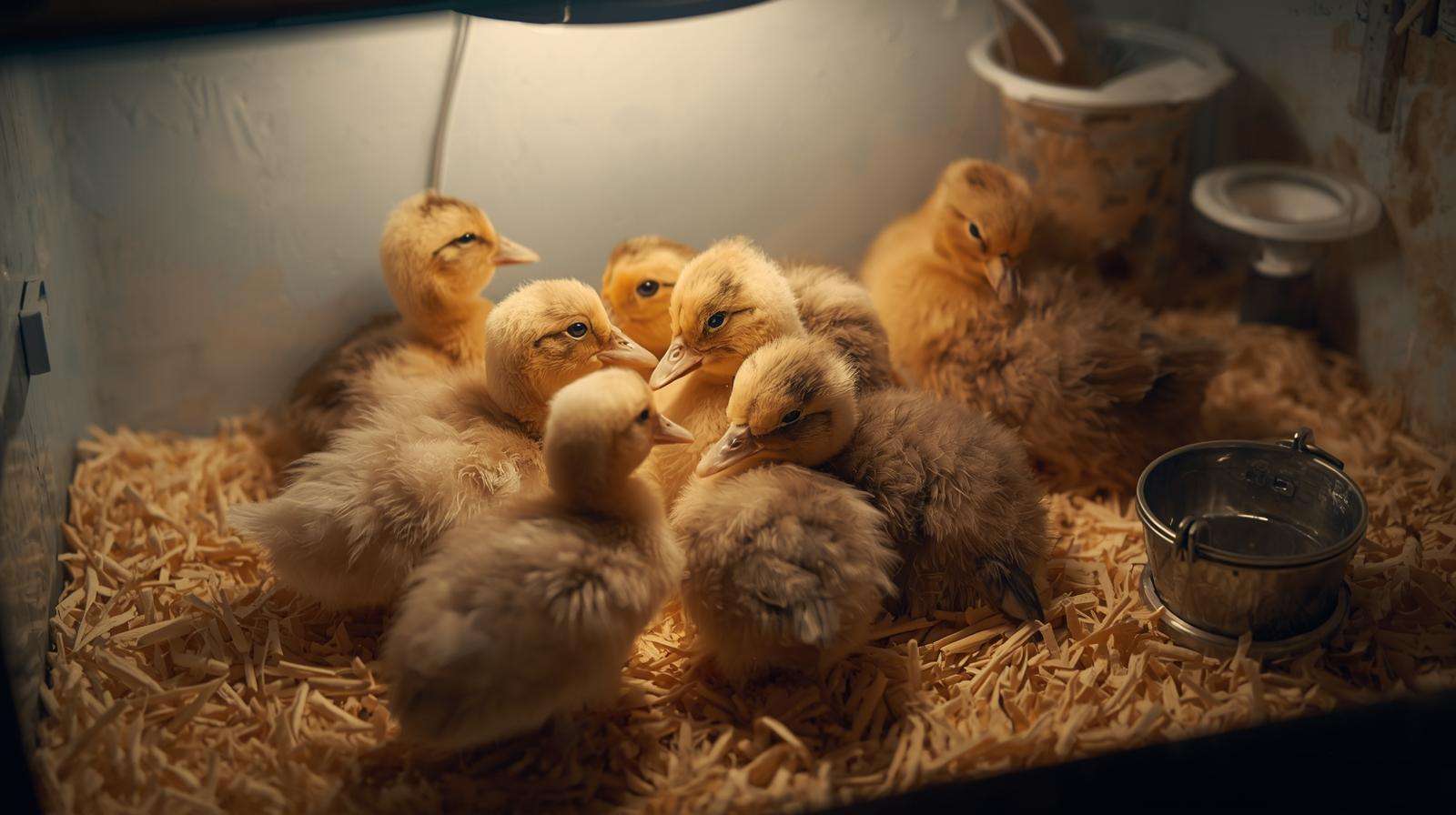
Successful integration depends heavily on how you introduce the two species. Rushing this step is the most common cause of long-term bullying or injury.
Best Timing
- Ideal: Raise ducklings and chicks together from day one (or at least from 3–4 weeks old).
- Acceptable: Introduce juveniles (8–16 weeks) before either sex reaches maturity.
- Challenging but possible: Introduce adults, preferably during spring/summer when birds are more active and less territorial.
Step-by-Step Introduction Process
- Side-by-side housing (1–2 weeks) Place the new group in a separate but visible pen next to the existing flock. Use wire fencing so birds can see and hear each other without contact.
- Supervised free-range time (3–7 days) Allow short, supervised sessions in a neutral area (large fenced yard). Watch for chasing, pecking, or mounting. Intervene only if injury seems imminent (use a stick or net to separate aggressors).
- Controlled run access (1–2 weeks) Let the new birds into the main run during low-stress times (mid-morning after feeding) while you observe. Provide extra food/water stations to reduce resource guarding.
- Full integration Once chasing decreases and birds roost or forage calmly near each other, allow overnight cohabitation. Continue monitoring for the first 2–3 weeks.
Tips for Smoother Introductions
- Introduce more than one bird at a time—singles are often targeted.
- Add new birds at dusk when the flock is already roosting and less aggressive.
- Distract with treats or new objects (branches, cabbage piñatas) to redirect attention.
- Have a “safety pen” ready in case separation becomes necessary.
Most keepers report that after 2–4 weeks of careful management, the flock settles into a stable hierarchy with minimal conflict.
Daily Management and Maintenance Tips
Consistency in daily and weekly routines is what separates thriving mixed flocks from problematic ones. Here’s a realistic breakdown of what successful keepers do regularly.
Daily Tasks (10–20 minutes)
- Collect eggs early (ducks often lay before dawn; chickens mid-morning) to prevent breakage or egg-eating habits.
- Refresh or change duck pool water—stagnant water breeds mosquitoes and bacteria.
- Check and refill all drinkers (nipple/cup for chickens, open container for ducks).
- Scatter a handful of scratch grains or treats in different zones to encourage foraging and reduce boredom-related squabbles.
- Observe behavior: Look for any limping, sneezing, isolation, or excessive pecking. Early detection prevents bigger issues.
- Rake or scoop obvious wet/muddy spots in the run to maintain drainage.
Weekly Tasks
- Add fresh deep litter to the coop floor (straw, shavings, or hemp) to absorb moisture.
- Scrub and sanitize feeders and waterers (vinegar solution works well; avoid harsh chemicals).
- Rotate or refresh run ground cover (add new sand/gravel, remove compacted mud).
- Trim overgrown grass or weeds around the perimeter to reduce predator hiding spots.
- Check roosts and nesting boxes for mites or buildup; dust with food-grade diatomaceous earth if needed.
Seasonal Considerations
- Winter: Use heated water bases to prevent freezing. Add windbreaks and extra dry bedding. Ducks handle cold better than chickens but still need dry sleeping areas.
- Summer: Provide shade (tarps, trees, or shade cloth) over part of the run. Increase water changes to combat algae and heat stress.
- Wet/rainy seasons: Cover at least 50% of the run with a roof or tarp. Use French drains or raised gravel trenches to channel water away from high-traffic areas.
With these habits in place, most keepers find that the extra effort for ducks pays off in healthier birds, cleaner eggs, and fewer emergency interventions.
Real-Life Examples and Case Studies
To bring these principles to life, here are three anonymized but realistic examples from mixed-flock keepers (based on common patterns seen in homesteading communities and personal consultations):
Example 1: Small Suburban Backyard Success (6 chickens + 4 ducks) A family in a 1/4-acre lot started with three-week-old chicks and ducklings brooded together. They built a 6×8 ft coop with elevated roosts for chickens and a ground-level “duck den” filled with straw. The 200 sq ft run used pea gravel base and a kiddie pool on a sloped concrete pad for drainage. They fed 16% layer pellets + free-choice brewer’s yeast for ducks. After one minor pecking incident during introduction, the flock has been peaceful for 18 months, producing 5–7 eggs daily year-round with almost no mud issues thanks to daily pool changes and gravel refresh.
Example 2: Mud Disaster Turned Around (8 chickens + 5 Indian Runners) A rural keeper initially allowed free access to a shared pond, resulting in a swamp-like run within weeks. Chickens developed respiratory wheezing from constant dampness. Fix: Installed a separate elevated nipple waterer for chickens, moved the duck pool to a gravel corner with drainage trench, and applied sand over the worst mud areas. Added a tarp roof over half the run. Within a month, the ground dried out, chicken health improved, and the flock now forages together peacefully.
Example 3: Large Free-Range Mixed Flock (12 chickens + 7 Muscovies) On 2 acres with rotational paddocks, this keeper rotates birds between grassy sections every 7–10 days. Ducks handle wetter lower areas; chickens prefer higher dry ground. Minimal coop time (only at night), no pools needed due to natural streams. Result: Excellent natural pest control, very low feed costs, and virtually no aggression thanks to abundant space and natural foraging outlets.
These examples show that while setups vary widely, success consistently comes down to space, dryness management, gradual introductions, and species-appropriate tweaks.
Frequently Asked Questions
Can drakes live safely with chicken hens? No—strongly discouraged. Drakes attempt to mate forcefully and can cause serious injury or death to hens due to their size, strength, and anatomy. Keep drakes only with adequate duck hens (minimum 3–4 per drake) or maintain all-female flocks.
Do ducks absolutely need a pond if raised with chickens? No. A kiddie pool, large tub, or even a deep water trough changed daily is sufficient for bathing, nostril flushing, and eye health. Full ponds are ideal but not required.
Are mixed flocks more prone to diseases than single-species flocks? Not inherently, but wet conditions from ducks can increase respiratory and parasite risks for chickens if ventilation and dryness aren’t prioritized. Good management keeps risks comparable or even lower due to ducks’ hardiness.
What’s the best beginner-friendly breed combination? Calm, larger chicken breeds (Buff Orpington, Australorp, Wyandotte) paired with friendly duck breeds (Khaki Campbell, Swedish, or Pekin). Avoid highly flighty or aggressive breeds initially.
How much extra work is really involved? About 10–15 minutes more per day than a chicken-only flock, mainly due to water changes and mud management. The payoff is often worth it in pest control, egg variety, and flock personality.
Conclusion
Raising ducks and chickens together is one of the most rewarding ways to diversify a backyard poultry operation—provided you respect each species’ needs and commit to proactive management. The keys to long-term success are:
- Generous space and well-drained runs
- Separate-but-accessible water solutions
- Nutritional tweaks (especially niacin for ducks)
- Patient, supervised introductions
- Consistent attention to dryness, cleanliness, and health monitoring
Start small if you’re new—perhaps 3–4 chickens and 2–3 ducks—and scale up as you gain confidence. Observe your flock closely, adjust as needed, and enjoy the unique dynamics that only a mixed flock can offer: the comical waddle of ducks alongside the busy scratching of chickens, all working together to turn your yard into a more productive, pest-resistant space.
If you implement even half the tips in this guide, you’ll be well ahead of most beginners and on track for a happy, healthy, productive mixed poultry flock.
Have you tried raising ducks and chickens together? What challenges or successes have you experienced? Share in the comments—I’d love to hear your story and offer tailored advice.