Imagine stepping into your backyard and picking ripe, juicy fruit straight from the tree—without spending weekends mixing chemicals, battling pests, or wrestling with oversized branches in a cramped space. For many homeowners in urban or suburban settings, this dream feels out of reach. Traditional fruit trees often demand frequent spraying for diseases like fire blight, apple scab, or peach leaf curl, and their full-sized growth quickly overwhelms small yards. But there’s good news: with the right selections, you can enjoy homegrown, organic-quality produce with minimal intervention.
Easy low-spray fruit trees for small yards are game-changers for organic gardening enthusiasts. These compact, naturally resilient varieties—often dwarf or semi-dwarf—require little to no synthetic sprays when grown with sound organic practices. They fit patios, raised beds, or even large containers, thrive in diverse climates (from USDA zones 3-10 in the US to similar conditions globally), and reward you with abundant harvests of fresh, chemical-free fruit. Whether you’re in a chilly northern region, a humid subtropical area, or a mild coastal zone, these trees align perfectly with organic farming principles: building soil health, encouraging beneficial insects, and relying on plant genetics for pest and disease resistance.
In this comprehensive guide, we’ll explore why low-spray options make sense, key selection factors, the top-performing varieties (more in-depth than typical lists), proven organic growing techniques to keep sprays near zero, planting and care steps, troubleshooting tips, and more. By the end, you’ll have the knowledge to start your own mini organic orchard—even in the smallest yard.
Why Choose Low-Spray Fruit Trees for Small Yards?
Growing fruit at home offers unmatched freshness, flavor, and nutrition compared to store-bought options, which often travel thousands of miles and may carry pesticide residues. However, conventional fruit trees can require 8-12 sprays per season for commercial-quality results, which clashes with organic ideals and demands time many homeowners don’t have.
Low-spray trees solve this by prioritizing natural resilience. Many modern cultivars are bred for strong disease resistance (e.g., fire blight in apples or bacterial spot in stone fruits), reducing or eliminating the need for fungicides and insecticides. Dwarfing rootstocks keep trees to 6-12 feet tall (or smaller in containers), making pruning, harvesting, and monitoring effortless—no ladders required. Self-fertile varieties eliminate the need for multiple trees for pollination, ideal for tiny spaces.
Environmentally, this approach supports pollinators, reduces chemical runoff, and promotes biodiversity. In the US, university extensions (like those from Cornell, UC Davis, and University of Minnesota) increasingly recommend these for backyard growers. Globally, similar low-input systems thrive in Europe (e.g., heritage figs in Mediterranean climates) and Asia (dwarf citrus in subtropical zones). The result? Healthier ecosystems, safer food for families/pets, and more time enjoying your garden.
Key Factors for Selecting Easy, Low-Spray Fruit Trees
Choosing the right tree ensures success with minimal effort. Focus on these criteria:
Disease Resistance and Natural Resilience
Prioritize cultivars with proven genetic resistance. For example, fire blight-resistant apples or crack-resistant cherries cut spray needs dramatically. Native or adapted species (like pawpaw in North America) often face fewer introduced pests.
Dwarfing Rootstocks and Size Control
Dwarf rootstocks (e.g., M9 or M27 for apples, Pixy for plums) limit height while producing full-sized fruit. Genetic dwarfs (like some peaches or figs) stay naturally compact without heavy pruning. Container growing suits zones with extreme weather.
Climate and Hardiness Zone Matching
Match trees to your USDA zone (or equivalent globally). Cold-hardy options suit zones 3-6; low-chill varieties work in zones 8-10. Consider chill hours (hours below 45°F needed for dormancy break) for temperate fruits.
Pollination Needs and Self-Fertility
Self-pollinating (self-fertile) trees are best for small yards—no partner tree needed. Many figs, citrus, and some cherries/plums fit this category.
Soil, Sun, and Water Requirements
Most need full sun (6-8+ hours), well-drained soil (pH 6.0-7.0), and consistent moisture without waterlogging. Organic matter-rich soil supports health and reduces stress-related issues.
Top 10 Easy Low-Spray Fruit Trees for Small Yards
Here are standout varieties, selected for minimal spray requirements, compact size, and reliable organic performance. These draw from extension recommendations and real-world grower experience.
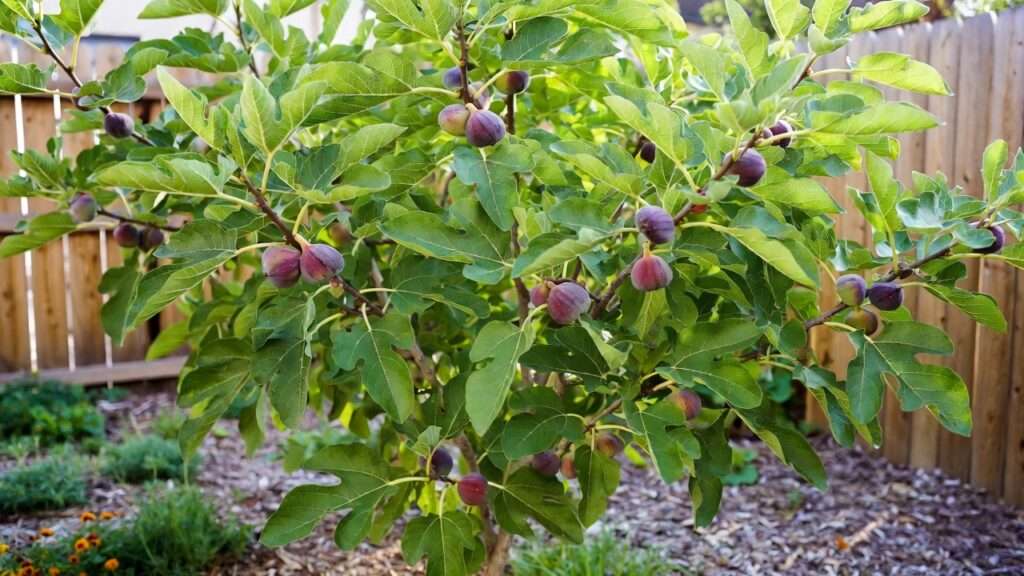
- Fig Trees (e.g., ‘Celeste’, ‘Chicago Hardy’, ‘Little Miss Figgy’) Figs top the list for near-zero maintenance. Naturally pest- and disease-resistant, they rarely need sprays—even in humid climates. Dwarf varieties stay 6-10 ft, perfect for pots or small beds. ‘Celeste’ (zones 7-10) offers sweet, brown fruits; ‘Chicago Hardy’ (zones 5-10) survives cold winters with mulch protection. Expect heavy yields from summer to fall. Pros: Self-fertile, drought-tolerant once established. Cons: May need winter protection in colder zones.
(Imagine a lush fig tree laden with ripe fruit here—compact and productive.)
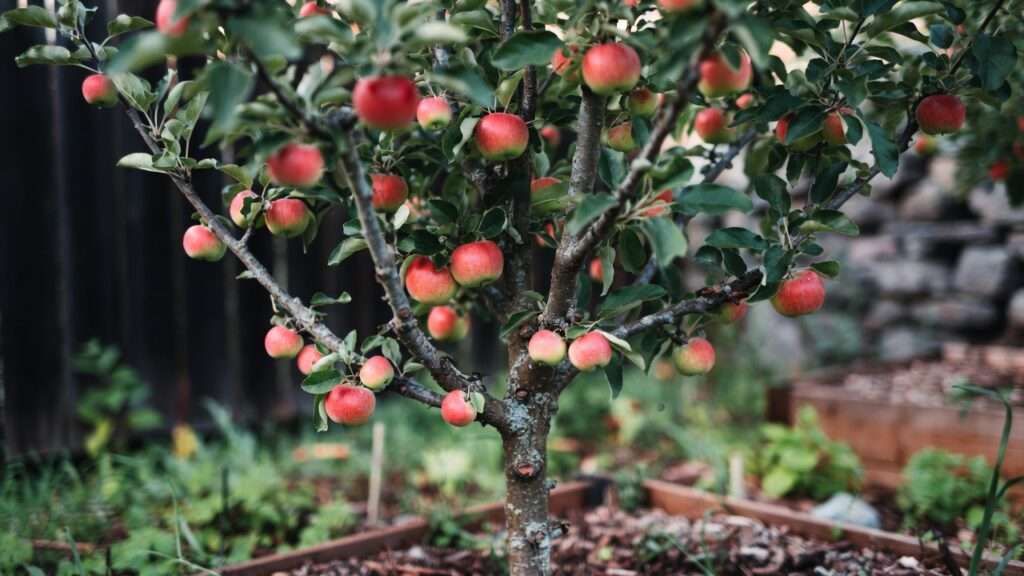
- Dwarf Apple Trees (e.g., ‘Liberty’, ‘Enterprise’, ‘Cameron Select’) These fire blight-resistant varieties minimize fungicide use. ‘Liberty’ (zones 4-8) produces crisp, tart-sweet apples with excellent scab resistance. Dwarf on M9 rootstock reaches 8-10 ft. Self-fertile options exist, but cross-pollination boosts yield. Organic tip: Good airflow via pruning prevents most issues.
- Dwarf Citrus (e.g., Meyer Lemon, Bearss Lime, Calamondin) Ideal for zones 9-11 or containers indoors/outdoors (move in winter). Meyer lemon offers sweet-tart fruit with low pest pressure; Bearss lime is prolific and disease-tolerant. Naturally low-spray in organic setups—use neem only if scale appears.
- Serviceberry (Amelanchier spp., e.g., ‘Autumn Brilliance’) Native North American shrub/tree (6-15 ft) with edible berries resembling blueberries. Extremely pest-resistant, attracts birds/pollinators. Zones 4-9; low-chill adaptable globally.
- Dwarf Pear Trees (e.g., ‘Moonglow’, ‘Harrow Sweet’) Fire blight-resistant selections thrive with minimal intervention. Self-fertile options available; 8-12 ft tall.
- Dwarf Plum Trees (e.g., ‘Santa Rosa’, ‘Methley’) Japanese plums often self-fertile and lower-disease than peaches. ‘Santa Rosa’ (zones 5-9) yields juicy fruit reliably.
- Dwarf Peach/Nectarine (e.g., ‘Bonanza’, ‘Garden Gold’) Genetic dwarfs stay 5-6 ft; select low-chill for warmer areas. Prune for airflow to reduce peach leaf curl organically.
- Dwarf Cherry Trees (e.g., ‘Stella’, ‘North Star’) Self-fertile ‘Stella’ (sweet, zones 5-9) or tart ‘North Star’ (compact, zones 4-8) need little spraying with good site selection.
- Pawpaw (Asimina triloba) Native, shade-tolerant, low-pest North American fruit. Zones 5-8; unique banana-mango flavor.
- Dwarf Persimmon or Olive (warmer zones) American persimmon or hardy olive varieties offer toughness with minimal care.
Comparison Table (visualize here): Columns for Variety, Mature Height, Zones, Spray Level (Very Low/Low), Self-Fertile (Y/N), Yield Potential.
Organic Growing Practices to Minimize or Eliminate Sprays
The real secret to truly low-spray (or no-spray) success lies in adopting holistic organic methods rather than relying on any particular variety alone. These practices build plant resilience, create unfavorable conditions for pests and diseases, and harness nature’s own defenses. Here’s how to implement them effectively in a small-yard setting.
Site Selection and Soil Preparation
Choose the sunniest, best-drained spot possible—most fruit trees need at least 6–8 hours of direct sunlight daily to stay vigorous and less susceptible to fungal issues. In small yards, this often means the south-facing side of a fence, patio corner, or open lawn area.
Test your soil pH (aim for 6.0–7.0 for most fruits) and improve structure before planting. Incorporate 2–4 inches of well-aged compost or well-rotted manure into the top 12–18 inches of soil. Add organic matter such as leaf mold, coconut coir, or aged bark to improve drainage in clay soils or water retention in sandy ones. Healthy, biologically active soil grows stronger trees that can better resist stress-induced pest outbreaks.
Companion Planting and Beneficial Insects
Integrate “supporting cast” plants around your fruit trees to confuse pests, attract predators, and improve pollination.
- Plant aromatic herbs (dill, fennel, cilantro, chives) to attract ladybugs, lacewings, hoverflies, and parasitic wasps that eat aphids, scale, and caterpillars.
- Marigolds, nasturtiums, and garlic act as trap crops or repellents for certain insects.
- Low-growing clover, buckwheat, or alyssum provide nectar for beneficials and act as living mulch.
- Avoid monoculture—mixing flowers, herbs, and vegetables around the base of trees creates a mini-ecosystem that naturally balances pest populations.
In urban yards, even a 3×3 ft guild around each dwarf tree can make a noticeable difference.
Natural Pest and Disease Management
Reserve any sprays for truly severe outbreaks—and use only approved organic materials:
- Horticultural oil (dormant or summer strength) smothers overwintering eggs and soft-bodied pests like scale and mites.
- Insecticidal soap targets aphids, spider mites, and whiteflies on contact.
- Neem oil (cold-pressed) works as both repellent and growth regulator for many chewing and sucking insects.
- Sulfur or potassium bicarbonate for early fungal issues (e.g., powdery mildew on some stone fruits).
- Bacillus thuringiensis (Bt) for specific caterpillars (safe for beneficials).
More importantly, rely on prevention: Remove fallen fruit and leaves promptly to break pest/disease cycles. Thin fruit clusters to improve airflow and reduce fungal pressure. Use reflective mulches (aluminum foil or white fabric) under young trees to repel aphids.
Pruning and Maintenance for Health
Annual dormant-season pruning (late winter/early spring) is non-negotiable for low-spray success. Open the canopy to allow sunlight and air circulation—this alone prevents 70–80% of common fungal problems in apples, pears, and stone fruits.
For dwarf trees:
- Remove crossing branches, water sprouts, and inward-growing shoots.
- Maintain an open-center (vase) shape for peaches/plums or modified central-leader for apples/pears.
- Never remove more than 25% of the canopy in one season.
Summer pruning (light tipping of new growth) can further control size and improve fruit quality.
Mulching, Fertilizing, and Watering Organically
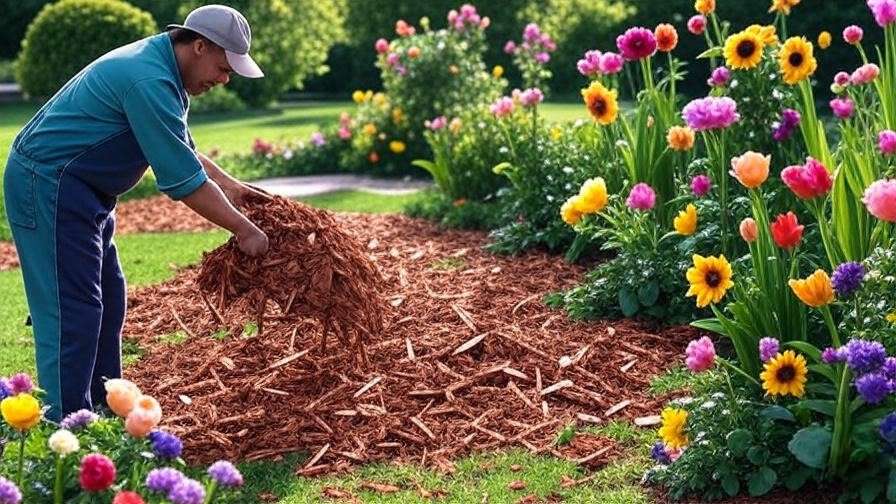
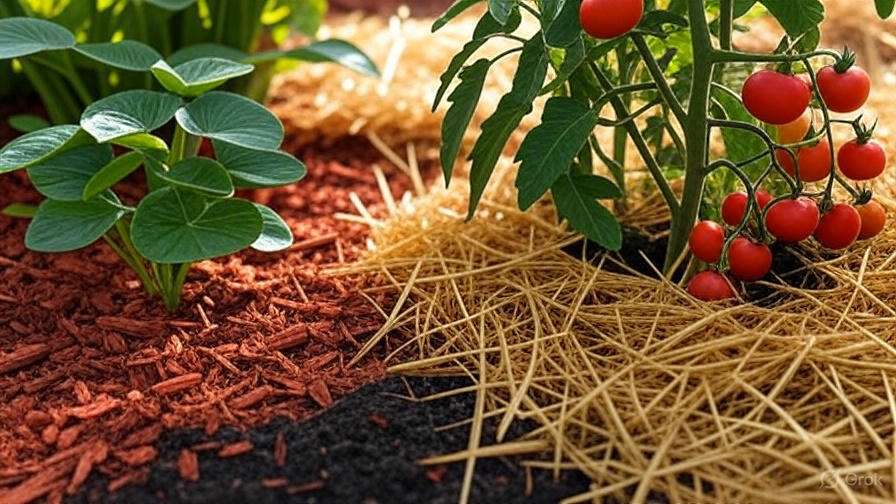
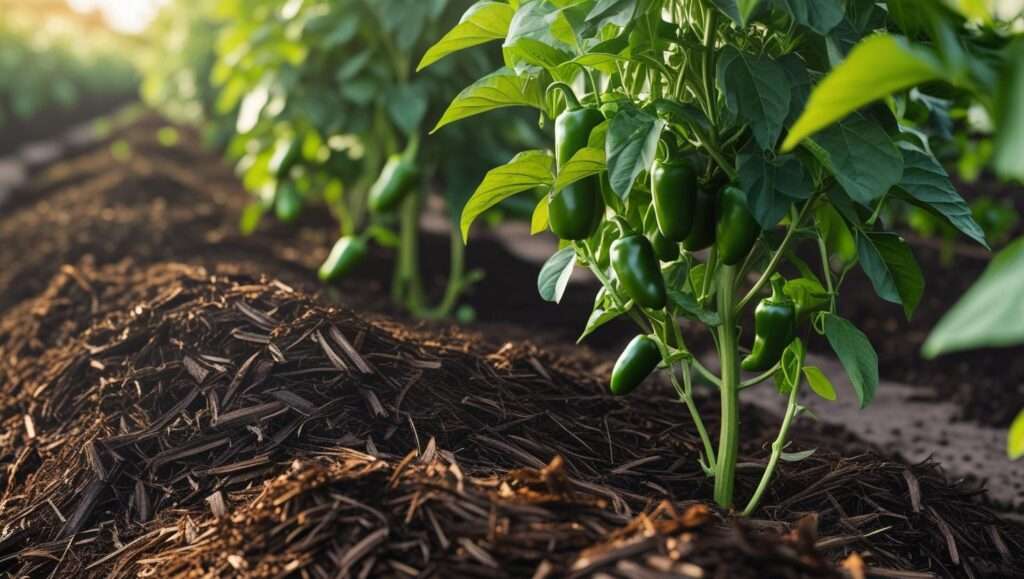
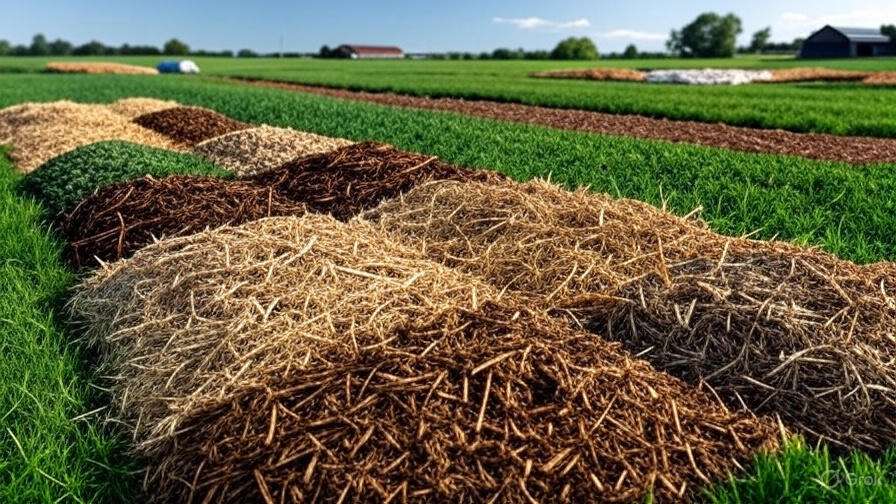
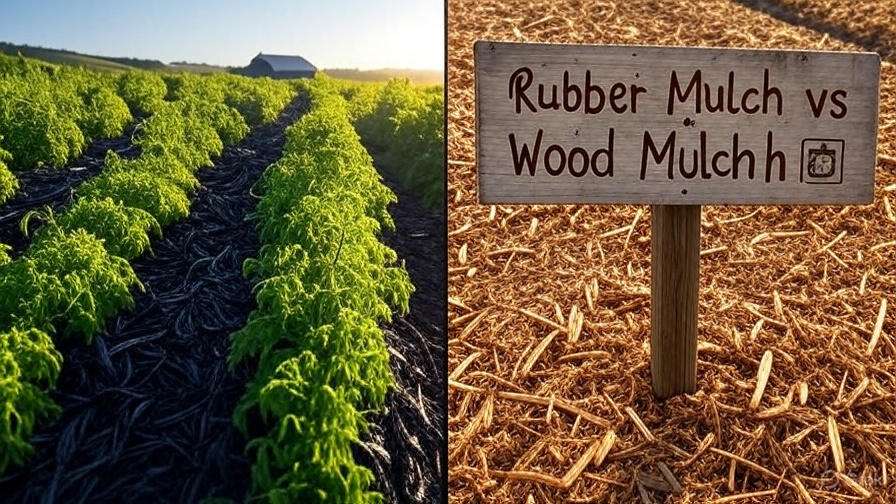
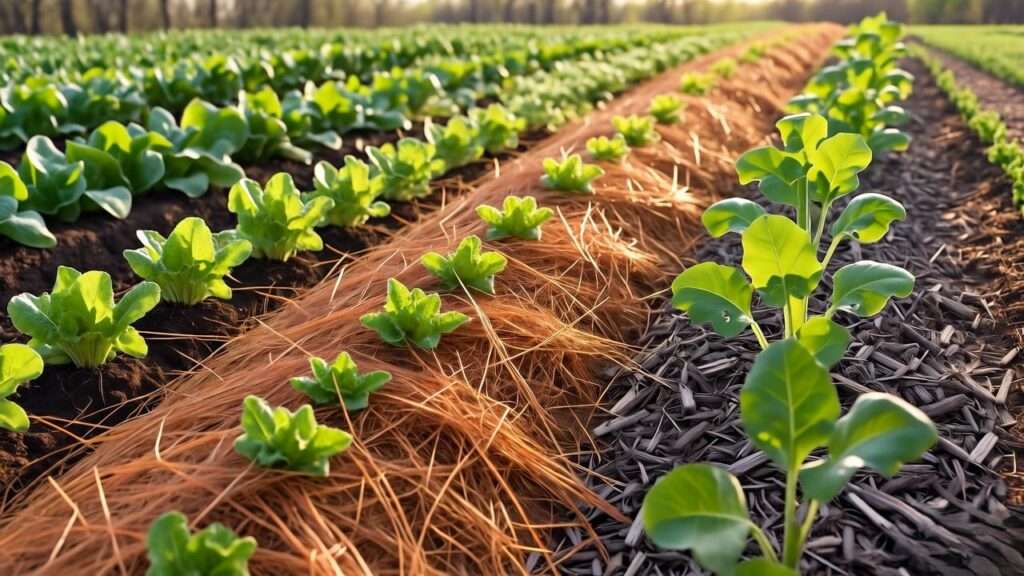
Apply 3–4 inches of organic mulch (wood chips, straw, shredded leaves) in a 3–4 ft diameter around the tree (keep it 2–3 inches away from the trunk to prevent rot). Mulch suppresses weeds, moderates soil temperature, retains moisture, and feeds soil microbes.
Fertilize sparingly with balanced organic options:
- Compost tea or fish emulsion in spring for growth.
- Rock phosphate or bone meal for root and fruit development.
- Kelp meal or wood ash for trace minerals and potassium.
Water deeply but infrequently—aim for 1–2 inches per week during dry periods, adjusting for rainfall. Drip irrigation or soaker hoses deliver water directly to roots and keep foliage dry, reducing fungal risk.

Step-by-Step Guide to Planting and Caring for Your Low-Spray Fruit Tree
Choosing and Buying the Right Tree
Purchase from reputable nurseries (local, mail-order, or university-recommended suppliers) that label rootstock, variety, and disease resistance clearly. Opt for trees on dwarfing rootstocks, container-grown if possible (easier transplanting), and certified disease-free stock.
Planting in Ground or Containers
- Dig a hole twice as wide and the same depth as the root ball.
- Mix native soil with 30–40% compost.
- Plant at the same depth the tree grew in the nursery (graft union 2–4 inches above soil).
- Water thoroughly and add 2–3 inches of mulch.
- For containers: Use 15–25 gallon pots with drainage holes, quality potting mix with perlite/vermiculite, and place on casters for mobility in cold climates.
First-Year Care and Long-Term Success
- Water consistently (especially first summer) to establish roots.
- Stake only if necessary (windy sites); remove after one year.
- Protect young trunks from sunscald (white latex paint) and rodents (hardware cloth collar).
- Monitor weekly in growing season for early signs of trouble—catching issues small prevents escalation.
In year two and beyond, maintain annual pruning, mulch refresh, and light organic feeding. Most of these trees begin bearing lightly in year 2–3 and reach full production by year 5–7.
Common Challenges and Solutions for Small-Yard Growers
Even the easiest low-spray fruit trees can encounter hurdles, especially in confined spaces or variable climates. Here are the most frequent issues reported by home gardeners (based on extension service data and grower forums) along with practical, organic-friendly fixes.
Poor Fruit Set or Low Yields Causes: Insufficient pollination, extreme weather during bloom, nutrient imbalance, or young tree age. Solutions:
- Choose confirmed self-fertile varieties when possible (many of the top picks listed are).
- Hand-pollinate with a small brush if blooms appear during poor bee weather.
- Ensure consistent moisture and avoid over-fertilizing with nitrogen (which promotes leaves over fruit).
- Thin fruit aggressively in the first few years—remove excess young fruitlets so the tree directs energy to fewer, higher-quality fruits.
Minor Pest Outbreaks (Aphids, Scale, Caterpillars) Causes: Stress from drought, poor airflow, or temporary beneficial insect shortages. Solutions:
- Blast aphids off with a strong hose spray early in the morning.
- Introduce or attract ladybugs and lacewings via companion plants.
- Apply horticultural oil in early spring (dormant season) to smother overwintering scale and eggs.
- Accept minor damage—healthy trees usually outgrow light infestations without intervention.
Fungal Issues (Powdery Mildew, Leaf Spot, Peach Leaf Curl) Causes: High humidity, poor air circulation, overhead watering. Solutions:
- Prune for an open canopy every year.
- Water at the base early in the day so foliage dries quickly.
- Apply preventive potassium bicarbonate sprays (1–2 tbsp per gallon of water) at first sign of mildew.
- For peaches in humid zones, consider growing in containers that can be moved under cover during prolonged wet periods.
Winter Damage or Dieback (Colder Zones) Causes: Late freezes, sunscald, or insufficient hardiness. Solutions:
- Wrap young trunks with tree guards or white latex paint to prevent sunscald.
- Mulch heavily (6–8 inches) in late fall to insulate roots.
- Select ultra-hardy cultivars (e.g., ‘Chicago Hardy’ fig, ‘Honeycrisp’ apple on dwarf rootstock).
- In zones 5 and below, grow figs or citrus in large movable pots and overwinter them in an unheated garage or sunny porch.
Container-Specific Problems (Restricted Root Growth, Faster Drying) Causes: Limited soil volume, heat buildup in pots. Solutions:
- Use the largest practical container (20–30 gallons minimum for long-term success).
- Repot every 3–4 years, refreshing soil and trimming roots lightly.
- Group pots together to create shade and humidity microclimates.
- Install a moisture meter or check soil 2 inches down—water when it feels dry.
By addressing these proactively, most gardeners achieve near-problem-free production after the establishment phase (years 1–3).
Conclusion: Start Your Organic Mini-Orchard Today
Growing easy low-spray fruit trees in small yards is one of the most rewarding ways to bring organic farming principles into everyday life. You don’t need acres of land, a chemistry degree, or endless weekends of spraying. With naturally resilient dwarf varieties, thoughtful site selection, companion planting, smart pruning, and basic organic care, you can harvest baskets of fresh figs, crisp apples, juicy plums, tangy citrus, and more—right outside your door.

Start small: Pick one or two trees that match your climate and space (a ‘Celeste’ fig or ‘Liberty’ dwarf apple are excellent beginner choices). Invest in quality stock from a reputable nursery, prepare the soil well, and commit to consistent (but not time-intensive) care. Within a few seasons, you’ll enjoy fruit that tastes better, costs less, and comes with zero mystery chemicals.
Frequently Asked Questions
Which fruit tree really needs the least spraying? Figs consistently rank at the top. Many gardeners report zero sprays for years on ‘Celeste’, ‘Chicago Hardy’, or dwarf varieties like ‘Little Miss Figgy’.
Can I grow these trees in pots on a balcony or patio? Yes—especially figs, dwarf citrus, genetic dwarf peaches, and columnar apples. Use large containers (20+ gallons), excellent drainage, and move potted trees to protected spots in winter if you’re in zones 7 or colder.
What’s the best low-spray fruit tree for USDA zone 5 or 6? Hardy options include ‘Liberty’ or ‘Enterprise’ dwarf apple, ‘North Star’ dwarf tart cherry, ‘Chicago Hardy’ fig (with mulch/winter protection), and serviceberry.
Which ones work well in hot, humid southern climates (zones 8–10)? Figs, ‘Meyer’ lemon, ‘Bearss’ lime, ‘Santa Rosa’ or ‘Methley’ plum, low-chill peaches (‘Bonanza’), and certain persimmons thrive with good airflow and mulch.
How soon will I get fruit after planting? Dwarf trees often produce lightly in year 2–3 and reach good yields by year 5–7. Figs and some citrus can fruit in year 1–2 if purchased as larger specimens.
Do I still need to spray sometimes even with these “low-spray” varieties? In ideal conditions and with good organic practices, many growers use zero synthetic sprays. In challenging years (prolonged wet weather, unusual pest pressure), you might apply an organic material like neem or horticultural oil 1–2 times as insurance.
Are these trees safe around children and pets? Yes—when grown organically without synthetic pesticides. Some fruits (e.g., apple seeds, cherry pits) contain small amounts of cyanogenic compounds, but the edible flesh is perfectly safe.
How much space do I actually need for one dwarf fruit tree? Most dwarfs need a 6–10 ft diameter circle (including mulch zone). In containers, you can fit them in spaces as small as 4×4 ft.
What if my yard has partial shade? Serviceberry and pawpaw tolerate partial shade best. Most others (figs, apples, plums) prefer full sun but can produce modestly with 4–6 hours if the light is bright.
This guide gives you everything needed to confidently select, plant, and maintain easy low-spray fruit trees for small yards while staying true to organic principles.