Picture this: It’s a warm Saturday morning in your backyard. Your children, dressed in pint-sized bee suits, stand wide-eyed as you gently lift a hive frame. Thousands of golden bees hum peacefully, working in perfect harmony. One child spots the queen, another helps puff a bit of cool smoke, and later the whole family shares laughter while bottling their very first golden honey harvest. This isn’t a dream — it’s the reality of successful family beekeeping projects that thousands of parents and kids are enjoying right now.
Family beekeeping projects combine hands-on agriculture, science education, environmental stewardship, and quality family time in one rewarding activity. Whether you’re a homeschooling parent looking for engaging STEM projects, a family wanting to reduce screen time, or someone passionate about supporting pollinators, starting beekeeping together at home offers lasting benefits.
In this comprehensive guide — written from years of experience helping families launch safe, thriving backyard apiaries — you’ll discover practical, step-by-step advice tailored specifically for families with children. We’ll cover planning, equipment, age-appropriate tasks, safety protocols, seasonal management, harvesting, and common pitfalls to avoid. By the end, you’ll have a clear roadmap to begin your own family beekeeping projects confidently and enjoyably.
Why Family Beekeeping Projects Are Perfect for Modern Families
Beekeeping with kids has surged in popularity as families seek meaningful outdoor activities that teach real-world skills. Unlike passive screen-based entertainment, beekeeping with kids delivers active, multi-sensory learning that sticks.
The Educational Value of Beekeeping with Kids
Family beekeeping projects naturally integrate biology, ecology, and environmental science. Children observe the division of labor in the hive: the queen laying eggs, nurse bees tending brood, foragers returning with pollen, and guard bees protecting the entrance. This brings abstract concepts like pollination, metamorphosis, and social insect behavior to life.
Homeschool families often link hive activities to curriculum standards. Kids can track colony growth in science journals, calculate honey production in math lessons, or study bee communication (the waggle dance) in language arts. Many 4-H clubs and school programs now incorporate observation hives or schoolyard apiaries for exactly these reasons.
STEM skills develop organically: engineering (hive design), technology (record-keeping apps or simple sensors), and even basic data analysis when monitoring varroa mite levels or honey stores.
Family Bonding and Mental Health Benefits
Shared responsibility in family beekeeping projects builds teamwork, patience, and a sense of pride. Parents report stronger family connections as everyone contributes — even young children can help with simple tasks like filling feeders or labeling frames.
Spending time in the apiary reduces screen time and encourages mindfulness. The calm, focused observation of bees has therapeutic qualities, lowering stress and fostering appreciation for nature’s interconnected systems. Many families describe the first successful honey harvest as a milestone that creates cherished memories for years.
Environmental and Practical Rewards
Bees face significant challenges from habitat loss, pesticides, and disease. By starting a backyard apiary, your family directly supports local pollinator populations. Healthy hives improve fruit and vegetable yields in home gardens through better pollination — often a noticeable 20-30% increase in crops like tomatoes, cucumbers, and berries.
Practical rewards include pure, raw honey free from commercial processing, plus beeswax for candles, balms, or crafts. These become meaningful homemade gifts or family traditions.
Is Beekeeping Suitable for Families with Young Children?
Yes — with proper planning and supervision. Toddlers can participate safely from a distance (watching through observation windows or helping prepare sugar syrup), while school-age kids and teens take on more active roles. Success stories abound of families with children as young as 4 or 5 enjoying beekeeping when safety rules are followed consistently.
The key is starting small, choosing gentle bee stock, and prioritizing education over speed.
Getting Started: Essential Planning for Your Family Beekeeping Project
Rushing into bees without planning is one of the most common reasons new families become discouraged. Thoughtful preparation sets your family beekeeping projects up for long-term success.
Assessing Your Readiness and Family Commitment
Beekeeping requires consistent time — about 30-60 minutes per hive every 7-14 days during the active season, plus seasonal tasks. Discuss as a family who will handle what:
- Younger kids: Observation, simple note-taking, or filling water stations.
- School-age children: Assisting with inspections (under close supervision), recording data.
- Teens/adults: Heavy lifting, mite treatments, or record-keeping.
Realistic weekly time commitment for 1-2 hives is usually 1-2 hours total once routines are established, but expect more in the first month.
Budget breakdown for starting with 1-2 hives (approximate 2025-2026 costs in USD; prices vary by region and supplier):
- Hive equipment (for one 10-frame Langstroth): $200–$450 for a complete beginner kit.
- Protective gear (suits, veils, gloves for family): $150–$300 (child-sized options available).
- Tools (smoker, hive tool, brush, feeder): $50–$100.
- Bees (package or nuc for one colony): $130–$250.
- Initial feed and misc.: $50–$100.
Total for one hive: roughly $500–$1,000 in the first year. Starting with two hives is often recommended for comparison and backup, bringing the total closer to $800–$1,500. Ongoing annual costs drop significantly after year one (mainly feed and treatments).
Factor in local climate — hotter or colder regions may need insulated hives or more feeding.
Choosing the Right Hive Type for Families
Three main hive styles suit beginners:
- Langstroth Hive — Most popular for families and beginners. Standardized frames make inspections easier and parts widely available. 8- or 10-frame versions are manageable; many experts recommend starting with this for its balance of productivity and ease of management.
- Top Bar Hive — Horizontal design requires no heavy lifting of stacked boxes. More “natural” beekeeping with easier observation of comb building. Great for families who want low-intervention management and hands-on learning.
- Warre Hive — Vertical but smaller and low-maintenance. Ideal for those preferring minimal disturbance to the bees.
Recommendation for most families: Begin with a standard 10-frame Langstroth (or 8-frame for lighter weight). It offers the best resources, beginner-friendly equipment, and compatibility with observation aids.
Consider an observation hive (small glass-sided unit) as a supplementary tool — perfect for kids to watch bees without full hive openings.
Finding Local Beekeeping Support
Join a local beekeeping club or association immediately. Many offer beginner workshops, mentorship programs, and equipment swaps. University extension services (e.g., cooperative extension programs) provide free or low-cost resources tailored to your region.
Check local regulations: Some areas have restrictions on backyard hives, setbacks from property lines, or registration requirements. Talk to neighbors early to address concerns proactively.
Essential Equipment and Setup for Safe Family Beekeeping
Quality gear prevents frustration and enhances safety — especially important when children are involved.
Must-Have Beekeeping Gear for Beginners (Family Edition)
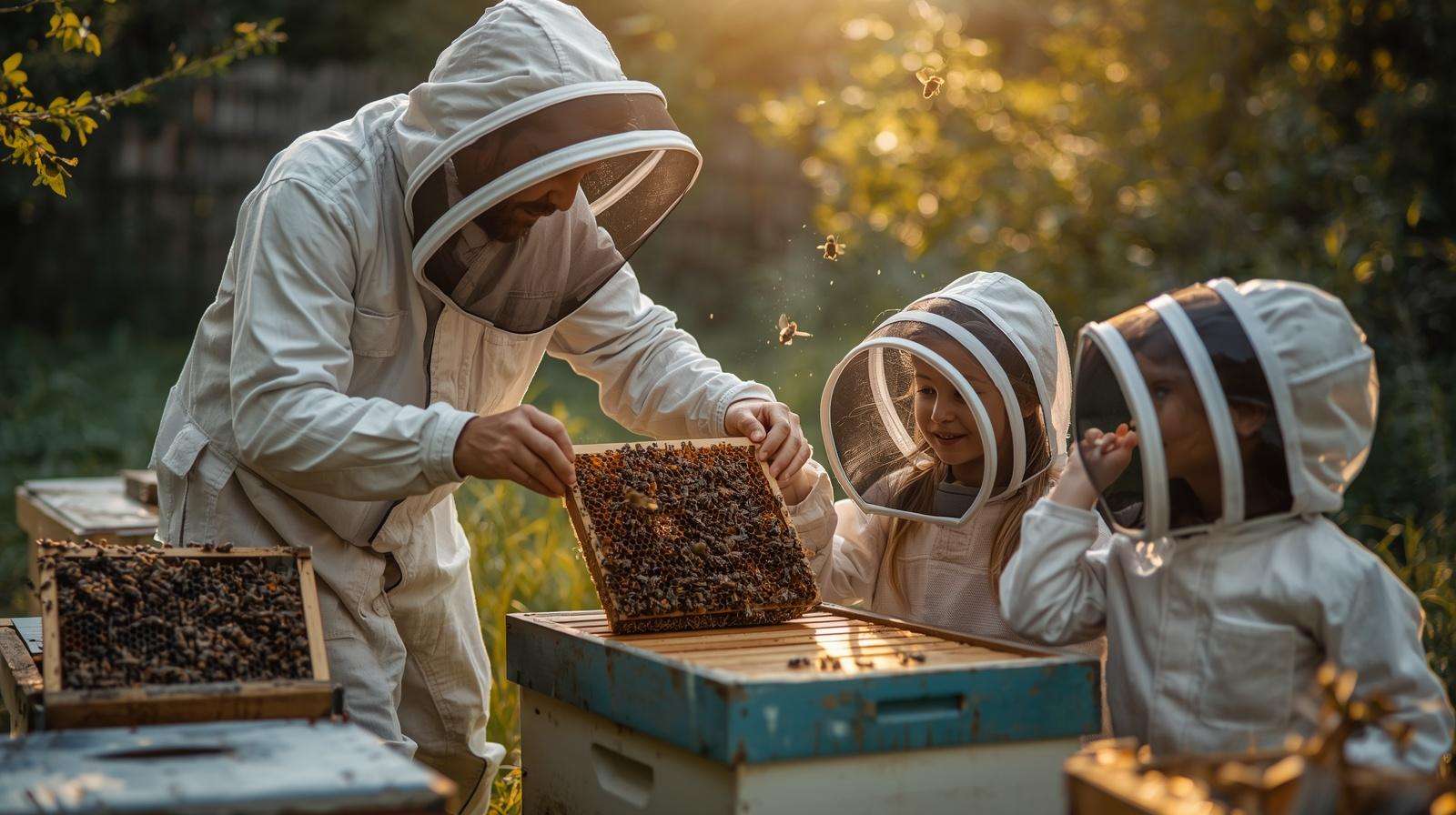
Prioritize well-fitting protective clothing:
- Full bee suits or jackets with veils (child-sized or adjustable versions exist).
- Gloves (lightweight for dexterity, but sturdy).
- Closed-toe boots or boot covers.
Essential tools:
- Smoker (with cool smoke technique to keep bees calm).
- Hive tool (for prying frames).
- Bee brush (gentle sweeping).
- Entrance reducer and feeders.
Many suppliers offer family-friendly starter kits that bundle these items.
For kid engagement, add an observation frame or small viewing window hive section.
Sourcing Your First Bees Safely
Choose packages (2-3 lbs of bees + caged queen) or nucs (established small colony on frames). Nucs often establish faster but cost more.
Gentle bee strains recommended for families:
- Italian bees — Popular for beginners due to their calm temperament, strong population buildup, and good honey production. They are generally forgiving and less prone to excessive defensiveness.
- Carniolan bees — Also gentle, excellent foragers, and good overwinterers in many climates.
Purchase from reputable local breeders or trusted suppliers. Avoid mixing unknown stock initially. Many beekeepers recommend starting with Italian or Carniolan genetics for family projects.
Setting Up Your Backyard Apiary
Location matters for safety and colony health:
- Full morning sun, afternoon shade in hot climates.
- Protected from strong winds.
- Near a water source (or provide a shallow bee-friendly water station with pebbles).
- At least 10-20 feet from high-traffic play areas, doors, or neighbor boundaries.
- Face the entrance away from walkways so foraging bees fly upward and outward.
Use sturdy hive stands to elevate hives (improves ventilation and reduces dampness/pests). Involve the family in painting or decorating the hives — it builds ownership.
Step-by-step initial setup:
- Assemble and level the hive stand and bottom board.
- Install frames with foundation (or foundationless for more natural approaches).
- Position the hive and add any entrance reducer.
- Prepare sugar syrup (1:1 ratio for spring) for feeding.
Step-by-Step Guide to Launching Your First Family Beekeeping Project
Installation day is exciting — prepare everyone with clear expectations.
Week-by-Week First Month Plan
- Day 1 (Installation): Install package or nuc in late afternoon/evening when bees are calm. Provide sugar syrup immediately.
- Week 1: Minimal disturbance — just check feeder levels from outside.
- Week 2-3: First gentle inspection to confirm queen acceptance and egg-laying. Keep it short (10-15 minutes).
- Ongoing: Feed as needed until bees are drawing comb and bringing in resources.
Age-Appropriate Tasks for Kids
- Toddlers/Preschoolers (3-5): Watch from a safe distance, help mix syrup (under supervision), fill water stations, or draw pictures of what they see.
- School-age (6-12): Pass tools, help puff smoker (with guidance), record simple observations (e.g., “lots of bees flying today”), or assist with uncapping frames during harvest.
- Teens: Lead record-keeping, research mite treatments, help with swarm prevention, or manage a second hive.
Always supervise closely and emphasize calm, slow movements.
Educational Family Activities to Enhance the Project
Make family beekeeping projects even more engaging:
- Create a “hive journal” with drawings, photos, and data.
- Play pollination games (use glitter or pom-poms to simulate pollen transfer).
- Build simple bee hotels for solitary bees in the garden.
- Simulate the waggle dance or make beeswax crafts.
- Cook with your honey (recipes below in harvesting section).
These activities turn routine care into fun STEM and nature-based learning.
Daily and Seasonal Management: Keeping Your Family Hive Thriving
Once your bees are installed, consistent but gentle management keeps the colony healthy while turning family beekeeping projects into an ongoing educational adventure. The goal is minimal disruption to the bees combined with regular observation that teaches children responsibility and bee behavior.
Routine Inspections and Bee Behavior Basics
Perform full hive inspections every 7–14 days during the active season (spring through early fall), keeping each session under 15–20 minutes to avoid chilling brood or stressing the colony. Always inspect on warm, calm, sunny days with temperatures above 60°F (15°C) when most foragers are out.
What to look for during an inspection:
- Brood patterns: Healthy, solid patterns of capped and open brood indicate a good queen.
- Queen sighting or evidence: Look for eggs (one per cell, standing upright) rather than chasing the queen every time.
- Honey and pollen stores: Adequate reserves prevent starvation.
- Signs of problems: Spotty brood (possible disease), queen cells (swarming preparation), or unusual bee behavior.
Teach kids to identify basic bee roles: workers, drones, and the queen. Point out the waggle dance on the comb, pollen baskets on foragers’ legs, or guard bees at the entrance. These moments turn inspections into live biology lessons.
Use a calm, slow approach. Puff smoke gently at the entrance and over the top bars — cool white smoke from burlap or pine needles works best. Never bang equipment or make sudden movements.
Feeding, Pest, and Disease Management for Beginners
New colonies often need supplemental feeding until they build comb and forage effectively. Use a 1:1 sugar-to-water syrup in spring for buildup and 2:1 in fall for winter stores. Internal frame feeders or top feeders reduce robbing risk.
Integrated Pest Management (IPM) is family-friendly and sustainable. Monitor for varroa mites monthly using alcohol wash or sugar roll methods (aim for <3 mites per 100 bees in summer). Gentle treatments include oxalic acid dribble (when no brood is present) or formic acid pads, following label instructions carefully.
Common issues and solutions:
- Varroa mites: The #1 threat; uncontrolled mites weaken bees and spread viruses.
- Small hive beetles or wax moths: Strong colonies usually handle them; maintain hive strength.
- American foulbrood: Rare but serious; report to local authorities if suspected and never treat with antibiotics without guidance.
Emphasize prevention: strong genetics, good nutrition, and reduced chemical use where possible. Many families track mite counts in a shared hive journal, turning data into math and science projects.
Seasonal Calendar for Family Beekeeping
A predictable rhythm helps families plan activities around school and weather. Adjust dates for your local climate (e.g., earlier spring in warmer regions like parts of Bangladesh or later in cooler zones).
Spring (Buildup – March to May): Inspect weekly for queen activity and swarm signs. Add supers for honey storage when the hive is strong. Kids can help monitor blooming plants in the garden and note increased foraging. Focus on rapid colony growth and gentle temperament testing.
Summer (Honey Flow – June to August): Monitor nectar flow and add/remove supers. Check for overcrowding or swarming. Harvest early if supers are full. Family activities peak here — observing busy foragers and tasting fresh nectar-capped honey. Provide shade and a clean water source with pebbles so bees don’t drown.
Fall (Preparation – September to November): Reduce hive entrances to deter robbing and mice. Feed heavily if stores are low. Treat for varroa before winter cluster forms. Kids can help with final heavy lifting (under supervision) and learn about winter survival strategies.
Winter (Survival – December to February): Minimal disturbance — “listen” to the hive by placing an ear against the side on warm days to hear gentle buzzing. Check weight (heft test) without opening. Provide windbreaks or insulation in colder climates. Use this quiet time for family research, reading bee books, or planning next season’s expansions.
Mark family milestones on a shared calendar: first eggs sighted, first super added, or first honey taste. This builds anticipation and long-term engagement.
Safety First: Protecting Your Family While Enjoying Beekeeping
Safety forms the foundation of successful family beekeeping projects. With proper preparation, risks remain very low, and stings (when they happen) become teachable moments rather than setbacks.
Key safety protocols:
- Protective gear: Everyone, including children, must wear a full suit or jacket with veil, gloves, and closed boots every time the hive is opened. Child-sized options are widely available and worth the investment for comfort and protection.
- Calm behavior: Teach slow movements and no swatting. Bees react to vibration and panic more than to presence.
- Smoker technique: Use it properly to keep bees calm rather than relying on it as a cure-all.
- Sting response: Have a plan for minor stings (remove stinger, apply ice or baking soda paste). Know signs of severe allergic reaction (difficulty breathing, swelling beyond the site) and keep an EpiPen if any family member has known allergies. Get everyone tested before starting if possible.
- Location and supervision: Place hives away from play areas, doors, and high-traffic paths. Never leave young children unsupervised near active hives. Use fences or barriers if toddlers are present.
- Neighbor considerations: Communicate early, offer jars of future honey, and explain benefits like improved garden pollination.
For very young children, start with observation-only roles or use an observation hive with glass panels. Many experienced family beekeepers report that knowledge reduces fear — explaining that bees sting only to defend the hive helps kids respect rather than panic around them.
Model good practices yourself: suit up fully, stay calm, and explain each step aloud. This demonstrates responsibility and builds confidence across generations.
Harvesting Honey and Beeswax: Turning Your Project into Sweet Rewards
The first honey harvest is often the highlight of any family beekeeping project — a tangible reward for months of care and a perfect celebration of teamwork.
When and How to Harvest as a Family
Harvest when supers are at least 70–80% capped with honey and nectar flow has slowed. Leave enough honey (40–60 lbs per hive depending on climate) for the bees’ winter needs — never take everything.
Simple methods for small-scale family operations:
- Crush-and-strain: Ideal for beginners with 1–2 hives. Cut comb from frames, crush gently, and strain through cheesecloth or a mesh bag. Kids love helping pour and watch honey flow.
- Uncapping and extracting: Use a handheld uncapping knife or fork (with adult supervision). A small manual extractor makes the process faster and more engaging for older children.
Involve the family in every safe step: uncapping frames, spinning or crushing, filtering, and bottling. Turn it into a science lesson by weighing frames before and after or measuring moisture content if equipment is available.
Processing and Enjoying Your Honey
Raw honey retains natural enzymes, pollen, and flavor. Let it settle in buckets for a few days, skim wax cappings, then bottle. Label jars with the harvest date and family names for pride and gifting.
Beyond eating on toast or in tea, try family-friendly recipes:
- Honey-sweetened lemonade or yogurt.
- Beeswax wraps for sustainable food storage (melt beeswax and coat fabric).
- Simple beeswax candles or lip balms as homemade gifts.
Process cappings into clean beeswax for crafts or skincare. These byproducts extend the educational value — teaching chemistry, sustainability, and entrepreneurship if you decide to share or sell small amounts locally.
Store honey at room temperature; it never spoils if kept properly.
Common Mistakes in Family Beekeeping Projects and How to Avoid Them
Even enthusiastic families encounter hurdles. Learning from common errors helps your family beekeeping projects succeed faster and with less stress.
Top mistakes and prevention strategies:
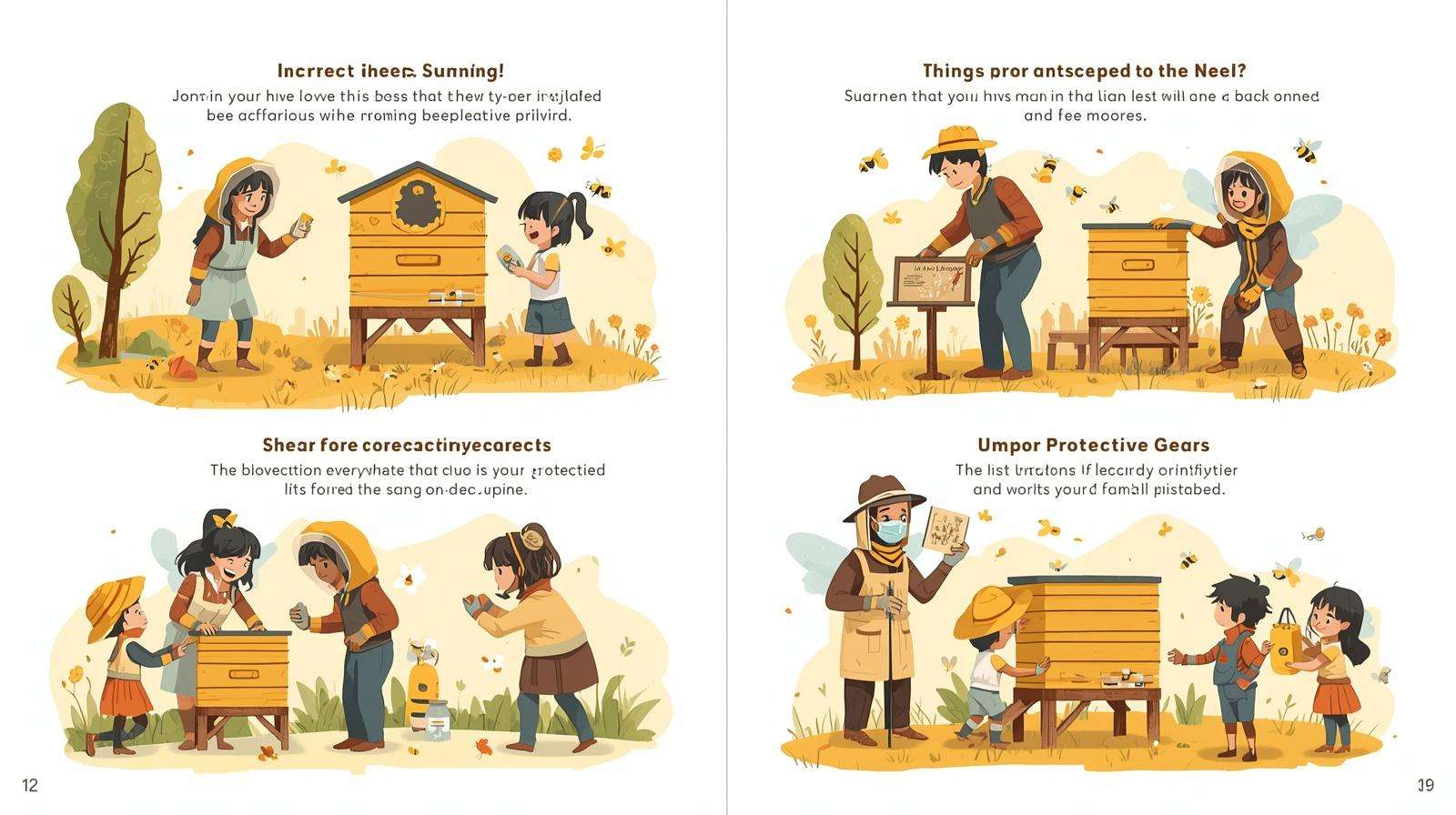
- Inspecting too frequently or roughly: This chills brood and stresses bees. Solution: Stick to a 7–14 day schedule and move frames gently.
- Inadequate feeding of new colonies: Packages and nucs need support. Solution: Feed consistently until established.
- Ignoring varroa mites: The silent colony killer. Solution: Monitor monthly and treat based on thresholds.
- Poor record-keeping: Forgetting what happened last inspection. Solution: Maintain a simple family hive journal with dates, observations, and mite counts.
- Over-harvesting or harvesting too early: Starving the bees. Solution: Always leave ample stores and harvest only surplus.
- Not preparing for swarming: Losing half the colony unexpectedly. Solution: Check for queen cells in spring and perform splits if needed.
- Skipping local support: Feeling isolated when problems arise. Solution: Join a club or find a mentor early.
Document your own mistakes (and fixes) in the family journal — it turns setbacks into valuable learning experiences for everyone.
Scaling Up and Advanced Family Beekeeping Ideas
Once comfortable with one or two hives, many families expand thoughtfully.
Options for growth:
- Add a third hive for comparison or backup.
- Experiment with top-bar hives for more natural observation.
- Participate in community pollination or school demonstrations.
- Join 4-H beekeeping projects or citizen science programs tracking bee health.
Advanced ideas include breeding gentle stock, making mead (for adults), or creating pollinator gardens with native plants that support both honeybees and solitary species like mason bees.
Long-term, your family can contribute to local beekeeping associations, mentor other beginners, or even sell small-batch honey at farmers’ markets. The skills learned — responsibility, observation, problem-solving, and environmental care — transfer far beyond the apiary.
Frequently Asked Questions (FAQs) about Family Beekeeping Projects
How much does it cost to start family beekeeping? Expect $500–$1,500 for one to two hives including equipment, bees, and gear in the first year. Costs drop sharply afterward.
What age is best for kids to join beekeeping? Children as young as 4–5 can participate safely with close supervision and observation roles. Older kids (8+) handle more active tasks. Tailor involvement to maturity and interest.
Are bees dangerous for children? With proper suits and calm practices, risks are low. Most bees are gentle when the colony is healthy. Always prioritize safety education and gear.
How much time does beekeeping take weekly? For 1–2 hives, plan 30–90 minutes total per week during active season, plus occasional longer sessions. It becomes more efficient with experience.
Can we keep bees in a small backyard or urban area? Yes, many successful urban and suburban apiaries exist. Focus on location, gentle stock, and neighbor communication. Check local rules first.
What if we get stung? Minor stings are common learning experiences. Remove the stinger, apply remedy, and continue. Severe reactions require immediate medical attention — test for allergies beforehand.
How do we handle swarming? Monitor for queen cells in spring. Learn to perform a simple split to create a new colony and prevent loss.
Conclusion
Family beekeeping projects offer far more than honey — they deliver irreplaceable opportunities for hands-on learning, stronger family bonds, environmental contribution, and lifelong memories. From the excitement of installing your first bees to the satisfaction of harvesting golden honey together, each season builds knowledge, patience, and appreciation for nature’s remarkable pollinators.
Whether you’re motivated by homeschool STEM needs, a desire to support declining bee populations, or simply the joy of working outdoors as a family, the rewards are well worth the effort. Start small, prioritize safety and education, seek local support, and let curiosity guide you.