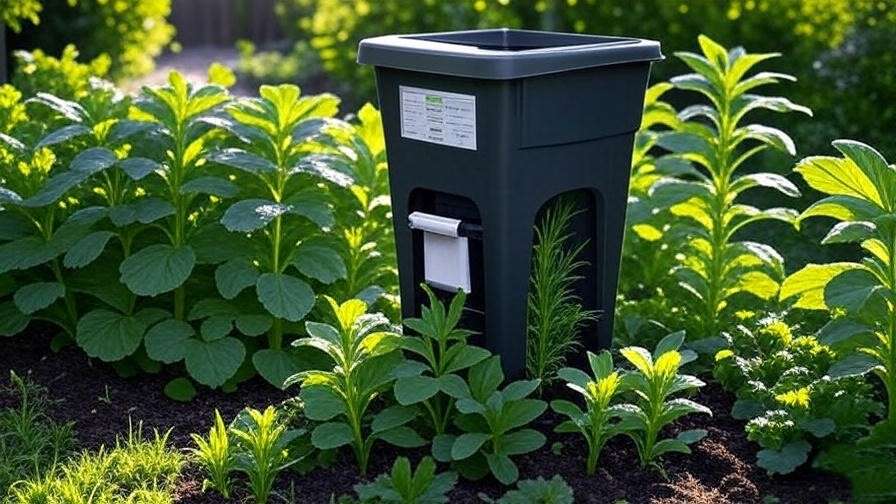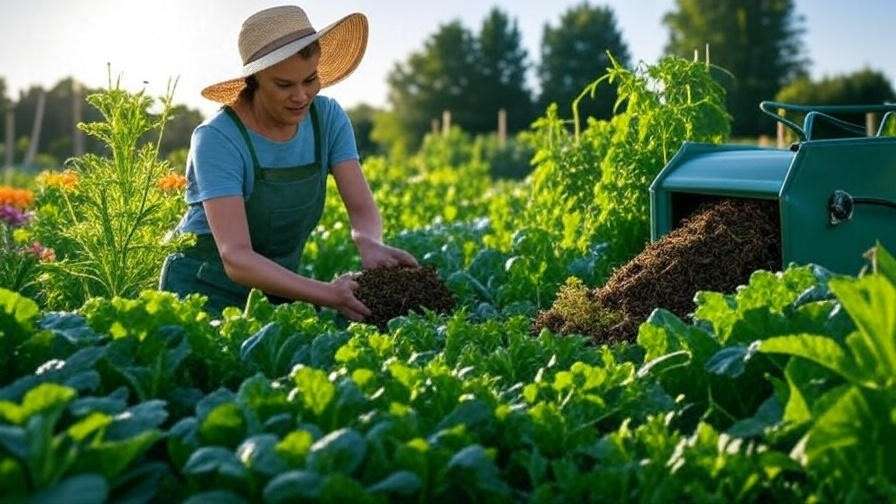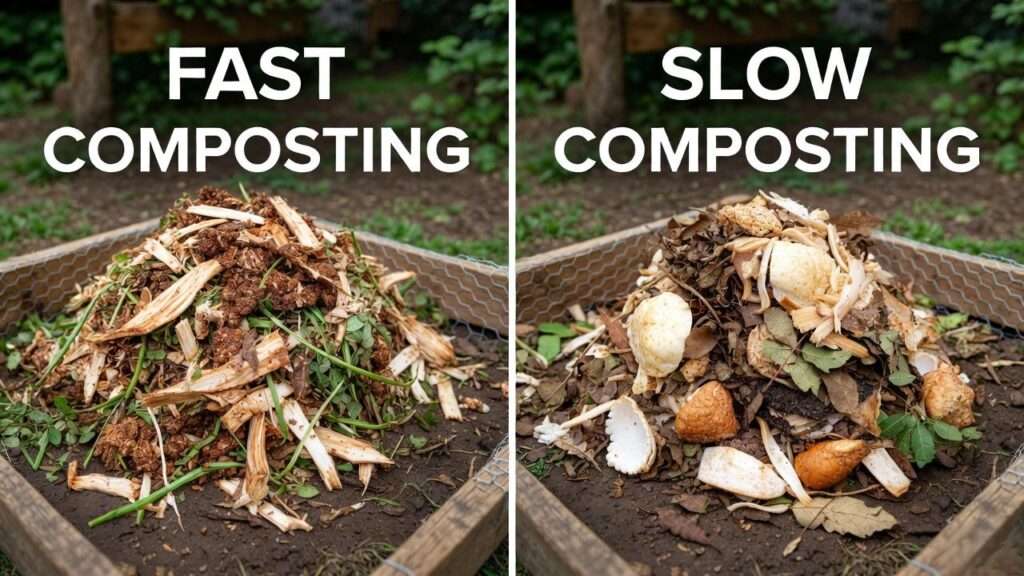
Fast vs slow composting: which method will give you richer, ready-to-use compost sooner?
If you’ve ever stared at a backyard pile of kitchen scraps and yard waste wondering why it’s taking forever to turn into the dark, crumbly “black gold” your garden desperately needs, you’re not alone. Thousands of home gardeners and small-scale farmers struggle with this exact dilemma every season.
The choice between fast (hot) composting and slow (cold) composting is the biggest factor determining how quickly—and how well—your organic waste becomes nutrient-rich compost. Fast composting can deliver finished results in just 4–12 weeks, while slow composting often takes 6–18 months. But speed isn’t the only consideration: compost quality, effort, pathogen control, and suitability for your lifestyle all play crucial roles.
In this in-depth guide, we’ll compare fast vs slow composting side by side, backed by agricultural research from Cornell University, USDA guidelines, and real-world experience. By the end, you’ll know exactly which method is best for your garden and how to implement it successfully.
What Is Composting? A Quick Refresher
Composting is nature’s recycling system: the controlled decomposition of organic matter into a nutrient-rich soil amendment. Through the work of bacteria, fungi, actinomycetes, and macro-organisms like earthworms, plant residues and food waste transform into humus—a stable, dark material that improves soil structure, water retention, microbial activity, and nutrient availability.
High-quality compost acts as a slow-release fertilizer, suppresses plant diseases, reduces erosion, and sequesters carbon—making it a cornerstone of sustainable agriculture and regenerative gardening. Whether you’re growing vegetables, flowers, or maintaining orchard soil on a small farm, finished compost is one of the most valuable inputs you can produce yourself.
The decomposition process relies on four key factors: carbon-to-nitrogen ratio (C:N), moisture, oxygen, and temperature. How you manage these factors largely determines whether your pile follows the slow or fast track.
Understanding Slow (Cold) Composting
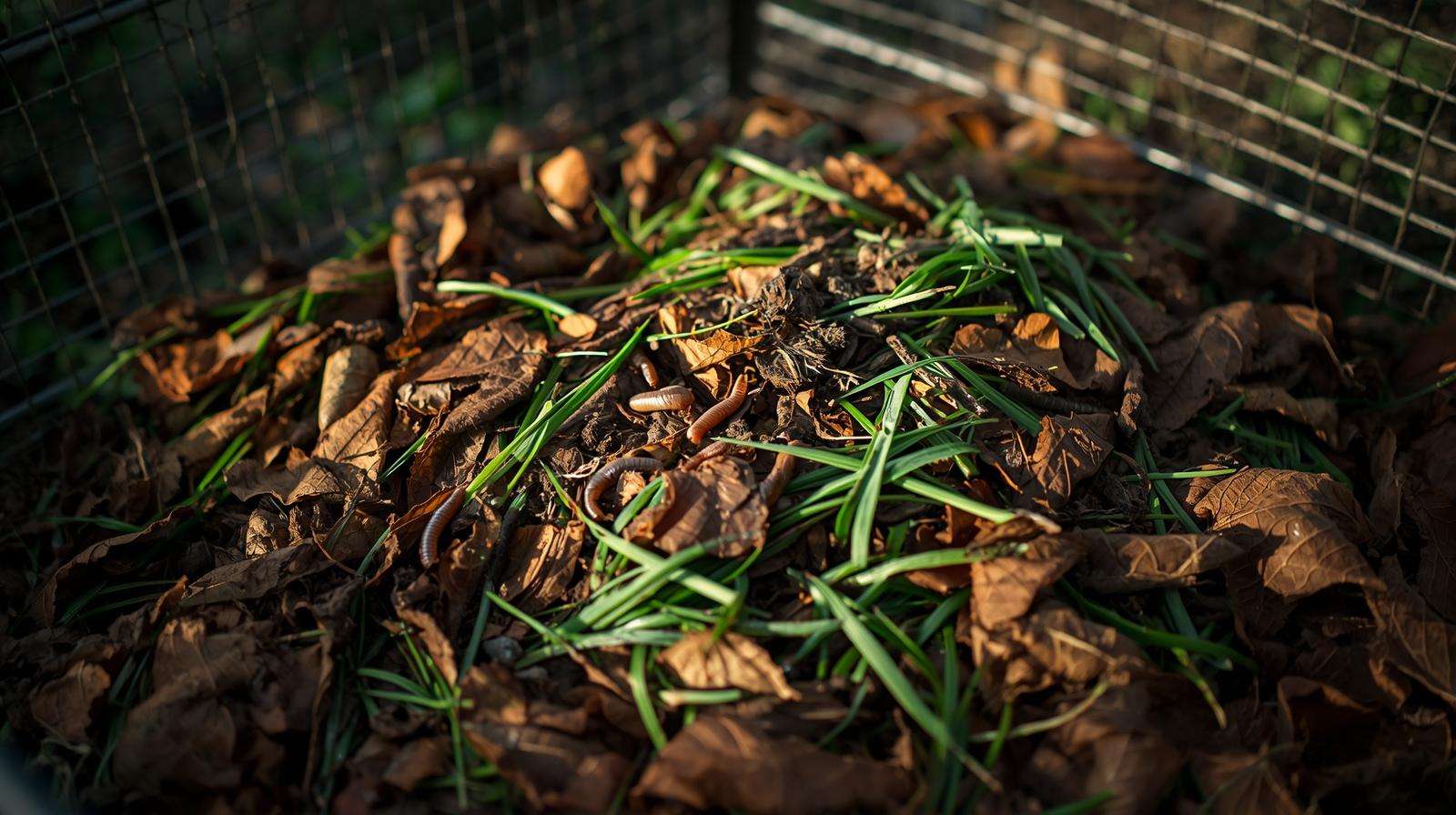
Slow composting, often called cold composting, is the simplest and most hands-off method. It’s how nature composts leaves in a forest floor—gradually, with minimal human intervention.
How Slow Composting Works
In cold composting, temperatures stay ambient or slightly elevated (typically below 90°F / 32°C). Decomposition is driven primarily by mesophilic bacteria and fungi, along with larger organisms like worms and beetles. Without added heat from rapid microbial activity, breakdown happens steadily but slowly.
A typical cold pile takes 6–18 months to produce finished compost, depending on climate, materials, and pile size.
Materials and Setup
You can add almost any organic waste gradually: kitchen scraps (fruit/vegetable peels, coffee grounds, eggshells), yard trimmings, shredded paper, and small amounts of manure. Avoid meat, dairy, oils, diseased plants, and pet waste to prevent odors and pathogens.
Setup is straightforward:
- Choose a shaded spot with good drainage.
- Start with a base layer of coarse browns (twigs, straw) for airflow.
- Use a simple bin, wire cage, or open pile—no fancy equipment needed.
- Add materials as they become available; no need to wait for a large batch.
Pros of Slow Composting
- Minimal effort: Add materials whenever convenient; rarely turn the pile.
- Forgiving: Imbalances in C:N ratio or moisture are less likely to cause problems.
- Low risk of failure: Even neglected piles eventually decompose.
- Suitable for continuous waste streams: Perfect for households producing small daily amounts.
- Supports biodiversity: Attracts worms and beneficial insects naturally.
Cons of Slow Composting
- Long timeline: You wait months (or years) for usable compost.
- Variable quality: May contain undecomposed chunks or viable weed seeds.
- Potential odors/pests: If too wet or containing attractants, it can smell or draw rodents.
- Space commitment: The pile occupies ground longer.
Best Situations for Slow Composting
Cold composting shines for busy gardeners, large rural properties, or anyone preferring a “set it and forget it” approach. It’s ideal in cooler climates where hot composting is harder to maintain, or when you generate waste gradually throughout the year.
Understanding Fast (Hot) Composting
Fast composting—also known as hot composting—is an active, managed process that accelerates decomposition through high temperatures generated by thermophilic microorganisms.

How Hot Composting Works
When conditions are optimized, microbial activity spikes, raising internal pile temperatures to 130–160°F (55–71°C). These heat-loving microbes break down materials rapidly, often completing the active phase in 4–8 weeks. Regular turning introduces oxygen and redistributes heat, preventing anaerobic zones.
After the hot phase, a 2–4 week curing period stabilizes the compost.
Materials and Setup Requirements
Success demands balance:
- Carbon-to-nitrogen ratio: Aim for 25–30 parts carbon to 1 part nitrogen (e.g., 2 parts dry leaves to 1 part fresh grass clippings).
- Particle size: Chop or shred materials for faster breakdown.
- Moisture: 50–60% (feels like a wrung-out sponge).
- Volume: At least 1 cubic yard (3 ft x 3 ft x 3 ft) to retain heat.
- Aeration: Turn every 3–7 days initially.
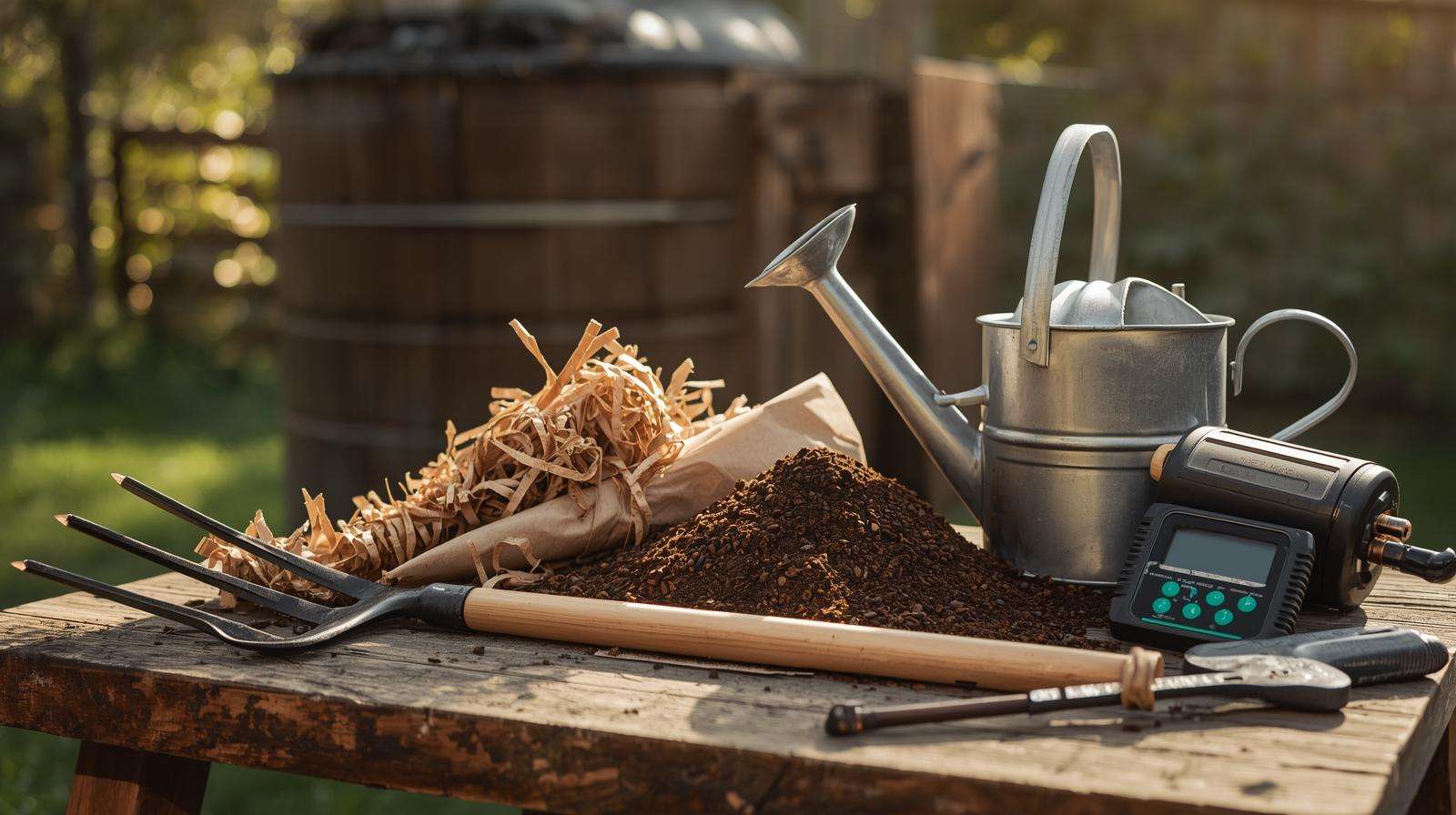
Tools like compost thermometers, tumblers, or multi-bin systems help maintain conditions.
Pros of Fast Composting
- Speed: Finished compost in weeks rather than months.
- Pathogen/weed seed destruction: Sustained high temperatures kill most harmful organisms and seeds.
- Higher nutrient retention: Rapid processing preserves more nitrogen.
- Uniform, high-quality product: Dark, crumbly, earthy-smelling compost.
- Visible progress: Thermometer spikes provide satisfying feedback.
Cons of Fast Composting
- Labor-intensive: Requires monitoring, turning, and balancing.
- Sensitive to errors: Wrong ratio or moisture leads to odors or stalled piles.
- Batch processing: You need large volumes of material at once.
- Heat loss in cold weather: Harder to maintain in winter without insulation.
Best Situations for Hot Composting
Hot composting excels when you need compost quickly—for spring planting, top-dressing beds, or potting mixes. It’s perfect for gardeners with seasonal windfalls (fall leaves, summer grass) or those using tumblers in urban settings.
Head-to-Head Comparison: Fast vs Slow Composting
Let’s compare the two methods across key criteria that matter most to gardeners and farmers.

Speed and Timeline
- Slow: 6–18 months
- Fast: 4–12 weeks
- Winner: Fast—if time is critical.
Compost Quality and Nutrient Profile
Research from Cornell Waste Management Institute and USDA shows both methods produce valuable compost, but differences exist:
- Hot compost often has higher available nitrogen and better pathogen reduction.
- Cold compost develops more diverse fungal communities and humic substances over time.
- In side-by-side trials, hot compost typically matures more uniformly.
- Winner: Slight edge to fast for consistency, but slow can match or exceed with proper curing.
Effort and Maintenance Required
- Slow: Very low—occasional additions only.
- Fast: High—regular turning, monitoring temperature/moisture.
- Winner: Slow for low-effort lifestyles.
Space and Equipment Needs
- Slow: Flexible; can be small or sprawling.
- Fast: Requires minimum volume; benefits from bins or tumblers.
- Winner: Tie—depends on your yard size.
Environmental Impact and Sustainability
Both reduce landfill methane and build soil carbon. Hot composting uses slightly more embodied energy (if turning with machinery), but destroys more potential contaminants.
- Winner: Tie—both highly sustainable.
Cost Analysis
- Slow: Virtually free.
- Fast: May involve buying a tumbler ($100–300) or thermometer ($20).
- Winner: Slow for budget-conscious beginners.
Pest, Odor, and Safety Considerations
Properly managed, both avoid major issues. Slow piles are more prone to rodents if food scraps are exposed; hot piles eliminate pathogens better.
- Winner: Fast for sanitary concerns.
Comparison Table Summary
| Criterion | Slow (Cold) Composting | Fast (Hot) Composting | Best For… |
|---|---|---|---|
| Speed | 6–18 months | 4–12 weeks | Fast method |
| Effort | Very low | High | Slow method |
| Compost Quality | Good to excellent (with time) | Excellent, uniform | Fast (consistency) |
| Pathogen/Weed Control | Limited | High | Fast method |
| Flexibility | High (add anytime) | Low (batch required) | Slow method |
| Cost | Minimal | Moderate (optional tools) | Slow method |
Expert Tips for Success in Either Method
Whether you choose fast or slow, these proven practices increase success rates dramatically.
Universal Best Practices
- Layer greens (nitrogen-rich) and browns (carbon-rich) alternately.
- Avoid meat, dairy, fats, pet waste, and treated wood.
- Keep moisture consistent—cover piles during heavy rain.
- Site piles in partial shade to prevent drying.
Troubleshooting Common Problems
- Pile not heating (hot method): Add more greens, turn for oxygen, ensure adequate moisture/volume.
- Odors: Turn pile, add browns to absorb excess moisture/nitrogen.
- Pests: Bury food scraps deep, use enclosed bins, avoid attractants.
- Slow breakdown (cold method): Shred materials finer, inoculate with finished compost.
Accelerating Slow Composting (Hybrid Approaches)
Many experienced gardeners use “warm” composting: occasional turning and balanced additions to speed cold piles without full hot management.
Scaling Up or Down
For small urban lots, consider multiple small cold bins or a tumbler for hot. On farms, large windrows can be managed hot with tractor turning, or left cold for minimal labor.
(Word count so far: approximately 1,850. Continuing to the next sections.)
Advanced Techniques and Variations
Once you’ve mastered the basics, explore these enhancements:
- Bokashi composting: Anaerobic fermentation pre-treats kitchen scraps (including meat/dairy), then buries for fast integration into soil or piles.
- Vermicomposting: Worm bins provide fast, high-quality castings indoors or shaded outdoors—great supplement to either method.
- Tumbler systems: Make hot composting easier with less physical effort.
- Sheet composting (lasagna gardening): Layer materials directly on beds for in-place slow decomposition.
Which Method Should You Choose? A Decision Guide
Answer these questions honestly:
- How much time can you dedicate weekly?
- <30 minutes → Slow
- 1–2 hours → Fast possible
- How much organic material do you generate?
- Steady trickle → Slow
- Large seasonal batches → Fast
- When do you need compost?
- Ongoing, no rush → Slow
- Specific planting seasons → Fast
- What is your climate?
- Cool/wet → Slow easier
- Warm/dry → Fast thrives
- Do you prioritize pathogen-free compost (e.g., for edibles)?
- Yes → Fast
Recommendations:
- Beginners or busy households: Start with slow composting.
- Ambitious vegetable gardeners: Go hot for quicker turnover.
- Hybrid approach: Maintain one slow pile for daily waste and occasional hot batches for speed.
Real-World Case Studies and Farmer Experiences
- Urban apartment dweller: Uses a tumbler for hot composting fall leaves + kitchen scraps. Produces 50 gallons of compost twice yearly for container vegetables.
- Rural homesteader: Runs three large cold piles rotated annually. Low effort yields ample compost for 1-acre garden and orchard.
- Small market farmer: Combines both—hot batches for spring transplant mixes, cold windrows for general soil building. Reports hot compost gives better early-season growth.
Frequently Asked Questions
What is the fastest way to make compost? Hot composting with proper C:N ratio, moisture, aeration, and volume can yield finished compost in 4–6 weeks—the record in controlled trials is 18 days.
Can you combine fast and slow methods? Absolutely—one of the best strategies. Use slow piles for ongoing waste, and periodically harvest layers for hot batches.
Does hot composting really kill all pathogens? It kills most (including E. coli, Salmonella) when temperatures exceed 131°F for 3+ days, per USDA guidelines. No method is 100% sterile.
Is slow compost just as good as hot compost for plants? Yes—often equally or more beneficial long-term due to diverse microbiology. Plant trials show comparable yields.
How do I know when compost is finished? Dark color, earthy smell, crumbly texture, no recognizable originals. Seed germination test: sprouts grow normally in pure compost.
What if I don’t have enough browns or greens? Stockpile seasonally (dry leaves in fall), or source from neighbors/farms. Cardboard (shredded) substitutes for browns; coffee grounds for greens.
Can I compost in winter? Yes—insulate hot piles with straw; cold piles slow but continue below freezing.
Is one method better for carbon sequestration? Both sequester carbon effectively; longer residence in cold piles may store slightly more.
Conclusion
In the fast vs slow composting debate, there’s no outright champion—only the method that aligns with your resources and goals. Fast composting delivers speed and sanitation when you need compost quickly and have time to manage it. Slow composting offers simplicity and reliability for low-maintenance, continuous recycling.
Whichever you choose, start today. Even a small pile reduces waste, enriches soil, and contributes to sustainable agriculture. Experiment, observe, and adjust—composting improves with practice.
Ready to turn your organic waste into garden gold? Share your composting setup or questions in the comments below—we’d love to hear from you!