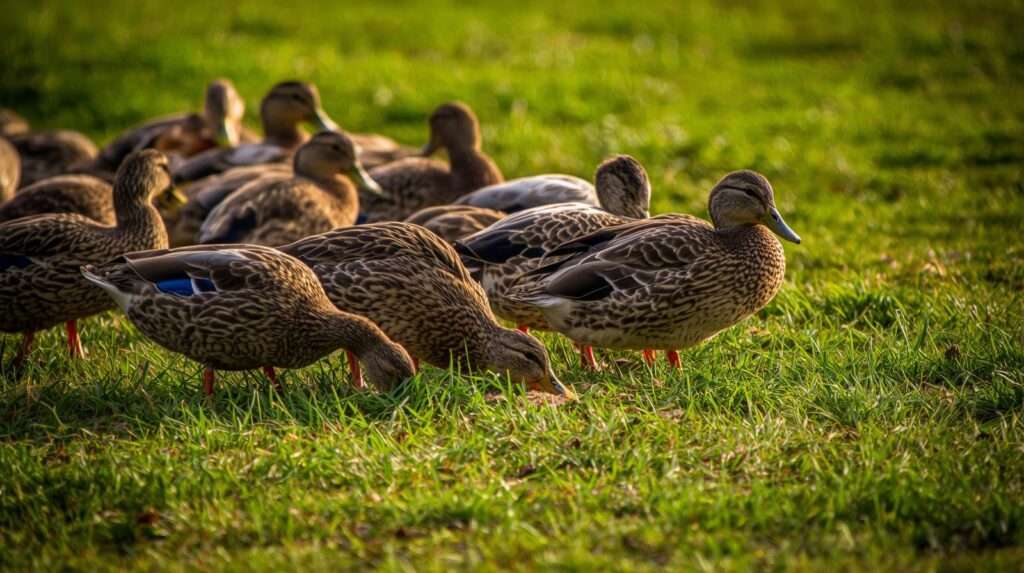
Imagine opening your backyard gate each morning to see your ducks already busy at work: heads down, bills sweeping through clover and grass, snapping up slugs, crickets, and tender shoots while their feathers glisten with morning dew. By evening, you’ve barely touched the feed bag—your commercial grain costs have dropped noticeably, your duck eggs boast deeper orange yolks richer in omega-3s, your garden pests are under natural control, and the soil is quietly improving from the steady deposit of high-quality manure. This isn’t a fantasy; it’s the everyday reality for homesteaders and small-scale farmers who master feeding ducks on pasture.
Rising feed prices, a desire for more sustainable poultry systems, and interest in regenerative agriculture have pushed many duck keepers to ask the same question: How much of my ducks’ diet can realistically come from pasture, and how do I do it without compromising health, egg production, or growth?
This comprehensive guide answers that question in depth. Drawing from years of managing pastured duck flocks in varied climates (including humid subtropical conditions similar to parts of Bangladesh), combined with data from university extension services (NC State Poultry Science, ATTRA Sustainable Agriculture, Cornell Small Farms Program), practical trials on forage contribution percentages, and lessons learned from both successes and costly mistakes, you’ll receive a step-by-step roadmap to:
- Maximize nutritious, low-cost foraging
- Prevent common nutritional shortfalls
- Design effective rotational pasture systems
- Balance pasture with smart supplemental feeding
- Achieve measurable cost savings and healthier birds
Whether you keep 6 backyard layers, 30–50 homestead meat/egg ducks, or are scaling toward small commercial production, this article goes far beyond generic “let them free-range” advice. Let’s build a pasture-based duck feeding system that actually works.
Why Feed Ducks on Pasture? Key Benefits and Realistic Expectations
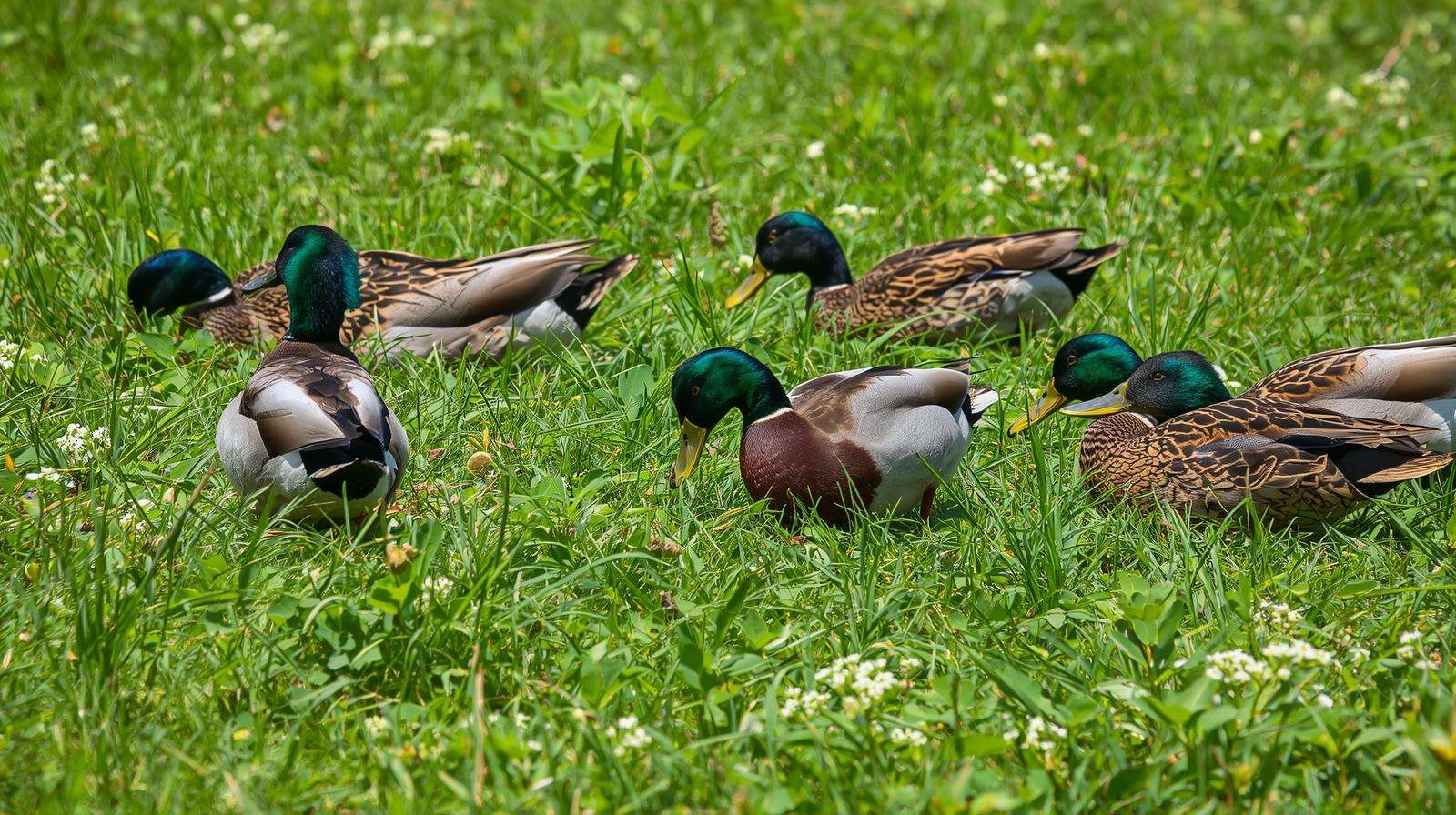
Pasture isn’t just “extra greens”—when managed correctly, it becomes a dynamic, living feed source that delivers multiple returns.
Nutritional Advantages Ducks are enthusiastic omnivorous foragers. On good pasture they consume:
- Insects and larvae → high-quality animal protein, B vitamins (including niacin), fats
- Legumes and young grasses → vitamins A, E, K, riboflavin, some digestible fiber
- Seeds and broadleaf plants → trace minerals, natural antioxidants
Studies and farmer reports consistently show pastured ducks produce eggs with measurably higher omega-3 fatty acids and vitamin E compared to strictly grain-fed birds. Meat birds often develop firmer texture and more flavorful fat profiles.
Cost Savings In well-managed systems, pasture can supply 10–35% of total dry-matter intake during the growing season (higher in lush, insect-rich environments). At current feed prices, that can translate to 20–40% savings on purchased grain for medium-to-large flocks.
Health & Performance Benefits
- Stronger immunity from diverse micronutrients and natural phytonutrients
- Lower internal parasite loads (foraging behavior + diverse diet)
- Excellent natural slug, snail, and insect control in gardens, orchards, berry patches
- Improved gut microbiome diversity
Environmental Returns Ducks spread manure evenly during rotation → natural fertilizer cycling Legume-inclusive pastures fix nitrogen → reduced synthetic fertilizer need Reduced tillage and chemical use → better soil biology long-term
Realistic Expectations & Limitations Ducks are not geese or ruminants. Their digestive system is geared toward higher-protein, lower-fiber diets than grazing specialists. Even on excellent pasture, most ducks still derive the majority of calories and protein from concentrated feed. Expect pasture to meaningfully supplement—not fully replace—balanced rations. Over-reliance without supplementation is the #1 reason pastured duck projects fail.
Understanding Duck Nutritional Needs on Pasture
Ducks are hardy foragers, but their nutritional profile differs from chickens or geese. To succeed with pasture-based feeding, you must know exactly what ducks require and how forage contributes—without guessing.
Core Nutritional Requirements by Life Stage
- Ducklings (0–8 weeks): High protein (18–22%), rapid growth demands. Niacin is critical (55–70 mg/kg feed) to prevent leg deformities like bowed legs or perosis. Energy ~2,800–3,000 kcal/kg.
- Growers (8–20 weeks): Protein 16–18%, niacin ~40–55 mg/kg. Focus on balanced development.
- Layers: Protein 16–18%, calcium 2.5–3.5% for strong eggshells, niacin ~55 mg/kg. Energy ~2,800 kcal/kg.
- Meat birds: Higher protein early (18–20%), then finisher 14–16%.
How Pasture Contributes (and Where It Falls Short) From extension sources like ATTRA/NCAT and Cornell, pastured poultry (including ducks) typically derive 5–20% of total diet from forage in good conditions—higher (up to 30–35% in lush, insect-rich pastures) for enthusiastic foragers like Muscovy or Runners. Ducks consume more pasture volume than chickens due to their bill-sweeping style and tolerance for wetter areas.
What pasture provides:
- Insects, slugs, snails, worms → Excellent animal protein (up to 60–70% protein dry matter), fats, B vitamins (including some niacin), minerals.
- Young legumes (clover, alfalfa) → Protein (15–25%), vitamins A, E, K, riboflavin, some calcium.
- Grasses and broadleaves → Fiber, vitamins, natural grit from soil particles.
- Seeds and greens → Trace minerals, antioxidants.
Limitations:
- Pasture is high-moisture, low-energy density compared to grain. Ducks can’t digest mature fiber well.
- Niacin in plants/insects is variable and often insufficient alone—supplementation remains essential, especially for fast-growing or laying ducks.
- No guaranteed calcium/phosphorus balance without free-choice oyster shell/grit.
Practical Estimation In rotational systems with diverse, young forage: Expect 10–25% forage contribution during peak growing season (spring–fall). In poorer or winter pasture: Closer to 5–10%. Track by offering measured feed and observing leftovers—adjust accordingly.
Best Forages and Pasture Plants for Ducks
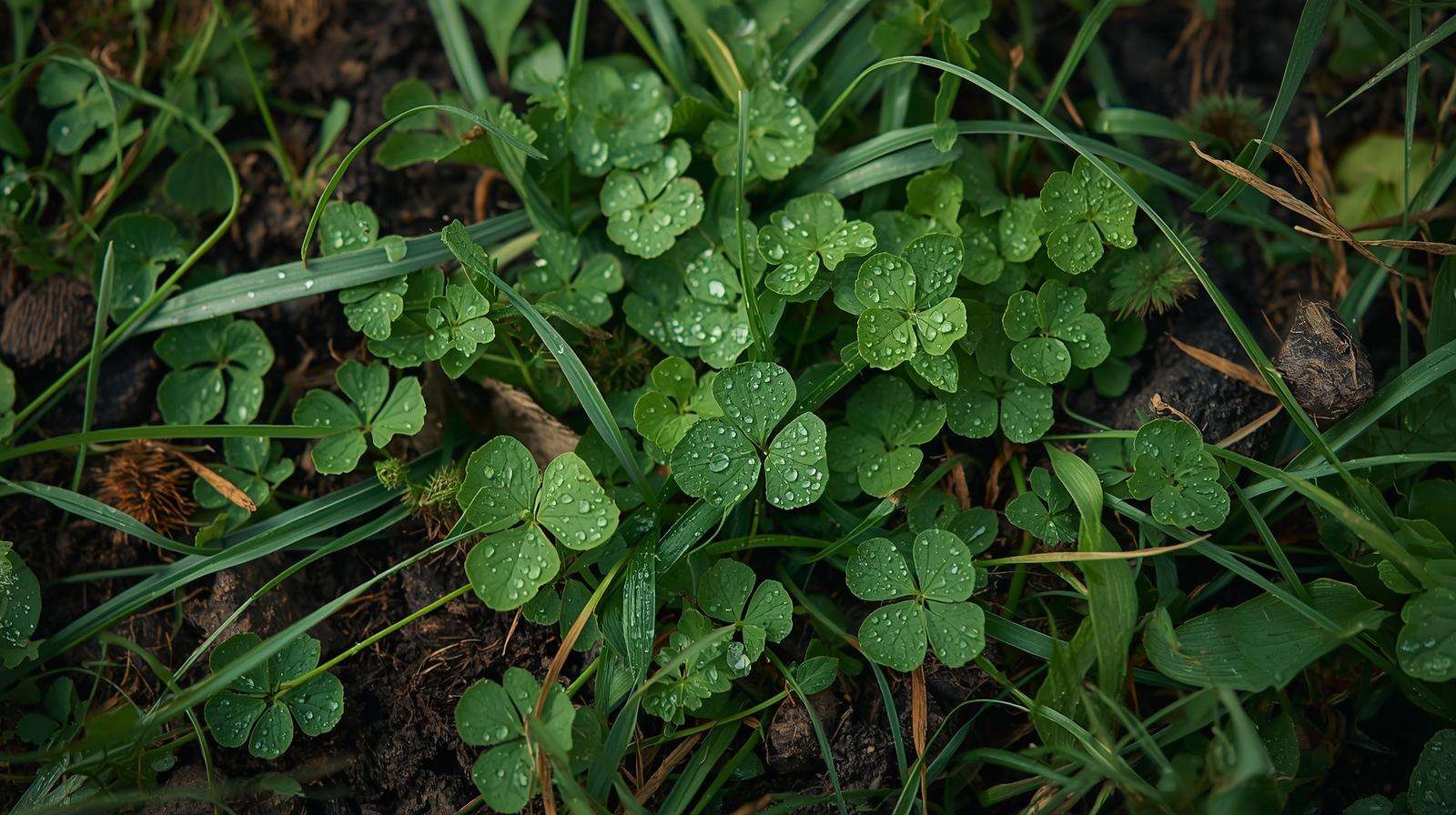
Choose plants that are palatable, nutritious, and regrow quickly under duck grazing pressure.
Top Recommended Species
- Legumes (high protein, nitrogen-fixing): White clover, red clover, alfalfa (lucerne)—ducks love young shoots. Alfalfa offers ~20% protein dry matter.
- Grasses: Kentucky bluegrass, perennial ryegrass, orchardgrass, bermudagrass (warm climates). Keep vegetative (mowed/grazed short).
- Broadleaves/herbs: Chicory (deep roots, minerals), plantain, dandelion, purslane—excellent vitamins and palatability.
- Brassicas/cool-season: Kale, turnips, radish, forage peas—for winter grazing.
- Insect attractors: Diverse mix encourages bugs (ducks’ favorite protein source).
Plants to Limit or Avoid
- Mature tall grasses (high fiber, low intake).
- Toxic in excess: nightshades (potato/tomato leaves), large amounts of oxalis or buttercup.
- Avoid over-fertilized or pesticide-treated areas.
Seasonal and Regional Planning In tropical/subtropical areas like Barishal (warm, humid, monsoon rains): Use perennial bermudagrass base + overseed with clover/alfalfa in cooler months. Rotate to prevent overgrazing during wet season. For cooler climates: Include rye, oats, peas for winter cover.
Establishment Tips
- Soil test first (pH 6.0–7.0 ideal).
- Seed mix: 30–40% legumes, 40–50% grasses, 10–20% herbs.
- Broadcast or drill; roll for seed-to-soil contact.
- Start grazing at 6–8 inches height; rest paddocks 21–30 days for regrowth.
Feeding Ducks on Pasture: The Complete Guide to Nutritious, Cost-Saving Foraging for Your Flock (continued)
Setting Up and Managing Pastured Duck Systems
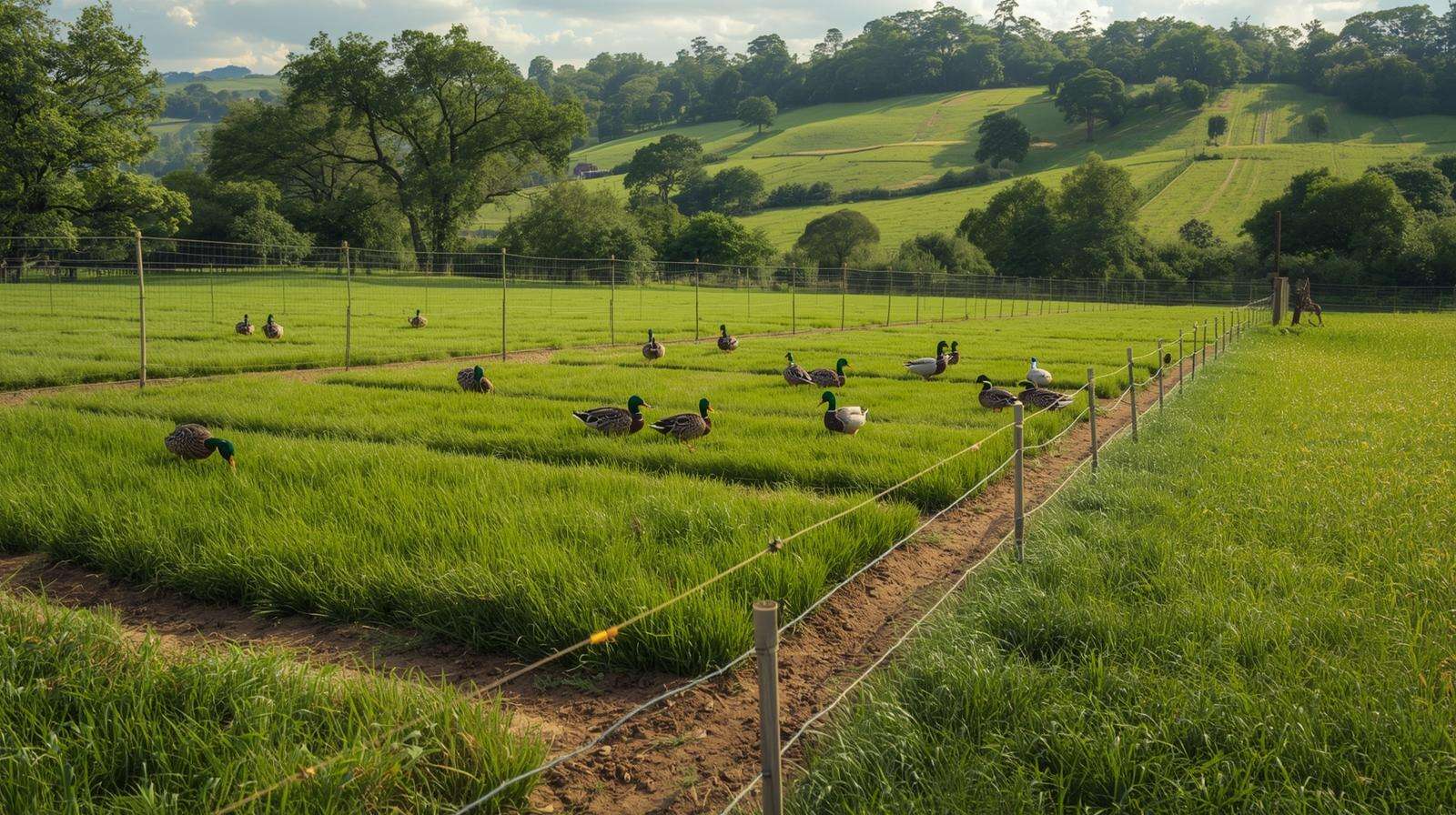
The difference between ducks that merely “free-range” and ducks that truly thrive on pasture lies in intentional system design. Random access usually leads to overgrazed bare patches, muddy destruction zones around water sources, and inconsistent forage intake. A managed rotational system changes that dynamic.
Pasture Design and Rotation Basics
- Space requirements — A realistic starting point is 200–500 square feet per duck for moderate pasture contribution (10–25% of diet). For higher forage intake (25–35%), aim toward 1,000–2,000 sq ft per duck during peak growing season. In practice: ¼ acre (≈10,890 sq ft) can comfortably support 20–40 ducks with good rotation.
- Paddock division — Divide the available land into 4–8 smaller paddocks using portable electric netting (single- or double-strand polywire at 6–12 inches high works well for ducks). Move the flock every 3–7 days depending on grass growth rate, rainfall, and season. Goal: Graze to 3–4 inches height → rest until regrowth reaches 6–8 inches. This prevents overgrazing, maintains vegetative quality, and allows parasite die-off in rested paddocks.
Portable Housing and Water Infrastructure
- Use lightweight, movable shelters (A-frame tractors, hoop coops on skids, or simple tarped frames) so ducks always have nighttime protection near fresh pasture.
- Water strategy: – Place one or two kiddie pools / large tubs per paddock for bathing and drinking. – Move water sources with each rotation to prevent chronic mud. – In very wet climates (common in Barishal during monsoon), elevate tubs on gravel pads or use slightly sloped areas with good drainage. – Always provide deep drinking water (head-submerging depth) separate from bathing water if possible.
Supplemental Feeding Strategy Even the best pasture system still requires balanced grain-based feed.
- Offer duck grower/finisher or layer ration (16–20% protein depending on stage) in the late afternoon/evening. Evening feeding encourages ducks to forage actively during daylight hours while ensuring they go to roost with full crops.
- Feed amount guideline: Start with normal ration, then reduce gradually while monitoring body condition, egg production, and weight. Many experienced pastured duck keepers reduce grain by 20–40% during lush seasons without performance loss.
- Free-choice supplements: – Grit (small stones/sand) for grinding – Oyster shell or limestone for laying hens – Brewer’s yeast or niacin powder sprinkled on feed (especially important if forage contribution is high)
Integration Opportunities
- After vegetable harvest: Let ducks clean up fallen produce and insects.
- In orchards: Ducks control fallen fruit pests and fertilize trees.
- With ruminants: Ducks follow cattle/goats/sheep to eat fly larvae and slugs in manure pats.
Daily / Seasonal Management and Monitoring
Daily Routine (10–20 minutes)
- Morning: Open shelter, move to fresh paddock if rotation day, check water cleanliness.
- Midday: Quick visual health check (active foraging, bright eyes, clean vents).
- Evening: Provide supplemental feed, collect eggs, close shelter.
- Observe forage intake — if ducks rush the feeder aggressively, they may need more grain; if they ignore it, you can reduce slightly.
Seasonal Adjustments
- Peak growing season (spring–early fall): Maximize rotation speed and forage contribution.
- Monsoon / heavy rain periods: Shorten paddock graze time, prioritize well-drained areas, increase grain to compensate for lower pasture quality.
- Winter / dry season: Supplement more heavily; offer green chop (kale, cabbage, sprouted grains) if fresh pasture is limited.
- Molting / breeding: Temporarily increase protein (18–20%) to support feather regrowth and fertility.
Simple Monitoring Tools
- Body condition scoring (feel keel bone and breast muscle)
- Weekly weighing of sample birds
- Egg production and eggshell quality logs
- Visual pasture assessment (leaf-to-stem ratio, bare soil percentage)
Common Mistakes and Troubleshooting
Even experienced duck keepers encounter setbacks when shifting toward pasture-based feeding. Most problems stem from over-optimism about how much forage can replace grain, poor pasture management, or overlooking ducks’ unique needs. Here are the most frequent issues and how to fix them before they become costly.
- Over-Reliance on Pasture (Biggest Nutritional Risk) Mistake: Assuming ducks can get 50–70% of calories from grass and bugs → sudden drop in egg production, poor weight gain, weak legs, soft-shelled eggs. Fix: Always provide a complete, balanced supplemental ration as the base. Use pasture as a high-quality bonus (10–35% contribution max in ideal conditions). Monitor body condition weekly and never reduce grain below 60–70% of normal unless birds are maintaining excellent health and output.
- Poor Forage Quality or Overgrazing Mistake: Letting paddocks become bare dirt or tall, stemmy grass → ducks stop foraging meaningfully. Fix: Rotate more frequently (every 3–5 days in fast growth), rest longer (21–35 days), and overseed with legumes if needed. Clip tall grass before moving ducks in to encourage tender regrowth.
- Chronic Mud and Wet Conditions Mistake: Placing water sources in low-lying areas during rainy seasons → destroyed pasture, foot problems, bacterial buildup. Fix: Use gravel pads or slightly raised platforms under pools. Rotate water locations. In monsoon-heavy regions like Barishal, keep summer paddocks on higher ground and shorten graze periods during heavy rain.
- Niacin Deficiency Still Occurring Mistake: Relying on “natural” forage sources for niacin → leg deformities appear in ducklings or growers. Fix: Supplement with brewer’s yeast (1–2 tbsp per kg of feed) or use commercial duck feed that already includes extra niacin. Pasture insects help but are inconsistent.
- Predator Pressure or Uneven Manure Distribution Mistake: Static fencing → foxes, dogs, or snakes learn patterns; manure piles in one spot. Fix: Move shelters and water daily or every few days. Use portable electric netting and add guardian animals (geese, dogs) if feasible.
- Ignoring Seasonal Shifts Mistake: Same feeding plan year-round → winter weight loss, summer heat stress. Fix: Increase grain in cooler/drier months; offer shade and extra cool water in hot weather.
Quick troubleshooting checklist:
- Ducks rushing feed aggressively → increase supplemental ration
- Pale yolks, soft shells → add more calcium + check protein
- Limping or bowed legs → boost niacin immediately
- Bare soil in paddocks → shorten graze time or rest longer
Advanced Tips for Maximizing Forage Benefits
Once the basics are solid, these techniques can push forage contribution higher while keeping ducks healthy.
- Insect encouragement — Avoid broad-spectrum insecticides. Plant insect-attracting flowers (marigolds, sunflowers, buckwheat) around pasture edges. Leave small “wild strips” unmowed to boost bug populations.
- Multi-species integration — Run ducks behind cattle or goats (ducks eat fly larvae in manure). Follow ducks with chickens (chickens scratch for remaining insects).
- Sprouted or fermented feed as bridge — Soak grains 24–48 hours or sprout barley/peas → increases digestibility and vitamins, making ducks more satisfied with less volume.
- Simple forage contribution tracking — Weigh ducks weekly and record daily grain offered vs. consumed for 2–3 weeks. Calculate rough % reduction possible without performance drop.
- Cover-crop sequencing — After main grazing, broadcast quick-growing annuals (peas + oats + radish) for fast regrowth and winter soil protection.
Frequently Asked Questions (FAQs)
How much of a duck’s diet can realistically come from pasture? In lush, well-managed systems: 10–35% of total intake during peak season. Rarely more without performance loss.
Can ducks survive on pasture alone? No. Ducks require concentrated energy and consistent niacin/calcium that pasture cannot fully provide long-term.
What’s the best starter pasture mix for ducks? White/red clover (30–40%), perennial ryegrass or bermudagrass (40%), chicory/plantain (10–20%). Add alfalfa if soil suits.
How do I transition ducks to more pasture feeding? Gradually: Start with full ration, move to fresh paddocks daily, reduce grain 5–10% per week while monitoring weight and egg output.
Do Muscovy ducks forage better than other breeds? Yes — Muscovy are exceptional insect hunters and browse more aggressively than Pekins or Runners.
Will pastured ducks still lay well in winter? Production usually drops, but good winter supplementation (greens + extra grain) keeps declines milder than with confined birds.
How do I prevent my pasture from turning into mud? Frequent rotation, elevated water stations, drainage grading, and avoiding overstocking during wet months.
Is pasture feeding worth the extra effort? For flocks of 10+ birds: usually yes — feed savings + healthier eggs/meat + natural pest control quickly offset setup time.
Conclusion
Feeding ducks on pasture transforms them from feed-dependent birds into active contributors to a sustainable homestead or small farm. You gain richer eggs and meat, lower input costs, natural pest management, and improved soil fertility — all while watching your ducks express their instinctive foraging behaviors.
Start small: Establish one or two well-managed paddocks, track results diligently, and adjust based on your local climate and flock response. The payoff — both economic and joyful — comes faster than most expect.
Experiment, observe, and enjoy the process. Your ducks (and your wallet) will thank you.