Imagine this: You’ve just planted your first vegetable garden with dreams of fresh tomatoes, crisp greens, and homegrown beans on your table. Weeks later, your seedlings wilt, pests devour the leaves, and your harvest is a handful of undersized veggies — or worse, nothing at all. This heartbreaking scenario plays out for most first-year gardeners, but the good news is that first-year gardening mistakes are incredibly common and almost entirely preventable.
As a horticulture expert with over 20 years of experience guiding beginners — from small homestead plots to community gardens in challenging climates like the hot, humid regions of Bangladesh — I’ve seen these pitfalls repeat time and again. The frustration leads many new gardeners to give up entirely, yet avoiding them can transform your first season into one of abundance, learning, and joy.
In this comprehensive guide, we’ll cover the most frequent and costly beginner vegetable gardening errors across planning, planting, maintenance, and beyond. Drawing from extension service recommendations, real-world trials, and adaptations for tropical/subtropical zones (think heavy monsoons, intense heat, and high humidity), you’ll get actionable fixes, prevention strategies, and tips to set you up for success. By the end, you’ll have the tools to sidestep disappointment and enjoy a bountiful harvest that builds confidence for years to come.
Whether you’re starting a backyard plot, raised beds, or container garden in Barishal or similar areas, these insights will help you grow more productively while saving time, money, and effort.
Why First-Year Gardeners Struggle — And How to Flip the Script
New gardeners often dive in with enthusiasm but lack foundational knowledge. Overambition tops the list: trying to grow everything at once leads to overwhelm and neglect. Mindset traps like expecting instant results or ignoring local conditions compound the issue.
In hot, humid climates common in South Asia, challenges intensify — rapid pest buildup, fungal diseases from excess moisture, nutrient leaching during monsoons, and heat stress on plants. The key to flipping the script? Start small, plan thoughtfully, and treat gardening as a learning journey.
Quick regional tip for Barishal and similar areas: Focus on heat-tolerant, fast-maturing crops like okra, bitter gourd, amaranth, and yardlong beans. Prepare for monsoon drainage and use shade cloth during peak summer heat (March–May) to protect tender seedlings.
Benefits of smart starts include higher success rates, less waste, and sustainable habits that lead to thriving gardens long-term.
Planning and Setup Mistakes (The Foundation Errors)
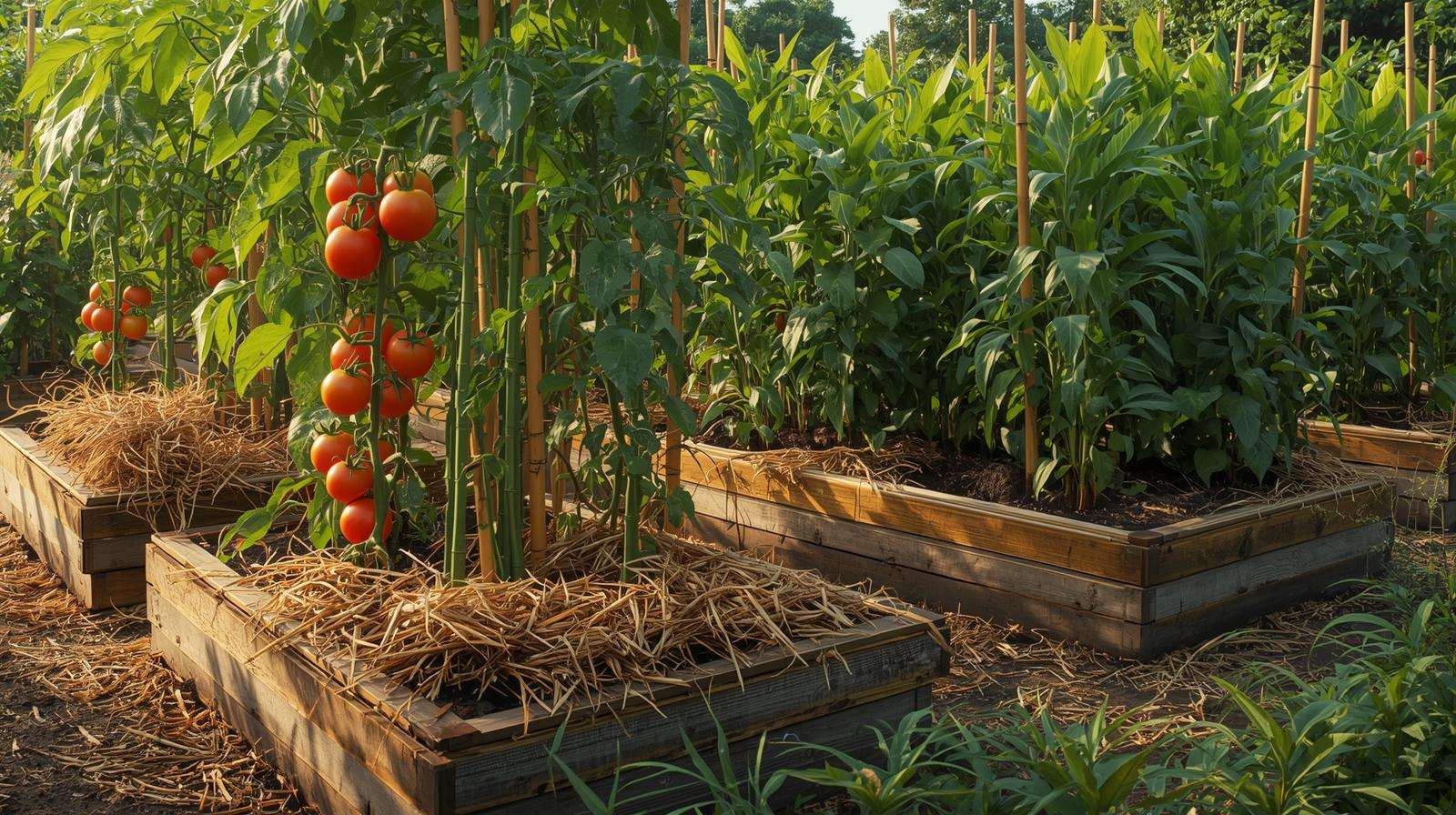
Many first-year failures trace back to rushed or overlooked setup. Get this right, and the rest becomes easier.
Choosing the Wrong Location or Ignoring Sunlight Needs
A spot with too little sun is a classic beginner error. Most vegetables need 6–8 hours of direct sunlight daily; less leads to leggy, low-yielding plants prone to disease.
Consequences: Poor fruit set in tomatoes, bolting greens, or weak overall growth.
Fix it: Observe your yard for a full day (use a sun-tracking app if needed). In tropical areas, morning sun with afternoon shade can prevent scorching. Avoid low-lying spots that flood during rains.
Pro tip: Test potential spots by placing pots there for a week before committing.
Starting Too Big or Planting Too Many Varieties
Enthusiasm leads to oversized plots or 20+ crop types, resulting in inconsistent care.
Fix it: Limit your first garden to 4–8 easy, high-reward crops suited to your climate (e.g., tomatoes, chilies, spinach, radishes, beans). Use raised beds or containers for manageability.
Skipping Soil Testing and Preparation
Poor soil — compacted, nutrient-deficient, or wrong pH — starves plants from the start.
Consequences: Yellow leaves, stunted growth, or total failure.
Fix it: Test soil pH (aim for 6.0–7.0 for most veggies) and nutrients using affordable kits or local agricultural offices. Amend with well-rotted compost, cow manure, or vermicompost — essential in Bangladesh where soils can be clay-heavy or sandy. Build raised beds if drainage is poor.
Not Planning for Water Access and Drainage
Gardens far from a water source get neglected; poor drainage causes root rot in wet seasons.
Fix it: Site near a hose or install simple drip systems. In humid tropics, elevate beds and add perlite/sand for better drainage.
Planting and Timing Mistakes
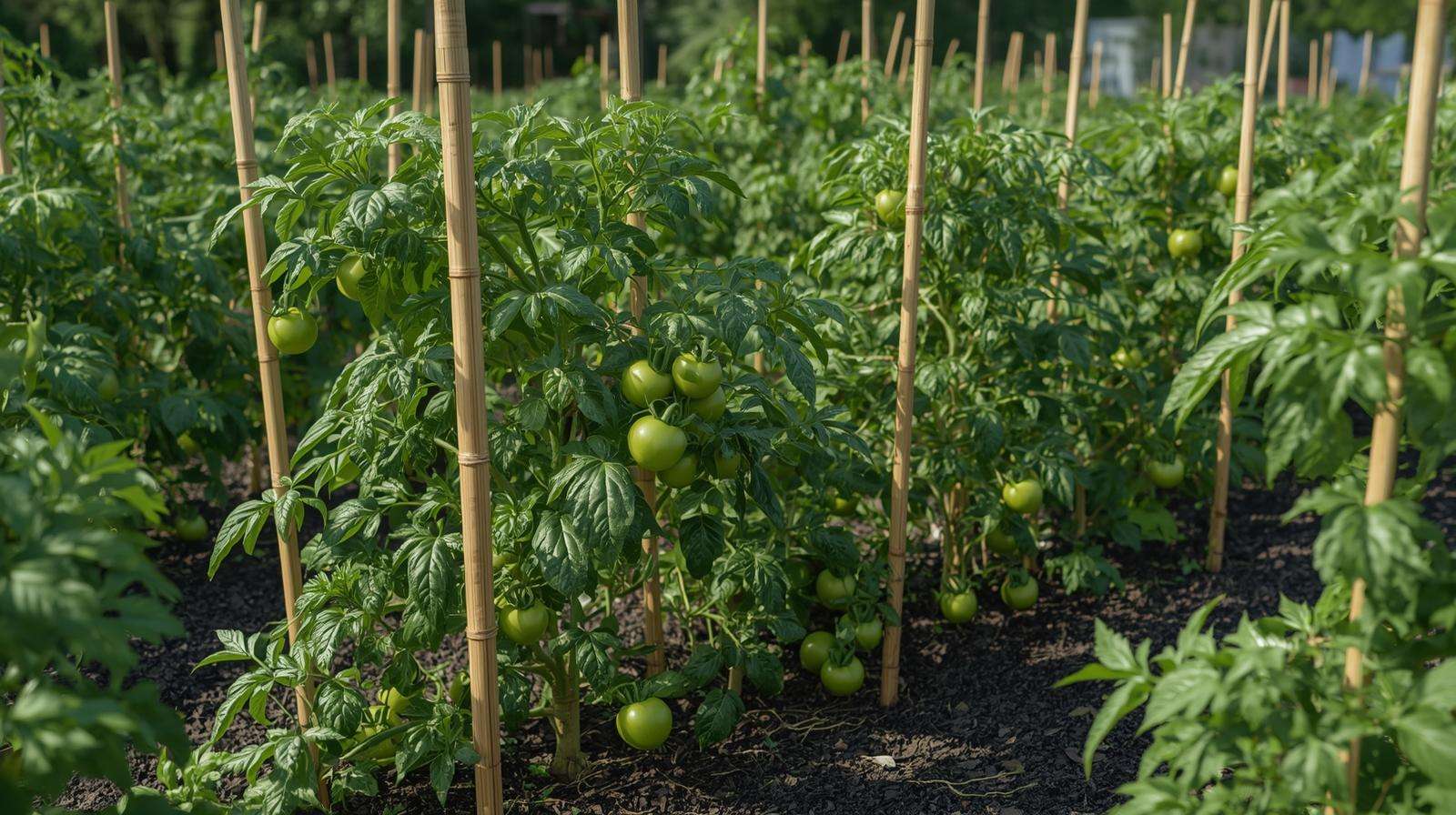
Timing and technique matter hugely in variable climates.
Planting Too Early (or Too Late) Without Knowing Your Season
Jumping the gun exposes tender plants to heat waves or late cool snaps; delaying misses optimal growth windows.
Fix it: Use local planting calendars (e.g., from Bangladesh Agricultural Research Institute). In Barishal, sow heat-loving crops post-winter (February–March) and monsoon-tolerant ones in June–July. Start seeds indoors for tomatoes/peppers.
Overcrowding Plants or Ignoring Spacing Guidelines
Tight planting causes competition, poor airflow, and disease spread (crucial in humid areas).
Fix it: Follow seed packet or regional guidelines — e.g., tomatoes 18–24 inches apart. Thin seedlings ruthlessly for best results.
Buying Poor-Quality Seeds/Starts or Wrong Varieties
Cheap or non-adapted seeds fail; diseased nursery plants bring problems.
Fix it: Source from reputable suppliers. Choose disease-resistant, local varieties (e.g., BARI-released okra or brinjal hybrids for heat/humidity tolerance).
Watering and Maintenance Mistakes (The Daily Killers)
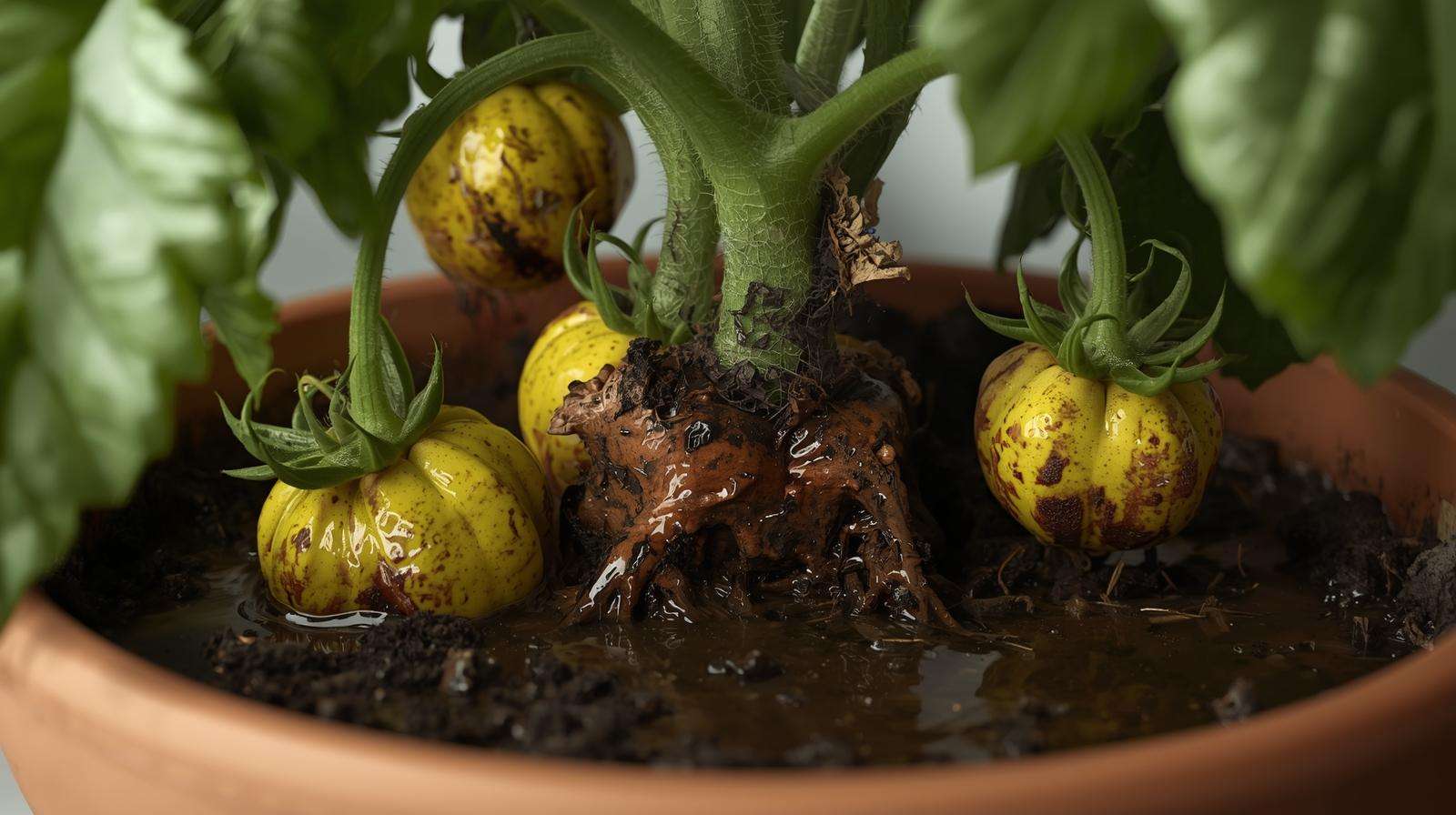
Watering issues top the list of silent plant assassins for beginners. In hot, humid climates like Barishal, inconsistent or incorrect watering can destroy an entire crop in days.
Overwatering or Inconsistent Watering
Overwatering is arguably the #1 first-year gardening mistake worldwide — and especially deadly in monsoon-prone regions where soil stays wet for weeks.
Why it happens: New gardeners see wilting leaves and assume the plant is thirsty, so they pour more water. Or they water every day “just in case,” creating constantly soggy soil.
Consequences: Root rot (Pythium, Fusarium, Phytophthora), yellowing lower leaves, fungal diseases (damping-off in seedlings, powdery mildew, leaf spot), and stunted growth. In humid tropics, overwatering turns minor issues into epidemics quickly.
How to fix and prevent it:
- Use the finger test: Insert your finger 2–3 inches into the soil. Water only when the top 1–2 inches feel dry.
- Water deeply but infrequently — aim for 1–1.5 inches per week (more during dry spells, less during monsoon).
- Water in the early morning so foliage dries quickly, reducing fungal risk.
- Install simple drip irrigation or soaker hoses to deliver water directly to roots without wetting leaves.
- Mulch heavily (see next section) to regulate soil moisture.
Regional note for Barishal: During the monsoon (June–September), many gardeners actually need to reduce watering and focus on drainage. Raised beds with good slope prevent waterlogging.
Underwatering or Shallow Watering
The opposite problem — especially common during the hot pre-monsoon months (March–May) when temperatures regularly hit 35–38°C.
Consequences: Wilting, blossom-end rot in tomatoes and peppers, bitter or small fruit, premature bolting in greens.
How to fix and prevent it:
- Check soil moisture deeper than the surface — shallow watering encourages weak, surface roots.
- Apply water slowly so it penetrates 6–8 inches deep.
- Use morning watering to reduce evaporation loss.
- Install shade nets or plant taller companions (e.g., maize or sunflowers) to provide afternoon shade during peak heat.
Neglecting Mulching
Skipping mulch is one of the most overlooked beginner mistakes — yet it solves multiple problems at once.
Consequences: Rapid soil drying, extreme soil temperature swings, weed competition, soil erosion during heavy rains, and higher watering needs.
Best fix:
- Apply 2–4 inches of organic mulch (rice straw, dried water hyacinth, chopped banana leaves, coconut coir, or well-rotted compost) after the soil warms.
- Keep mulch 1–2 inches away from plant stems to prevent rot.
- Replenish as it breaks down — it will also feed soil microbes over time.
Pro tip: In humid climates, avoid thick layers of fresh grass clippings or wood chips directly against stems — they can harbor slugs and fungal pathogens.
Nutrient and Soil Management Mistakes
Healthy soil = healthy plants. First-year gardeners often treat soil as a static medium rather than a living ecosystem.
Over-Fertilizing or Using the Wrong Type of Fertilizer
More is not better — especially with chemical fertilizers.
Consequences: Fertilizer burn (brown leaf tips/edges), excessive leafy growth at the expense of fruit, salt buildup in soil, and pollution of nearby water bodies.
How to fix and prevent it:
- Start with compost and aged manure — they release nutrients slowly and improve soil structure.
- Use balanced organic fertilizers (e.g., 5-5-5 or 10-10-10) sparingly.
- Follow the “less is more” rule: side-dress (apply around plants) only after plants show true nutrient deficiency signs (not just because they look small).
- In Bangladesh, many soils are naturally high in potassium but low in nitrogen and phosphorus — get a soil test to confirm before heavy feeding.
Ignoring Soil Health and Compaction
Walking on beds compacts soil, reducing oxygen to roots and water infiltration.
Consequences: Poor root development, water pooling on surface, increased disease pressure.
Best practices:
- Use designated paths between beds — never step on growing areas.
- Adopt no-till or low-till methods: add compost on top and let worms/microbes do the work.
- Plant cover crops (e.g., dhaincha, sunn hemp) in off-season to prevent erosion and build organic matter.
Pest, Disease, and Wildlife Mistakes
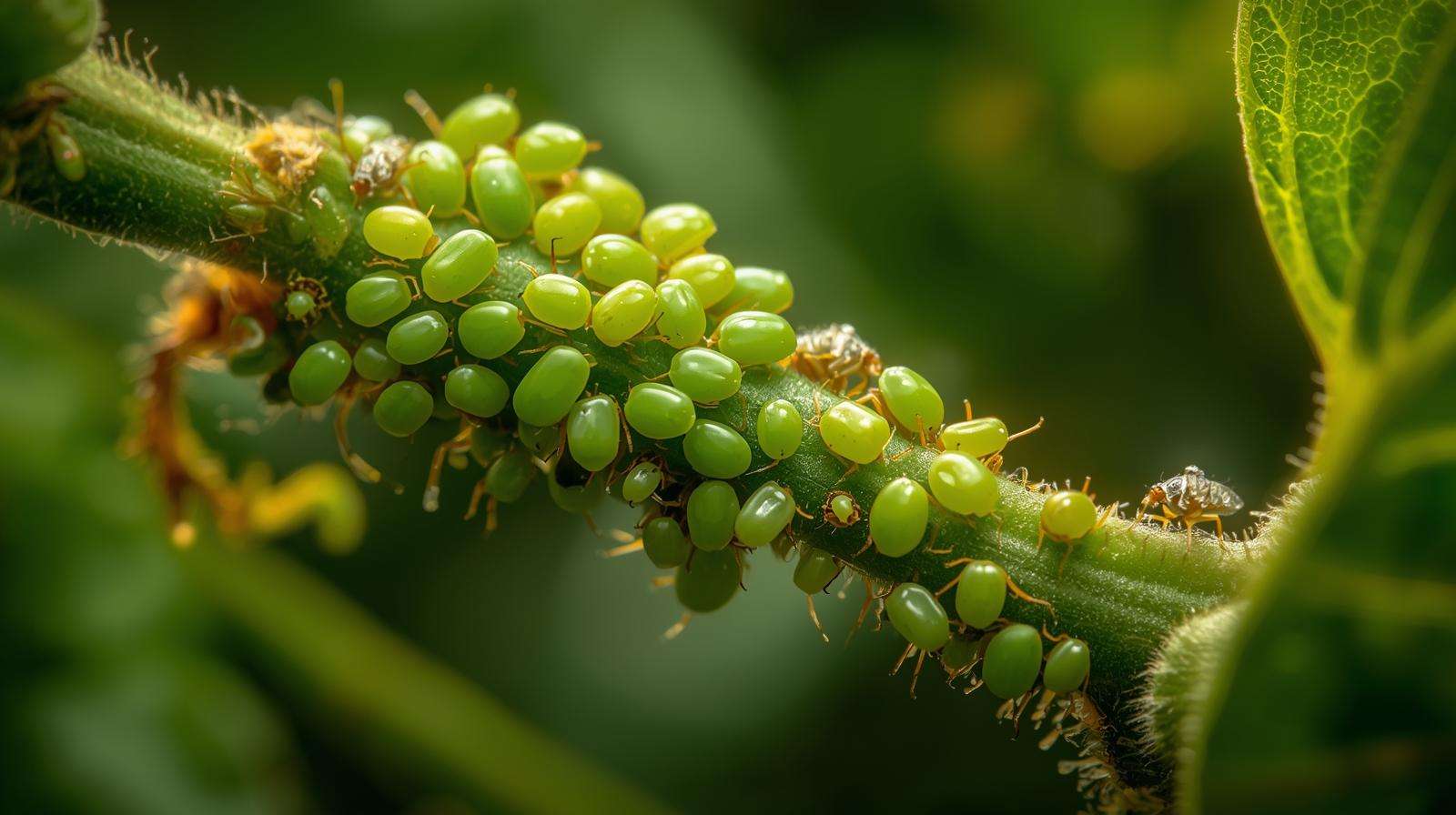
In tropical/subtropical climates, pests and diseases multiply rapidly — waiting to act is a costly error.
Waiting Too Long to Address Pests
Many beginners adopt a “wait and see” approach until damage is severe.
Common first-year invaders in Barishal region:
- Aphids, whiteflies, fruit borers ( brinjal, okra, tomato)
- Red pumpkin beetle, cutworms
- Slugs/snails during monsoon
- Birds and squirrels stealing fruit
Prevention-first strategy:
- Scout plants daily — early detection is key.
- Use companion planting: marigolds, basil, garlic, neem around veggies.
- Apply neem oil or neem seed extract weekly as a preventative (safe, traditional, and effective in South Asia).
- Introduce beneficial insects when possible (ladybugs, lacewings).
Not Protecting Against Common Threats
Leaving plants exposed invites disaster.
Quick fixes:
- Netting or row covers for birds, beetles, and caterpillars
- Beer traps, crushed eggshells, or copper tape for slugs
- Hand-picking early-morning pests (effective for many beetles)
Bonus: Advanced Tips for Turning Mistakes into Mastery
- Keep a simple garden journal: date, weather, what you planted, problems observed, solutions tried. This single habit accelerates learning faster than anything else.
- Practice succession planting: sow new batches of quick crops (radish, lettuce, beans) every 2–3 weeks for continuous harvest.
- Learn basic crop rotation: avoid planting the same family (e.g., nightshades: tomato, brinjal, chili) in the same spot year after year to reduce soil-borne disease.
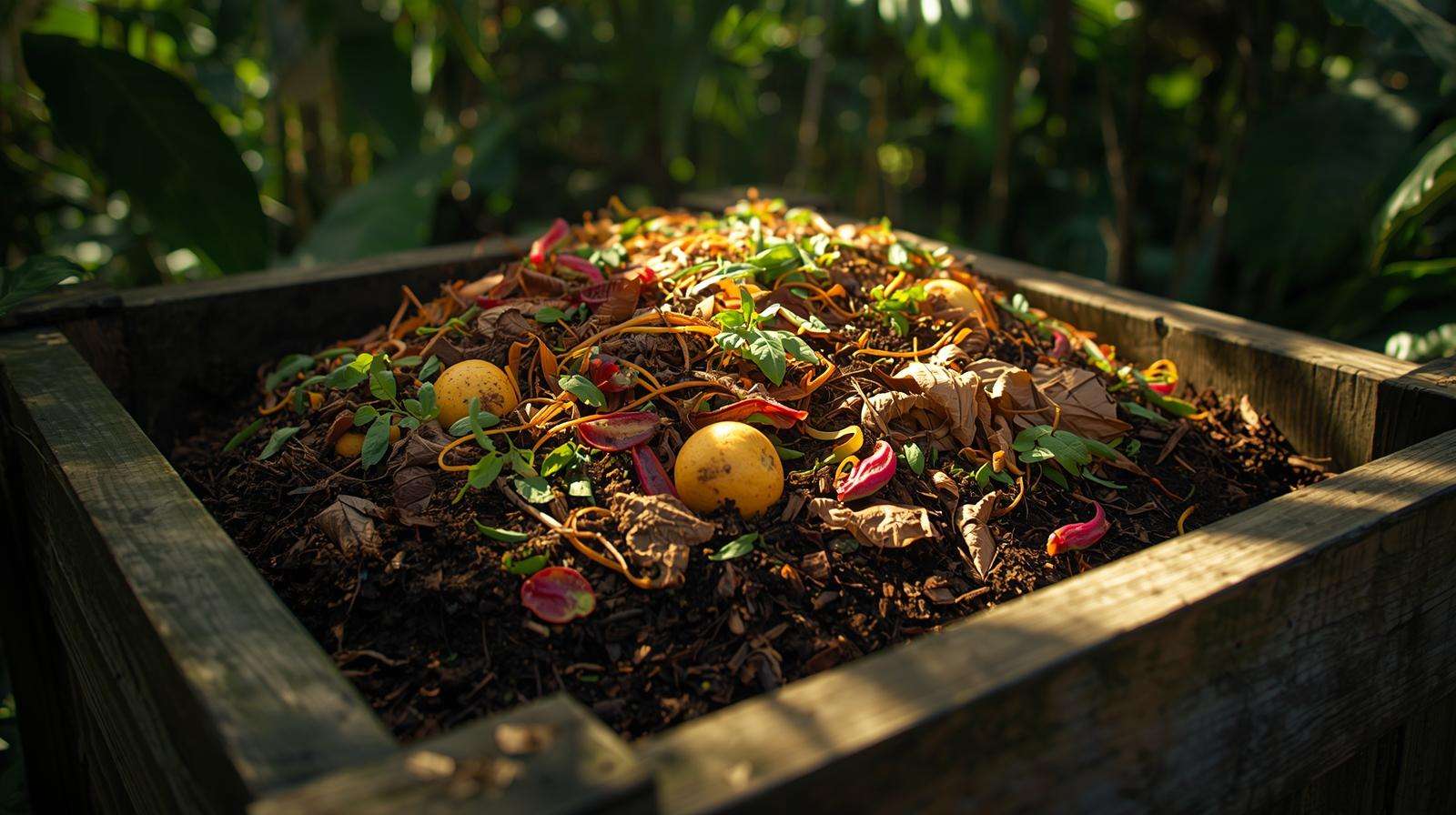
- Build a small compost system — even a single bin turns kitchen scraps and garden waste into “black gold” for next season.
Real Gardener Stories — Lessons from the Field
Nothing drives lessons home like hearing from others who’ve been exactly where you are. Here are a few anonymized but very real examples I’ve encountered while advising gardeners in Barishal and similar humid, tropical regions over the years.
Story 1: The Overwatering Tragedy A first-year gardener planted a beautiful row of brinjal (eggplant) seedlings in March. Excited by their rapid growth, she watered them every evening “to keep them happy.” By mid-April the lower leaves yellowed, stems blackened at the base, and the plants collapsed. Diagnosis: classic Phytophthora root rot, fueled by constant soil moisture + high humidity. Lesson learned & turnaround: She switched to the finger-test method, raised the beds slightly for better drainage, and mulched heavily with rice straw. The replacement plants she put in during the pre-monsoon window produced over 40 healthy brinjals per plant — a massive improvement.
Story 2: The Overcrowded Chaos A retiree decided to “maximize” his small backyard by planting 12 different vegetables in one 10×10 ft plot — tomatoes, chilies, beans, gourds, spinach, and more. Within six weeks the plot was a tangled jungle: poor airflow led to severe powdery mildew on cucurbits, aphids spread like wildfire, and almost nothing produced edible fruit. Lesson learned & turnaround: He scaled back to just four crops the following season (okra, yardlong beans, amaranth, and chilies), followed proper spacing, and used marigold borders. Yield tripled, maintenance time dropped by 70%, and he actually enjoyed gardening again.
Story 3: The “I’ll Start Seeds Later” Delay A young family waited until June to sow tomato seeds, thinking “it’s still hot, plenty of time.” The monsoon arrived early that year, and constant heavy rain + cloudy skies meant the seedlings never got enough light or warmth to thrive. Harvest was minimal. Lesson learned & turnaround: They now follow a simple calendar — start heat-loving seedlings indoors in January–February under low-cost shade nets or in a small nursery bed. Transplanting in March–April gives plants a strong head start before peak monsoon.
These stories aren’t exceptions; they’re the rule for most beginners. The good news? Every single one turned things around by applying the exact principles outlined in this guide.
Frequently Asked Questions (FAQs)
What is the single biggest first-year gardening mistake? Overwatering or inconsistent watering — it kills more plants than any other error, especially in humid tropical climates where soil stays wet longer than most people realize.
How do I know if I’m overwatering my vegetables? Yellowing lower leaves, soft/mushy stems near the soil line, a foul smell from the soil, or fungus gnats swarming are classic signs. Always do the finger test before watering.
Should I use chemical pesticides in my first year? Avoid them if possible. Start with cultural controls (proper spacing, mulch, companions), neem-based sprays, and hand-picking. Chemicals should be a last resort — they often kill beneficial insects and create dependency.
How much space do I really need for a first-year vegetable garden? Start with 50–100 square feet (roughly 5×10 ft or four 4×4 raised beds). That’s enough for 4–8 crops and teaches you the basics without overwhelming you.
Is composting worth the effort for beginners? Absolutely — even a single small bin or pile turns kitchen scraps into free, high-quality fertilizer within 2–4 months. It dramatically improves soil health in nutrient-leached tropical soils.
My plants look healthy but aren’t producing fruit. What’s wrong? Common causes: too much nitrogen fertilizer (all leaves, no fruit), insufficient sunlight (<6 hours), overcrowding, extreme heat stress during flowering, or lack of pollinators. Hand-pollinate tomatoes/peppers with a small brush if needed.
How do I protect my garden during the monsoon? Use raised beds, excellent drainage, mulch to prevent soil splash, and fungicide sprays (neem or copper-based) preventatively if diseases appear. Harvest early-maturing crops before peak rains.
Conclusion
First-year gardening doesn’t have to end in disappointment. By avoiding these common pitfalls — from poor planning and improper watering to neglecting soil health and waiting too long on pests — you give your plants (and yourself) the best possible chance at success.
Start small. Choose crops suited to your local climate. Observe, learn, and adjust. Keep that simple journal. Celebrate every small win — the first radish pulled, the first handful of beans, the first ripe chili.
Gardening is one of the few activities where mistakes literally become fertilizer for next season. With the strategies in this guide, your first year can produce not just vegetables, but real confidence and joy that carries forward for decades.
Ready to get started? Grab a notebook, sketch your garden layout, check your local planting calendar, and take that first step this season. Your future self — and your dinner table — will thank you.
If you found this helpful, subscribe for more practical agricultural tips tailored to South Asian home gardeners, or drop a comment below: What first-year mistake taught you the most? Sharing your story might help the next beginner avoid the same headache.
Happy gardening — here’s to your most bountiful harvest yet!