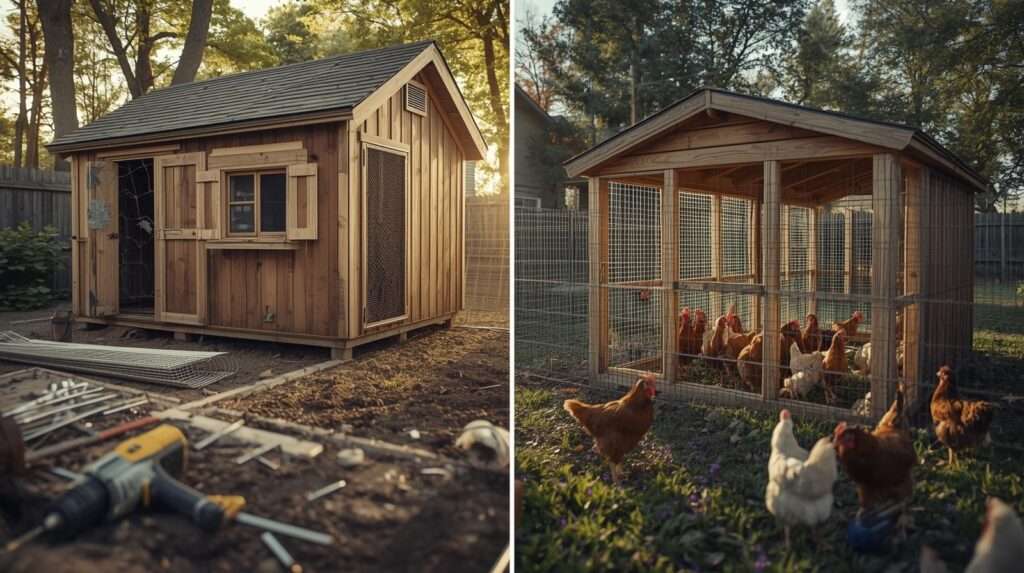
You proudly set up your new store-bought coop, excited to welcome your first flock—only to discover a few weeks later that raccoons have torn through the thin wire, your hens are gasping in a stuffy box on hot days, and your growing birds are crammed shoulder-to-shoulder with no room to move. Fixing store-bought coops is one of the most common challenges new chicken keepers face, because most prefab models are designed to look good in photos, not to withstand real predators, provide adequate ventilation, or house a flock at proper space standards. As a poultry housing specialist with over 20 years building, modifying, and troubleshooting coops for backyard growers and small farms—from humid Southeast setups where heat and moisture are brutal to windy prairie plots where predators never sleep—I’ve seen the same prefab flaws cause heartbreak and losses season after season. I’ve helped hundreds of families turn those flimsy boxes into safe, comfortable homes through extension workshops, hands-on builds, and contributions to resources like Backyard Poultry magazine.
This comprehensive guide is for anyone who has bought a store-bought coop and is now searching for real fixes to make it predator-proof, better ventilated, and large enough for their actual flock size. We’ll walk through the most common problems with prefabs, step-by-step upgrades (adding hardware cloth for predators, extra vent windows for airflow, and bigger runs for space), material choices, DIY techniques, seasonal/regional adaptations, maintenance tips, and real-keeper case studies so you can save your flock and your investment without buying a whole new coop. Whether you have a small tractor-style unit or a larger walk-in model, this article addresses the core search intent behind “fixing store-bought coops”: providing practical, affordable solutions to make your prefab safe, healthy, and functional for real birds.
Why Store-Bought Coops Fail: Common Problems and Their Real-World Impact
Most store-bought coops are built to a price point, not to a performance standard. They look cute in catalogs and online listings, but they rarely hold up to real flock life.
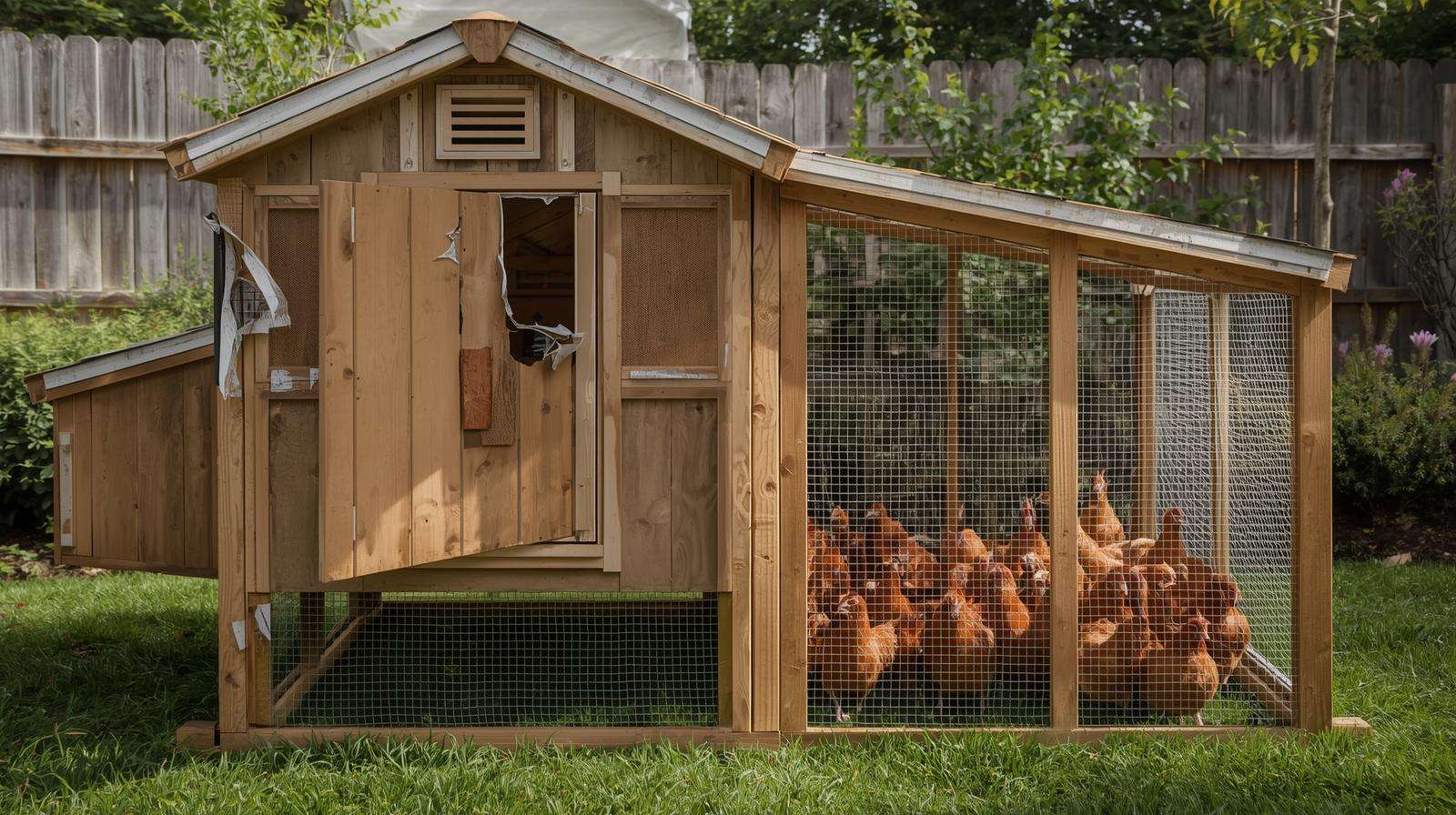
The number-one complaint is predator attacks. Thin chicken wire, plastic latches, and gaps under walls are invitations to raccoons, foxes, opossums, and even dogs. A single breach can wipe out an entire flock overnight. I’ve seen entire coops cleaned out in one night because the manufacturer used chicken wire instead of hardware cloth, and the birds had no chance.
Inadequate ventilation is the silent killer. Tiny or poorly placed vents lead to condensation, ammonia buildup, and respiratory issues in birds. In hot or humid climates, heat stress kills productivity and can be fatal. I’ve had keepers call me in tears because their birds were panting and dying in a coop that felt like an oven during the day and a damp box at night.
Insufficient space is another widespread issue. Prefab coops are often labeled “for 8–10 chickens” but are realistically sized for 4–6. Overcrowding causes stress, feather pecking, lower egg production, and disease spread. Birds in too-small coops fight, stop laying, and get sick faster.
The consequences are painful: lost birds, vet bills, reduced laying, wasted feed, and frustration. Many growers give up on chickens entirely because the coop “didn’t work,” when the real issue was the coop was never designed for real use.
Expert Insight: The Chicken Chick and Backyard Poultry magazine report that 70–80% of backyard flock losses trace back to inadequate coop design, particularly predator access and poor ventilation.
Tip: Coop Failure Quick Audit Can a raccoon reach in or dig under? Is there ammonia smell or condensation inside? Are birds piled up or fighting? If you answer yes to any, it’s time for upgrades.
Predator-Proofing: Replacing Wire and Securing Doors
The most urgent fix for almost every store-bought coop is predator-proofing. Chicken wire is not predator-proof—raccoons tear through it in seconds, foxes chew it, dogs rip it, and even opossums squeeze through gaps.
Signs Your Coop Is Vulnerable Thin wire mesh (1-inch or larger gaps). Plastic or small latches. Gaps under walls or doors. No buried apron.
Best Upgrade: Hardware Cloth Use ½-inch galvanized hardware cloth (not chicken wire). Cover all openings: windows, vents, doors, floor gaps. Bury an apron 12–18 inches outward and down to stop digging predators. Staple it securely every 2–3 inches, and double-layer high-risk areas like pop doors.
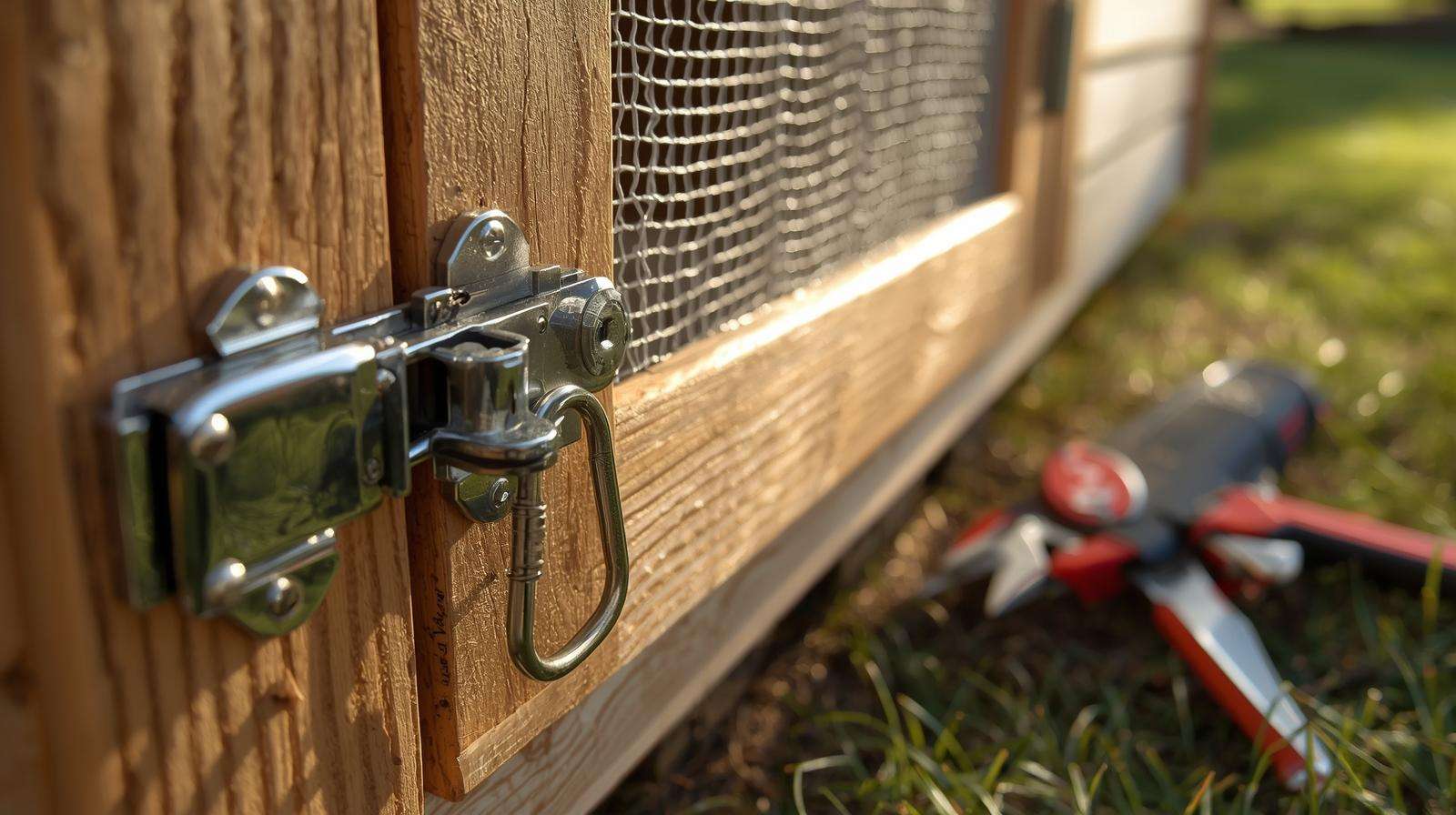
Secure Latches and Doors Replace plastic latches with padlockable hasps, carabiners, or barrel bolts. Raccoons can open simple latches with paws—make them impossible to reach or manipulate. Add a second latch or lock for extra security.
Case Study: A Texas keeper lost 12 hens to raccoons in one night — upgraded to hardware cloth on all openings and carabiner latches — zero losses in 3 years.
Expert Insight: Backyard Poultry magazine states: “Chicken wire is not predator-proof; ½-inch hardware cloth is non-negotiable for any coop that sees real wildlife.”
Tip: Predator-Proofing Checklist All openings covered with ½-inch hardware cloth? Latches lockable and out of reach? Apron buried 12–18 inches around perimeter? No gaps >½ inch anywhere?
Improving Ventilation: Adding Vent Windows and Airflow
Inadequate ventilation is the silent killer in store-bought coops. Ammonia buildup causes respiratory disease, heat stress kills in summer, and condensation leads to frostbite in winter.
Signs of Poor Ventilation Strong ammonia smell inside coop (burns eyes/nose). Frost or condensation on walls/roof in winter. Birds panting or lethargic in heat. Respiratory symptoms (sneezing, watery eyes, gasping).
How Much Ventilation Do You Need? Summer: 1 sq ft per bird (high openings for hot air escape). Winter: 0.5–1 sq ft per bird (adjustable, draft-free). Air should exchange 4–6 times per hour.
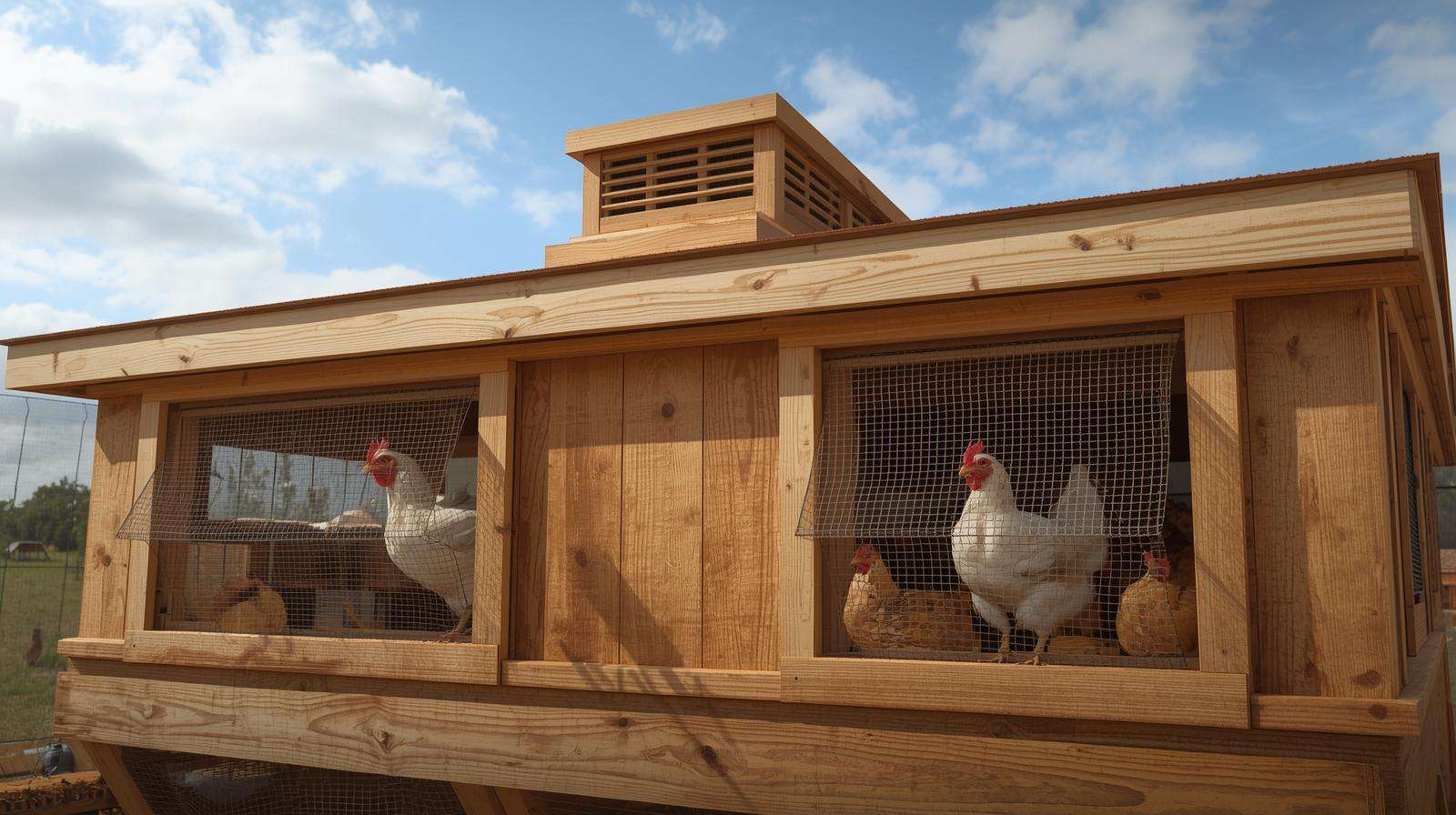
Upgrades for Better Airflow Add adjustable vent windows high on walls (above roost level to avoid drafts on birds). Install ridge vents or cupolas for passive hot air exit. Use hardware cloth-covered openings to keep predators out. In hot climates, add small solar fans for extra circulation.
Case Study: A Virginia keeper added roof vents and high windows — ammonia smell gone, respiratory cases dropped 90% in one season.
Expert Insight: Penn State Extension: “Ventilation is non-negotiable — poor airflow is the leading cause of coop-related illness in backyard flocks.”
Tip: Ventilation Test Light incense inside coop — smoke should clear in <5 minutes with vents open. If it lingers, add more high vents.
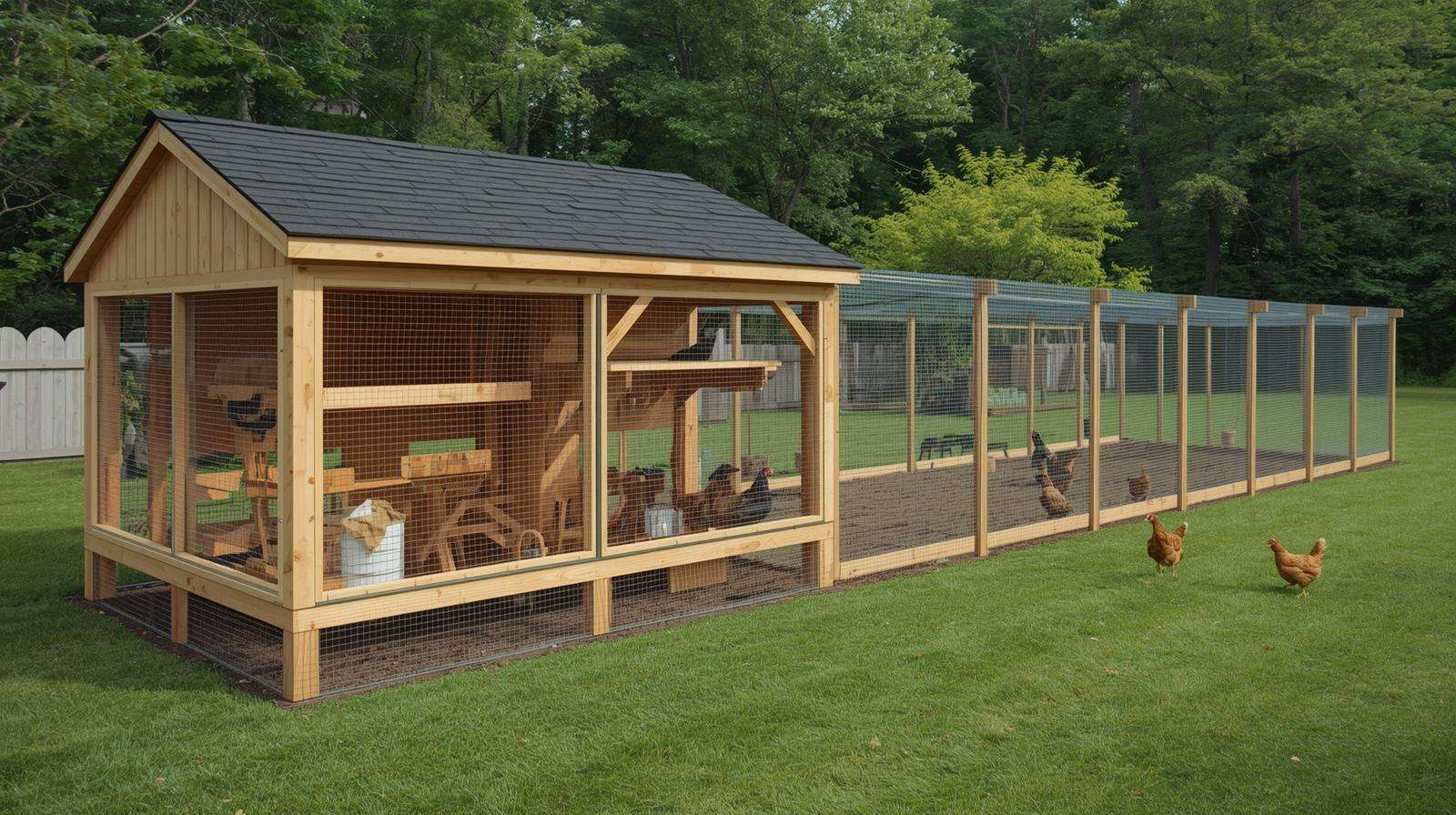
Expanding Space: Bigger Runs for Real Flock Sizes
Prefab coops are often labeled “for 8–10 birds” but are realistically sized for 4–6. Overcrowding causes stress, feather pecking, disease, and lower laying.
Space Guidelines Indoor coop: 4 sq ft per standard bird (3–4 for bantams). Outdoor run: 10 sq ft per bird minimum (20+ ideal for free-ranging behavior). Roost space: 8–12 inches per bird. Nest box: 1 box per 4–5 hens.
Signs of Overcrowding Feather pecking, bald spots on backs. Birds piled in corners at night. Higher disease rates (coccidiosis, mites, respiratory).
Upgrades for More Space Expand run with ½-inch hardware cloth buried 12–18 inches underground. Add vertical space: Multi-level roosts, droppings boards under roosts. Supervised free-range time in secure yard.
Table: Space Requirements Comparison
| Bird Type | Indoor (sq ft/bird) | Run (sq ft/bird) | Roost (inches/bird) |
|---|---|---|---|
| Standard | 4 | 10 | 8–12 |
| Bantam | 2–3 | 5–8 | 6–8 |
| Heavy breeds | 5 | 12 | 10–14 |
Expert Insight: The Chicken Chick: “Overcrowding is the root of 60% of behavioral and health issues in backyard flocks.”
Tip: Space Calculator Number of birds × sq ft requirements = minimum coop/run size. Example: 12 standard hens → 48 sq ft coop + 120 sq ft run minimum.
Improving Ventilation: Adding Extra Vent Windows and Airflow
Inadequate ventilation is the silent killer in store-bought coops. Ammonia buildup from droppings causes respiratory disease, heat stress kills in summer, and condensation leads to frostbite in winter. Many prefab coops have tiny vents or poorly placed openings that trap moisture and fumes, creating a toxic environment for birds.
Signs of Poor Ventilation Strong ammonia smell inside the coop (burns your eyes and nose when you open the door). Frost or heavy condensation on walls and roof in winter. Birds panting, wings held away from body, or lethargic during hot days. Respiratory symptoms like sneezing, watery eyes, or gasping in multiple birds.
How Much Ventilation Do You Need? Summer: Aim for 1 square foot of vent space per bird, placed high to let hot air escape. Winter: 0.5–1 square foot per bird, adjustable and draft-free to avoid chilling birds on roosts. The goal is 4–6 air exchanges per hour without creating drafts on the birds themselves.
Upgrades for Better Airflow Add adjustable vent windows high on the walls, above roost level so fresh air comes in without blowing directly on sleeping birds. Install ridge vents or small cupolas along the roof peak for passive hot air exit. Cover all new vents with ½-inch hardware cloth to keep predators out. In hot, humid climates, consider small solar-powered fans for active circulation during peak heat.
Case Study: A Virginia keeper with a popular walk-in prefab added roof vents and high windows — the ammonia smell disappeared overnight, respiratory cases dropped 90% in one season, and egg production increased noticeably.
Expert Insight: Penn State Extension emphasizes: “Ventilation is non-negotiable — poor airflow is the leading cause of coop-related illness in backyard flocks, and most prefabs fall short.”
Tip: Ventilation Test Light a stick of incense inside the coop and close the door for a minute. Open it — smoke should clear in less than 5 minutes with vents open. If it lingers, add more high vents or increase size.
Expanding Space: Bigger Runs for Real Flock Sizes
Prefab coops are often labeled “for 8–10 birds” but are realistically sized for 4–6. Overcrowding causes stress, feather pecking, disease, and lower laying rates. Birds need room to move, dust bathe, forage, and establish a pecking order without constant conflict.
Space Guidelines Indoor coop: 4 square feet per standard bird (3–4 for bantams). Outdoor run: 10 square feet per bird minimum (20+ ideal for natural behavior). Roost space: 8–12 inches per bird. Nest box: 1 box per 4–5 hens.
Signs of Overcrowding Feather pecking and bald spots on backs or heads. Birds piled in corners at night or avoiding each other during the day. Higher disease rates (coccidiosis, mites, respiratory infections).
Upgrades for More Space Expand the run with ½-inch hardware cloth buried 12–18 inches underground to prevent digging predators. Add vertical space with multi-level roosts and droppings boards under roosts to keep floors cleaner. Allow supervised free-range time in a secure yard when possible.
Table: Space Requirements Comparison
| Bird Type | Indoor (sq ft/bird) | Run (sq ft/bird) | Roost (inches/bird) |
|---|---|---|---|
| Standard | 4 | 10 | 8–12 |
| Bantam | 2–3 | 5–8 | 6–8 |
| Heavy breeds | 5 | 12 | 10–14 |
Expert Insight: The Chicken Chick explains: “Overcrowding is the root of 60% of behavioral and health issues in backyard flocks — give them space and watch problems disappear.”
Tip: Space Calculator Number of birds × square feet requirements = minimum coop/run size. Example: 12 standard hens → 48 sq ft coop + 120 sq ft run minimum.
Additional Upgrades and Maintenance Tips
Once you’ve tackled predator-proofing, ventilation, and space, consider these extras for longevity and comfort.
Roost and Nest Box Improvements Replace thin dowel roosts with 2×4 boards (flat side up) to prevent foot injuries. Add more nest boxes if birds fight over them. Use roll-away nests to keep eggs clean.
Flooring and Litter Management Add droppings boards under roosts for easier cleaning. Use deep litter method (add fresh shavings weekly) to reduce odor and provide insulation.
Seasonal Adaptations Winter: Insulate walls with foam boards or straw bales around the outside (leave vents open). Summer: Add shade cloth or tarps over runs to reduce heat.
Maintenance Routine Inspect weekly for damage or gaps. Clean droppings boards daily. Check ventilation monthly. Repair or replace hardware cloth as needed.
Expert Insight: Backyard Poultry magazine: “Regular maintenance on upgraded coops extends their life by 5–10 years and keeps birds healthier.”
Tip: Monthly Coop Maintenance Checklist Inspect hardware cloth for rust or holes. Clean droppings boards. Check vents for blockages. Monitor bird behavior for stress signs.
Troubleshooting Common Post-Upgrade Issues
Even after upgrades, issues can arise.
Lingering Predator Attempts Add motion lights or electric fencing around runs. Use guardian animals (geese, dogs) if feasible.
Ventilation Still Insufficient Add active fans or increase vent size. Monitor ammonia with test strips.
Run Expansion Challenges If space is limited, add vertical elements (perches, shelves) or rotate birds between runs.
Case Study: A Florida keeper upgraded ventilation and run size — heat stress deaths stopped, egg production rose 30%.
Tip: Troubleshooting Flowchart Problem → Check ventilation → Check space → Check predator access → Adjust one at a time.
Expert Insights and Real Keeper Stories
Research Perspective University of Maryland Extension: “Prefab coops require modification in 90% of cases to meet basic welfare standards.”
Extension Advice Penn State: “Hardware cloth and adequate ventilation are the two most important upgrades for backyard coops.”
Real Stories
- Midwest success: Keeper added hardware cloth and extra vents — no predator losses, healthier birds.
- Southern adaptation: Expanded run with buried apron — pecking stopped, laying improved.
- Lesson learned: Keeper ignored ventilation — respiratory outbreak; added vents, problem solved.
Trends Increased use of recycled materials (pallets, old fencing) and solar-powered fans for sustainable upgrades.
Conclusion
Store-bought coops rarely meet real flock needs out of the box, but with targeted fixes—predator-proof hardware cloth, extra vent windows, and bigger runs—you can transform them into safe, comfortable homes that support healthy, productive birds. Start with the most critical upgrade (usually predator-proofing), then work on ventilation and space. Your flock will reward you with better health, higher laying, and fewer losses.
Share in comments: What’s the biggest issue you’ve had with a store-bought coop? Which upgrade are you starting with?
Final Tip Prioritize predator-proofing and ventilation first—those two changes alone save more birds and headaches than any other upgrade.
Frequently Asked Questions (FAQs)
How do I predator-proof a store-bought coop? Replace chicken wire with ½-inch hardware cloth, bury an apron, and use lockable latches.
How much ventilation should a coop have? Summer: 1 sq ft per bird high vents. Winter: 0.5–1 sq ft draft-free.
How big should a run be? 10 sq ft per bird minimum; 20+ ideal.
What’s the best wire for predator-proofing? ½-inch galvanized hardware cloth.
How do I add vents without letting predators in? Cover with hardware cloth, place high on walls.
Can I expand a run without rebuilding the coop? Yes — attach a larger run with buried hardware cloth.
How do I test if ventilation is adequate? Incense test: Smoke should clear quickly.
What’s the minimum coop space per bird? 4 sq ft per standard bird indoors.
How do I stop overcrowding behavior? Increase run space, add roosts, provide dust baths.
Are store-bought coops worth fixing? Yes — upgrades make them functional and save money vs buying new.