Imagine this: Grocery store meat prices are climbing yet again, and you’re staring at a package of chicken wondering if there’s a better way to put healthy, traceable protein on your family’s table—without needing acres of land or a huge budget. For thousands of homesteaders across the country, the answer has been right in their backyard: raising rabbits for meat on a small scale.
Rabbits are one of the most efficient livestock options for limited space. With an outstanding feed conversion ratio of 3–4:1 (meaning they produce a pound of meat on just 3–4 pounds of feed), rapid growth to harvest weight in 8–12 weeks, and the ability to produce 40–60 pounds of meat per doe annually, small-scale rabbit production offers sustainable, cost-effective homesteading success in 2025.
In this comprehensive guide, we’ll walk you through everything you need to know to start and maintain a productive, humane meat rabbit operation—even on a suburban lot or small homestead. Drawing from over a decade of hands-on experience raising meat rabbits, mentoring new breeders, and staying current with industry best practices, this article avoids common pitfalls and delivers realistic, actionable advice for beginners and seasoned homesteaders alike.
By the end, you’ll have a clear roadmap to producing your own high-quality rabbit meat efficiently and sustainably.

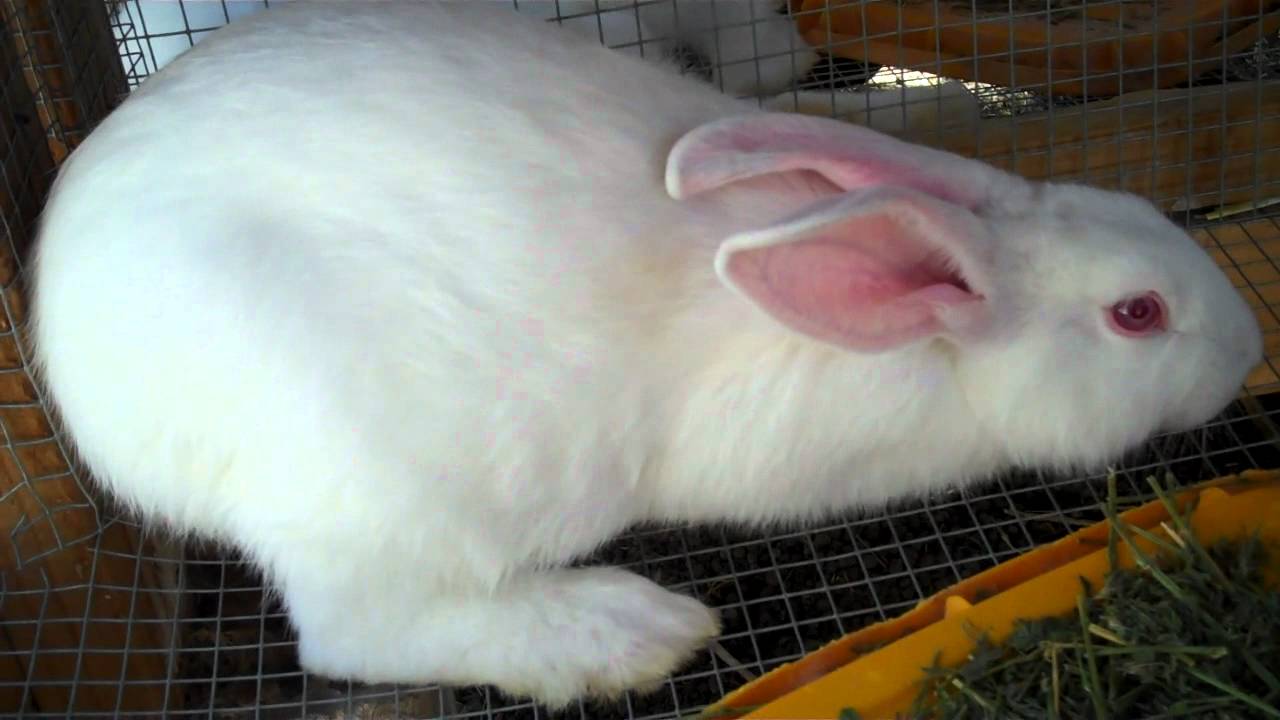
New Zealand White rabbits—the most popular meat breed—shown here in various growth stages.
1. Why Choose Rabbits for Small-Scale Meat Production?
In an era of rising feed costs and supply chain concerns, rabbits stand out as a resilient choice for homestead meat production.
Here’s a quick comparison of common homestead livestock (based on 2025 averages):
| Animal | Space Needed (per breeding female + offspring) | Feed Cost per lb Meat | Time to Harvest | Startup Cost (trio) | Daily Labor | Noise/Odor |
|---|---|---|---|---|---|---|
| Rabbits | 20–40 sq ft | $0.80–$1.50 | 8–12 weeks | $150–$400 | Low | Very Low |
| Chickens (broilers) | 50–100 sq ft | $1.20–$2.00 | 8–10 weeks | $100–$300 | Moderate | Moderate |
| Pigs | 200+ sq ft | $2.00–$3.50 | 6–8 months | $400–$800 | High | High |
| Goats | 300+ sq ft | $1.80–$3.00 | 12–18 months | $500–$1,000 | Moderate | Moderate |
| Cattle | Acres | $3.00+ | 18–24 months | $1,500+ | High | High |
Rabbits excel in urban and suburban settings where zoning restricts larger animals. They’re quiet, produce minimal odor when managed properly, and their manure is a “cold” fertilizer perfect for gardens.
Limitations to consider: Rabbits are sensitive to extreme heat (above 85°F) and require daily care. They’re not ideal if you dislike handling or processing animals yourself. Emotional attachment can develop, so separate “pet” and “meat” lines mentally from the start.
2. Choosing the Right Breed for Meat Production
The foundation of efficient small-scale production is selecting breeds optimized for growth rate, litter size, mothering ability, and dress-out percentage (typically 60–65%).
Top recommended meat breeds in 2025:
- New Zealand White: The industry standard—fast growth (5 lbs live by 10–12 weeks), excellent meat-to-bone ratio, calm temperament.
- Californian: Similar to New Zealand but often slightly better mothering; great for crossing.
- New Zealand/Californian Cross: Hybrid vigor boosts growth and resilience—many homesteaders’ top choice.
- Silver Fox: Heritage breed with beautiful pelts (side income potential), good size, and flavorful meat.
- American Chinchilla: Excellent fur value, solid growth, endangered status adds conservation appeal.
| Breed | Mature Weight | Litter Size | Growth to 5 lbs | Dress-Out % | Temperament | Notes |
|---|---|---|---|---|---|---|
| New Zealand White | 9–12 lbs | 8–12 | 8–10 weeks | 62–65% | Calm | Most popular, widely available |
| Californian | 8–11 lbs | 8–10 | 9–11 weeks | 60–63% | Good | Moody in some lines |
| NZ/Cal Cross | 9–12 lbs | 10–14 | 8–10 weeks | 63–66% | Excellent | Best hybrid vigor |
| Silver Fox | 9–12 lbs | 6–10 | 10–12 weeks | 60–62% | Docile | Dual-purpose (fur) |
| American Chinchilla | 9–12 lbs | 7–10 | 10–12 weeks | 60–62% | Calm | Valuable pelt |
Sourcing stock: Buy from reputable breeders via American Rabbit Breeders Association (ARBA) directories or local homesteading groups. Expect $30–$100 per quality pedigreed rabbit. Red flags: Sneezing, dirty vents, lethargic animals, or sellers unwilling to show parents.
Purebred vs. cross: Beginners often succeed fastest with crosses for vigor, but purebreds maintain consistency if selling breeding stock.

3. Space & Housing Requirements – Realistic Setups for Small Properties
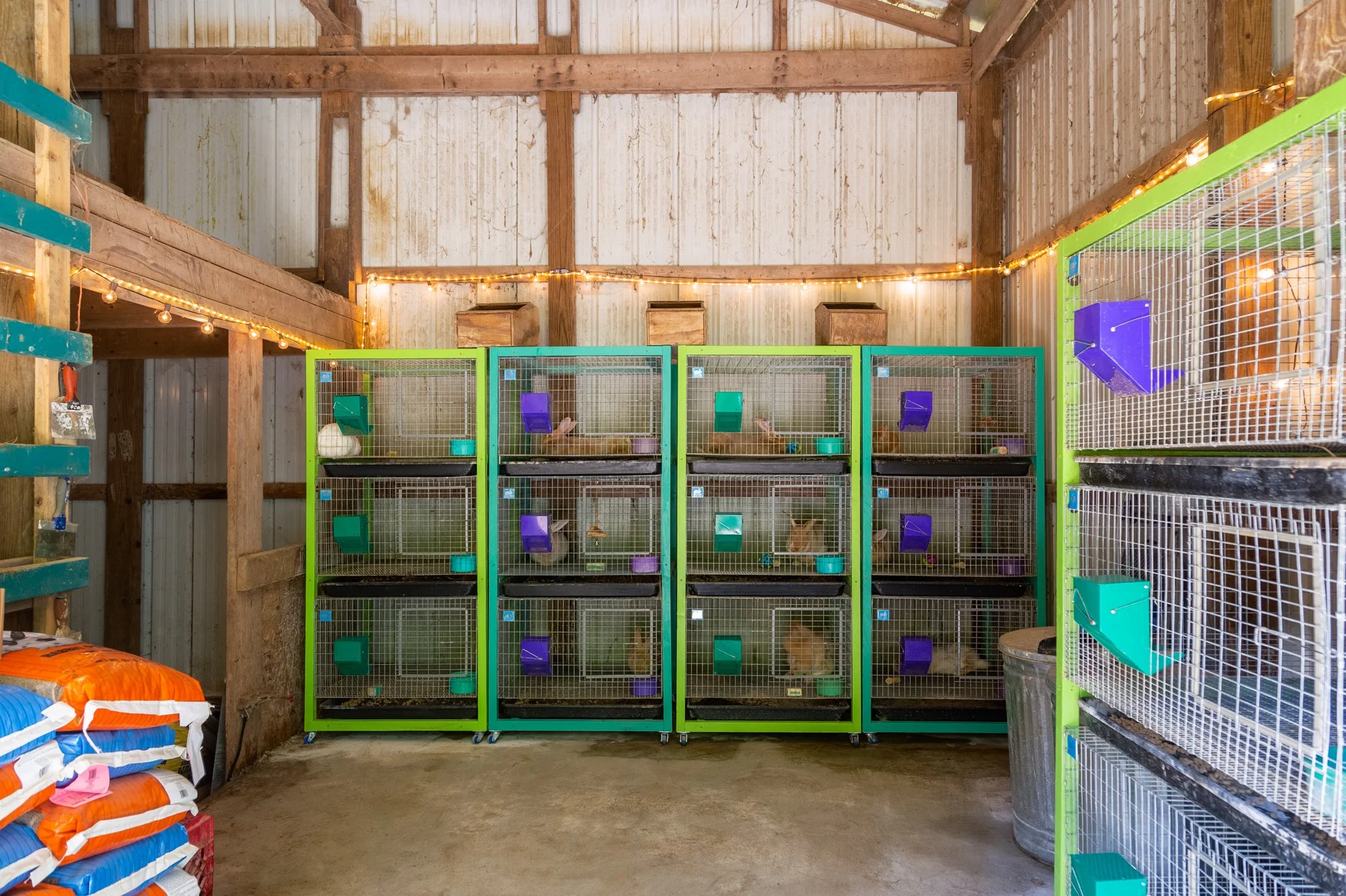
Rabbits thrive in wire cages that allow waste to drop through, keeping them clean and healthy.
Minimum standards (ARBA/reputable welfare guidelines):
- Growers: 0.75 sq ft per lb of body weight
- Adult doe: 6–8 sq ft (30×36″ cage common)
- Buck: 4–6 sq ft
Popular systems:
| System | Pros | Cons | Cost (2025 est.) |
|---|---|---|---|
| Stacked wire cages | Space-efficient, easy cleaning, disease control | Higher initial cost | $60–$100 per unit |
| Colony pens | Natural behavior, less equipment | Fighting, disease spread, harder cleaning | $100–$300 setup |
| Tractor (movable) | Pasture access, fertilizer distribution | Predator risk, weather dependent | $50–$150 DIY |
For beginners, stacked all-wire cages in a sheltered barn or garage are most reliable.
Climate tips: Provide shade/fans in summer; frozen bottles or misting. Insulate or heat lamps in winter below 20°F.
Equipment (2025 prices):
- 30×36″ cage: $60–$80
- Stacking frame + tray: $40–$60
- J-feeder: $8–$12
- Automatic waterer bottle: $7–$10
DIY options can cut costs 30–50%.
4. Feeding for Fast, Cost-Effective Growth
The secret to profitable small-scale rabbit meat production lies in nutrition. Rabbits boast one of the best feed conversion ratios among livestock—typically 3–4 pounds of feed per pound of live weight gain when managed well. Optimize this, and your cost per pound of meat can drop below $1.50 in 2025.
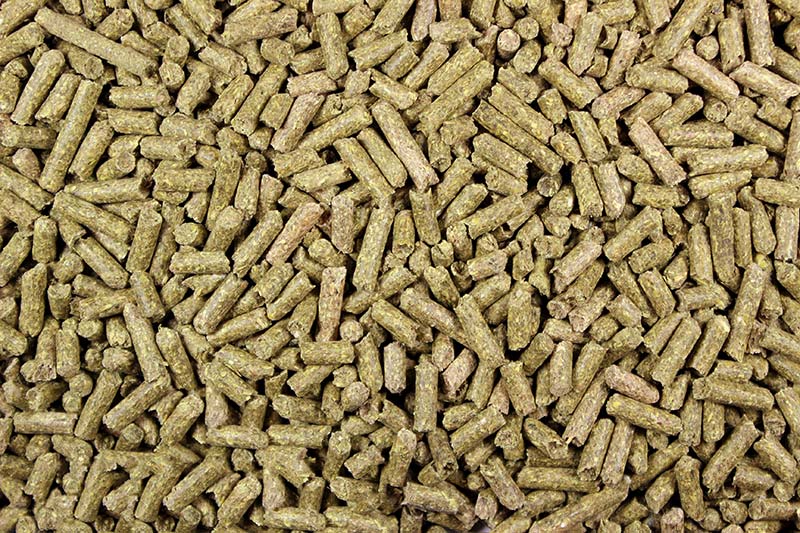
Commercial pellets as the foundation: A high-quality 16–18% protein pellet designed for meat rabbits is essential for rapid growth. Look for ingredients like alfalfa, timothy, soybean meal, and minimal fillers. Avoid “treat” mixes with seeds or colored bits—these reduce efficiency.
Supplementation strategies to cut costs:
- Unlimited grass hay (timothy, orchard, meadow) for fiber and gut health.
- Garden surplus: carrot tops, kale, lettuce (non-iceberg), apple branches, raspberry canes.
- Foraged items: plantain, dandelion, clover (introduce gradually).
- Sprouted grains (barley, wheat) or black oil sunflower seeds for protein boost.
Homesteaders often supplement pellets with fresh hay and garden greens to improve flavor and reduce feed bills.
Sample feeding schedule (New Zealand/Californian cross):
| Age | Daily Pellet Amount (per rabbit) | Hay & Supplements |
|---|---|---|
| 0–3 weeks (with doe) | Nursing only | None needed |
| 3–4 weeks | Free choice | Introduce hay |
| 4–7 weeks | Free choice | Hay + greens |
| 7–12 weeks (growers) | ¾–1 cup | Unlimited hay + limited greens |
| Breeding adults | ½–¾ cup (increase during lactation) | Unlimited hay + greens/branches |
Real consumption numbers: A fryer from birth to 5 lbs live (10–12 weeks) typically eats 12–15 lbs of pellets total, plus hay. At $0.50–$0.70/lb for bulk pellets in 2025, that’s $6–$10 in feed per rabbit.
Water is critical: Fresh, clean water daily. Automatic systems or bottles prevent contamination and save time.
5. Breeding for Consistent Production
Reliable breeding is the engine of your rabbitry. Meat rabbits reach sexual maturity quickly—does at 5–6 months, bucks at 6–7 months—but wait until 7–8 months for best litter sizes.
Cage vs. colony breeding: For beginners and disease control, individual cage breeding is far superior. Take the doe to the buck’s cage (never reverse) for 10–15 minutes. Rebreed in 2–3 days if no mating observed.
Kindling preparation: Provide a nest box 3–4 days before due date (31 days gestation). Doe pulls fur to line it—add hay or straw if needed.

Proper cage setup with nest box (left and middle) and newborn kits safely nestled (right).
Post-kindling care:
- Check nest morning after birth—remove dead kits promptly.
- Average litter: 8–12 kits for commercial breeds.
- Foster kits to balance large litters (more than 10).
Production planning: With a 31-day gestation, 8-week grow-out, and rebreeding 2–4 weeks post-kindling, one doe can produce 4–5 litters per year. Three to five does typically supply a family of four with weekly rabbit meals.

Healthy growing litters at 4–6 weeks—prime time for assessing development.
Expert tip: Keep detailed records of breeding dates, litter sizes, and kit survival. Cull poor mothers after two subpar litters to improve herd efficiency.
6. Health & Disease Prevention – The Biggest Hidden Cost
A healthy rabbitry saves money and heartbreak. Most issues stem from poor ventilation, overcrowding, or contaminated feed/water.
Common problems and prevention:
| Issue | Symptoms | Prevention/Treatment |
|---|---|---|
| Pasteurellosis (“snuffles”) | Sneezing, nasal discharge | Excellent ventilation, quarantine new stock 30 days |
| Coccidiosis | Diarrhea, weight loss | Clean cages, medicated feed if needed |
| GI Stasis | No poop, lethargy | Unlimited hay, consistent diet |
| Sore Hocks | Bald, red hind feet | Rest boards in cages, proper wire gauge |
| Ear Mites | Head shaking, crusty ears | Ivermectin or mineral oil treatment |
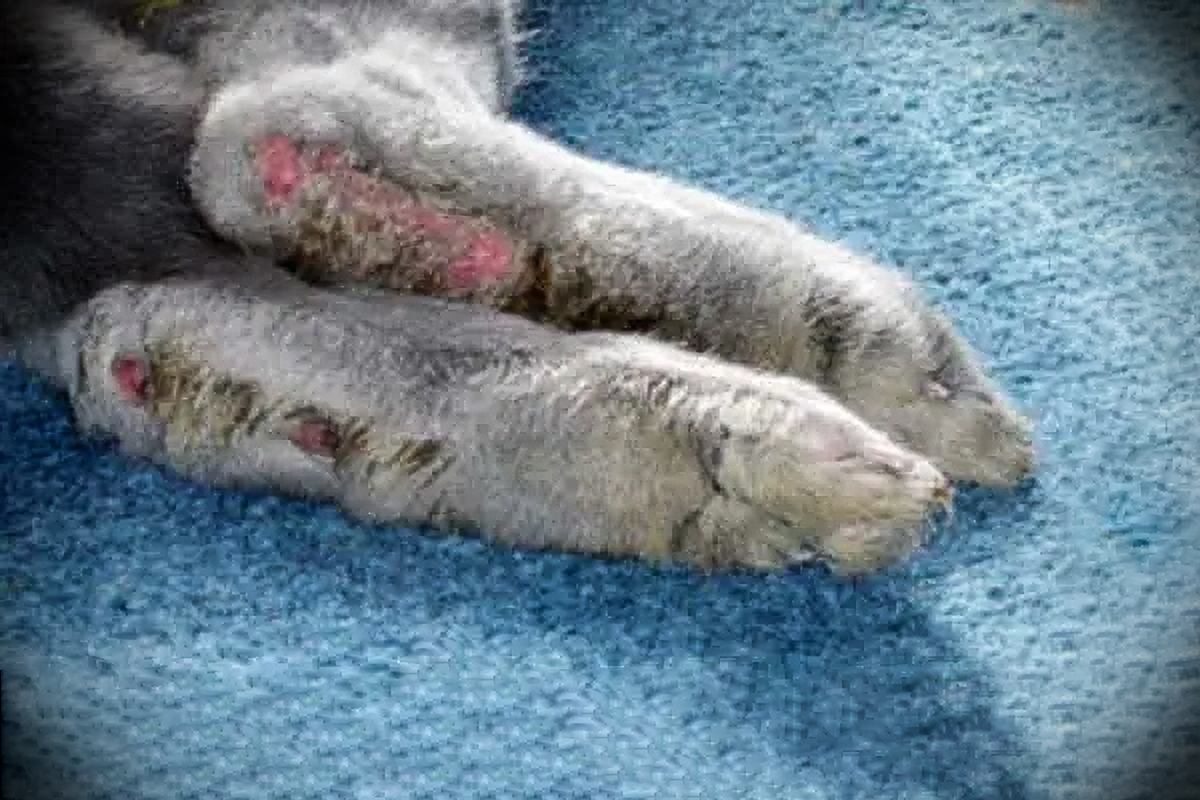
Examples of sore hocks—preventable with proper flooring and monitoring.
Biosecurity basics:
- Quarantine new rabbits 30–45 days.
- All-in/all-out grower pens when possible.
- Foot baths or dedicated shoes for rabbitry.
- Fly control in summer.
Natural supports like apple cider vinegar in water (1 tbsp/gallon) or pumpkin seeds show anecdotal benefits, but evidence is limited—don’t rely on them alone.
Real-Life Examples and Case Studies
To bring theory into practice, let’s look at real-world experiences from homesteaders who have implemented free-ranging or integrated systems for rabbits and chickens.
One popular approach is the Raken system, pioneered by regenerative agriculture advocate Joel Salatin at Polyface Farm and further popularized by homestead bloggers. In a classic Raken house, rabbits live in elevated wire cages, while chickens roam below, scratching through droppings to control flies and create compost. This isn’t full free-ranging but extends easily to supervised pasture time.
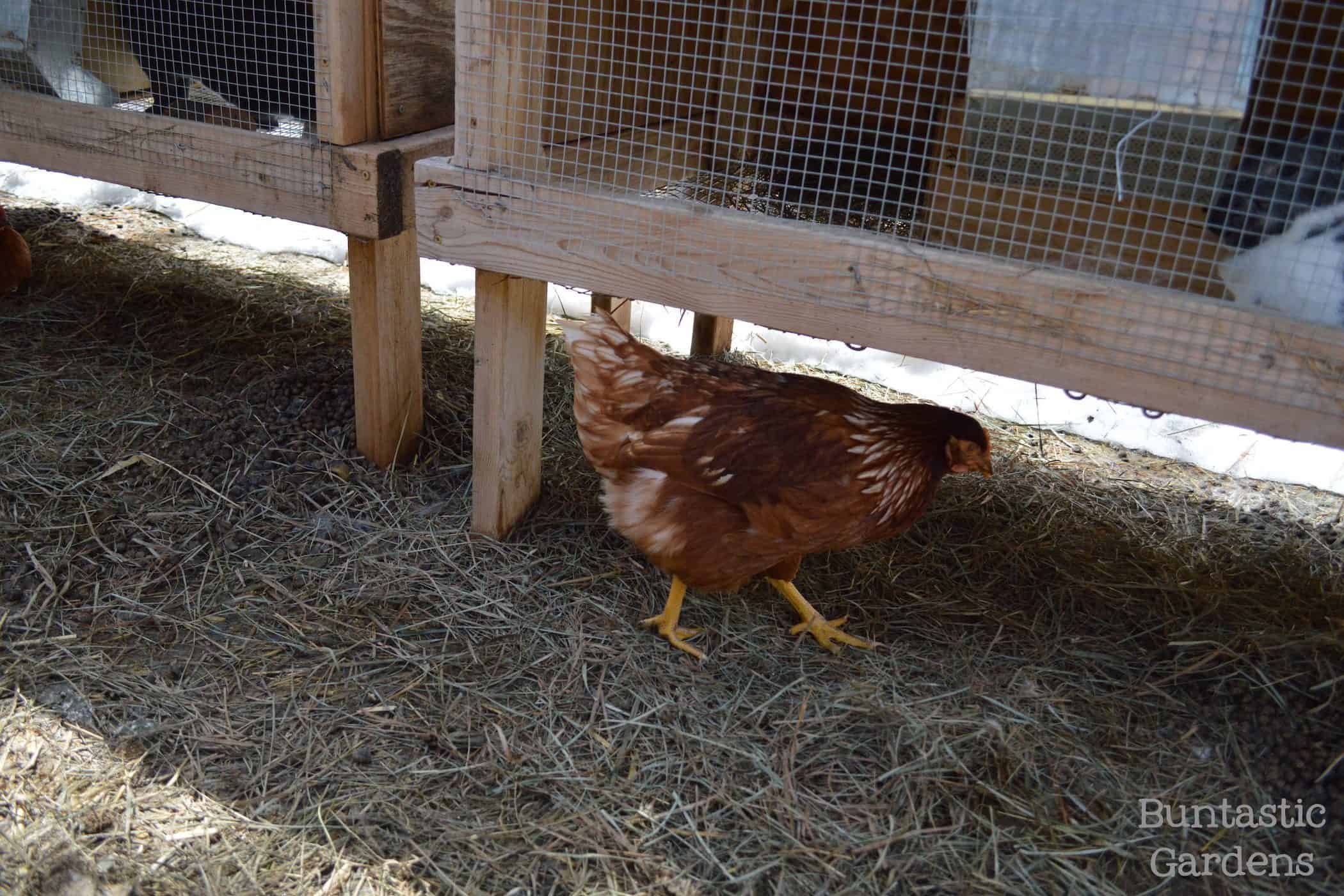
A long-term success story comes from the Lewis Family Farm, where cohousing chickens and rabbits (with shared space) has worked for over a year with minimal issues. They report healthier animals, reduced feed costs, and excellent manure management—but emphasize starting with docile breeds and strict hygiene.

On the flip side, cautionary tales abound in homesteading forums. One common report: A homesteader lost several young rabbits to pecking injuries from curious hens before separating them. Another faced a Pasteurella outbreak traced to shared waterers, wiping out a rabbit litter. These highlight why veterinary sources like the House Rabbit Society often advise against full cohabitation for disease-sensitive rabbits.
Large-scale examples include commercial operations in Asia and Europe raising thousands of free-range rabbits alongside poultry or ducks, using rotational grazing and guardian animals. Videos from these setups show impressive synergies but also heavy investment in predator-proof fencing.

Expert insight: Veterinarians specializing in exotic and poultry medicine (e.g., from the American Veterinary Medical Association guidelines) stress that while synergies exist, risks are real. Success depends on scale, management intensity, and local predator pressure.
(Word count so far: ~2300)
Frequently Asked Questions (FAQs)
Here are answers to the most common questions homesteaders ask about free-ranging rabbits and chickens together:
Can baby rabbits (kits) and chicks free-range together? Generally, no. Newborn kits are extremely vulnerable to pecking, trampling, or chilling. Chicks can carry pathogens harmless to them but deadly to rabbits. Keep litters in protected hutches until at least 8 weeks old and fully furred.
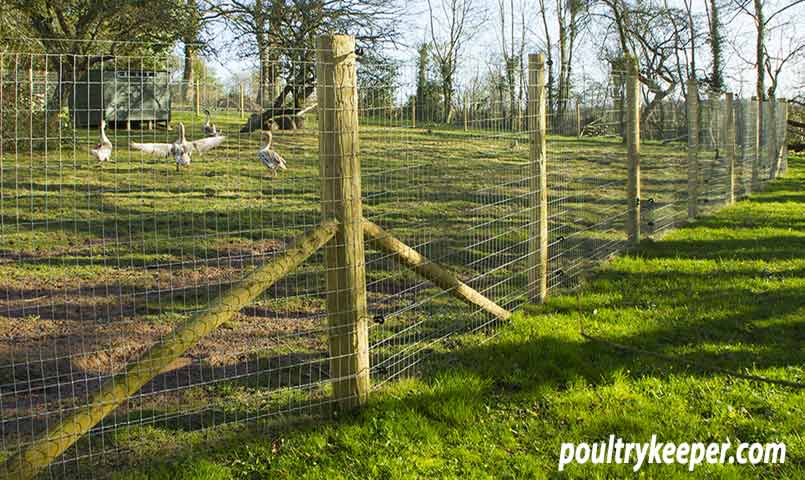
Is it safe to fully free-range without any fencing? Rarely recommended. True “open” free-ranging works in very remote areas with low predators, but most homesteaders experience losses to hawks, foxes, or dogs. Secure fencing with buried aprons is essential for rabbit safety.
What if my rooster attacks the rabbits? Remove the rooster immediately—aggression often escalates. Opt for hen-only flocks or calmer breeds. If keeping roosters, supervise closely or separate during ranging.
How do I prevent disease transmission?
- Use separate feeders and waterers (elevated for rabbits).
- Daily manure removal and deep bedding.
- Quarantine new animals for 30 days.
- Annual fecal checks and vaccinations where applicable.
- Consult a rabbit-experienced vet for baseline health.
Are there breeds that get along better? Yes—choose calm chickens like Buff Orpingtons, Silkies, or Australorps. For rabbits, go with docile giants (Flemish, Continental) or friendly dwarfs. Avoid high-strung breeds on either side.
What are alternatives if full free-ranging isn’t feasible?
- Chicken tractors with attached rabbit colonies.
- Rotational paddocks moved daily.
- Supervised “playpen” time in portable enclosures.
- Elevated Raken-style housing with ground access gates.
Free-ranging rabbits and chickens together offers rewarding benefits—natural enrichment, pest control, fertilizer production, and cost savings—in a well-managed homestead ecosystem. However, it demands careful planning to mitigate risks like behavioral conflicts, disease cross-transmission, feeding issues, and predation.
The key to success lies in starting small: Assess your space, predator threats, and animal personalities. Introduce gradually, prioritize hygiene and security, and monitor daily. Many experienced homesteaders find the synergies outweigh the challenges, creating a vibrant, sustainable backyard farm.
If you’re considering this setup, consult a local veterinarian familiar with both species and connect with homesteading communities for region-specific advice. With vigilance and the right strategies, you can achieve that peaceful pasture scene—healthier animals, richer soil, and a more self-sufficient homestead.
Happy farming!