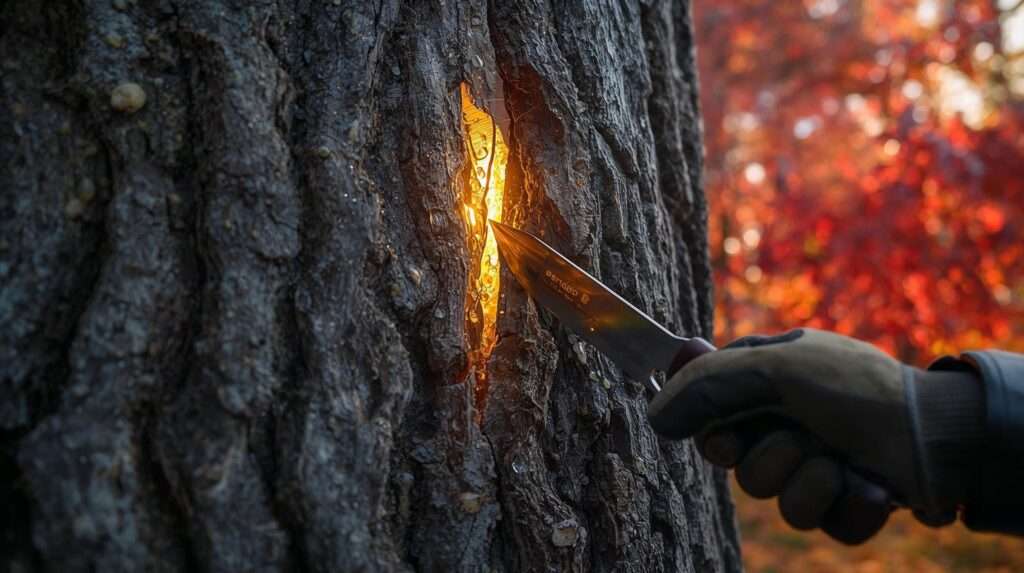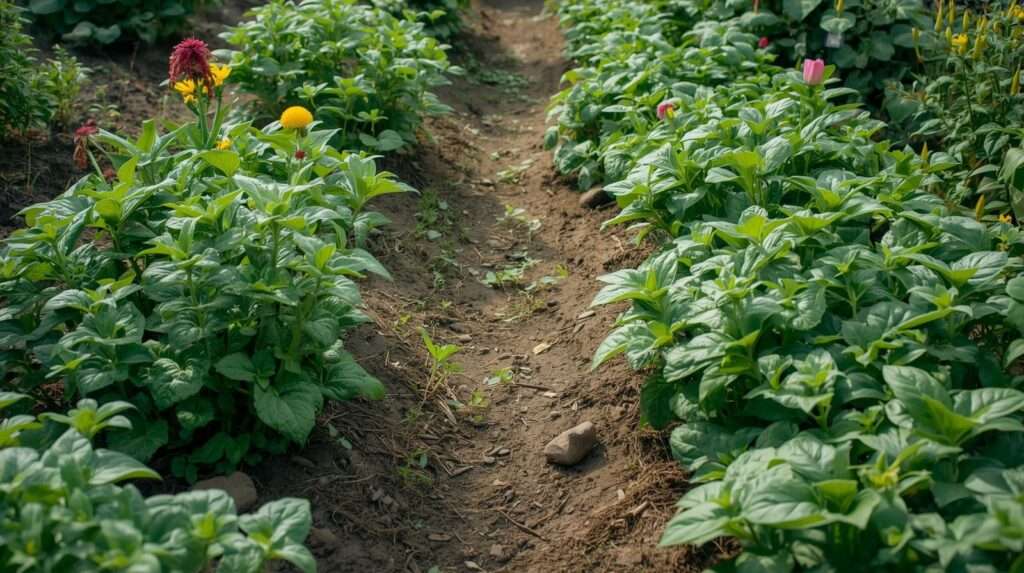
Picture this: You’ve poured your heart into starting your very first vegetable garden. You’ve carefully chosen seeds or seedlings, prepared the soil, and planted with excitement for fresh homegrown produce. But just a few weeks later, you step outside to find your neat rows overtaken by a thick jungle of weeds—some taller than your tiny plants, choking them out and turning your dream garden into a nightmare.
If this sounds familiar, you’re not alone. Getting weeds under control in a first-year garden is one of the most common challenges new gardeners face, but it’s entirely manageable with the right approach. In fact, with proven strategies focused on prevention, organic control, and consistent maintenance, you can reclaim your beds quickly and set yourself up for easier gardening in future years.
As a seasoned agricultural advisor with over 20 years of experience helping beginner gardeners establish productive plots—drawing from university extension research and real-world trials—I’ll guide you through comprehensive, practical steps to tackle this issue head-on.
Why Weeds Are a Bigger Challenge in Your First-Year Garden
New gardens often experience a “weed explosion” because converting lawn, sod, or unused land disturbs the soil, bringing long-dormant weed seeds to the surface where light and moisture trigger germination. This is known as the weed seed bank—a reservoir of seeds in the soil that can remain viable for years or even decades. For example, some lamb’s quarters seeds can survive up to 40 years, while purslane seeds have been recorded viable after 30+ years.
Additionally, first-year plots frequently inherit perennial weeds from surrounding areas, like quackgrass rhizomes or bindweed roots that spread underground.
The Weed Seed Bank Explained
When you till or dig new ground, you’re essentially “waking up” thousands of buried seeds. University studies show that a single square foot of soil can contain hundreds to thousands of weed seeds, with only a fraction germinating each year under natural conditions. But disturbance accelerates this process dramatically.
Common Sources of Weeds in New Gardens
- Annual weeds from wind-blown seeds, bird droppings, or poor-quality compost.
- Perennial invaders creeping in from lawn edges (e.g., dandelions, crabgrass).
- Contaminated mulch, transplants, or even your shoes and tools.
Impact on Your Crops
Weeds compete fiercely for water, nutrients, sunlight, and space, potentially reducing vegetable yields by 50% or more in severe cases. They can also harbor pests and diseases, like aphids or fungal spores, and make harvesting difficult.
Expert Insight: In my experience mentoring new gardeners, the first year requires more upfront effort because you’re depleting that initial seed bank surge. But consistent control can reduce weed pressure by 70-90% in year two.
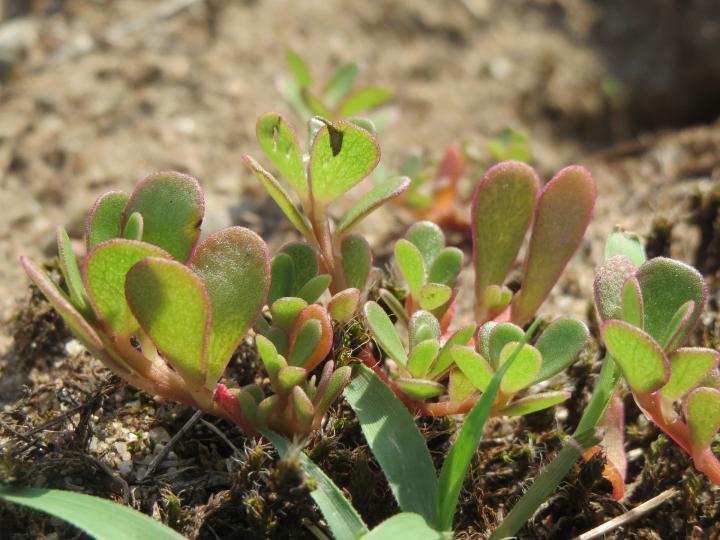
(Visual examples of common weeds like crabgrass, purslane, pigweed, and dandelions to help with identification.)
Identifying Common Weeds in New Gardens
Knowing your enemy is half the battle. Early identification allows you to act before weeds set seed or spread.
Top Annual Weeds to Watch For
- Crabgrass: Low-growing, grassy weed with finger-like seed heads; thrives in disturbed soil.
- Lamb’s quarters: Tall, powdery-coated leaves; highly nutritious but aggressive.
- Purslane: Succulent, reddish stems; edible but spreads rapidly.
- Pigweed (Amaranth): Fast-growing broadleaf that can reach 5-6 feet; seeds prolifically.
Problematic Perennial Weeds
- Dandelions: Deep taproots; yellow flowers turn to puffball seeds.
- Bindweed (Morning Glory): Vining with arrow-shaped leaves and white trumpet flowers; underground roots spread far.
- Quackgrass: Grassy with long rhizomes; hard to pull completely.
- Canada Thistle: Spiny leaves; spreads via roots and wind-borne seeds.
Broadleaf vs. Grassy Weeds
Broadleaf weeds (like dandelions) have wide leaves and are easier to spot among vegetables. Grassy weeds mimic lawn grass or crop seedlings, making them trickier for beginners.
Tip Box: Act Fast – Pull or hoe weeds before they flower and set seed. One mature pigweed can produce over 100,000 seeds!
Preparing Your New Garden Site to Minimize Weeds from the Start
The best weed control starts before you plant. Proactive preparation can eliminate much of the initial weed flush.
Site Selection and Initial Clearing
Choose a sunny, well-drained spot away from heavy perennial weed sources like unmanaged edges. Remove existing vegetation manually or with smothering.
Smothering Techniques (Occultation/Solarization)
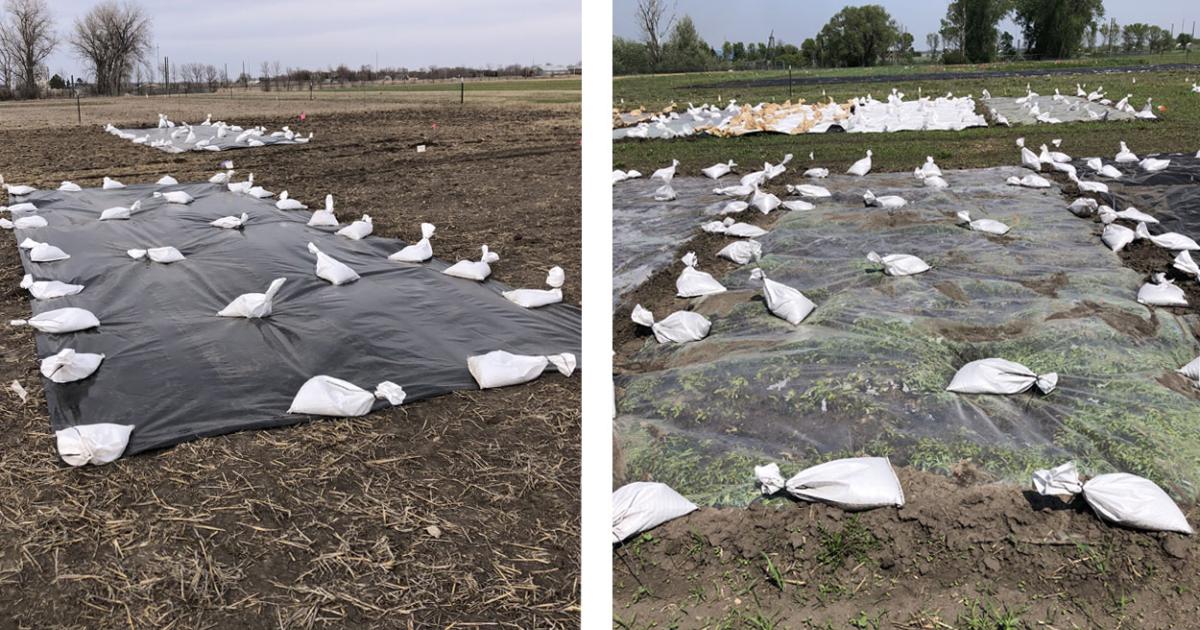
- Occultation: Cover with opaque silage tarps or black plastic for 4-12 weeks (or over winter) to block light and kill emerging weeds and seeds near the surface.
- Solarization: Use clear plastic in hot summer months (6-8 weeks) to heat the soil, killing seeds and pathogens.
These methods, recommended by university extensions, can reduce the weed seed bank significantly without chemicals.
Stale Seedbed Method
Lightly cultivate the soil, water to encourage germination, then flame or hoe the seedlings before planting your crops. Repeat 1-2 times for best results.
Avoiding Common Mistakes
Deep tilling brings more seeds up—opt for no-till or shallow preparation. Start prep in fall for spring gardens to maximize smothering time.
Expert Tip: For no-dig gardens, layer cardboard topped with compost directly over sod; weeds die below while you plant into the top layer.
Proven Weed Control Methods for First-Year Gardens
Once planted, combine methods for integrated control.

Manual and Mechanical Control
- Hand-pulling: Most effective when soil is moist; grasp low and pull roots.
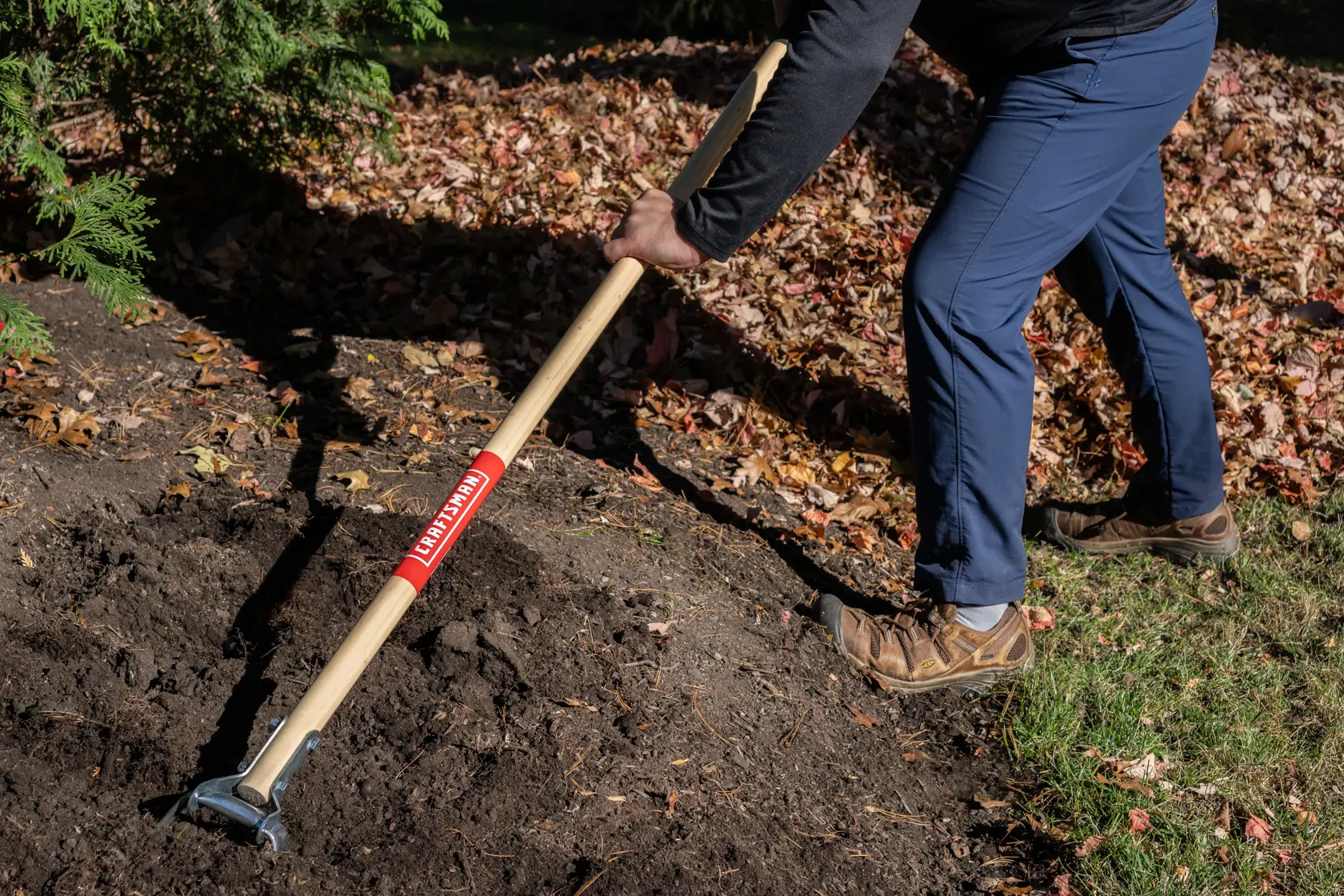
- Hoeing: Use a stirrup (scuffle) hoe or collinear hoe on dry days to slice weeds just below the surface.
Recommended tools: CobraHead weeder for precision, stirrup hoe for rows.
Mulching – Your #1 Defense
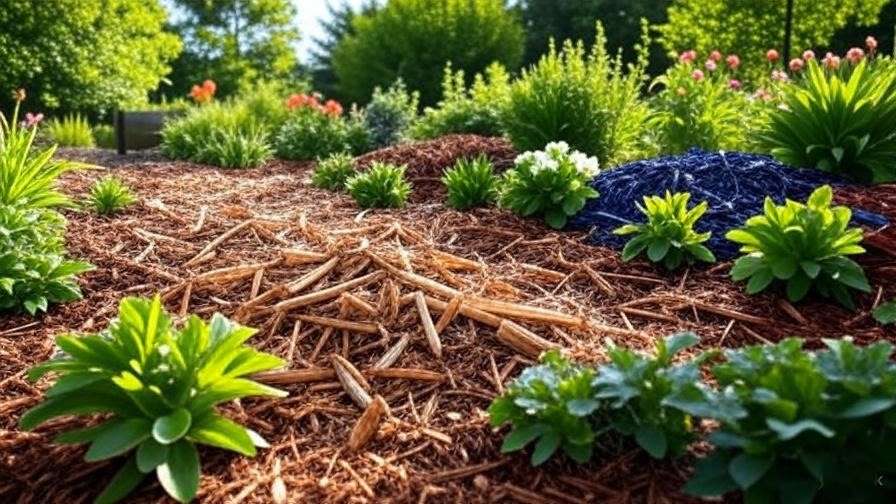
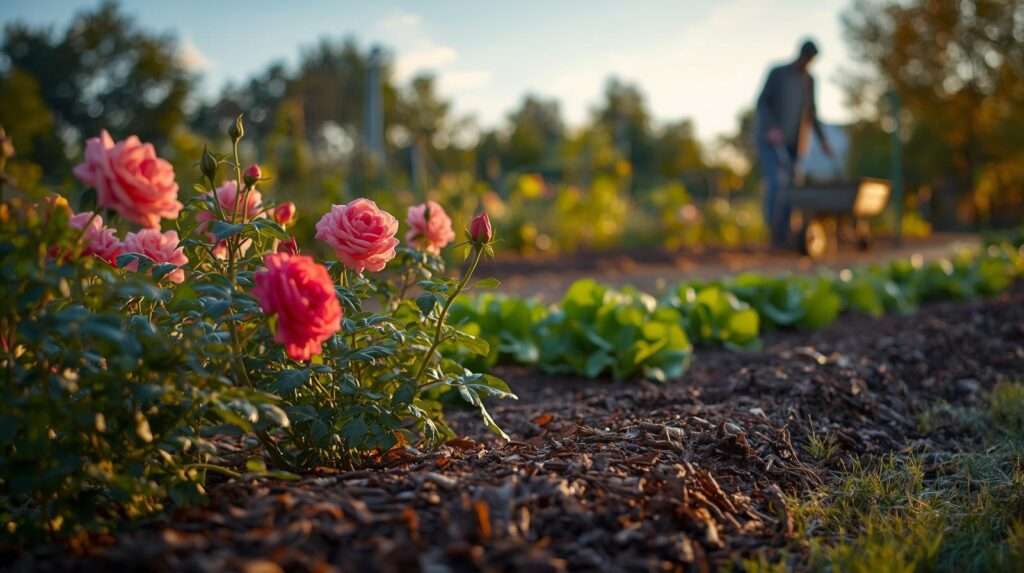
Mulch is the game-changer for new gardens. Apply 3-4 inches of organic material (straw, leaves, wood chips) after planting to block light, retain moisture, and suppress 90%+ of annual weeds.
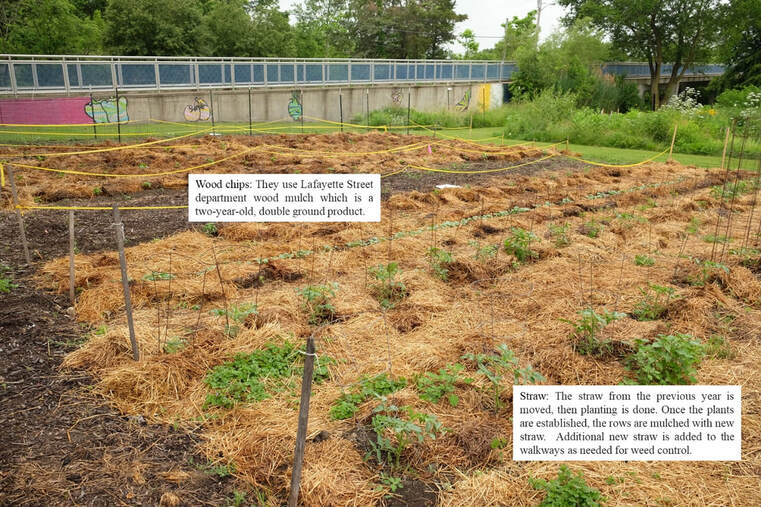
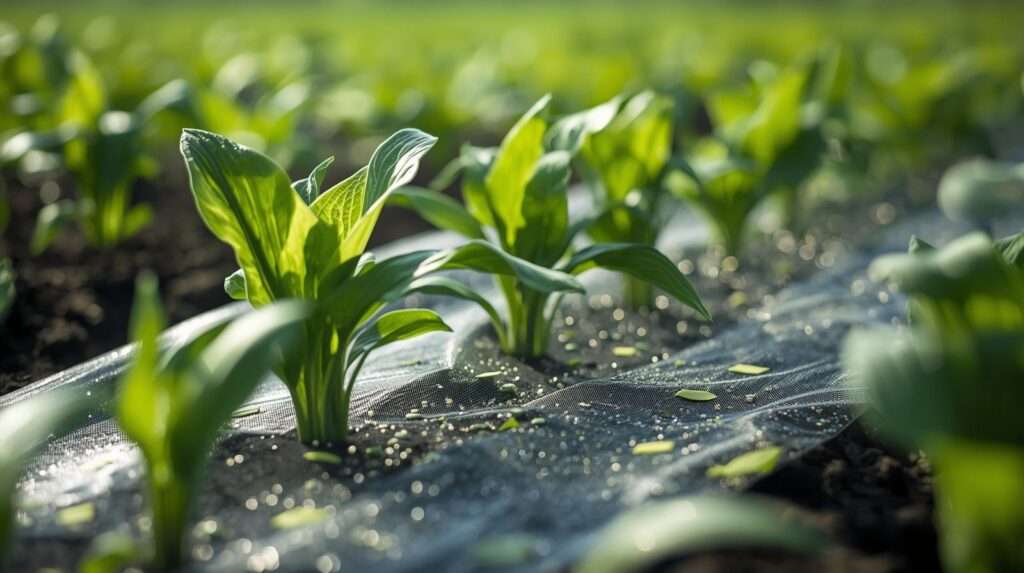
For heavy pressure, lay cardboard or landscape fabric first, then mulch on top.
Studies from extensions show mulched beds have far fewer weeds and higher yields.
Organic Preventive Options
- Corn gluten meal as a pre-emergent (apply early spring).
- Dense planting or cover crops to shade soil.
Natural Remedies for Spot Control
Horticultural vinegar (20% acetic acid) or boiling water for paths; flame weeding for driveways (use cautiously near plants).
Comparison Table: Weed Control Methods
| Method | Pros | Cons | Best For |
|---|---|---|---|
| Hand Pulling | Thorough root removal | Labor-intensive | Small areas, perennials |
| Hoeing | Fast for rows | Doesn’t kill deep roots | Annual weeds in dry soil |
| Mulching | Suppresses germination, adds organic matter | Initial cost/effort | Overall prevention |
| Tarping/Smothering | Kills existing weeds/seeds | Takes time | Pre-plant prep |
Integrated Weed Management Plan for Ongoing Success
The key to long-term weed control in your first-year garden—and beyond—is an integrated weed management (IWM) approach. This combines multiple strategies to prevent weeds from establishing while minimizing labor and environmental impact. University extensions like those from Cornell and Penn State emphasize IWM as the most sustainable method for home gardeners.
Weekly Maintenance Routine
“Weed early and often” is the golden rule. Spend 10-15 minutes a few times a week walking your beds:
- Hand-pull or hoe any new seedlings before they reach 2-3 inches.
- Check under mulch for breakthroughs.
- Monitor paths and edges.
This prevents small problems from becoming overwhelming. In my experience, gardeners who adopt this habit reclaim heavily weeded plots in just 4-6 weeks.
Seasonal Strategies
- Spring: Focus on pre-plant preparation (tarping, stale seedbed) and immediate mulching after planting.
- Summer: Hoe on dry, sunny mornings so cut weeds desiccate. Reapply mulch as needed (top up to maintain 3-4 inches).
- Fall: Plant cover crops like crimson clover, rye, or oilseed radish in empty beds to suppress winter annuals and add organic matter when turned under in spring.
- Winter: Leave mulch in place or tarp beds for occultation.

(Cover crops like daikon radish and mixed plantings effectively crowding out weeds.)
Building Healthy Soil to Reduce Future Weeds
Healthy soil supports vigorous crop growth that outcompetes weeds naturally. Add 2-4 inches of compost annually, avoid compaction, and transition to no-till practices after year one. Diverse microbial life from organic matter suppresses certain weed seeds.

(Rich, compost-amended soil—the foundation for fewer weeds over time.)
Expert Insight: Gardeners I’ve advised who prioritize soil building see weed pressure drop dramatically by year three, often needing only occasional spot weeding.
Troubleshooting Common Weed Problems in Beginner Gardens
Even with the best plans, issues arise. Here’s how to handle them.
Weeds Overtaking Seedlings
Young vegetable starts are vulnerable. Solutions:
- Carefully hand-weed around plants.
- Use shallow hoeing or finger-weeding.
- Apply a thin mulch layer around (but not touching) stems.
- Consider row covers for protection while plants establish.
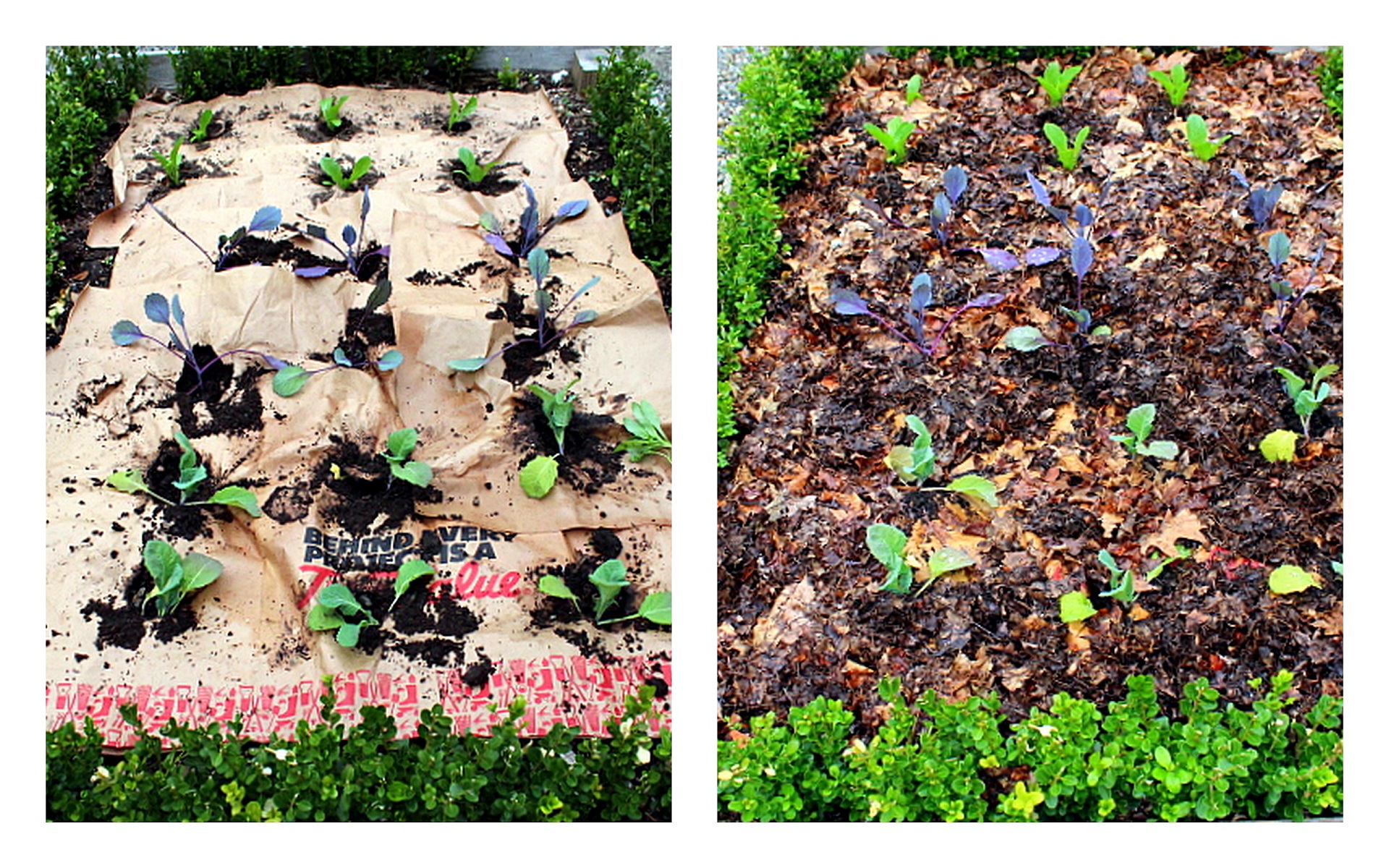
(Before-and-after examples showing how proper mulching transforms weedy beds into clean, productive ones.)
Perennial Invaders from Edges
Rhizomatous weeds like quackgrass love to creep in from lawns or borders.
- Install physical barriers: Metal, plastic, or wood edging sunk 6-12 inches deep.
- Regularly patrol and dig out invaders with roots intact.

When Organic Methods Aren’t Enough
For extreme cases (e.g., heavy bindweed infestation), targeted organic-approved herbicides like those based on clove oil or iron may help. Always follow local extension guidelines and use as a last resort—prevention is far better.
Real Gardener Stories: One client converted a former lawn plot overrun with crabgrass. By tarping overwinter, mulching heavily with straw, and weekly hoeing, they harvested bountiful tomatoes by midsummer. Another used cardboard smothering and cover crops to turn a weedy corner into a thriving raised bed system.
Frequently Asked Questions (FAQs)
Is it normal to have tons of weeds in my first garden? Yes—completely normal due to the disturbed weed seed bank. With consistent effort, it improves rapidly.
What’s the best mulch for vegetable gardens? Straw, untreated wood chips, or shredded leaves. Avoid hay (full of seeds) or dyed mulches.
Can I use cardboard and newspaper safely? Absolutely—great for smothering. Remove tape/staples; plain cardboard and black-and-white newsprint are safest.
How do I control weeds without harming pollinators? Stick to manual, mechanical, and mulch methods. Avoid broad-spectrum sprays; hand-pull flowering weeds.
Will weeds ever go away completely? Not entirely—gardening is ongoing management—but proper techniques make them minimal after the first year.
What are safe, beginner-friendly tools? Start with a good hori-hori knife, stirrup hoe, and gloves. They’re versatile and effective.
Should I use landscape fabric? Useful under paths or for perennials, but in veggie beds, organic mulch is better for soil health.
How soon can I see results? Visible improvement in 2-4 weeks with consistent action; major control by mid-season.
Getting weeds under control in a first-year garden doesn’t have to be an endless battle. By understanding why weeds surge initially, preparing your site proactively, using proven methods like mulching and hoeing, and committing to an integrated management plan, you’ll reclaim your beds fast and enjoy the abundant harvests you envisioned.
Remember: Your effort this year pays massive dividends later—healthier soil, fewer weeds, and more time to enjoy gardening rather than fighting it.
Start small, stay consistent, and celebrate the progress. Your first garden can thrive, weeds and all. Happy gardening!