
It’s another long day on the farm—dawn to dusk, with chores piling up, weather threats looming, and market prices fluctuating. You’ve pushed through exhaustion before, telling yourself it’s just part of the job. But lately, even simple tasks feel overwhelming, irritability flares up more often, and the passion that drew you to farming feels dimmer. If this sounds familiar, you’re not alone. Many farmers face these challenges, and guarding rest days and watching for early burnout signs are critical steps to protect your well-being and ensure long-term success.
Farming demands resilience amid uncontrollable factors like extreme weather, financial pressures, and isolation. Yet, chronic stress can lead to burnout—a state of emotional, physical, and mental exhaustion that affects health, decision-making, family life, and farm productivity. Recent data shows farmers face suicide rates 3.5 times higher than the general population, with rising concerns in 2025-2026 due to economic strains, climate impacts, and ongoing rural mental health gaps.
This comprehensive guide, informed by the latest research (as of January 2026), expert insights from rural counselors, and programs like USDA’s Farm and Ranch Stress Assistance Network (FRSAN), provides actionable strategies. You’ll learn to spot early warning signs, prioritize rest, build resilience, and access support—empowering you to farm sustainably while safeguarding your mental health.
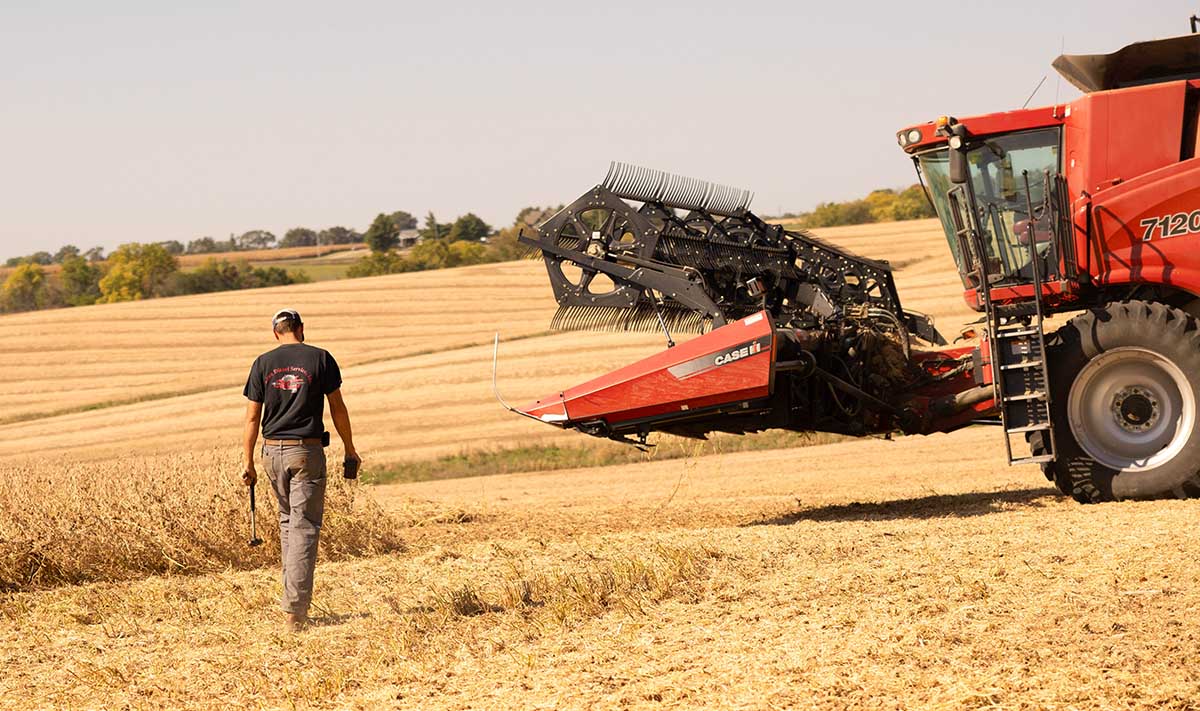
Understanding Burnout in Agriculture: Why It’s a Growing Concern
Burnout, as defined by the World Health Organization, is a syndrome from chronic workplace stress not successfully managed. It features three dimensions: exhaustion, cynicism (detachment from work), and reduced professional efficacy.
In agriculture, unique stressors amplify risks:
- Uncontrollable external factors — Weather extremes, volatile commodity prices, supply chain issues, and climate change effects.
- Isolation and demanding hours — Rural locations limit social interaction; workloads often exceed 60 hours weekly, with “no days off” culture prevalent.
- Financial and emotional pressures — Debt, succession planning, and deep ties to land/livestock create constant worry.
Current statistics (2025-2026) highlight urgency:
- Farmers’ suicide rates remain 3.5 times the national average (National Rural Health Association; CDC data).
- Studies show higher exhaustion and cynicism; e.g., Canadian farmers report elevated burnout risks, with similar trends in U.S. Midwest.
- Economic factors like low prices, inflation, and 2025 bankruptcies (over 280 Chapter 12 filings) exacerbate stress.
Expert insight: Rural mental health specialist Monica McConkey notes unmanaged stress impairs judgment, leading to poor decisions that harm profitability. “Your farm is only as healthy as you are.”
Early Warning Signs of Burnout: How to Spot Them Before It’s Too Late
Catching burnout early prevents escalation. Signs fall into categories:
Physical Signs
- Chronic fatigue → even after sleep.
- Sleep disturbances → (insomnia or oversleeping).
- Headaches, muscle tension, or weakened immunity.
Emotional and Behavioral Signs
- Irritability or short temper with family/colleagues.
- Cynicism → feeling detached or resentful toward farming.
- Withdrawal from social activities or neglecting self-care.
- Increased reliance on alcohol/caffeine or risky behaviors.
Cognitive and Professional Signs
- Difficulty concentrating → or making decisions.
- Feeling overwhelmed by routine tasks.
- Reduced motivation → loss of joy in once-loved activities like harvest.
Real examples: Many farmers report “dreading the next day” or making impulsive choices during high stress, per Do More Agriculture Foundation stories.
Self-Assessment Checklist (based on Maslach Burnout Inventory):
- Do you feel emotionally drained most days?
- Have you become more cynical about farming’s future?
- Do you doubt your accomplishments or efficacy?
Score multiple “yes” answers? Monitor closely and act.
The Critical Role of Rest Days in Preventing Burnout
Just as soil needs rotation for fertility, farmers need rest for sustainability.
Why rest matters:
- Lowers cortisol → reducing heart disease and anxiety risks.
- Improves decision-making and error reduction.
- Restores motivation → preventing cynicism and detachment.
Evidence: Studies link adequate rest to better mental health and productivity; rested farmers show higher resilience to stressors.
Challenges in farming:
- Seasonal peaks (planting/harvest) make downtime feel impossible.
- Cultural guilt: “Real farmers don’t take breaks.”
- Isolation hinders delegation.
Yet, prioritizing rest yields long-term gains—like healthier livestock from attentive care.
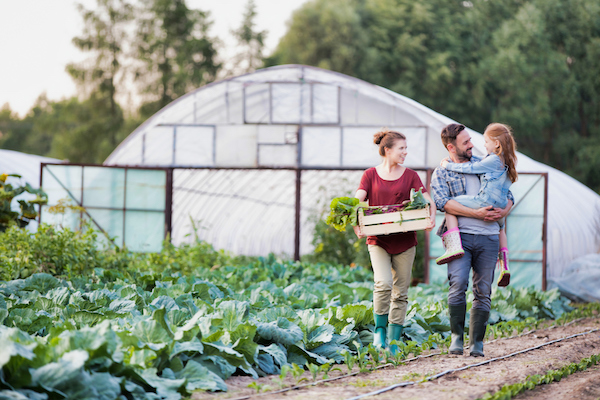
Practical Strategies for Guarding Your Rest Days
Protect rest proactively:
Planning and Scheduling Rest
- Integrate into calendars → off-season breaks, weekly half-days, daily pauses.
- Time-block intense periods → followed by recovery.
Setting Boundaries
- Communicate protected time to family/partners.
- Create rituals → (e.g., end-of-day shutdown like parking tractor).
Active vs. Passive Rest
- Active — Hobbies (fishing, woodworking), nature walks, family outings, light exercise.
- Passive — Quality sleep, meditation, reading.
Delegation and Support
- Hire seasonal help or join co-ops.
- Automate tasks (e.g., monitoring tech) or diversify income.
Building Long-Term Resilience: Holistic Prevention Strategies
Preventing burnout requires ongoing habits that build mental resilience and manage farm stress effectively.
Daily Habits for Stress Management
Incorporate small, consistent practices:
- Prioritize nutrition and exercise — Balanced meals fuel energy; short walks or farm-based movement (e.g., stretching during chores) combat physical toll.
- Sleep hygiene — Aim for 7-9 hours; establish wind-down routines away from screens or worry lists.
- Mindfulness tailored to farmers — Use “tractor time” for reflection or guided apps like Headspace with farm-specific modules.
Research shows these habits lower cortisol and improve mood regulation.
Building Social Connections
Isolation intensifies stress—counter it deliberately:
- Join farmer networks or co-ops for shared experiences.
- Participate in peer support groups (e.g., coffee shop talks or online forums).
- Foster family communication to normalize discussions.
Reducing stigma: View mental health talks as routine as equipment maintenance.
Professional Tools and Resources
- Attend Mental Health First Aid for Rural Communities training.
- Use stress management workshops from extension services.
- Monitor finances proactively to reduce uncertainty.
Expert tips for resilience:
- Seek help early—don’t wait for crisis.
- Reframe challenges (e.g., weather as temporary).
- Track wins daily to combat cynicism.
- Set realistic goals during peaks.
- Practice gratitude journaling.
- Limit news/social media overload.
- Build emergency plans for seasons.

When to Seek Help: Resources and Support Options
Know escalation signs: Persistent low mood, hopelessness, substance increase, or suicidal thoughts demand immediate action.
Recognizing Escalation
If self-strategies aren’t enough, professional intervention saves lives. Call 988 if in crisis.
Available Resources
- National hotlines → 988 Suicide & Crisis Lifeline (24/7, text/call); AgriStress Helpline (state-specific).
- USDA FRSAN → Regional networks offer counseling referrals, helplines, and training (funded/expanded in 2025).
- Organizations → Farm Aid hotline (1-800-FARM-AID); Do More Ag Foundation; AgriSafe Network; American Farm Bureau’s Farm State of Mind.
- Telehealth → Rural-accessible therapy via platforms like Togetherall (anonymous peer support for ag).
Breaking stigma: Seeking help demonstrates strength—like fixing machinery before breakdown.

FAQs: Common Questions on Burnout and Rest in Farming
What are the top 3 early burnout signs farmers often ignore? Chronic fatigue, irritability with loved ones, and loss of enjoyment in farming tasks.
How many rest days should a farmer aim for weekly/annually? At least one half-day weekly; 2-4 weeks annually (off-season). Start small if needed.
Is burnout more common in certain farming types? Yes—dairy (constant demands) and small family operations face higher risks due to isolation and finances.
Can rest days really improve farm profitability? Absolutely: Rested farmers make better decisions, reduce accidents, and sustain productivity long-term.
How to talk to family about needing more rest? Frame as investment in farm’s future: “Protected time
Guarding rest days and watching for early burnout signs aren’t signs of weakness—they’re smart farming practices ensuring you, your family, and operation thrive for generations.
Amid 2026’s challenges—economic pressures, weather variability, and isolation—prioritizing mental health builds true resilience. Start today: Schedule one rest activity, complete the self-checklist, or reach out to a resource.