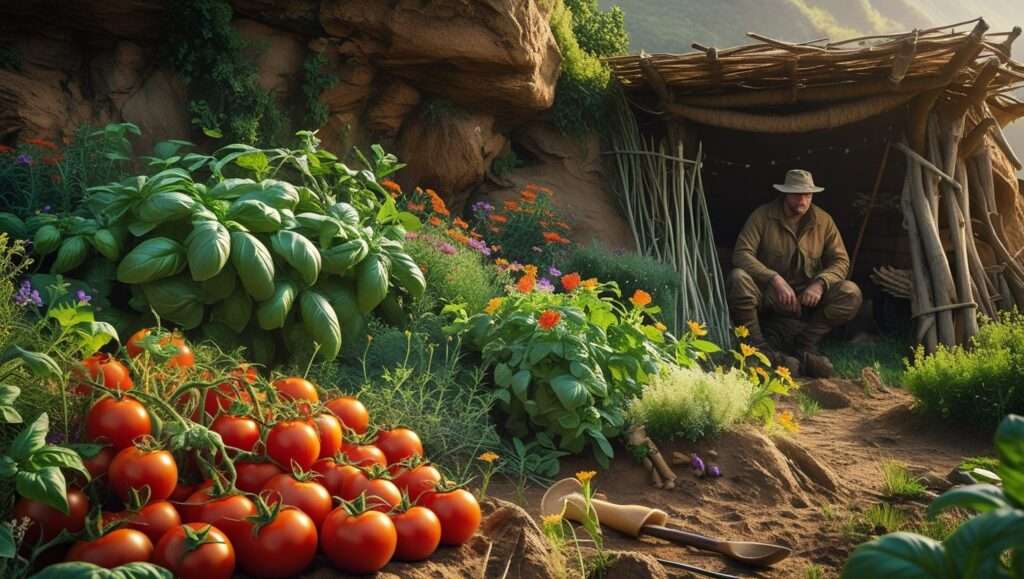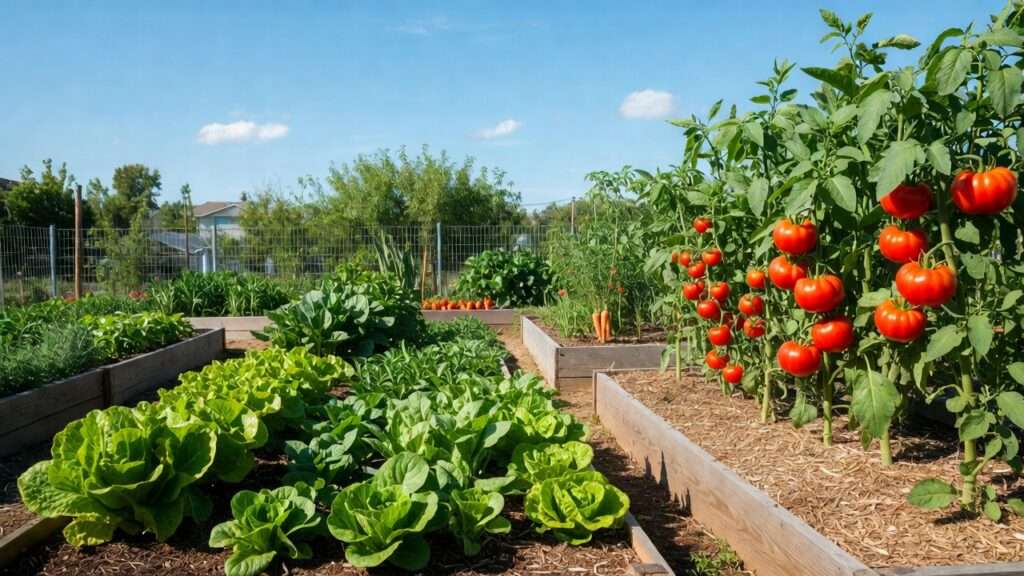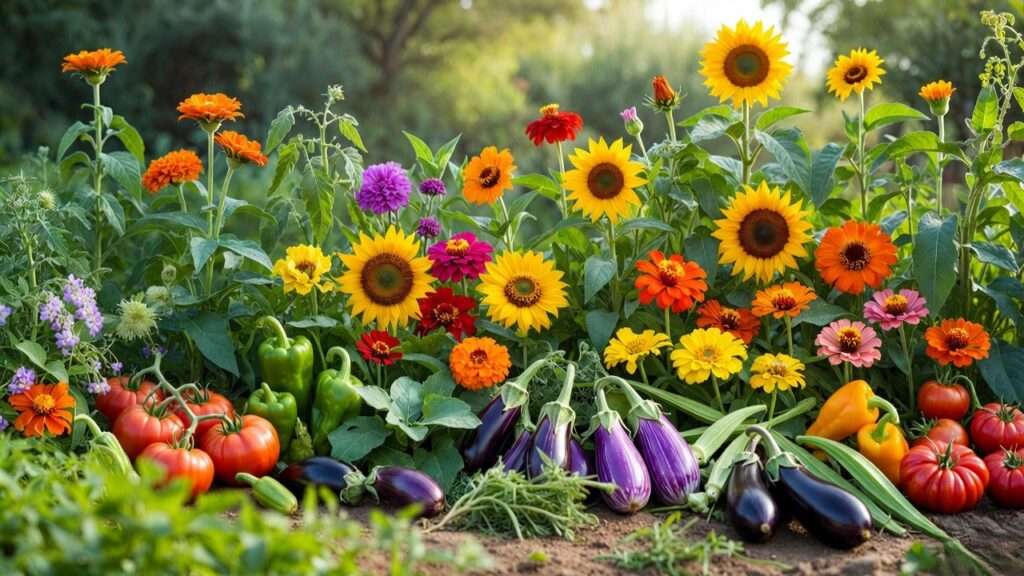
Imagine stepping into your garden on a sweltering July afternoon, with temperatures pushing past 100°F (38°C) and humidity thick enough to cut with a knife. Instead of wilted leaves and failed crops, you’re greeted by lush green vines heavy with pods, vibrant eggplants glistening in the sun, and beds bursting with colorful blooms that seem to laugh at the heat. This isn’t a mirage—it’s entirely possible when you choose the right heat-tolerant vegetables and flowers.
For millions of gardeners in hot climates (USDA Zones 8–11, the Southwest, Southeast, Texas, Florida, Arizona, and even regions experiencing increasingly intense summer heatwaves), traditional cool-season favorites like lettuce, broccoli, and pansies simply can’t cope. But nature has provided an abundance of resilient plants originating from tropical and subtropical regions that not only survive extreme heat but thrive in it.
In this in-depth guide, we’ll reveal the 15 best heat-tolerant vegetables and flowers proven to deliver outstanding performance in scorching conditions. Backed by university extension research, decades of agricultural trials, and real-world experience from farmers and master gardeners, these selections will help you maintain a productive, beautiful garden all summer long—without constant battling against the elements.
Why Choose Heat-Tolerant Plants?
Gardening in prolonged high temperatures presents specific challenges: blossom drop in fruiting crops, bitter flavors in greens, sunburned leaves, reduced pollination rates, and increased pest pressure. Standard varieties bred for temperate climates often shut down above 90°F (32°C), leading to disappointing yields and bare spots in flower beds.
Heat-tolerant plants, however, have evolved natural adaptations:
- Deeper root systems for better water access
- Thicker, waxy, or silvery leaves that reflect sunlight and reduce transpiration
- Efficient pollination mechanisms that function at higher temperatures
- Enhanced drought resistance once established
The benefits extend beyond survival:
- Longer harvest windows and extended blooming periods
- Reduced water usage compared to heat-stressed cool-season plants
- Naturally stronger resistance to common summer pests and diseases
- Greater overall garden productivity during the hottest months
Pro tip from extension specialists: Always look for variety descriptions that specifically mention “heat tolerance,” “heat-set fruit,” or origins in warm regions (e.g., Africa, India, Southeast Asia, or the American South).
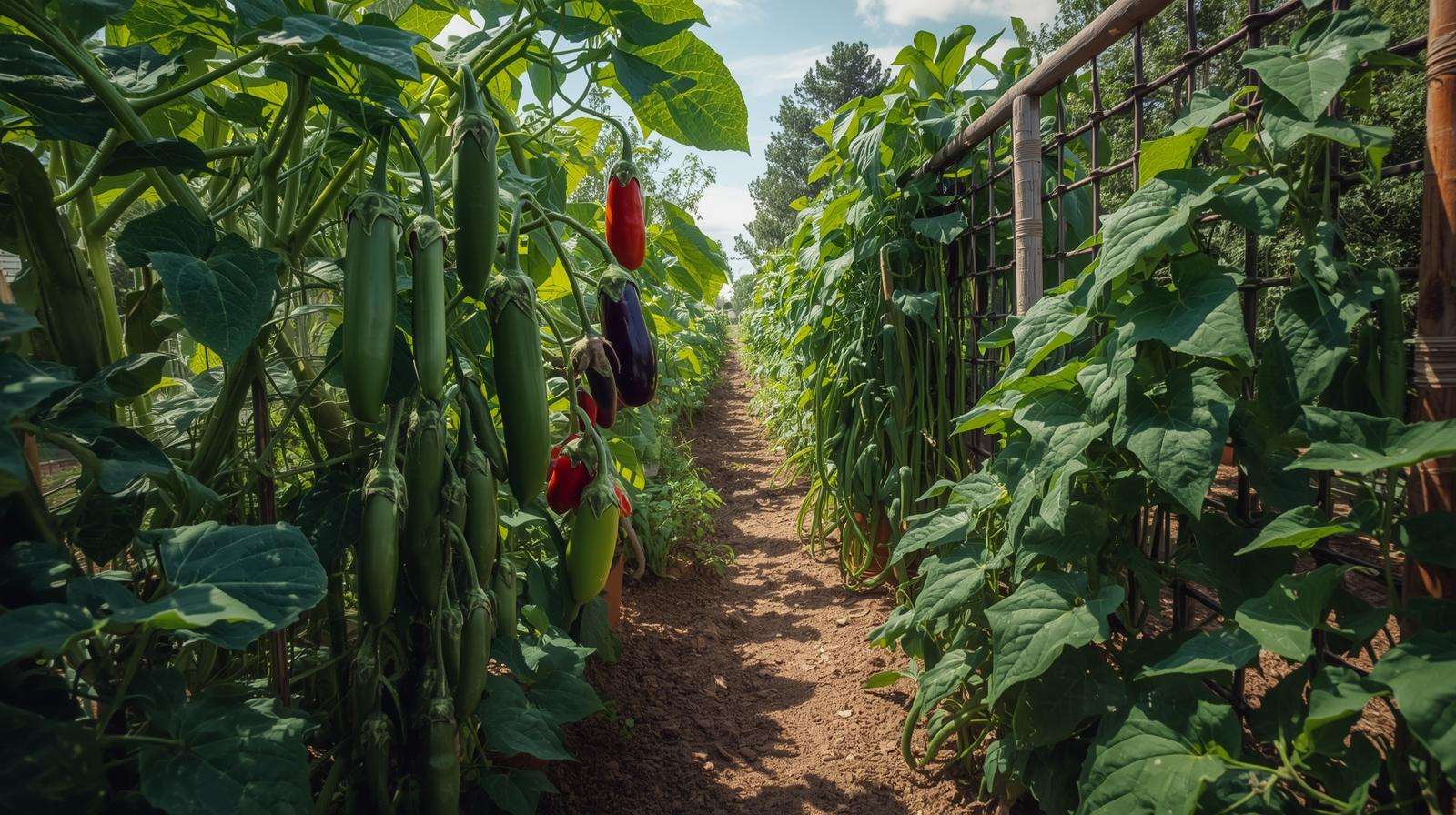
Top 8 Heat-Tolerant Vegetables
These vegetables were selected based on performance data from land-grant universities (including Texas A&M, University of Florida, and Oklahoma State), as well as feedback from commercial growers and home gardeners in hot climates.
1. Okra (Abelmoschus esculentus)
No discussion of heat-loving vegetables is complete without okra. Native to tropical Africa, okra absolutely revels in temperatures above 90°F and can produce pods prolifically until the first frost.
Why it excels in heat: Okra’s large, hibiscus-like flowers open in the morning and are pollinated quickly before the midday heat peaks. Plants grow taller and more productive as temperatures rise.
Top recommended varieties:
- ‘Clemson Spineless’ – Classic, thornless pods, high yields
- ‘Emerald’ – Early maturing, deep green pods
- ‘Red Burgundy’ – Stunning red pods, excellent flavor
Growing tips:
- Direct sow seeds when soil temperature reaches 70°F (21°C)
- Space plants 18–24 inches apart in full sun
- Harvest pods every 2–3 days when 3–4 inches long for tenderness
- Expect 50–100 pods per plant in ideal conditions
2. Eggplant (Solanum melongena)
Originating in India and Southeast Asia, eggplant is perfectly adapted to long, hot summers. Unlike tomatoes, eggplants rarely suffer blossom drop in extreme heat and often outproduce their nightshade cousins in Zones 9–11.
Why it excels in heat: Thick leaves provide natural shade to developing fruit, preventing sunscald.
Top recommended varieties:
- ‘Black Beauty’ – Large, classic purple fruits
- ‘Ichiban’ – Long, slender Japanese type with exceptional heat tolerance
- ‘Louisiana Long Green’ – Light green, banana-shaped, mild flavor
Growing tips:
- Start transplants indoors 8–10 weeks before last frost
- Provide consistent moisture (1–2 inches per week) to avoid bitter fruit
- Stake or cage plants to support heavy fruit load
- Harvest when skin is glossy and firm
3. Sweet Potatoes (Ipomoea batatas)
Sweet potatoes require 90–120 frost-free days and nighttime temperatures above 65°F—making them ideal for hot climates. The edible vines also provide attractive ground cover.
Why it excels in heat: Tubers develop best in warm soil (80–90°F optimal).
Top recommended varieties:
- ‘Beauregard’ – Orange flesh, excellent disease resistance
- ‘Centennial’ – Reliable performer in humid regions
- ‘Porto Rico’ – Compact vines, great for smaller spaces
Growing tips:
- Plant certified disease-free slips in May–June
- Use well-drained, sandy loam enriched with compost
- Cure harvested tubers for 10–14 days at 80–85°F for best sweetness
- Yield potential: 100+ pounds per 100-foot row
4. Hot Peppers (Capsicum spp.)
While sweet bell peppers often struggle with fruit set above 90°F, most hot pepper varieties (jalapeño, cayenne, serrano, habanero, Thai) perform beautifully in intense heat—the hotter the weather, the hotter the peppers.
Why it excels in heat: Capsaicin production increases with temperature stress, enhancing flavor.
Top recommended varieties:
- ‘Jalapeño’ – Versatile, medium heat
- ‘Anaheim’ – Mild, great for roasting
- ‘Carolina Reaper’ – For extreme heat enthusiasts (handle with care!)
Growing tips:
- Full sun exposure maximizes heat units
- Slight water stress intensifies spiciness
- Wear gloves when harvesting to avoid capsaicin burns
- Dry excess harvest for homemade chili powder
5. Southern Peas (Cowpeas / Black-Eyed Peas – Vigna unguiculata)
These nitrogen-fixing legumes from West Africa are legendary for thriving in poor soil and extreme heat/humidity combinations common in the Southeast.
Why it excels in heat: Deep taproots access moisture; plants continue flowering during heatwaves.
Top recommended varieties:
- ‘Mississippi Silver’ – Bush type, cream-colored peas
- ‘Purple Hull’ – Pinkeye type, excellent flavor
- ‘California Blackeye’ – Drought-tolerant, high yields
Growing tips:
- Inoculate seeds with cowpea-specific rhizobia for maximum nitrogen fixation
- Plant in succession every 2–3 weeks for continuous harvest
- Use as cover crop to improve soil fertility
- Fresh or dried—versatile in the kitchen
6. Yardlong Beans (Vigna unguiculata subsp. sesquipedalis)
Also known as asparagus beans, these Asian relatives of cowpeas produce foot-long pods in clusters during the hottest months.
Why it excels in heat: Vigorous vines climb aggressively and produce continuously.
Top recommended varieties:
- ‘Red Noodle’ – Deep red pods, striking appearance
- ‘Orient Wonder’ – Green pods, early maturing
- ‘Liana’ – Compact for containers
Growing tips:
- Provide sturdy 6–8 foot trellis
- Harvest at 12–18 inches for best texture
- Pods cook faster than standard green beans
- Prolific: one 10-foot row can feed a family all summer
7. Malabar Spinach (Basella alba / Basella rubra)
Not a true spinach, this vining green from tropical Asia is the premier heat-tolerant leafy green. Leaves remain tender and succulent even when temperatures exceed 100°F.
Why it excels in heat: Succulent stems and leaves store water efficiently.
Top recommended varieties:
- Green-stemmed Malabar
- Red-stemmed (rubra) – ornamental and edible
Growing tips:
- Grow on trellis or fence for easy harvesting
- Use leaves and young stems in salads, stir-fries, or as cooked greens
- Tolerates partial shade in extreme heat
- Perennial in Zones 10–11, annual elsewhere
8. Armenian Cucumbers (Cucumis melo var. flexuosus)
Technically a muskmelon relative, these long, ribbed, pale green fruits stay crisp and never turn bitter in high heat—unlike standard cucumbers.
Why it excels in heat: Burpless, thin-skinned, and highly productive.
Top recommended varieties:
- ‘Painted Serpent’ – Curved, striped fruits, stunning appearance
- Standard Armenian – Straight, pale green
Growing tips:
- Trellis vines to save space and improve air circulation
- Harvest at 12–18 inches for best flavor
- More powdery mildew resistant than true cucumbers
- Excellent sliced in salads or pickled
Top 7 Heat-Tolerant Flowers
While vegetables feed us, flowers bring joy, attract pollinators essential for fruit set, and keep gardens visually stunning through the dog days of summer. These seven annuals and perennials were chosen for their proven ability to bloom profusely in full sun and temperatures regularly exceeding 95°F (35°C), based on trials from botanical gardens, university floriculture programs, and thousands of gardener reports.
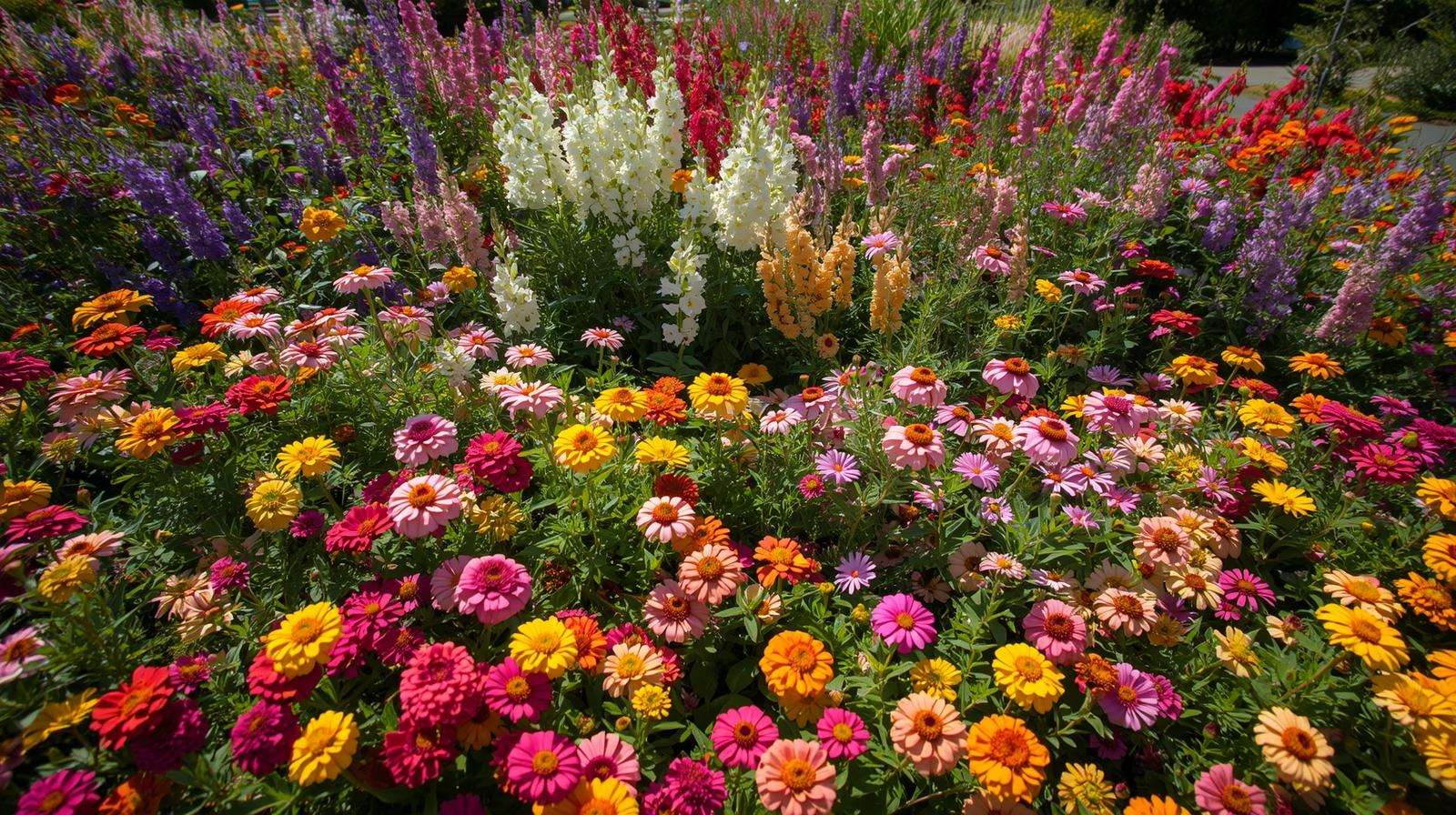
1. Zinnias (Zinnia elegans)
Native to Mexico and the southwestern U.S., zinnias are arguably the toughest summer annuals available. They bloom nonstop from early summer until frost, even during prolonged heatwaves.
Why they excel in heat: Thick petals and sturdy stems resist wilting; flowers open wider as temperatures rise.
Top recommended varieties:
- ‘Benary’s Giant’ series – Large, fully double blooms up to 6 inches across
- ‘Profusion’ series – Compact, disease-resistant, ideal for beds and containers
- ‘Zahara’ series – Excellent powdery mildew resistance in humid climates
Growing tips:
- Direct sow after soil warms or start indoors 4–6 weeks early
- Space 9–18 inches apart depending on variety
- Deadhead spent blooms to encourage continuous flowering
- Attract butterflies and hummingbirds while repelling deer
2. Portulaca (Portulaca grandiflora) – Moss Rose
This low-growing succulent annual from Brazil opens jewel-toned rose-like flowers only in bright sunlight, closing at dusk—perfect for hot, dry locations.
Why it excels in heat: Succulent leaves store water; thrives in reflected heat from pavement or rocks.
Top recommended varieties:
- ‘Happy Hour’ series – Early blooming, large flowers
- ‘Sundial’ series – Opens earlier in the day than older types
- ‘Fairytale’ series – Unique fairy-tale color patterns
Growing tips:
- Scatter seeds on bare soil; barely cover
- Ideal for hanging baskets, rock gardens, or edging
- Tolerates poor, sandy soil and minimal fertilizer
- Self-seeds reliably in warm climates
3. Vinca (Catharanthus roseus) – Madagascar Periwinkle
A staple in Southern landscapes, vinca produces glossy foliage and five-petaled flowers continuously in brutal heat and humidity.
Why it excels in heat: Bred extensively for disease resistance; newer varieties rarely succumb to aerial phytophthora.
Top recommended varieties:
- ‘Cora’ series – Best disease resistance available
- ‘Titan’ series – Larger flowers, vigorous growth
- ‘Soiree Kawaii’ – Compact, perfect for containers
Growing tips:
- Plant after night temperatures stay above 60°F
- Full sun to light afternoon shade in hottest regions
- Water moderately; overwatering invites root rot
- Excellent in mixed containers with sweet potato vine
4. Lantana (Lantana camara)
This butterfly magnet produces clusters of multicolored flowers that change hues as they age, blooming relentlessly in extreme conditions.
Why it excels in heat: Woody shrub-like growth; highly drought-tolerant once established.
Top recommended varieties:
- ‘Luscious’ series – Sterile, non-invasive, heavy blooming
- ‘Bandana’ series – Large flower heads, compact habit
- ‘Athens Rose’ – Proven performer in humid Southeast
Growing tips:
- Treat as annual in Zones 8 and colder; perennial in 9–11
- Prune lightly in spring to encourage bushiness
- Deer and rabbit resistant
- Caution: Berries are toxic to pets and children
5. Pentas (Pentas lanceolata) – Egyptian Starflower
Umbels of star-shaped flowers make pentas a favorite nectar source for butterflies and hummingbirds throughout the hottest months.
Why it excels in heat: Native to East Africa; flowers hold up in high humidity.
Top recommended varieties:
- ‘Graffiti’ series – Compact, heavy blooming
- ‘Lucky Star’ series – Improved branching and flower count
- ‘Butterfly’ series – Tall types for back of border
Growing tips:
- Full sun for maximum blooms; tolerates partial shade
- Pinch tips when young for bushier plants
- Fertilize monthly with balanced formula
- Perennial in Zones 10–11; excellent annual elsewhere
6. Celosia (Celosia argentea)
Known for bold, brain-like crests, feathery plumes, or wheat-like spikes, celosia adds dramatic texture and color to scorching gardens.
Why it excels in heat: South American and African origins; colors intensify in full sun.
Top recommended varieties:
- ‘Fresh Look’ series – Plume type, award-winning
- ‘Castle’ series – Crested (cockscomb) with large heads
- ‘New Look’ – Compact with bronze foliage
Growing tips:
- Start indoors or direct sow in warm soil
- Excellent as cut or dried flowers
- Self-seeds moderately
- Avoid overhead watering to prevent fungal issues
7. Marigolds (Tagetes spp.)
These classic annuals from Mexico and Central America offer pest-repelling properties along with cheerful orange, yellow, and maroon blooms.
Why they excel in heat: Strong scent deters nematodes and some insects; continuous blooming.
Top recommended varieties:
- French marigolds (Tagetes patula) – Best nematode resistance
- ‘Gem’ series – Compact, early flowering
- African/Tall American (Tagetes erecta) – Larger flowers for cutting
Growing tips:
- Plant as companions near tomatoes, peppers, and eggplants
- Deadhead or harvest for bouquets
- Edible petals add color to salads
- Tolerate a wide range of soil conditions
Essential Growing Tips for Success in Hot Climates
To turn these heat-loving plants into a thriving summer garden, follow these proven strategies developed by agricultural extension services and experienced growers.
Soil Preparation
- Amend heavy clay with organic matter and coarse sand for better drainage
- Incorporate 2–4 inches of compost annually to improve water-holding capacity
- Aim for soil pH 6.0–7.0; most heat-tolerant plants prefer slightly acidic to neutral
Watering Strategies
- Water deeply (to 12–18 inches) but infrequently to encourage deep roots
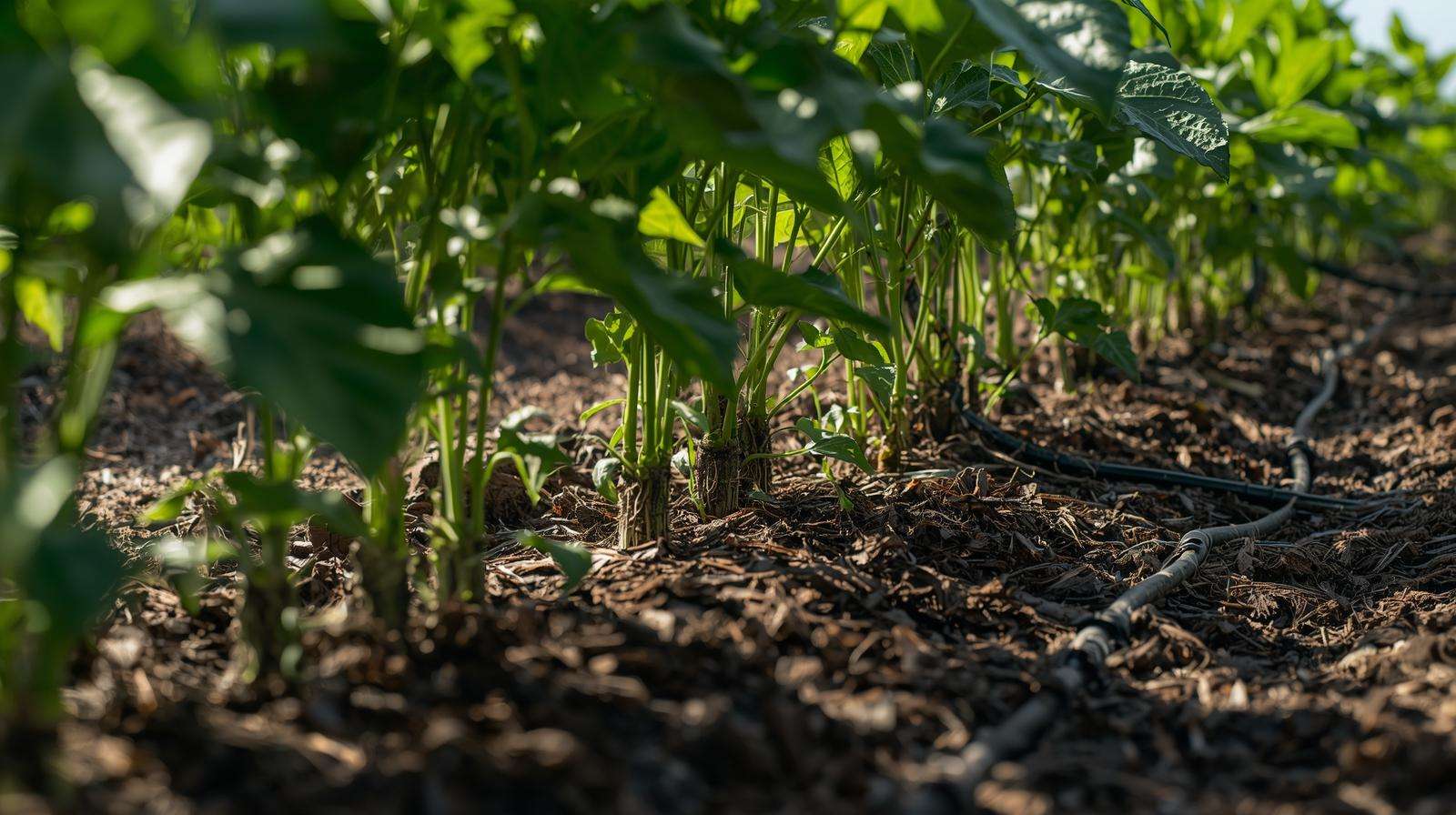
- Apply 3–4 inches of organic mulch (straw, shredded bark, or pine needles) to cool roots and retain moisture
- Water early in the morning to reduce evaporation and fungal diseases
- Use drip irrigation or soaker hoses to deliver water directly to roots
Shade and Protection
- Provide 30–50% shade cloth during extreme heatwaves (above 100°F for multiple days)
- Plant taller crops (okra, yardlong beans) to shade shorter ones
- Use reflective mulches (silver plastic) for added heat reflection in vegetable rows
Fertilization
- Apply slow-release organic fertilizer at planting
- Side-dress with compost tea or balanced fertilizer mid-season
- Avoid excess nitrogen in fruiting crops to prevent lush foliage at the expense of flowers/fruit
Pest and Disease Management
- Monitor for spider mites in dry heat; hose off undersides of leaves
- Encourage beneficial insects with diverse plantings
- Use neem oil or insecticidal soap as needed
- Rotate crops annually to prevent soil-borne diseases
USDA Zones and Timing
- Ideal for Zones 8–11; adaptable in cooler zones with summer heat
- Start warm-season crops after last frost when soil reaches 65–70°F
- Succession plant beans and zinnias every 2–3 weeks for continuous harvest/bloom
Common Mistakes to Avoid
Even experienced gardeners can sabotage their hot-season success. Here are the most frequent pitfalls:
- Overwatering – Leads to shallow roots and root rot in well-drained soils
- Planting too early – Cool soil delays germination and stresses seedlings
- Skipping mulch – Bare soil can reach 140°F, cooking roots
- Choosing non-adapted varieties – Standard tomatoes or petunias will fail
- Neglecting deadheading – Reduces bloom time in zinnias, marigolds, and celosia
- Fertilizing too heavily – Encourages foliage over flowers/fruit in heat
FAQs
What vegetables grow best above 100°F? Okra, hot peppers, sweet potatoes, Southern peas, and yardlong beans perform exceptionally well. Malabar spinach and Armenian cucumbers also maintain quality in triple-digit heat.
Are there any heat-tolerant leafy greens? Yes—Malabar spinach is the top choice. Alternatives include New Zealand spinach, Swiss chard (Bolted varieties like ‘Bright Lights’), and amaranth greens.
How do I keep flowers blooming in extreme heat? Select proven varieties (zinnias, vinca, lantana), mulch heavily, water deeply in the morning, and apply shade cloth during heatwaves. Deadheading extends bloom time significantly.
Can I grow these heat-tolerant plants in containers? Absolutely. Eggplant, hot peppers, zinnias, vinca, portulaca, and dwarf varieties of okra and sweet potatoes excel in pots. Use large containers (15+ gallons for vines) with excellent drainage.
Will these plants survive drought conditions? Most are highly drought-tolerant once established, especially portulaca, lantana, Southern peas, and okra. However, consistent moisture during establishment and fruit/flowering stages maximizes yields.
Are any of these plants perennial in colder zones? In Zones 8 and below, treat all as annuals except lantana and pentas (which may overwinter in Zone 8 with protection). Sweet potatoes can be dug and stored for replanting.
Conclusion
Armed with these 15 best heat-tolerant vegetables and flowers, you now have everything needed to transform your hot-climate garden into a productive, colorful oasis that defies summer’s harshest conditions.
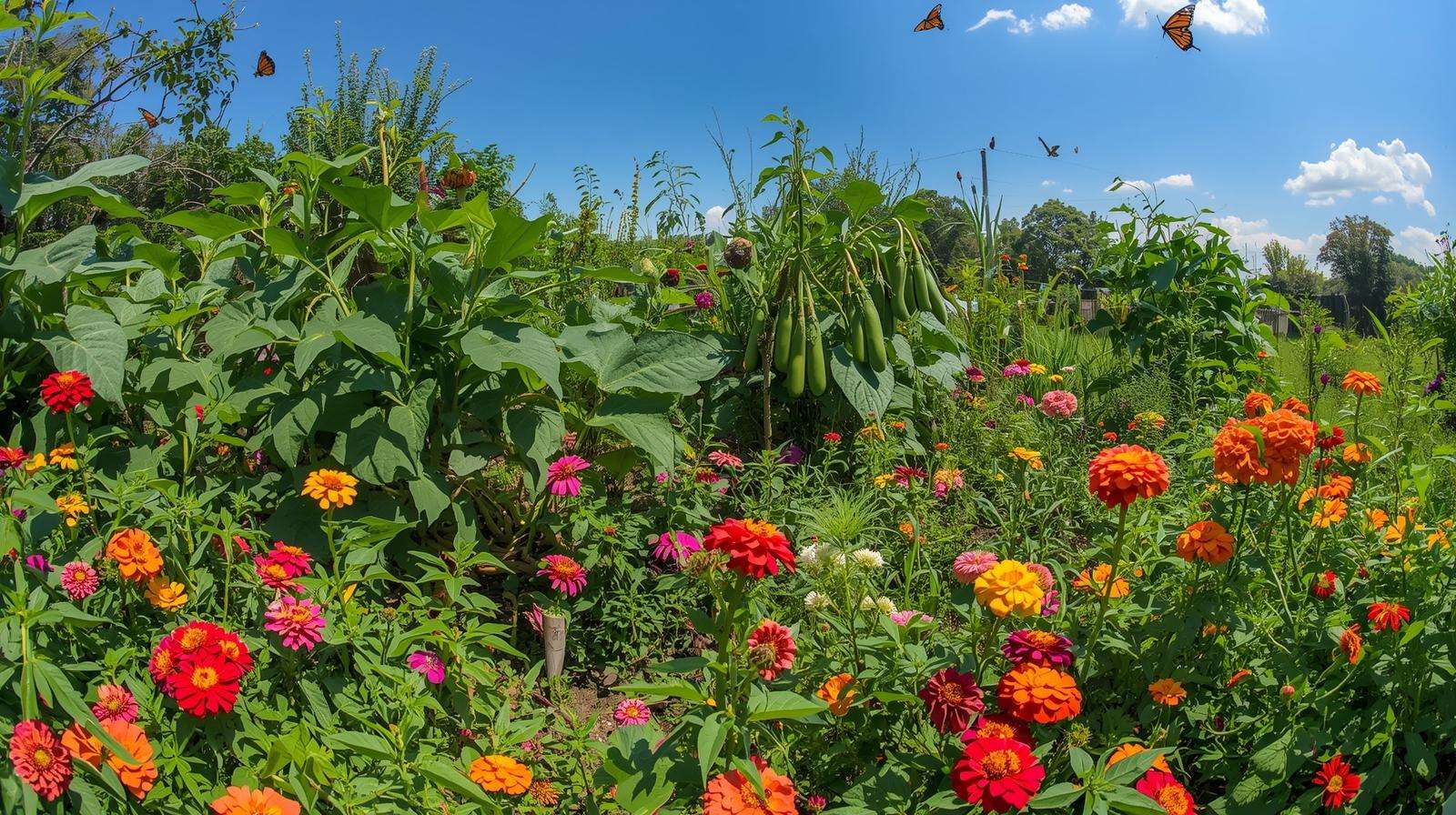
From okra pods towering overhead to zinnias buzzing with butterflies, these resilient plants prove that extreme heat doesn’t have to mean garden failure—it can mean your most bountiful and beautiful season yet.
Start small if needed: pick three vegetables and three flowers from this list, prepare your soil properly, and watch them thrive while neighbors’ gardens fade. Your future summer self—and your dinner guests—will thank you for the fresh harvests and stunning displays.
Happy gardening, and here’s to thriving, not just surviving, through the heat!