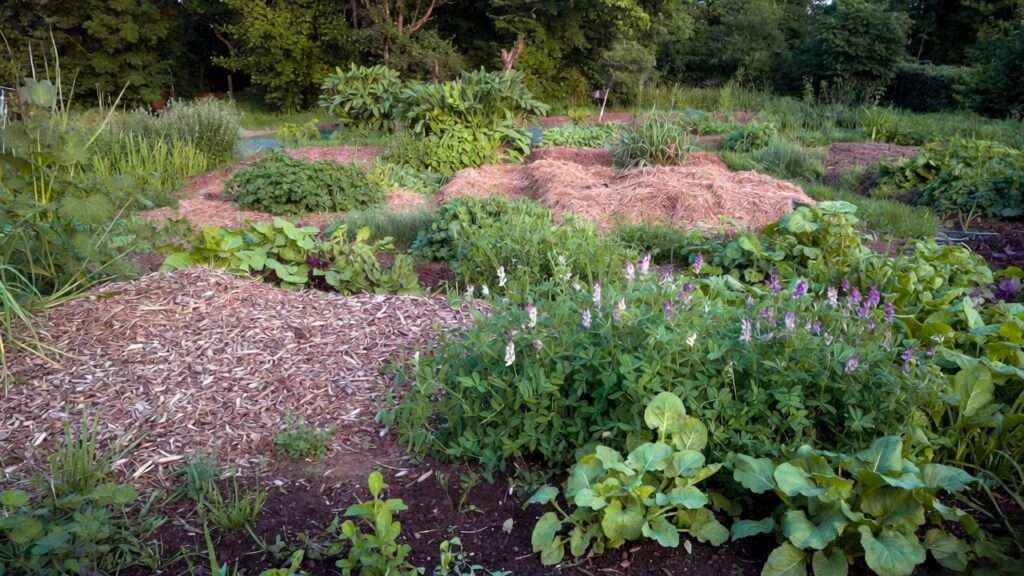
Imagine sinking your spade into the ground only to hit a brick-like surface in summer, or watching your carefully planted seedlings drown in puddles after every rain. If you garden on heavy clay soil, this frustration is all too familiar. Clay soil compacts easily, drains poorly, and makes root growth a battle—yet millions of gardeners worldwide face this exact challenge and often feel stuck with mediocre results or endless amendments.
The good news? Heavy clay soil isn’t a curse—it’s an opportunity. When managed with permaculture principles, clay can become one of the most fertile, nutrient-rich, and resilient growing mediums available. In my 15+ years as a permaculture designer and consultant (holding a Permaculture Design Certificate and having implemented systems on clay-dominant sites across temperate and subtropical climates), I’ve seen barren, compacted clay plots transformed into lush, productive food forests that require minimal inputs year after year.
This comprehensive guide will walk you through proven, nature-inspired strategies to regenerate heavy clay soil without fighting against it. By working with natural processes rather than relying on short-term fixes like excessive tilling or sand additions, you’ll build long-term soil health, improve drainage, boost biodiversity, and grow abundant crops—all sustainably.
Understanding Heavy Clay Soil: Why It’s Challenging and Why It Has Potential
Before diving into solutions, it’s essential to understand what makes clay soil unique.
Heavy clay soil consists of extremely fine particles—smaller than 0.002 mm in diameter. These tiny, plate-like particles pack tightly together, leaving little pore space for air or water movement. Clay has a high cation exchange capacity (CEC), meaning it can hold onto nutrients exceptionally well—often better than sandy soils. However, those same properties create the classic problems gardeners complain about.
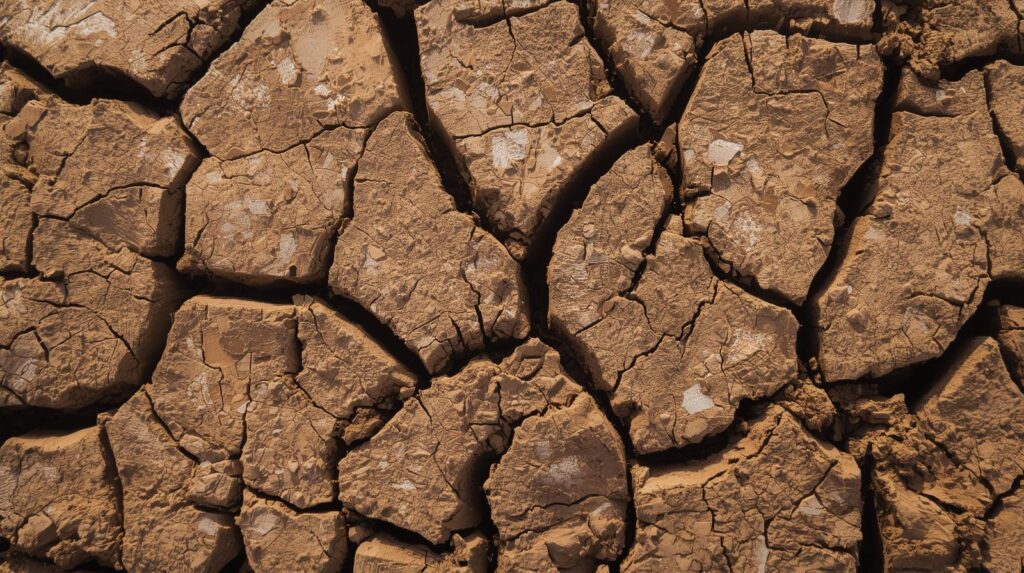
Characteristics of Heavy Clay Soil
- Poor drainage: Water percolates slowly, leading to waterlogging in wet seasons.
- Compaction prone: Foot traffic, machinery, or even heavy rain can compress clay into hard pans.
- Extreme texture swings: Bone-dry and cracked in summer, sticky and unworkable when wet.
- pH variability: Often slightly alkaline, though this varies by region.
Common Problems Gardeners Face
Many gardeners experience stunted plant growth, yellowing leaves from nutrient lock-up (especially phosphorus and iron), root rot in wet periods, and surface crusting that prevents seedling emergence. Conventional advice—adding large amounts of sand or repeated tilling—often backfires. Sand mixed improperly can create a concrete-like layer, while tilling destroys soil structure and burns organic matter.
The Hidden Strengths of Clay Soil
Here’s the paradigm shift permaculture encourages: clay soil has immense potential. Its high CEC means that once you unlock fertility through organic matter and biology, nutrients stay available to plants longer. Clay also retains moisture well during dry spells (a boon in drought-prone areas) and provides stable anchorage for deep-rooted perennials and trees.
Soil scientists, including those referenced in the USDA Soil Texture Triangle, note that clays can achieve some of the highest natural fertility levels when aggregated into crumbly tilth. Permaculture pioneers like Bill Mollison and David Holmgren recognized this, designing systems that turn clay’s density into an asset for long-term regeneration.
Core Permaculture Principles for Soil Transformation
Permaculture is a design science rooted in observing natural ecosystems and mimicking their patterns. When applied to heavy clay soil, these principles guide us away from force-based interventions toward cooperative regeneration.
Observe and Interact
The first step is always observation. Spend a full year (if possible) watching how water moves across your site, where puddles persist, which weeds naturally thrive (often excellent indicators of soil conditions), and how the soil responds to seasonal changes.
Conduct simple tests:
- Dig a percolation test hole (30 cm deep) and time how long it takes to drain.
- Perform a ribbon test: Squeeze wet soil—if it forms a long ribbon, you have high clay content.
- Note existing vegetation: Plants like plantain, dock, or chickweed often signal compacted clay.
Catch and Store Energy
In soil terms, “energy” primarily means organic matter. Building humus is the foundation for transforming clay structure.
Obtain a Yield While Regenerating
Permaculture doesn’t demand you wait years for results. Strategic planting allows early harvests while soil improves beneath.
Apply Self-Regulation and Accept Feedback
Avoid practices that degrade soil further—no synthetic fertilizers that kill microbes, no bare soil exposure, minimal disturbance.
Use and Value Renewable Resources and Services
Rely on on-site materials (fallen leaves, wood chips from local arborists, comfrey grown as a chop-and-drop fertilizer) and biological processes rather than imported gypsum or lime unless testing shows a clear need.
These principles form the ethical and practical backbone of every strategy below.
Step-by-Step Strategies to Improve Heavy Clay Soil Naturally
This is the heart of the guide—actionable, sequenced methods drawn from real-world permaculture projects on clay soils worldwide.
Step 1: Protect the Soil Surface (No-Dig Foundation)
Never leave clay bare. Exposed clay compacts under rain impact and bakes under sun.
Begin with thick organic mulch:
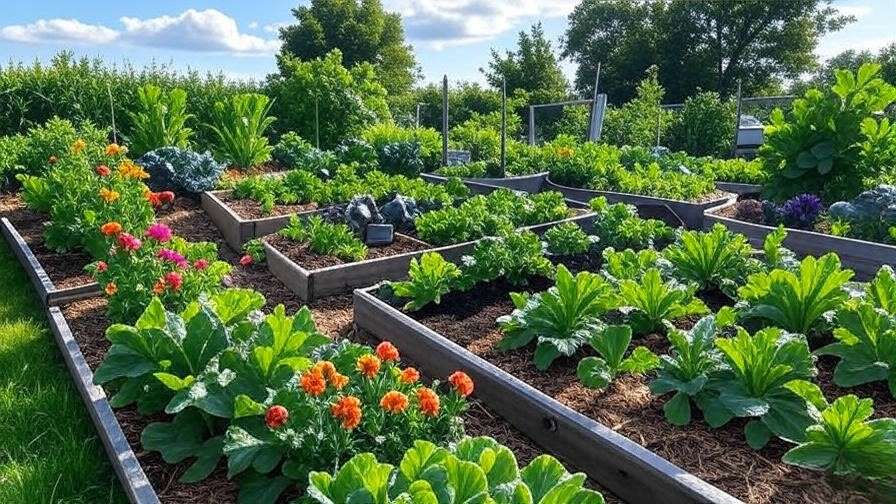
- 10–20 cm of woody mulch (ramial chipped branch wood is ideal—it feeds fungal networks dominant in perennial systems).
- Cardboard or newspaper layers underneath to suppress weeds initially.
- Living mulches like white clover or creeping thyme once beds establish.
No-dig pioneer Charles Dowding has demonstrated on heavy clay in the UK that consistent mulching alone can dramatically improve structure within 2–3 years.
Step 2: Boost Organic Matter with Biological Inputs
Organic matter is the key unlock for clay. It creates aggregates, improves aeration, and feeds soil life.
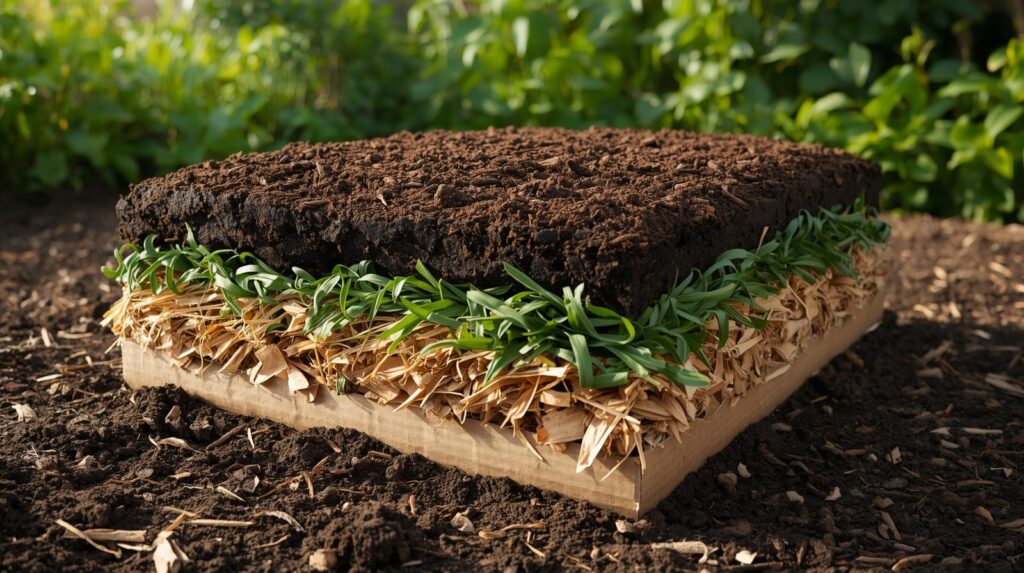
Sheet mulching (lasagna gardening) tailored for clay:
- Mow or slash existing vegetation.
- Lay cardboard or thick newspaper (overlapping edges).
- Add nitrogen-rich layers (manure, grass clippings, kitchen scraps).
- Top with carbon layers (straw, leaves, wood chips).
- Plant directly into pockets or wait one season.
Green manures and cover crops:
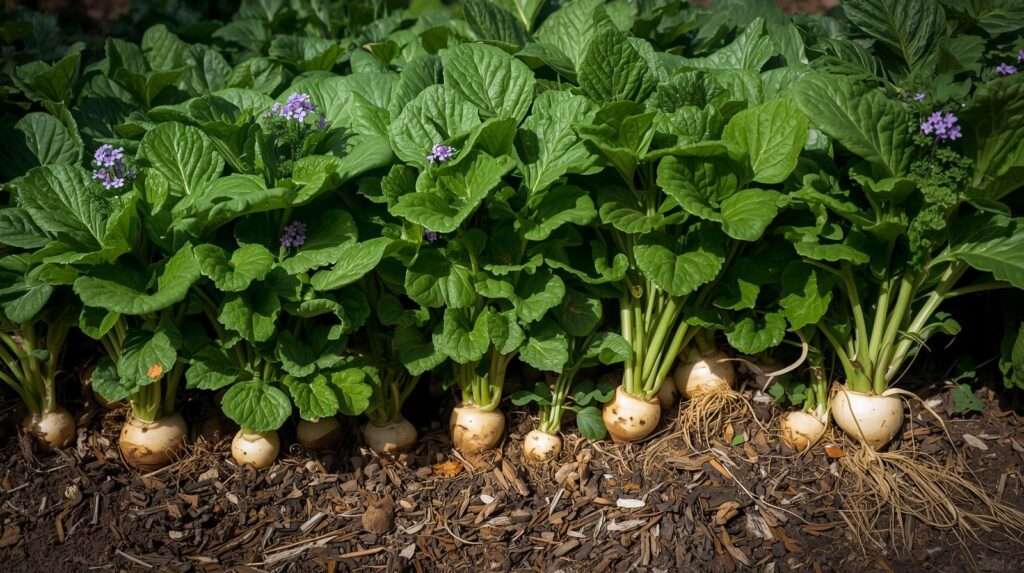
- Daikon radish (“tillage radish”) penetrates compacted clay and leaves channels upon decomposition.
- Comfrey (deep taproot mines minerals; leaves are potassium-rich mulch).
- Crimson clover or subterranean clover fixes nitrogen and protects surface.
Add well-composted manure or homemade compost at 5–10 cm annually. Biochar (if available) can be incorporated at 5–10% volume for permanent carbon sequestration and improved CEC utilization.
Step 3: Enhance Soil Biology and Structure
Clay improvement is fundamentally biological.
- Use fungi-dominant compost (made with woody materials) to encourage mycorrhizal networks that bind clay particles into stable aggregates.
- Inoculate with commercial mycorrhizal products or harvest from healthy nearby soils.
- Encourage earthworms: Avoid synthetic inputs; provide consistent surface organic matter. On clay sites I’ve managed, earthworm populations exploded after two years of mulching, creating natural aeration channels.
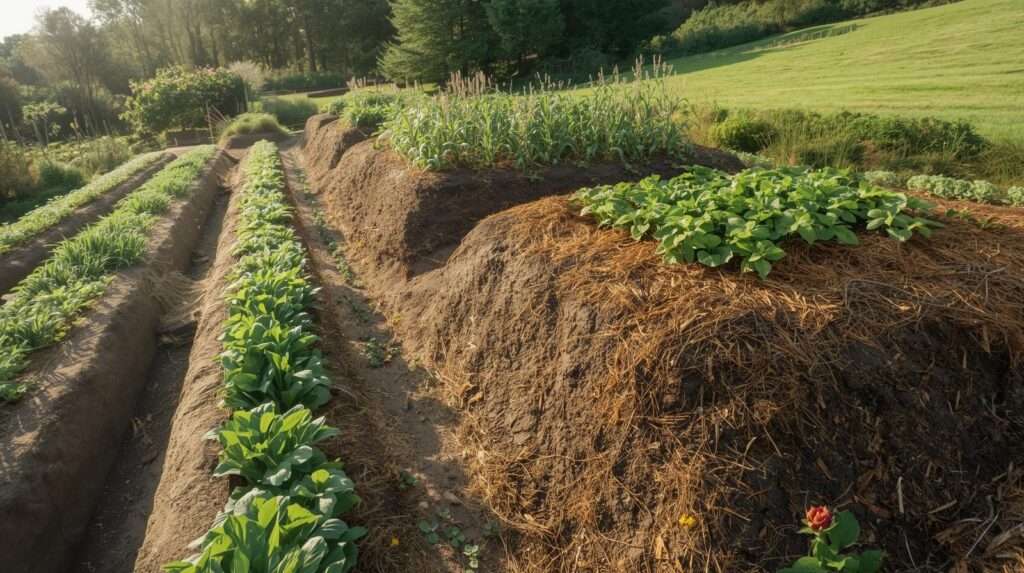
Step 4: Improve Drainage Through Contour and Swales
Water management is critical on clay.
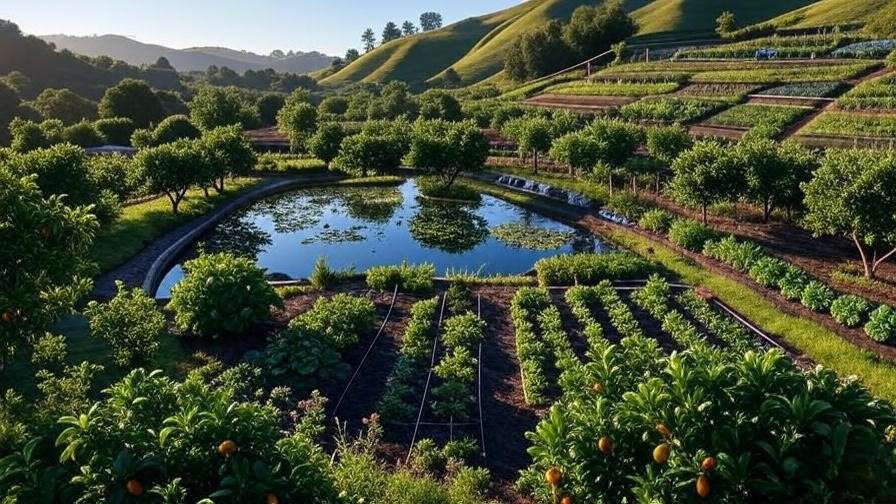
Design on-contour swales—shallow ditches on the landscape contour backed by berms—to slow, spread, and sink rainwater. Even small swales (30 cm deep) can prevent runoff and allow gradual infiltration.
For immediate raised growing areas:
- Hugelkultur beds: Mound rotting logs, branches, and sod upside-down, then top with soil and mulch. The decaying wood acts as a sponge, improving drainage while feeding soil life. Sepp Holzer has perfected hugelkultur on heavy alpine clays.
Step 5: Plant Pioneer and Accumulator Species
Use dynamic accumulators—plants with deep roots that mine minerals and break compaction.
Top recommendations for clay:
- Comfrey (Bocking 14 variety—non-invasive).
- Dandelion and chicory.
- Alfalfa or lupins for nitrogen fixation.
- Pioneer trees: Alder (nitrogen-fixing), willow (fast-growing, tolerant of wet clay).
Build guilds: Plant fruit trees with comfrey understory, daikon as precursor, and clover groundcover.
Step 6: Long-Term Management and Maintenance
Once established:
- Chop-and-drop perennials regularly.
- Minimal disturbance—never till mature beds.
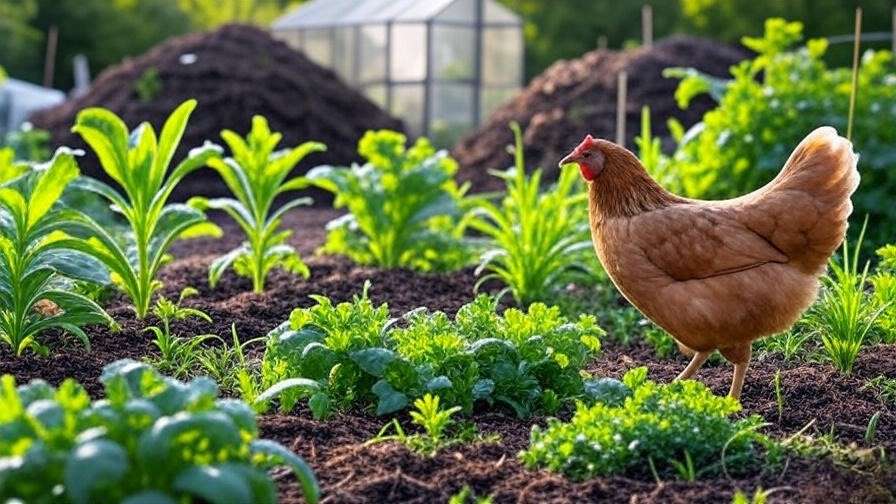
- Integrate animals (chickens for light scratching in designated zones) if appropriate.
- Monitor and adapt: Soil tests every 3–5 years to track progress.
Real-World Examples and Case Studies
The proof of permaculture’s effectiveness on heavy clay soil lies in real projects around the world. These examples show that transformation is not theoretical—it’s achievable on small backyard plots and large farms alike.
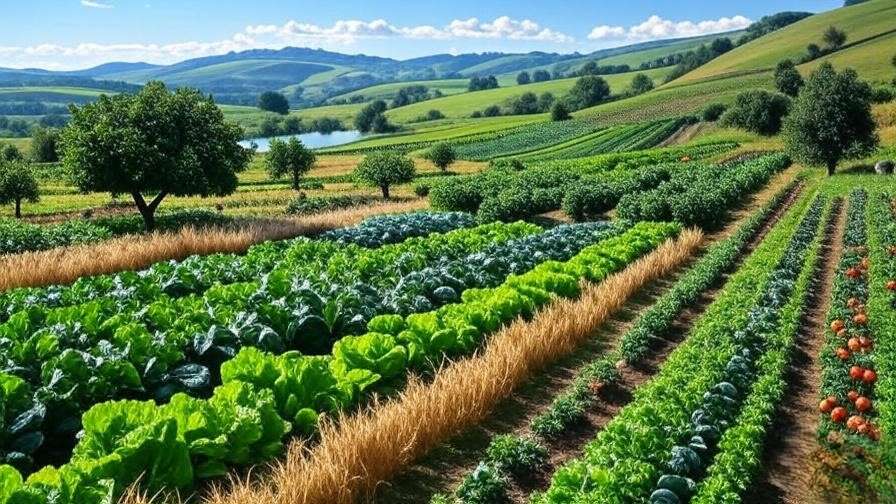
- Ridgedale Farm, Sweden: Richard Perkins transformed cold, waterlogged clay soils in a harsh Nordic climate into highly productive no-till market gardens. Using deep mulching, keyline-inspired swales, and perennial polycultures, Ridgedale now produces diverse vegetables and pastured livestock with minimal inputs. Perkins documented dramatic improvements in soil structure within three years, with earthworm counts skyrocketing and drainage issues virtually eliminated.
- Zaytuna Farm, Australia: Geoff Lawton’s flagship permaculture demonstration site sits on challenging subtropical clay. Through extensive swale systems, pioneer plantings (including leucaena and acacias), and animal integration, the once-eroded, compacted land now supports abundant food forests. Lawton often shares time-lapse footage showing how clay cracks close and topsoil deepens as organic matter accumulates.
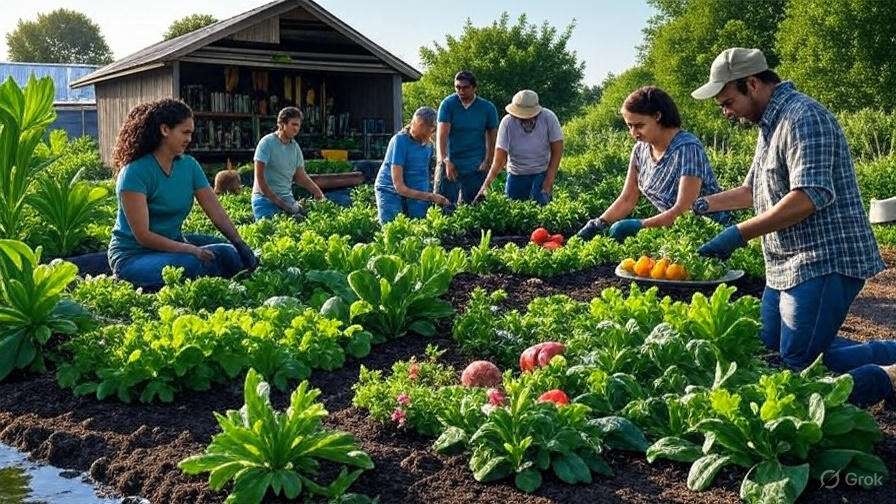
- UK Community Allotments: Numerous allotment holders on London clay (notoriously heavy and wet) have adopted no-dig methods inspired by Charles Dowding. One well-documented case: a 100 m² plot that went from barren, puddle-prone clay to yielding over 200 kg of vegetables annually after consistent compost mulching and cover cropping over five years.
These cases share common threads: patient observation, heavy initial organic inputs, biological activation, and minimal disturbance. The results—deeper topsoil, better tilth, and resilient yields—consistently outperform conventional approaches on the same soil types.
Common Mistakes to Avoid When Working with Clay Soil
Even well-intentioned gardeners can slow progress or cause setbacks. Here are the most frequent pitfalls I’ve observed in consultations:
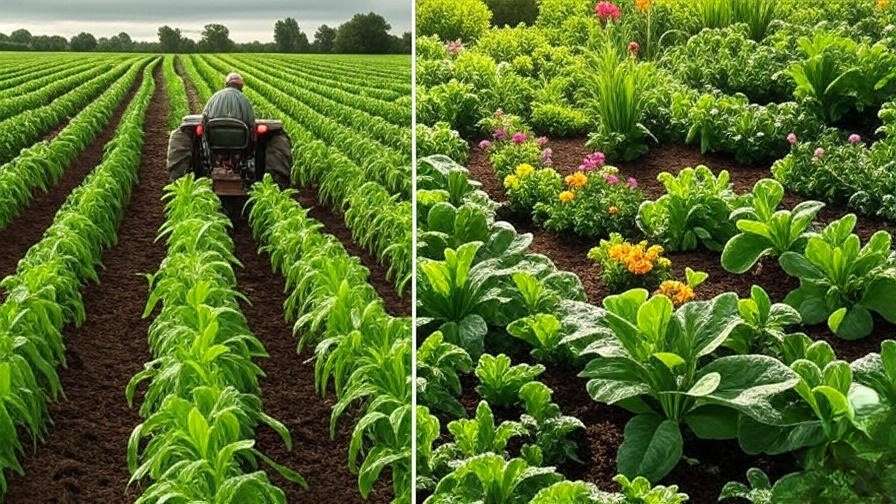
- Excessive tilling or double-digging: This temporarily loosens clay but destroys fungal networks and brings subsoil compaction layers upward. Tilling also accelerates organic matter loss through oxidation.
- Adding sand without sufficient organic matter: The old myth of “amending with sand to improve drainage” often creates a cement-like layer. Sand + clay without humus = poor outcome.
- Impatience and over-planting too early: Expecting quick results leads to disappointment. Clay transformation is a 3–10 year process depending on inputs and climate.
- Relying on gypsum as a cure-all: Gypsum helps only in sodic (high-sodium) clays, not general heavy clay. Routine soil testing prevents unnecessary applications.
- Leaving soil bare over winter: Rain impact re-compacts any gains made during the growing season.
Permaculture principles naturally steer you away from these errors by emphasizing observation, biological solutions, and long-term thinking.
Tools, Materials, and Timeline for Transformation
You don’t need expensive equipment or rare inputs to succeed.
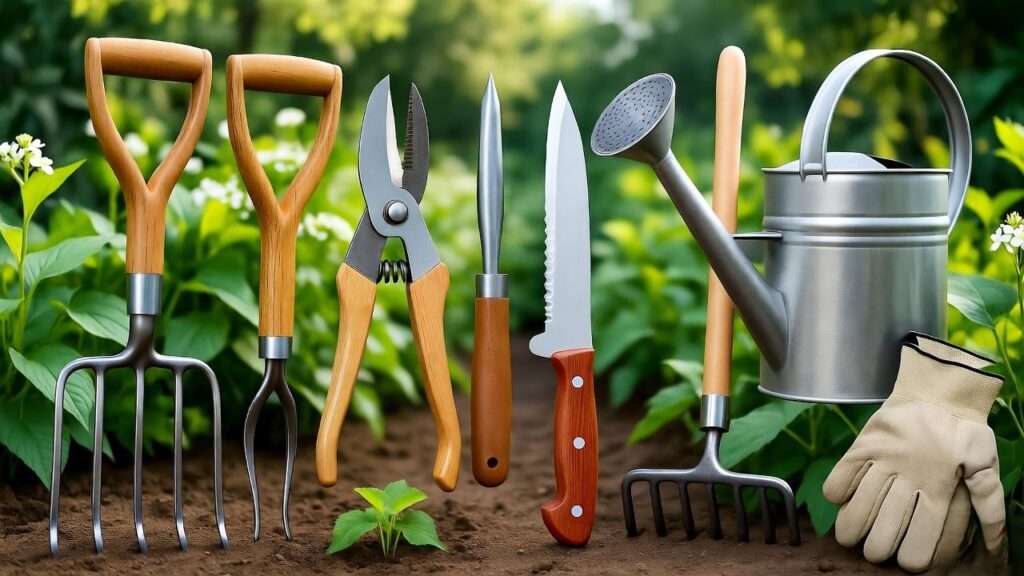
Essential low-cost tools:
- Broadfork or meadow creature for initial aeration (optional—one-time use).
- Wheelbarrow, pitchfork, and rake.
- Tarps or cardboard for smothering weeds.
- pH and basic soil test kit (available for under $30).
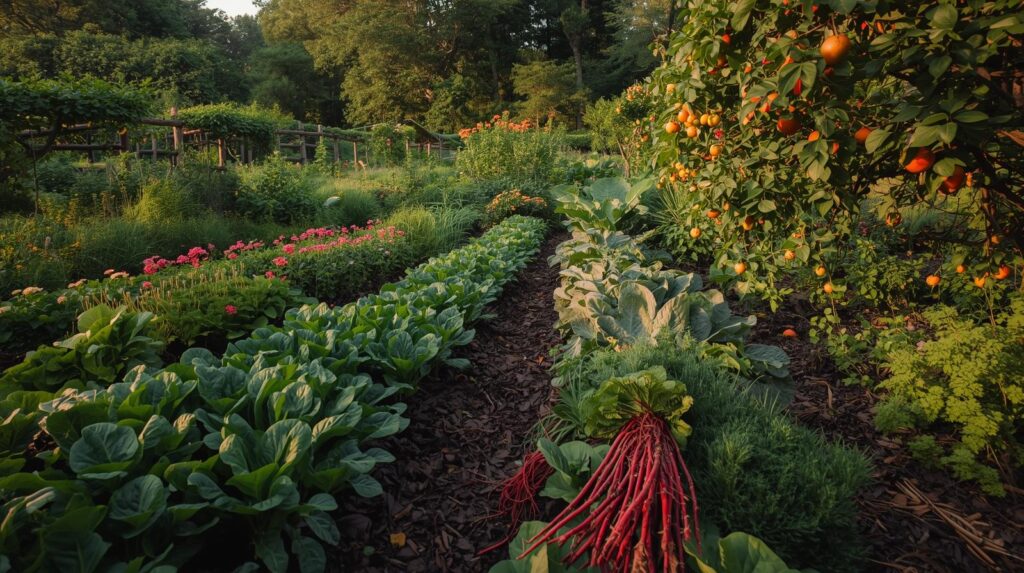
Key materials (prioritize free/local sources):
- Cardboard/newspaper from recycling.
- Wood chips from local tree surgeons (often free).
- Fallen leaves, grass clippings, aged manure.
- Seeds for cover crops (daikon, clover, comfrey root cuttings).
Realistic timeline (temperate climate; adjust for your zone):
- Year 1: Focus on protection and organic buildup. Sheet mulch beds, plant pioneers, install basic swales. Expect modest improvement in workability.
- Year 2–3: Visible aggregation begins. Drainage improves, earthworms appear in numbers, early polycultures thrive.
- Year 4–5: Crumbly topsoil 15–30 cm deep, excellent moisture retention, high yields from perennials.
- Year 5+: Mature, resilient system with deep humus layers and self-regulating fertility.
Progress is faster with intensive inputs (e.g., imported compost) and slower in cold or dry climates, but consistent application of these methods always moves the soil toward health.
Frequently Asked Questions (FAQ)
How long does it take to improve heavy clay soil using permaculture methods? Visible workability improvements often appear within 1–2 years, with major structural changes in 3–5 years. Full transformation to fertile, friable loam can take 5–10 years, but you’ll get increasing yields throughout.
Can I still grow annual vegetables while improving the soil? Yes—absolutely. Use raised beds, hugelkultur mounds, or pockets in sheet mulch for immediate planting. Hardy crops like potatoes, brassicas, and beans often perform well even in partially improved clay.
Is gypsum necessary for clay soil? Rarely. Gypsum only benefits soils with high sodium (sodic clays). A soil test showing sodium levels above 5–10% exchangeable sodium percentage warrants gypsum; otherwise, focus on organic matter.
What if my clay soil is extremely compacted from construction or machinery? Start with light broadforking or daikon radish planting in Year 1 to create initial channels, then layer heavy mulch. Avoid heavy machinery. Recovery takes longer (extra 1–2 years), but the same principles apply.
Are there permaculture plants that thrive in unimproved heavy clay? Yes—many pioneers love it: comfrey, willow, alder, black locust, Jerusalem artichoke, horseradish, and certain brassicas. These can provide yields while actively improving the soil.
How does climate affect clay soil transformation? In wet climates, prioritize drainage (swales, raised beds). In dry climates, focus on water harvesting and deep mulching. Warm climates with year-round biology speed the process significantly.
Conclusion
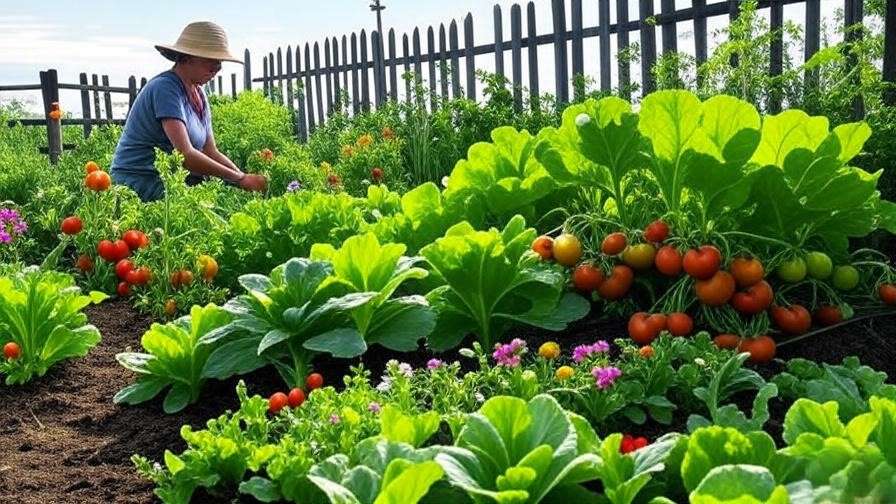
Heavy clay soil doesn’t have to limit your gardening dreams. By applying permaculture principles—observing your site, protecting the surface, building organic matter, enhancing biology, and planting strategically—you can transform challenging clay into a fertile, resilient foundation for abundant, low-maintenance gardens.
The journey requires patience and consistency, but the rewards are profound: healthier plants, reduced watering and weeding, greater biodiversity, and soil that improves year after year.
Start small this season: sheet mulch one bed, plant a few comfrey roots, and observe the changes. Within months you’ll see the soil begin to come alive—and in a few short years, you’ll be harvesting from one of the richest growing mediums nature provides.
Your heavy clay isn’t a problem. With permaculture, it’s the starting point for something extraordinary.