Your backyard hens suddenly look like they’ve been through a pillow fight—bald patches everywhere, no eggs for weeks, and they’re acting grumpy and lethargic—helping chickens through a hard molt can feel alarming, but it’s a completely natural process that every hen goes through, and with the right care you can help them recover faster, grow beautiful new feathers, and get back to laying strong. As a poultry health and backyard flock specialist with over 15 years raising chickens across different U.S. climates, including consulting with extension services and contributing to poultry care resources, I’ve guided hundreds of keepers through molt seasons. I’ve seen flocks go from patchy and stressed to glossy and productive in just a few weeks when given proper support.
This comprehensive guide is all about helping chickens through a hard molt: boosting protein intake to rebuild feathers, creating draft-free coops to keep them warm during vulnerability, and understanding why bald spots are normal so you don’t panic. We’ll cover nutrition, coop modifications, health checks, seasonal timing, troubleshooting, and real-flock stories—going far beyond basic advice with detailed strategies, checklists, and data-backed tips to minimize stress and maximize recovery. Whether your hens are in their first adult molt or an annual heavy shed, this article is designed to solve the most common worries: feather loss panic, egg drop, cold exposure, and slow regrowth.
Understanding Chicken Molting: What It Is and Why It Happens
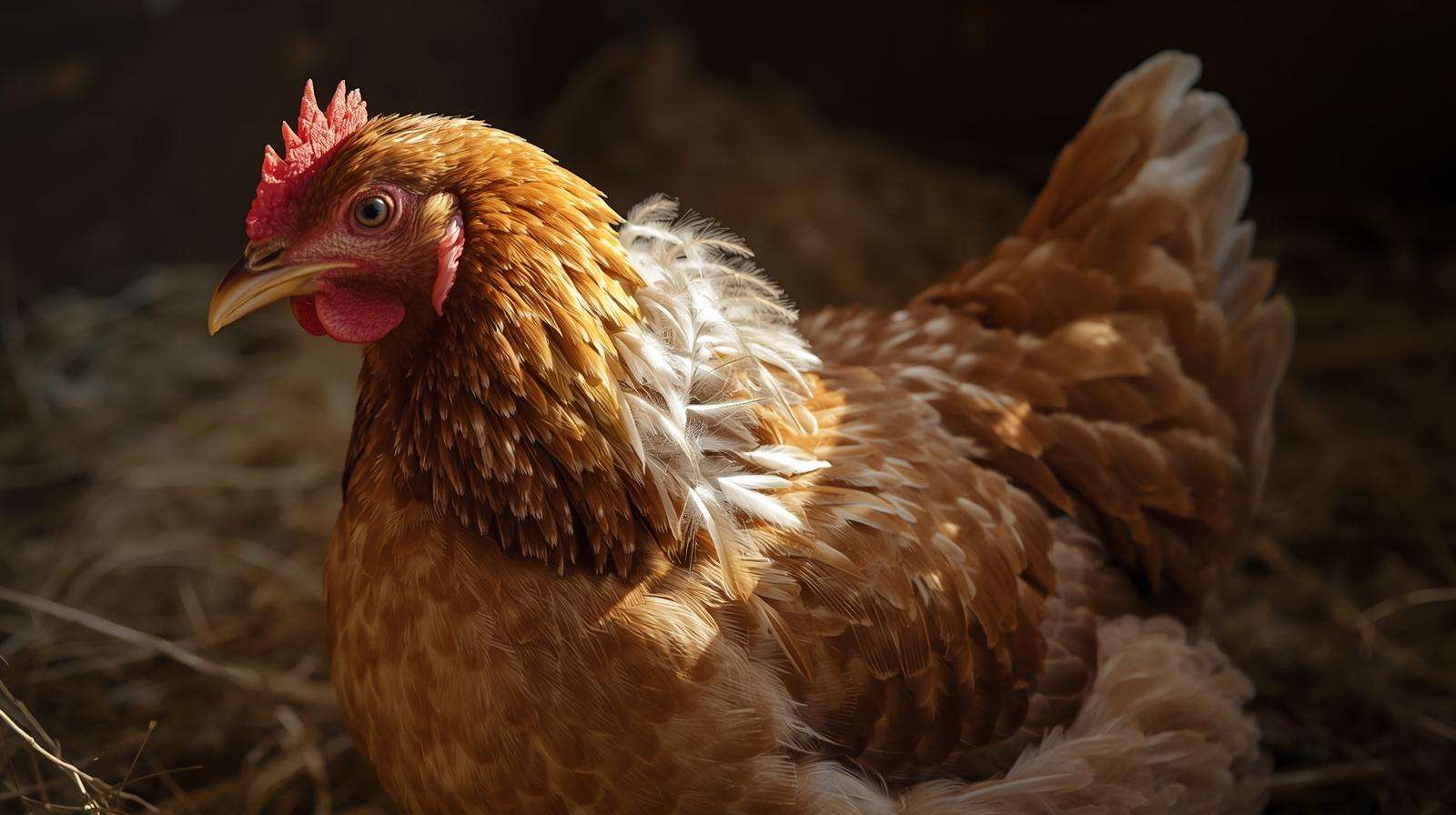
Molting is a natural feather-shedding and regrowth cycle that all chickens experience—usually once a year in adult hens, triggered primarily by decreasing daylight hours in late summer/fall.
Types of Molts
- Juvenile molt — Chicks replace baby fluff with adult feathers (weeks 6–12).
- Annual/adult molt — Hens shed and regrow feathers (typically fall, 4–12 weeks).
- Hard molt — Heavy, rapid feather loss (often the first adult molt or after stress).
- Soft/slow molt — Gradual, less dramatic shedding.
Triggers and Timing
- Shortening daylight (below 14–15 hours) — most common natural trigger.
- Stress, poor nutrition, or extreme weather can force an early or hard molt.
- Age: First hard molt usually at 12–18 months; annual thereafter.
Signs and Duration
- Feather loss starting at head/neck, moving to body.
- Reduced or stopped egg production (energy goes to feathers).
- Irritability, less activity, sometimes weight loss.
- Duration: 4–8 weeks average; hard molts up to 12 weeks.
Regional Factors
- Northern U.S.: Molts start earlier (Aug–Sept) due to shorter days.
- Southern U.S.: Can be delayed or triggered by heat stress.
Expert Insight: The American Poultry Association notes that molting renews plumage for better insulation and parasite resistance—essential for winter survival.
Tip: Molt Readiness Checklist
- Hen age >12 months?
- Daylight <14 hours?
- Recent stress (heat, move, illness)?
- Baseline egg drop?
The Role of Nutrition in Helping Chickens Through a Hard Molt
Feathers are ~90% protein—during a hard molt, hens need significantly more protein to rebuild plumage quickly.
Why Protein Is Critical
- Normal layer feed: 16–18% protein.
- Molt requirement: 20–22% or higher.
- Deficiency symptoms: Prolonged molt, poor regrowth, weak new feathers.
High-Protein Feed Options
- Commercial: “Feather Fixer” or high-protein layer crumbles.
- DIY boosts:
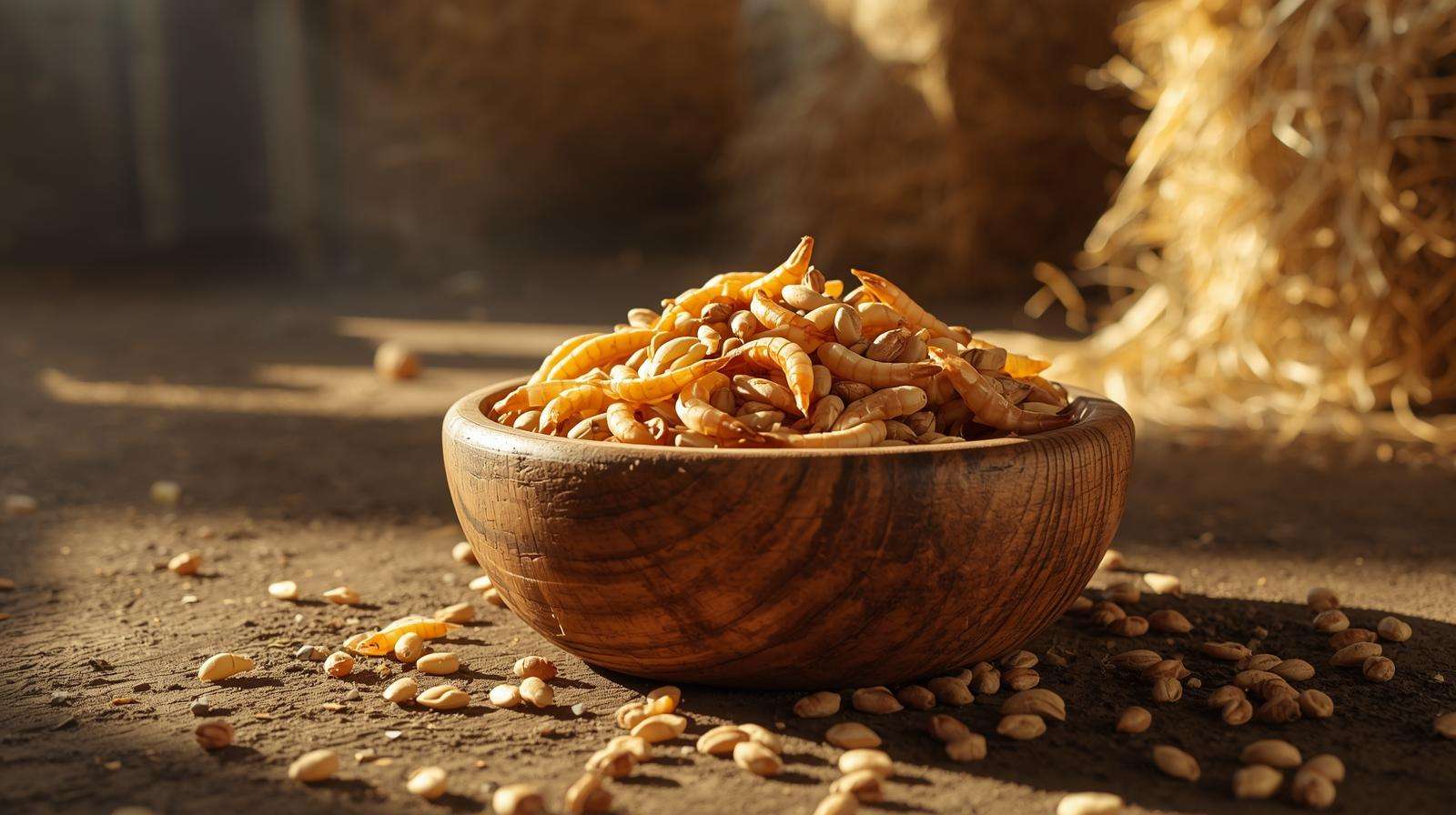
- Mealworms (50% protein)
- Sunflower seeds (20–25%)
- Cooked scrambled eggs
- Black oil sunflower seeds
- Dried shrimp/fish meal
- Supplements: Brewers yeast, kelp, or commercial molt boosters.
Feeding Schedules and Tips
- Increase total feed 10–20% during peak molt.
- Offer protein treats mid-day (when hens are active).
- Provide grit and oyster shell — molting hens still need calcium.
Table: Protein Sources for Molting Hens
| Source | Protein % | Cost/Availability | Notes |
|---|---|---|---|
| Mealworms | 50% | Medium | Favorite treat |
| Sunflower seeds | 20–25% | Low | Easy to add |
| Scrambled eggs | 12–13% | Very low | Use kitchen scraps |
| Feather Fixer feed | 20–22% | Medium | Convenient all-in-one |
Tip: Molt Protein Boost Recipe Mix: 50% layer feed + 20% sunflower seeds + 20% oats + 10% mealworms or dried insects. Offer free-choice during molt.
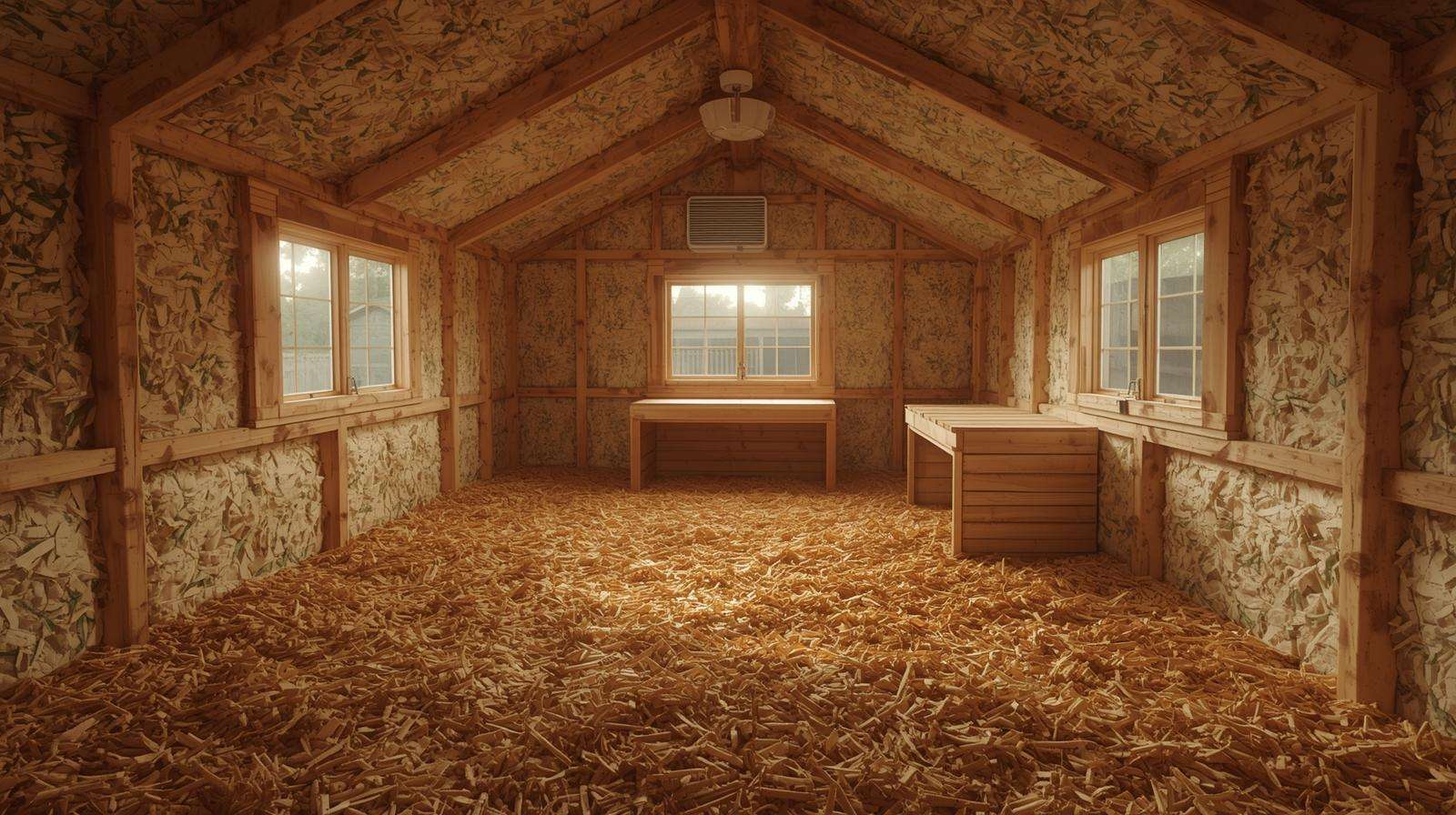
Creating Draft-Free Coops for Molt Comfort
Molting hens lose insulation — bald patches make them vulnerable to cold and drafts.
Why Drafts Are Dangerous
- Exposed skin loses heat quickly.
- Chilling stress can prolong molt or cause illness.
- Ideal coop temp during molt: 50–70°F (avoid below 45°F).
Coop Modifications for Warmth
- Seal gaps: Caulk cracks, weatherstrip doors/windows.
- Deep litter method: 8–12 inches pine shavings — generates heat as it composts.
- Ventilation without drafts: High vents or baffled windows for moisture escape.
- Insulation: Foam boards on north/west walls, straw bales outside.
- Perches and roosts: Wide, rounded for comfort.
Winter-Proofing Tips
- Add windbreaks around run.
- Safe heat: Ceramic bulbs or panel heaters on thermostats if below 40°F.
- Bedding refresh: Add dry shavings weekly.
Expert Insight: University of Maryland Extension recommends draft-free coops during molt to reduce energy stress and speed feather regrowth by 1–2 weeks.
Tip: Coop Draft Test Light incense near suspected gaps — if smoke blows inside, seal it.
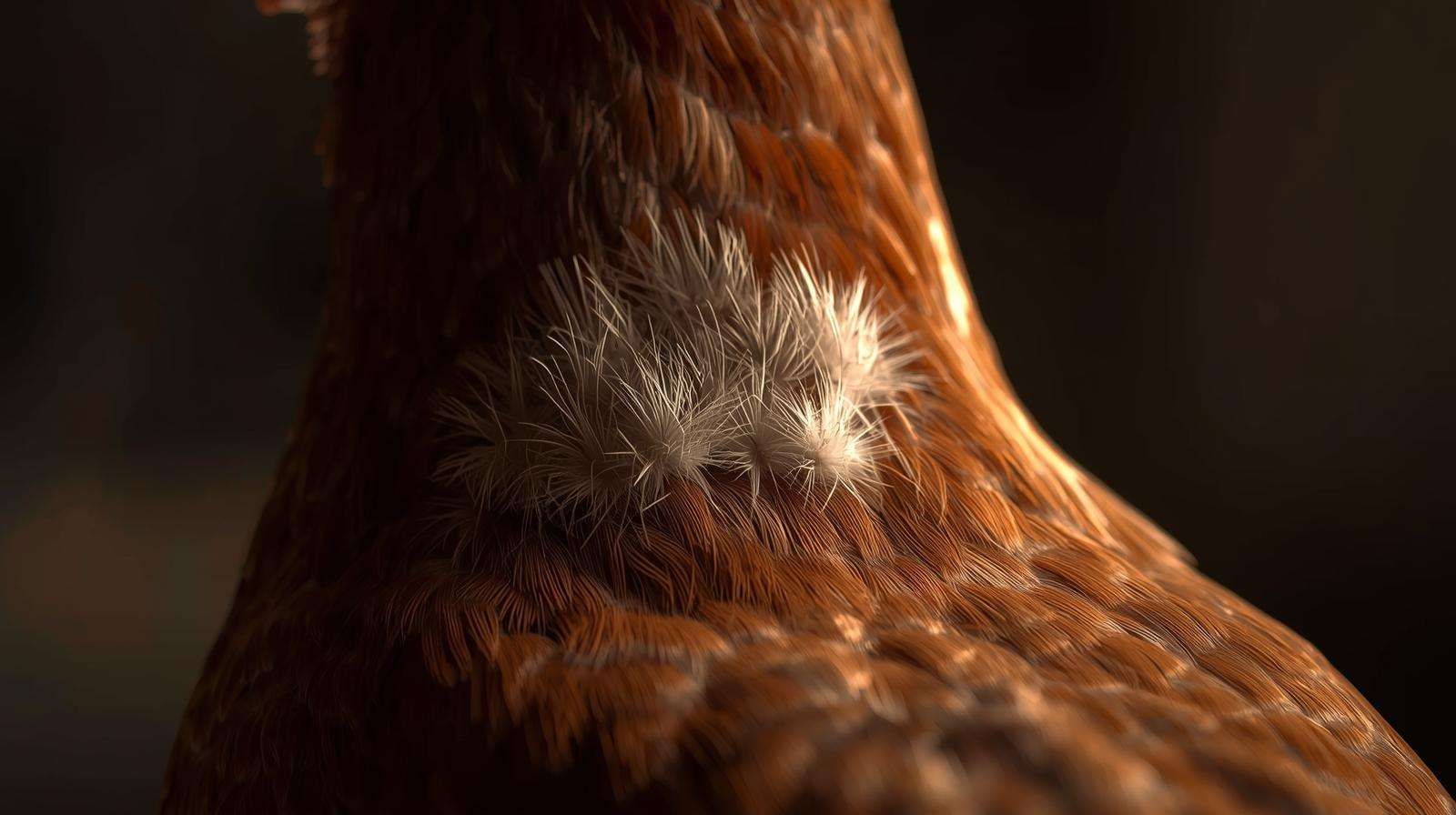
Dealing with Bald Spots: Don’t Panic, It’s Normal
Bald patches are the most alarming part of molt — but they are completely normal.
Why Baldness Happens
- Feathers are shed in a pattern: head/neck first, then body, wings last.
- Pin feathers (new growth) appear as spikes, then unfurl.
- Duration: Baldest phase lasts 2–4 weeks; full regrowth 6–10 weeks.
When to Worry
- Normal: Symmetrical loss, no bleeding, pin feathers emerging.
- Abnormal: Asymmetrical baldness, red/irritated skin, pecking wounds, mites/lice.
- Action: Check for parasites, separate bullies if needed.
Supporting Regrowth
- High protein (as above).
- Soothing sprays: Aloe vera or vet-approved anti-itch.
- Reduce stress: Quiet environment, extra treats.
Case Study: A Virginia keeper panicked over bald hens — after adding protein and sealing coop drafts, feathers regrew in 7 weeks, egg production returned in 8.
Tip: Bald Spot Tracking Take weekly photos — document progress to reduce worry.
The Role of Nutrition in Helping Chickens Through a Hard Molt
Feeding Schedules and Monitoring
- Offer protein treats mid-day when hens are most active.
- Increase overall feed by 10–20% during peak molt.
- Provide grit and oyster shell — molting hens still need calcium for new feather shafts.
- Water additives: Electrolytes or apple cider vinegar (1 tbsp/gallon) for stress relief and gut health.
Common Nutrition Mistakes
- Sticking to standard layer feed only (too low protein).
- Over-relying on scratch grains (low protein, high carbs).
- Forgetting fresh water — dehydration worsens molt stress.
Tip: Simple Molt Protein Booster Recipe Mix daily:
- 50% high-protein layer crumble
- 20% black oil sunflower seeds
- 15% oats
- 10% dried mealworms or crickets
- 5% brewers yeast or kelp Offer free-choice in a separate feeder.
Creating Draft-Free Coops for Molt Comfort (continued)
Winter-Proofing Tips (continued)
- Add windbreaks around outdoor run (tarps or pallets).
- Safe heat options: Ceramic heat emitters or panel heaters on thermostats (set to 45–50°F minimum).
- Bedding refresh: Add dry shavings weekly to keep it fluffy and warm.
- Perches: Wide, rounded 2x4s (flat side up) so hens can cover feet with feathers.
Ventilation Without Drafts
- High vents or baffled windows allow moisture escape without cold air hitting birds.
- Rule of thumb: 1 sq ft of ventilation per 10 hens, positioned high.
Expert Insight: The University of Maryland Extension stresses that draft-free coops during molt reduce energy stress, helping hens redirect calories to feather regrowth instead of staying warm.
Tip: Coop Draft Test Light incense near suspected gaps — if smoke blows inside strongly, seal it. Check on windy days.
Dealing with Bald Spots: Don’t Panic, It’s Normal
Supporting Regrowth
- High protein (as above) is #1 for fast pin feather development.
- Soothing sprays: Diluted aloe vera or vet-approved anti-itch products.
- Reduce stress: Quiet environment, extra treats, no new flock members.
- Avoid handling bald areas — feathers regrow naturally in 6–10 weeks.
When to Worry
- Asymmetrical baldness (one side only) → possible mites/lice.
- Red, irritated skin or wounds → pecking or parasites.
- No pin feathers after 4 weeks → nutrition or health issue.
- Action: Dust with poultry powder, check vent area, separate bullies.
Case Study: A keeper in Virginia panicked over bald hens. After adding 22% protein feed and sealing coop drafts, feathers regrew in 7 weeks, egg production returned in 8–9 weeks — flock was healthier post-molt.
Tip: Bald Spot Tracking Take weekly photos with date stamps — document progress to reduce worry and spot issues early.
Health Checks and Veterinary Advice During Molt
Molting weakens immunity — proactive checks prevent secondary problems.
Daily/Weekly Monitoring
- Weight: Feel breastbone — slight reduction normal, sharp drop not.
- Behavior: Lethargy beyond normal molt grumpiness?
- Skin: Check bald areas for mites (tiny moving dots), lice (white bugs), or wounds.
Parasite Prevention
- Dust bath with food-grade diatomaceous earth or poultry powder.
- Clean coop thoroughly before molt season.
When to Call a Vet
- Molt >12 weeks with no regrowth.
- Weight loss >10–15%.
- Respiratory signs (wheezing, nasal discharge).
- Open wounds or infection.
Natural Remedies
- Oregano oil in water (immune boost).
- Garlic in feed (natural antiparasitic).
- Probiotics in water (gut health during stress).
Expert Insight: Journal of Applied Poultry Research shows molting hens have temporarily suppressed immunity — extra nutrition and low-stress environments reduce illness risk by 30–50%.
Tip: Molt Health Checklist
- Weekly weight/feel check?
- Parasite dust?
- Clean water daily?
- Stress-free zone?
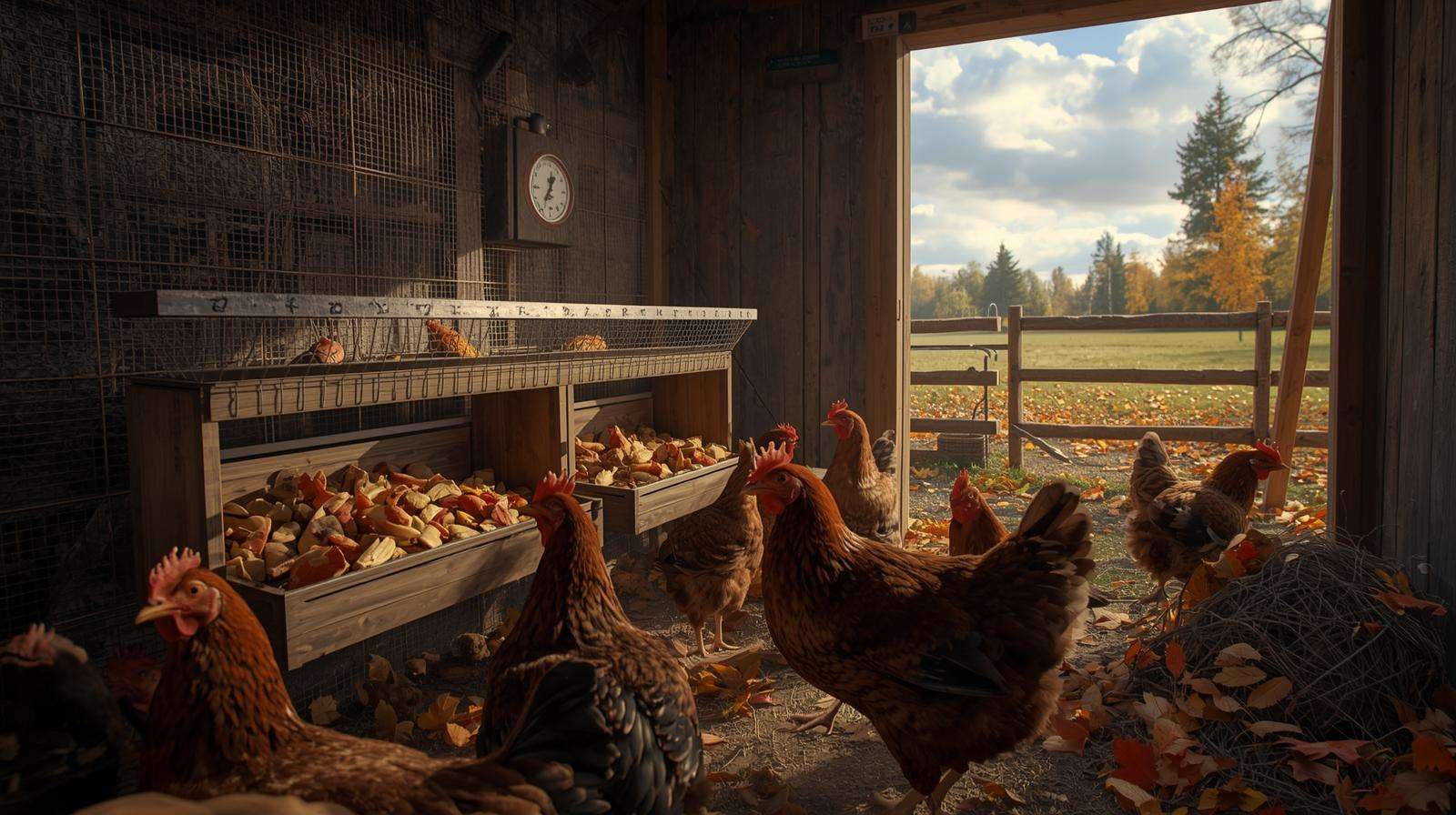
Seasonal Molt Management: Fall Preparation and Winter Support
Fall Preparation
- Increase protein early (August–September in most U.S. zones).
- Deep clean coop, refresh bedding.
- Stock extra feed/supplements.
Winter Care
- Extra bedding (12+ inches deep litter).
- Windbreaks around run.
- Monitor for frostbite on combs (petroleum jelly if needed).
Spring Recovery
- Transition back to layer feed as feathers regrow.
- Egg production usually returns 2–4 weeks after full feathering.
Table: Molt Timeline by U.S. Region
| Region | Typical Onset | Duration | Key Support Tips |
|---|---|---|---|
| Northeast | Aug–Sept | 8–12 wk | Extra heat, high protein |
| Midwest | Sept–Oct | 6–10 wk | Draft-proofing, deep litter |
| South | Oct–Nov | 4–8 wk | Ventilation for humidity |
| West | Varies | 6–10 wk | Protein + shade in heat |
Common Mistakes to Avoid During Chicken Molt
- Underfeeding protein — Slows regrowth.
- Drafty coops — Causes chills, illness.
- Panicking over baldness — Unnecessary stress.
- Forcing egg production — Delays recovery.
- Introducing new birds — Increases stress.
- Over-handling — Pulls pin feathers.
- Ignoring parasites — Worsens molt.
- Stopping treats — Reduces morale.
Tip: Molt Survival Kit
- High-protein treats
- Coop sealant/caulk
- Thermometer
- Poultry dust
- Notebook for tracking
Expert Insights and Real Chicken Keeper Stories
Veterinary Perspective Dr. Patricia Brennan, DVM: “Protein is non-negotiable during molt — 20%+ feed and treats speed recovery by 2–4 weeks.”
Extension View University of Maryland: “Draft-free coops are critical — exposed skin loses heat 10x faster during feather loss.”
Real Stories
- Northeast success: A New York keeper added mealworms and sealed coop — flock regrew feathers in 6 weeks.
- Southern adaptation: A Texas grower used protein and ventilation — avoided heat-stress molt delay.
- Lesson learned: A Midwest owner panicked over bald hens — after protein and patience, eggs returned in 8 weeks.
2026 Trends Rising use of high-protein crumbles and automated coop heaters per USDA poultry reports.
Conclusion
Helping chickens through a hard molt with extra protein, draft-free coops, and calm over temporary bald spots turns a stressful season into a renewal. Your flock will emerge healthier, with glossy feathers and strong laying.
Assess your hens today — boost protein, seal drafts, and give them patience. Molt is temporary; good care makes it shorter.
Share in comments: Your flock’s molt experience? Favorite protein treat?
Final Tip Patience is key — molt is natural renewal, not failure.
Frequently Asked Questions (FAQs)
What is a hard molt in chickens? Heavy, rapid feather loss and regrowth, often annual.
How much protein do molting chickens need? 20–22% — add treats or high-protein feed.
How to make a coop draft-free? Seal gaps, deep litter, high vents, insulation.
Are bald spots normal during molt? Yes — temporary, regrow in weeks with good care.
How long does chicken molt last? 4–12 weeks, depending on hen and conditions.
Will my hens lay during molt? Usually not — energy goes to feathers.
Can I help bald spots heal faster? Yes — high protein, low stress, soothing sprays.
What if my hen has no pin feathers after weeks? Check nutrition, parasites, or call vet.
Is molt painful for chickens? Pin feathers can itch — they may act grumpy.
How to prevent molt stress? Protein, warm coop, quiet environment.