Imagine producing fresh fish at home—either as a reliable food source, a profitable side income, or a sustainable lifestyle choice. Sounds appealing, right? Yet many aspiring farmers fail before they even begin—not because fish farming is difficult, but because they choose the wrong system for their goals.
This is where the debate of Home Fish Farming vs Aquaponics becomes critical.
Both systems promise fresh fish, sustainability, and long-term benefits. However, they differ significantly in cost, complexity, profitability, and learning curve. Choosing blindly can lead to wasted money, poor yields, and frustration—especially for beginners.
In this expert-guided, in-depth article, you’ll discover:
-
Which system truly fits your budget and space
-
Which option delivers better long-term profitability
-
Which is easier to manage for beginners
-
How sustainability, risk, and scalability compare in real-world conditions
Whether you’re a backyard farmer, urban grower, homesteader, or small-scale agripreneur, this guide will help you make an informed, confident decision—based on experience, not hype.
Understanding the Basics
Before comparing results, costs, and profits, it’s essential to understand how each system actually works.
What Is Home Fish Farming?
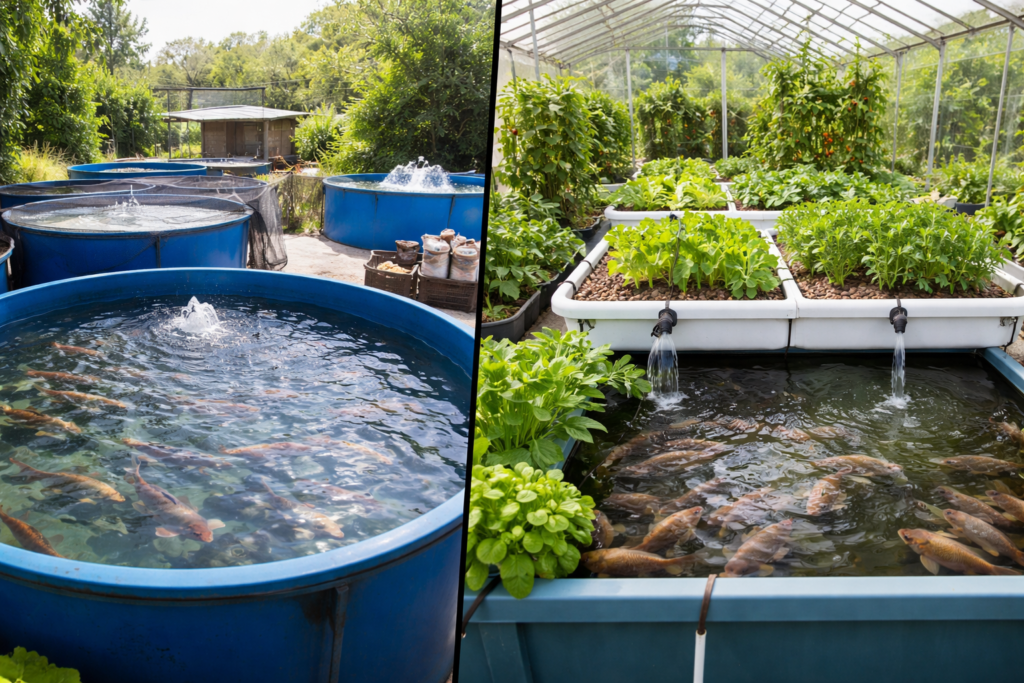
Home fish farming is the practice of raising fish in controlled environments such as ponds, tanks, or containers located within a household, backyard, or small farm.
Unlike commercial aquaculture, home fish farming focuses on:
-
Small to medium-scale production
-
Simpler systems
-
Lower technical requirements
-
Food security or supplemental income
Common Home Fish Farming Systems
-
Earthen ponds – Best for rural areas with space
-
Concrete tanks – Durable and easy to manage
-
Plastic or fiberglass tanks – Ideal for backyards and urban homes
-
IBC containers or barrels – Low-cost beginner options
Popular Fish Species for Home Fish Farming
-
Tilapia – Fast-growing, hardy, high market demand
-
Catfish – Tolerant to varying water conditions
-
Common carp – Suitable for ponds
-
African catfish – Excellent feed conversion and resilience
Home fish farming is often chosen for its simplicity, affordability, and low technical barriers, making it an excellent entry point for beginners.
What Is Aquaponics?
Aquaponics is an integrated system that combines aquaculture (fish farming) with hydroponics (soil-less plant cultivation) in a closed-loop ecosystem.
In aquaponics:
-
Fish waste provides nutrients for plants
-
Plants filter and clean the water for fish
-
Water is continuously recycled
This symbiotic relationship makes aquaponics one of the most water-efficient and environmentally sustainable food production systems available today.
Core Components of an Aquaponics System
-
Fish tank
-
Grow beds or vertical towers
-
Water pumps and pipes
-
Biofilter (natural or media-based)
-
Grow media (gravel, clay pebbles, etc.)
Common Fish and Plants Used in Aquaponics
Fish:
-
Tilapia
-
Catfish
-
Barramundi
-
Carp
Plants:
-
Leafy greens (lettuce, spinach, kale)
-
Herbs (basil, mint, coriander)
-
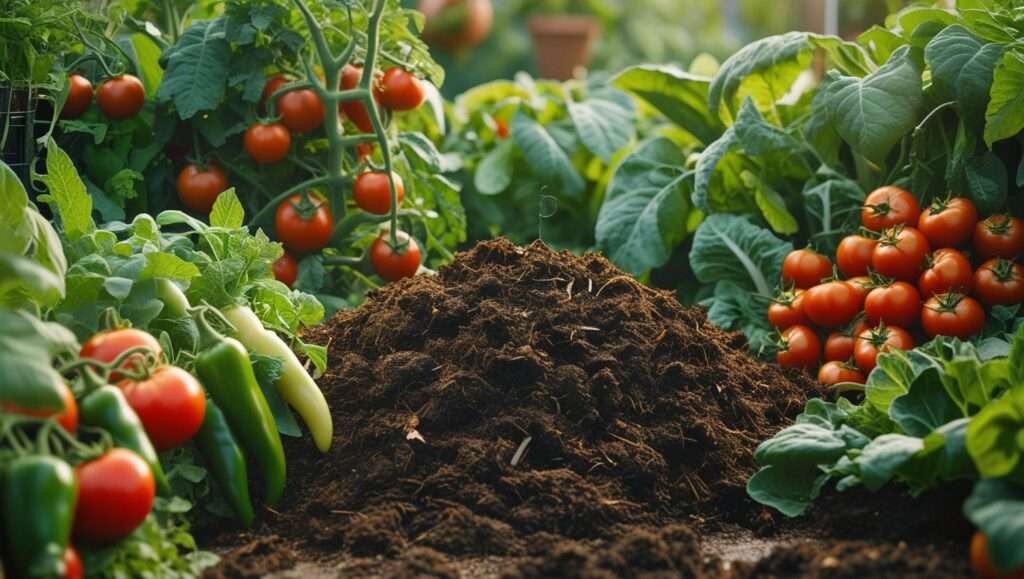
Fruiting plants (tomatoes, peppers—advanced systems)
Aquaponics is especially popular among urban farmers, sustainability advocates, and tech-savvy growers seeking maximum productivity from limited space.
Home Fish Farming vs Aquaponics: Key Differences at a Glance
To clearly understand the contrast, here’s a practical comparison based on real-world application:
| Feature | Home Fish Farming | Aquaponics |
|---|---|---|
| Primary Output | Fish only | Fish + plants |
| Startup Cost | Low to moderate | Moderate to high |
| Technical Complexity | Low | Medium to high |
| Water Usage | Moderate | Very low (highly efficient) |
| Space Requirement | Flexible | Compact but structured |
| Maintenance | Simple | Requires monitoring |
| Energy Dependency | Low | Moderate to high |
| Beginner-Friendly | Very high | Moderate |
| Sustainability | Moderate | Very high |
| Scalability | Easy | Strategic but efficient |
Key takeaway:
Home fish farming emphasizes simplicity and affordability, while aquaponics prioritizes efficiency and sustainability.
Startup Costs and Initial Investment
For most beginners, cost is the first—and often deciding—factor.
Cost of Starting Home Fish Farming
Home fish farming is one of the most budget-friendly agricultural ventures available.
Typical Cost Breakdown
-
Fish tank or pond construction
-
Fingerlings
-
Fish feed
-
Basic water management tools (nets, thermometer, aerator)
Estimated Beginner Budget
-
Low-cost setup: Using barrels or IBC tanks
-
Moderate setup: Concrete or plastic tanks
-
Higher-end setup: Multiple tanks with aeration systems
Many successful home farmers start small and expand gradually, reinvesting profits rather than borrowing capital.
Expert insight:
In my experience, beginners who start with simple tank systems have a much higher success rate than those who overinvest early.
Cost of Starting Aquaponics
Aquaponics generally requires a higher upfront investment due to system complexity.
Typical Cost Components
-
Grow beds or vertical towers
-
Pumps, pipes, and fittings
-
Grow media
-
Plant seedlings
-
Backup power considerations
Why Aquaponics Costs More Initially
-
Precision setup is critical
-
Equipment quality affects system stability
-
Electricity dependency increases operating costs
However, the higher initial cost can be justified by dual production (fish + vegetables) and long-term efficiency.
Which System Is More Budget-Friendly for Beginners?
If budget is limited:
-
✅ Home fish farming is the safer starting point
If capital is available and sustainability is a priority:
-
✅ Aquaponics offers greater long-term efficiency
Profitability Comparison: Which System Makes More Sense Financially?
Profitability isn’t just about income—it’s about return on investment, risk, and consistency.
Income Potential of Home Fish Farming
Home fish farming income primarily comes from:
-
Selling fresh fish locally
-
Reducing household food costs
-
Seasonal bulk harvests
Profit Influencing Factors
-
Fish species selection
-
Feed conversion efficiency
-
Survival rate
-
Market access
When managed properly, home fish farming delivers predictable and reliable returns, especially in areas with high fish demand.
Income Potential of Aquaponics
Aquaponics offers multiple income streams:
-
Fish sales
-
Fresh vegetables and herbs
-
Premium organic produce markets
High-value crops such as basil, lettuce, and herbs can generate frequent cash flow while fish mature.
However, profitability depends heavily on:
-
System balance
-
Market access
-
Energy costs
-
Technical competence
Home Fish Farming vs Aquaponics: Profitability Verdict
-
Short-term, low-risk profits: Home fish farming
-
Long-term, diversified income: Aquaponics
Neither system is “better” universally—the best choice depends on your goals.
Ease of Management and Learning Curve
How Easy Is Home Fish Farming for Beginners?
Home fish farming is widely regarded as one of the easiest agricultural systems to learn.
Daily tasks include:
-
Feeding fish
-
Checking water clarity
-
Occasional water changes
-
Monitoring fish behavior
There’s a wide margin for error, which makes it forgiving for beginners.
How Easy Is Aquaponics for Beginners?
Aquaponics has a steeper learning curve.
Beginners must understand:
-
Nutrient cycling
-
pH balance
-
Water flow rates
-
Fish-to-plant ratios
Mistakes can affect both fish and plants simultaneously.
Which System Is Easier to Learn and Maintain?
For most beginners:
-
🟢 Home fish farming is easier
-
🟡 Aquaponics requires commitment and learning
Sustainability and Environmental Impact
Sustainability is no longer optional in modern agriculture—it’s a deciding factor for long-term success, regulatory compliance, and environmental responsibility. When comparing Home Fish Farming vs Aquaponics, sustainability is one of the clearest points of differentiation.
Environmental Benefits of Home Fish Farming
Home fish farming can be environmentally friendly when managed properly, but it is not inherently sustainable by default.
Positive Environmental Aspects
-
Produces high-quality animal protein with a relatively small land footprint
-
Reduces reliance on wild-caught fish
-
Can utilize rainwater harvesting systems
-
Fish waste can be repurposed as fertilizer for soil-based crops
Environmental Limitations
-
Partial water replacement is often required
-
Wastewater must be managed carefully to avoid pollution
-
Feed sourcing affects overall sustainability
Expert insight:
Many sustainability issues in home fish farming stem from poor waste management, not the system itself. With basic best practices, environmental impact can be significantly reduced.
Environmental Benefits of Aquaponics
Aquaponics was designed with sustainability at its core.
Key Sustainability Advantages
-
Uses up to 90% less water than traditional farming
-
Converts fish waste into plant nutrients (zero-waste concept)
-
Eliminates chemical fertilizers
-
Highly suitable for climate-resilient food production
Because water is continuously recycled, aquaponics is particularly valuable in water-scarce regions and urban environments.
Which System Is More Sustainable Long-Term?
-
Moderate sustainability: Home fish farming
-
High sustainability: Aquaponics
If environmental impact and resource efficiency are top priorities, aquaponics clearly leads. However, sustainability must be balanced with affordability and skill level.
Space Requirements and Location Suitability
Space availability often determines which system is practical.
Best Locations for Home Fish Farming
-
Rural areas
-
Large backyards
-
Farms with access to groundwater or surface water
Home fish farming systems can be scaled horizontally, making them ideal where land is not limited.
Best Locations for Aquaponics
-
Urban homes
-
Rooftops
-
Greenhouses
-
Indoor controlled environments
Aquaponics thrives where space is limited but infrastructure is available.
Indoor vs Outdoor Suitability
| Factor | Home Fish Farming | Aquaponics |
|---|---|---|
| Indoor Use | Limited | Excellent |
| Outdoor Use | Excellent | Good |
| Climate Control | Minimal | Often required |
Risk Factors and Common Challenges
Every farming system carries risks. Understanding them is essential to long-term success.
Challenges in Home Fish Farming
Common risks include:
-
Disease outbreaks due to poor water quality
-
Overfeeding and feed wastage
-
Temperature fluctuations
-
Predator intrusion in outdoor systems
Most of these risks are manageable with basic training and observation.
Challenges in Aquaponics
Aquaponics risks tend to be more technical:
-
Power outages affecting water circulation
-
Nutrient imbalances
-
Pump or plumbing failure
-
Rapid system-wide losses if not addressed quickly
Expert insight:
Aquaponics rewards precision and consistency but penalizes neglect more harshly than traditional fish farming.
Risk Management Tips from Experts
-
Install backup aeration or power solutions
-
Monitor water parameters regularly
-
Start with hardy fish species
-
Avoid overstocking
-
Keep detailed logs of feeding and system behavior
Which System Is Right for You? (Practical Decision Guide)
Instead of asking which system is “better,” the real question is which system fits your situation.
Choose Home Fish Farming If:
-
You’re a complete beginner
-
You have limited startup capital
-
You prefer simpler daily routines
-
You want reliable fish production with minimal risk
-
You live in a rural or semi-rural area
Choose Aquaponics If:
-
You have limited space but want high productivity
-
You value sustainability and water efficiency
-
You’re comfortable learning technical skills
-
You want dual income (fish + vegetables)
-
You have access to consistent electricity
Scenario-Based Recommendations
-
Low budget + beginner: Home fish farming
-
Urban + limited space: Aquaponics
-
Profit-focused beginner: Home fish farming first, aquaponics later
-
Sustainability-driven grower: Aquaponics
Expert Tips for Success (Regardless of System)
Drawing from real-world agricultural experience, these principles apply to both systems:
1. Start Small and Scale Gradually
Overbuilding is the most common beginner mistake. Master the basics before expanding.
2. Choose the Right Fish Species
Hardy species reduce losses and improve learning outcomes.
3. Master Water Quality Basics
Understanding dissolved oxygen, temperature, and pH is non-negotiable.
4. Keep Records
Tracking feed, growth, and water conditions improves efficiency and profitability.
5. Learn Continuously
Join farmer groups, follow agricultural extension advice, and adapt to local conditions.
Frequently Asked Questions (SEO-Optimized)
Is aquaponics better than home fish farming?
Aquaponics is more sustainable and space-efficient, while home fish farming is simpler and more affordable. “Better” depends on your goals.
Can I convert a home fish farm into aquaponics later?
Yes. Many farmers start with fish farming and later integrate grow beds as skills and resources improve.
Which system uses less water?
Aquaponics uses significantly less water due to continuous recycling.
What fish grow best in both systems?
Tilapia and catfish perform exceptionally well in both setups.
Is aquaponics suitable for rural areas?
Yes, but it is most advantageous where water conservation or space efficiency is critical.
Final Verdict: Home Fish Farming vs Aquaponics
The choice between Home Fish Farming vs Aquaponics is not about trends—it’s about alignment.
-
Home fish farming excels in simplicity, affordability, and beginner success
-
Aquaponics leads in sustainability, efficiency, and long-term productivity
For many successful growers, the smartest path is not choosing one forever, but starting with home fish farming and transitioning into aquaponics as skills, confidence, and resources grow.
The best system is the one you can manage consistently, afford comfortably, and sustain long-term.