Picture walking barefoot across a vibrant, green lawn you grew from seed, each blade thriving because you mastered how often to water grass seed. Proper watering is the key to turning tiny seeds into a lush, healthy lawn, but getting it right can feel tricky. Too much water, and your seeds may rot; too little, and they won’t sprout. This comprehensive guide, backed by years of lawn care expertise, provides a clear, step-by-step watering schedule tailored to grass types, climates, and seasons. You’ll learn how to avoid common mistakes, choose the right tools, and nurture your lawn to perfection, whether you’re a beginner or a seasoned gardener.
Why Watering Grass Seed Matters
The Role of Water in Grass Seed Germination
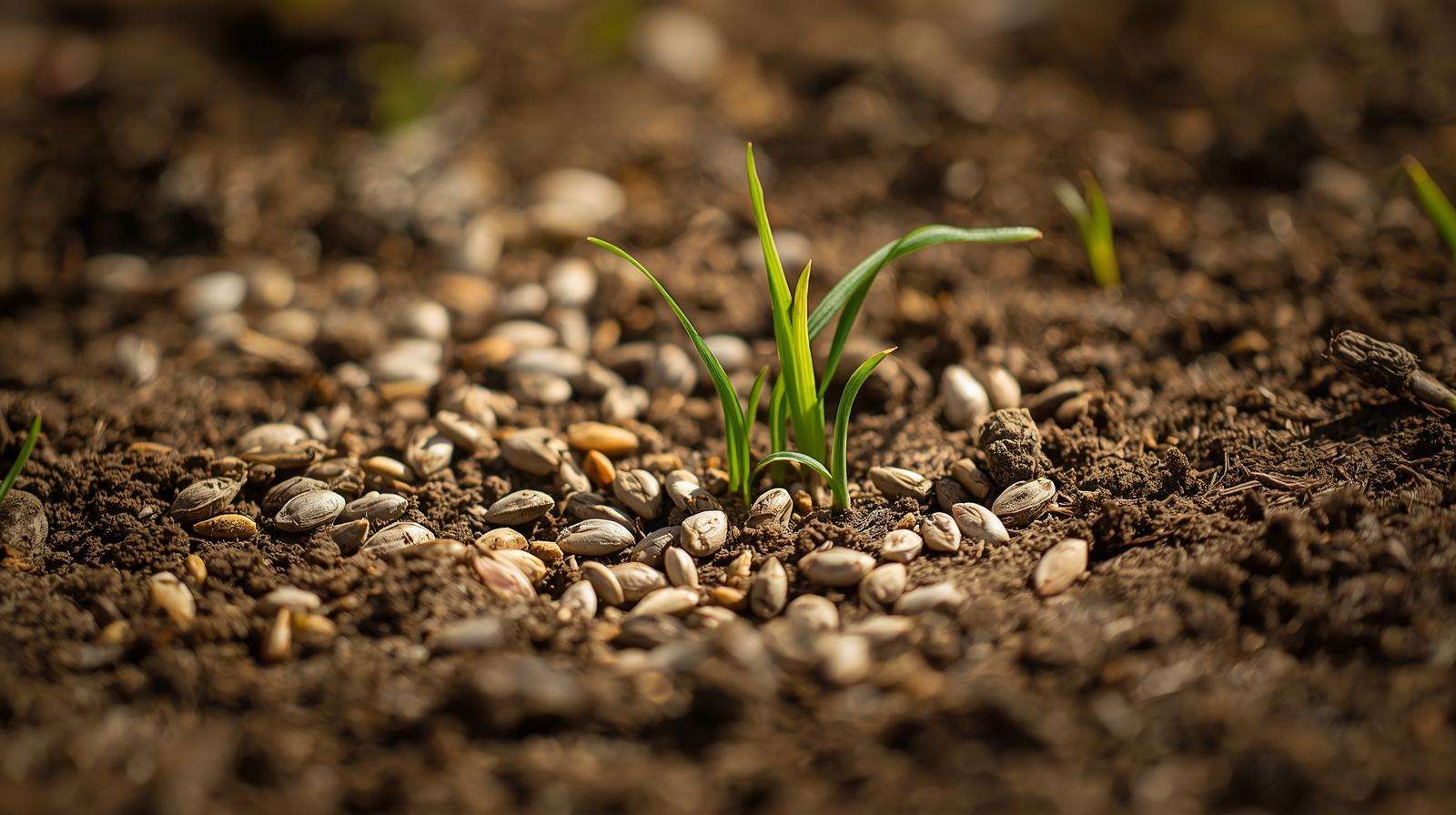
Water is the spark that brings grass seeds to life. It softens the seed’s hard outer coat, triggering germination and fueling the growth of tiny roots and shoots. Consistent moisture ensures seedlings develop strong roots, setting the stage for a durable lawn. Without enough water, seeds may fail to sprout, while excess water can drown them or encourage fungal diseases. Understanding this balance is critical for success, especially in the first few weeks after planting.
Common Watering Mistakes to Avoid
Watering errors can derail your lawn before it even starts. Here are the big ones to watch out for:
- Overwatering: Leads to soggy soil, seed rot, or fungal issues like damping-off.
- Underwatering: Causes dry, patchy germination or weak seedlings.
- Inconsistent watering: Fluctuations in moisture stress young plants.
For example, a homeowner in Ohio seeded their lawn but overwatered, washing away half the seeds. After learning proper techniques, they reseeded with a consistent schedule and grew a lush lawn in just six weeks.
Factors Affecting How Often to Water Grass Seed
Grass Seed Type
Different grass types have unique watering needs based on their germination times and growth habits:
- Kentucky bluegrass: Germinates in 14–30 days, needing steady moisture.
- Tall fescue: Sprouts in 7–12 days, tolerating slightly less frequent watering.
- Perennial ryegrass: Fast germination (5–10 days), requiring consistent light watering.
- Bermuda grass: Germinates in 10–30 days, thriving in warm, moist conditions.
Choose a seed type suited to your climate and adjust watering to match its germination timeline.
Climate and Weather Conditions
Your local weather plays a huge role in watering frequency:
- Hot, dry climates: Require more frequent watering (2–3 times daily) to combat evaporation.
- Cool, humid regions: Need less frequent watering (1–2 times daily) due to lower evaporation rates.
- Rainfall: Natural rain can reduce manual watering but monitor to avoid over-saturation.
Dr. Sarah Thompson, a turfgrass specialist at Penn State Extension, advises checking local weather forecasts daily to adjust your schedule, ensuring seeds stay moist without drowning.
Soil Type and Drainage
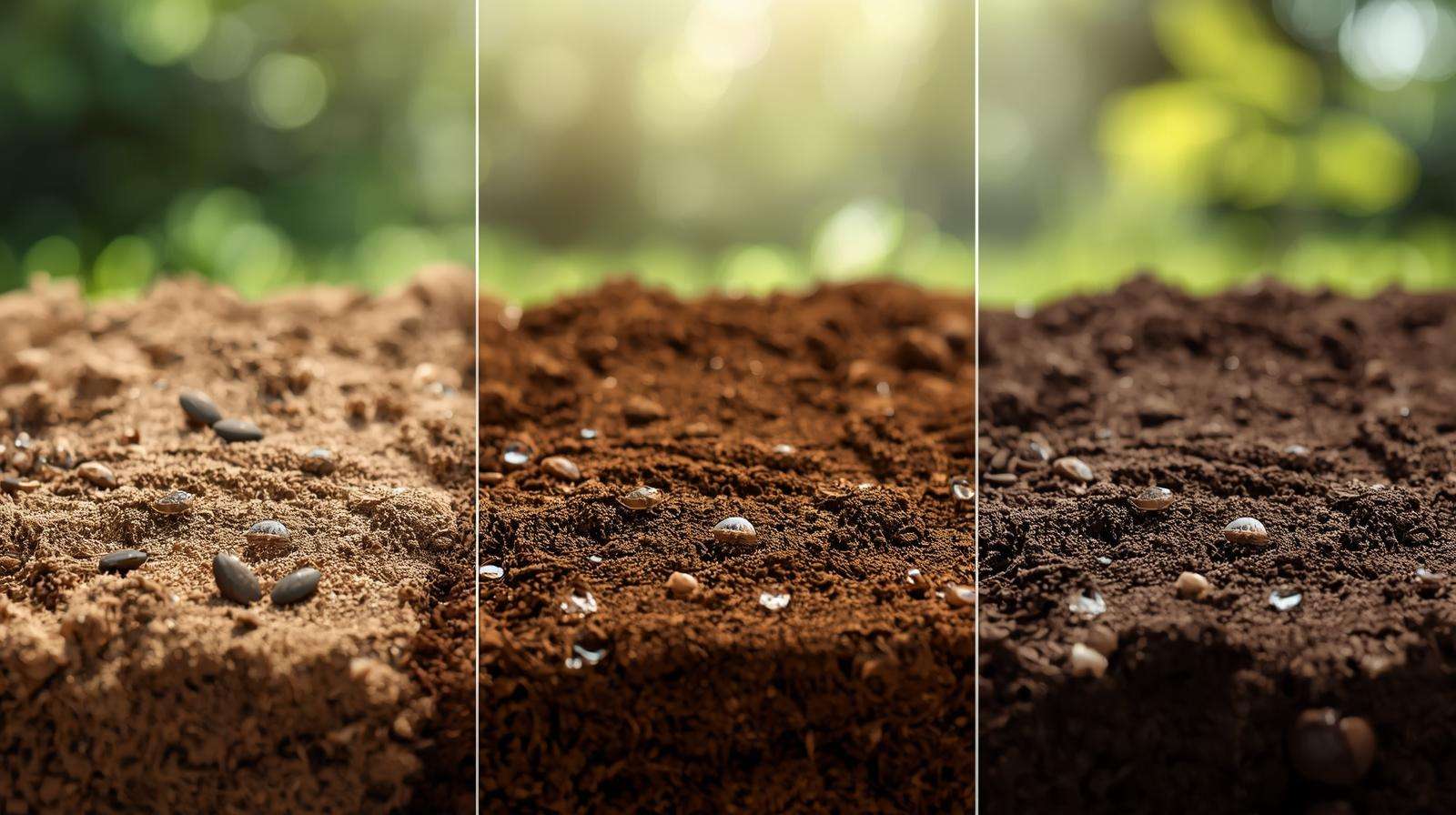
Soil type affects how long water stays available:
- Sandy soils: Drain quickly, needing more frequent, light watering.
- Clay soils: Hold moisture longer, requiring deeper but less frequent watering.
- Loamy soils: Ideal balance, needing moderate watering.
Test drainage by digging a small hole, filling it with water, and timing how long it takes to drain. If it drains in under an hour, you have sandy soil; over four hours, it’s likely clay.
How Often to Water Grass Seed: A Step-by-Step Schedule
Pre-Planting Preparation
Before sowing seeds, prepare the soil:
- Clear debris and loosen soil with a rake or aerator.
- Water the soil until it’s damp to a depth of 4–6 inches, but not soggy.
- Spread seeds evenly, ensuring good seed-to-soil contact.
A well-prepped seedbed holds moisture better, giving seeds a strong start.
Watering During Germination (Days 1–10)
During germination, keep the soil consistently moist but not waterlogged:
- Frequency: Water 2–4 times daily, depending on weather.
- Amount: Apply 1/8–1/4 inch of water per session (a light mist).
- Timing: Water early morning and late afternoon to minimize evaporation.
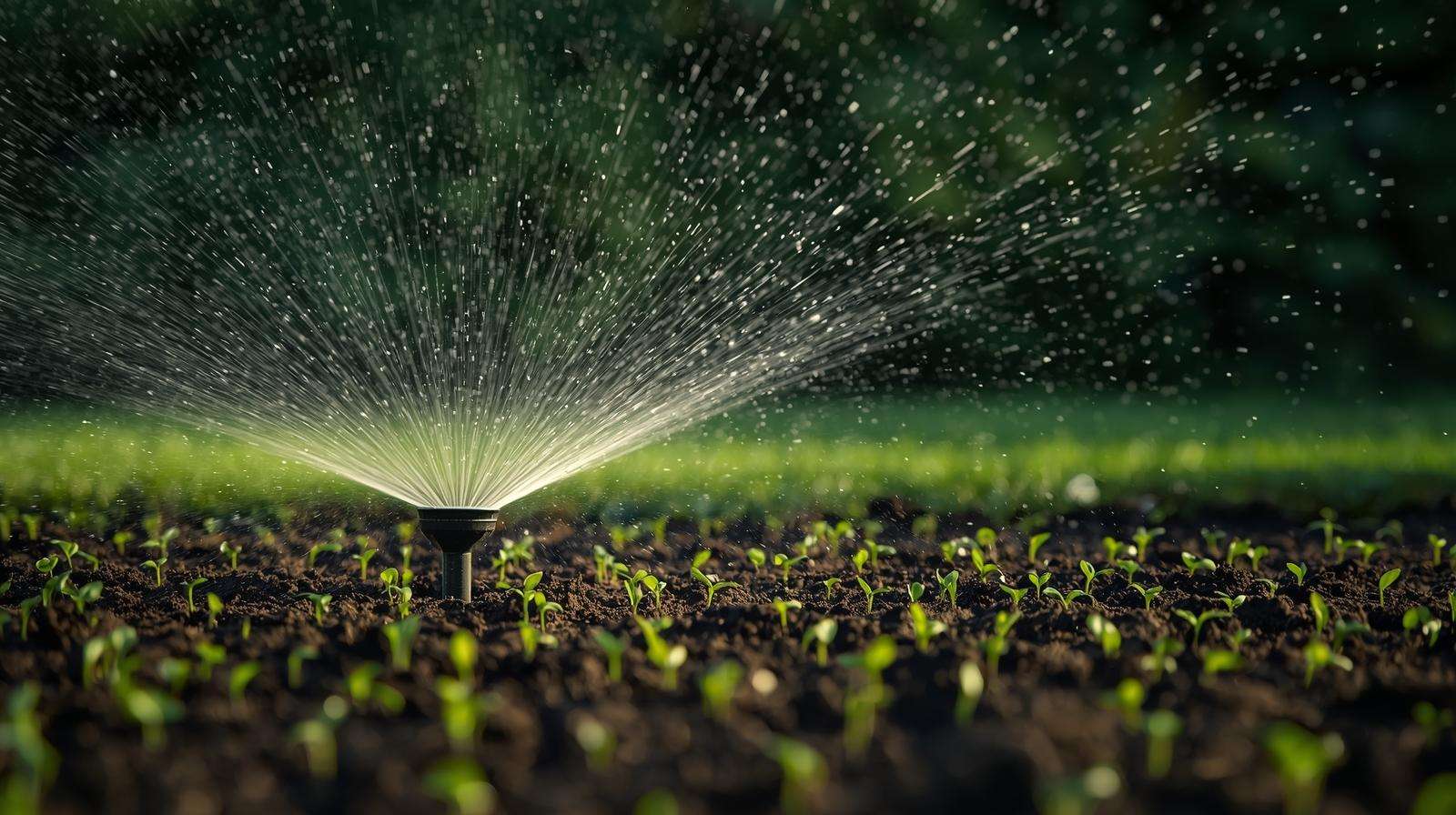
Use a gentle sprinkler to avoid disturbing seeds. For example, a pulsating sprinkler ensures even coverage without washing seeds away.
Watering During Establishment (Weeks 2–6)
As seedlings grow roots, shift to deeper watering:
- Frequency: Reduce to 1–2 times daily, based on grass type and weather.
- Amount: Apply 1/4–1/2 inch per session to encourage deep roots.
- Timing: Stick to morning sessions for best results.
Check soil moisture daily by inserting a screwdriver—if it goes in easily, the soil is moist enough.
Watering After Establishment (Week 6 and Beyond)
Once the lawn is established, switch to maintenance watering:
- Frequency: 1–2 times weekly, providing 1–1.5 inches of water.
- Adjustments: Reduce during rainy periods; increase in hot, dry weather.
- Expert tip: Use a rain gauge to measure water applied, ensuring consistency.
A healthy lawn needs less frequent but deeper watering to maintain strong roots.
Best Practices for Watering Grass Seed
Choosing the Right Watering Method
Select a method that suits your lawn size and needs:
- Oscillating sprinklers: Ideal for large areas, providing even coverage.
- Hand watering: Good for small patches but requires daily effort.
- Drip irrigation: Precise for targeted areas, minimizing waste.
For example, a landscaper in California used a timed oscillating sprinkler to grow a client’s lawn, saving time and ensuring uniform moisture.
Timing Your Watering Sessions
Timing matters for healthy grass:
- Early morning: Best time to water, reducing evaporation and fungal risks.
- Avoid nighttime: Wet grass overnight can lead to mold or disease.
- Midday caution: Watering in hot sun causes evaporation; use only if necessary.
Morning watering maximizes absorption and keeps seedlings healthy.
Monitoring Soil Moisture
Check soil moisture to avoid guesswork:
- Finger test: Press a finger 1–2 inches into the soil; it should feel damp, not dry or soggy.
- Screwdriver test: If a screwdriver slides in easily, moisture is adequate.
- Moisture meter: A tool like the XLUX Soil Moisture Meter provides precise readings.
Adjust watering daily based on these checks to keep seeds happy.
Troubleshooting Watering Issues
Signs of Overwatering
Overwatering can harm your lawn. Look for:
- Puddles or soggy soil: Indicates too much water.
- Yellowing seedlings: A sign of root stress or fungal issues.
- Fungal growth: White or gray patches on soil.
Fix it by reducing watering frequency, improving drainage with aeration, or adding sand to heavy soils.
Signs of Underwatering
Underwatering stunts growth. Watch for:
- Dry, crusty soil: Seeds can’t absorb moisture.
- Wilting seedlings: Leaves droop or turn brown.
- Patchy germination: Uneven growth across the lawn.
Increase watering frequency and ensure even distribution with a sprinkler.
Dealing with Uneven Germination
Patchy lawns often result from:
- Inconsistent watering: Some areas dry out faster.
- Poor seed distribution: Seeds clumped or spread unevenly.
- Soil issues: Compacted or poorly prepped soil.
Reseed sparse areas, improve watering consistency, and aerate soil to fix uneven growth.
Adjusting Watering for Seasonal and Regional Differences
Spring and Fall Watering
Spring and fall are prime seasons for planting grass seed due to cooler temperatures and stable moisture levels. In spring, soil warms gradually, promoting germination, while fall’s cooler air and warm soil create ideal conditions. Watering guidelines:
- Frequency: 2–3 times daily during germination, reducing to 1–2 times daily during establishment.
- Amount: 1/8–1/4 inch per session for germination; 1/4–1/2 inch for establishment.
- Tips: Monitor rainfall to avoid overwatering, especially in fall. Morning watering helps seedlings dry before cooler nights, reducing fungal risks.
These seasons require less frequent adjustments, making them beginner-friendly for seeding.
Summer and Winter Watering
Summer and winter present unique challenges:
- Summer: High heat and evaporation demand more frequent watering (3–4 times daily during germination). Use light mists to keep soil moist without runoff. Shade cloths can reduce evaporation in extreme heat.
- Winter: In mild climates, seeding is possible but requires protection from frost. Water sparingly (1–2 times daily) during germination, as cold soil retains moisture longer. Use frost blankets if temperatures drop below freezing.
For example, a Texas gardener seeded Bermuda grass in summer, watering three times daily to counter heat, while a Minnesota gardener used a winter overseeding strategy with ryegrass, watering lightly to avoid ice buildup.
Tools and Products to Simplify Watering
Recommended Watering Tools
The right tools make watering easier and more effective:
- Oscillating sprinklers: Models like the Melnor XT Turbo provide even coverage for medium to large lawns.
- Pulsating sprinklers: Rain Bird’s 25PJDAC is great for precise watering in smaller areas.
- Smart irrigation timers: Orbit B-Hyve automates schedules, syncing with weather data.
- Handheld sprayers: Gilmour’s adjustable nozzle works for small patches or spot watering.
For budget-conscious gardeners, a DIY sprinkler made from a perforated hose can cover small areas effectively. A landscaper in Arizona used a smart timer to maintain a client’s lawn, saving water and ensuring consistent moisture.
Soil Amendments for Better Water Retention
Improve your soil to optimize watering:
- Compost: Adds organic matter to sandy soils, boosting moisture retention.
- Peat moss: Helps sandy or loose soils hold water longer.
- Aeration: Breaks up compacted soil, improving water penetration in clay-heavy lawns.
Dr. James Miller, a soil scientist at Cornell University, recommends mixing 1–2 inches of compost into the topsoil before seeding to balance moisture and drainage. Aerate annually to prevent compaction, especially in high-traffic areas.
FAQs About How Often to Water Grass Seed
Here are answers to common questions, based on research and practical lawn care experience:
- How often should I water grass seed in hot weather?
Water 3–4 times daily with light mists (1/8 inch per session) to combat evaporation. Adjust based on soil type and rainfall. - Can I water grass seed at night?
Avoid nighttime watering, as wet soil overnight promotes fungal diseases like mildew. Stick to early morning or late afternoon. - How do I know if I’m watering too much or too little?
Check soil: It should be damp, not soggy or dry. Use a moisture meter or screwdriver test to confirm. - What’s the best time of day to water grass seed?
Early morning is ideal, minimizing evaporation and allowing seedlings to dry before night. - How long does it take for grass seed to germinate?
Varies by type: ryegrass (5–10 days), fescue (7–12 days), bluegrass (14–30 days), Bermuda (10–30 days).
Conclusion
Mastering how often to water grass seed is the secret to growing a lush, healthy lawn that turns heads. By following this tailored watering schedule, adjusting for your grass type, climate, and soil, and using the right tools, you’ll set your lawn up for success. Avoid common pitfalls like overwatering or skipping morning sessions, and monitor your soil daily to keep seedlings thriving. Start your lawn journey today, and soon you’ll enjoy a vibrant yard you grew from scratch. Explore our related articles on lawn aeration or grass seed selection for more tips. As turfgrass expert Dr. Leah Brilman says, “A great lawn starts with care and patience—water it right, and it’ll reward you.”