You’ve finally decided it’s time to scale up your garden. Small raised beds have served you well, but now you’re ready for something bigger—a massive plot that can produce enough vegetables to feed your family year-round, reduce grocery bills, or even supply a small farm stand. The challenge? Executing a huge raised bed build without wasting money, time, or effort on structural failures or poor planning.
As a horticulturist and homesteader with over 20 years of experience designing and constructing large-scale raised beds—including several 10×20-foot monsters that yield thousands of pounds of produce annually—I’ve learned the hard way what works and what doesn’t. Drawing from collaborations with university extension services and sustainable farming experts, this guide will walk you through every step of planning, building, filling, and planting a huge raised bed for optimal productivity. Whether you’re aiming for a 8×16-foot bed or larger, these proven strategies will help you create a durable, high-yielding garden powerhouse.
Benefits of Building a Huge Raised Bed
Maximizing Yield and Space Efficiency
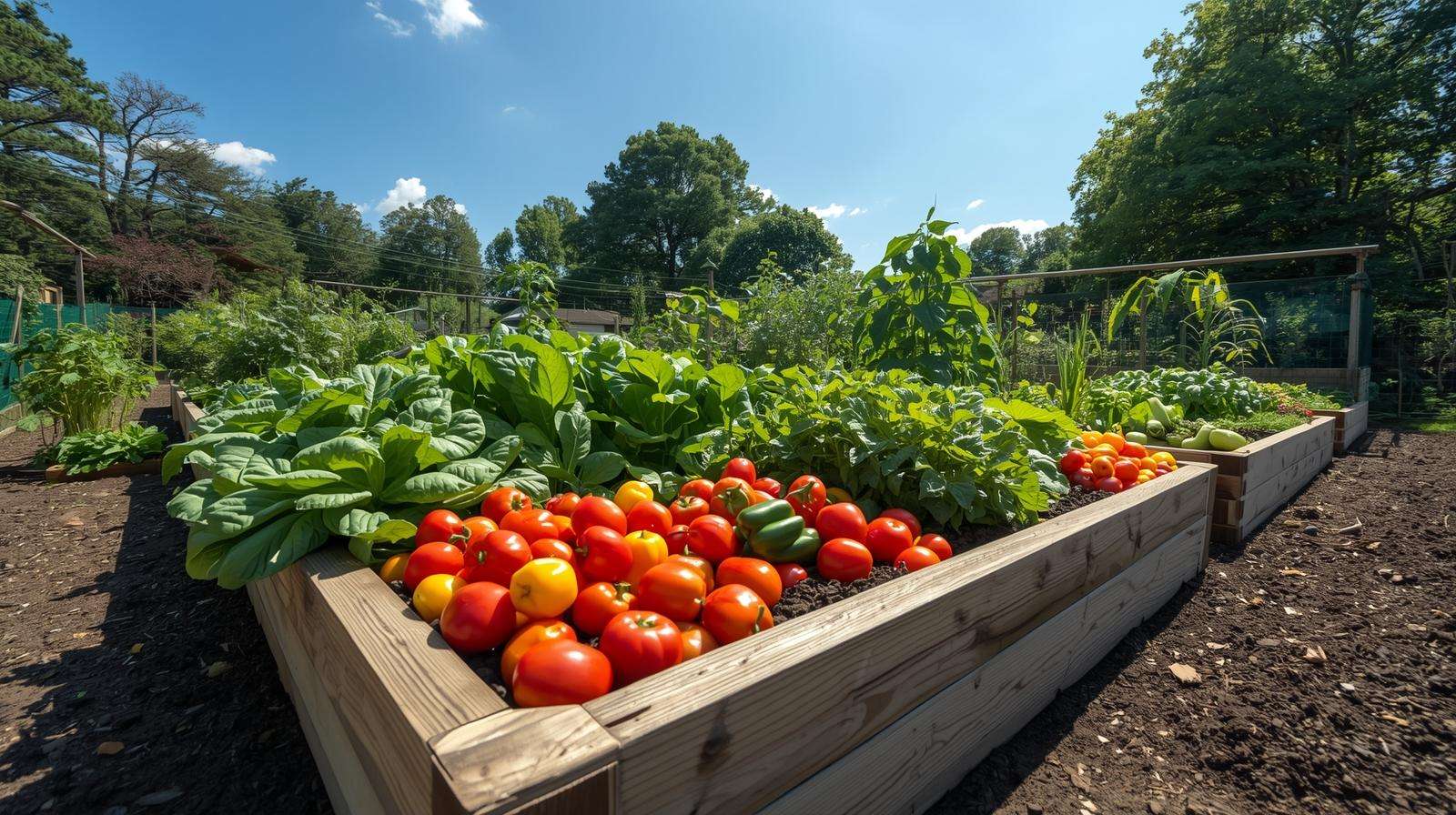
One of the biggest advantages of a huge raised bed is the dramatic increase in production. A single 10×20-foot bed (200 square feet) can yield equivalent to several smaller beds, with easier management. For example, intensive planting in large beds allows for 300–500 pounds of vegetables annually, depending on crops—far more efficient than scattered small beds.
Large beds support better crop rotation and companion planting on a grand scale, reducing pest issues and improving soil health over time.
Improved Soil and Plant Health
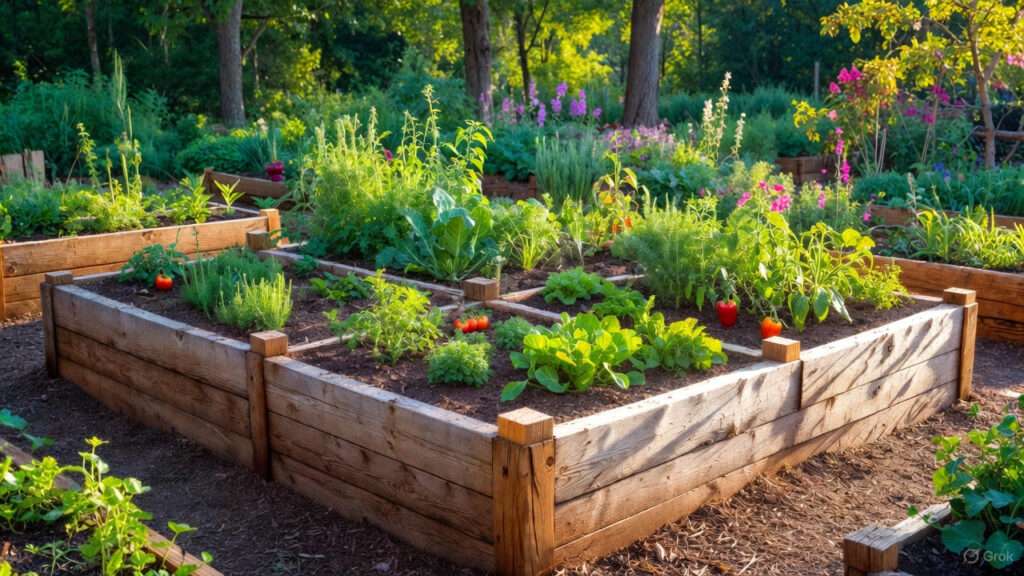
Raised beds, especially large ones, give you complete control over soil quality. Custom mixes ensure perfect drainage, aeration, and nutrition, leading to stronger roots and healthier plants. Elevated structures warm faster in spring, extend the growing season, and minimize soil-borne diseases.
In my experience, huge beds with proper filling produce plants with fewer deficiencies and higher resilience to weather extremes.
Long-Term Advantages
Durability is key—well-built large beds last 10–20 years with minimal upkeep. Accessibility improves with wide paths and optimal height, reducing back strain for aging gardeners. Scalability allows expansion by adding adjacent beds.
Cost Savings Over Time
Initial investment pays off quickly. Bulk soil purchases reduce per-cubic-foot costs, and higher yields mean less reliance on store-bought produce. Reduced weeding (thanks to barriers) and water efficiency (targeted irrigation) further cut expenses.
Studies from extension services show large raised bed systems can achieve 2–4 times the yield per square foot compared to in-ground gardening, amplifying returns.
Planning Your Huge Raised Bed Build
Determining the Right Size
Size matters for functionality and yield. Common huge raised beds range from 8×12 feet (96 sq ft) for beginners to 12×24 feet or larger for serious production. Consider your needs: A family of four might thrive with 200–400 sq ft total.
Factor in crop types—heavy feeders like tomatoes need more space. Avoid beds wider than 4–5 feet for reachability unless adding access points.
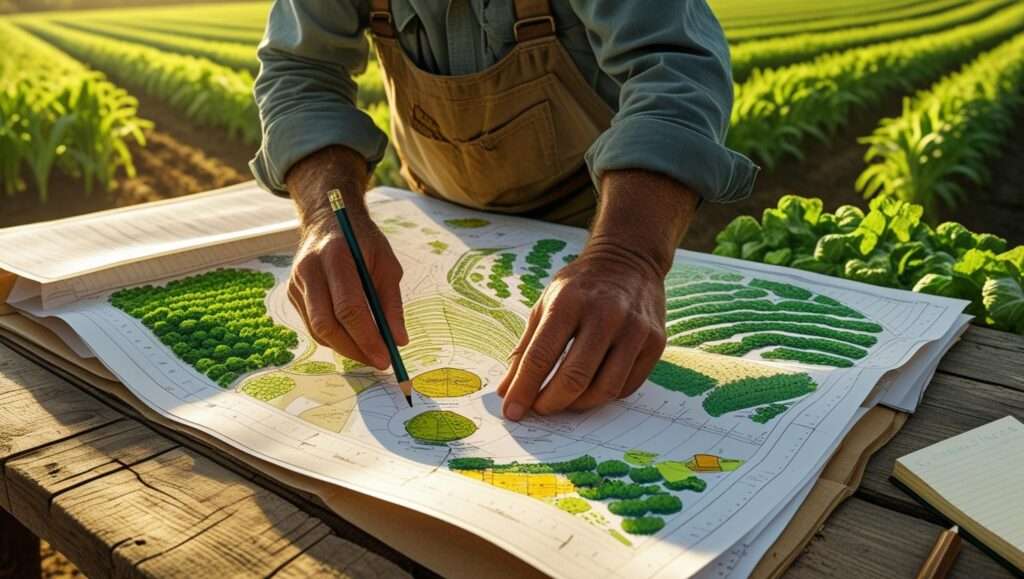
Site Selection and Preparation
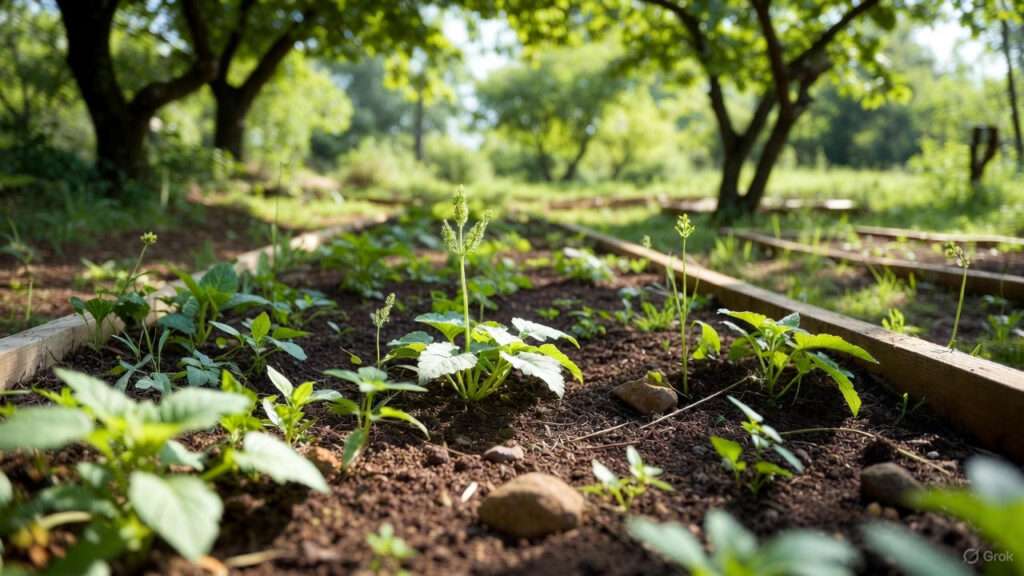
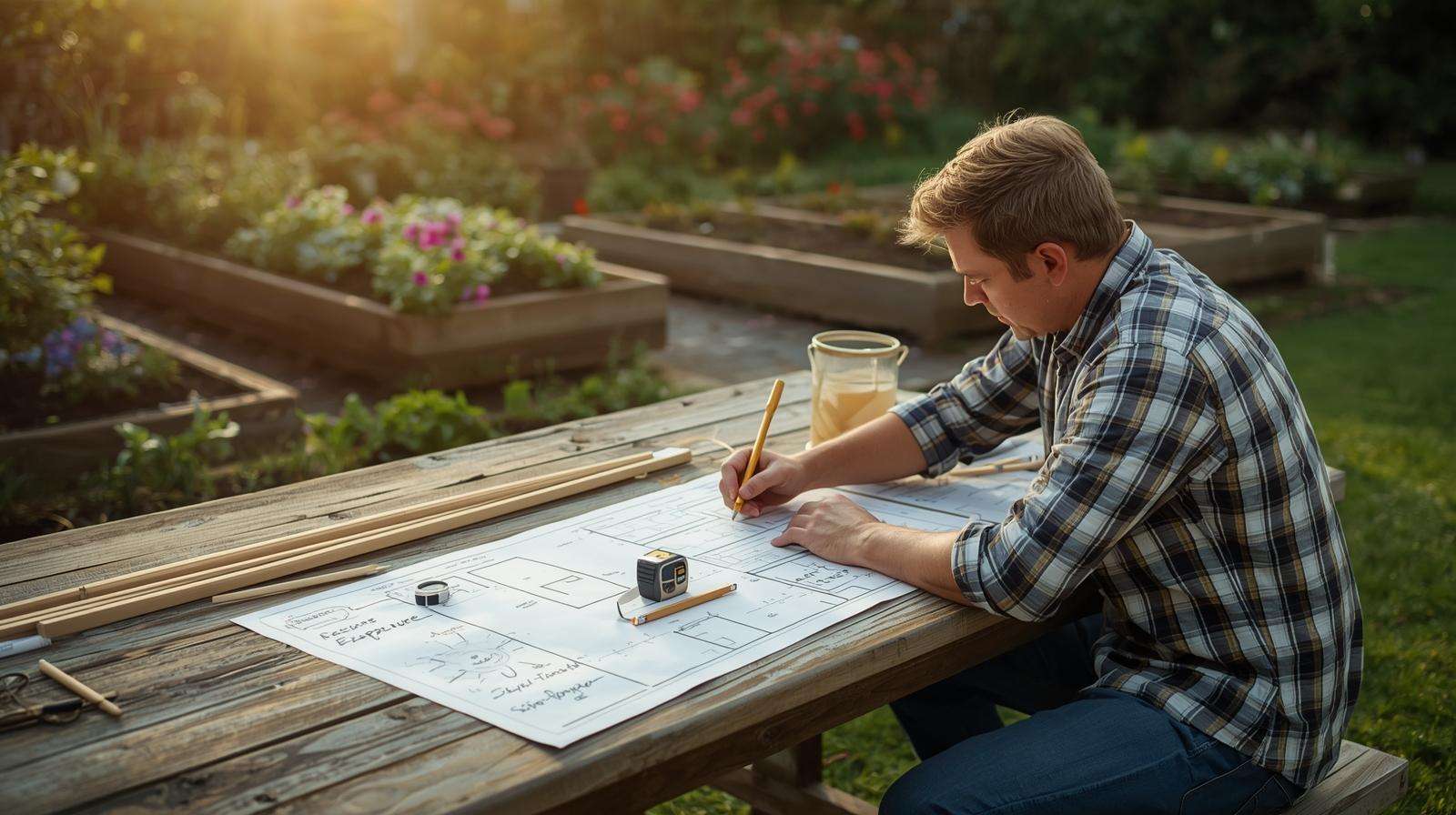
Choose a level spot with 6–8 hours of sun daily. Proximity to water sources saves labor. Test underlying soil for contaminants if in urban areas.
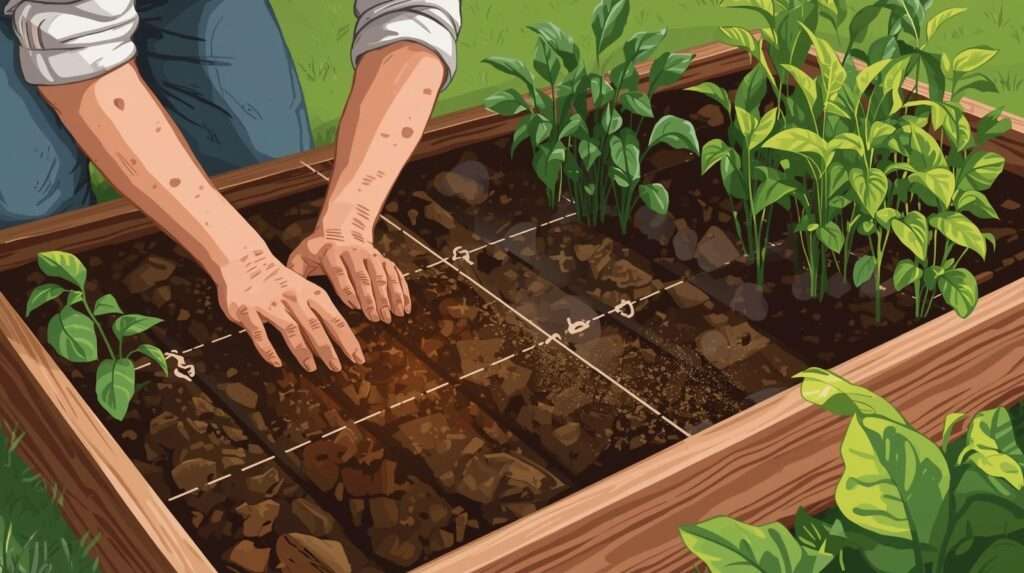
Clear vegetation, level the ground, and mark layout with stakes and string. For sloped sites, terrace or use retaining techniques.
Design Considerations
Rectangular shapes are easiest, but L- or U-shaped beds fit awkward spaces. Height: 18–24 inches for standard, 30–36 inches for waist-level (easier on backs but more materials).
Include 3-foot pathways for wheelbarrow access. Plan for trellises or supports in-bed for vining crops.
Budgeting and Timeline
Costs vary: A 10×20-foot cedar bed might run $800–$1,500 (materials + soil). Budget 20–30% extra for contingencies.
Timeline: Plan in winter, build in early spring. Allow 2–4 weekends for construction.
Here’s a quick size recommendation table:
| Bed Size | Square Feet | Estimated Yield (lbs/year) | Best For |
|---|---|---|---|
| 8×12 ft | 96 | 200–400 | Small family |
| 10×16 ft | 160 | 400–800 | Large family |
| 12×20 ft | 240 | 600–1,200 | Homesteading/production |
Planning checklist:
- Measure space
- Assess sun/water
- Calculate yield goals
- Budget materials/soil
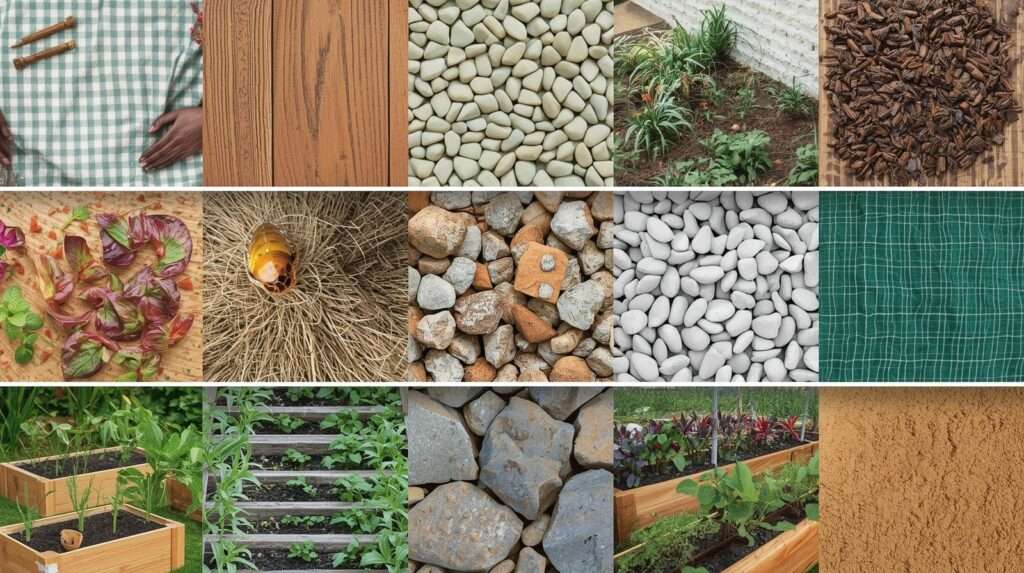
Best Materials for a Durable Huge Raised Bed
Wood Options
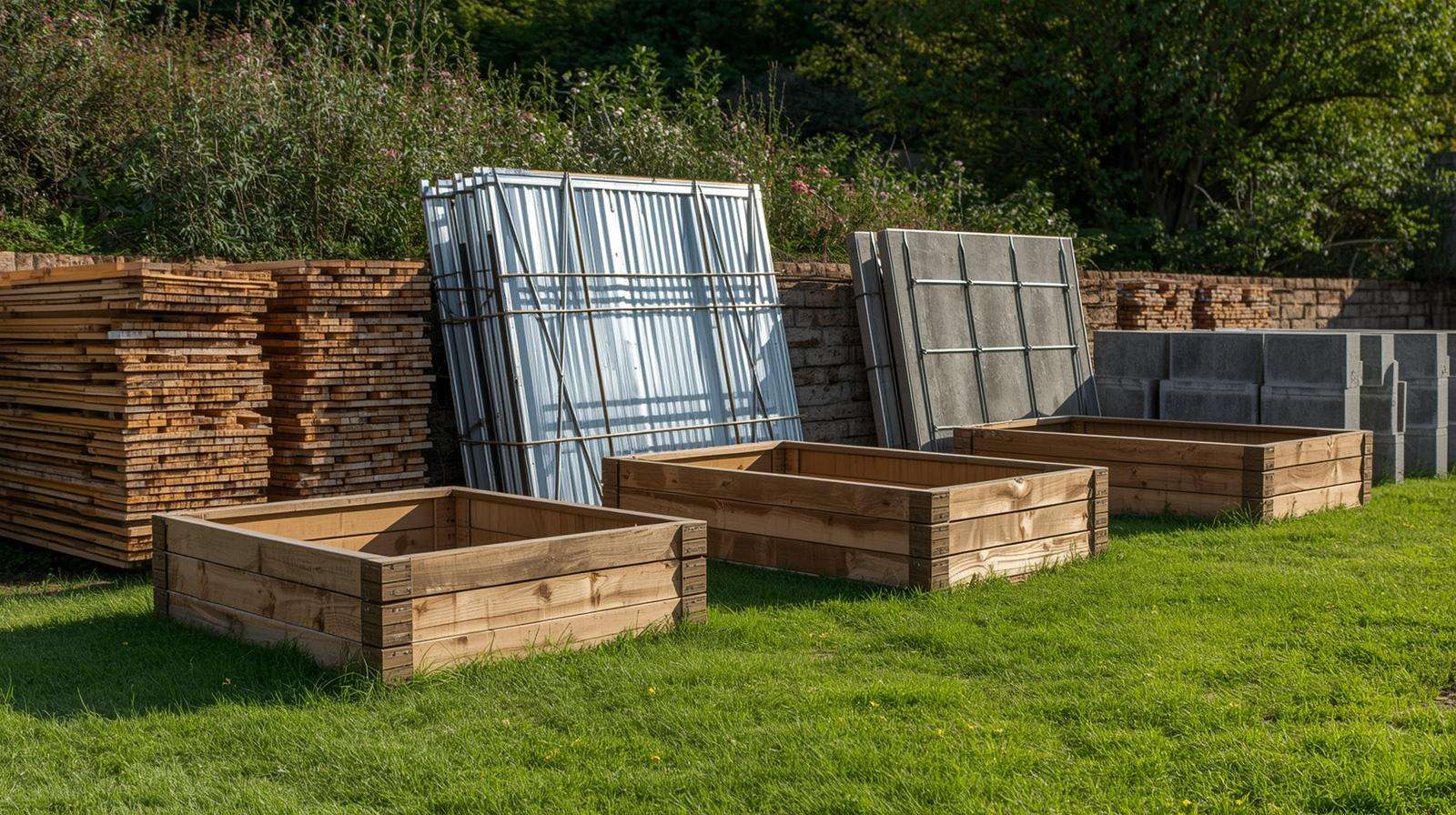
Naturally rot-resistant woods like cedar or redwood are top choices for longevity (15–20 years). Cedar is lightweight and insect-repellent; redwood denser but pricier.
Avoid standard pine unless budget-constrained—it lasts 5–7 years.
Alternative Materials
Galvanized steel beds offer modern looks and 20+ year life, though hotter in sun. Concrete blocks or cinder blocks provide permanent, thermal mass benefits.
Composite lumber (recycled plastic/wood) resists rot but can be expensive.
Reinforcement for Large Structures
Large beds bow outward from soil pressure. Use 4×4 corner posts, mid-span braces, and metal straps. For lengths over 12 feet, add cross-braces every 6–8 feet.
Stake beds in windy areas.
Eco-Friendly and Safe Choices
Prioritize untreated, FSC-certified wood to avoid chemical leaching. Steel should be food-grade galvanized.
Material comparison table:
| Material | Lifespan | Cost (per sq ft) | Pros | Cons |
|---|---|---|---|---|
| Cedar | 15–20 years | High | Natural rot resistance | Expensive |
| Galvanized Steel | 20+ years | Medium-High | Durable, modern | Heats up |
| Concrete Blocks | Permanent | Medium | Thermal mass | Heavy, labor-intensive |
| Composite | 20+ years | High | Low maintenance | Less natural look |
Expert tip: In my large builds, cedar with proper bracing has proven most reliable.
Step-by-Step Guide to Building a Huge Raised Bed
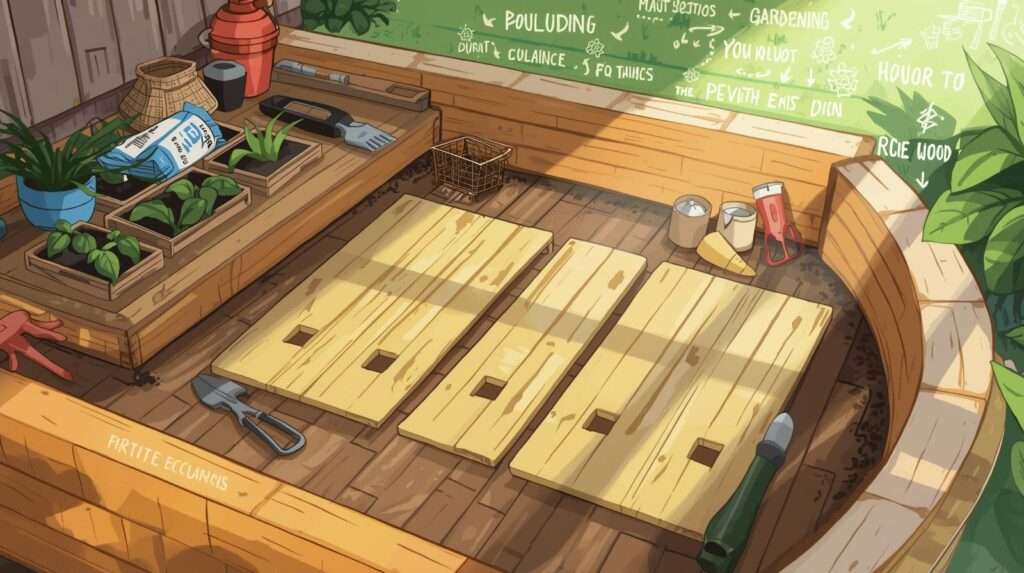
Tools and Supplies Needed
Basic tools: Circular saw, drill, level, square, tape measure, clamps. Supplies: Screws (galvanized), stakes, weed barrier.
For large beds: Post hole digger for anchors.
Foundation and Leveling
Lay cardboard or landscape fabric to suppress weeds. Level the area—use a long board and level for accuracy. Dig trenches for bottom boards if desired for stability.
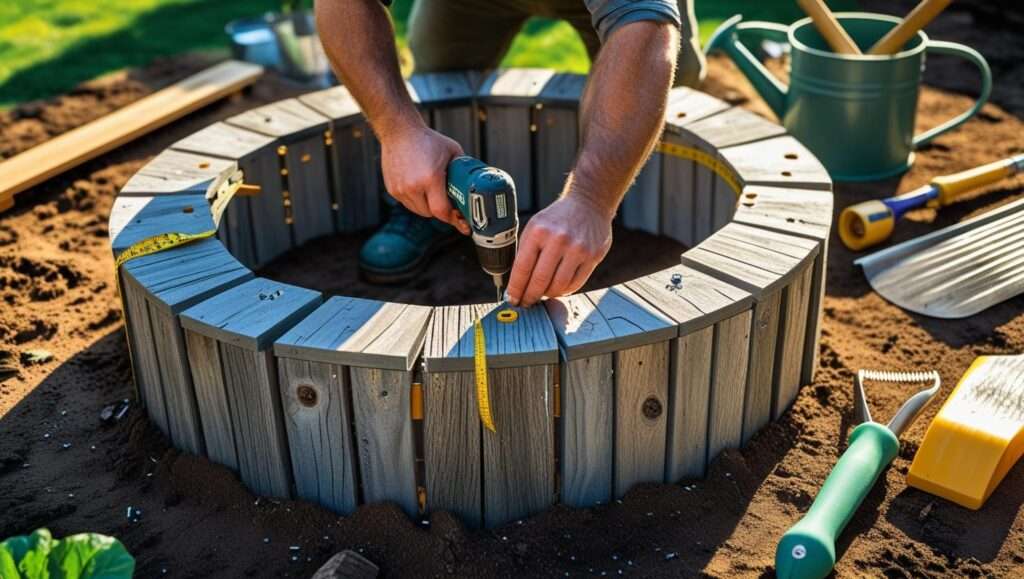
Assembling the Frame
Cut side boards to length (e.g., 4–6 inches wide, 2 inches thick). Stack layers for height, staggering joints.
Screw corners with 4×4 posts for strength.
Adding Supports and Bracing
Install mid-braces: Vertical 2x4s every 6 feet, topped with horizontal cross pieces.
For extra large, add diagonal braces.
Final Assembly and Placement
Fill partially to test stability, then complete. Anchor with rebar if needed.
Step-by-step checklist:
- Prepare site
- Cut and layout boards
- Assemble corners
- Add layers and braces
- Level and square
- Secure to ground
In practice, a 10×20 bed takes 2–3 days for two people.
Filling and Preparing the Soil for Your Huge Bed
Calculating Soil Volume
Large beds require substantial soil—accurate calculations prevent shortages or overbuying. Use this formula: Length × Width × Depth (in feet) = cubic feet. For a 10x20x2-foot bed: 10 × 20 × 2 = 400 cubic feet (about 15 cubic yards).
Convert to yards for bulk orders (1 yard = 27 cubic feet). Add 10–20% extra for settling.
Online calculators from extension sites can refine estimates.
Best Soil Mixes for High Yield
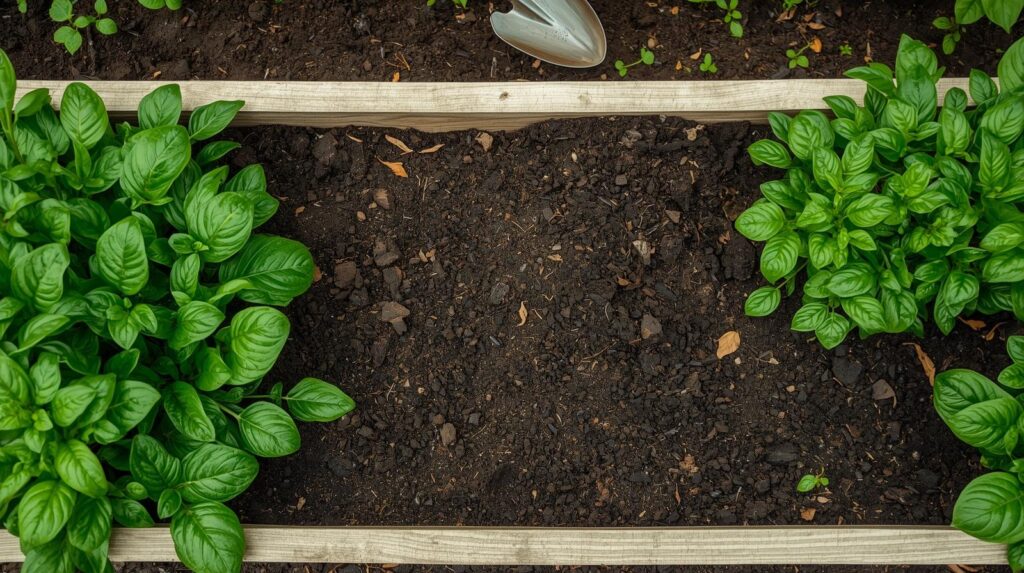
A balanced mix: 50–60% topsoil or compost, 20–30% aeration (perlite/vermiculite/coir), 10–20% organic matter (manure/worm castings).
For huge beds, bulk compost from local suppliers saves money. Avoid pure native soil—blend for consistency.
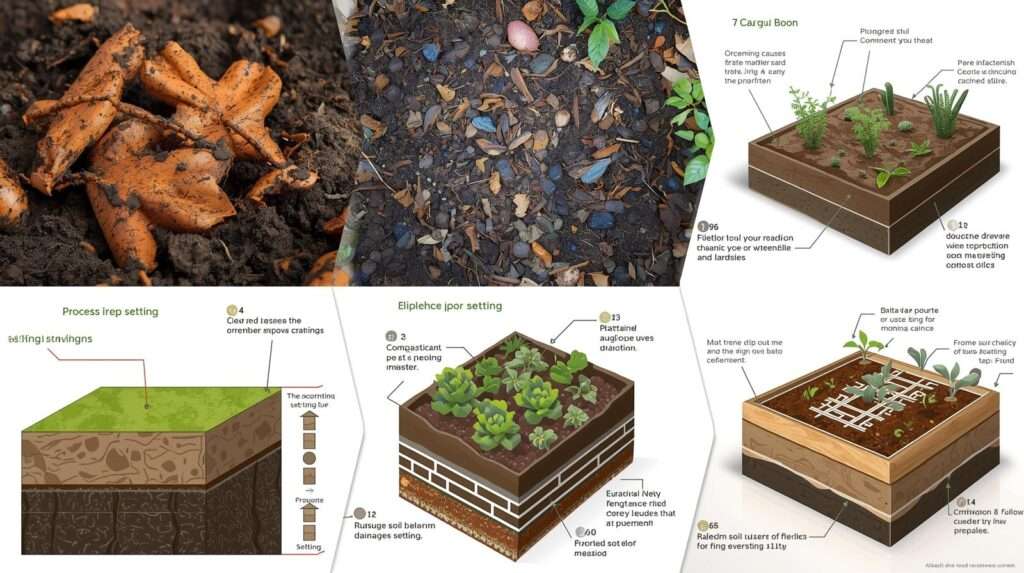
Layering Techniques
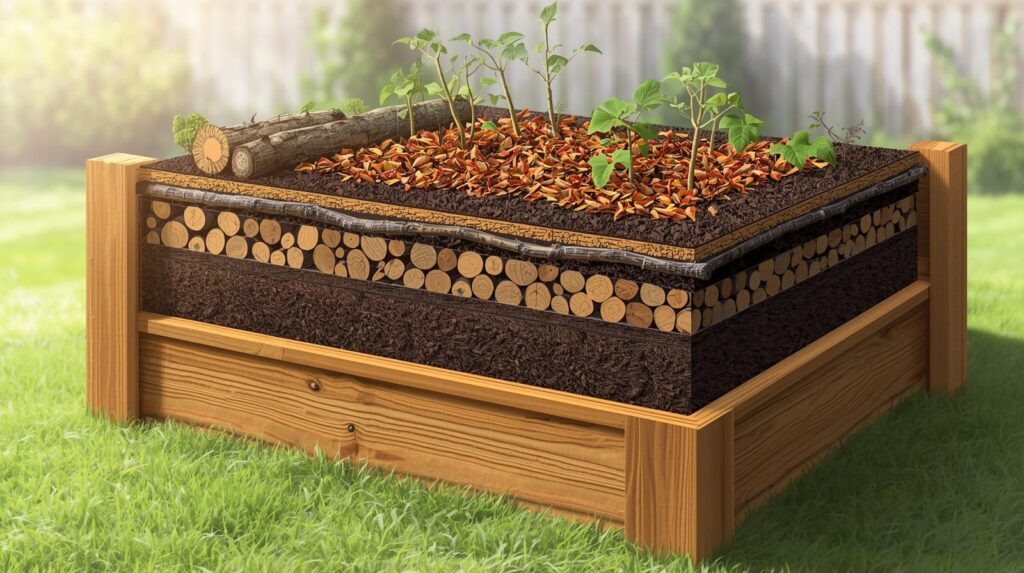
Save costs with hugelkultur: Bottom layer woody debris (logs/branches), then twigs, compost, topsoil. This decomposes slowly, retaining moisture and nutrients.
Top with 12–18 inches premium mix for roots.
Initial Fertilization and Amendments
Incorporate slow-release organic fertilizer (e.g., bone meal, blood meal). Test pH (aim 6.0–7.0); add lime if acidic.
Water thoroughly after filling to settle.
Planting and Maximizing Yield in a Huge Raised Bed
Crop Selection and Layout
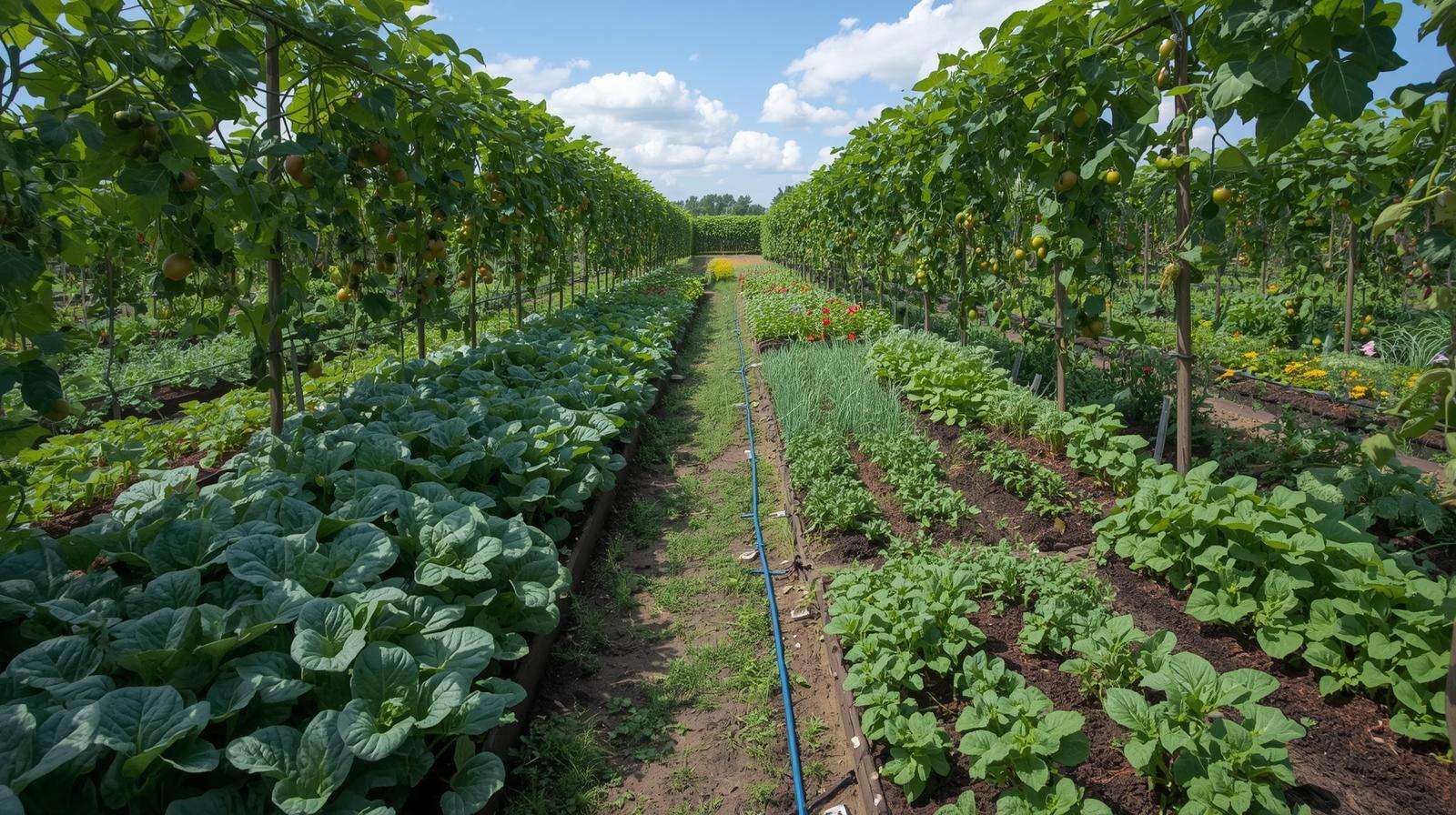
Choose high-yield varieties: Determinate tomatoes, bush beans, leafy greens. Vertical crops (trellised cucumbers, pole beans) maximize space.
Group by families for rotation: Nightshades one section, brassicas another.
Spacing and Succession Planting
Follow square-foot gardening principles scaled up—e.g., 1 tomato per 4 sq ft with support.
Succession: Plant cool crops early, follow with warm-season, then fall greens for continuous harvest.
Irrigation and Maintenance Tips
Install drip irrigation or soaker hoses for efficiency in large areas. Mulch heavily (straw/compost) to retain moisture and suppress weeds.
Monitor for pests; large beds allow beneficial insect habitats.
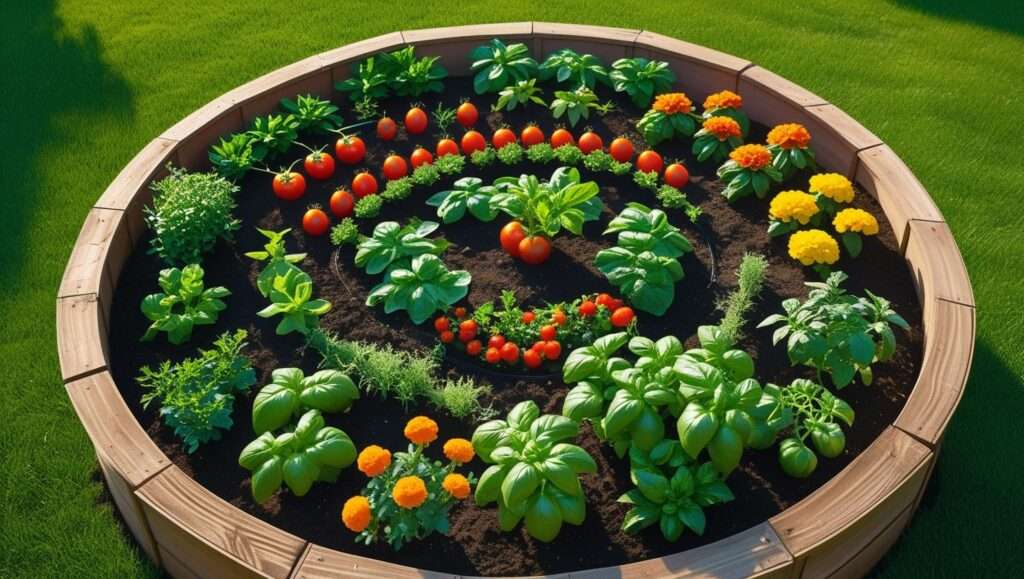
Sample layout for 10×20 bed:
- Ends: Vertical trellises for vining crops
- Center: Root vegetables/carrot beds
- Edges: Herbs/flowers for companions
Common Mistakes to Avoid in a Huge Raised Bed Build
Under-bracing leads to bowing—always reinforce. Poor site selection (shade/low spots) reduces yield.
Overfilling without settling causes sinkage. Skipping weed barrier invites invasions.
Skimping on quality materials shortens lifespan. Real example: One of my early 12×16 beds bowed after two years due to insufficient mid-braces—fixed with retrofitted supports.
Ignoring drainage—ensure beds aren’t sealed if on impermeable ground.
Frequently Asked Questions (FAQs)
How much does a huge raised bed cost to build?
Materials for a 10×20 cedar bed: $600–$1,200; soil $800–$1,500. Total $1,500–$3,000, recouped in 2–4 years via yields.
What’s the best height for a large raised bed?
24–36 inches balances accessibility, soil volume, and cost. Taller for mobility issues.
Can I build a huge raised bed on a slope?
Yes—terrace or use stepped designs; anchor securely.
How long do materials last in oversized beds?
Cedar/steel: 15–25 years with maintenance.
Conclusion
A huge raised bed build transforms your gardening game, delivering massive yields, better plant health, and long-term efficiency. From careful planning and durable materials to proper bracing, filling, and planting, following these steps ensures success.
Start small if nervous, but scale boldly—my largest beds consistently outperform expectations. Reference your local extension for regional tweaks.
Ready to build? Sketch your plan today. Share your huge bed projects in comments or explore our soil mix guides.