Introduction: The Future of Fresh Food Is Growing Indoors
What if you could harvest crisp lettuce, tender spinach, and nutrient-dense microgreens in the middle of winter — without stepping outside? As climate uncertainty, rising food prices, and pesticide concerns continue to challenge traditional agriculture, Indoor Salad Bars are emerging as one of the most practical and profitable solutions for year-round fresh food production.
Whether you’re a home gardener seeking food security, an urban farmer maximizing limited space, or a commercial grower looking to increase margins, indoor salad production systems offer unmatched control, consistency, and efficiency. Unlike seasonal outdoor beds, indoor growing systems allow you to regulate light, temperature, humidity, and nutrients — delivering faster growth cycles and predictable yields.
In this comprehensive guide, you’ll learn:
-
What indoor salad bars really are (and how they work)
-
The best systems for different budgets and goals
-
Step-by-step setup instructions
-
Crop selection strategies for high yield and flavor
-
Cost breakdown and ROI insights
-
Expert tips to avoid costly beginner mistakes
If your goal is reliable, clean, high-quality leafy greens — this guide will help you build a system that works.
What Are Indoor Salad Bars?
Definition and Core Concept
Indoor salad bars are controlled-environment growing systems designed specifically for producing fresh leafy greens, herbs, and microgreens indoors year-round. Unlike traditional gardening, these systems prioritize:
-
Continuous harvest cycles
-
Space efficiency
-
Optimized light exposure
-
Controlled nutrient delivery
-
Reduced pest pressure
The concept is simple but powerful: instead of planting a large outdoor crop once or twice per season, you create a continuous production model indoors where greens are harvested weekly or bi-weekly.
This approach mirrors modern controlled-environment agriculture (CEA), which is rapidly expanding in urban and peri-urban regions worldwide.
How Indoor Salad Bars Differ from Traditional Gardening
| Feature | Outdoor Gardening | Indoor Salad Bars |
|---|---|---|
| Seasonality | Limited by climate | Year-round |
| Pest pressure | High | Low (controlled) |
| Water usage | Higher evaporation | Highly efficient |
| Yield predictability | Weather dependent | Highly consistent |
| Space efficiency | Horizontal | Vertical & compact |
Indoor systems remove the unpredictability of frost, drought, excessive rain, and heat stress. For growers, that translates to reliability — a key factor in both food security and profitability.
Key Benefits of Indoor Salad Bars
1. Year-Round Production
Grow in winter, during droughts, or in urban apartments.
2. Water Efficiency
Hydroponic systems can use up to 70–90% less water than conventional field agriculture.
3. Reduced Chemical Use
Controlled environments drastically lower pest and disease pressure.
4. Faster Growth Cycles
Leafy greens often mature in 25–35 days indoors under optimized lighting.
5. Higher Nutritional Retention
Harvesting minutes before consumption preserves vitamins and phytonutrients.
Is an Indoor Salad Bar Right for You?
Before investing in equipment, assess your goals, space, and production intent.
For Home Growers
Indoor salad systems are ideal if you:
-
Live in an apartment or cold climate
-
Want pesticide-free greens
-
Spend heavily on store-bought salads
-
Value food independence
A small 4-tier rack with LED grow lights can produce enough lettuce for a family of four.
For Small-Scale Farmers
If you’re already farming, indoor salad bars can:
-
Diversify revenue streams
-
Supply restaurants consistently
-
Utilize unused barns or greenhouses
High-density vertical systems can generate impressive revenue per square foot — particularly in urban markets.
For Commercial & Institutional Use
Restaurants, schools, and healthcare facilities increasingly seek hyper-local, fresh greens. Indoor systems allow on-site production, reducing supply chain dependency.
Budget Considerations
Beginner Setup ($200–$500)
-
Shelving unit
-
LED grow lights
-
Trays + soil or coco coir
Mid-Range Hydroponic System ($800–$3,000)
-
NFT or DWC system
-
Timer-controlled lighting
-
Nutrient monitoring tools
Commercial Vertical System ($5,000+)
-
Multi-tier racking
-
Climate control systems
-
Automated irrigation and fertigation
Types of Indoor Salad Bar Systems
1. Soil-Based Indoor Salad Bars
This is the simplest entry point.
Pros:
-
Lower initial cost
-
Organic-friendly
-
Simple nutrient management
Cons:
-
Heavier
-
Slightly higher pest risk
Best for beginners and small household setups.
2. Hydroponic Indoor Salad Bars
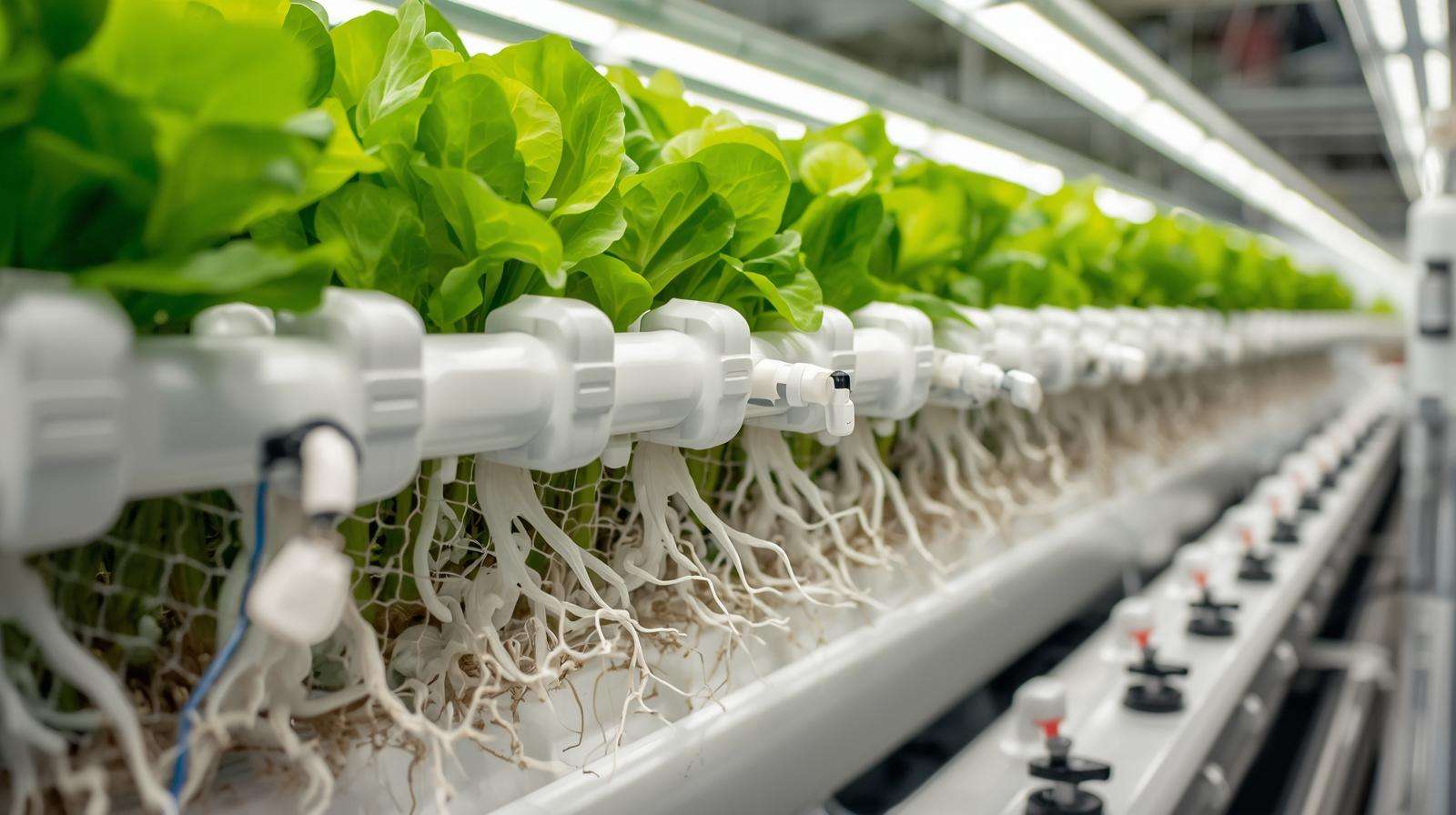
Hydroponics eliminates soil and delivers nutrients directly through water.
Common Hydroponic Methods:
NFT (Nutrient Film Technique)
Thin film of nutrient solution flows over roots.
Deep Water Culture (DWC)
Roots are submerged in oxygenated nutrient solution.
Ebb and Flow
Flood-and-drain system.
Advantages:
-
Faster growth
-
Higher yield per square foot
-
Precise nutrient control
Ideal pH Range: 5.5–6.5
EC Monitoring: Ensures optimal nutrient strength.
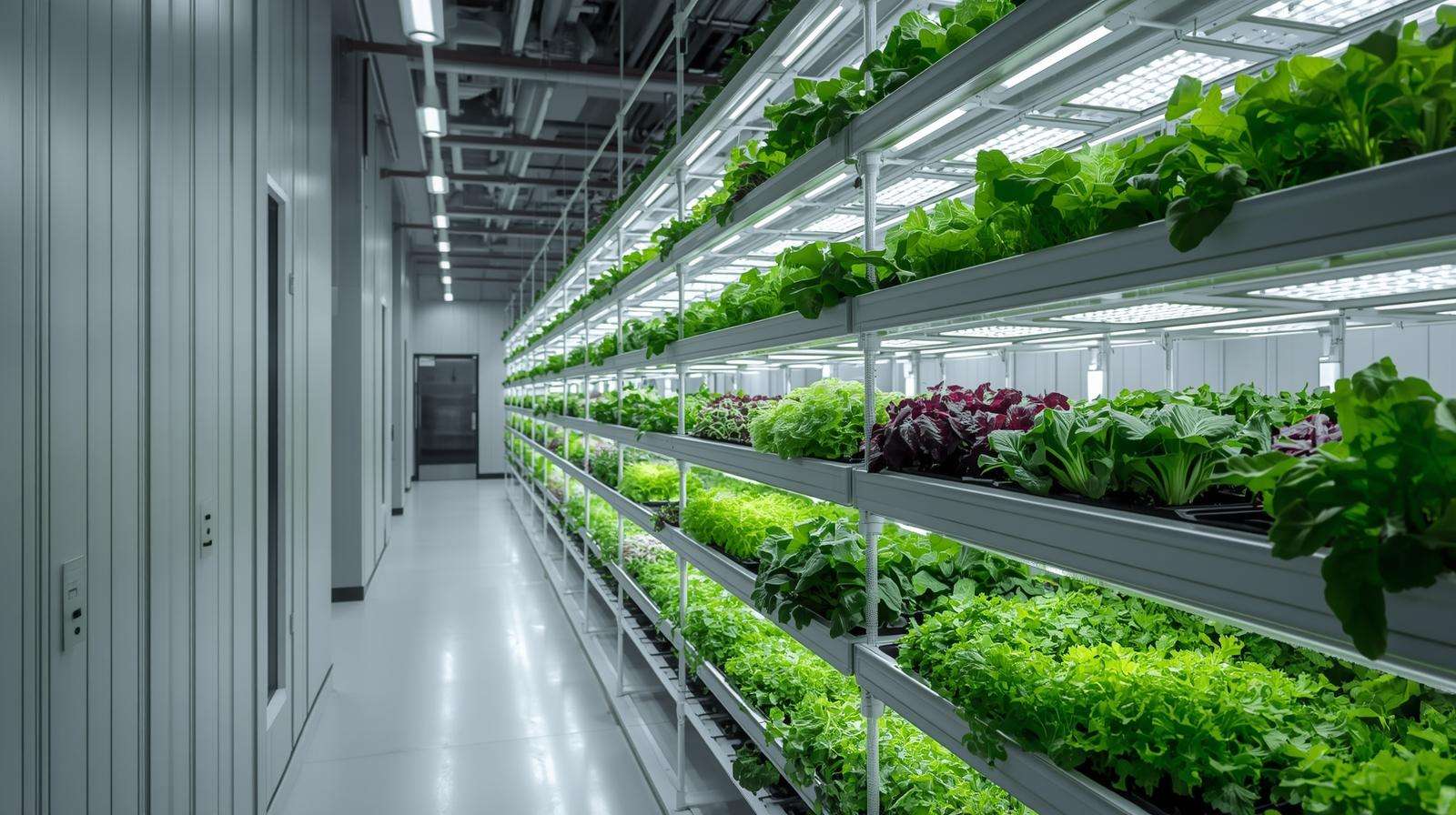
3. Vertical Indoor Salad Bars
Perfect for small spaces.
Stacked shelves with LED grow lights maximize production per square foot. Vertical farming principles dramatically increase yield efficiency.
4. Microgreen-Focused Salad Bars
Microgreens are harvested within 7–21 days.
Benefits:
-
Extremely fast turnover
-
High nutrient density
-
Premium market value
Popular varieties:
-
Radish
-
Pea shoots
-
Mustard
-
Sunflower
Essential Equipment and Setup Guide
Lighting Requirements
Lighting is the single most important investment.
LED Grow Lights
Look for:
-
Full spectrum (including blue and red wavelengths)
-
30–40 watts per square foot (general guideline)
-
Energy efficiency rating
Light Duration:
14–16 hours daily for leafy greens.
Improper lighting causes leggy seedlings and poor leaf development.
Growing Medium Options
-
Coco coir – Sustainable and moisture-retentive
-
Rockwool – Popular for hydroponics
-
Organic potting mix – Best for soil systems
Choose based on system type.
Temperature and Humidity Control
Ideal conditions for leafy greens:
-
Temperature: 60–75°F (15–24°C)
-
Humidity: 40–60%
-
Good airflow prevents fungal issues
Small oscillating fans are highly recommended.
Watering and Nutrient Management
Soil Systems:
-
Avoid overwatering.
-
Use balanced organic fertilizers.
Hydroponic Systems:
-
Monitor pH weekly.
-
Adjust EC based on growth stage.
-
Flush systems periodically to prevent salt buildup.
Food Safety and Sanitation Protocols
Cleanliness is critical in indoor agriculture.
-
Sanitize trays between cycles.
-
Wash hands before harvesting.
-
Prevent standing water.
-
Remove dead leaves promptly.
Food safety builds consumer trust — especially for commercial growers.
Best Crops for Indoor Salad Bars
Fast-Growing Leafy Greens
-
Romaine lettuce
-
Butterhead lettuce
-
Loose leaf lettuce
-
Spinach
-
Arugula
-
Baby kale
Most mature within 30 days.
Microgreens and Baby Greens
Microgreens can be harvested in 7–14 days, making them ideal for rapid production cycles.
Flavor Boosters and Herbs
-
Basil
-
Cilantro
-
Dill
-
Parsley
Herbs increase diversity and market value.
Step-by-Step: How to Start Your Indoor Salad Bar
Step 1 – Plan Your Layout
-
Measure available space.
-
Ensure nearby electrical outlets.
-
Map light placement evenly.
Step 2 – Install Equipment
-
Secure shelves.
-
Install LED lighting 8–12 inches above plants.
-
Set timer for 14–16 hours daily.
Step 3 – Seeding and Germination
-
Sow seeds evenly.
-
Maintain moisture (not saturation).
-
Cover lightly for germination.
-
Remove covers once sprouted.
Step 4 – Maintenance Routine
Daily:
-
Check moisture
-
Inspect for mold
-
Monitor light distance
Weekly:
-
Check pH (hydroponics)
-
Trim outer leaves
-
Clean surfaces
Step 5 – Harvesting for Continuous Production
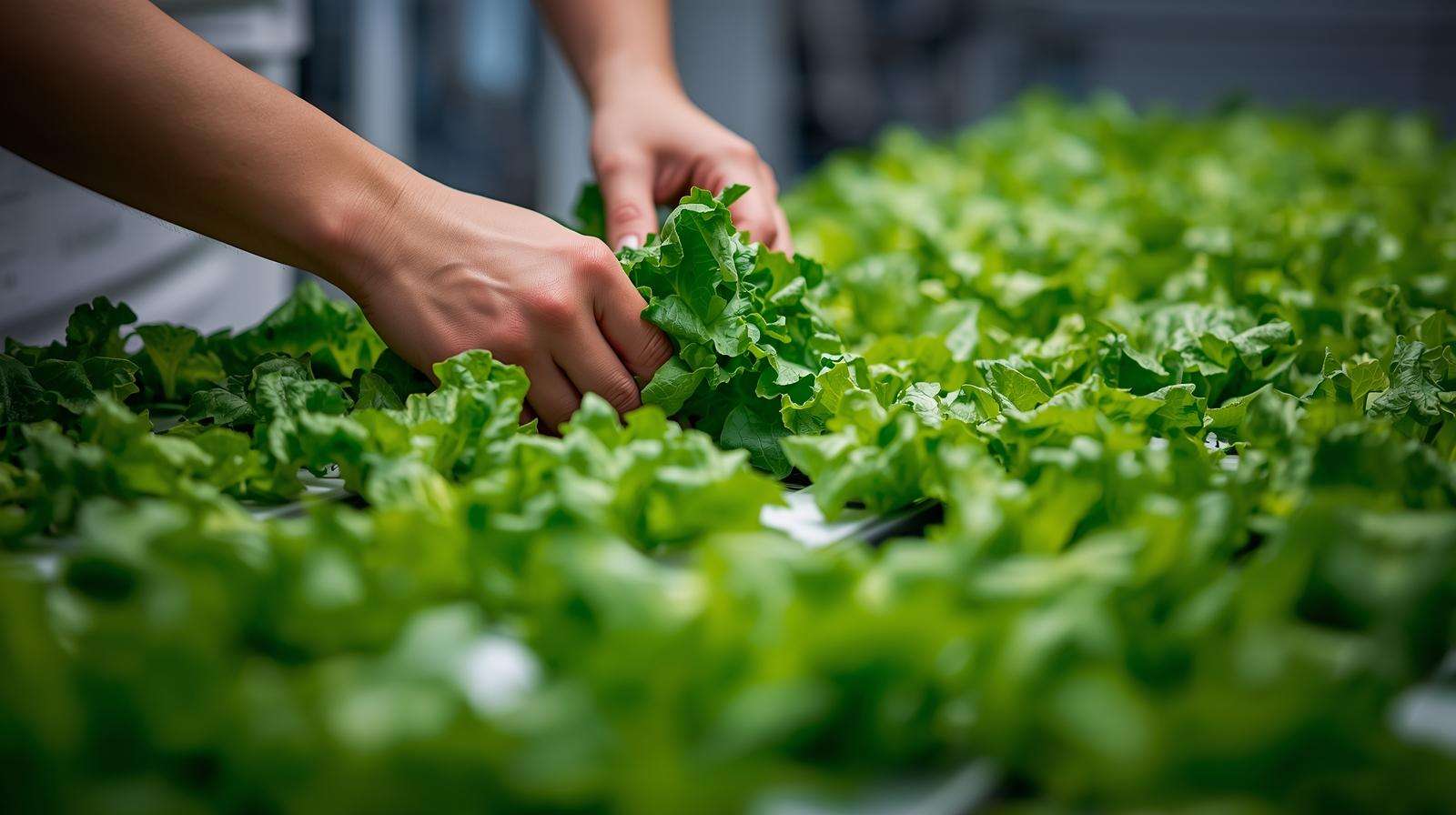
Use a staggered planting schedule:
-
Seed new trays every 7–10 days.
-
Harvest outer leaves first.
-
Allow regrowth for multiple cuts (cut-and-come-again method).
This ensures constant supply.
Yield Optimization Strategies (Expert-Level Techniques)
Once your Indoor Salad Bars system is operational, the next goal is maximizing productivity while minimizing cost. After working with small-scale growers and commercial operators, I can confidently say that yield optimization is what separates hobby systems from profitable ones.
1. Implement a Staggered Planting Schedule
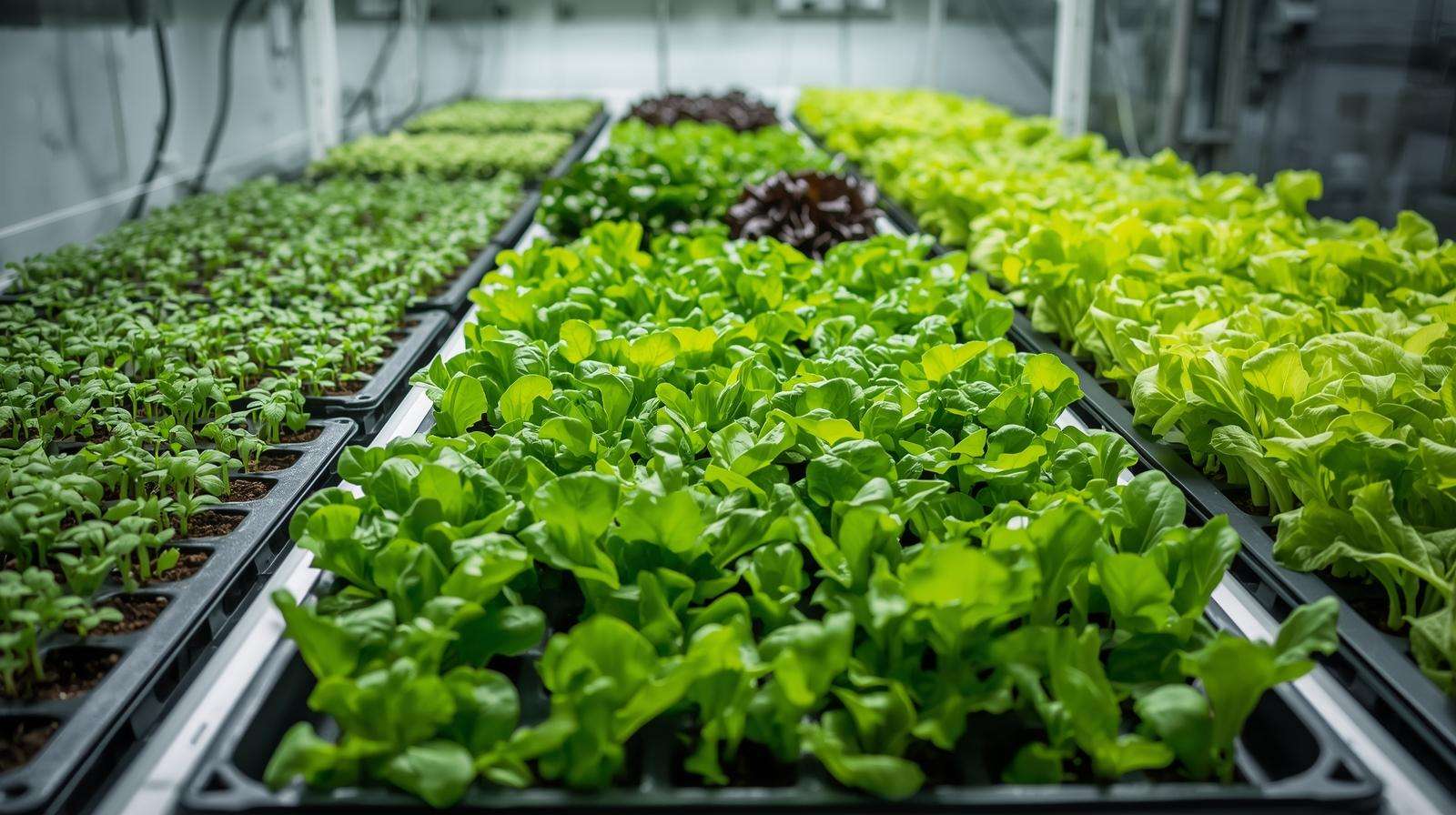
Instead of planting all trays at once:
-
Seed 1–2 trays every 7 days.
-
Track germination and harvest dates.
-
Maintain a rotation calendar.
Why this works:
You create a perpetual harvest cycle — eliminating gaps in supply. For commercial growers, this ensures consistent weekly sales.
2. Practice Indoor Crop Rotation
Even in hydroponics, nutrient imbalances can occur over time.
Rotate between:
-
Heavy feeders (lettuce, kale)
-
Moderate feeders (spinach)
-
Light feeders (herbs)
This helps stabilize nutrient demands and maintain system balance.
3. Optimize Light Efficiency
Many growers under-light their crops.
Best practices:
-
Maintain 8–12 inches between LEDs and plant canopy.
-
Adjust height as plants grow.
-
Clean light panels monthly to remove dust buildup.
-
Use reflective surfaces (mylar or white walls).
Improved light distribution can increase leaf mass significantly.
4. Increase Density Without Reducing Airflow
High-density planting increases yield per square foot — but overcrowding causes mold.
Key rule:
Leaves should not heavily overlap at maturity.
Use vertical spacing strategically and ensure airflow between tiers.
5. Reduce Energy Costs Strategically
Energy is the largest operating expense in indoor agriculture.
Ways to reduce costs:
-
Use high-efficiency LED fixtures.
-
Run lights during off-peak hours if utility pricing varies.
-
Insulate growing space.
-
Use timers and automation to avoid unnecessary runtime.
Small changes can reduce electricity bills by 20–30%.
Common Problems and How to Fix Them
Even well-managed indoor systems face challenges. The advantage? You control the environment — so solutions are faster and more precise.
Leggy Seedlings
Cause: Insufficient light or lights too far from plants.
Solution:
-
Lower lights to 8–10 inches above canopy.
-
Increase light intensity.
-
Avoid stretching during germination phase.
Yellowing Leaves
Possible causes:
-
Nitrogen deficiency
-
Improper pH (hydroponics)
-
Overwatering (soil systems)
Fix:
-
Test pH immediately.
-
Adjust nutrient solution.
-
Allow soil to dry slightly between watering.
Mold and Fungal Growth
Often caused by:
-
Poor airflow
-
Excess humidity
-
Standing water
Prevention:
-
Install small circulation fans.
-
Keep humidity below 60%.
-
Sanitize trays between cycles.
Indoor Pest Management
While indoor systems reduce pest pressure, infestations can still occur.
Common pests:
-
Aphids
-
Spider mites
Preventative strategies:
-
Quarantine new plants.
-
Maintain cleanliness.
-
Use sticky traps.
-
Apply neem oil if necessary.
Avoid chemical pesticides — especially in food production systems.
Cost Breakdown and ROI Analysis
One of the most common questions I receive:
“Are indoor salad bars actually profitable?”
The answer depends on scale, efficiency, and market access.
Startup Costs
Small Home Setup
-
Shelving: $100–$200
-
LED lights: $150–$300
-
Trays & medium: $50–$100
Total: $300–$600
Mid-Scale Hydroponic Setup
-
NFT system: $800–$2,000
-
Lighting: $500–$1,500
-
Monitoring tools: $150–$400
Total: $1,500–$4,000
Commercial Vertical System
-
Racking system: $3,000+
-
Commercial LEDs: $2,000+
-
Climate control: $2,000+
Total: $7,000–$20,000+
Operating Costs
-
Electricity (varies by region)
-
Nutrient solution
-
Water
-
Replacement supplies
Electricity typically represents 40–60% of operating expenses in commercial indoor systems.
Revenue Potential
Example:
-
One 4-tier rack can produce approximately 25–40 heads of lettuce per cycle.
-
4 cycles per month = 100–160 heads.
-
At $3 per head retail = $300–$480 monthly revenue per rack.
For commercial growers supplying restaurants at premium pricing, margins can increase significantly.
Break-even timelines range from 6–18 months depending on scale.
Sustainability and Environmental Impact
Indoor salad bars are not just profitable — they’re environmentally strategic.
Water Efficiency
Hydroponic systems recirculate water, reducing usage by up to 90% compared to field agriculture.
Reduced Carbon Footprint
Growing locally indoors:
-
Eliminates long-distance transportation
-
Reduces refrigeration time
-
Minimizes packaging waste
Urban Food Security
Indoor growing allows:
-
Year-round urban production
-
Reduced reliance on imports
-
Fresh produce access in food deserts
Reduced Food Waste
Because harvest occurs close to consumption, spoilage declines dramatically.
Fresh greens can go from harvest to plate in minutes.
Indoor Salad Bars for Commercial Profit
If you’re considering scaling, here’s what matters most:
Selling Direct to Consumers
-
Farmers markets
-
CSA subscriptions
-
Direct-to-consumer delivery
Freshness and pesticide-free production are strong marketing points.
Partnering with Restaurants
Restaurants value:
-
Consistency
-
Custom varieties
-
Fresh delivery schedules
Offering living lettuce (roots attached) extends shelf life and increases appeal.
Branding and Marketing
Emphasize:
-
Local production
-
Sustainability
-
Year-round availability
-
Clean growing methods
Transparency builds trust.
Food Safety Considerations
Commercial growers should consider:
-
Good Agricultural Practices (GAP)
-
Clean harvest protocols
-
Traceability systems
Food safety compliance increases buyer confidence.
Frequently Asked Questions
How much space do I need for indoor salad bars?
Even a 3×3 foot area can produce substantial weekly greens using vertical shelving.
What is the best lighting for indoor salad bars?
Full-spectrum LED grow lights with adjustable height and timers provide optimal results.
How long does it take to harvest leafy greens?
Most lettuce varieties mature within 30–35 days. Microgreens can be harvested in 7–14 days.
Are indoor salad bars profitable?
Yes — particularly when selling directly to consumers or restaurants at premium pricing.
Can indoor systems be fully organic?
Soil-based systems can easily meet organic standards. Hydroponics depends on regional certification rules.
Expert Insights: What Successful Growers Do Differently
From experience working with growers transitioning to indoor systems, success depends on:
-
Starting small and scaling gradually
-
Tracking data (growth rates, costs, yields)
-
Prioritizing sanitation
-
Investing in quality lighting
-
Developing reliable market channels before expanding
The most successful operators treat indoor production like precision agriculture — not casual gardening.
Final Thoughts: Building a Reliable, Year-Round Fresh Food System
Indoor Salad Bars represent more than a trend — they are a practical response to modern agricultural challenges. By combining controlled-environment agriculture principles with efficient space utilization, growers can achieve:
-
Consistent yields
-
Higher-quality greens
-
Reduced environmental impact
-
Reliable income streams
Whether your goal is feeding your family pesticide-free salads year-round or building a scalable urban farming business, indoor growing systems offer flexibility, resilience, and long-term sustainability.
Start small. Optimize carefully. Scale strategically.
The future of fresh food may not depend on weather forecasts — but on smart indoor cultivation.