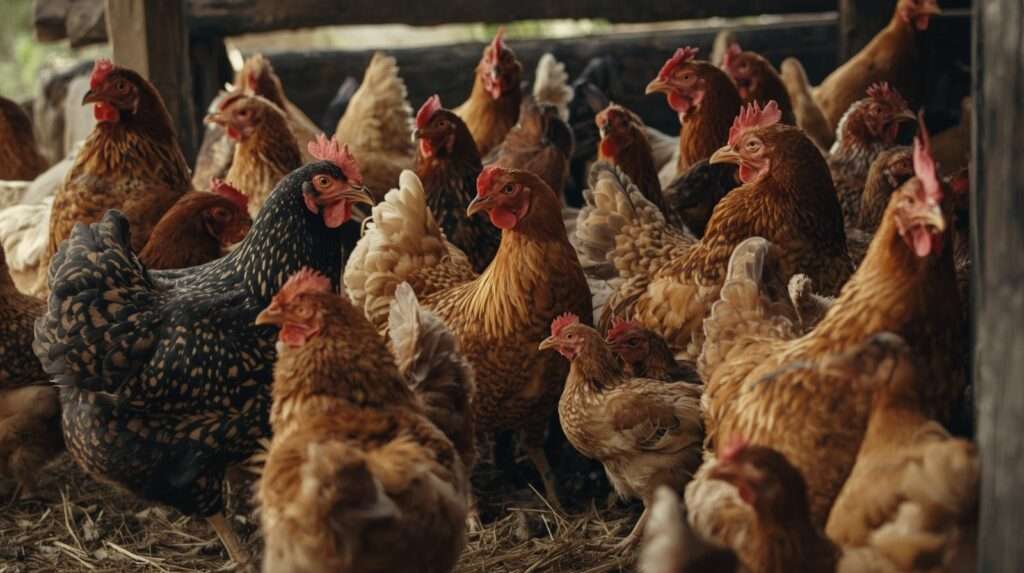
The first time you add new birds to an established flock can be shocking. What begins as a calm afternoon quickly turns chaotic — feathers fly, hens chase relentlessly, and timid newcomers hide in corners. If you’ve experienced this, you already understand why integrating new chickens into an existing flock requires careful planning and patience.
Chickens are social animals governed by a strict hierarchy known as the pecking order. Any disruption to that balance creates tension, and without a proper integration strategy, it can lead to injuries, chronic stress, reduced egg production, or even death. As someone who has worked with backyard keepers and small-scale poultry producers across varied systems, I’ve seen that most integration failures stem from rushing the process, skipping quarantine, or misunderstanding normal flock behavior.
This comprehensive guide explains exactly how to introduce new chickens safely using proven, science-based methods. You’ll learn how to manage aggression, prevent disease transmission, reduce stress, and ensure a peaceful transition for both new and existing birds.
Understanding Chicken Behavior Before Integration (Expert Foundation)
The Pecking Order Explained
Every flock operates under a structured social hierarchy that determines:
-
Access to food and water
-
Roosting positions
-
Nest box priority
-
General social interactions
When new birds arrive, the flock must reorganize its hierarchy. Pecking, chasing, and short fights are normal during this process — but excessive aggression signals problems.
Understanding the difference between natural dominance behavior and dangerous bullying is essential for safe integration.
Stress Factors That Increase Aggression
Several factors intensify conflict during integration:
-
Limited space in the coop or run
-
Large age or size differences
-
Introducing multiple birds at once
-
Breed temperament differences
Reducing these stressors significantly improves outcomes.
Preparing for Success Before Introducing New Chickens
Quarantine Protocol (Essential Step)

Quarantine protects your existing flock from disease.
Best practices:
-
Duration: 2–4 weeks
-
Separate housing and equipment
-
Monitor daily for illness
Watch for:
-
Nasal discharge
-
Lethargy
-
Diarrhea
-
Parasites
Skipping quarantine is one of the most common and costly mistakes.
Health Checks and Biosecurity Measures
Before integration:
-
Treat for mites and lice
-
Trim overgrown nails or beaks
-
Ensure birds are active and eating well
Maintain strict hygiene to prevent disease transmission.
Coop Preparation and Space Planning
Prepare the coop to minimize competition:
-
Add extra feeders and waterers
-
Increase roosting space
-
Provide hiding areas
Adequate space reduces tension and injury risk.
Step-by-Step Guide to Integrating New Chickens into an Existing Flock
Step 1: Visual Introduction Through Separation
This stage allows birds to see each other safely.
How to do it:
-
Use wire fencing or barriers
-
Place new birds adjacent to the main flock
Duration: 5–10 days depending on behavior.
Benefits include reduced aggression and gradual adjustment.
Step 2: Supervised Short Meetings
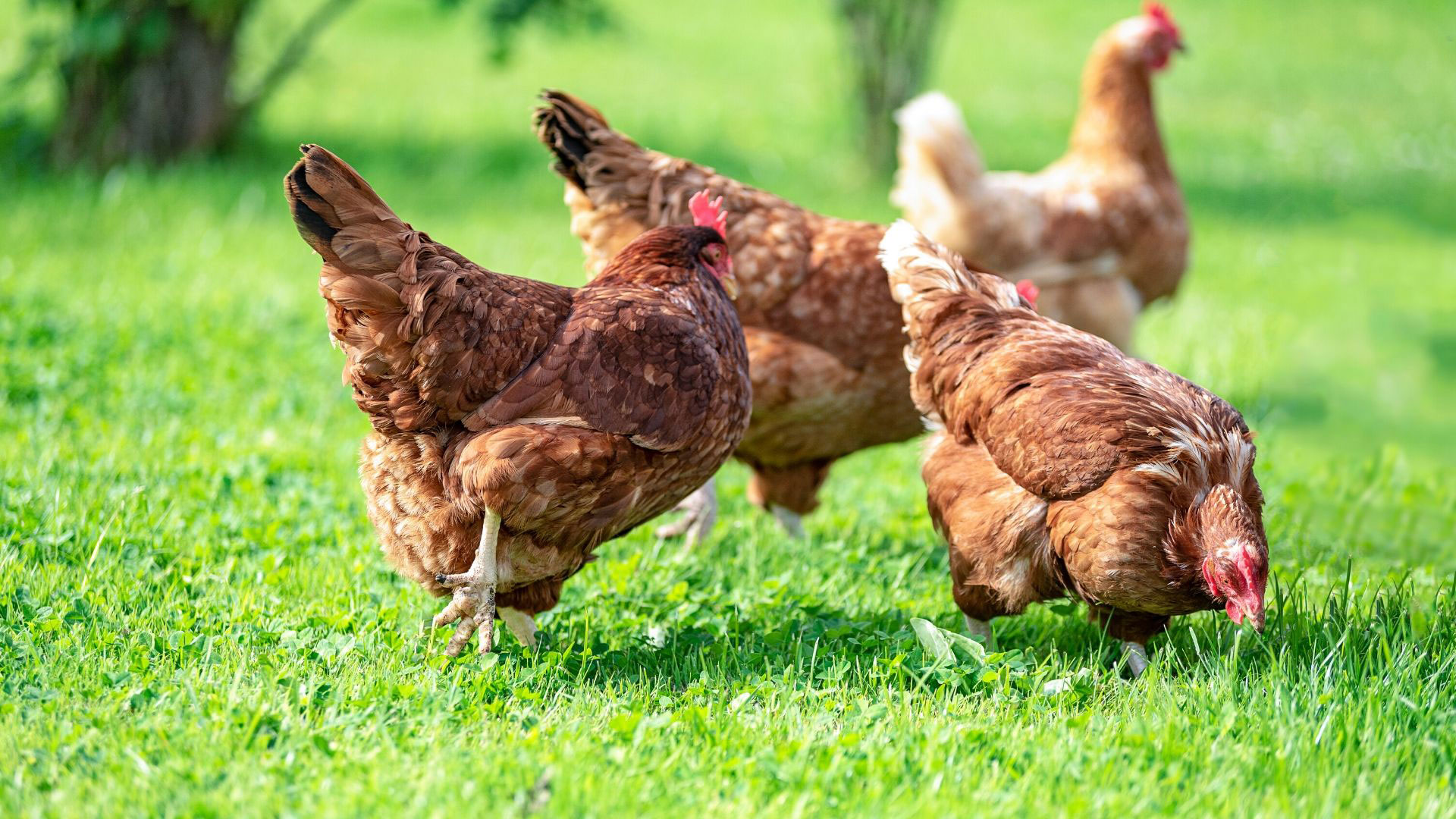
Begin short supervised interactions.
Tips:
-
Choose neutral territory
-
Introduce during calm times
-
Monitor closely
Expect mild pecking but intervene if aggressive chasing occurs.
Step 3: Full Integration
Signs birds are ready:
-
Minimal chasing
-
Shared feeding
-
Calm behavior
Continue monitoring for several weeks.
Managing Aggression During Integration
Normal vs Dangerous Behavior
Normal:
-
Pecking
-
Brief chasing
Dangerous:
-
Blood drawing
-
Persistent bullying
Recognizing these differences prevents unnecessary separation.
Reducing Bullying
-
Scatter treats to distract
-
Rearrange coop layout
-
Provide enrichment like perches
When to Separate Again
Separate birds if:
-
Injuries occur
-
Stress symptoms persist
-
One bird becomes isolated
Temporary separation often resets dynamics.
Special Situations in Flock Integration
Introducing Pullets to Adult Hens
Pullets are vulnerable due to size differences.
Tips:
-
Introduce in groups
-
Provide hiding spaces
Adding Roosters to a Flock
Monitor closely for aggression and mating stress.
Integrating Birds of Different Breeds
Temperament varies widely; research breeds beforehand.
Nutrition and Stress Management During Transition
Adjusting Feed During Integration
Provide balanced feed for all birds to reduce competition.
Supplements for Stress Reduction
Consider:
-
Electrolytes
These support immunity during stressful transitions.
Common Mistakes When Integrating Chickens
-
Skipping quarantine
-
Rushing introductions
-
Ignoring stress signs
Troubleshooting Integration Problems
Persistent Fighting
Return to separation stage and restart gradually.
Injuries and Pecking Wounds
Treat immediately and isolate injured birds.
Egg Production Drops
Stress often causes temporary decline.
Expert Tips for Smooth Flock Integration
-
Introduce multiple birds together
-
Integrate at dusk
-
Observe daily
Frequently Asked Questions (FAQs)
How long does flock integration take?
Typically 2–4 weeks.
Will chickens always fight?
Some conflict is normal.
Can chicks join adult birds safely?
Only after full feathering.
What if one bird is bullied constantly?
Separate and reintroduce slowly.
Conclusion: Build a Peaceful, Balanced Flock
Successfully integrating new chickens into an existing flock requires patience, preparation, and observation. With a structured approach, you can prevent injuries, reduce stress, and maintain productivity.
Take your time, follow proven steps, and your flock will adjust smoothly. 🐔🌿