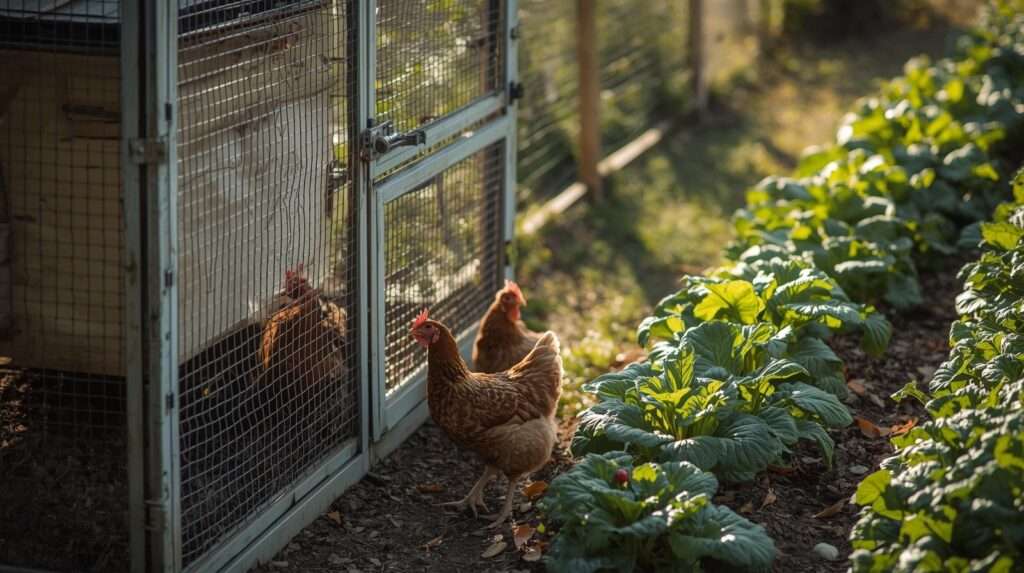
Few things are more discouraging than stepping into your garden one morning and finding freshly planted seedlings scratched out, mulch scattered everywhere, and chickens proudly clucking among the destruction. If you raise poultry and grow food, you’ve likely faced this exact conflict—and wondered whether it’s even possible to keep chickens and gardens safe at the same time.
The truth is, chickens and gardens can coexist—but only with thoughtful planning and realistic strategies. Chickens are naturally curious, industrious foragers, while gardens are fragile ecosystems during much of the growing season. Without a system in place, one will inevitably suffer.
This expert guide is designed to solve that problem completely. Drawing on practical poultry management, garden design principles, and real-world homestead experience, you’ll learn how to protect your plants without compromising chicken health, welfare, or productivity. Whether you manage a small backyard flock or a growing homestead, this article provides proven, scalable solutions that actually work.
Understanding the Chicken–Garden Conflict
Before you can manage the problem, you need to understand why it happens.
Why Chickens Are Naturally Drawn to Gardens
Chickens aren’t destructive out of spite—they’re doing exactly what they were designed to do.
Key natural behaviors include:
-
Scratching and digging to uncover insects and seeds
-
Foraging for tender greens, sprouts, and bugs
-
Dust bathing in loose, dry soil
A well-tended garden offers everything chickens love: soft soil, high insect activity, young plants, and organic matter. From a chicken’s perspective, a garden bed is a buffet.
Risks to Gardens When Chickens Roam Freely
Unmanaged chicken access can quickly ruin a garden:
-
Seedlings uprooted before establishing roots
-
Mature plants damaged or stripped of leaves
-
Excess nitrogen from manure causing plant burn
-
Soil compaction that reduces aeration and drainage
Even a small flock can destroy weeks of garden work in minutes.
Risks to Chickens When Gardens Aren’t Managed
The danger goes both ways.
Gardens can pose serious risks to poultry, including:
-
Toxic plants such as tomato leaves, rhubarb, foxglove, and nightshades
-
Chemical exposure from fertilizers, pesticides, and herbicides
-
Compost hazards, including moldy food and sharp debris
Keeping chickens and gardens safe means protecting both from each other.
Planning a Safe, Functional Chicken-and-Garden Layout
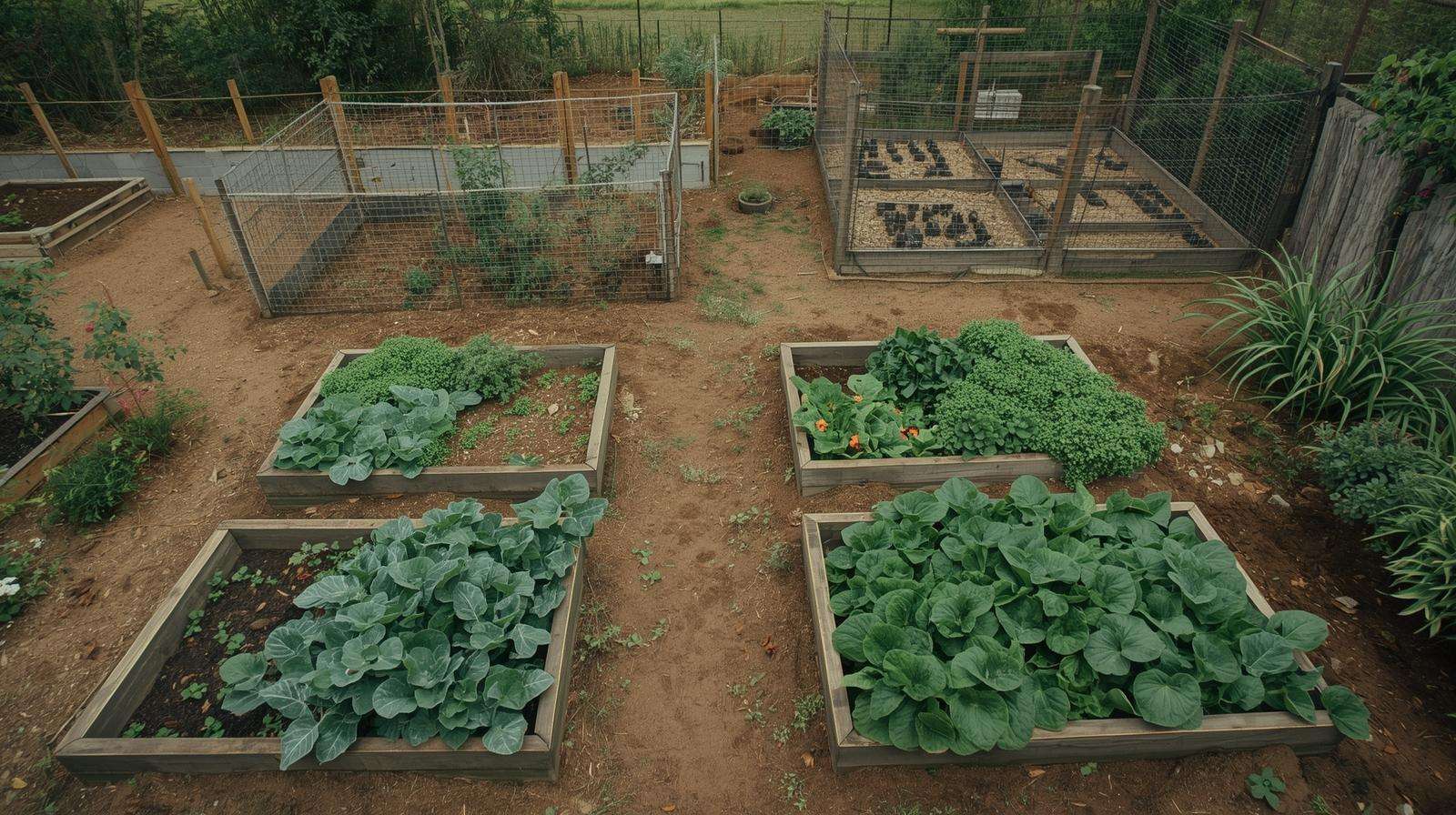
The most successful systems start with good design—not constant supervision.
Zoning Your Space for Long-Term Success
Whether you’re working with a suburban backyard or a multi-acre homestead, zoning is critical.
Effective zones typically include:
-
Protected garden areas (restricted chicken access)
-
Dedicated chicken runs or pastures
-
Controlled interaction zones used seasonally
This approach prevents conflict before it starts and reduces daily labor.
Scaling the Layout to Your Property Size
-
Small yards: Raised beds, secure fencing, limited free-range time
-
Medium homesteads: Rotational access, movable fencing, buffer zones
-
Large properties: Integrated systems with seasonal chicken-garden rotation
There is no one-size-fits-all solution—but every property benefits from intentional separation.
Timing Matters More Than Most People Realize
One of the most overlooked strategies is seasonal access control.
-
Spring: Chickens should be excluded during planting and early growth
-
Summer: Limited, supervised access only
-
Fall: Ideal time to let chickens clean up spent beds
-
Winter: Chickens can safely access dormant areas in many climates
Timing alone can prevent most garden damage.
Physical Barriers That Actually Work
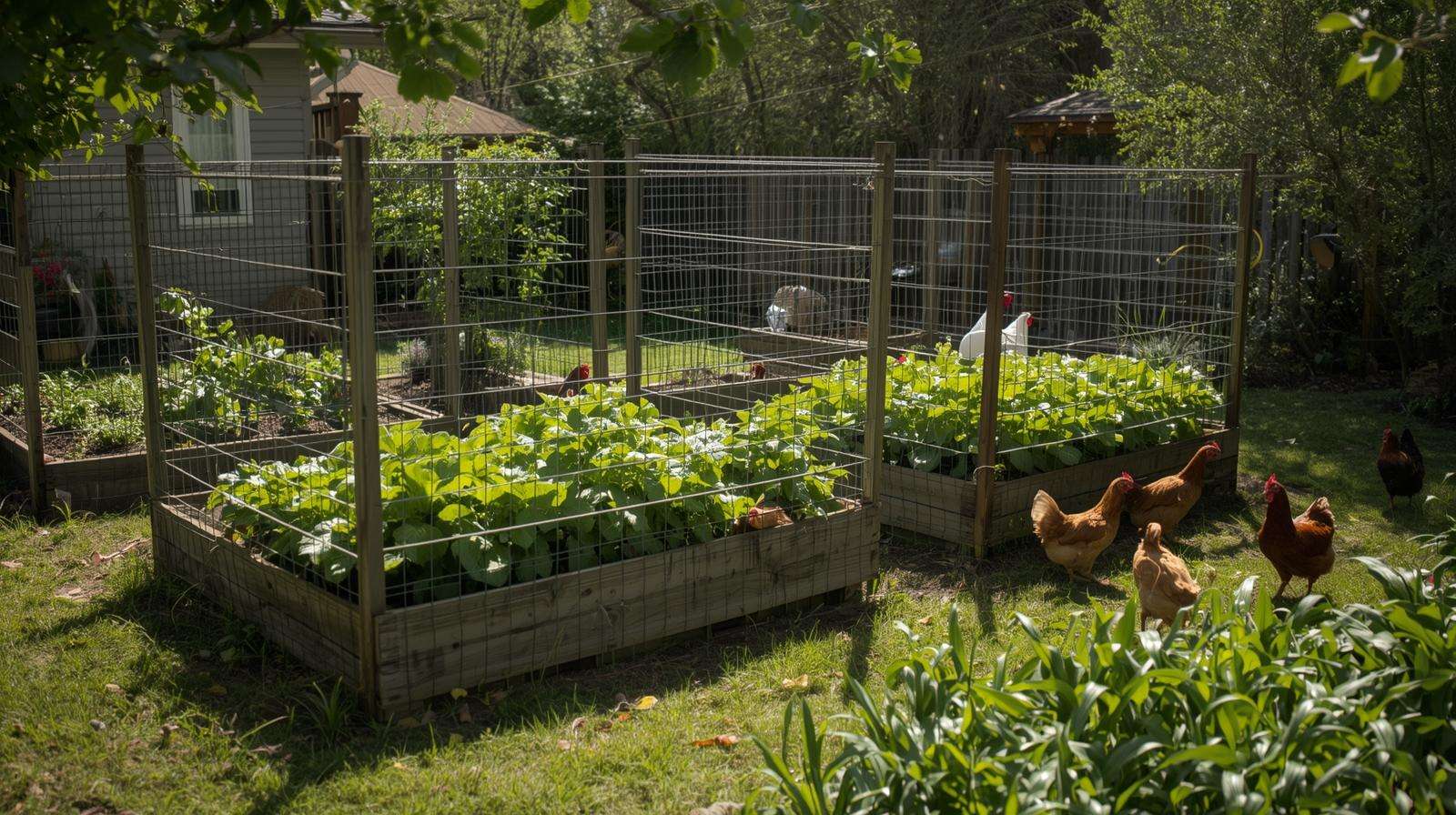
Training chickens is helpful—but physical barriers are non-negotiable if you want consistent success.
Garden Fencing Options That Keep Chickens Out
Not all fences are equally effective.
Best-performing options include:
-
Hardware cloth fencing:
Extremely effective, small openings, long-lasting -
Welded wire fencing:
Affordable and sturdy when installed properly -
Electric poultry netting:
Excellent for larger or flexible layouts, also deters predators
Chicken wire alone is rarely sufficient—chickens can squeeze through or fly over it.
Chicken Enclosures That Reduce Garden Pressure
If chickens have enough space and enrichment, they’re less motivated to invade gardens.
Effective containment systems:
-
Secure permanent runs
-
Mobile chicken tractors
-
Rotational pasture systems
Providing shade, dust baths, and foraging material inside chicken zones significantly reduces escape attempts.
Raised Beds and Temporary Protection Structures
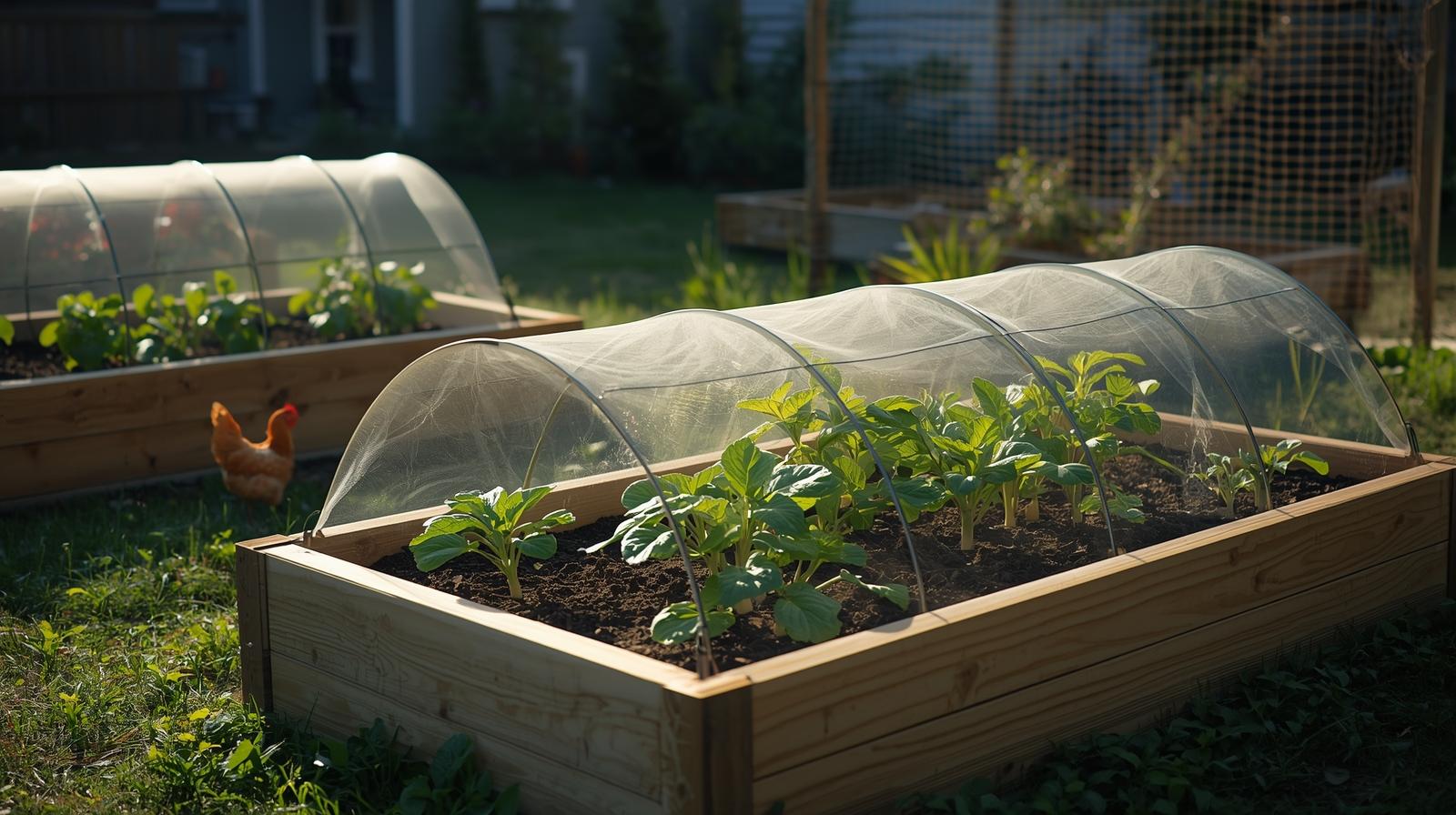
Raised beds are one of the most garden-friendly solutions.
Best practices:
-
Beds at least 12–18 inches high
-
Smooth or capped edges to discourage perching
-
Temporary row covers during early growth stages
These structures protect plants without permanent fencing.
Training and Behavioral Management Techniques
While chickens can’t be trained like dogs, their behavior can be influenced.
Can Chickens Be Trained to Avoid Gardens?
To a degree—yes.
What works:
-
Consistent boundaries
-
Immediate removal when they enter restricted areas
-
Providing better alternatives elsewhere
What doesn’t work:
-
Expecting chickens to “learn” plant value
-
Occasional enforcement only
Consistency is essential.
Using Design to Influence Chicken Movement
Chickens naturally gravitate toward comfort.
Strategic placement helps:
-
Food and water stations away from gardens
-
Dust baths in chicken zones
-
Shade and shelter positioned to pull flocks away
Design often works better than discipline.
Chicken-Safe Garden Plants and Garden-Safe Chicken Practices
Choosing the right plants—and managing garden inputs properly—makes coexistence much safer.
Plants Chickens Tend to Avoid
While not foolproof, chickens often ignore:
-
Woody herbs like rosemary and lavender
-
Strongly scented plants such as sage and thyme
-
Mature, tough-leaved ornamentals
These can act as soft deterrents around garden edges.
Toxic Plants You Must Protect Chickens From
Common dangerous plants include:
-
Tomato and potato foliage
-
Rhubarb leaves
-
Foxglove
-
Azaleas
These should be fenced or removed entirely from chicken-accessible areas.
Safe Composting and Fertilizing Around Chickens
Best practices:
-
Fence compost piles
-
Avoid synthetic fertilizers and pesticides
-
Use well-aged compost only
Organic systems are safer for both birds and crops.
Integrated Systems: Letting Chickens and Gardens Work Together
When managed properly, chickens can become a powerful garden ally.
Using Chickens for Garden Cleanup
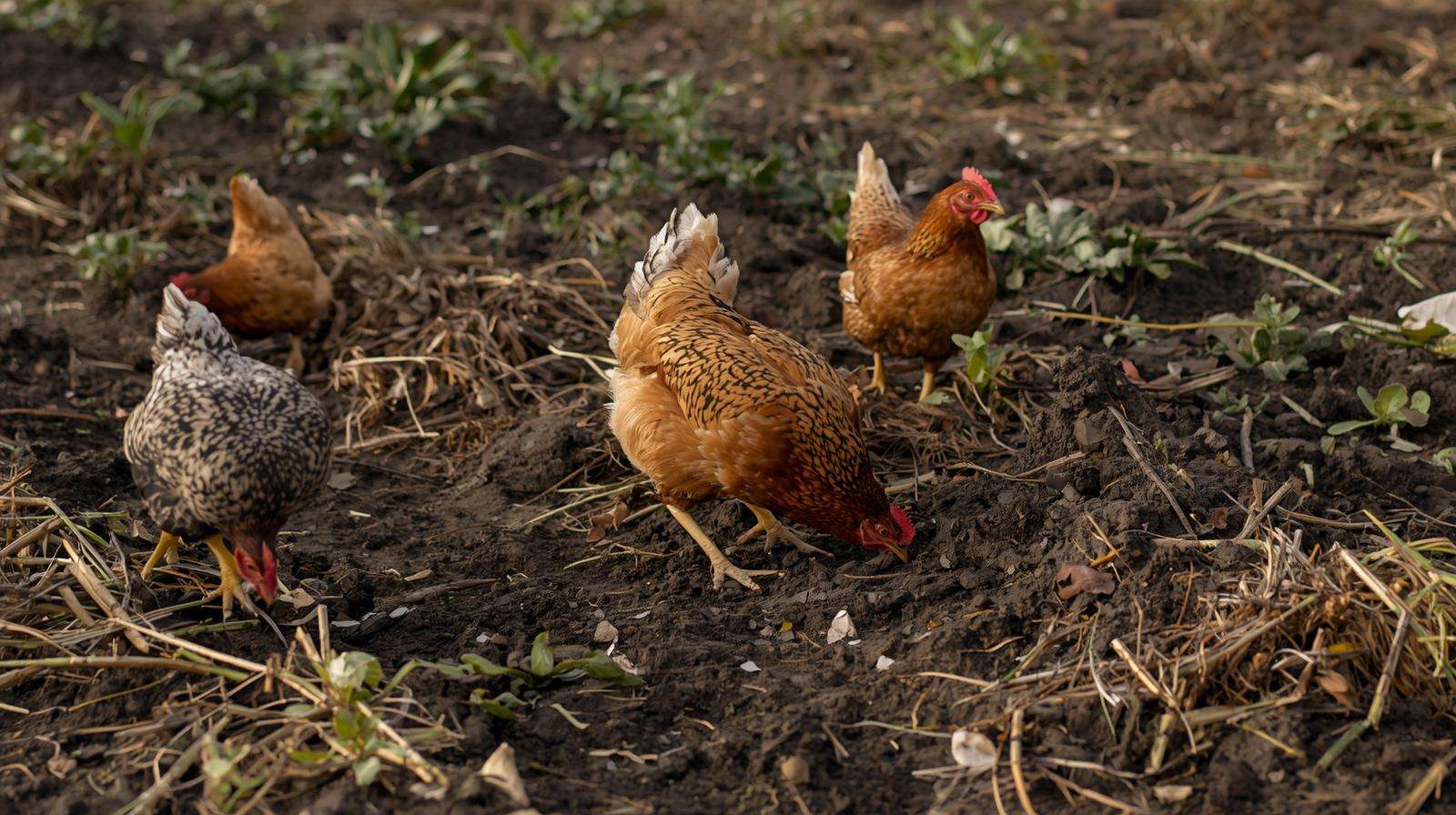
After harvest, chickens can:
-
Remove pests and larvae
-
Break down crop residue
-
Lightly fertilize soil
Timing and duration are critical to avoid soil damage.
Rotational Chicken Grazing Near Gardens
A controlled rotation system allows:
-
Short access windows
-
Soil recovery periods
-
Improved long-term fertility
This approach requires planning but offers excellent returns.
Predator Protection While Managing Garden Access
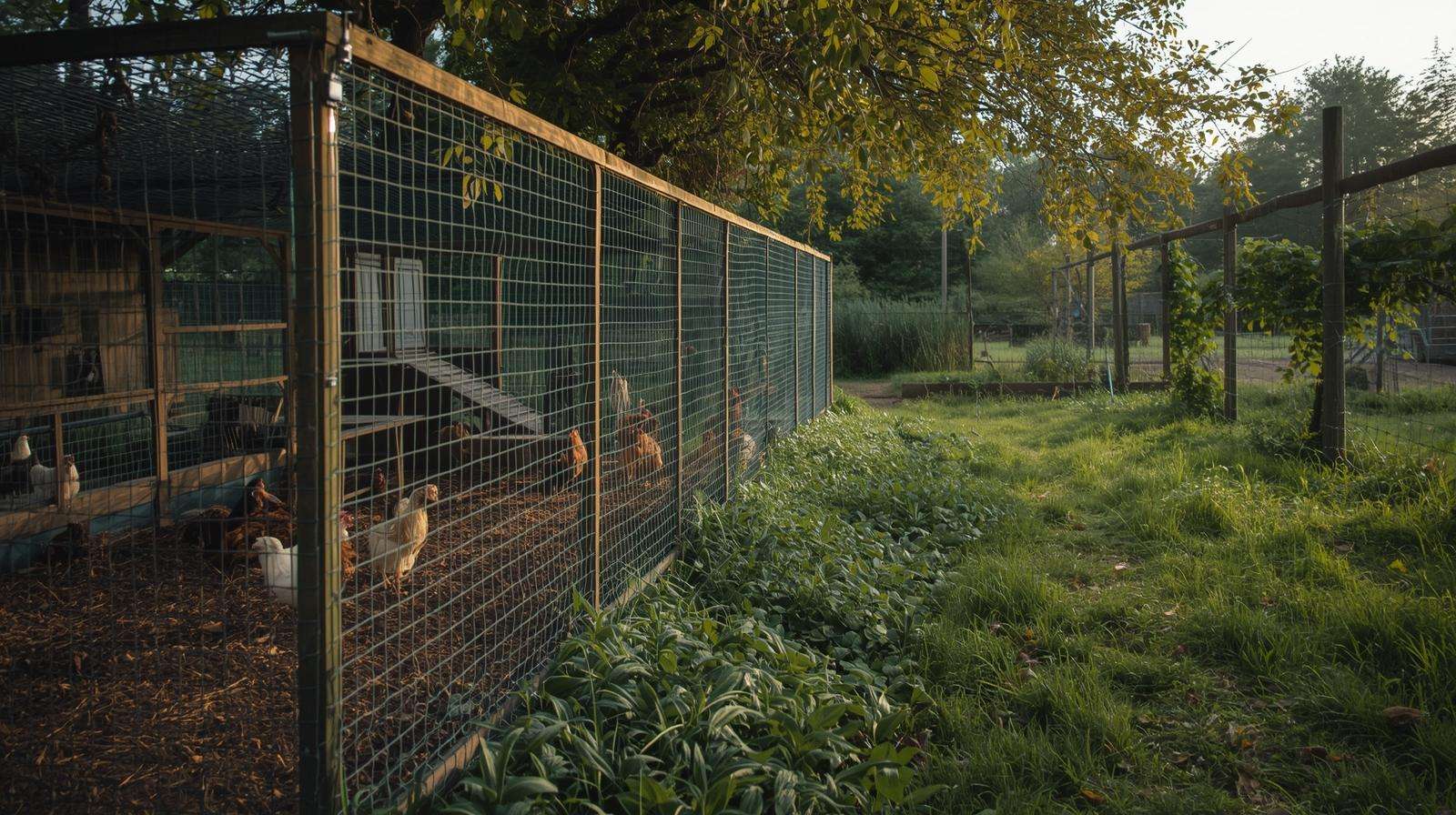
One overlooked aspect of trying to keep chickens and gardens safe is how garden layouts can unintentionally increase predator risk. Open beds, hedges, compost piles, and tall vegetation may provide hiding spots that predators use to ambush poultry.
Why Garden Design Can Increase Predator Risk
Gardens often create:
-
Visual cover for predators like foxes and raccoons
-
Narrow corridors that trap chickens
-
Reduced visibility for flock awareness
When chickens are allowed near gardens without proper protection, they may be more vulnerable than in open pasture or enclosed runs.
Keeping Chickens Safe Without Sacrificing Garden Space
Effective strategies include:
-
Electric poultry netting around chicken areas rather than gardens
-
Clear sight lines between coops and foraging zones
-
Overhead protection using netting or wire in high-risk areas
-
Strict nighttime lockup routines
Predator protection must always take priority over convenience.
Common Mistakes That Put Chickens or Gardens at Risk
Even experienced keepers make avoidable errors that lead to frustration.
Mistake #1: Letting Chickens Free-Range During Planting Season
Spring is the most vulnerable time for gardens. Young plants simply cannot withstand chicken activity.
Solution:
Delay access until plants are mature or fully harvested.
Mistake #2: Underestimating Fencing Requirements
Many gardeners install fences that are too short or too flimsy.
Solution:
Use fencing at least 4 feet tall and secure it firmly at the base.
Mistake #3: Ignoring Toxic Plants and Materials
Assuming chickens “know what not to eat” can lead to illness or death.
Solution:
Audit your garden annually for hazardous plants and chemicals.
Mistake #4: Poor Coop and Run Placement
Placing the coop too close to garden beds encourages constant pressure.
Solution:
Create distance and use landscape features to redirect chicken movement.
Real-World Examples: What Actually Works
Learning from real setups is often more valuable than theory alone.
Backyard Chicken Keeper Case Study
A homeowner with a small yard installed raised beds with welded wire fencing and allowed chickens supervised access only after harvest. Damage dropped to zero, while chickens benefited from seasonal pest control.
Key lesson:
Even limited space can work with strict boundaries.
Homestead Garden and Poultry System Example
A medium-scale homestead used rotational electric netting to move chickens through orchard areas and fallow garden beds. Gardens remained protected during growing season, and soil fertility improved year over year.
Key lesson:
Rotation creates balance between protection and productivity.
What Experienced Keepers Do Differently
Long-term chicken owners consistently:
-
Plan garden access months in advance
-
Accept that total free-range isn’t realistic
-
Invest in quality fencing once, not repeatedly
Experience favors prevention over correction.
Frequently Asked Questions About Keeping Chickens and Gardens Safe
Can chickens and gardens coexist safely?
Yes—with planning. Physical barriers, timing, and controlled access make coexistence not only possible but beneficial.
What is the best fence to keep chickens out of gardens?
Hardware cloth and welded wire fencing are most reliable. Electric poultry netting works well for flexible or larger layouts.
Are chickens good or bad for soil health?
Both. Chickens improve soil when managed carefully, but overexposure can compact soil and destroy structure.
When is it safe to let chickens into the garden?
After harvest, when plants are removed and soil can benefit from scratching and fertilization.
How do I keep chickens out of raised beds?
Use fencing, hoop covers, or bed heights above 18 inches. Chickens are persistent but predictable.
Final Thoughts: How to Keep Chickens and Gardens Safe Long-Term
Successfully managing chickens and gardens together isn’t about constant control—it’s about intentional systems. When boundaries are clear, access is timed properly, and predator risks are addressed, both your poultry and your plants thrive.
To keep chickens and gardens safe long-term:
-
Design your space with zones
-
Use physical barriers generously
-
Time access strategically
-
Think in seasons, not days
Chickens are powerful allies in a healthy food system—but only when guided by smart management.
Bonus: Quick Reference Checklist
Garden Safety Checklist
-
Raised or fenced beds
-
Seasonal chicken exclusion
-
Toxic plants removed or secured
Chicken Safety Checklist
-
Secure fencing and runs
-
Predator-aware garden design
-
No chemical exposure
Seasonal Planning Reminders
-
Spring: strict garden protection
-
Summer: limited, supervised access
-
Fall: controlled cleanup grazing
-
Winter: dormant-area access
Conclusion
Keeping chickens and gardens safe is not about choosing one over the other—it’s about creating a system where both can flourish. With thoughtful design, realistic expectations, and proven strategies, you can enjoy healthy flocks and productive gardens without constant conflict.