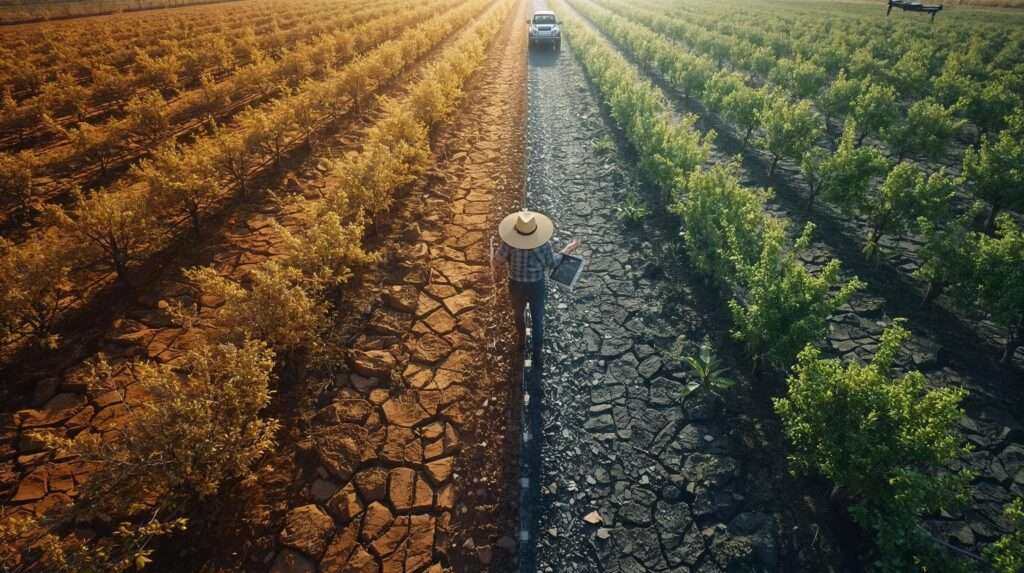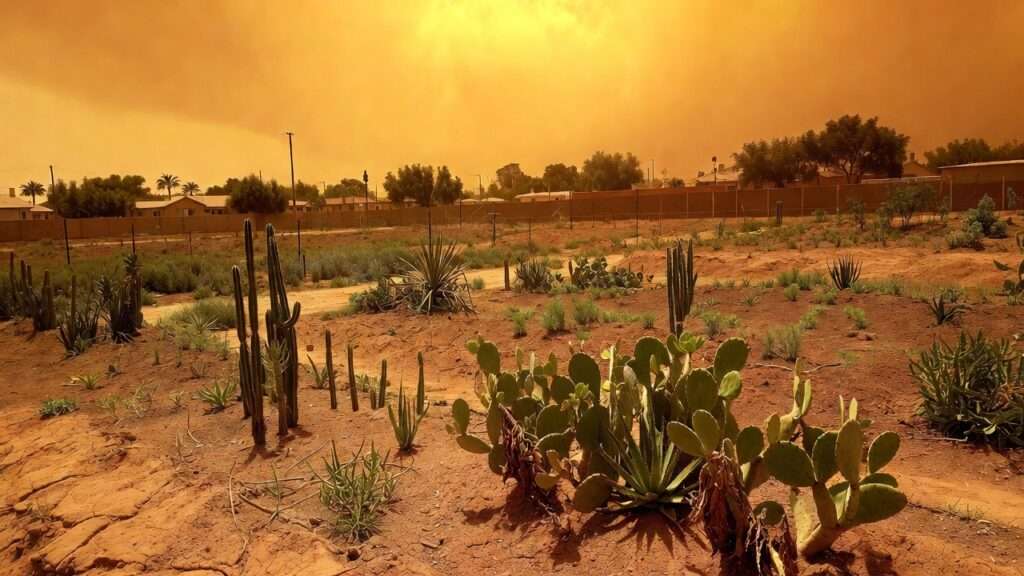
Imagine stepping into your garden one scorching afternoon in Barishal, only to find your prized tomatoes wilting dramatically, leafy greens bolting prematurely, and delicate flowers crisping at the edges despite your best efforts. The relentless sun, combined with high humidity typical of Bangladesh’s tropical climate, turns what was once a thriving patch into a battleground for survival. Extreme heat doesn’t just dry out soil—it stresses plants at the cellular level, accelerating transpiration, disrupting pollination, and slashing yields. Yet, with the right strategies, many gardeners in hot, humid regions successfully keep their gardens productive even when temperatures climb above 38–40°C (100–104°F) for days on end.
Keeping Gardens Alive Through Extreme Heat is a pressing need for home growers facing increasingly frequent heatwaves due to climate shifts. This in-depth guide draws from university extension research (such as UC Master Gardeners, Oregon State University Extension, and practical adaptations for tropical South Asian conditions) and real-world experience in humid subtropical areas. You’ll learn science-backed preparation, immediate protection tactics, efficient watering and mulching methods, shade solutions, common pitfalls to avoid, plant-specific advice, recovery steps, and long-term resilience building. By implementing these proven approaches, you can minimize plant loss, conserve water, and maintain harvests through the hottest spells.
Understanding How Extreme Heat Affects Your Garden
Extreme heat triggers a cascade of physiological responses in plants. Transpiration—the process where plants release water vapor through leaves to cool themselves and pull up nutrients—ramps up dramatically. When soil moisture can’t keep pace, plants close stomata (leaf pores) to conserve water, slowing photosynthesis and growth. In prolonged heat, this leads to reduced carbohydrate production, weakened roots, and vulnerability to pests or diseases.
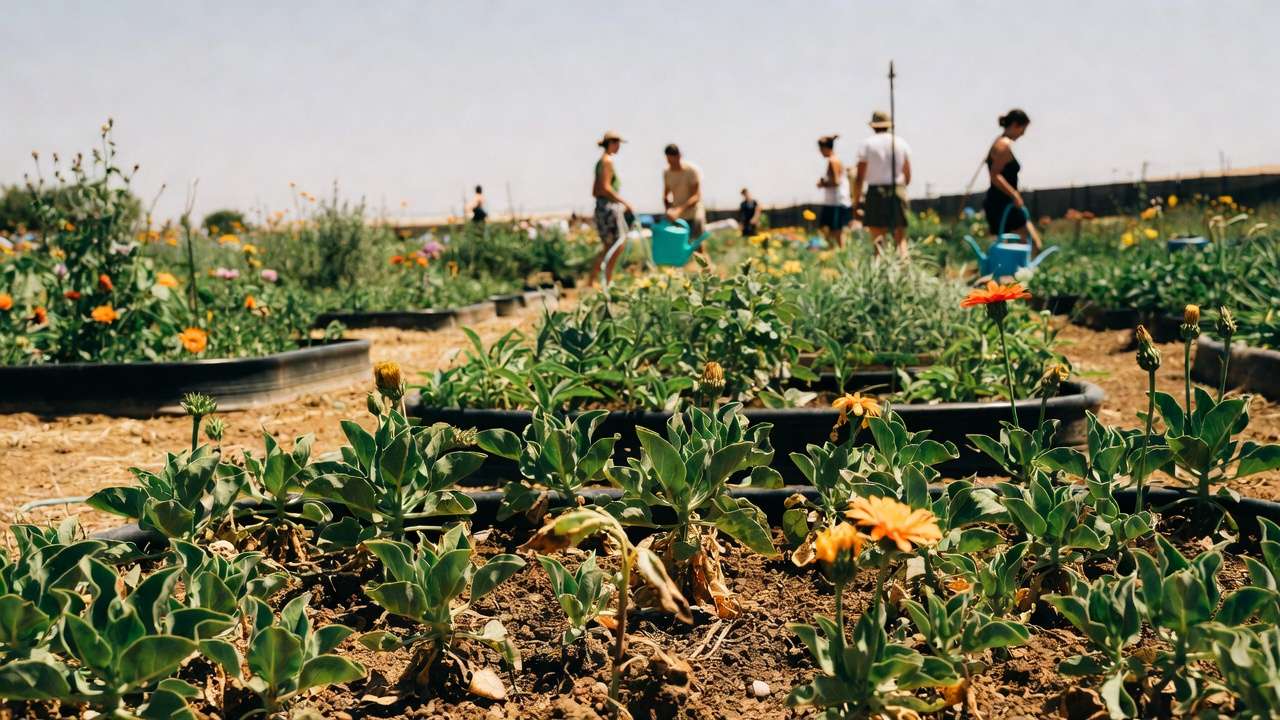
What Happens to Plants in Extreme Heat Common signs of heat stress include:
- Wilting during peak afternoon hours, even when soil is moist (temporary wilting that recovers at night indicates heat rather than drought).
- Leaf curling, rolling, or cupping to reduce surface area and water loss (seen in tomatoes, corn, and beans).
- Yellowing, browning, or scorched leaf edges (leaf scorch).
- Blossom drop in vegetables like tomatoes and peppers, especially when nights stay above 24–26°C.
- Sunscald on fruits (white or yellow patches on tomatoes/peppers from direct exposure).
- Bolting in leafy greens, where plants rush to flower and seed.
In humid tropical climates like Barishal, high moisture in the air slows evaporative cooling, increasing fungal risks (e.g., powdery mildew) while still causing rapid soil drying from intense sun.
Why Some Plants Survive Better Than Others Heat-tolerant varieties excel because they maintain efficient water use, deeper roots, or waxy leaves that reflect heat. In South Asian gardens, thrive: okra (bhindi), eggplant (brinjal), amaranth (data shak), sweet potatoes, cowpeas, yardlong beans, malabar spinach, and moringa. These handle 35–40°C+ with minimal intervention.
Vulnerable plants include cool-season crops like lettuce, spinach, cauliflower, and many brassicas, which bolt or wilt quickly. Tomatoes and peppers often suffer blossom-end issues or fruit cracking in extreme swings. Young transplants and container plants suffer most due to limited root systems and faster soil heating.

Preparation: Build Heat Resilience Before the Heat Hits
Prevention beats cure. Start building resilience weeks before predicted heatwaves.
Choose Heat-Tolerant Varieties and Plan Your Layout Select regionally adapted seeds: In Bangladesh, opt for local heat-resistant hybrids of brinjal, chili, okra, and bitter gourd. Plant heat-lovers in full sun spots; shade-sensitive greens in partial afternoon shade from taller plants or structures. Use companion planting—tall pigeon pea or sunflower rows as windbreaks and living shade.
Improve Soil Health for Better Water Retention Healthy soil holds 20–30% more moisture. Incorporate 5–10 cm of well-rotted compost or cow dung manure annually to boost organic matter. This improves structure, aeration, and water-holding capacity without waterlogging (critical in humid areas). Test soil pH (aim 6.0–7.0) and add lime if acidic.
Install Long-Term Solutions Apply 5–10 cm organic mulch early. Set up drip irrigation or soaker hoses on timers for consistent deep watering. Plant fast-growing living shade like moringa, drumstick, or banana along western borders to block afternoon sun.
Essential Watering Strategies During Extreme Heat
Water mismanagement kills more plants than heat alone. Focus on deep, infrequent applications to encourage deep roots.
When and How Much to Water Water early morning (5–9 AM) to allow absorption before evaporation peaks and leaves dry quickly, reducing fungal risks. Avoid evenings in humid climates to prevent disease.
Aim for 2.5–5 cm (1–2 inches) per week, adjusted for heat—check soil 10–15 cm deep with finger or probe; water if dry. Deep watering promotes roots 30+ cm down, making plants more drought-resistant.
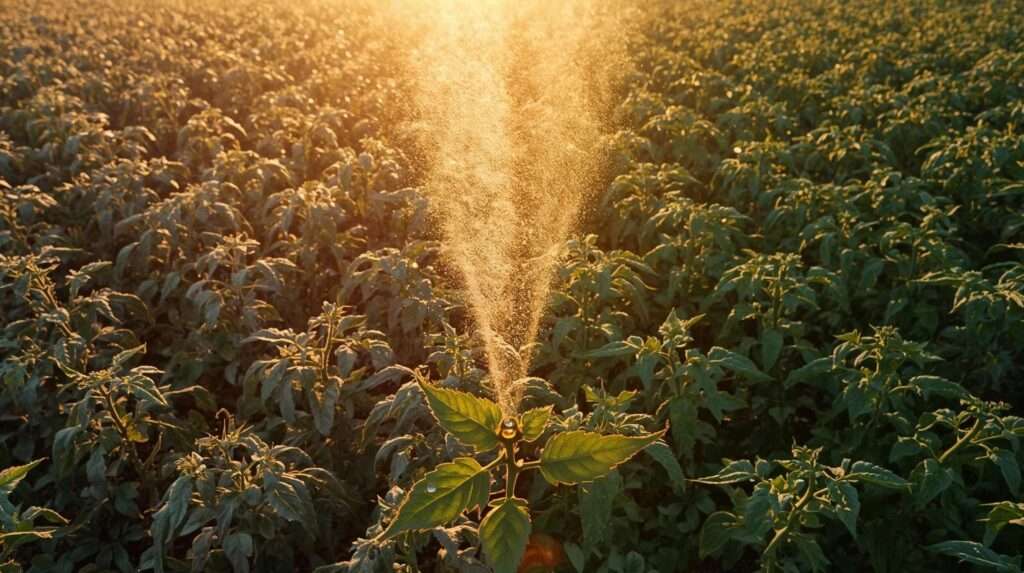
Efficient Watering Techniques Switch to drip irrigation or soaker hoses—delivers water directly to roots, reducing evaporation by up to 50%. Group containers in shaded clusters to create humidity pockets. Use ollas (buried clay pots) for slow-release moisture in beds.
Water-Saving Hacks Collect rainwater in barrels during monsoons. Use diluted greywater (from laundry/rinsing, no soap residues) cautiously on non-edibles. Mulch heavily to cut surface evaporation.
Mulching: Your Garden’s Best Defense Against Heat
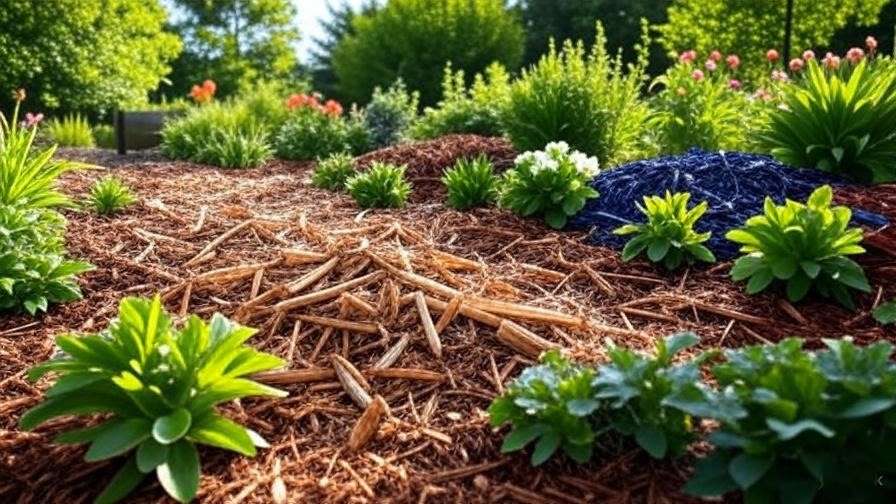
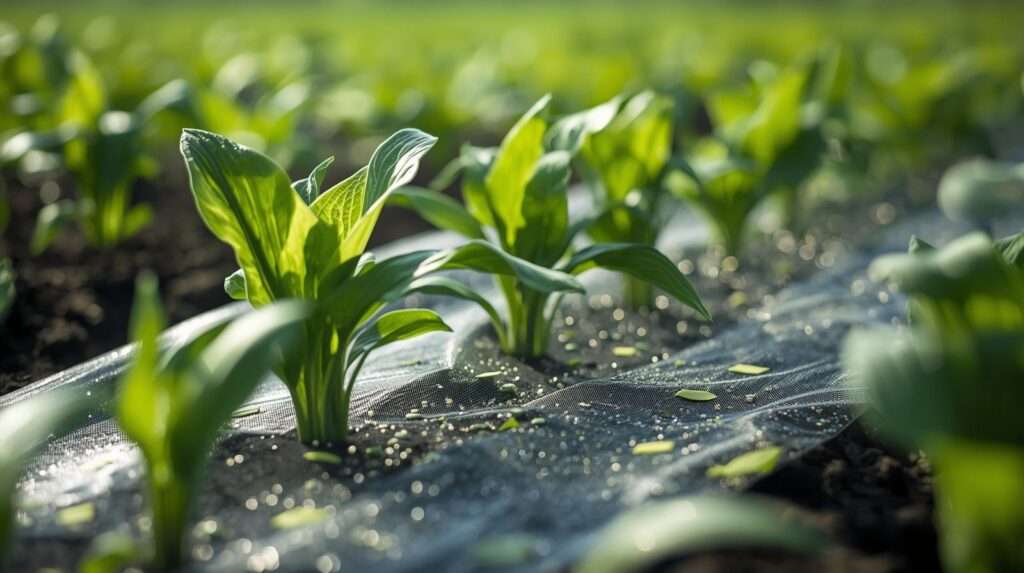
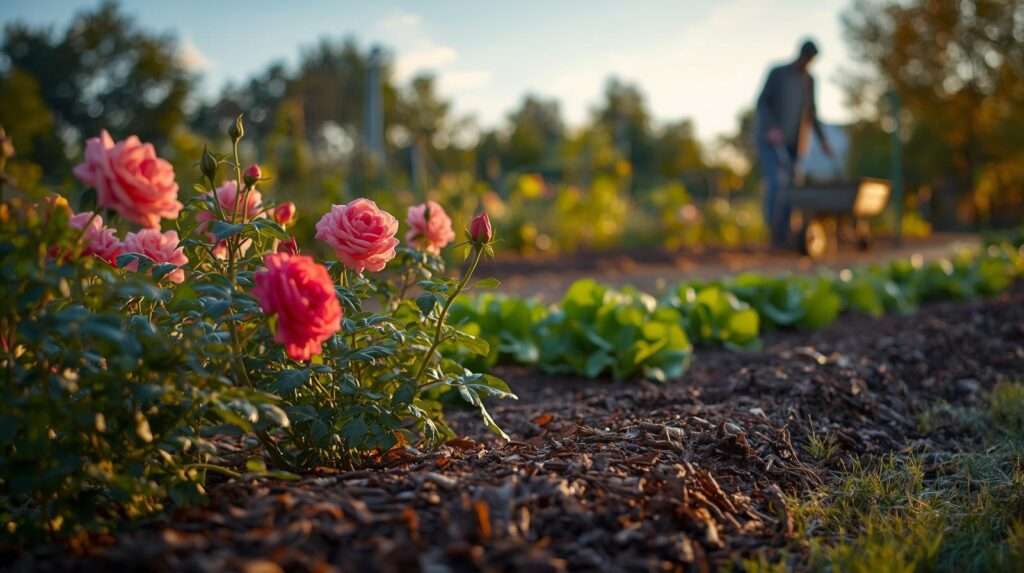
Mulching stands out as one of the most effective, low-effort ways to shield plants from extreme heat. A thick layer of mulch acts as an insulating blanket, dramatically reducing soil temperature fluctuations, cutting evaporation losses by up to 50–70%, suppressing weeds that compete for water, and preventing soil crusting that blocks water infiltration.
Benefits of Mulching in Extreme Conditions In hot, humid climates like Barishal’s, mulch keeps root zones 10–20°C (18–36°F) cooler than bare soil, easing heat stress on roots and encouraging deeper rooting for better drought tolerance. It preserves soil moisture longer between waterings—critical when high humidity slows plant cooling but sun still bakes the ground. Organic mulches slowly decompose, feeding beneficial microbes and improving soil structure over time, which boosts long-term resilience against recurring heatwaves.
Best Mulch Types for Hot Climates For tropical vegetable gardens, prioritize organic, locally available materials that breathe well to avoid excess moisture buildup and fungal issues:
- Straw or rice straw — Lightweight, affordable in Bangladesh (often from paddy fields), excellent at cooling soil and retaining moisture without compacting. Apply 7–10 cm thick.
- Grass clippings (dried first to avoid matting) — Free from lawn mowing, nutrient-rich, and break down quickly to enrich soil. Use a 5–8 cm layer, avoiding fresh clippings around young plants to prevent nitrogen tie-up.
- Shredded leaves or dried banana leaves — Abundant in tropical areas, they provide good insulation and decompose into humus.
- Compost or well-rotted cow dung — Adds nutrients while mulching; ideal for nutrient-hungry veggies like brinjal or okra. Avoid thick wood chips in humid zones unless aged, as they can harbor excess moisture and fungi; they’re better for paths. Reflective mulches (like white plastic) work in drier heat but can overheat soil in humidity.
Apply mulch after soil warms (post-monsoon or early summer) but before peak heat. Keep it 5–10 cm deep, pulled back 5 cm from stems to prevent rot (“volcano mulching” invites pests and disease). Replenish as it breaks down—every 4–6 weeks in intense heat.
Mulch Maintenance Tips Check weekly for pests or mold under the layer in humid weather; fluff or turn if compacted. Combine with drip lines beneath for maximum efficiency.
Providing Shade and Protection
When temperatures exceed 38°C consistently, even heat-tolerant plants benefit from reduced direct sun intensity during peak hours (10 AM–4 PM).
Temporary and Permanent Shade Options
- Shade cloth — The gold standard for vegetables. Use 30–50% density for most crops (blocks 30–50% light while allowing ventilation); 50% often ideal for tomatoes, peppers, and leafy greens in extreme heat to prevent sunburn and blossom drop without overly reducing photosynthesis. Higher (60–70%) suits very sensitive greens like lettuce or spinach. White or aluminized cloth reflects more heat than black. Drape over hoops, frames, or stakes—keep 30–60 cm above plants for airflow.
- DIY solutions — Old bedsheets, burlap, or palm fronds on frames; umbrellas for small beds; taller companion plants (sunflowers, moringa) as living shade on the west side.
- Container relocation — Move pots to morning-sun/afternoon-shade spots or group under trees.
Protecting Specific Garden Types
- Vegetable beds — Prioritize shading fruiting crops (tomatoes, chilies) to avoid sunscald and fruit cracking.
- Fruit trees/perennials — Wrap trunks with light cloth or whitewash to prevent bark scorch; mulch heavily around drip line.
- Ornamentals — Ferns or impatiens may need full temporary shade.
Windbreaks and Humidity Management In humid tropics, ensure good airflow to reduce fungal risks—avoid dense, low covers. Use perforated shade cloth or spaced plantings.
What NOT to Do: Common Mistakes That Kill Plants Faster
Avoid these pitfalls that worsen heat stress:
- Don’t fertilize heavily—high nitrogen pushes tender growth vulnerable to burn; wait until cooler.
- Skip heavy pruning—removes protective leaves; only remove fully dead parts.
- Avoid midday watering or overhead sprinkling—evaporates fast, risks leaf scorch (myth debunked but still wasteful), and in humidity promotes powdery mildew/blight.
- Don’t overwater—soggy soil in heat causes root rot, especially in clay-heavy Barishal soils.
- Never transplant or sow during peaks—roots can’t establish.
- Avoid chemicals (even organic sprays)—stress plants further; apply in evenings if needed.

Plant-Specific Survival Guides
Tailor strategies to your crops for best results.
Vegetable Garden Rescue
- Tomatoes & Peppers — 40–50% shade cloth, consistent deep watering, mulch thickly; remove lower leaves if scorched. Heat-tolerant Asian varieties (e.g., long eggplants) fare better.
- Leafy Greens (spinach, data shak) — 50–60% shade, frequent light watering; harvest outer leaves to reduce stress.
- Okra, Yardlong Beans, Amaranth — Minimal intervention needed; these South Asian natives thrive in 40°C+.
- Root Crops (sweet potatoes) — Heavy mulch to keep soil cool.
Fruit Trees and Perennials Deep weekly watering (focus on drip line), thick mulch rings, light shade if young. Moringa and drumstick handle heat exceptionally.
Container and Raised Bed Adjustments Containers heat fastest—double-pot (place in larger shaded pot), group for humidity, water twice daily if needed. Raised beds benefit from extra mulch depth.
Recovery After the Heatwave Passes
Once temperatures drop:
- Assess damage: Look for wilt recovery at night; prune only dead tissue gradually.
- Rehydrate slowly—deep but infrequent to avoid shock.
- Fertilize lightly (diluted compost tea or balanced organic) once new growth appears.
- Monitor for pests/diseases that attack weakened plants. Many recover fully with consistent care; replace severely damaged ones with heat-resilient varieties.
Long-Term Strategies: Adapting Your Garden to a Warmer Future
Shift toward climate-resilient gardening:
- Incorporate more natives/heat-lovers (okra, brinjal, malabar spinach).
- Build microclimates with windbreaks, shade trees.
- Improve soil organic matter yearly.
- Use rainwater harvesting for dry spells. In Bangladesh, draw from traditional practices like raised beds during floods or intercropping for shade.
Expert Insights and Real-World Examples
University extensions (e.g., Oregon State, UC) emphasize deep watering, mulching, and shade cloth in heatwaves. In South Asia, farmers use straw mulch and living fences successfully. Local Barishal gardeners report okra and yardlong beans producing through 40°C+ with these methods.
FAQs
How often should I water during 40°C+ heat? Deeply every 2–4 days (check soil 15 cm deep); more for containers.
Can I save wilting plants? Yes—shade, deep water in morning; many recover if roots intact.
Best shade cloth percentage? 30–50% for most veggies; 50%+ for greens.
Signs it’s too late to save a plant? Brittle stems, no night recovery, extensive root damage.
Heatwave tips for Bangladesh/tropical gardens? Prioritize local heat-lovers, heavy organic mulch, morning watering, airflow.
Keeping gardens alive through extreme heat demands smart preparation: choose tolerant varieties, build healthy soil, mulch heavily, water deeply in mornings, provide strategic shade, and avoid stressors. These steps not only save your current crop but build resilience for future summers. Start with one change—mulch today or set up shade—and watch your garden thrive despite soaring temperatures.