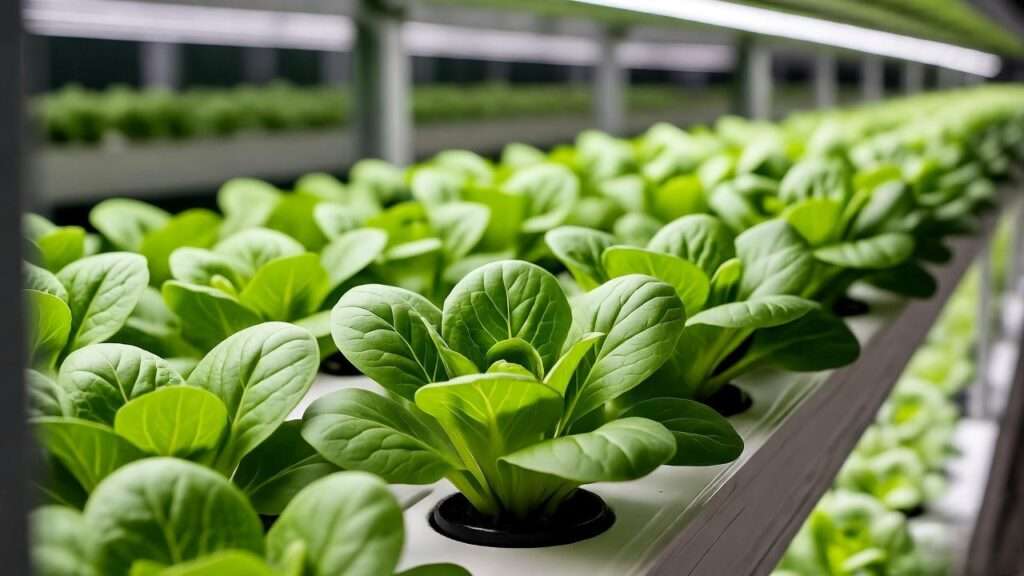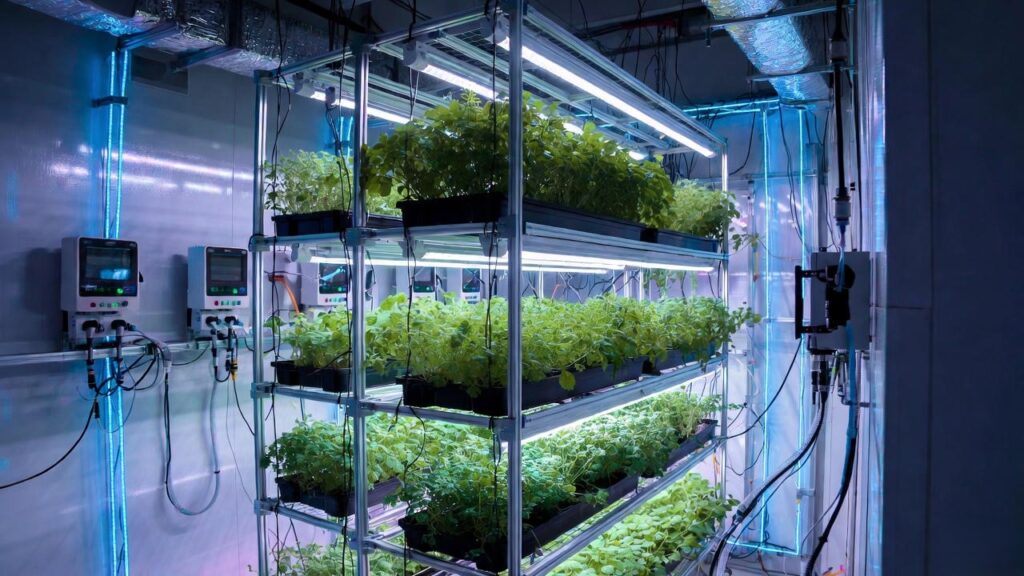
Imagine paying premium prices for wilted kinza herb at the grocery store during winter, only to watch it spoil quickly—or worse, relying on imports that rack up a massive carbon footprint while losing freshness in transit. For home cooks, chefs, and commercial growers alike, inconsistent supply and seasonal shortages of this vibrant, citrusy herb are a frustrating reality. But what if you could harvest bundles of aromatic, nutrient-packed kinza herb fresh from your own setup, 365 days a year, using a fraction of the water and space required by traditional methods?
Enter vertical farming—the game-changing approach that’s revolutionizing kinza herb cultivation. Kinza herb, regionally known as the fresh leaves of Coriandrum sativum (commonly called cilantro in the Americas or coriander leaves elsewhere), is a fast-growing annual prized in cuisines from Middle Eastern to Asian for its bright, lemony flavor. Rich in vitamins A, C, and K, plus antioxidants that support digestion and reduce inflammation, kinza thrives in controlled environments. Vertical farming innovations address the herb’s traditional pain points—like bolting in heat, pest vulnerability, and short shelf life—delivering consistent, pesticide-free yields that traditional outdoor or greenhouse methods simply can’t match.
In this comprehensive guide, we’ll explore how cutting-edge vertical farming techniques are enabling year-round kinza production with up to 95% less water, 10-20x higher yields per square foot, and superior flavor and nutrition. Whether you’re a small-scale urban grower or aiming for commercial scale, these advancements make reliable, sustainable kinza cultivation accessible and profitable.
What Is Kinza Herb and Why Is It Ideal for Vertical Farming?
Botanical Overview and Nutritional Profile
Kinza herb refers to the fresh, green leaves and stems of Coriandrum sativum, an annual plant in the Apiaceae family native to regions from the Middle East to Central Asia. Known regionally as “kinza” in Russian-speaking areas, Central Asia, and parts of the former Soviet Union, it’s the same plant called cilantro in North America or fresh coriander in many other places. The leaves deliver a distinctive fresh, citrus-like tang—loved by most but perceived as soapy by some due to genetic variations in taste receptors.
Nutritionally, kinza is a powerhouse: high in vitamin K for blood clotting and bone health, vitamin C for immunity, and vitamin A for vision. It contains potent antioxidants like quercetin and essential oils that aid digestion, reduce bloating, and exhibit anti-inflammatory properties. Studies highlight its potential in supporting blood sugar regulation and liver detoxification.
Challenges in Traditional Kinza Cultivation
Traditional soil-based growing limits kinza to cool seasons, as temperatures above 24°C (75°F) trigger bolting—premature flowering that turns leaves bitter and halts leafy growth. Pests like aphids, susceptibility to fungal diseases, and soil-borne issues further reduce yields. Post-harvest, kinza wilts quickly, with a shelf life of just days, leading to high waste in supply chains. Seasonal gaps drive up prices and force reliance on long-distance imports, increasing costs and environmental impact.
Why Kinza Thrives in Vertical Systems
Kinza’s compact size, rapid 28-45 day cycle from seed to harvest, and preference for moderate temperatures (18-24°C) and controlled humidity make it perfectly suited to vertical farming. In stacked, indoor systems, growers achieve multiple harvests annually—up to 10-20 cycles versus 1-2 outdoors—while optimizing space for dense planting. The result? Higher essential oil content for bolder flavor and nutrient density that often surpasses field-grown kinza.

Understanding Vertical Farming: Basics and Benefits for Herbs Like Kinza
What Is Vertical Farming?
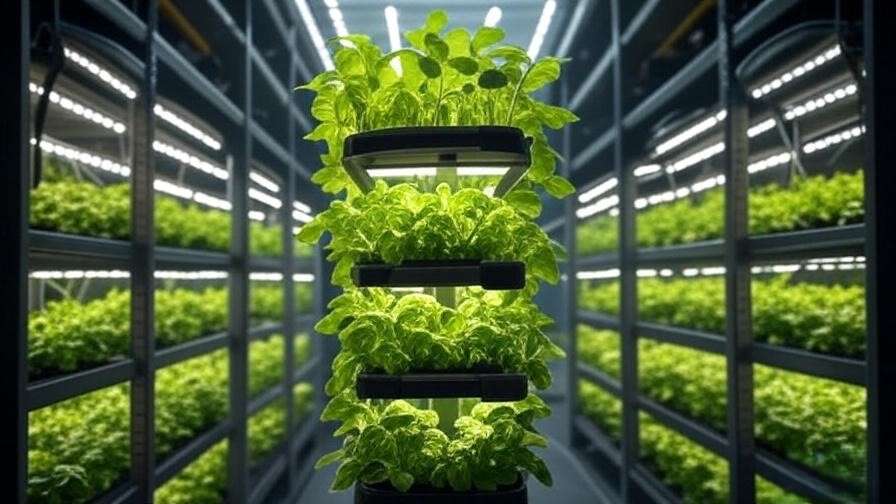
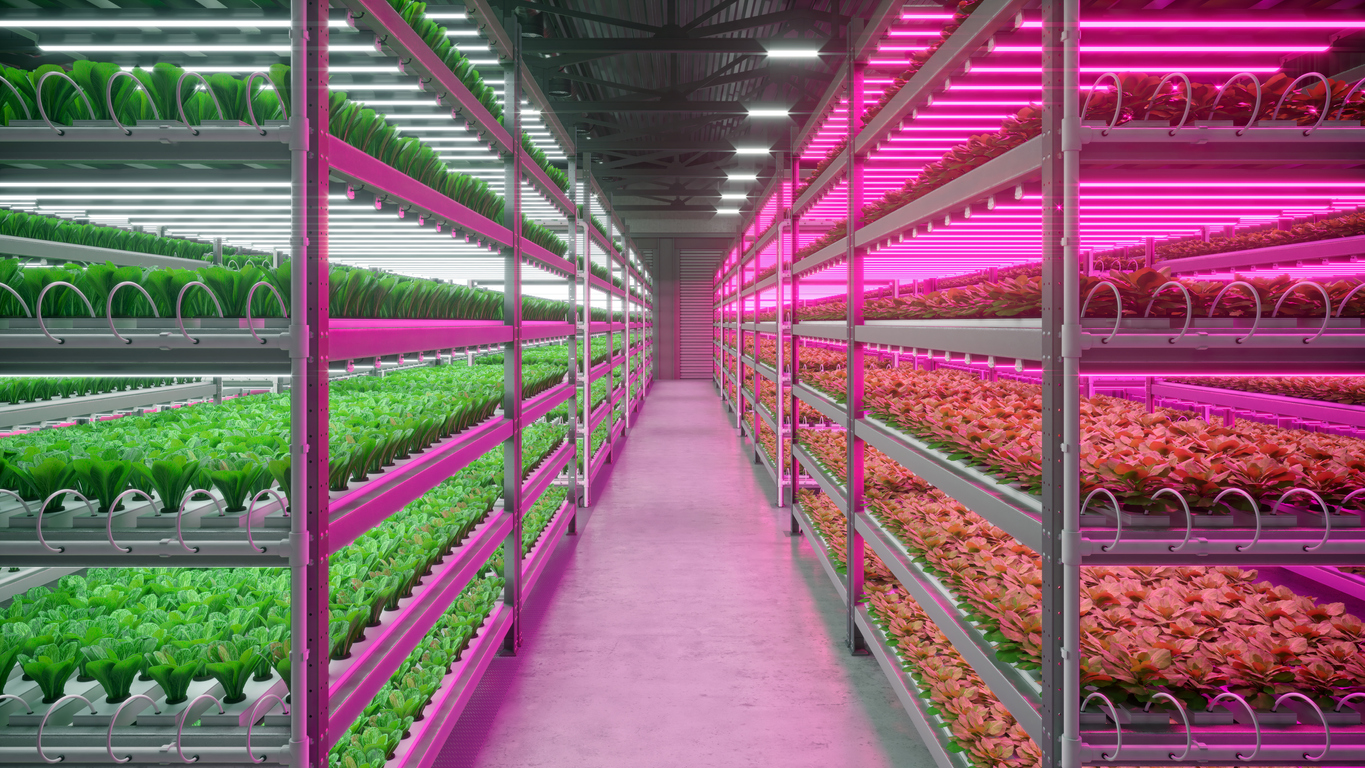
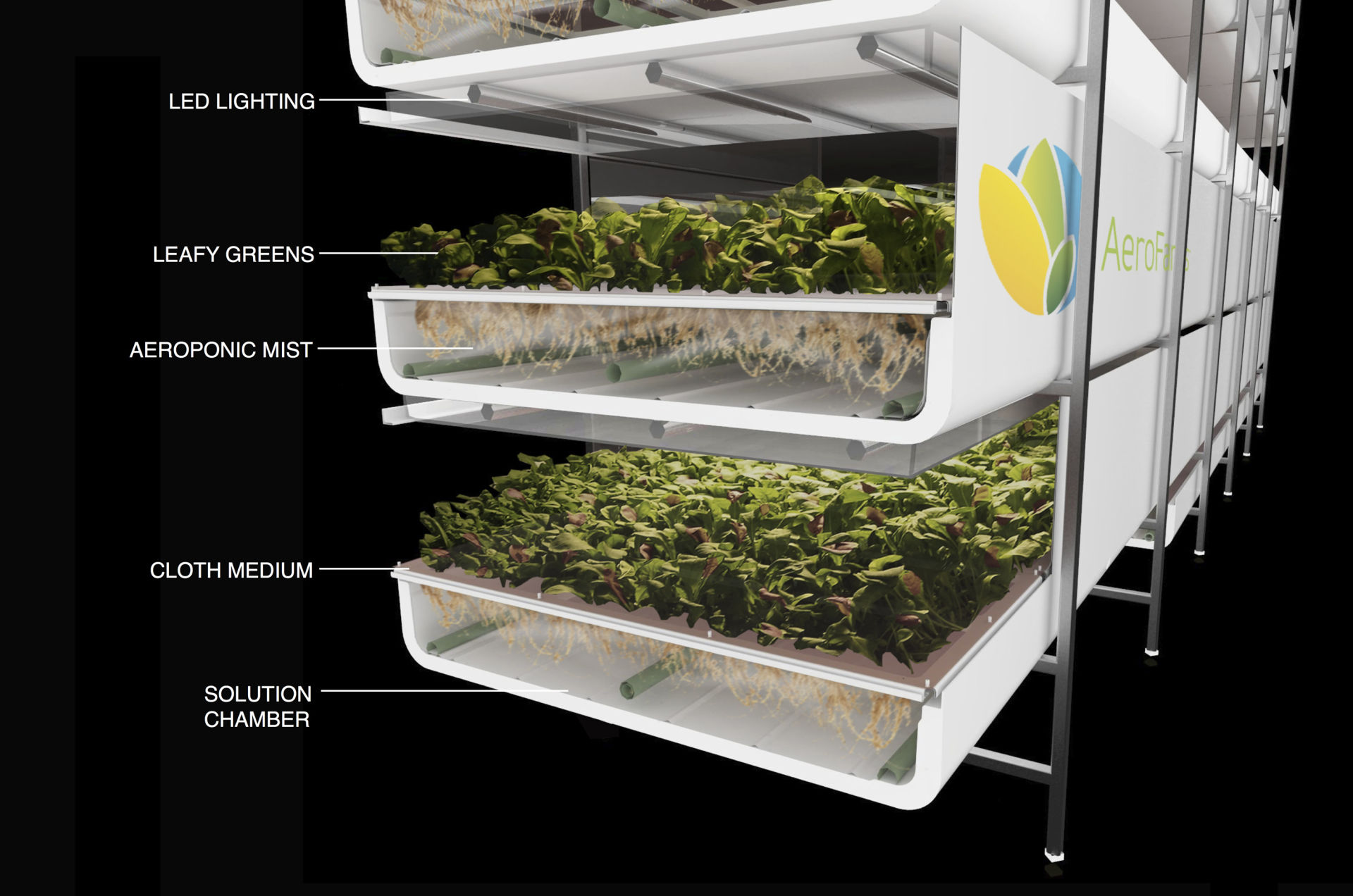
Vertical farming involves growing crops in vertically stacked layers within controlled-environment agriculture (CEA) facilities. Systems like hydroponics (nutrient-rich water), aeroponics (nutrient mist), or aquaponics (fish-integrated) replace soil, often in urban warehouses or purpose-built structures.
Compared to traditional farming or even greenhouses, vertical setups maximize output in minimal footprints using artificial lighting, precise climate control, and automation.
Core Advantages for Kinza Herb Production
- Year-Round Harvesting: Up to 20 cycles per year, eliminating seasonal shortages.
- Water Efficiency: 90-95% less usage through recirculation—critical for water-scarce regions.
- Pesticide-Free: Closed environments minimize pests, yielding cleaner kinza.
- Higher Yields: 10-20x more per area via dense stacking.
- Extended Shelf Life: On-site or local growth preserves freshness and nutrients.
Real-world data from leaders like AeroFarms shows leafy herbs grown in 16 days versus 30 outdoors, with zero pesticides.
Environmental and Economic Impacts
Vertical kinza farming slashes carbon emissions by reducing transport and land use. Economically, high-value herbs like kinza command premium prices, with ROI boosted by consistent supply and lower inputs. In urban settings, it supports local food security and reduces import dependency.

Top Vertical Farming Innovations Revolutionizing Kinza Herb Cultivation
LED Lighting Advancements
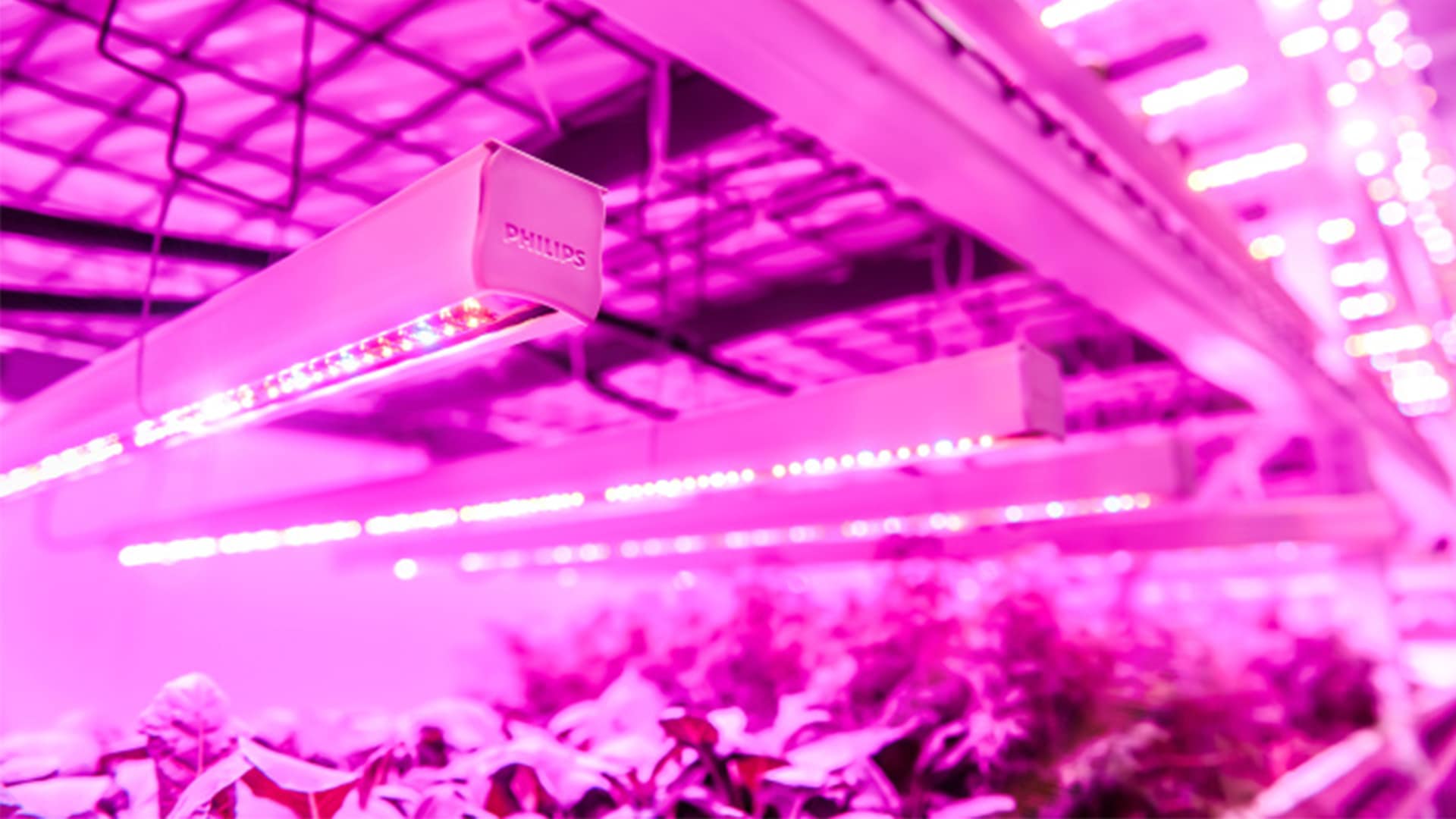
Modern full-spectrum LEDs tailor light recipes to kinza’s needs, using red/blue ratios to enhance photosynthesis, delay bolting, and boost essential oils for superior flavor. Energy-efficient LEDs reduce costs while providing 12-16 hours of optimal light daily. Recent studies (e.g., 2024 research on cilantro light spectra) show customized combinations increase pigments, phenolics, and minerals.
Hydroponic and Aeroponic Systems
Nutrient Film Technique (NFT) delivers continuous nutrient flow, ideal for kinza’s shallow roots. Aeroponics mists roots for superior oxygenation and 30-50% faster growth. These soilless methods prevent soil diseases common in traditional kinza growing.
AI and Automation Integration
Sensors monitor pH (ideal 5.8-6.5), EC, CO2, and humidity in real-time. Automated dosing and robots handle seeding/harvesting, with predictive AI optimizing “recipes” for kinza-specific yields.
Climate Control and Environmental Optimization
Precise 18-24°C temperatures, 60-70% humidity, and airflow prevent bolting. CO2 enrichment accelerates growth by 20-30%.
Emerging Tech: IoT, Machine Learning, and Robotics
IoT networks and ML analyze data for proactive adjustments. Robotic arms enable large-scale efficiency.
Sustainable Innovations
Renewable energy-powered systems and recirculating water make kinza production nearly zero-waste.
Step-by-Step Guide: Setting Up Vertical Farming for Kinza Herb
Ready to bring reliable kinza production into your own space? Whether you’re starting small at home or scaling commercially, vertical farming systems are modular and adaptable. Here’s a practical, expert-backed guide to get you harvesting fresh kinza year-round.
Choosing the Right System
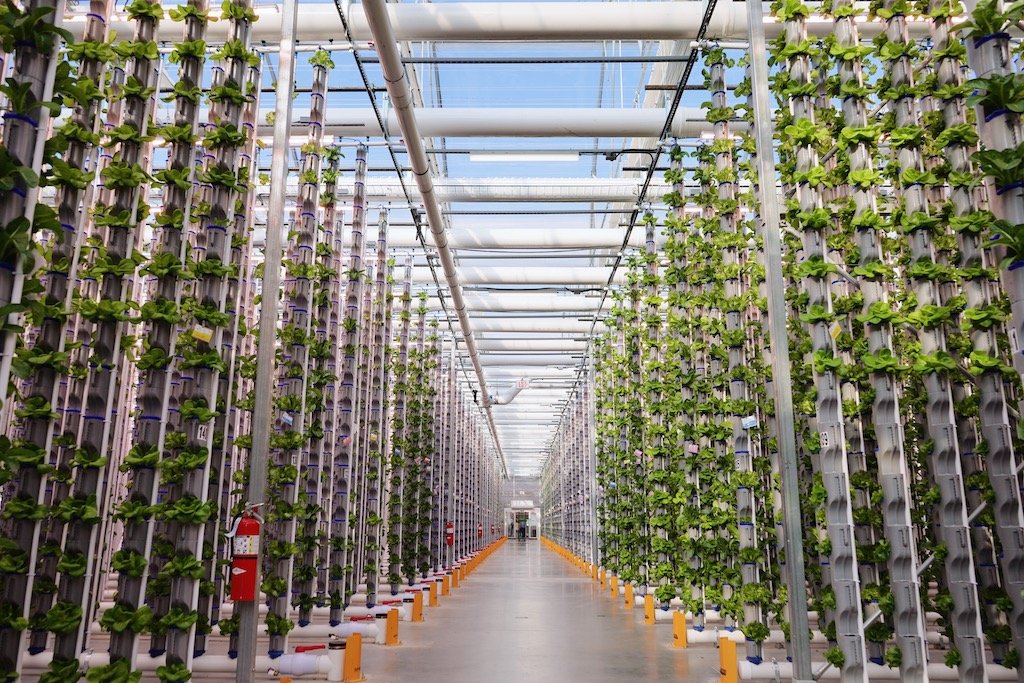
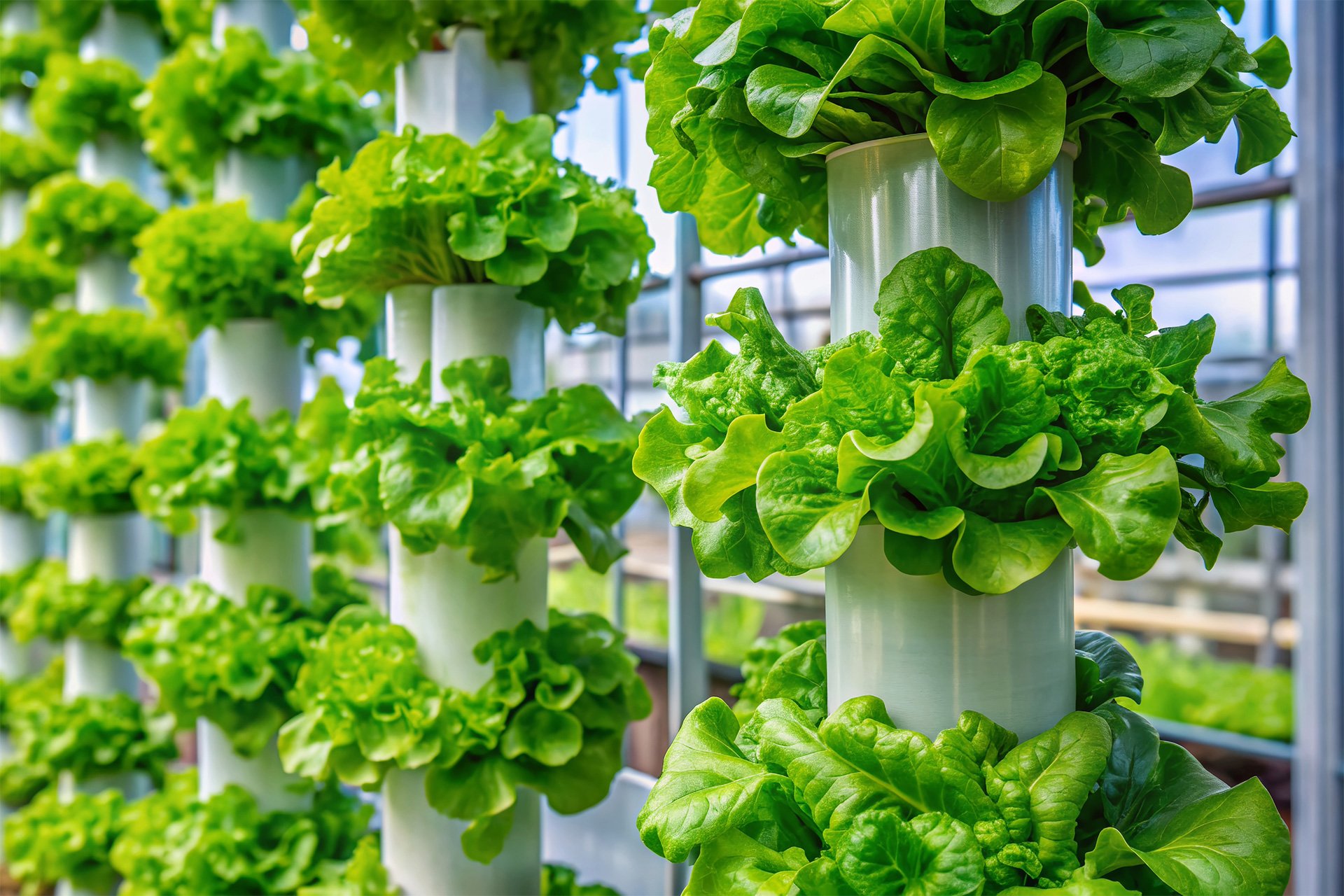
- Home/Small-Scale: Opt for hydroponic towers (e.g., modular stackable units like Tower Garden or ZipGrow) or wall-mounted NFT channels. These fit in apartments, balconies, or garages, producing 50-200 plants per tower.
- Commercial Scale: Multi-tier rack systems with rolling benches or A-frame designs from companies like Plenty or Eden Green maximize floor space.
- Key considerations: Budget, available space, energy access, and automation level. Start simple—many growers begin with a single tower costing $300-800.
Seed Selection and Propagation
Choose slow-bolting varieties for indoor success: ‘Calypso’ (very slow to bolt), ‘Cruiser’ (compact, high-yield), or ‘Santo’ (standard but reliable). Avoid fast-bolting types like common supermarket seeds.
- Sow densely in rockwool cubes or coco coir plugs.
- Germinate under domes at 20-25°C with bottom heat if needed—germination in 7-14 days.
- Transplant seedlings at 2-3 true leaves into your system.
Optimal Growing Parameters
- Lighting: 12-16 hours daily with full-spectrum LEDs (PPFD 200-400 µmol/m²/s). Red-heavy spectra enhance flavor compounds.
- Nutrients: Use a leafy greens hydroponic formula (e.g., high nitrogen: N-P-K around 3-1-4). EC 1.2-1.8 mS/cm.
- pH: Maintain 5.8-6.5 for best uptake.
- Temperature: Day 20-24°C, night 18-20°C.
- Humidity: 60-70% to prevent tip burn.
- CO2: Ambient (400 ppm) is fine; enrichment to 800-1200 ppm boosts growth 20-30%.
Scaling from Home to Commercial
Home setups often yield 5-10 kg annually per tower. Commercial farms report 200-500 kg/m²/year. ROI typically 2-4 years, driven by premium pricing for local, fresh kinza ($20-40/kg wholesale).
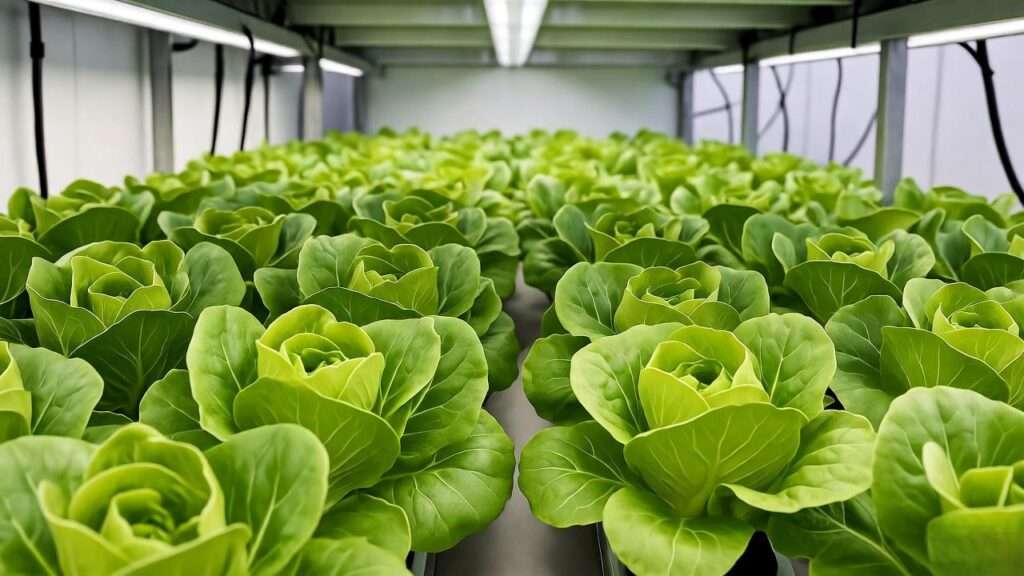
![VIDEO] Vertical Farming, LEDs and the Flavor of Leafy Greens](http://www.valoya.com/wp-content/uploads/2018/02/GROWx-Vertical-Farm-Valoya-LED-Grow-Lights-1024x683.jpg)
Planting, Maintenance, and Harvesting Tips
- Spacing: 4-6 inches between plants for airflow and bushy growth.
- Maintenance: Monitor daily; prune lower leaves to encourage upward growth. Flush systems weekly to prevent salt buildup.
- Harvesting: Cut-and-come-again method—harvest outer leaves at 4-6 inches, leaving the center to regrow. Multiple cuts per plant extend cycles.
- Pest/Disease Prevention: Introduce beneficial insects early; use UV sterilizers in water loops.
For lush, dense kinza, top-dress with calcium if tip burn appears.

Real-World Case Studies and Success Stories
Leading vertical farms demonstrate kinza’s profitability:
- Eden Green Technology (USA): Their flagship herb program features dense cilantro/kinza production in greenhouse-vertical hybrids. Yields exceed 10x traditional, with consistent flavor profiles supplying major retailers.
- AeroFarms (Newark, NJ): Pioneers in aeroponics grow baby leafy greens including cilantro variants at scale, achieving 390x more yield per square foot than field farming while using 95% less water.
- European Examples: Finnish vertical farm Robbe’s Little Garden produces commercial-scale herbs, including kinza equivalents, for local markets with zero pesticides.
- Grower testimonials highlight market advantages: “Vertical kinza sells out instantly—customers love the intense aroma and longer freshness,” reports one urban farmer.
These operations prove scalability and superior quality.
Potential Challenges and Expert Solutions
No system is perfect—here’s how to overcome common hurdles:
- High Initial Costs: Modular kits reduce entry barriers; lease equipment or start small.
- Energy Use: Modern LEDs cut consumption 50-70%; integrate solar or off-peak grids.
- Disease Risks: Closed systems amplify issues if unmanaged—use IPM (integrated pest management), beneficial microbes, and strict sanitation.
- Flavor Variability: Fine-tune light recipes; studies show far-red light increases essential oils in kinza.
With monitoring, most challenges become manageable.
Expert Tips for Maximizing Kinza Yields in Vertical Farms
- Select slow-bolting varieties and harvest frequently to delay flowering.
- Companion plant with basil or mint in shared systems for natural pest deterrence.
- Post-harvest: Cool immediately to 4°C and mist for extended shelf life.
- Explore value-added: Dry excess for spices or extract oils—vertical consistency enables premium products.
Future Trends in Vertical Farming for Herbs
Looking ahead to 2025-2030:
- CRISPR-edited kinza varieties optimized for indoor traits (e.g., compact growth, enhanced antioxidants).
- Deeper urban integration: Rooftop and building-integrated farms.
- AI-driven “flavor farming”—tailoring compounds for specific cuisines or health benefits.
Vertical farming is set to make kinza more accessible and sustainable globally.
FAQs
What is the yield difference between vertical and traditional kinza farming? Vertical systems deliver 10-20x higher yields per area, with 15-30 harvests/year vs. 1-3 outdoors.
Can beginners succeed with vertical kinza cultivation? Absolutely—user-friendly towers make it accessible; start small and learn parameters gradually.
Is vertical-grown kinza more nutritious? Often yes—controlled conditions boost vitamins and antioxidants by 20-50% in studies on leafy greens.
How much water does vertical kinza farming save? 90-95% less than soil farming through recirculation.
Best varieties for vertical systems? Calypso, Cruiser, Confetti (fine-leaf for garnish).
Cost to start a small vertical kinza setup? $500-2,000 for a home tower yielding weekly harvests.
Conclusion
Vertical farming innovations are truly revolutionizing kinza herb cultivation, turning seasonal limitations into year-round abundance. From advanced LEDs and aeroponics to AI optimization, these technologies deliver fresher, more flavorful, and sustainable kinza while slashing resource use and environmental impact.
Whether for home enjoyment, local sales, or commercial ventures, embracing vertical methods ensures consistent supply of this beloved herb. Start exploring systems today—your next fresh bundle of aromatic kinza could be growing indoors tomorrow.