You decide to raise your own meat chickens this year. Cornish Cross broilers seem like the obvious choice—they grow fast, pack on meat quickly, and promise a freezer full of birds in just 8 weeks. But then the feed bags start piling up faster than you expected, the processing weight doesn’t quite match the numbers you saw online, and when you try to figure out your true cost per pound and what to charge friends or neighbors, the math starts to feel uncomfortable. Meat chicken economics can be surprisingly unforgiving for beginners, and in 2025—with feed prices still fluctuating, labor and fuel costs creeping higher, and processing fees not getting any cheaper—many homesteaders and small growers quietly lose money on every bird they raise. I’ve been there. Over the past 15 years I’ve raised thousands of Cornish Cross and other broilers on my own homestead and helped dozens of families crunch the numbers through extension workshops and small-farm consultations. I’ve tracked every bag of feed, weighed every carcass, sold birds at farmers’ markets and to neighbors, and learned exactly where the money leaks out and how to plug those leaks so the project actually pays.
This guide is written for anyone planning to raise meat chickens in 2025 who wants a clear, realistic picture of the economics before committing time, money, and space. We’ll break down feed bag costs (how many bags per bird, current prices), processing weight expectations (live vs dressed, what to expect from Cornish Cross), pricing strategies that actually cover costs and turn a profit, and full cost-per-pound calculations so you can see if it’s worth it for your operation. Whether you’re raising 10 birds for family use or 100+ for small-scale sales, this article gives you the honest, up-to-date numbers and strategies to avoid losing money and maximize returns in today’s market.
The Real Cost Breakdown: Feed Bags, Chicks, Bedding, and Hidden Expenses
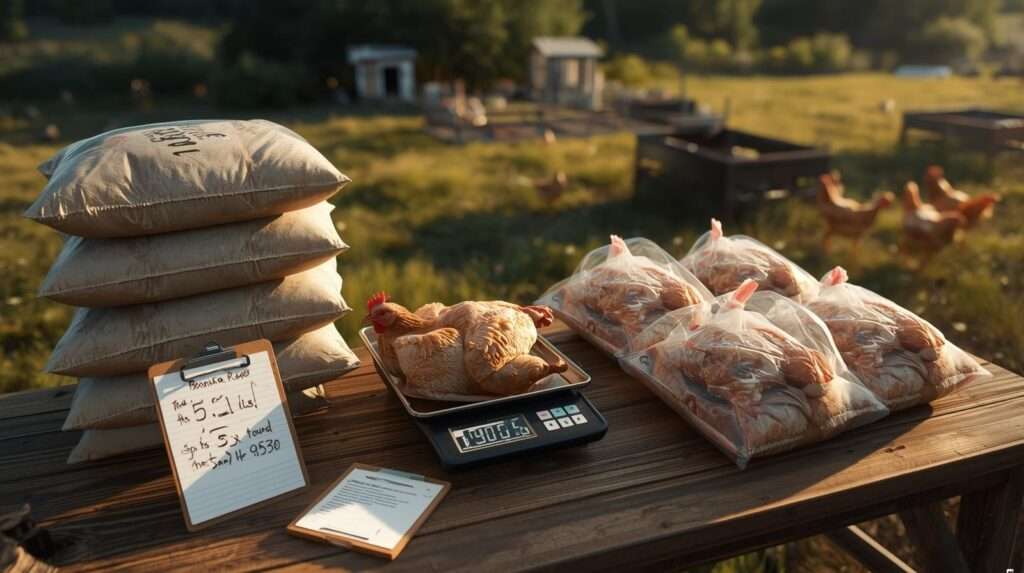
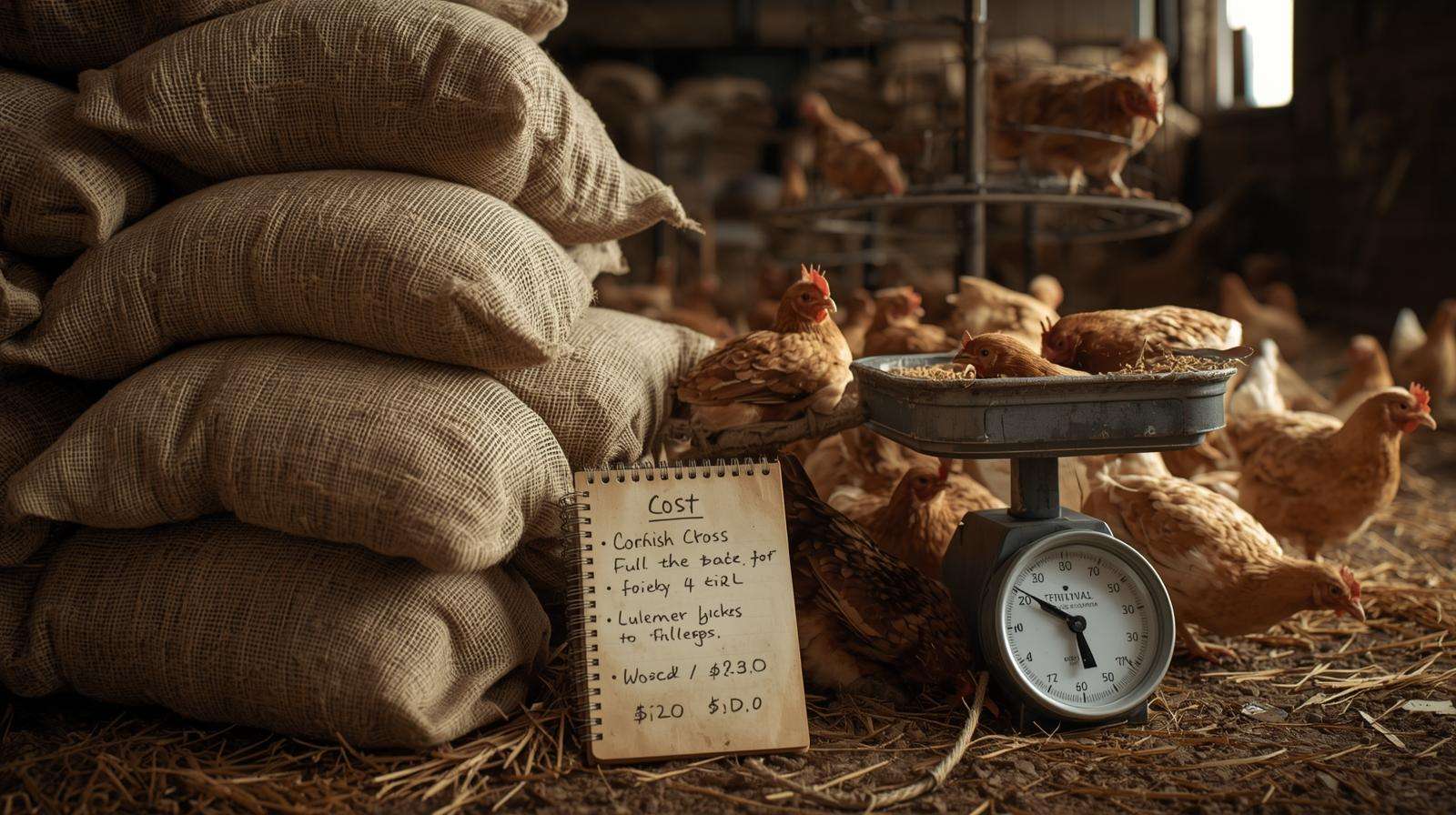
Feed is almost always the largest single expense in meat chicken economics, and it’s where most people get surprised. Cornish Cross are bred to convert feed to meat very efficiently, but that efficiency still means a lot of feed goes through them in a short time.
A typical Cornish Cross broiler will eat 12–15 pounds of feed from day-old chick to processing weight at 8 weeks. In 2025, a 50-pound bag of non-organic broiler grower/finisher feed costs $15–$22 depending on region and brand; organic or non-GMO bags run $25–$35. That means one bag feeds roughly 3–4 birds to finish weight. Feed cost per bird usually lands between $4–$8 for conventional and $7–$12 for organic. Those numbers climb fast when you scale up to 50 or 100 birds.
Beyond feed, startup costs add up quickly. Day-old Cornish Cross chicks cost $2–$4 each (straight-run, unsexed). Bedding—pine shavings or similar—runs $8–$12 per bale, and one bale covers about 50 chicks for the brooder phase. Heat lamps or brooders can be a one-time $50–$150 investment, and basic waterers/feeders add another $20–$50. Utilities (electricity for heat, water) and miscellaneous supplies (electrolytes, vitamins) usually add $1–$3 per bird.
There are hidden costs too. Mortality rates of 5–10% mean you lose a few birds (and their feed). Waste from spilled feed or dirty waterers adds up. Time spent cleaning and managing the flock isn’t free either—factor in your labor at a realistic rate if this is a business.
Expert Insight: University of Maryland Extension reports that feed represents 60–70% of total broiler production costs in small flocks, with chicks and bedding making up most of the rest.
Tip: Simple Feed Cost Calculator Multiply birds by average 13 lbs feed per bird, then divide by 50 lb bag size to get bags needed. Add 10% buffer for waste and spillage. Multiply bags by current price per bag to get total feed cost, then divide by birds for per-bird feed cost.
Processing Weight: What to Expect from Cornish Cross in 2025
Cornish Cross are famous for rapid growth and high dress-out percentage, but actual weights vary depending on feed quality, management, temperature, and how you process.
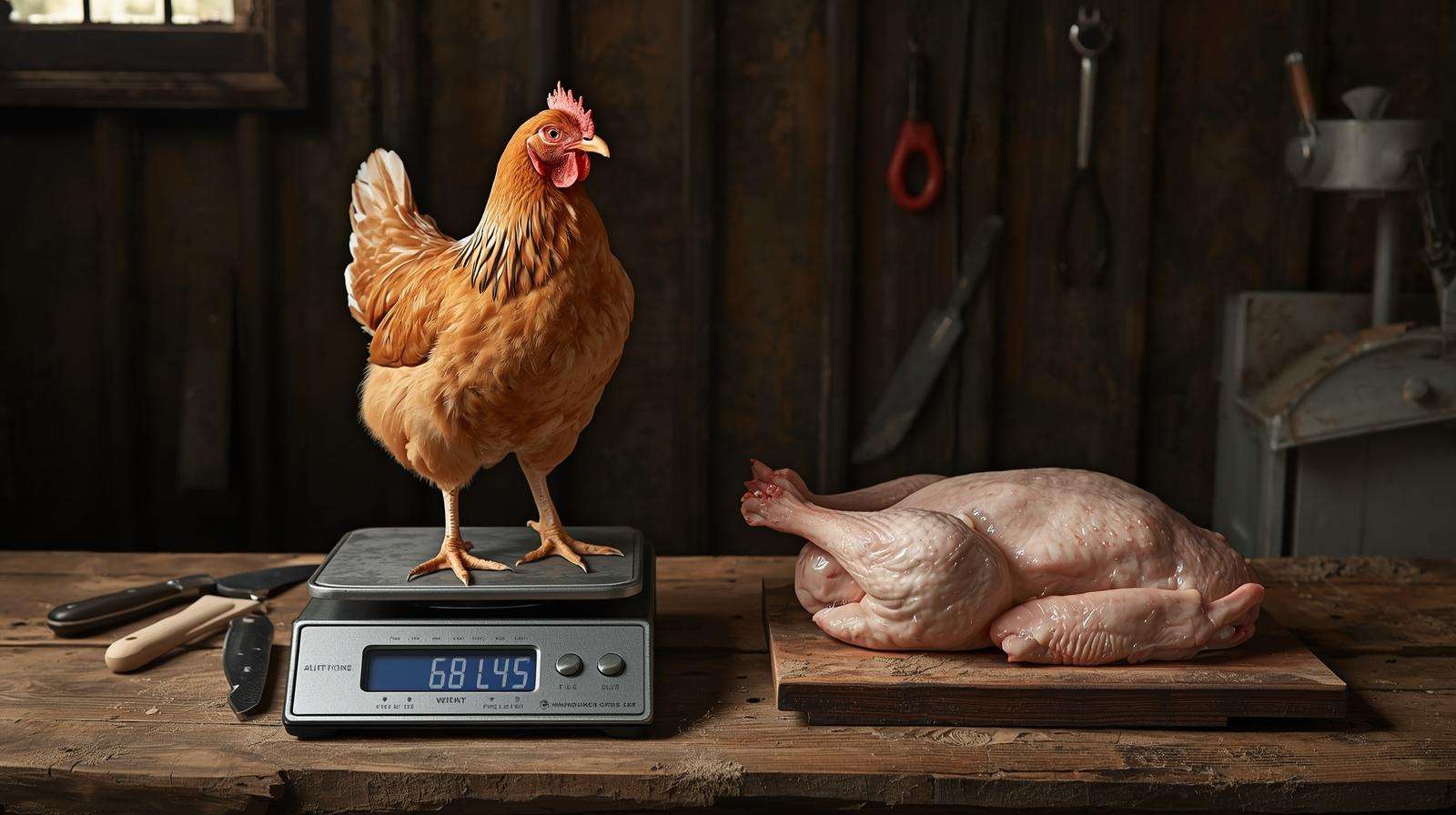
Most growers target live weights of 5.5–8 pounds at 8 weeks, with an average of 6.5–7 pounds under good conditions. Dress-out percentage (after bleeding, plucking, and eviscerating) typically runs 70–75%, giving dressed (ready-to-roast) weights of 4–6 pounds per bird. Birds fed higher-protein feed and kept in optimal conditions (not too hot, not overcrowded) hit the upper end; stressed or poorly fed birds finish lighter.
Temperature plays a big role. Heat stress above 85°F reduces gains; cold slows growth below 60°F. Overcrowding lowers final weight and increases mortality. Processing method can affect final weight slightly—hand-plucking vs machine.
Expert Insight: Penn State Extension data shows well-managed Cornish Cross average 6.8 lbs live at 56 days, dressing out to ~5 lbs ready-to-cook.
Tip: Processing Weight Tracking Weigh a sample of 5–10 birds weekly after week 4. If below target, adjust feed or extend to 9 weeks (but watch for excessive fat)
Feed Efficiency & Cost-Saving Strategies
Cornish Cross have one of the best feed conversion ratios (FCR) in the poultry world—typically 1.8–2.2 pounds of feed needed to gain 1 pound of body weight—but small improvements in efficiency can mean the difference between breaking even and actually making a profit. The key is managing what goes into the birds and how they use it.
Free-choice feeding works well, but avoid overfilling feeders to cut waste—spilled feed is money on the ground. Clean, fresh water is non-negotiable; birds drink more than they eat, and dirty waterers reduce intake and growth. Heat stress is a silent killer of gains—above 85°F, birds eat less and convert feed poorly, so provide shade, ventilation, and cool water during hot spells. Feed quality matters too—start with 20–23% protein crumble for the first 3 weeks, then switch to 18–20% grower/finisher pellet or crumble. Skimping on protein early slows growth; too much later adds fat instead of meat.
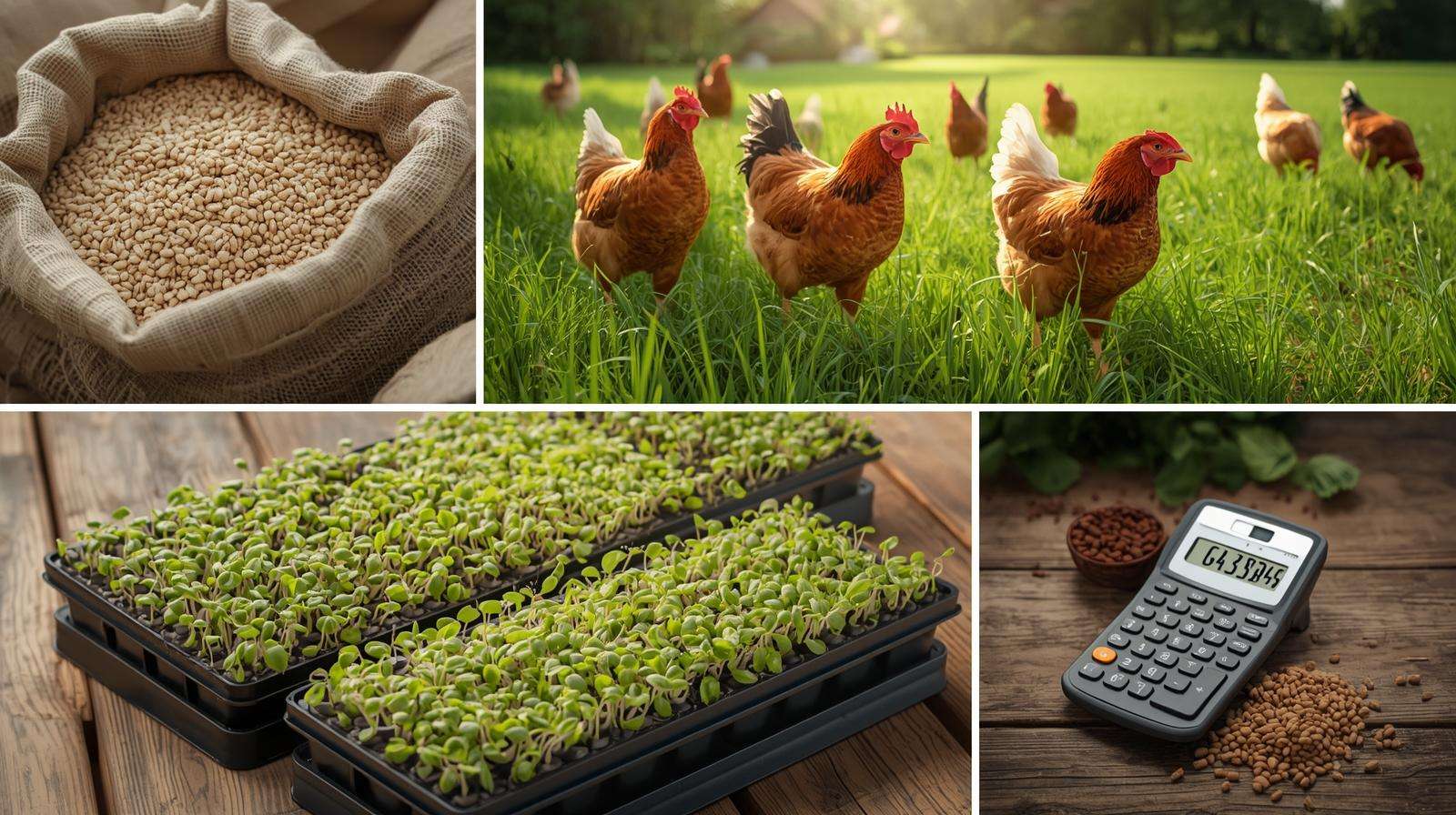
To reduce feed costs without hurting performance, buy in bulk whenever possible—50-lb bags or even ton lots from local mills or co-ops often drop price per pound significantly. Supplement with pasture or garden scraps (kitchen vegetables, weeds, grass clippings), but limit to 10% of diet to avoid nutritional imbalance. Growing fodder or barley sprouts in trays is another low-cost protein boost—many growers report 10–20% feed savings with this method. Pasture access also improves meat flavor and bird health, which can justify higher pricing.
Expert Insight: ATTRA (Sustainable Agriculture Research and Education) studies show that controlled pasture supplementation can reduce feed costs 10–20% in broilers without sacrificing growth rate or carcass quality.
Tip: Feed Savings Checklist
- Buying feed in bulk or from a co-op?
- Providing pasture or fodder supplement?
- Keeping feeders clean and filled only to demand?
- Monitoring for heat stress and adjusting ventilation/shade? If you can check three or more, you’re likely saving meaningfully on feed.
Processing Economics: DIY vs Professional
Processing is the second-largest cost after feed, and how you handle it can swing your bottom line dramatically.
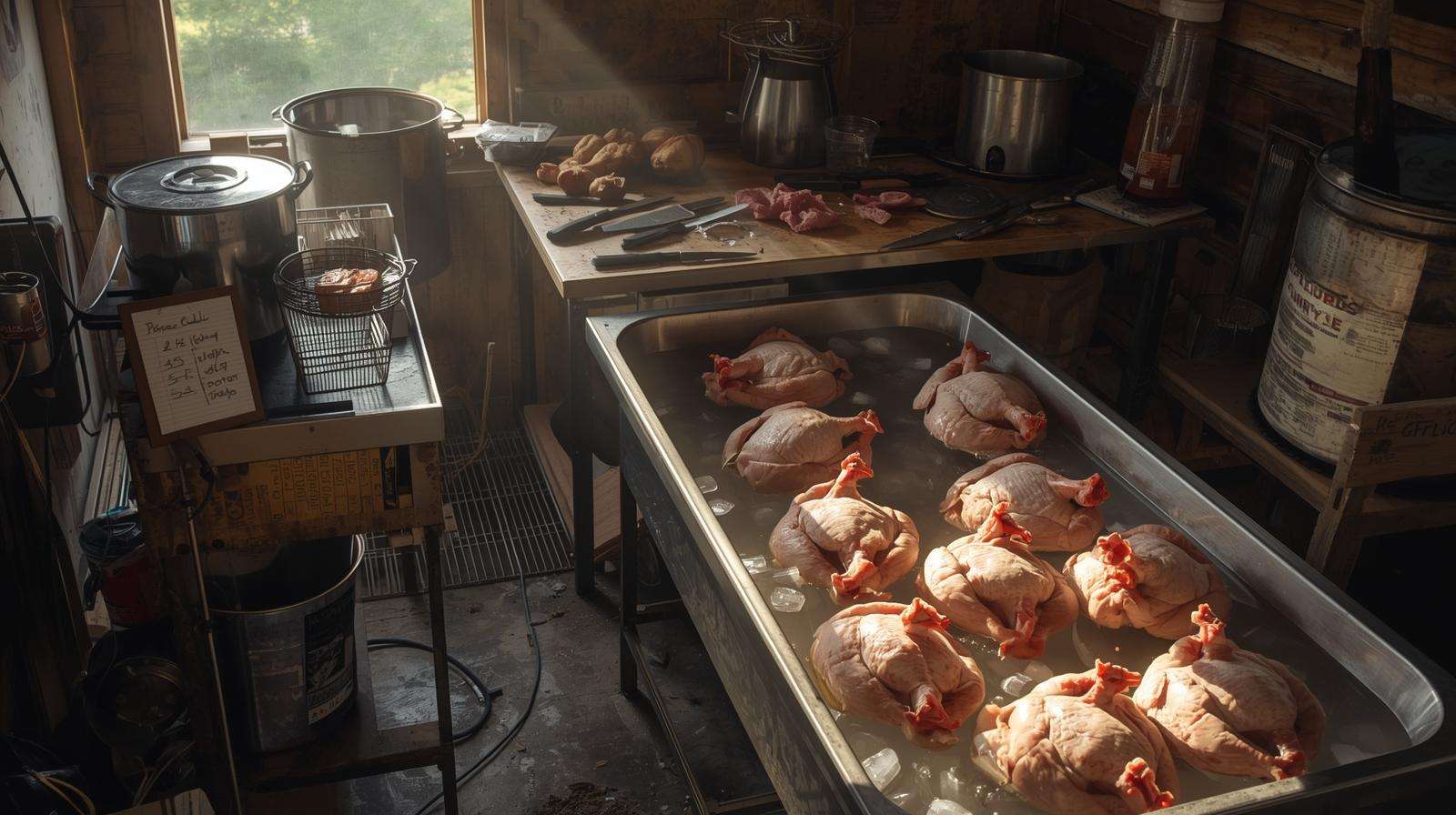
DIY processing requires equipment: a scalder, plucker, tables, knives, and chilling setup—total investment $300–$1,000 one-time for a small setup. Time per bird is 5–10 minutes once you’re practiced, and per-bird cost drops to $1–$3 (utilities, bags, water). It’s labor-intensive but saves money and gives full control over cleanliness and presentation. Sanitation is critical—proper bleeding, scalding at 145–150°F, plucking, eviscerating, and chilling to below 40°F fast to prevent bacterial growth.
Professional processing (mobile units or USDA-inspected plants) costs $3–$6 per bird in 2025, depending on location and volume. Advantages are speed, consistency, legal sale ability (for resale), and no equipment/mess at home. Downsides are scheduling, transport, and higher cost per bird. For small flocks (under 50 birds), DIY usually wins on price; for larger or resale-focused operations, professional is often worth it.
Case Study: A Southern grower with 50 birds saved $2–$4 per bird by learning DIY processing—total savings $100–$200 per batch after equipment payback in 2 seasons.
Expert Insight: University of Maryland Extension notes that DIY processing saves $2–$4 per bird for small flocks but requires skill, proper equipment, and strict sanitation to meet food safety standards.
Tip: Processing Cost Comparison 50 birds DIY: $50–$150 total (plus equipment). Professional: $150–$300 total. Factor in your time value—if you value labor at $20/hour, DIY may not save as much.
Profitability Scenarios for 2025
Profitability depends on scale, costs, and pricing. Here are realistic scenarios based on 2025 estimates.
Small Backyard (20–50 birds) Total costs: $300–$1,000 (feed dominant). Revenue at $7/lb whole bird (5 lb average dressed): $700–$1,750. Profit: $400–$750 after costs (break-even around $4/lb non-organic). Many backyard growers aim for break-even or modest profit while enjoying home-raised meat.
Medium-Scale (100–200 birds) Economies of scale kick in on feed (bulk discounts) and processing (professional fees drop per bird). Costs per bird drop to $8–$15. Revenue at $7/lb: $3,500–$7,000. Profit: $1,000–$3,000 (25–40% margin possible at $6–$8/lb).
Scaling Factors Feed price volatility (watch corn/soy markets). Labor (your time or hired help). Sales method (direct highest margin, wholesale lowest). Organic/pasture-raised premiums add $2–$4/lb but raise costs.
Expert Insight: USDA small-farm reports for 2025 project stable feed prices but emphasize direct sales and cost control as keys to profitability for small growers.
Tip: Profit Calculator Birds × dressed lbs × price/lb – total costs = profit. Run multiple scenarios (e.g., $6/lb vs $8/lb, 50 vs 100 birds).
Expert Insights and Real Grower Stories
Research Perspective Penn State Extension confirms Cornish Cross remain the most efficient meat birds in 2025 for growth rate and feed conversion.
Extension Advice University of Maryland: “Direct sales at $6+/lb are key to profitability for small-scale broiler growers—focus on local markets and pasture-raised premiums.”
Real Stories
- Midwest success: A family raised 50 birds, sold at $7/lb whole, cleared $800 profit after feed and processing.
- Southern adaptation: Pasture supplementation cut feed costs 15%, boosted flavor, allowed $9/lb pricing.
- Lesson learned: A new grower underpriced at $4/lb — lost money; next batch raised to $7/lb, turned profitable.
2026 Trends Pasture-raised and organic premiums continue to rise, mobile processing units become more common per USDA reports.
Conclusion
Meat chicken economics in 2025 can work if you control feed costs, hit processing weights, and price realistically. Cornish Cross are efficient, but profitability comes from smart management and direct sales. Run your numbers carefully—calculate feed bags, expected weights, and pricing—and you’ll know whether meat chickens fit your homestead goals and budget.
Start small if new—raise 10–20 birds, track everything, then scale once you’ve dialed in costs and sales. The satisfaction of home-raised meat, plus potential profit, makes it worthwhile when done right.
Share in comments: Raising meat birds? What’s your cost/lb? Any tips for 2025?
Final Tip Track every bag and bird—accurate records turn losses into profits.
Frequently Asked Questions (FAQs)
How much feed per Cornish Cross bird? 12–15 lbs total from day-old to processing.
Average dressed weight? 4–6 lbs (70–75% dress-out from 5.5–8 lb live).
Profitable price per lb? $6–$8 for small-scale non-organic; $8–$12 for organic/pasture-raised.
Best feed for broilers? 20–23% protein starter (weeks 1–3), 18–20% grower/finisher after.
DIY or professional processing? DIY saves money for small flocks; professional better for larger or resale.
Can I make profit on 20 birds? Yes, $200–$500 at $7/lb after costs.
How long to raise Cornish Cross? 6–9 weeks (8 weeks average for 5–6 lb dressed).
What’s FCR for Cornish Cross? 1.8–2.2 lbs feed per lb gain (excellent efficiency).
Is organic profitable? Higher price ($8–$12/lb) but higher feed cost—viable with direct sales.
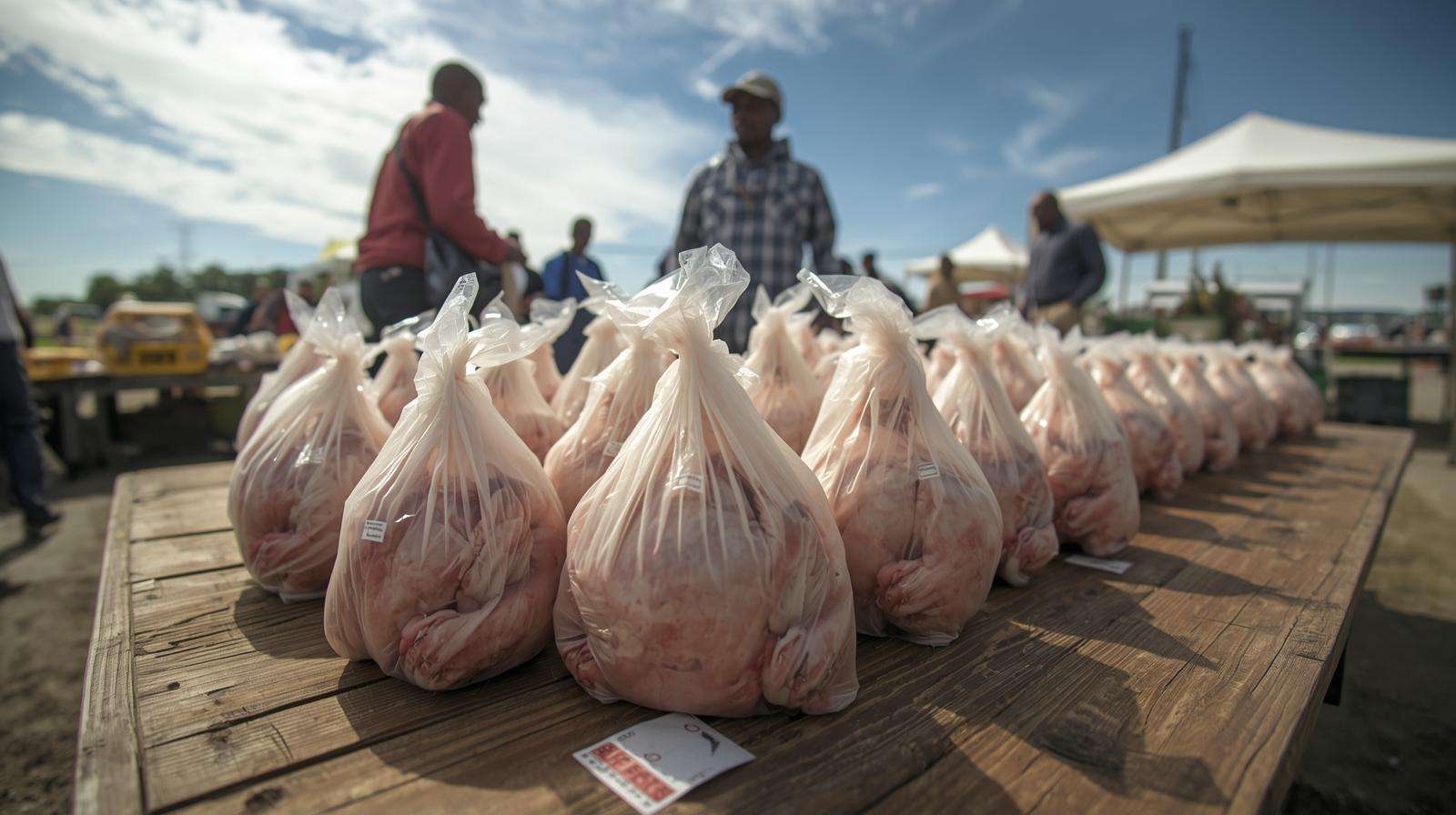
Best sales method? Direct to neighbors, farmers’ markets, or CSA shares for highest margin.