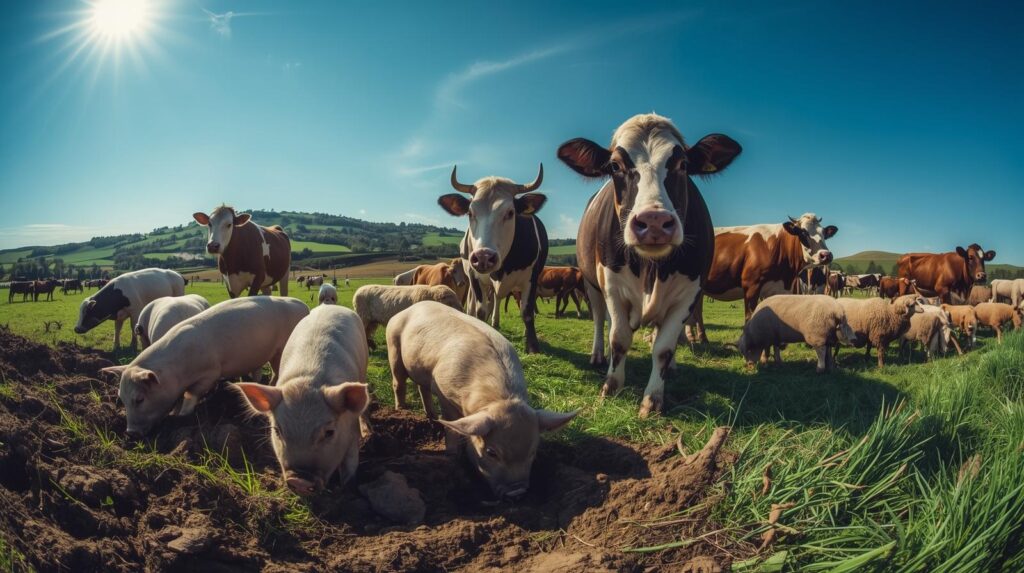
Imagine walking through your pasture and seeing pigs rooting through manure pats, cows grazing tall grasses evenly, and sheep selectively trimming weeds — all working the land more efficiently than any single species ever could. This is not a romantic farming myth. It’s a proven livestock strategy that, when managed correctly, can dramatically improve productivity, animal health, and land use efficiency.
Mixed herds with pigs, cows, and sheep are becoming increasingly popular among smallholders, regenerative farmers, and even commercial operations looking to lower costs, diversify income, and build resilient agricultural systems. Yet many farmers hesitate — and rightly so. Poor planning can lead to disease risks, nutritional conflicts, fencing failures, and stressed animals.
This comprehensive guide is written from a practical, field-tested agricultural perspective to help you decide whether a mixed herd system is right for your farm — and how to implement it successfully if it is. Whether you manage 5 acres or 500, this article will give you clear, actionable strategies based on animal science, pasture management principles, and real-world farming experience.
Understanding Mixed Herd Systems in Modern Agriculture
What Are Mixed Herds with Pigs, Cows, and Sheep?
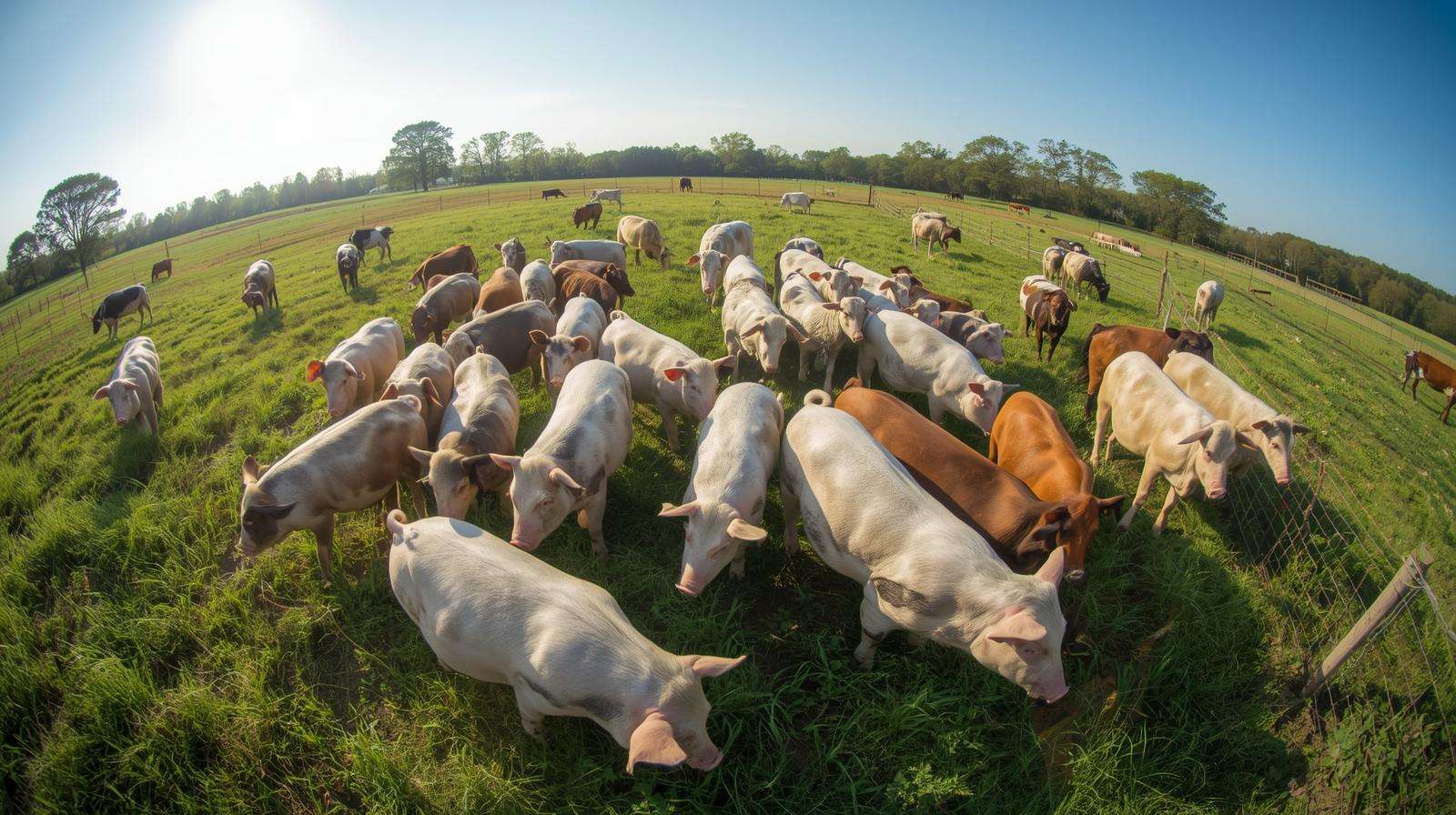
A mixed herd system involves raising multiple livestock species within the same farm ecosystem, either grazing together or rotating through the same land at different times. In the case of pigs, cows, and sheep, this typically includes:
-
Cattle as primary grazers of tall grasses
-
Sheep as selective grazers targeting weeds and shorter forage
-
Pigs as ground disturbers that consume leftovers, parasites, and crop residues
Mixed herding does not mean unmanaged cohabitation. Successful systems rely on controlled integration, species-appropriate infrastructure, and thoughtful nutrition and health protocols.
There are three common mixed herd models:
-
Co-grazing systems (species graze simultaneously)
-
Rotational mixed grazing (species rotate through paddocks)
-
Partial integration (shared land but separate housing and feeding)
Each model has advantages depending on farm size, labor availability, and management skill.
Historical and Regenerative Farming Perspectives
Long before industrial monoculture farming, mixed livestock systems were the norm. Traditional farms relied on species diversity to:
-
Improve soil fertility
-
Reduce pests naturally
-
Maximize limited land resources
Today, regenerative and holistic grazing movements have revived these practices — supported by modern research in soil biology, animal behavior, and pasture ecology. Mixed herds are now recognized as a powerful tool for:
-
Carbon sequestration
-
Reduced chemical inputs
-
Improved long-term farm resilience
Benefits of Raising Mixed Herds with Pigs, Cows, and Sheep
Improved Pasture Utilization and Weed Control
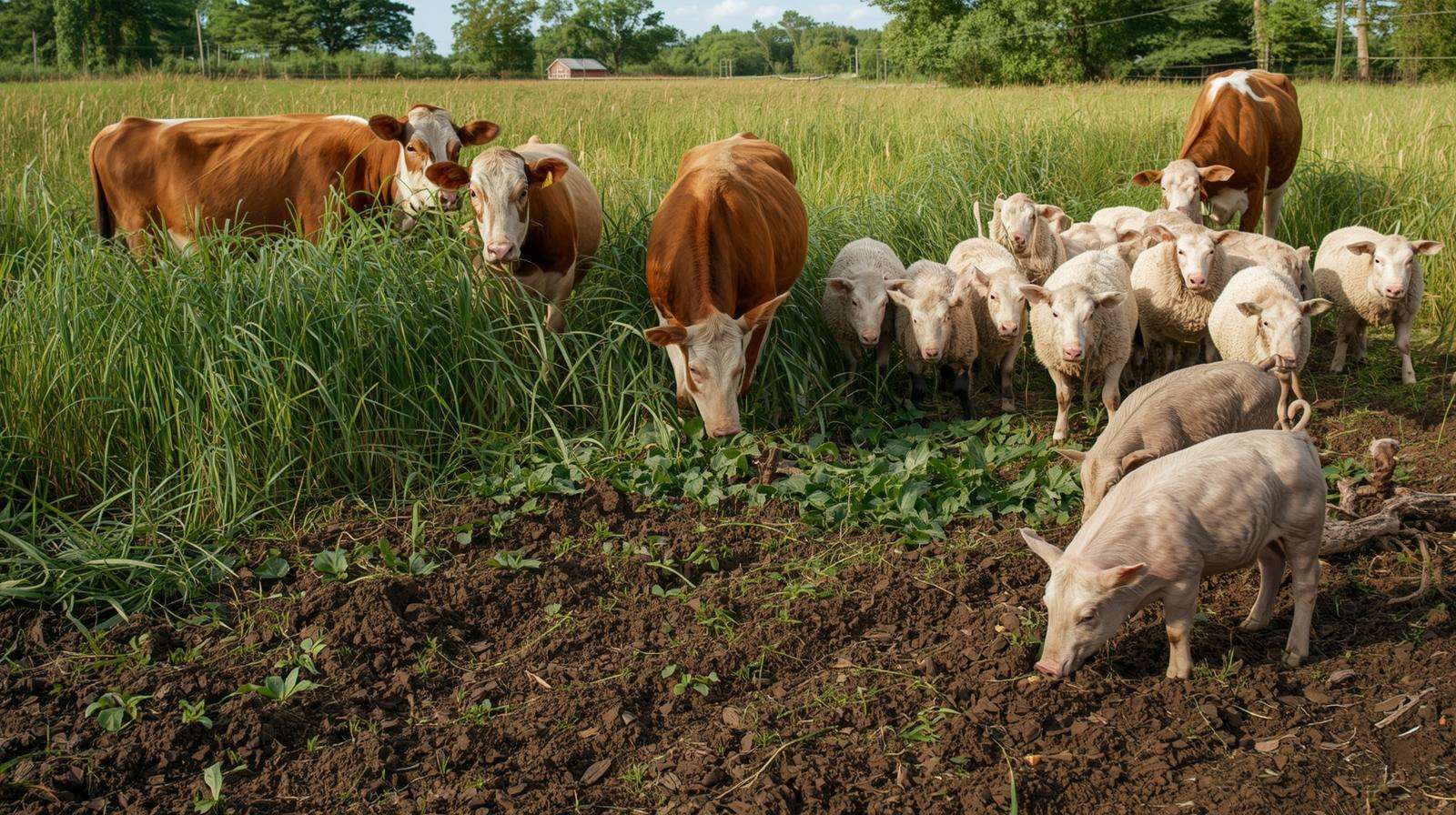
Different animals eat different plants — and at different heights.
-
Cows prefer tall grasses
-
Sheep selectively target forbs and weeds
-
Pigs consume roots, fallen grain, insects, and waste
This complementary grazing behavior results in:
-
More uniform pasture use
-
Reduced overgrazing
-
Less need for mechanical mowing or herbicides
In well-managed systems, pasture recovery improves significantly, allowing higher stocking efficiency without degrading land health.
Natural Parasite and Disease Cycle Reduction
One of the most overlooked benefits of mixed herds is parasite control.
Most internal parasites are species-specific. For example:
-
Sheep parasites do not thrive in cattle
-
Cattle parasites cannot complete their lifecycle in pigs
When animals rotate or co-graze:
-
Parasite larvae are consumed by non-host species
-
Infection pressure drops naturally
-
Dependence on chemical dewormers decreases
This is especially valuable for sheep producers struggling with anthelmintic resistance.
Economic Advantages for Farmers
From a financial standpoint, mixed herds offer multiple advantages:
-
Diversified income streams (meat, milk, breeding stock)
-
Better use of by-products and waste
-
Reduced feed costs through efficient grazing
If one market fluctuates (e.g., beef prices), income from pork or lamb can stabilize cash flow — a critical advantage for small and mid-scale farms.
Environmental and Soil Health Benefits
Mixed herds improve soil health through:
-
Enhanced nutrient cycling
-
Better manure distribution
-
Increased microbial activity
Pig rooting (when managed carefully) can incorporate organic matter into the soil, while ruminants stimulate plant regrowth. Over time, farms often see:
-
Higher organic matter levels
-
Improved water infiltration
-
Stronger drought resilience
Key Challenges of Managing Mixed Herds (And How to Overcome Them)
Disease Transmission Risks Between Species
While many diseases are species-specific, biosecurity mistakes can still cause problems.
Risks include:
-
Shared water sources becoming contaminated
-
Improper carcass disposal
-
Introducing new animals without quarantine
Solutions:
-
Separate water points where feasible
-
Strict quarantine protocols (minimum 21–30 days)
-
Regular veterinary consultation
A proactive health plan dramatically reduces risks.
Behavioral Conflicts and Stress Management
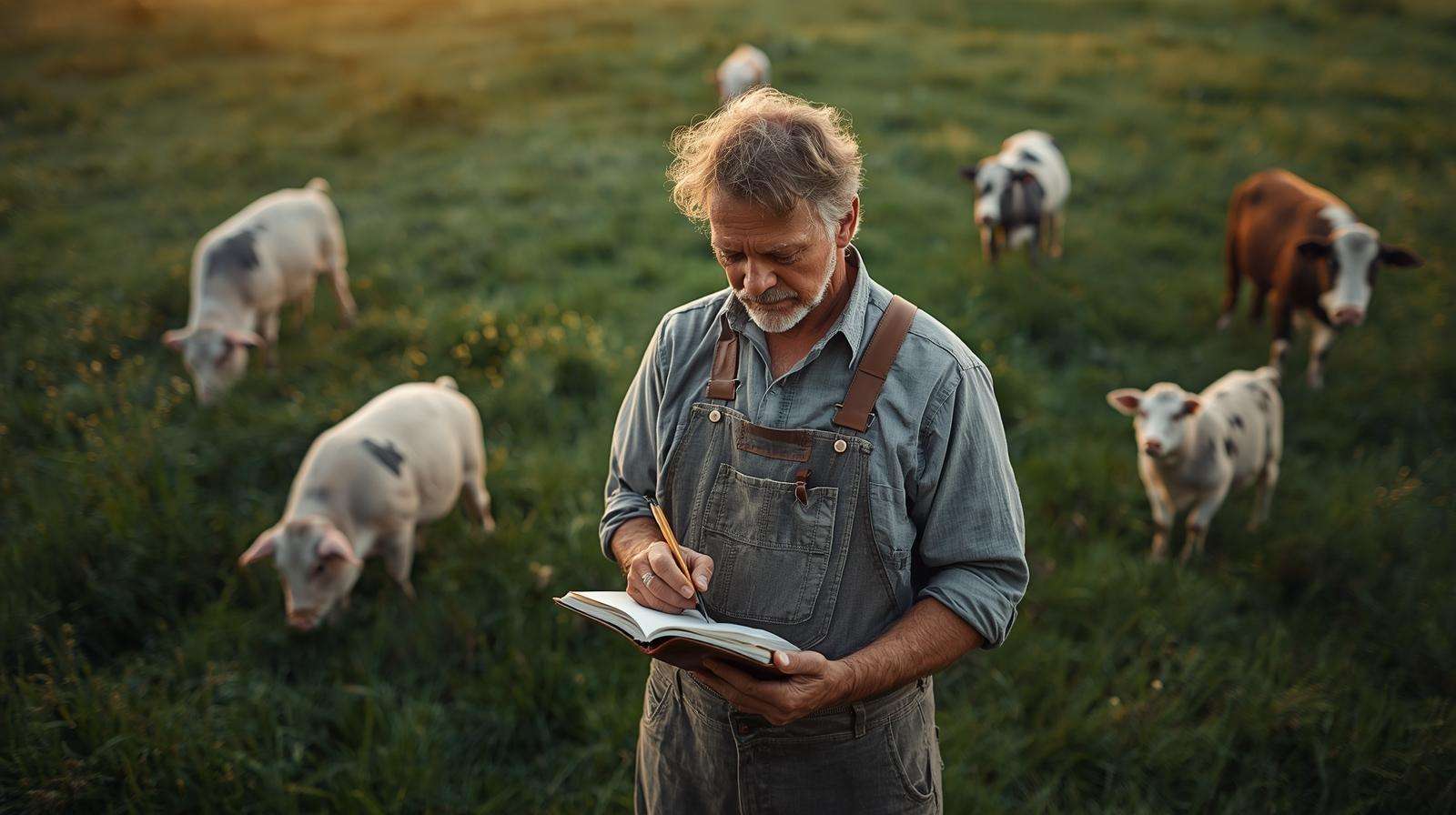
Livestock behavior varies widely:
-
Cows can unintentionally injure smaller animals
-
Pigs may bully sheep at feeding areas
-
Sheep are highly stress-sensitive
Best practices include:
-
Separate feeding zones
-
Adequate space allowances
-
Observation during early integration
Stress is often the first sign of poor system design — not animal incompatibility.
Infrastructure and Labor Complexity
Mixed herds require:
-
Stronger fencing
-
Flexible pasture layouts
-
Skilled labor familiar with multiple species
However, once systems are established, many farmers report lower long-term labor demands due to healthier animals and improved land efficiency.
Designing the Ideal Farm Layout for Mixed Herds
Pasture Planning and Rotational Grazing Systems
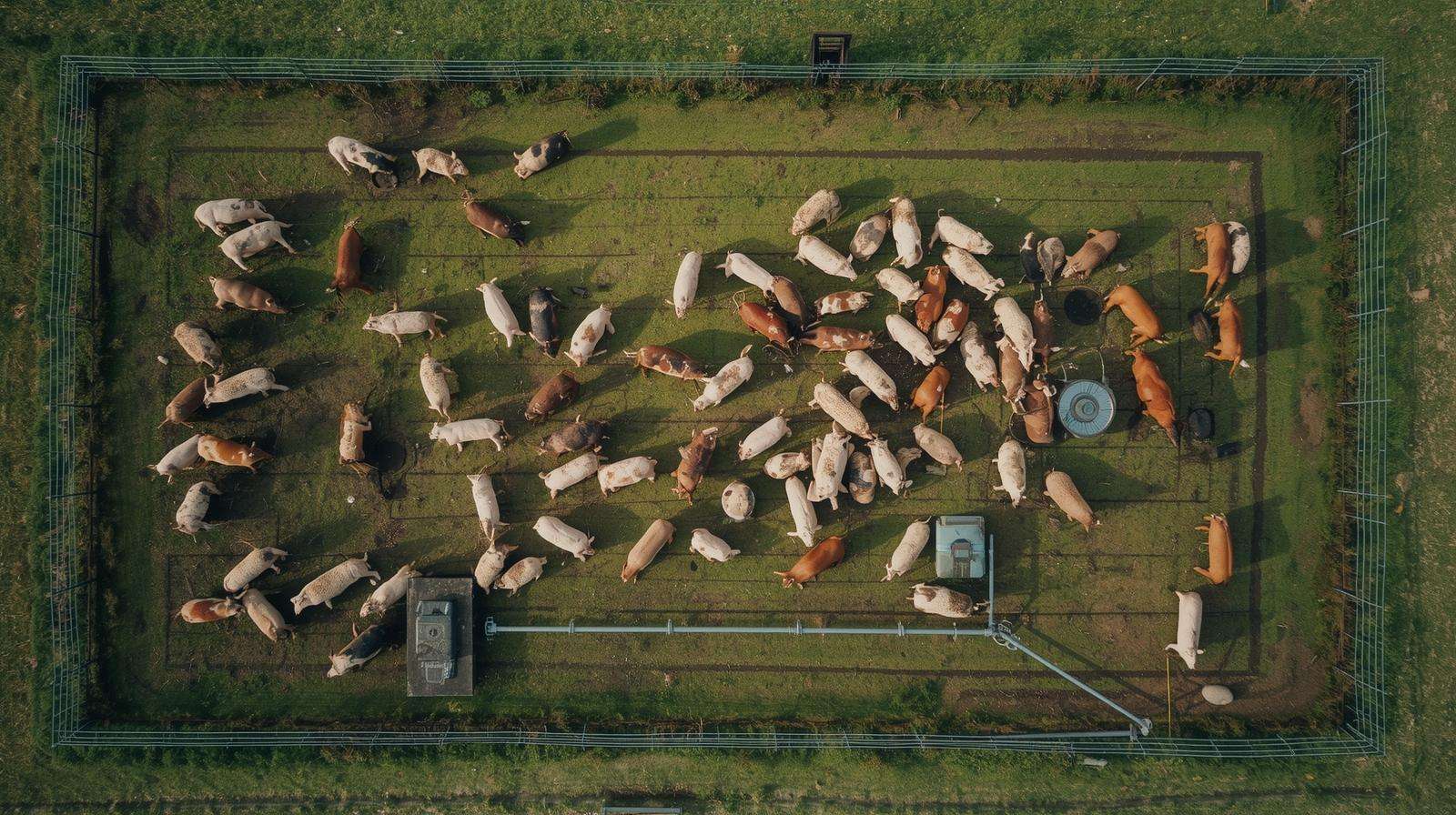
Rotational grazing is essential for success.
Key principles:
-
Short grazing periods (1–5 days per paddock)
-
Adequate rest periods (30–60 days)
-
Stock density adjusted by season
Many farmers rotate cows first, followed by sheep, then pigs — maximizing forage use while reducing parasite loads.
Fencing Solutions for Pigs, Cows, and Sheep
Fencing is non-negotiable.
Recommended options:
-
High-tensile electric fencing for cattle
-
Netting or multi-strand electric for sheep
-
Low, hot electric wires for pigs
Cutting corners on fencing is one of the most expensive mistakes mixed herd farmers make.
Shelter and Housing Requirements by Species
While animals may share land, housing often works best when species-specific.
Key considerations:
-
Dry bedding for sheep
-
Adequate shade and airflow for pigs
-
Wind protection for cattle
Shared shelters are possible but require careful design to avoid overcrowding and disease buildup.
Feeding and Nutrition Management in Mixed Herds
Species-Specific Nutritional Needs Explained
This is where many mixed herd systems fail.
-
Sheep are highly sensitive to copper
-
Pigs require higher protein and energy
-
Cattle need fiber-rich diets
Never assume one ration fits all.
Separate feeding systems are essential to prevent toxicity, deficiencies, and poor growth performance.
Preventing Feed Competition and Overeating
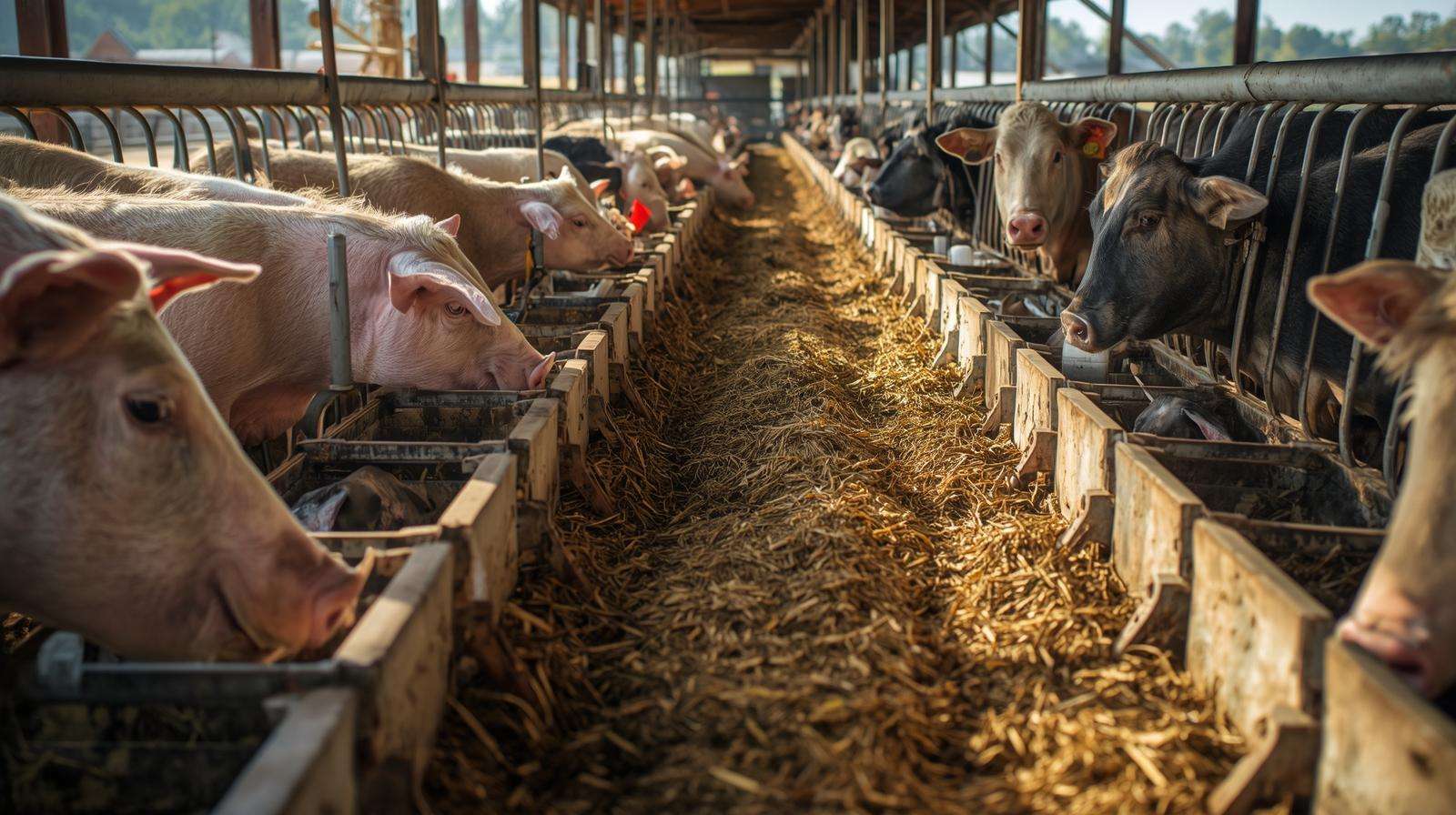
Strategies include:
-
Time-separated feeding
-
Species-specific feeders
-
Physical barriers during feeding
Feed competition increases stress and reduces productivity — especially in sheep.
Supplementation and Mineral Management
Mineral programs must be designed with sheep safety in mind.
Best practices:
-
Use sheep-safe mineral mixes
-
Offer cattle minerals in restricted-access feeders
-
Consult a livestock nutritionist when in doubt
Health Management and Biosecurity Protocols
Vaccination and Deworming Schedules
Each species requires:
-
Separate vaccination schedules
-
Targeted parasite control programs
Coordinating these protocols improves efficiency without increasing disease risk.
Quarantine and New Animal Introduction
Every new animal is a potential disease vector.
A proper quarantine includes:
-
Physical separation
-
Health screening
-
Gradual integration
Skipping this step is one of the most common — and costly — mistakes.
Monitoring Animal Health and Early Warning Signs
Daily observation remains your most powerful tool.
Watch for:
-
Changes in grazing behavior
-
Lameness
-
Weight loss or isolation
Early intervention saves animals — and money.
Reproductive and Breeding Considerations in Mixed Herd Systems
Managing reproduction effectively is essential when raising mixed herds with pigs, cows, and sheep. While these species do not interbreed, their reproductive cycles, behaviors, and management needs differ significantly, requiring intentional planning to avoid stress, injury, or productivity losses.
Managing Breeding Seasons Separately
Each species follows a different reproductive rhythm:
-
Cattle often have seasonal or controlled breeding windows
-
Sheep are typically seasonal breeders, influenced by daylight length
-
Pigs can breed year-round and reproduce rapidly
In mixed herd systems, breeding should be managed independently for each species. This includes:
-
Separate breeding pens or paddocks
-
Controlled access to males (bulls, rams, boars)
-
Planned breeding seasons aligned with forage availability
Unmanaged breeding can overwhelm labor capacity and compromise animal health, particularly in pigs.
Protecting Young and Vulnerable Animals
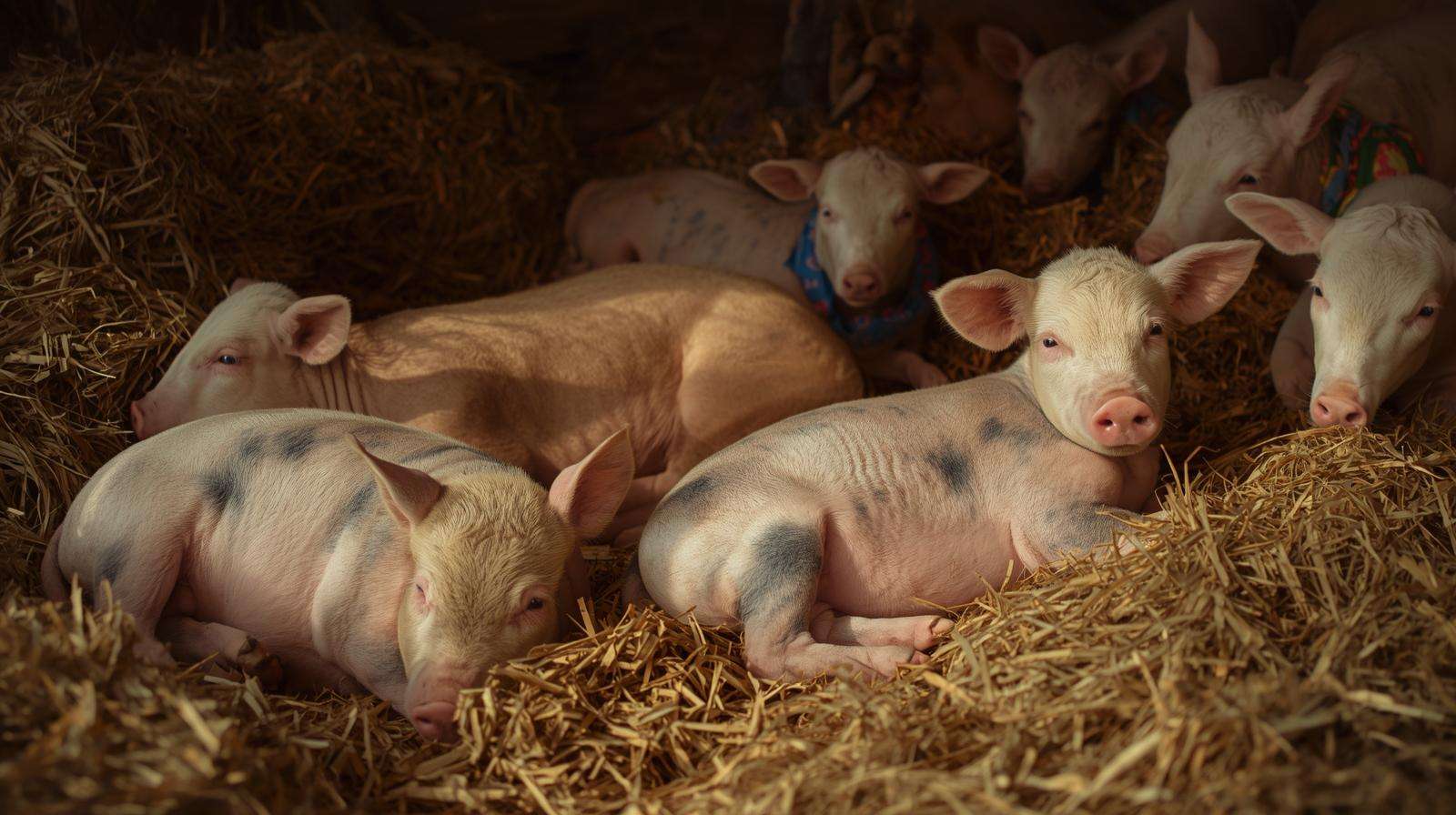
Young stock — piglets, calves, and lambs — are the most vulnerable members of any mixed herd.
Key risks include:
-
Accidental trampling by cattle
-
Aggressive feeding competition
-
Exposure to parasites or pathogens
Best practices for protection:
-
Dedicated birthing and nursery areas
-
Temporary separation during early life stages
-
Gradual reintroduction once animals are strong and mobile
Experienced farmers consistently report higher survival rates when young animals are given species-appropriate early environments.
Best Practices for Daily Operations and Labor Efficiency
One common misconception is that mixed herds dramatically increase workload. In reality, well-designed systems often improve labor efficiency over time.
Routine Chores and Time Management
Effective mixed herd operations rely on structured routines:
Daily tasks
-
Health observation
-
Water system checks
-
Fence inspection (especially for pigs)
Weekly tasks
-
Pasture movement
-
Body condition scoring
-
Equipment maintenance
Seasonal tasks
-
Breeding management
-
Hay and feed planning
-
Health protocol updates
Creating species-specific checklists helps ensure nothing is overlooked.
Record-Keeping and Performance Tracking
Accurate records are critical for decision-making.
Recommended records include:
-
Weight gain and body condition scores
-
Feed intake and costs
-
Health treatments and outcomes
-
Breeding and birthing data
Tracking performance allows you to:
-
Identify inefficiencies
-
Adjust stocking rates
-
Improve profitability year over year
Digital farm management tools can simplify this process, even for small farms.
Case Studies: Successful Mixed Herd Farms
Small-Scale Farm Example: Low-Input Efficiency
A 15-acre diversified farm integrated:
-
10 beef cattle
-
20 hair sheep
-
6 pasture-raised pigs
Using rotational grazing, the farmer reduced purchased feed by over 30% and eliminated routine chemical dewormers within two years. Key success factors included:
-
Strong electric fencing
-
Strict mineral separation
-
Gradual system scaling
This system prioritized animal observation and adaptive management, not expensive infrastructure.
Semi-Commercial Operation: Scaling Mixed Herds Profitably
A mid-sized operation combined:
-
Cow-calf beef production
-
Lamb finishing
-
Seasonal pig batches for pork sales
By rotating species strategically, the farm:
-
Improved pasture carrying capacity
-
Reduced vet costs
-
Created year-round cash flow
The operator emphasized that success came from planning, not complexity.
Lessons Learned from Real-World Experience
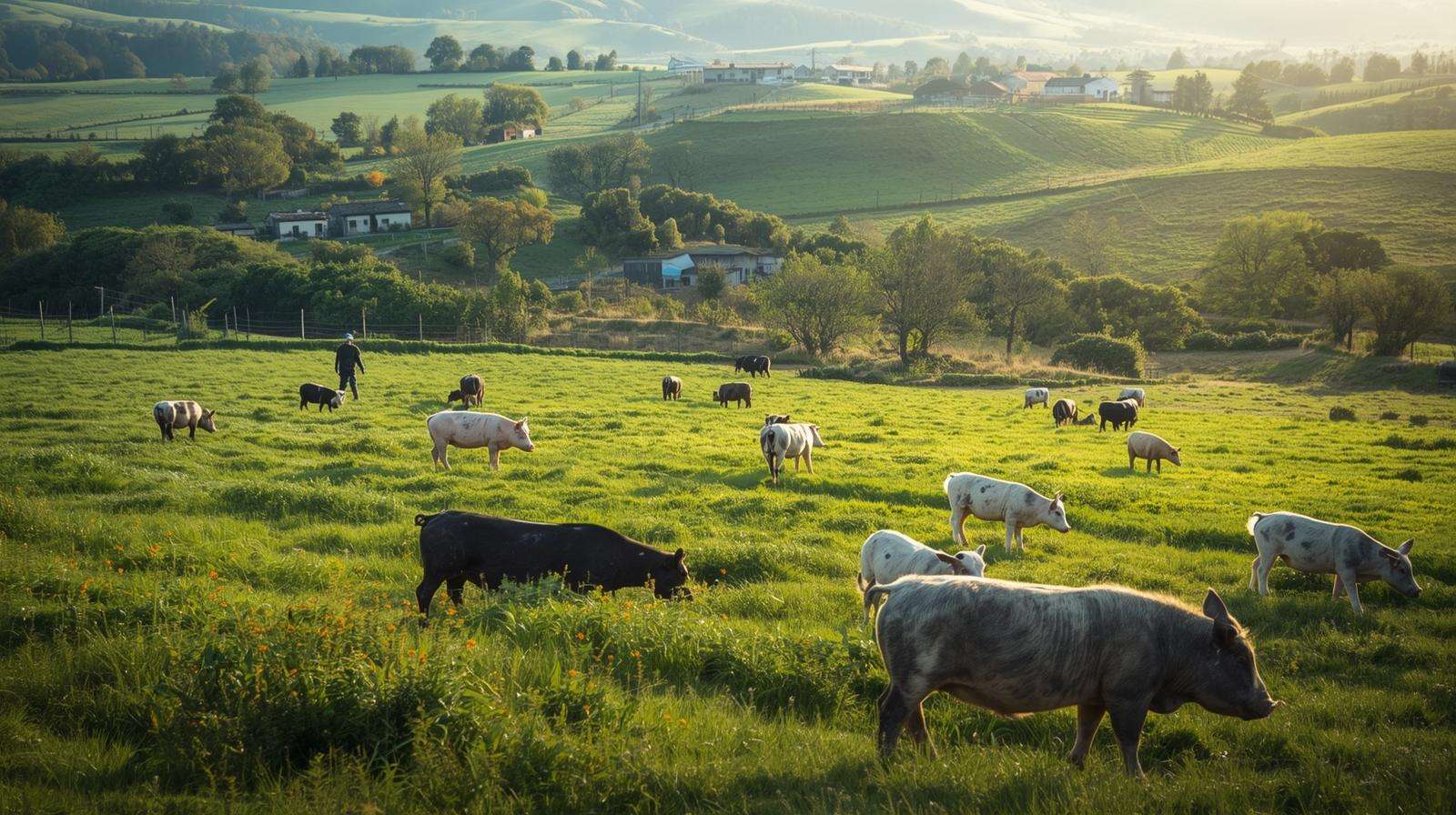
Across successful mixed herd farms, common themes emerge:
-
Start small and scale slowly
-
Invest in fencing early
-
Respect species-specific needs
-
Observe animals daily and adjust quickly
Mistakes happen — but learning systems outperform rigid ones.
Expert Tips for Long-Term Success with Mixed Herds
Drawing from livestock specialists, veterinarians, and experienced producers, the following insights consistently prove valuable:
-
Mixed herds work best where pasture quality is prioritized
-
Not every farm is suited for pigs — evaluate soil and fencing capacity honestly
-
Seasonal integration often works better than year-round co-grazing
-
Collaboration with extension agents improves outcomes significantly
Successful farmers treat mixed herds as a management system, not a shortcut.
Common Mistakes Farmers Make with Mixed Herds
Avoiding these errors can save years of frustration:
-
Ignoring mineral incompatibilities, especially copper toxicity in sheep
-
Underestimating fencing requirements, particularly for pigs
-
Skipping quarantine protocols for new animals
-
Assuming animals will “sort it out” without intervention
-
Expanding too quickly without data or experience
Most failures trace back to management decisions — not animal behavior.
Frequently Asked Questions (FAQs)
Can pigs, cows, and sheep safely graze together?
Yes, when managed correctly with proper fencing, nutrition, and health protocols.
Do mixed herds increase disease risk?
Not inherently. In fact, they can reduce parasite loads when biosecurity is maintained.
How much land is needed for a mixed herd?
Land requirements depend on pasture quality, stocking density, and rotation intensity. Quality matters more than acreage alone.
Are mixed herds suitable for beginners?
They can be, but beginners should start with two species before adding a third.
What is the biggest mistake to avoid?
Failing to respect species-specific nutritional and behavioral needs.
Final Thoughts: Is a Mixed Herd System Right for Your Farm?
Raising mixed herds with pigs, cows, and sheep is neither a trend nor a guaranteed solution — it is a management-intensive strategy that rewards thoughtful planning, observation, and adaptability.
When done correctly, mixed herds can:
-
Improve pasture health
-
Reduce input costs
-
Enhance animal welfare
-
Create resilient, diversified farm income
When done poorly, they magnify existing weaknesses.
Before committing, assess your:
-
Land quality and layout
-
Labor availability
-
Fencing and water systems
-
Willingness to learn and adapt
Start small. Observe closely. Adjust continuously.
Mixed herds are not about doing more — they are about doing smarter.