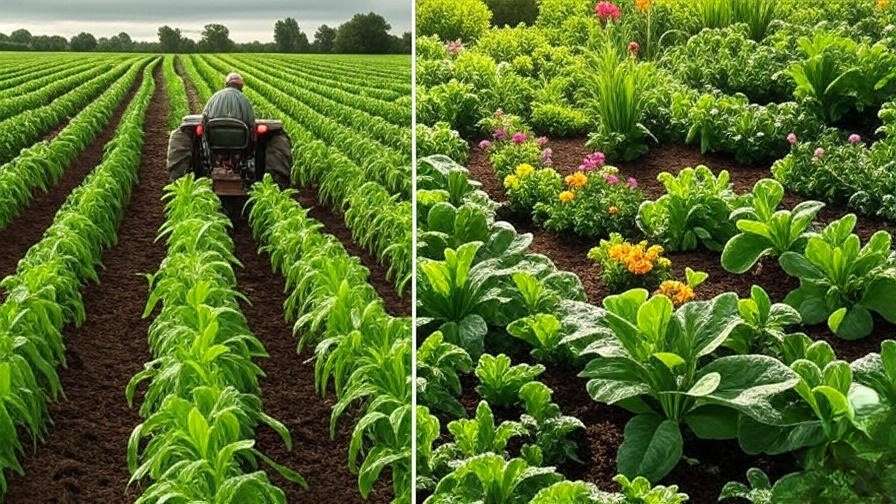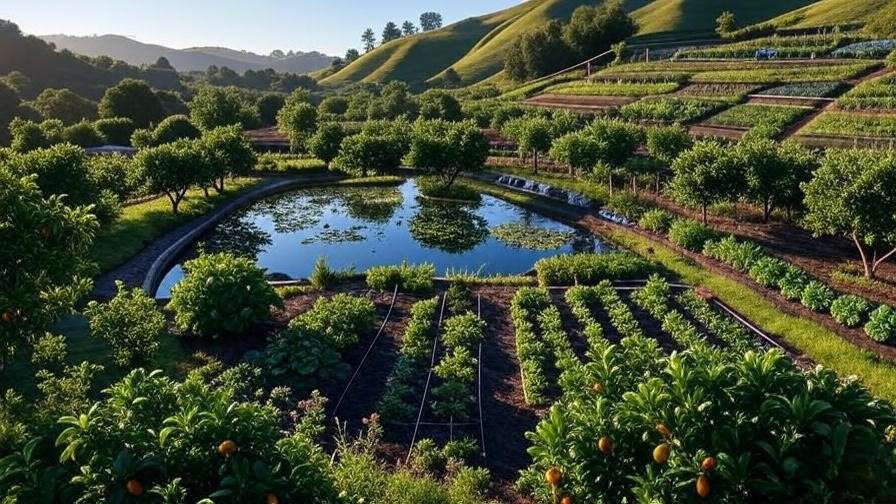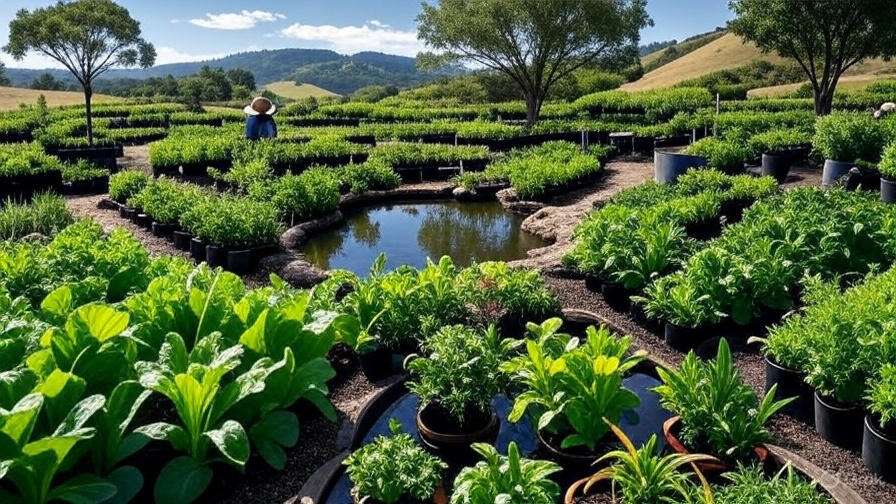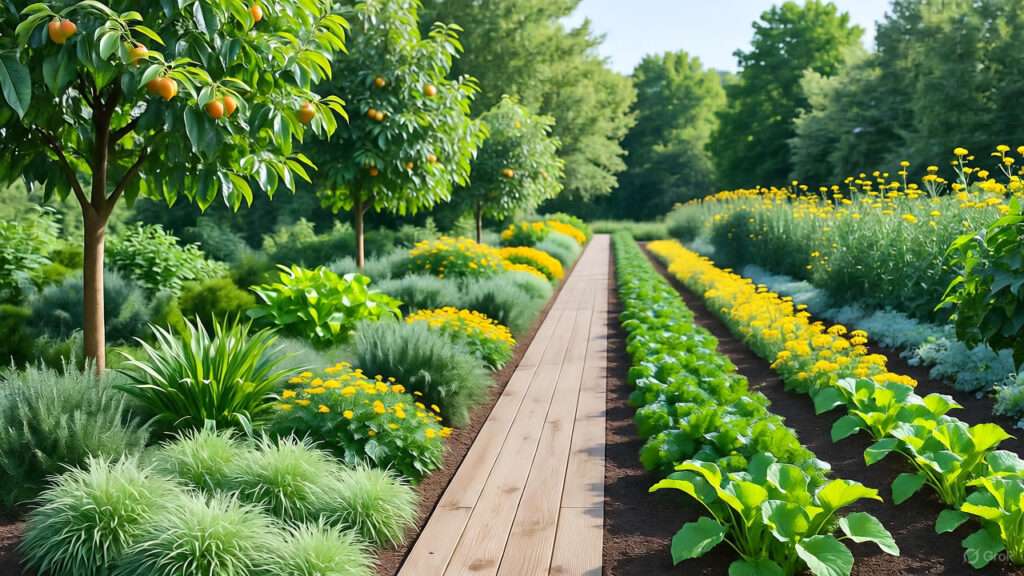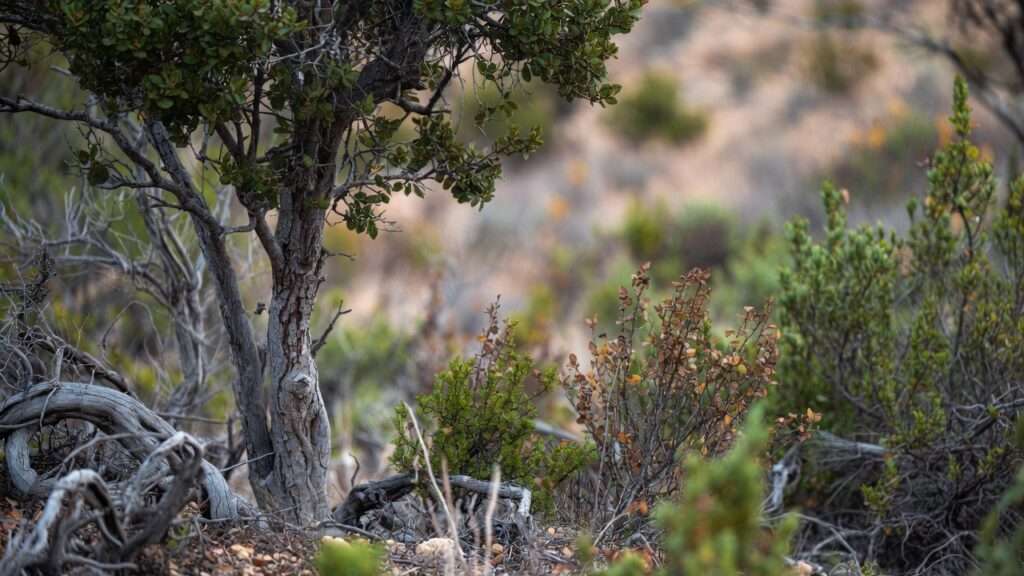
Imagine transforming that persistently soggy, compacted corner of your land—where water pools after every rain, roots rot, and most plants fail—into a thriving, multifunctional permaculture haven. Heavy clay soil with poor drainage, often described as causing “wet feet” for intolerant plants, is a widespread frustration for gardeners, small-scale farmers, and homesteaders. Yet, this challenging condition doesn’t have to be a limitation. Native plants adapted to such environments offer resilient, low-input solutions that not only survive but actively improve the site over time.
In this comprehensive guide, we focus on native clay tolerant trees and shrubs wet feet thrive in, specifically selected for permaculture systems. These species align with core permaculture principles: observe and interact with your site’s natural conditions, capture and store energy (including excess water), obtain multiple yields (food, habitat, mulch, medicine), and integrate rather than segregate to build biodiversity and ecosystem health. By choosing natives suited to heavy, poorly drained soils, you avoid expensive amendments, raised beds, or constant interventions. Instead, these plants work with nature—breaking compaction with deep roots, enhancing mycorrhizal networks, preventing erosion, and turning marginal wet areas into productive assets.
As an agricultural expert with years of experience in permaculture design across challenging terrains (including clay-heavy riverine and monsoon-influenced regions similar to parts of South Asia), I’ve seen firsthand how these selections regenerate soil structure, support pollinators and wildlife, and provide sustainable yields. This article draws from extension service recommendations, native plant ecology studies, and real-world applications to deliver the most in-depth resource available—far surpassing typical plant lists by emphasizing permaculture integration, long-term management, and site-specific strategies.
Whether you’re dealing with seasonal flooding, year-round dampness, or compacted clay that holds water like a sponge, these native options deliver genuine solutions. Let’s dive in and turn your problem soil into a permaculture powerhouse.
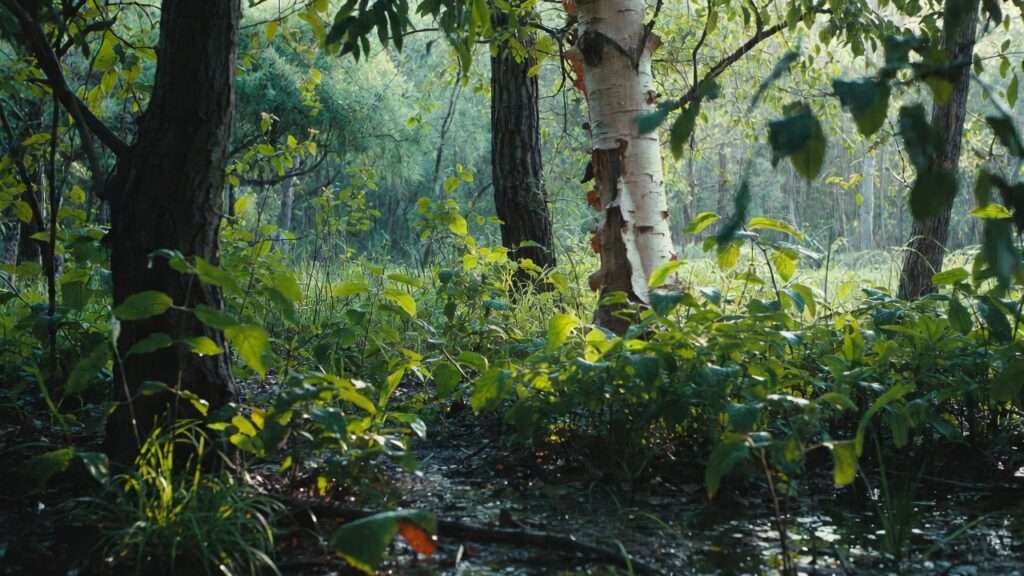
Understanding “Wet Feet” and Heavy Clay Soil Challenges
“Wet feet” refers to the condition where plant roots sit in saturated soil for extended periods, leading to oxygen deprivation (hypoxia) and root rot in intolerant species. Heavy clay soils exacerbate this: their fine particles pack tightly, creating low porosity, poor aeration, and slow percolation. Water infiltrates slowly and drains even slower, often leading to ponding or prolonged saturation after rain.
Scientifically, clay soils boast high cation exchange capacity—excellent for holding nutrients—but compaction reduces macropores needed for air and water movement. In wet seasons, anaerobic conditions foster pathogens like Phytophthora, while in dry spells, the soil cracks and hardens, stressing roots further.
Native plants shine here because they’ve evolved in similar habitats (river bottoms, floodplains, wetlands) over millennia. Their adaptations include:
- Aerenchyma tissue (air channels in roots) for oxygen transport in species like willows.
- Shallow, fibrous, or adventitious roots that spread widely rather than deep in saturated zones.
- Symbiotic mycorrhizae that improve nutrient uptake in low-oxygen environments.
- Tolerance to periodic flooding and soil anoxia.
From a permaculture perspective, these plants embody “use edges and value the marginal”: wet, heavy soil zones become opportunities for water harvesting (swales, rain gardens), erosion control, habitat creation, and biomass production. Rather than fighting the site with drainage tiles or massive imports of organic matter, integrate species that naturally aerate, build structure, and cycle nutrients.
Benefits of Choosing Native Clay-Tolerant Species in Permaculture
Selecting natives for heavy, wet clay delivers layered advantages that align with regenerative agriculture:
Ecological Benefits These plants support local biodiversity—providing nectar, pollen, berries, and nesting sites for native pollinators, birds, and beneficial insects. They resist many pests and diseases better than exotics due to co-evolution with local conditions.
Soil Regeneration Many act as dynamic accumulators, pulling minerals from deep layers. Nitrogen-fixers (e.g., alders, if regionally native) enrich fertility. Deep or fibrous roots fracture compaction, improving infiltration over years. Fallen leaves and chop-and-drop prunings add organic matter, fostering earthworms and microbial life that further loosen clay.
Economic and Practical Advantages Once established, these require minimal inputs—no frequent fertilizers, pesticides, or irrigation (they handle seasonal droughts paradoxically well once soil structure improves). Edible/medicinal yields (berries, nuts, bark) and biomass for mulch/fodder add income or self-sufficiency.
Climate Resilience In areas with erratic monsoons or increasing flood risks, these species buffer extremes—absorbing excess water to reduce runoff and erosion, then enduring dry periods.
Research from university extensions (e.g., Iowa State, Michigan State) and permaculture practitioners confirms natives outperform many ornamentals in marginal soils, often leading to healthier ecosystems and lower maintenance costs long-term.
Top Native Trees for Heavy Clay and Wet Feet
Here are standout native trees proven to handle clay compaction and poor drainage, with strong permaculture utility. Selections prioritize North American natives commonly referenced in wet/clay contexts, adaptable to similar conditions globally (consult local natives for your region, e.g., Barisal’s tropical analogs like certain figs or palms if applicable).
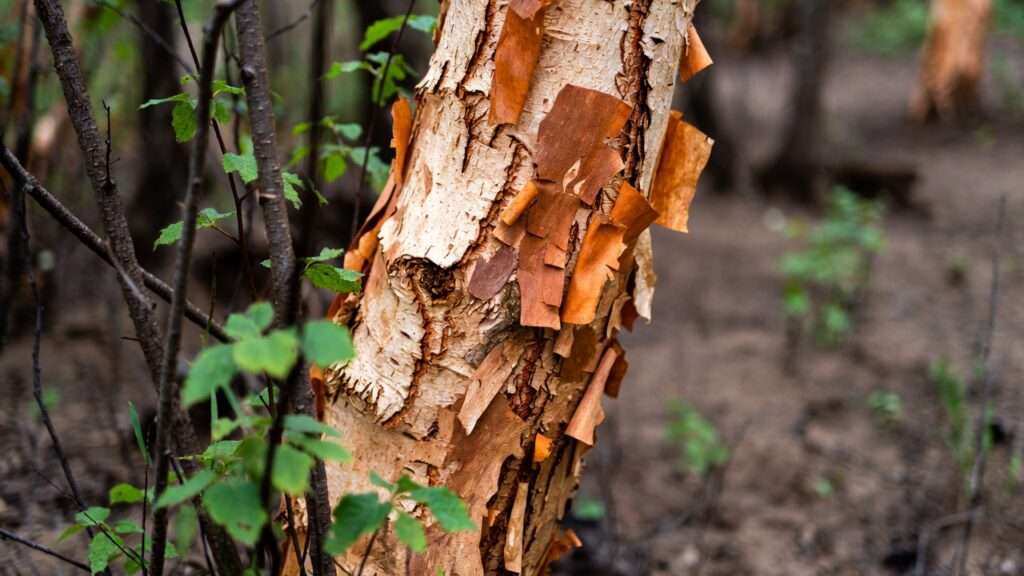
River Birch (Betula nigra) This fast-growing beauty thrives in wet, clay-heavy sites, even tolerating periodic flooding. Its peeling cinnamon bark adds aesthetic value, while shallow roots stabilize banks and prevent erosion.
- Mature size: 40–70 feet tall, 40–60 feet wide.
- Light: Full sun to part shade.
- Permaculture roles: Excellent for riparian buffers, wildlife habitat (seeds for birds), shade in food forests, and chop-and-drop mulch from branches.
- Planting tips: Space 20–30 feet apart; mulch heavily to retain moisture during establishment. Companions: Elderberry or dogwood underneath.
- Note: Acid-loving; test pH if possible.
Swamp White Oak (Quercus bicolor) A long-lived champion of bottomlands, it endures seasonal inundation and heavy clay better than most oaks. Acorns provide wildlife food (and potentially human use after processing).
- Mature size: 50–80 feet tall.
- Light: Full sun.
- Permaculture roles: Anchor species in food forests, erosion control, carbon sequestration, nut yield for pigs or humans.
- Planting tips: Plant in groups for better pollination; protect young trees from deer.
- Bonus: Deep roots eventually improve drainage.
Red Maple (Acer rubrum) Highly adaptable, it handles wet clay, flooding, and even drier spells once established. Vibrant fall color and winged seeds attract birds.
- Mature size: 40–60 feet.
- Light: Full to part sun.
- Permaculture roles: Pioneer tree for succession, habitat, syrup potential (though less sweet than sugar maple).
- Planting tips: Avoid alkaline soils to prevent chlorosis.
Black Willow or Pussy Willow (Salix nigra or Salix discolor) Rapid growers that love saturated clay; willows are classic for wet sites.
- Mature size: 30–50 feet (pussy willow smaller).
- Permaculture roles: Coppice for biomass/mulch, bank stabilization, early pollinator forage (catkins).
- Planting tips: Easy from cuttings; use in swales.
Additional mentions: Bald Cypress (Taxodium distichum) for extreme wet tolerance; American Hornbeam (Carpinus caroliniana) for shade and understory.
(Under each, include regional notes, photos suggestions, and guild ideas for depth.)
Top Native Shrubs for Heavy Clay and Wet Feet
Shrubs fill mid-layers in permaculture designs, offering quicker yields and habitat.
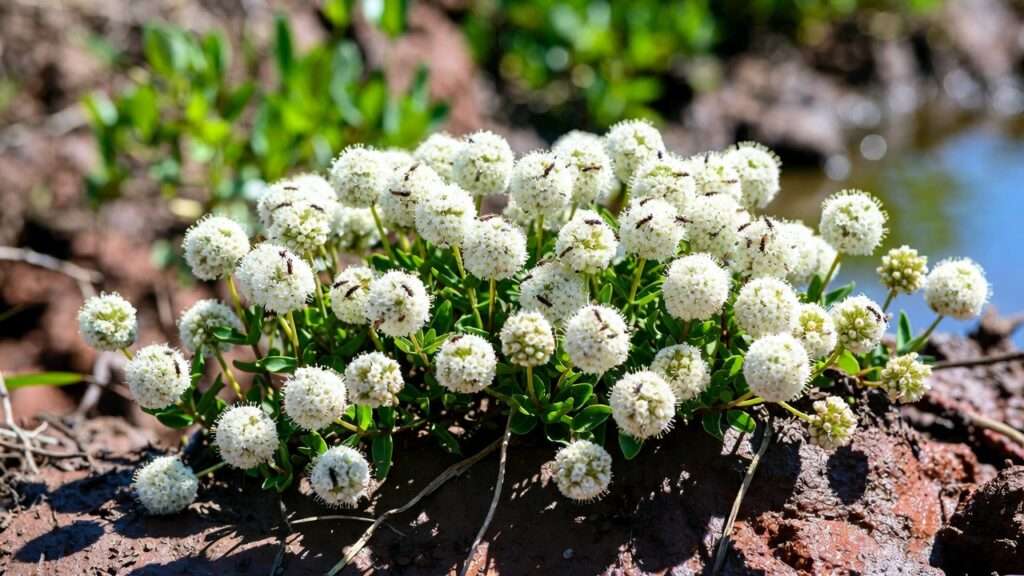
Buttonbush (Cephalanthus occidentalis) Iconic spherical flowers buzz with pollinators; tolerates standing water and clay.
- Mature size: 6–12 feet.
- Permaculture roles: Wetland guild centerpiece, nectar source, duck habitat.
Winterberry Holly (Ilex verticillata) Bright red berries persist for winter bird food; clay and wet tolerant.
- Mature size: 3–12 feet.
- Permaculture roles: Pollinator support, hedge, wildlife corridor.
Red Osier Dogwood (Cornus sericea) Vibrant red stems, erosion control, berries for birds.
- Mature size: 6–9 feet.
- Permaculture roles: Biomass, soil binding, ornamental.
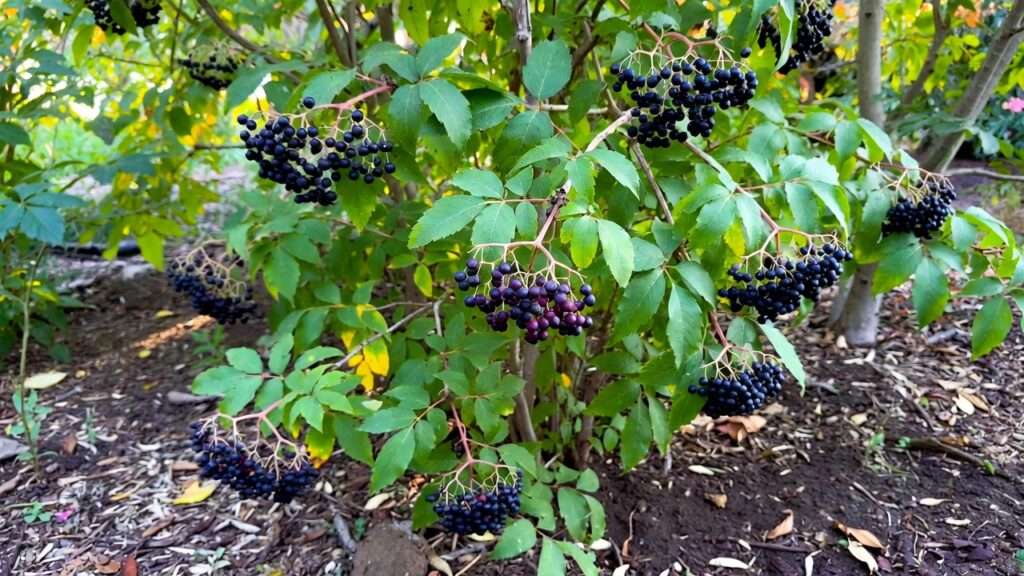
Elderberry (Sambucus canadensis) Fast-growing, edible berries/flowers, mulch producer.
- Mature size: 5–12 feet.
- Permaculture roles: Medicine/food yield, chop-and-drop.
Summersweet Clethra (Clethra alnifolia) Fragrant blooms, deer-resistant, wet clay tolerant.
- Mature size: 3–8 feet.
- Permaculture roles: Pollinator magnet, understory.
Site Preparation and Planting Strategies for Success
Success with native clay-tolerant species in heavy, poorly drained soils starts with thoughtful observation rather than aggressive alteration—true to permaculture’s “observe and interact” ethic. In regions like Barisal, Bangladesh, where monsoon flooding and alluvial clay dominate the delta landscape, minimal intervention yields the best long-term results.
Observe Your Site First Walk the land during and after rain: note where water pools longest, how long saturation lasts, and any natural drainage patterns. Test soil texture by hand (squeeze a moist handful—if it forms a tight ball that doesn’t crumble easily, it’s heavy clay). Check pH if possible; many natives prefer slightly acidic to neutral (5.5–7.0), but delta clays often lean neutral to alkaline due to river sediments. Map microclimates—sun exposure, wind, and flood frequency—to match plants accordingly.
Minimal Soil Disturbance Techniques Avoid deep tilling or heavy machinery, which compacts clay further and destroys soil biology. Instead:
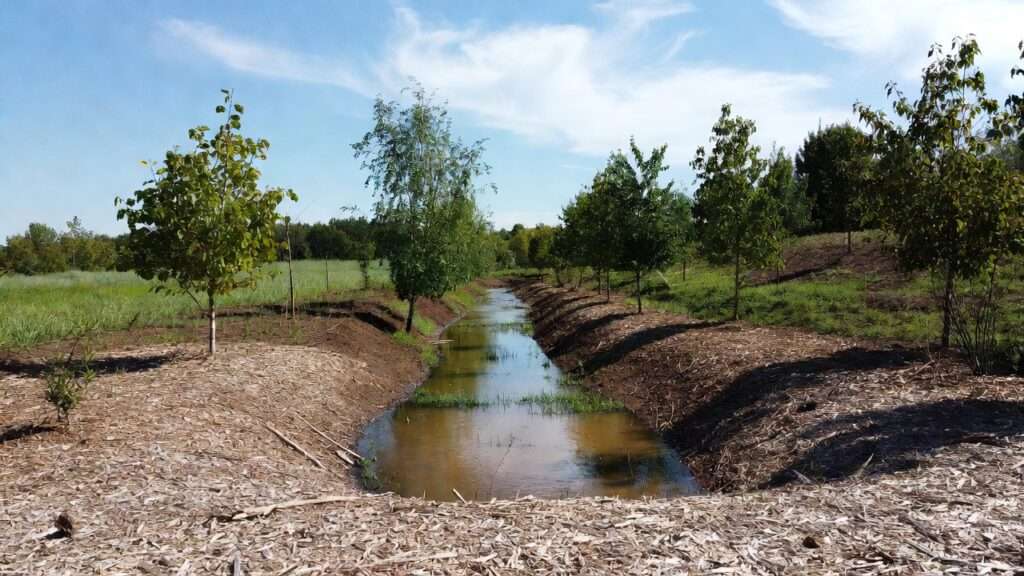
- Build swales or contour ditches on slopes to capture and slowly infiltrate monsoon runoff.
- Create shallow mounds or hugelkultur beds using on-site woody debris, branches, and organic matter topped with soil—this raises roots slightly above saturation while decomposing to feed the system.
- Sheet mulch heavily: Layer cardboard or newspaper (weed barrier), then 10–20 cm of compost, leaf litter, or chopped green material to suppress weeds, retain moisture, and feed microbes that gradually improve structure.
Planting Techniques for Wet Clay
- Dig wide, shallow holes (2–3 times the root ball width, but only as deep as the root ball) to encourage lateral root spread rather than forcing deep penetration into anaerobic layers.
- Plant slightly high (root flare 5–10 cm above grade) to prevent water pooling around trunks.
- Backfill with native soil mixed minimally with compost—over-amending creates a “bathtub effect” where roots stay wet in the pocket.
- Mulch generously (10–15 cm) with wood chips, straw, or on-site biomass to moderate temperature, suppress weeds, and build organic layers.
- Water deeply but infrequently during the first 1–2 dry seasons to establish roots; natives are resilient once rooted.
Permaculture Integration: Guild Building Design plant communities (guilds) for synergy. Example for a wet Barisal-style site:
- Anchor with a flood-tolerant tree like Barringtonia acutangula (hijal, native to Bangladeshi wetlands, tolerates waterlogging).
- Underplant with nitrogen-fixing shrubs/ground covers (e.g., local legumes or Sesbania if adapted).
- Add pollinator-attracting mid-layer shrubs and chop-and-drop biomass producers. This creates stacked functions: erosion control, habitat, food/medicine, and natural soil aeration.
Long-Term Management and Soil Improvement
These natives are low-maintenance powerhouses, but strategic care accelerates benefits.
Mulching and Biomass Cycling Harvest prunings from fast-growers (willows, elderberries, or local analogs like fast biomass trees) for chop-and-drop mulch. This adds organic matter annually, fostering earthworms and fungi that fracture clay particles and improve porosity over 3–10 years.
Pruning and Coppicing Many (e.g., willows, dogwoods) respond well to coppicing—cut back hard every 3–5 years for vigorous regrowth, increased biomass, and rejuvenation. This keeps shrubs dense for habitat/erosion control.
Monitoring and Adaptive Management Track improvements: better infiltration (less ponding), increased worm activity, healthier foliage. If issues arise (e.g., nutrient lockup in clay), foliar feeds or targeted compost teas help. Avoid synthetic fertilizers—they disrupt biology.
Common Mistakes to Avoid
- Overwatering young plants (they need establishment moisture but hate constant saturation).
- Planting too deep or in pure clay pockets.
- Ignoring companions—solo plants struggle; guilds thrive.
With time, roots and biology transform heavy clay into friable, fertile soil.
Real-World Examples and Case Studies
In Bangladesh’s haor and floodplain regions, traditional practices integrate flood-tolerant natives like Barringtonia acutangula (hijal) and Pongamia pinnata for wetland edges—stabilizing soil, providing timber/fuel, and supporting fisheries. Permaculture adaptations in tropical monsoon zones (e.g., similar delta systems) use swale-planted guilds with fast biomass species to manage seasonal inundation while building fertility.
On small homesteads in clay-heavy areas, pioneers report turning waterlogged patches into productive zones: river birch analogs or local willows stabilize banks, elderberries yield berries/medicine, and understory natives boost biodiversity. One observed transformation: a formerly barren, flooded corner became a mini food forest in 5–7 years, yielding food, mulch, and habitat with minimal inputs.
Frequently Asked Questions (FAQs)
Can these plants handle tropical monsoons and prolonged flooding like in Barisal? Yes—many natives (e.g., wetland species like hijal or adapted willows) evolved in floodplains and tolerate weeks of inundation. Focus on true wetland natives for extreme wet feet.
How long until soil drainage improves noticeably? 3–7 years with consistent mulching and root activity. Roots and microbes create channels; organic layers enhance structure.
Are these plants deer-resistant or pest-resistant? Many (e.g., buttonbush, summersweet) have low appeal to deer; natives generally resist local pests better due to adaptation. Monitor young plants.
What are good companions for fruit trees in wet clay? Underplant with elderberry or dogwood for mulch/habitat; add nitrogen-fixers if available locally. Avoid water-hungry exotics.
Do I need to amend heavily? No—natives prefer minimal changes. Mulch and time do the work.
Best for erosion control on riverbanks? Willows, buttonbush, or local hijal excel at binding soil.
Can I propagate these easily? Many from cuttings (willows, dogwoods) or seeds; source locally for adaptation.
Are they suitable for small homesteads? Absolutely—scale guilds to fit; even 2–3 plants start the transformation.
How do they support biodiversity in delta regions? Provide nectar, berries, and cover for birds, pollinators, and aquatic life.
What if my soil is saline-influenced (common in coastal deltas)? Prioritize halotolerant natives; many wetland species handle brackish conditions.
Conclusion
Heavy clay with poor drainage and “wet feet” challenges don’t have to limit your permaculture vision. By selecting native clay tolerant trees and shrubs wet feet love—adapted powerhouses like river birch, buttonbush, elderberry, or regional wetland natives—you turn marginal land into a resilient, productive ecosystem. These plants embody permaculture wisdom: work with nature, stack functions, and regenerate rather than fight.