Have you walked through your fields or garden lately and wondered, “Why am I not seeing bees anymore?” That familiar hum of honey bees and buzz of native pollinators seems quieter than ever, and you’re not imagining it. Many farmers, gardeners, and agricultural professionals across the United States are reporting the same concern: not seeing bees anymore. This alarming trend hit a crisis point in 2025, with record-breaking colony losses threatening pollination-dependent crops and farm productivity.
As an agricultural extension specialist with over 20 years of experience advising pollinator-dependent operations—from almond orchards in California to berry farms in the Midwest—I’ve witnessed firsthand the impacts of bee decline. Drawing from the latest 2025 data from the USDA Agricultural Research Service (ARS), Project Apis m., Auburn University surveys, and the Food and Agriculture Organization (FAO), this guide explains the science behind the disappearance, its direct consequences for agriculture, and proven, practical solutions you can implement on your farm or garden. Whether you’re managing hundreds of acres or a backyard plot, these evidence-based strategies can help restore bee populations and protect your yields.
Current Bee Population Trends: What’s Happening in 2025?
The year 2025 marked one of the most severe honey bee crises in U.S. history, with unprecedented colony losses reducing visible bee activity in many regions.
Commercial beekeepers reported average losses of 60-70% from mid-2024 to early 2025, the highest on record. Surveys from Auburn University and Project Apis m. documented annual losses around 55.6-62%, with some operations losing up to 100% of hives. This translated to over 1.1-1.7 million colonies lost nationwide, carrying an estimated financial impact exceeding $600 million in pollination services and honey production.
Why fewer sightings? Massive die-offs mean fewer foraging bees venturing out. In areas like California, pre-almond pollination inspections in early 2025 revealed weakened or collapsed hives, directly reducing bee presence during critical bloom periods.
Globally, the picture is mixed: FAO data shows managed honey bee colonies have increased to over 102 million worldwide (a 47% rise since 1990), driven by growth in Asia and Africa. However, in North America and Europe, both managed honey bees and wild native bees continue to decline due to regional stressors.
These U.S.-specific losses threaten food security, as bees pollinate approximately 35% of global crop volume, including many high-value agricultural staples.
The Main Causes: Why Bees Are Disappearing
Bee decline isn’t caused by one factor—it’s a “death by a thousand cuts” from interacting stressors that weaken immunity, disrupt foraging, and overwhelm colonies.
Parasites and Diseases – The Primary Threat in 2025
The Varroa destructor mite emerged as the dominant culprit in 2025’s mass collapses. USDA-ARS research pinpointed miticide-resistant Varroa mites spreading high viral loads, including deformed wing virus (DWV) A and B, and acute bee paralysis virus.
- Varroa Mite Resistance: Widespread resistance to amitraz (a common treatment) rendered many controls ineffective, allowing mites to vector viruses that devastate colonies.
- Other Pathogens: Nosema fungi and emerging viruses compounded the damage, especially in migratory operations.
Entomologists from Washington State University and USDA note that Varroa acts as a “superspreader,” amplifying viral infections in stressed hives.
Pesticides and Chemical Exposure
Even sub-lethal exposures impair bee navigation, immunity, and reproduction.
- Neonicotinoids and systemic insecticides remain a concern, with residues found in pollen and wax.
- Fungicides and even some miticides (when overused) create synergistic effects, worsening Varroa-virus interactions.
Integrated pest management (IPM) reduces these risks, but widespread conventional applications continue to contribute.
Habitat Loss and Poor Nutrition
Intensive agriculture has stripped away diverse forage.
- Monocultures provide brief bloom windows, creating seasonal “food deserts.”
- Loss of hedgerows, wildflowers, and natural areas limits pollen diversity essential for bee resilience.
Poor nutrition weakens immunity, making bees more susceptible to parasites and diseases.
Climate Change and Extreme Weather
Erratic patterns disrupt bee life cycles.
- Mismatched bloom timings leave foragers without food.
- Heat stress, drought, and extreme winters (like multiple arctic blasts in recent years) increase mortality.
2025’s unusual weather exacerbated losses in many regions.
Combined Stressors and Colony Management
Migratory beekeeping for large-scale pollination (e.g., California’s almonds) adds transport stress, amplifying all other factors.
Expert consensus from USDA and university researchers: No single cause dominates, but interactions create tipping points leading to collapse.
Consequences for Agriculture: Why This Matters to Farmers and Gardeners
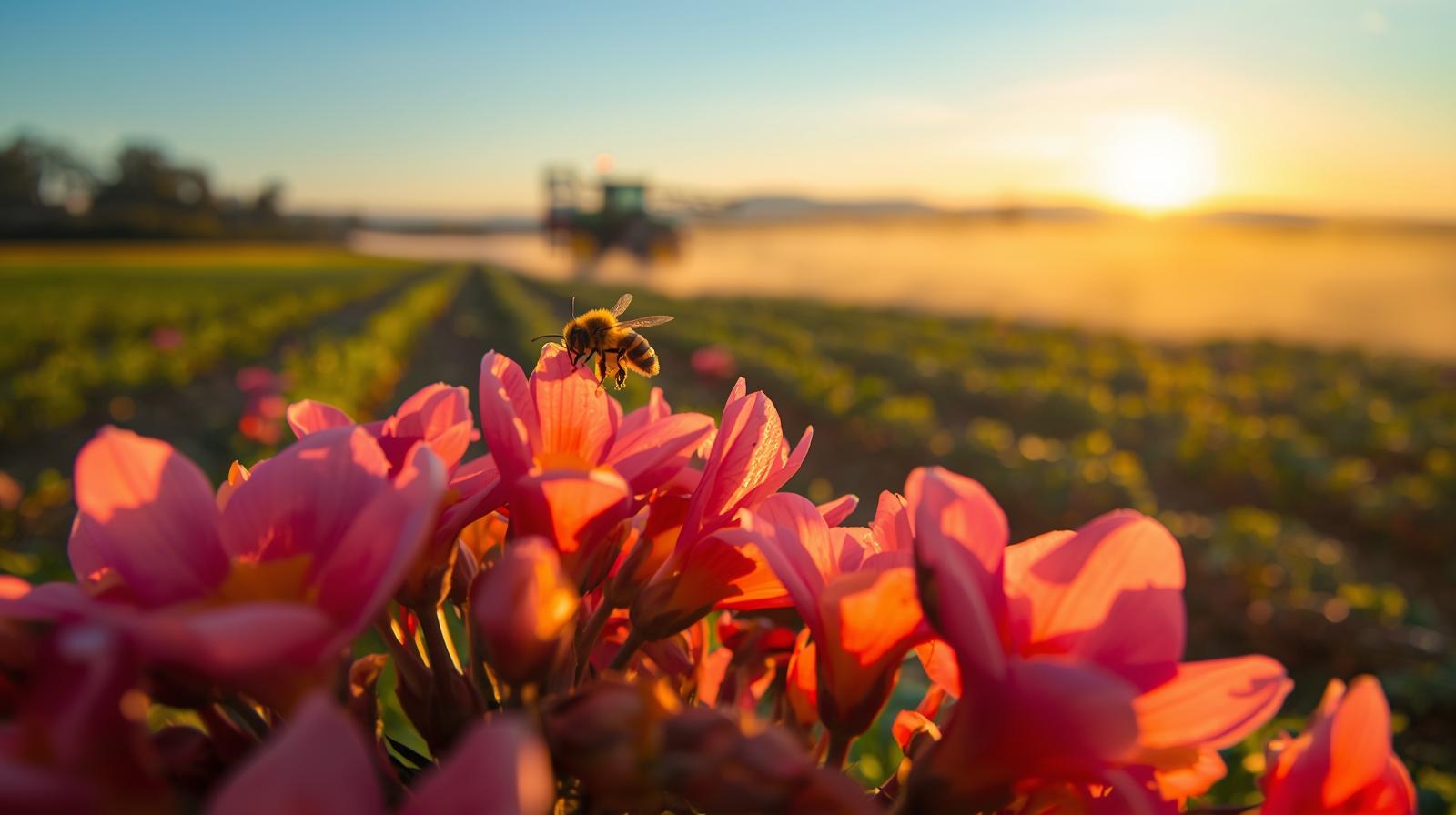
Reduced bee activity directly translates to lower pollination efficiency, hitting farm economics hard.
Impact on Crop Pollination and Yields
Bees are essential for over 100 U.S. crops.
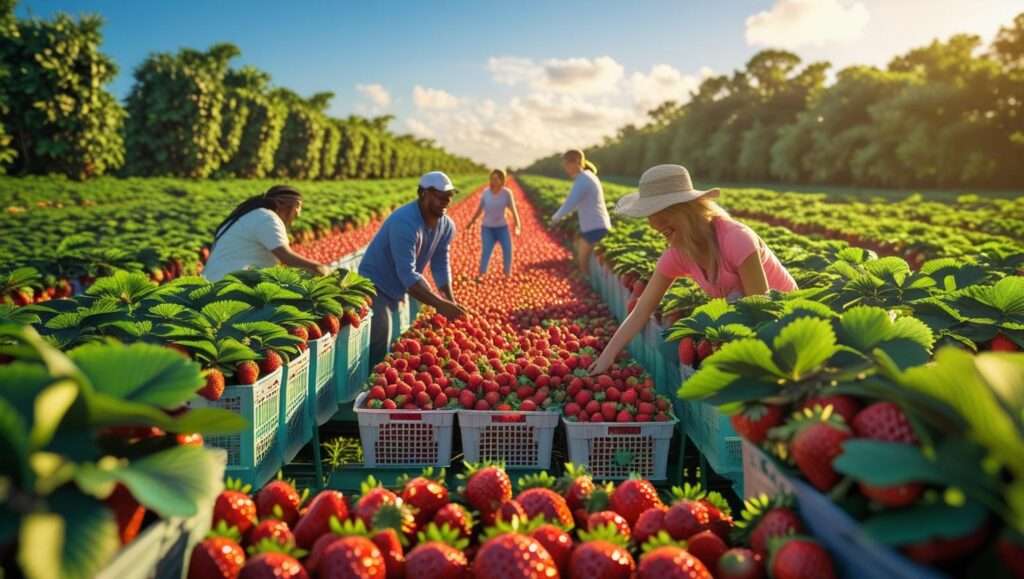
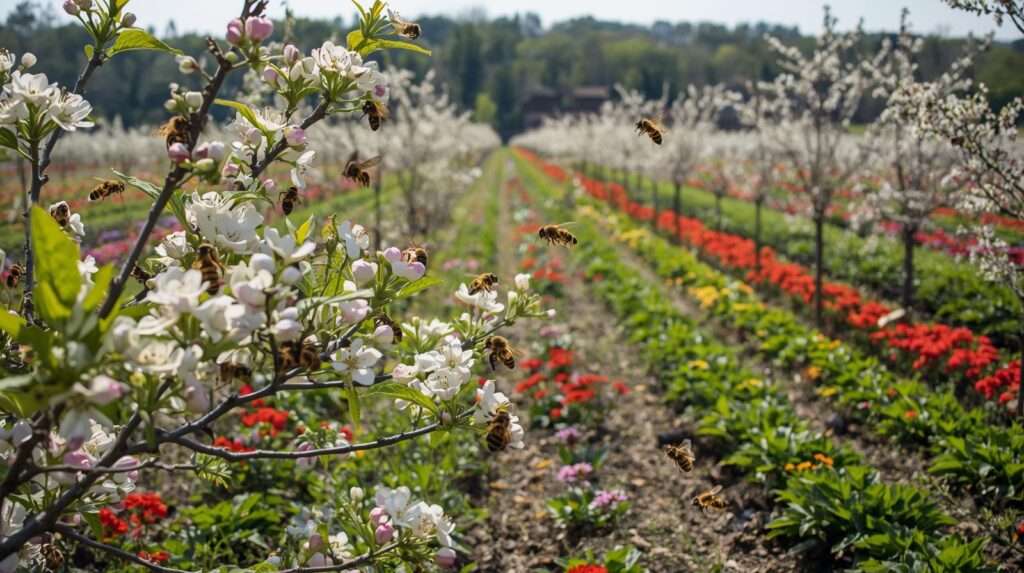
- Highly Dependent Crops: Almonds (nearly 100% bee-pollinated), apples, berries, pumpkins, cucumbers, and melons suffer reduced fruit set, smaller sizes, and deformities without adequate bees.
- In 2025, almond growers reported hive shortages and weaker colonies, contributing to potential yield drops despite projections holding steady at around 2.8 billion pounds.
Native wild bees provide “free” backup pollination but are also declining.
Economic Ripple Effects
- Pollination services, valued at $15-20 billion annually in the U.S., saw rental fees spike due to shortages.
- Potential increases in grocery prices for nuts, fruits, and vegetables as supplies tighten.
- Beekeepers face rebuilding costs, with some operations at risk of bankruptcy.
Long-Term Risks to Food Security
Ongoing declines could shift diets toward less nutritious staples, reducing biodiversity in agroecosystems.
Case Study: The 2025 almond season highlighted vulnerabilities—hive losses forced reliance on fewer, stressed colonies, underscoring the need for diversified pollination strategies.
Practical Solutions: What Farmers and Gardeners Can Do
The encouraging reality is that targeted, on-farm actions can significantly support bee recovery and improve pollination reliability. Research from the USDA, Xerces Society, and university extension programs shows that even modest habitat improvements can boost wild pollinator diversity by 50-200% and reduce reliance on rented hives.
Enhance Habitat and Nutrition
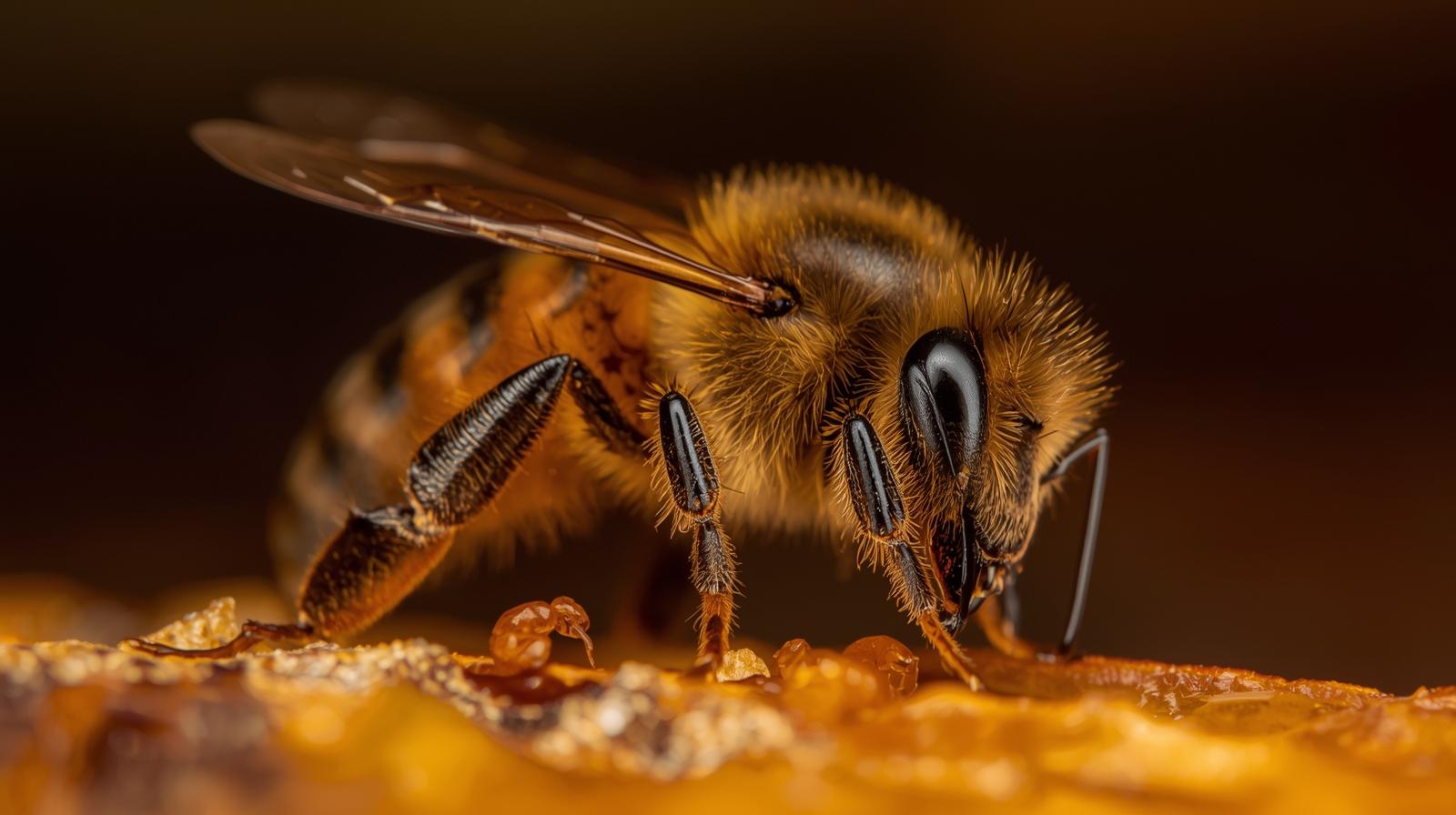
Providing diverse, pesticide-free forage throughout the growing season is one of the most effective ways to support both managed and wild bees.
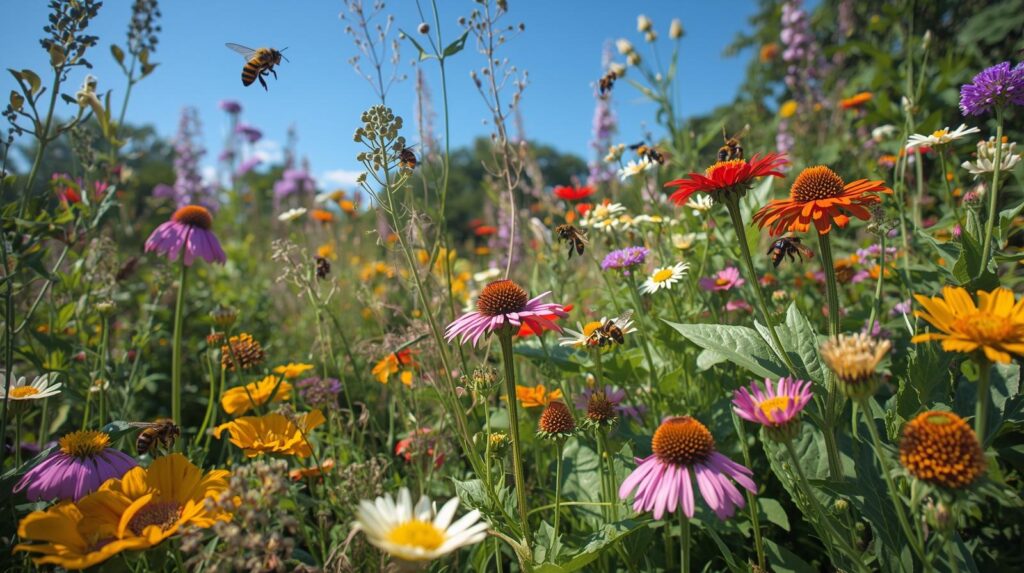
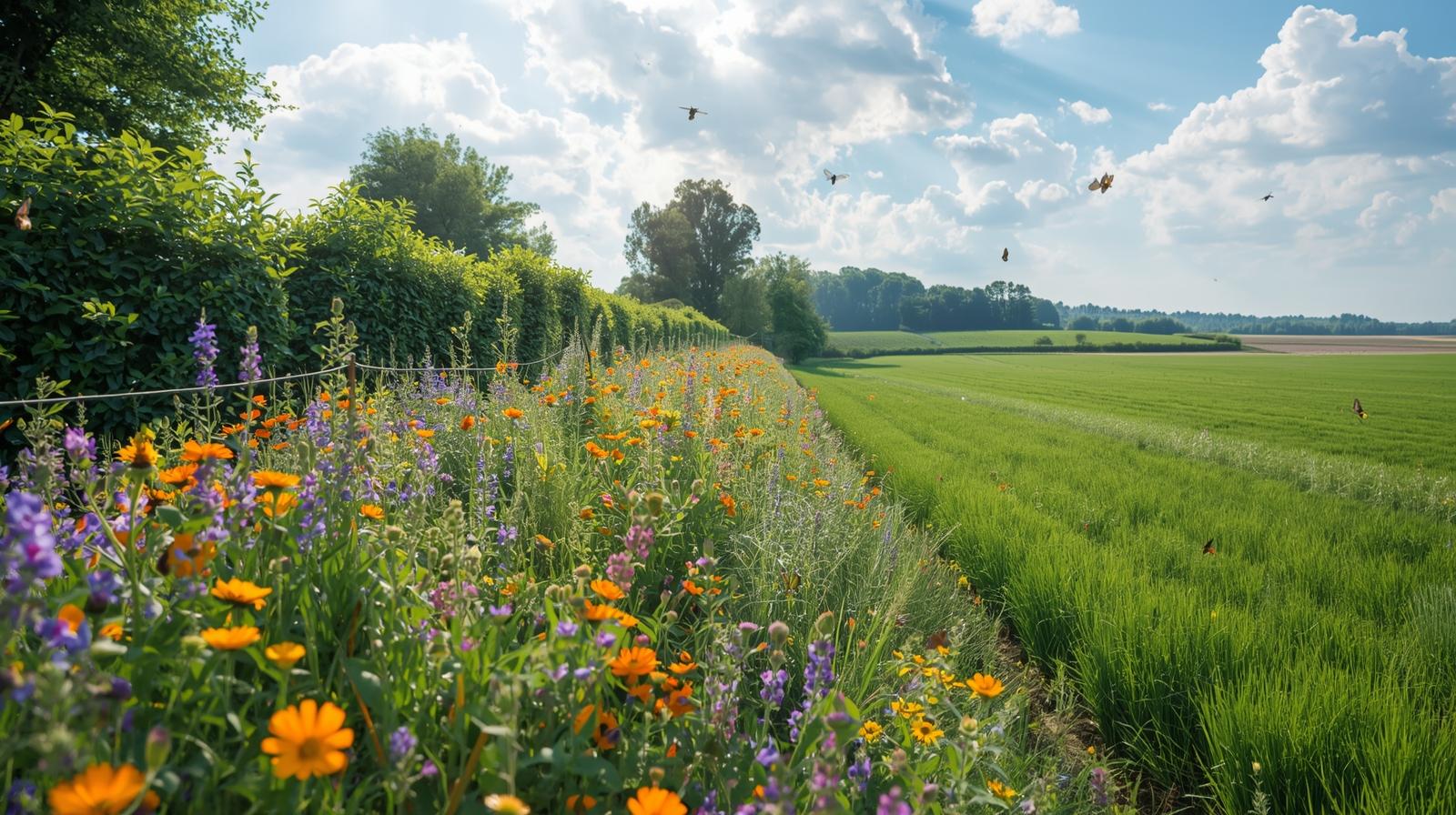
- Plant Pollinator-Friendly Borders and Strips: Dedicate field margins, hedgerows, or buffer strips to native wildflowers and shrubs. Recommended mixes include species like coneflower (Echinacea), milkweed (Asclepias), bee balm (Monarda), and sunflowers. Aim for a succession of blooms from early spring through late fall to bridge nutritional gaps.
- Incorporate Cover Crops and Intercropping: Use bee-friendly cover crops such as crimson clover, buckwheat, or phacelia in rotations or between rows. These provide forage while improving soil health.
- For Smaller Operations and Gardens: Even small plots with natives like lavender, salvia, and asters can attract local bees. Container planting works well for urban or limited-space growers.
Expert Tip: Studies show that allocating just 1-5% of farmland to diverse habitat can increase bee abundance substantially, often leading to better crop pollination and higher yields in nearby fields.
Reduce Pesticide Risks
Pesticides, particularly neonicotinoids and certain fungicides, contribute to sub-lethal effects on bees. Adopting safer practices protects foragers without compromising pest control.
- Implement Integrated Pest Management (IPM): Scout fields regularly, use economic thresholds before spraying, and prioritize biological controls (e.g., beneficial insects) and cultural practices.
- Timing and Application Best Practices: Avoid spraying during bloom periods when bees are active. Use drift-reducing nozzles, buffer zones, and evening applications when bees are less foraging.
- Choose Bee-Safe Alternatives: Opt for OMRI-listed organic options or products with low bee toxicity ratings. Resources like the Xerces Society’s pesticide risk tools can guide selections.
In 2025, with ongoing Varroa-related stresses, minimizing chemical exposure helps colonies rebuild resilience.
Support Bee Health Management
For those working with beekeepers or managing hives:
- Beekeepers: Regularly monitor Varroa levels (aim for <3 mites per 100 bees pre-winter), rotate treatments to combat resistance (e.g., oxalic acid, formic acid, or new options like Vadescana), and use Varroa-resistant stock (e.g., VSH or Pol-line bees).
- Farmers: Collaborate with local beekeepers for strong hives. Provide pre-bloom holding areas with forage and secure orchards against theft.
Community and Broader Actions
- Advocate for policies supporting pollinator health, such as USDA cost-share programs (e.g., EQIP, CRP) for habitat plantings.
- Provide supplemental resources: Shallow water stations with landing stones and undisturbed bare ground for ground-nesting bees (70% of native species).
Track your efforts using tools like the Xerces Society’s habitat assessment guides or apps such as Beescape to quantify improvements.
Conclusion: A Call to Action for Sustainable Agriculture
The dramatic bee losses in 2025—driven primarily by amitraz-resistant Varroa mites transmitting high viral loads—serve as a stark reminder of the vulnerabilities in our pollination-dependent food system. Yet, the science is clear: Multifactorial stressors can be mitigated through proactive, evidence-based management.
By enhancing habitat, reducing risks, and fostering collaboration, farmers and gardeners can directly contribute to bee recovery while safeguarding their own operations. Early 2025 shortages during almond bloom underscored the economic stakes, but ongoing research from USDA-ARS and partners offers pathways forward, including resistant stocks and new tools.
Start small today—plant a border, adjust a spray timing, or partner with a beekeeper. Collective action across farms will rebuild resilient pollinator populations, secure yields, and ensure abundant, affordable food for the future.
Frequently Asked Questions (FAQs)
Are bees going extinct?
No. Globally, managed honey bee colonies have increased to over 102 million (FAO data through 2023), largely due to beekeeping expansion in Asia and Africa. However, U.S. managed colonies faced record 55-62% losses in 2024-2025, and wild/native bees continue to decline due to habitat loss and other stressors.
Will food prices rise due to bee losses?
Potentially yes, for pollinator-dependent crops like almonds, berries, apples, and melons. The 2025 shortages raised pollination rental fees and highlighted risks, with estimated $600 million+ impacts on beekeepers alone.
What one thing can I do immediately?
Plant native, diverse flowers or avoid pesticide applications during bloom. Even a small wildflower patch provides critical forage.
Is colony collapse disorder still a problem?
Classic CCD (sudden adult bee disappearance) has declined since the 2000s, but similar high-loss events persist due to Varroa-virus interactions and other stressors.
How can I attract more bees to my farm/garden?
Provide year-round diverse forage (native plants preferred), nesting sites (bare ground, stems), water, and minimize pesticides. Tools like NRCS cost-share can fund larger efforts.
This guide synthesizes the latest 2025 insights from USDA-ARS, Project Apis m., Auburn University surveys, Xerces Society, and FAO to empower agricultural professionals. Implementing these strategies not only addresses the current crisis but builds long-term resilience.