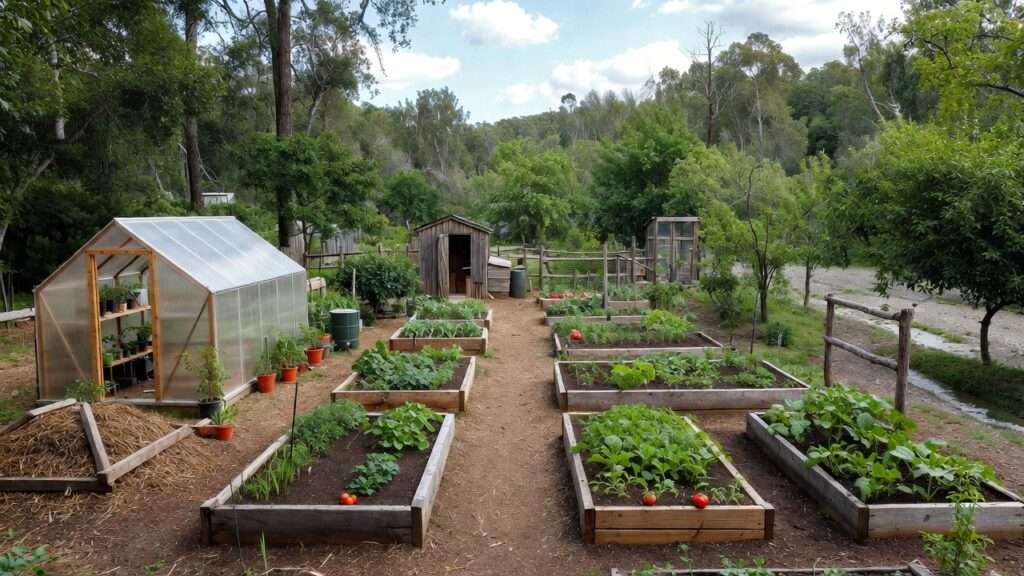
Imagine waking up on your homestead, stepping outside to harvest crisp greens, hearty potatoes, and sun-ripened tomatoes—all without flipping a switch for electric pumps, paying municipal water bills, or driving to the store during shortages or storms. This vision of true food independence is achievable, even in remote or challenging locations. Off-Grid Homestead Garden Design is the key to turning that dream into reality, creating a resilient, productive garden that relies on natural systems rather than grid-dependent resources.
Many homesteaders face the same hurdles: unreliable water access, poor or depleted soil, extreme weather swings, and the constant labor of maintaining high-input plots. Without careful planning, gardens fail to deliver consistent yields, leading to frustration and reliance on external food sources. As someone with extensive experience in sustainable agriculture, permaculture implementation, and off-grid living—drawing from years of hands-on trials, soil regeneration projects, and observing successful homesteads worldwide—this guide delivers proven, practical strategies. You’ll learn how to design a low-maintenance, high-output garden that maximizes self-sufficiency, conserves resources, and builds long-term abundance.
Whether you’re starting on a small acreage or expanding an existing setup, these essential tips address the core needs of off-grid gardeners: water security, soil fertility without purchased amendments, efficient layouts, and resilient plant choices. By the end, you’ll have a clear roadmap to build a garden that thrives with minimal external inputs.
Why Off-Grid Garden Design Matters for Homesteaders
Off-grid living demands systems that function independently of utilities. A well-designed homestead garden provides far more than fresh produce—it enhances food security during disruptions, slashes grocery costs (often by thousands annually), improves nutrition through homegrown whole foods, and fosters resilience against climate variability or supply chain issues.
Key challenges in off-grid environments include:
- Limited electricity — No power for irrigation pumps, grow lights, or electric tillers.
- Water scarcity — Reliance on rainfall, wells, or surface sources without municipal backup.
- Soil issues — Often rocky, sandy, or nutrient-poor land that requires building fertility from scratch.
- Labor demands — Time-intensive maintenance without mechanized help.
- Weather extremes — Droughts, frosts, winds, or heavy rains that can wipe out poorly planned plots.
Thoughtful off-grid homestead garden design counters these by integrating permaculture principles: observing natural patterns, catching and storing energy (like rainwater), using renewable resources, and designing for minimal waste. The result? A garden that works with nature, reducing effort while increasing yields over time.
Step 1: Assessing Your Land and Climate (Site Analysis)
Success begins with deep observation—rushing to plant without this step is one of the most common mistakes.
Start by mapping your property using permaculture “sectors” and “zones”:
- Track sunlight patterns over a full day and season (most vegetables need 6-8 hours of direct sun).
- Note wind directions (prevailing winds can dry soil or damage plants; use windbreaks like trees or shrubs).
- Identify slopes and water flow (water naturally runs downhill—capture it with swales or ponds).
- Catalog existing vegetation (native plants indicate soil type and microclimates).
- Define microclimates (south-facing slopes are warmer; low spots collect frost or moisture).
Determine your USDA hardiness zone (or equivalent) to select appropriate plants. Perform basic soil tests: Dig holes to check texture (sand, silt, clay), pH (aim for 6.0-7.0 for most crops), and drainage. DIY methods include jar tests for particle separation or simple probes—no fancy lab needed initially.
Conduct a water audit: List sources (rainfall averages, streams, springs, hand-dug wells), seasonal patterns, and storage potential. In arid areas, prioritize drought-tolerant designs; in wet climates, focus on drainage to prevent rot.
This assessment phase—often taking weeks or a full year—prevents costly redesigns and sets the foundation for everything else.
Step 2: Core Principles for Off-Grid Success
Permaculture provides the blueprint for sustainable, low-input systems. Key principles adapted for off-grid homesteading:
- Observe and interact — Spend time watching your land before major changes.
- Catch and store energy — Harvest rainwater, sunlight (via passive solar), and biomass (compost, mulch).
- Obtain a yield — Design for reliable food production first.
- Apply self-regulation — Use natural pest control, companion planting, and biodiversity to reduce interventions.
- Use renewable resources — Prioritize on-site materials like fallen wood, leaves, and manure.
- Produce no waste — Turn “waste” (kitchen scraps, prunings) into fertility.
- Design from patterns to details — Start big-picture (water flow, zones) then refine plant placement.
Shift toward perennials (fruit trees, berries, herbs) over annuals for reduced replanting. Emphasize polycultures—mixing plants for mutual benefits—over monocrops.
Step 3: Choosing the Right Garden Layout and Zones
Efficient zoning minimizes labor by placing high-maintenance elements close to home.
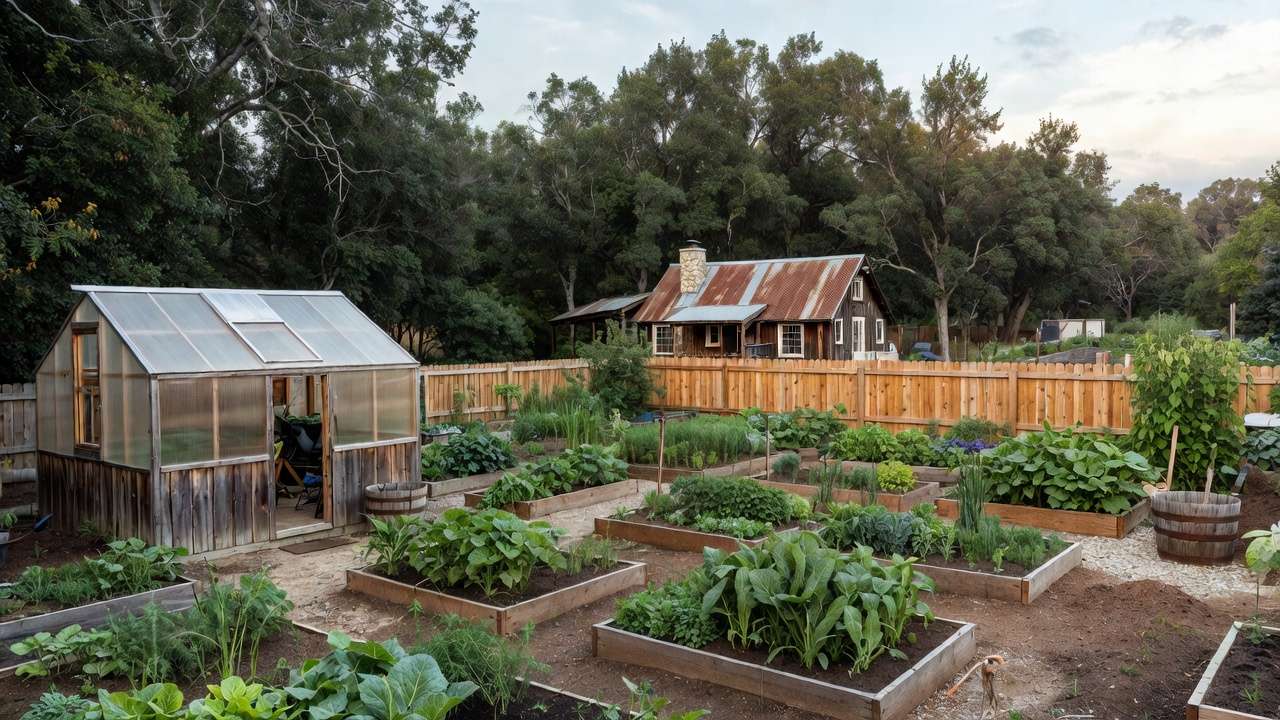
- Zone 1 — Kitchen garden near the door: Herbs, salads, greens, quick-harvest crops (daily access).
- Zone 2 — Main vegetables, compost piles, chickens (frequent visits).
- Zone 3 — Orchards, staple crops like potatoes or grains (weekly checks).
- Zone 4-5 — Foraging areas, wild edges, minimal intervention.
Proven off-grid layouts:
- Keyhole gardens — Circular raised beds with a central composting “keyhole” for easy access and moisture retention; ideal for water-scarce areas.
- Raised beds — 4×8 ft or similar; improve drainage, warm soil faster, and reduce bending.
- Hugelkultur mounds — Buried wood logs topped with soil/compost; decompose slowly to retain water and nutrients (great for poor soils).
- Row vs. polyculture beds — Rows for staples; polycultures (e.g., Three Sisters: corn, beans, squash) for biodiversity.
- Food forests — Layered perennials (trees, shrubs, groundcovers) for long-term, low-maintenance abundance.
Compare options in a simple table mentally: Hugelkultur excels in moisture retention but takes time to build; keyholes suit small spaces and greywater integration.
Step 4: Water Management – The #1 Off-Grid Priority
In off-grid settings, water is often the single biggest limiting factor. Without electric pumps or municipal supply, every drop must be captured, stored, and used efficiently. Poor water management can doom even the richest soil and best plant selections.
Proven strategies that work reliably without grid power:
- Rainwater harvesting systems Install roof gutters on your home, barn, or greenhouse to direct rainwater into food-grade barrels, IBC totes, or cisterns. A 1,000 sq ft roof in an area with 30 inches of annual rainfall can collect roughly 18,000 gallons per year. Position storage at higher elevation for gravity flow. Add first-flush diverters and screens to keep debris and mosquitoes out.
- Earthworks for passive water capture On sloped land, dig swales (shallow ditches on contour) to slow runoff, spread water, and recharge the soil. Plant nitrogen-fixing trees or shrubs on the swale berms to stabilize soil and add fertility. In flat areas, create subtle berms and basins around garden beds.
- Gravity-fed irrigation Elevate storage tanks 4–10 feet (on sturdy platforms or natural rises) to feed drip lines, soaker hoses, or ollas. Ollas—unglazed clay pots buried near plants—slowly seep water directly to roots, reducing evaporation by up to 70%. Wicking beds (raised beds with a buried reservoir layer of gravel or sand) pull moisture upward as needed.
- Mulching aggressively Apply 4–8 inches of organic mulch (straw, wood chips, leaves, grass clippings) to dramatically cut surface evaporation and suppress weeds. In hot, dry climates, deep mulching can reduce watering needs by half or more.
- Greywater systems Reuse household sink, shower, and laundry water (after simple filtration) for fruit trees, berry bushes, and non-edible ornamentals. Use diverter valves and mulch basins to prevent pooling and pathogen issues.
- Drought-proof planting Choose deep-rooted, drought-tolerant varieties (Jerusalem artichokes, sunchokes, tepary beans, amaranth). Group plants by water needs—thirsty crops near water sources, xeriscape-style zones farther out.
Implement these layered approaches so your garden becomes increasingly water-independent each year as soil organic matter rises and root systems deepen.
Step 5: Soil Building Without External Inputs
Most off-grid land starts with subpar soil—rocky, compacted, low in organic matter. The goal is to build living, fertile topsoil using only what’s already on-site or easily produced.
Core methods:
- Composting systems Build hot compost piles (3×3×3 ft minimum) using the carbon:nitrogen ratio of roughly 30:1 (browns like dry leaves, straw; greens like kitchen scraps, fresh grass). Turn every 1–2 weeks for fast decomposition. Cold composting (pile-and-wait) works for slower, lower-labor builds. Vermicomposting bins using red wigglers process kitchen waste indoors during winter.
- Hugelkultur Dig trenches 12–24 inches deep, fill with decaying logs, branches, and brush, then layer greens, manure (if available from animals), compost, and topsoil. The buried wood acts as a long-term sponge and fungal network, releasing nutrients slowly over 5–20 years. Excellent for moisture retention in sandy or drought-prone soils.
- Cover cropping and green manures Sow legumes (clover, vetch, field peas, cowpeas) and grasses (rye, oats) in off-seasons or between rows. Chop and drop or till lightly to add biomass and nitrogen. Daikon radish “biodrills” compacted soil naturally.
- No-till philosophy Avoid mechanical disturbance to preserve mycorrhizal fungi, earthworms, and soil structure. Sheet mulch new beds with cardboard, compost, and thick mulch layers to smother weeds and feed the soil food web.
- Animal integration If you keep chickens, ducks, goats, or rabbits, use their manure (well-composted) and scratching to build fertility. Rotational grazing or mobile coops over garden beds accelerate soil improvement.
Expect visible improvements in 1–2 seasons and dramatic fertility gains in 3–5 years with consistent effort.
Step 6: Plant Selection for Maximum Yield and Resilience
Focus on crops that deliver high calories, storable nutrition, and low maintenance in off-grid conditions.
Top priorities:
- Calorie-dense staples Potatoes (store 6–9 months), sweet potatoes, winter squash, dry beans, corn (dent varieties for grinding), Jerusalem artichokes.
- Nutrient powerhouses Kale, chard, collards (cold-hardy greens), carrots, beets, parsnips, onions, garlic.
- Perennials for longevity Asparagus, rhubarb, berry bushes (raspberries, blackberries, currants), fruit trees (apples, pears, plums suited to your zone), herbs (oregano, thyme, mint).
- Nitrogen-fixers Comfrey (dynamic accumulator), clover, beans, peas, alder trees.
Use companion planting extensively:
- Three Sisters polyculture: Corn supports pole beans; beans fix nitrogen; squash shades soil and deters pests.
- Marigolds, nasturtiums, and garlic repel insects.
- Basil with tomatoes improves flavor and repels hornworms.
Save seeds from open-pollinated and heirloom varieties to eliminate future purchases. Practice succession planting (stagger sowings every 2–3 weeks) and crop rotation (avoid planting the same family in the same spot for 3–4 years) to maintain soil health and reduce disease.
Step 7: Structures and Tools for Off-Grid Gardening
Off-grid doesn’t mean primitive—it means smart, low-tech, and durable. Invest in structures and implements that extend your growing season, protect crops, and reduce daily labor without requiring electricity.
Key additions to consider:
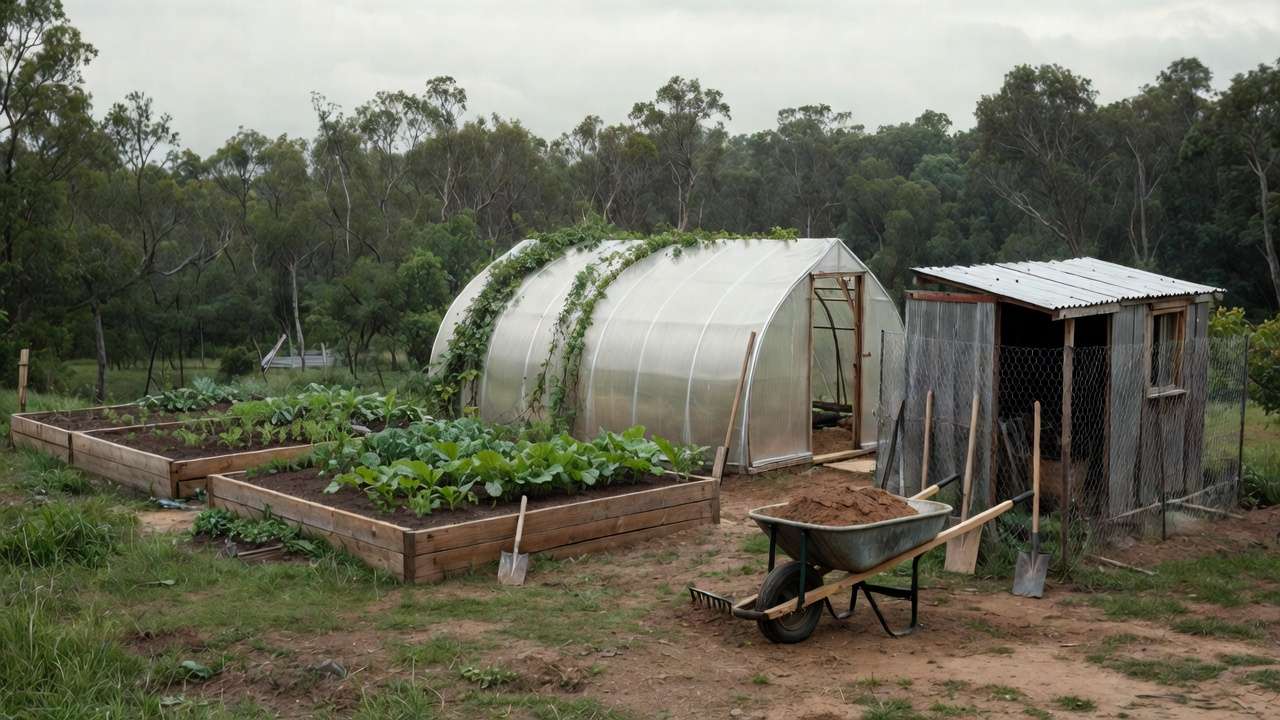
- Passive solar greenhouses / hoop houses A simple 10×20 ft hoop house made from PVC or metal conduit, covered with 6-mil greenhouse plastic, can add 4–8 weeks to your season on each end. Orient east-west for maximum winter light, add thermal mass (water barrels or stone) inside to store daytime heat, and use roll-up sides for ventilation. Cold frames (mini versions with hinged lids) protect seedlings and overwinter hardy greens.
- Natural windbreaks and fencing Plant fast-growing deciduous trees or shrubs (willows, poplars, elderberry) on the windward side to slow drying winds. Living fences of black locust, osage orange, or thorny berries double as food sources. For small plots, use salvaged pallets, woven willow, or wire with climbing vines.
- Low-tech tools that last a lifetime Broadfork (for aerating without tilling), scythe or sickle for cover crop cutting, wheel hoe for weeding between rows, hand-crank seeders, and solar food dehydrators (simple box designs with black-painted interiors and screened vents). Avoid battery-powered gadgets—opt for quality steel hand tools.
- Animal-powered or integrated systems Chickens in a mobile tractor scratch and fertilize fallow beds. Ducks patrol pond edges and eat slugs. Goats or pigs can clear brush before establishing new zones (fenced carefully to avoid garden damage).
These elements turn your homestead into a closed-loop system where each component supports the others.
Step 8: Maintenance and Troubleshooting Tips
A truly low-maintenance off-grid garden still requires seasonal rhythm and proactive care.
Seasonal checklist
- Spring — Soil test amendments, start seeds in cold frames, plant early cool crops, repair structures, mulch heavily.
- Summer — Focus on deep watering (early morning), succession sowing, pest scouting, harvest and preserve peaks.
- Fall — Plant cover crops, harvest storage crops, build new hugelkultur beds, winterize perennials.
- Winter — Plan next year, maintain tools, eat from root cellar, start indoor seedlings under natural light.
Natural pest and disease management
- Encourage beneficials: Plant dill, fennel, yarrow, and alyssum to attract ladybugs, lacewings, and predatory wasps.
- Use physical barriers: Row covers for brassicas, copper tape for slugs, diatomaceous earth for crawling insects.
- Homemade sprays: Neem oil, garlic-pepper, or soap solutions for aphids and mites.
- Promote plant health: Strong, well-fed plants resist problems better than weak ones.
Common mistakes to avoid
- Planting too much too soon (overwhelms new gardeners).
- Ignoring microclimate extremes (frost pockets kill tender starts).
- Underestimating mulch needs in hot/dry areas.
- Poor crop rotation leading to nutrient depletion and disease buildup.
Start small, observe closely, and scale gradually—most successful off-grid gardeners begin with 200–400 sq ft and expand as systems mature.
Real-World Examples and Case Studies
- The High-Desert Hugelkultur Homestead (arid Southwest U.S.) A family in New Mexico built 30-inch-high hugelkultur beds using juniper logs and local manure. Combined with swales and ollas, they reduced watering to once every 10–14 days in summer. Year 3 yields: 400+ lbs of potatoes, squash, and beans from 1,200 sq ft.
- Temperate Rainforest Food Forest (Pacific Northwest) Layered design with apples, plums, hazelnuts, currants, comfrey, and shade-tolerant greens. Gravity-fed drip from a spring-fed cistern waters the understory. Minimal annual replanting; harvests include nuts, fruit, and greens 9 months of the year.
- Small Acreage Starter Plot (Midwest U.S.) Beginner couple used keyhole gardens near the house for herbs and greens, raised beds for staples, and a small greenhouse. Chickens rotated through beds in fall. Within two seasons, they produced 70% of their vegetables.
These examples show adaptation to local conditions yields reliable results.
Expert Insights and Advanced Tips
From years of consulting with off-grid homesteaders:
- Water always trumps everything else—fix capture and storage before planting extensively.
- Perennials pay dividends: A mature berry patch or asparagus bed can produce for 15–30 years with almost no work.
- Budget starter plan (<$500): 4 raised beds, basic tools, seeds, mulch materials, and 2–3 rain barrels.
- Climate tweaks — In humid areas, prioritize airflow and fungal-resistant varieties. In cold zones, use row covers and thermal mass aggressively.
Track your progress with a simple journal: rainfall, yields, labor hours, and observations. Patterns emerge quickly.
Your Path to True Self-Sufficiency
Off-Grid Homestead Garden Design isn’t about perfection—it’s about creating a system that reliably feeds your household with increasing ease over time. By assessing your site thoroughly, prioritizing water and soil, choosing resilient plants and layouts, and integrating low-tech structures, you build a garden that works even when the grid fails.
Start today: Walk your land, sketch a basic zone map, and begin with one small bed using hugelkultur or raised beds plus heavy mulching. Implement just one or two tips this season and watch the difference.
True self-sufficiency grows one thoughtful decision at a time. Your homestead garden can become the heart of that independence.
FAQs
How much land do I need for an off-grid family garden? For a family of four aiming for 50–80% of vegetable needs, 1,000–4,000 sq ft (roughly 1/4 to 1/10 acre) is realistic once the system is established. Start smaller and expand.
Can I garden off-grid in a dry climate? Absolutely—focus on swales, hugelkultur, deep mulching, drought-tolerant crops (amaranth, tepary beans, mesquite), and water harvesting. Many desert homesteaders thrive with these methods.
What’s the easiest water solution without electricity? Gravity-fed drip from elevated rain barrels or cisterns, combined with ollas and heavy mulching. It’s simple, reliable, and scalable.
How do I start seeds without power? Use cold frames, south-facing windowsills, or a small passive solar propagator. Start hardy crops directly in the ground under row covers when soil warms.
Best beginner crops for off-grid success? Potatoes, beans, squash, kale, radishes, garlic, onions, and zinnias/marigolds for pest control and beauty. These are forgiving, productive, and store well.