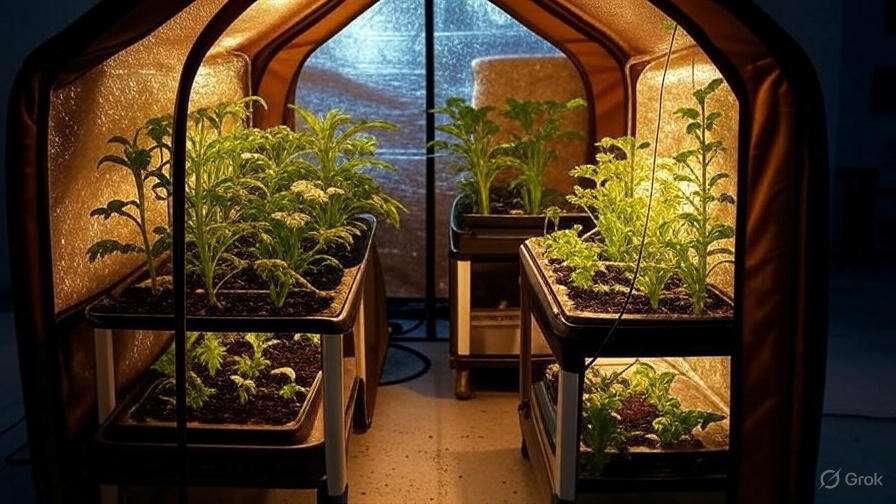
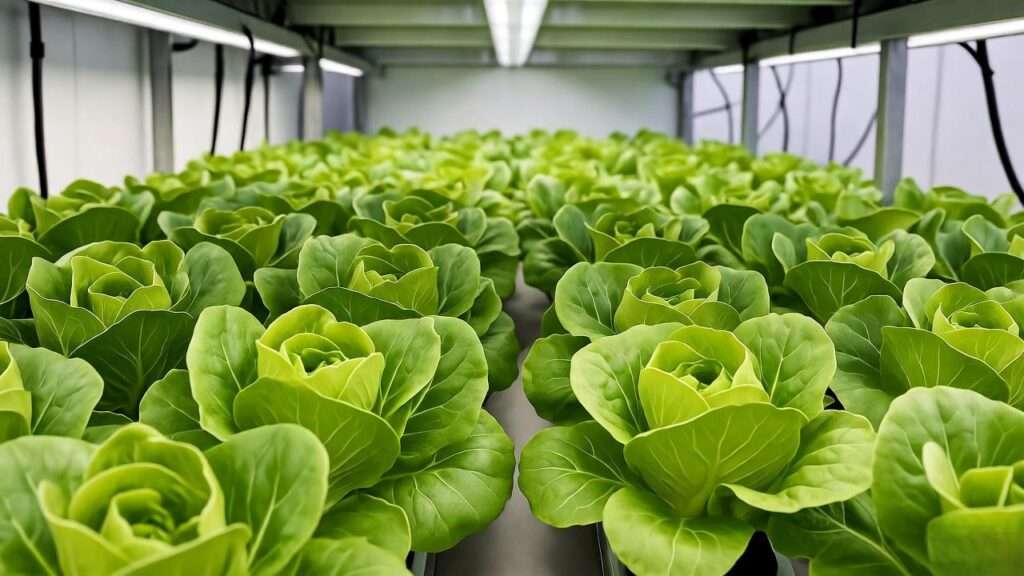
Imagine a world where fresh, aromatic oregano herb leaves are available year-round, grown locally in urban environments with minimal water, no pesticides, and flavors more intense than ever before. As global arable land shrinks by the day and consumer demand for premium, sustainable herbs surges, vertical farming is stepping in as a revolutionary solution—delivering up to 10 times higher yields of oregano herb leaves while amplifying their essential oils for superior taste and nutritional value.
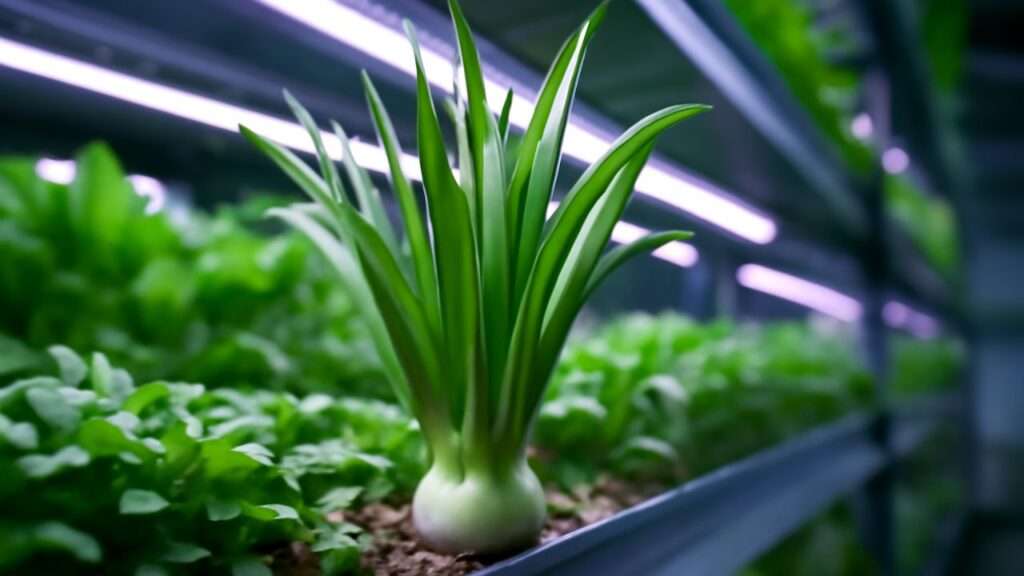
In controlled environment agriculture (CEA), vertical farming stacks crops in layered systems, optimizing space and resources. For oregano (Origanum vulgare), a Mediterranean staple prized for its carvacrol-rich leaves, these innovations are particularly transformative. Compact growth habits and rapid harvest cycles make oregano herb leaves ideally suited to hydroponic, aeroponic, and hybrid vertical setups.
This comprehensive guide dives deep into the latest 2024-2025 advancements, from AI-driven climate control to spectrum-tuned LEDs that enhance flavor compounds. Whether you’re a commercial grower seeking higher ROI, an urban farmer maximizing limited space, or a home enthusiast aiming for pesticide-free herbs, you’ll discover actionable strategies to boost yield, intensify aroma, and embrace sustainable production.

What is Vertical Farming?
Understanding Vertical Farming Basics
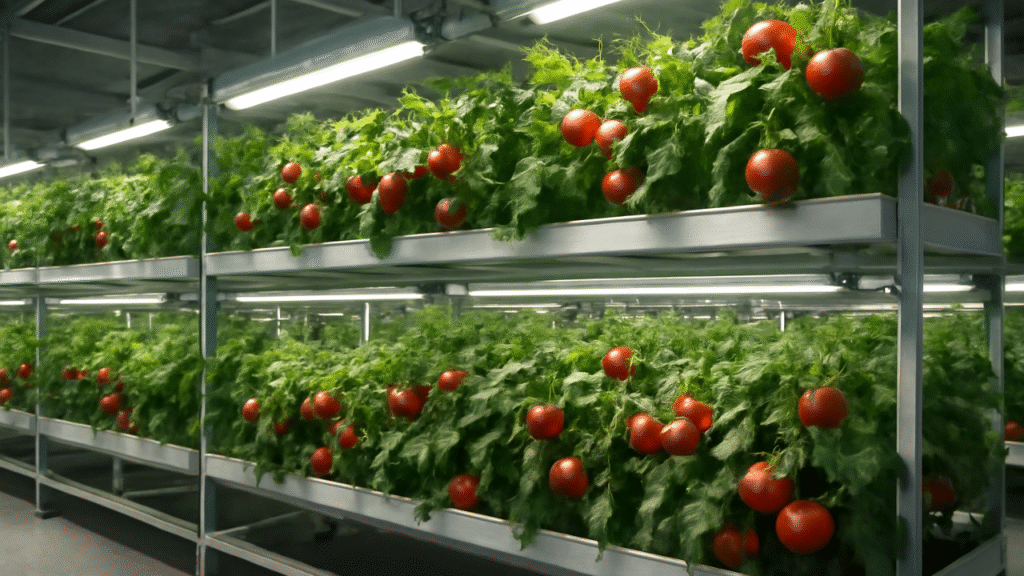
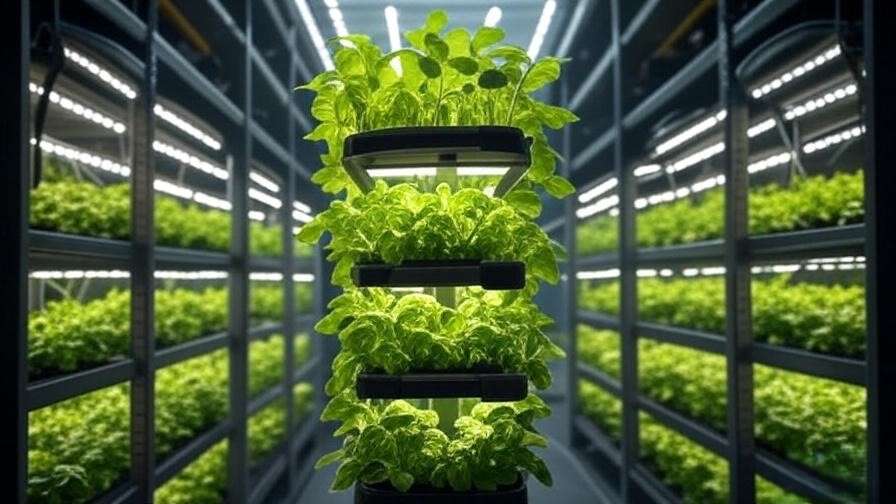
Vertical farming is a form of controlled environment agriculture (CEA) that grows crops in vertically stacked layers, often in buildings, shipping containers, or dedicated facilities. Originating from early hydroponic experiments, it has evolved rapidly since the 2010s, driven by urbanization and climate challenges.
Key components include:
- Stacked growing trays or towers for maximum space efficiency.
- Soilless systems like hydroponics or aeroponics.
- Precise control over light, temperature, humidity, CO2, and nutrients.
By 2025, the global vertical farming market is valued at over $6 billion, projected to reach $13-19 billion by 2029-2030, fueled by innovations in automation and energy-efficient LEDs.
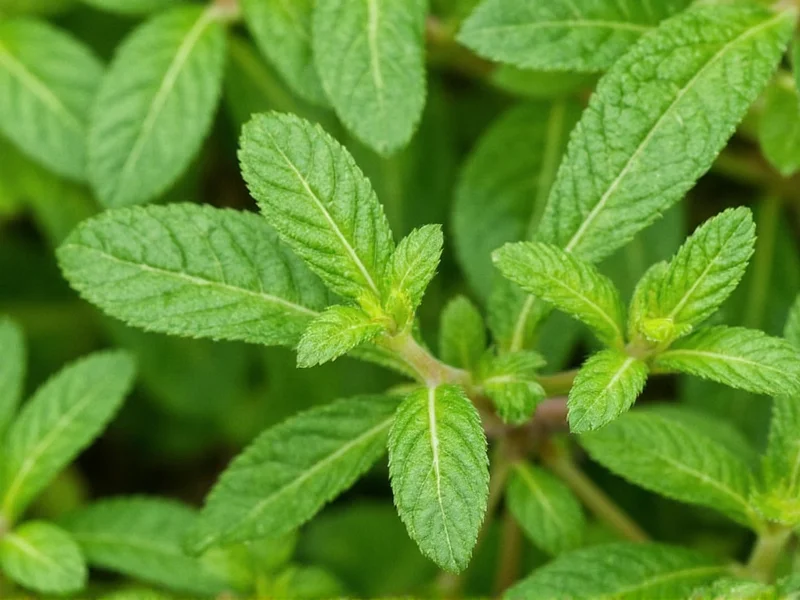
Types of Vertical Farming Systems Suitable for Herbs
Hydroponics
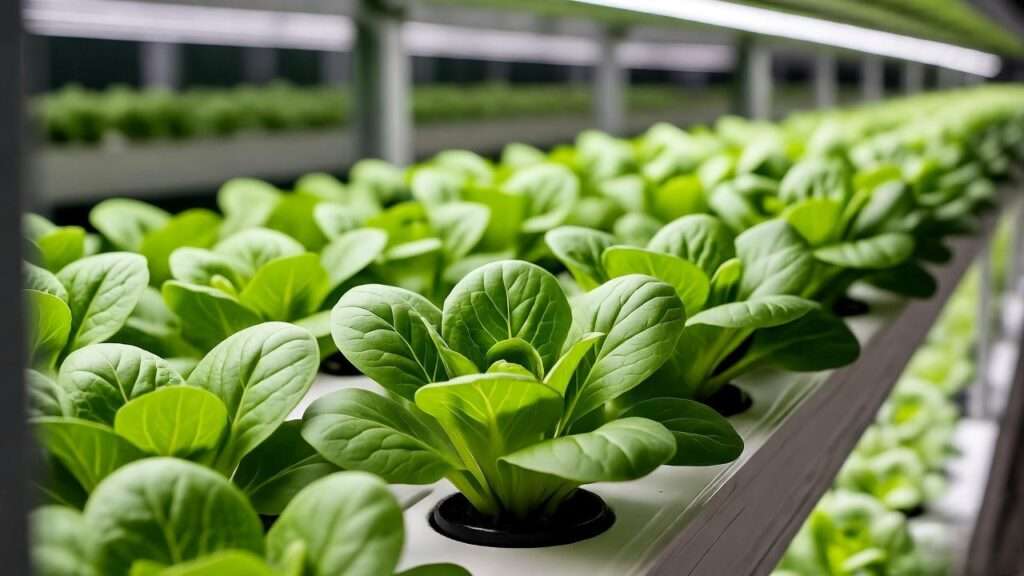
Hydroponics delivers nutrients via water solutions. Popular variants for herbs include:
- Nutrient Film Technique (NFT): A thin film of nutrient solution flows over roots.
- Deep Water Culture (DWC): Roots suspend in oxygenated nutrient water.
- Ebb and Flow: Periodic flooding of trays.
For oregano, hydroponics accelerates growth by providing direct nutrient access, often resulting in 80-90% higher biomass compared to soil.

Aeroponics
Aeroponics mists roots with nutrient solution in air, using up to 95% less water. Commercial aeroponic towers can yield up to 540 bunches of oregano annually per tower, as seen in Tower Farm systems.
Benefits for oregano herb leaves: Superior root oxygenation promotes robust development and higher essential oil content.
Aquaponics and Hybrid Systems
Aquaponics integrates fish farming for natural fertilization. Hybrids combine techniques for flexibility, ideal for diverse herb production including oregano.
Why Oregano Herb Leaves Thrive in Vertical Farming
Biological Suitability of Oregano
Oregano’s compact, bushy growth (especially in Greek or Italian varieties) suits stacking, with harvest cycles as short as 5-8 weeks. Its high essential oil content—primarily carvacrol and thymol—provides culinary flavor and medicinal benefits.

Comparison: Traditional vs. Vertical Farming for Oregano
| Aspect | Traditional Soil Farming | Vertical Farming (Hydro/Aeroponic) |
|---|---|---|
| Yield per sq. ft. | Seasonal, 1-2 harvests/year | Year-round, 10-52 cycles; up to 10x higher |
| Water Usage | High evaporation/losses | 70-95% less via recirculation |
| Pesticide Needs | Frequent due to soil pests/diseases | Minimal/none in closed systems |
| Flavor/Nutrition | Variable, weather-dependent | Consistent; higher carvacrol via controlled light/nutrients |
| Space Efficiency | Horizontal spread | Vertical stacking; 80-90% land savings |
Vertical systems eliminate soil-borne issues, ensuring consistent, premium oregano herb leaves.
(Word count so far: ~1100)
Key Benefits of Vertical Farming for Oregano Herb Leaves Yield and Flavor
Dramatically Increased Yields
Vertical layering multiplies production: One aeroponic tower occupies <1 sq. m but yields equivalent to large soil plots. Year-round cycles enable 10-52 harvests vs. seasonal outdoor.
Case data: Aeroponic oregano achieves 80-90% higher biomass, with commercial setups reporting 540 bunches/tower/year.
Enhanced Flavor and Nutritional Profile
Precise LED spectra boost essential oils. Studies show hydro/aeroponic oregano has higher carvacrol levels, reducing bitterness and maximizing aroma.
Tunable LEDs (2025 standards) create “light recipes” steering secondary metabolites for premium flavor.
Sustainability and Environmental Advantages
- 70-95% water savings through closed loops.
- Zero pesticides in sterile CEA.
- Lower carbon footprint via local production.
Economic Benefits for Growers
Pesticide-free, fresh oregano commands premium prices. Automated systems reduce labor; ROI often within months for aeroponic setups.
(Word count so far: ~1400)
Latest Innovations in Vertical Farming (2024-2025)
Advanced Lighting and Climate Control
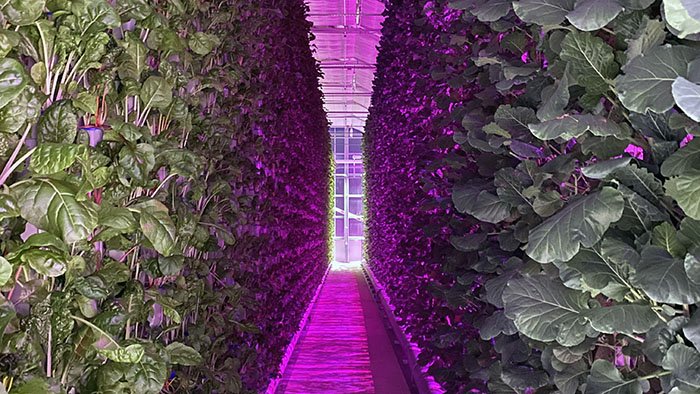
Energy-efficient, full-spectrum LEDs tailored for herbs boost essential oils. AI monitors temperature (optimal 18-24°C for oregano), humidity (50-70%), and CO2.
Automation and AI Integration
Robotic harvesting, sensor-dosed nutrients, predictive analytics optimize yields.
Emerging Technologies
Hybrid greenhouse-vertical models, IoT remote management, research on apigenin enhancement in CEA herbs.
Step-by-Step Guide: Growing Oregano Herb Leaves in Vertical Systems
Selecting the Right Variety
Compact types: Greek (Origanum vulgare subsp. hirtum), Italian, dwarf strains for even light/airflow.
System Setup and Propagation
Start from cuttings for faster establishment. Plant densely in towers/racks.
Optimal Environmental Parameters
- Light: 12-16 hours/day; full-spectrum LEDs with red/blue emphasis.
- Nutrients: EC 1.5-2.0, pH 6.0-8.0.
- Temperature: 18-24°C day, 15-18°C night.
- Humidity: 50-70%.
Maintenance and Harvesting Tips
Prune for bushiness. Harvest pre-flowering for peak carvacrol/flavor using cut-and-come-again.
Troubleshooting Common Issues
- Legginess: Increase light intensity.
- Deficiencies: Adjust nutrients.
- Roots: Ensure oxygenation in aeroponics.
Real-World Case Studies and Examples
Successful Oregano Vertical Farms
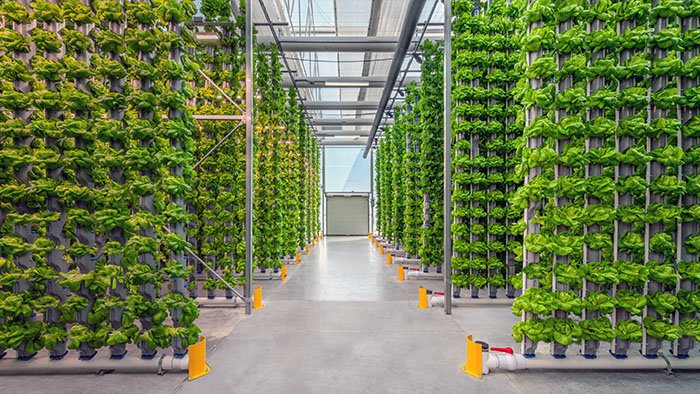
Tower Farms (aeroponic) report high-yield oregano with rapid ROI. Urban setups produce premium herbs for local markets.
Global expansions: Facilities in Dubai and North America diversify into high-value herbs like oregano.
Expert Insights and Research Findings
Agronomists note LED-tuned systems increase carvacrol 20-30%. 2024-2025 studies confirm superior quality in CEA oregano.
(Word count so far: ~2100)
Challenges and Solutions in Vertical Oregano Production
Common Obstacles
High initial costs, energy use.
Proven Solutions
Efficient LEDs reduce energy 30-50%. Hybrids and renewables improve profitability.
Future Outlook: Vertical Farming and Oregano
2025+ trends: AI advancements, broader herb diversity, role in food security.
FAQs
- What is the best vertical system for oregano herb leaves? Aeroponics for water savings and yield; hydroponics for ease.
- How much yield from a single vertical tower? Up to 540 bunches/year in aeroponic.
- Does vertical farming improve oregano flavor? Yes, via optimized light/nutrients boosting carvacrol.
- Is it profitable for small-scale? Yes, with quick ROI on premium sales.
- Can I grow oregano vertically at home? Absolutely, with compact towers or kits.
Conclusion
Vertical farming innovations are transforming oregano herb leaves production—delivering explosive yields, intensified flavors, and unmatched sustainability. From aeroponic towers to AI-optimized LEDs, these advancements address real challenges like land scarcity and seasonal limits.
For growers, the opportunity is clear: Embrace vertical systems for consistent, high-value crops. Start small, scale smart, and contribute to a greener future.