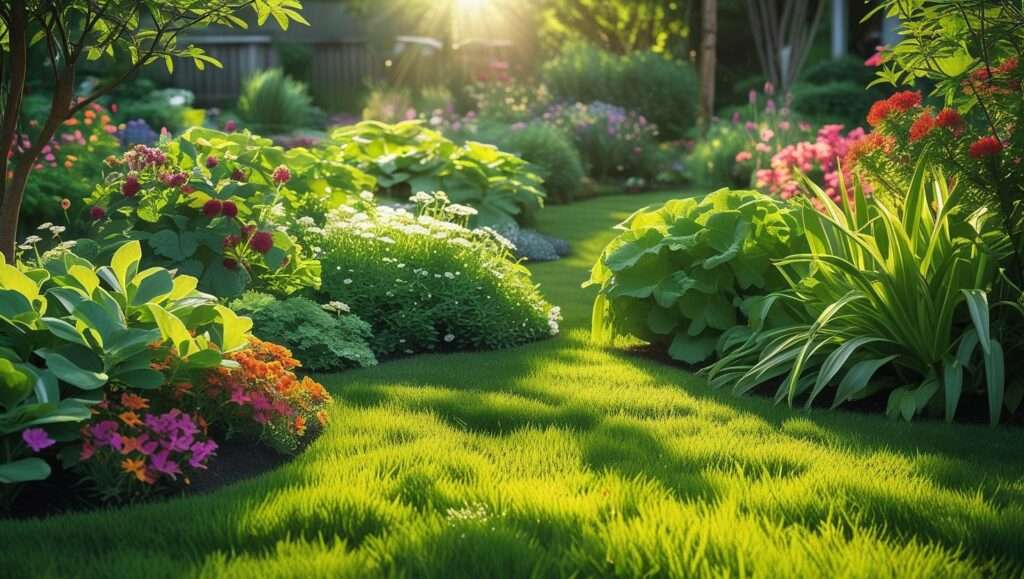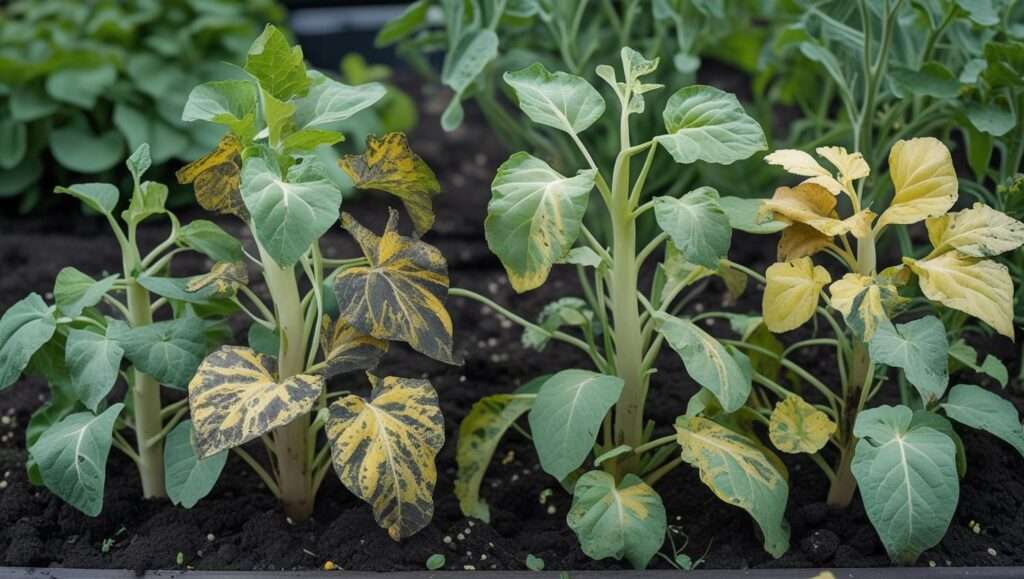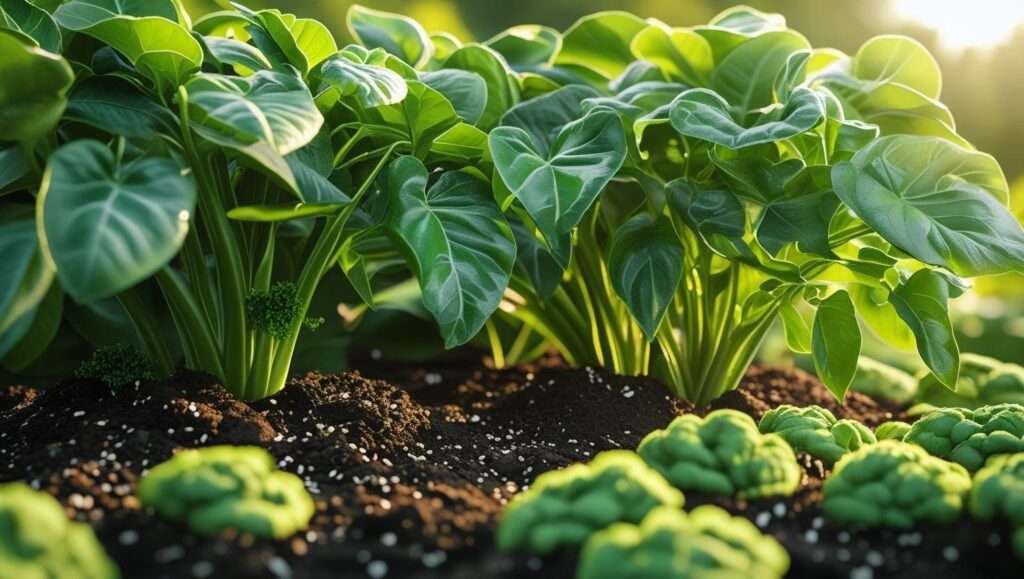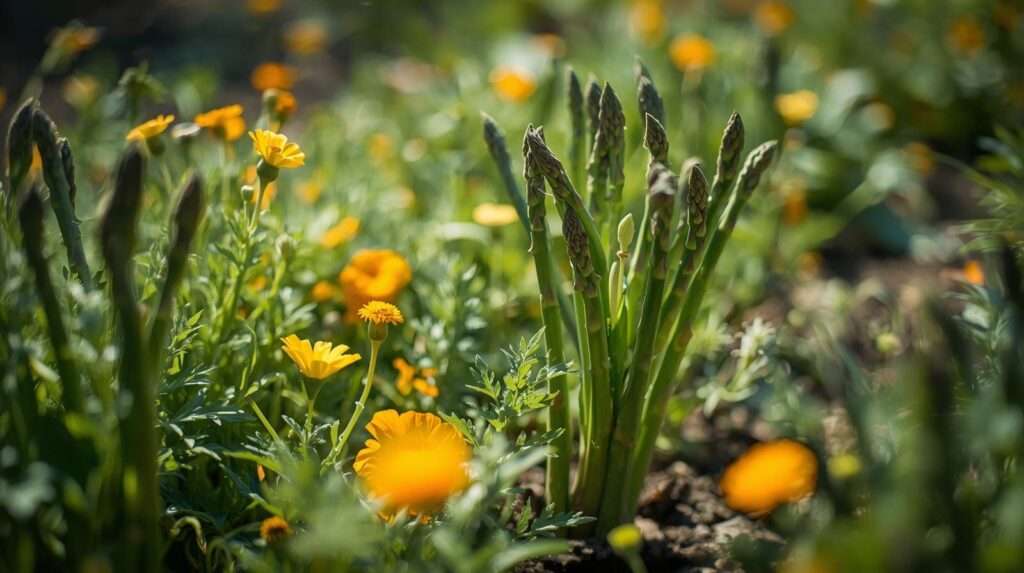
Plant asparagus once, and you’ll likely harvest from the same bed for 15–20 years or more. That long lifespan makes smart planning essential. Many gardeners plant asparagus successfully — but struggle later with weeds, pests, declining soil fertility, or wasted growing space. Choosing the right Perennial Companions for Asparagus can solve these problems while improving productivity and sustainability.
As an agricultural advisor working with both home gardeners and diversified farms, I’ve seen how well-designed companion plantings strengthen asparagus beds significantly. The right perennials support beneficial insects, reduce weed pressure, stabilize soil, and improve long-term yields — all without competing with asparagus crowns.
In this comprehensive guide, you’ll learn exactly which perennial companions work best, which plants to avoid, and how to design a thriving asparagus ecosystem for long-term success.
Table of Contents
ToggleUnderstanding Asparagus Growth Habits and Needs (Expert Foundation)
Asparagus Lifecycle and Root System Basics
Asparagus (Asparagus officinalis) is a long-lived perennial vegetable with unique growth habits.
Key features include:
-
Underground crowns that expand annually
-
Deep root systems reaching over 6 feet
-
Seasonal growth cycles with dormancy
During spring, spears emerge rapidly. After harvest, plants develop fern-like foliage that supports energy storage for future growth.
Understanding this cycle helps you select companions that won’t interfere with crown development.
Ideal Growing Conditions for Asparagus
Asparagus thrives in:
-
Full sun (6–8 hours daily)
-
Well-drained sandy loam soils
-
Slightly alkaline pH (6.5–7.5)
It also requires consistent fertility, especially nitrogen and potassium during active growth.
Companion plants should support — not compete with — these needs.
Principles of Companion Planting with Perennials
Benefits of Perennial Companions
Strategic companion planting offers several advantages:
Natural Pest Control:
Beneficial insects help manage asparagus beetles and aphids.
Soil Improvement:
Certain plants fix nitrogen or add organic matter.
Weed Suppression:
Groundcovers reduce weed pressure.
Biodiversity Support:
Increases resilience against environmental stress.
Traits of Good Companion Plants
Ideal perennial companions should be:
-
Shallow-rooted
-
Non-aggressive spreaders
-
Moderate feeders
-
Pollinator-friendly
Avoid plants that shade asparagus heavily or compete for nutrients.
Best Perennial Companions for Asparagus (Top Picks)
Pollinator-Friendly Companions

These plants support beneficial insect populations:
Yarrow (Achillea millefolium)
-
Attracts parasitic wasps
-
Improves biodiversity
Bee Balm (Monarda spp.)
-
Draws bees and butterflies
-
Enhances pollination nearby
Coreopsis
-
Long bloom period
-
Low maintenance
Pollinator-friendly perennials strengthen ecosystem balance.
Pest-Repelling Companions
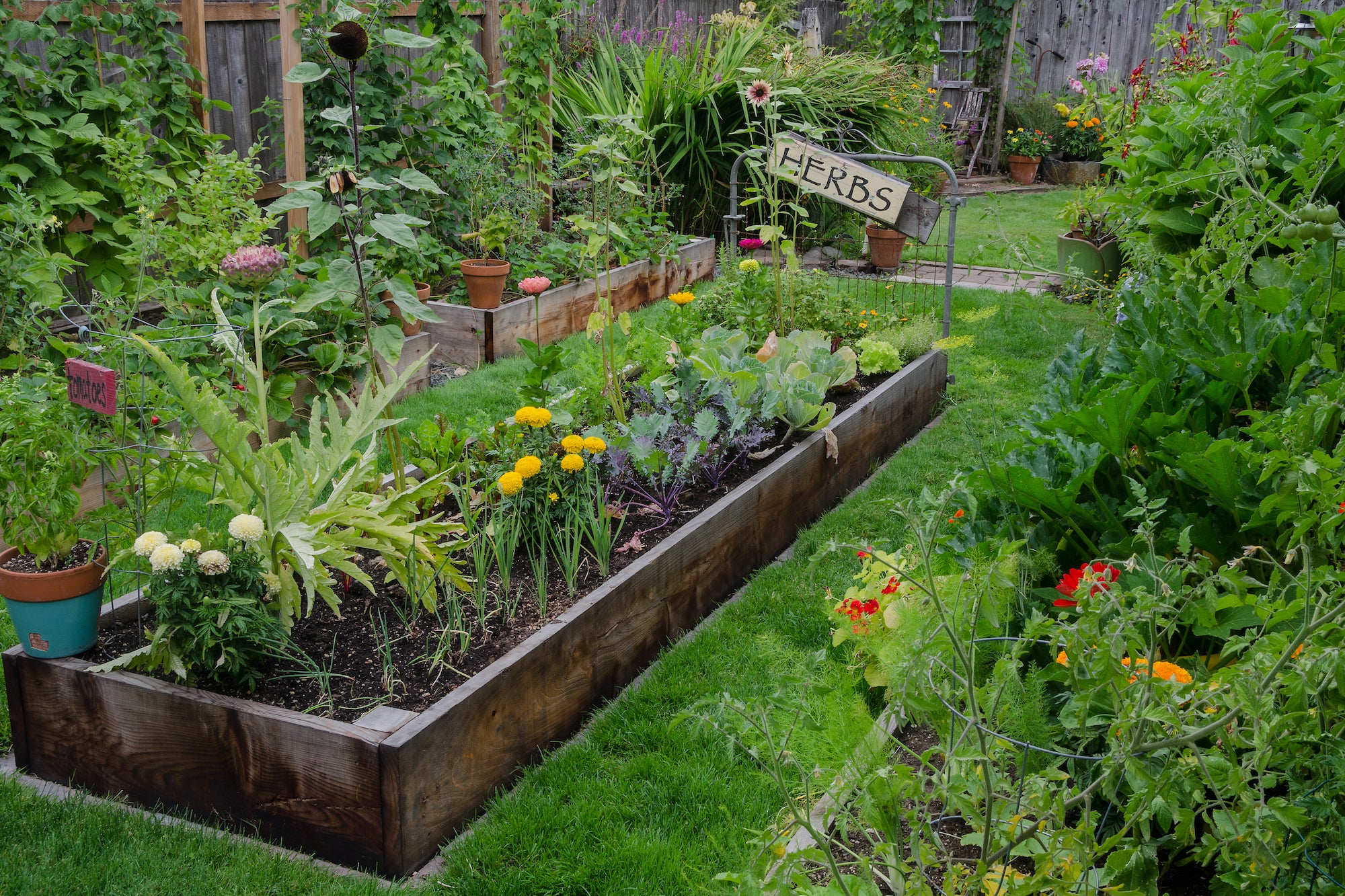
Some herbs discourage pests naturally:
Thyme
-
Repels beetles
-
Excellent groundcover
Sage
-
Deters insect pests
-
Drought tolerant
Lavender
-
Repels flies
-
Attracts beneficial insects
These herbs integrate well along bed edges.
Soil-Improving Perennials

Certain plants enhance soil fertility:
Clover (Trifolium spp.)
-
Fixes nitrogen
-
Controls erosion
Comfrey
-
Deep roots mine nutrients
-
Excellent mulch source
Use carefully to avoid overcrowding.
Plants to Avoid Near Asparagus
Competitive Root Systems
Avoid:
-
Large shrubs
-
Mint family spreaders
-
Aggressive grasses
These compete with crowns for nutrients.
Heavy Nutrient Competitors
Examples:
-
Corn
-
Tomatoes
These crops strain soil fertility near asparagus.
Designing a Companion Layout for Asparagus Beds
Spacing Strategies
Effective layout methods include:
Border Planting:
Companions around edges to avoid competition.
Alternating Zones:
Separate planting strips for airflow.
Seasonal Planning for Companion Beds
Spring:
-
Keep beds open for spear emergence
Summer:
-
Allow companions to fill space
Fall:
-
Maintain airflow for disease prevention
Maintenance Tips for Long-Term Success
Fertilization Strategies
-
Compost annually
-
Use balanced organic fertilizers
Mulching Practices
Mulch helps:
-
Suppress weeds
-
Retain moisture
-
Improve soil structure
Pruning and Division
Divide companion plants regularly to prevent overcrowding.
Real-World Examples and Case Studies
Small garden systems often combine asparagus with herbs and flowers successfully, while market gardens use companion strips for pest control.
Common Mistakes in Companion Planting with Asparagus
-
Overcrowding beds
-
Ignoring mature size
-
Poor seasonal planning
Expert Tips for Maximizing Productivity
-
Monitor soil fertility yearly
-
Rotate shallow-rooted companions
-
Adjust planting density over time
Frequently Asked Questions (FAQs)
Can flowers grow in asparagus beds?
Yes — shallow-rooted flowers work well.
What herbs grow well with asparagus?
Thyme, sage, and lavender.
Do companions affect yield?
Yes, often positively.
How close should companions be planted?
12–18 inches from crowns.
Conclusion: Build a Productive, Balanced Asparagus Bed
Choosing the right Perennial Companions for Asparagus transforms a simple planting into a resilient, productive ecosystem. With careful planning, proper spacing, and thoughtful plant selection, you can create a thriving asparagus bed that produces reliably for decades.
Invest time in companion design today — and enjoy healthier plants, fewer pests, and better harvests for years to come. 🌱🌼