Agri Care Hub

Permaculture Principles Related Post

Chicken Coop Predator Identification Raccoon Fox Guide

Chicken Coop Predator Identification: Raccoon, Fox, Mink, or Coyote – Essential Clues Under Permaculture Principles

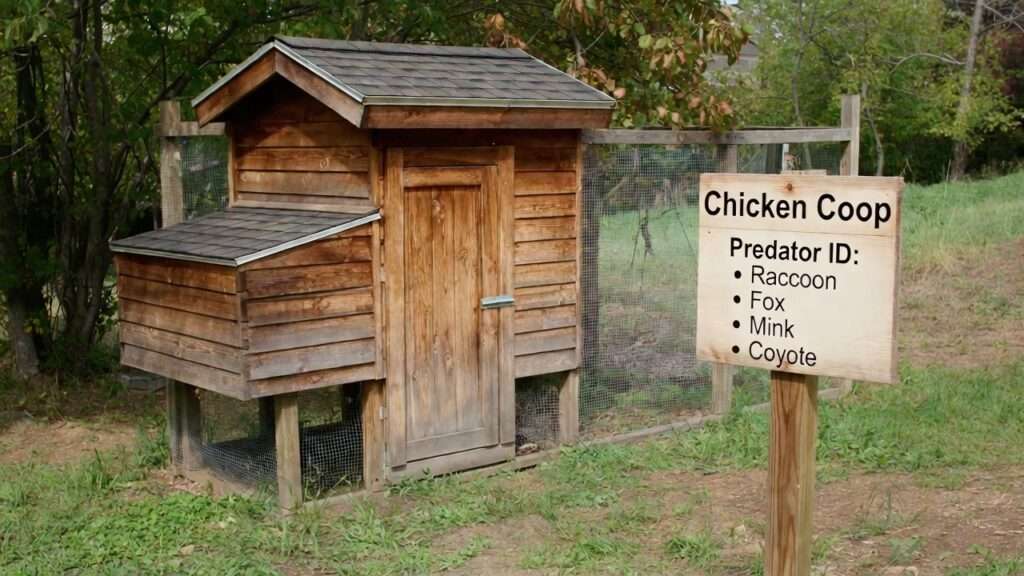
Waking up to the grim scene of scattered feathers, a headless hen, or several birds missing from your flock is every poultry keeper’s nightmare. In regions like Barishal’s humid, riverine landscape—where diverse wildlife thrives alongside small-scale homesteads—these losses hit hard, disrupting food security, income from eggs, and the joy of raising birds regeneratively. But here’s […]

Chicken Coop Predator Identification: Raccoon, Fox, Mink, or Coyote – Essential Clues Under Permaculture Principles Read More »

protecting chickens from coyotes foxes dogs

Protecting Chickens from Coyotes, Foxes, Dogs: Permaculture-Style Fences, Guardian Strategies, and Natural Deterrents That Work

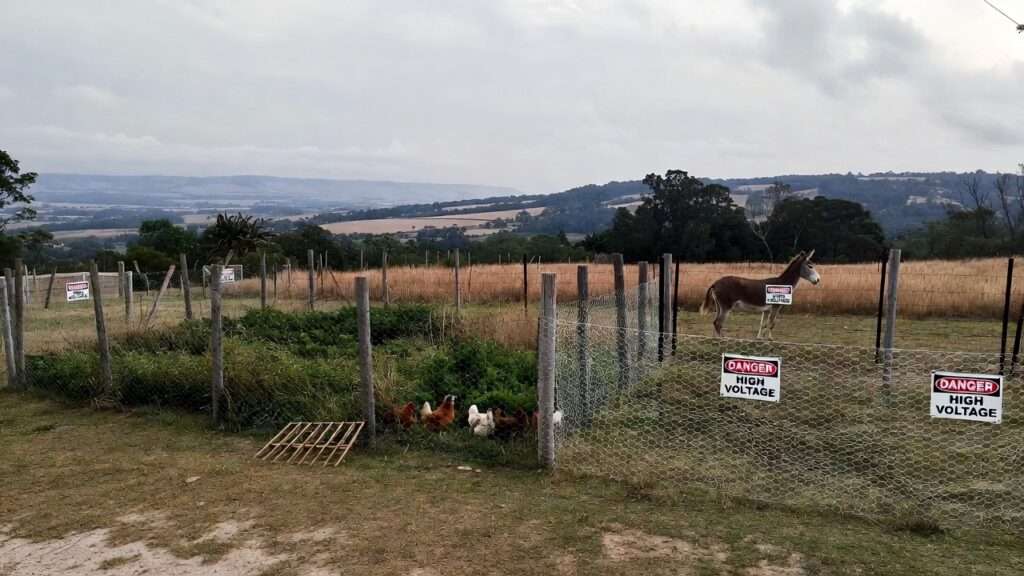
Losing half your flock in a single night to a determined coyote pack, a stealthy fox, or even a neighborhood dog is one of the most devastating setbacks a homesteader or backyard chicken keeper can face. The heartbreak is real: scattered feathers, missing birds, and the sudden silence where clucking once filled the air. These

Protecting Chickens from Coyotes, Foxes, Dogs: Permaculture-Style Fences, Guardian Strategies, and Natural Deterrents That Work Read More »

native clay tolerant trees and shrubs wet feet

Native Clay Tolerant Trees and Shrubs Wet Feet: Top Permaculture Picks for Heavy, Poorly Drained Soil

Imagine transforming that persistently soggy, compacted corner of your land—where water pools after every rain, roots rot, and most plants fail—into a thriving, multifunctional permaculture haven. Heavy clay soil with poor drainage, often described as causing “wet feet” for intolerant plants, is a widespread frustration for gardeners, small-scale farmers, and homesteaders. Yet, this challenging condition

Native Clay Tolerant Trees and Shrubs Wet Feet: Top Permaculture Picks for Heavy, Poorly Drained Soil Read More »

5–10 acre homestead layout

5–10 Acre Homestead Layout: Permaculture Design Principles for Sustainable Gardens, Animals, and Windbreaks

Imagine stepping onto your own 5–10 acre homestead layout where abundant vegetable gardens thrive alongside contented livestock, water flows efficiently through thoughtfully placed swales and ponds, and protective windbreaks shield everything from harsh winds—all working in harmony with minimal daily effort. For many aspiring homesteaders, the dream of self-sufficiency falters due to poor planning: scattered

5–10 Acre Homestead Layout: Permaculture Design Principles for Sustainable Gardens, Animals, and Windbreaks Read More »

Small Homestead on a Quarter Acre

Small Homestead on a Quarter Acre: Designing a Productive Layout Using Permaculture Principles

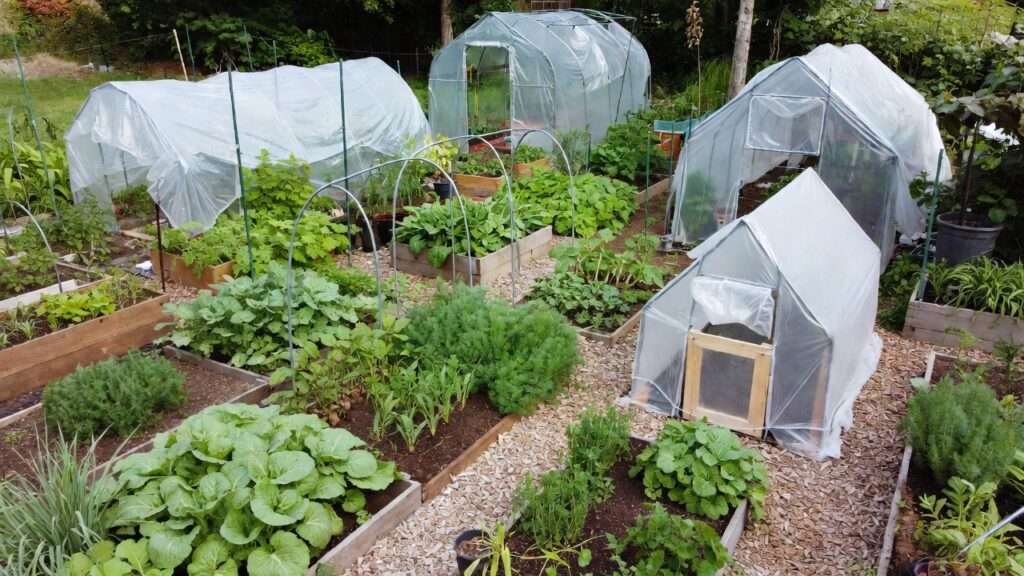
Imagine stepping out your back door into a lush, abundant garden where dwarf fruit trees drip with ripe apples and berries, raised beds overflow with fresh vegetables, and a small flock of chickens scratches happily while fertilizing the soil—all on a typical suburban lot of just a quarter acre. For many aspiring homesteaders, the dream

Small Homestead on a Quarter Acre: Designing a Productive Layout Using Permaculture Principles Read More »

first year on new acreage

First Year on New Acreage: Essential Permaculture Steps Before Major Builds and Plantings

Imagine this: You’ve just closed on your dream property—a new house nestled on 5 acres of rolling land. The excitement is electric. You picture fruit trees heavy with harvest, a thriving food forest, swales catching every drop of rain, and perhaps a pond reflecting the sky. Your mind races with plans: dig here, plant there,

First Year on New Acreage: Essential Permaculture Steps Before Major Builds and Plantings Read More »

Tilling vs No-Till in Clay

Tilling vs No-Till in Clay: Permaculture Strategies to Improve Heavy Soil Without Creating a Hardpan

Imagine stepping into your garden after a rainstorm, only to find your boots sinking into sticky, impenetrable mud that clings like glue—or worse, during dry spells, facing soil so hard and cracked it feels like concrete. If you’re dealing with heavy clay soil, this frustrating scenario is all too common. Many permaculture gardeners and regenerative

Tilling vs No-Till in Clay: Permaculture Strategies to Improve Heavy Soil Without Creating a Hardpan Read More »

heavy clay soil

Transforming Heavy Clay Soil with Permaculture Principles: Build Fertile, Thriving Gardens Naturally

Imagine sinking your spade into the ground only to hit a brick-like surface in summer, or watching your carefully planted seedlings drown in puddles after every rain. If you garden on heavy clay soil, this frustration is all too familiar. Clay soil compacts easily, drains poorly, and makes root growth a battle—yet millions of gardeners

Transforming Heavy Clay Soil with Permaculture Principles: Build Fertile, Thriving Gardens Naturally Read More »

clay soil drainage

Clay Soil Drainage: Proven Permaculture Fixes to Stop Waterlogging in Your Garden Forever

Imagine stepping out into your garden after a heavy rain, expecting to tend to your plants, only to find your yard transformed into a muddy swamp. Your boots sink deep into the soil, water pools for days, and your carefully planted vegetables show signs of distress—yellowing leaves, stunted growth, or worse, complete root rot. If

Clay Soil Drainage: Proven Permaculture Fixes to Stop Waterlogging in Your Garden Forever Read More »

batavia lettuce

How to Grow Thriving Batavia Lettuce in an Ecology Fish Tank Using Permaculture Principles

Imagine stepping into your kitchen, reaching into a sparkling 200-liter fish tank, and pulling out a perfect, crunchy head of Batavia lettuce—still dripping with crystal-clear water that your tilapia just purified for you. No soil. No pesticides. No grocery store markup. Just fresh, organic greens every week of the year. This isn’t science fiction. It’s

How to Grow Thriving Batavia Lettuce in an Ecology Fish Tank Using Permaculture Principles Read More »

Table of Contents

Index
Scroll to Top