Imagine this: You’ve just moved to your dream rural property. The land is wide open, full of potential for fresh vegetables, homegrown herbs, and that satisfying feeling of self-sufficiency. You plant your first seeds with excitement—only to wake up one morning and find deer, rabbits, and groundhogs have turned your budding garden into an all-you-can-eat buffet. Devastated, you realize that without proper planning the first fence and garden on rural land, all your hard work can vanish overnight.
This is a story I’ve heard countless times from new homesteaders—and one I’ve seen firsthand in my years advising rural landowners through agricultural extension programs and on-farm consultations. The good news? With thoughtful planning, you can avoid these heartbreaking setbacks and create a protected, productive garden that thrives from year one.
In this comprehensive guide, we’ll walk you through every step of planning and establishing your first garden and fence on rural land. Drawing from proven recommendations by university extension services (like those from Oregon State, Cornell, and others), real-world homesteader experiences, and up-to-date 2025 insights on materials and costs, this article will help you build a secure, efficient setup that delivers bountiful harvests while minimizing common pitfalls.
Whether you’re starting on 1 acre or 20, planning your fence and garden together is key to long-term success. Let’s dive in.
Why Plan Your Fence and Garden Together
On rural land, wildlife pressure is often intense. Deer can jump impressive heights, rabbits dig under barriers, and rodents squeeze through tiny gaps. A garden without adequate fencing is vulnerable to devastating losses—studies from agricultural extensions show that unprotected rural gardens can lose 50-100% of crops to pests in high-pressure areas.
Planning the fence and garden simultaneously ensures:
- Maximum protection: The fence is tailored to your garden’s size, location, and specific threats.
- Efficient use of space: Paths, gates, and beds integrate seamlessly.
- Cost savings: Avoid redoing work (e.g., planting first, then realizing the fence blocks access).
- Higher yields: Protected plants grow stronger, leading to more food for your table and potential surplus for preserving or selling.
Integrated planning also supports sustainable practices like companion planting and crop rotation, turning your rural plot into a resilient homestead ecosystem.
:strip_icc()/french-kitchen-garden-illustration-1457154f-eeb7cb166bc440e4a25d179e9ca429c3.jpg)
Step 1: Assess Your Rural Land and Needs
Success starts with understanding your property. Rush this, and you risk poor drainage, inadequate sun, or legal issues.
Evaluate Site Conditions
Walk your land and note:
- Sunlight: Vegetables need 6-8+ hours of direct sun daily. South-facing slopes are ideal.
- Soil type and drainage: Test for clay, sand, or loam. Avoid low spots prone to flooding.
- Slope and wind: Gentle slopes aid drainage; windy sites may need windbreaks.
- Water access: Proximity to wells, ponds, or rain barrels simplifies irrigation.
Pro tip: Use free tools like USDA Web Soil Survey for detailed maps.
Identify Local Pests and Threats
Rural areas vary wildly. In deer-heavy regions (common across the U.S.), expect nightly visits. Observe tracks, droppings, or browse lines on trees. Common threats:
- Deer (jumpers)
- Rabbits/groundhogs (diggers)
- Rodents/voles
- Occasionally bears or coyotes
Consult local extension offices for region-specific pest reports.
Define Your Goals
Start small—50-100 sq ft for beginners—to avoid overwhelm.
- What to grow? Focus on family favorites in your USDA hardiness zone (e.g., tomatoes, beans, lettuce).
- Future expansion? Plan for livestock integration or larger beds.
Legal and Practical Considerations
- Zoning and permits: Some counties require fence permits or restrict heights/materials.
- Property lines: Get a professional survey to avoid disputes.
- Soil testing: Send samples to your state extension lab ($20-50) for pH and nutrient recommendations.
Step 2: Planning the Garden Layout
A well-designed layout maximizes productivity and ease of maintenance.
Choosing the Ideal Location
Prioritize full sun, level ground, and good drainage. Avoid tree roots or flood-prone areas.
Designing Bed Types
Options for rural settings:
- In-ground beds: Cost-effective for good soil.
- Raised beds: Ideal for poor/clay soil, better drainage, and easier access (8-12 inches high recommended).
- No-dig methods: Layer cardboard, compost, and mulch for quick setup.
Raised beds are popular on rural land for controlling soil quality.

Crop Selection and Companion Planting
Beginner-friendly: Beans, zucchini, tomatoes, peppers, leafy greens. Use companions (e.g., marigolds deter pests, basil boosts tomatoes) for natural protection.
Incorporating Irrigation and Access Paths
Plan drip lines or soaker hoses early. Wide paths (3-4 ft) allow wheelbarrow access.
Step 3: Choosing and Planning the Right Fence
Selecting the correct fence is crucial on rural land where wildlife pressure can be relentless. A poorly chosen or installed fence leads to repeated breaches and frustration.
Understanding Fence Purposes
Your fence might serve as a full perimeter around the garden or integrate with larger property boundaries. Primary goals: exclude deer (jumpers), rabbits/groundhogs (diggers/climbers), and smaller rodents.

Best Fencing Options for Rural Gardens
Here are the most effective, proven choices based on extension recommendations and homesteader feedback (updated for 2026 material availability):
- 8-Foot Polypropylene Deer Netting: Lightweight, nearly invisible, and effective against deer. Easy DIY install with metal or wood posts. Lasts 10-15 years. Cost: $1-2 per linear foot.
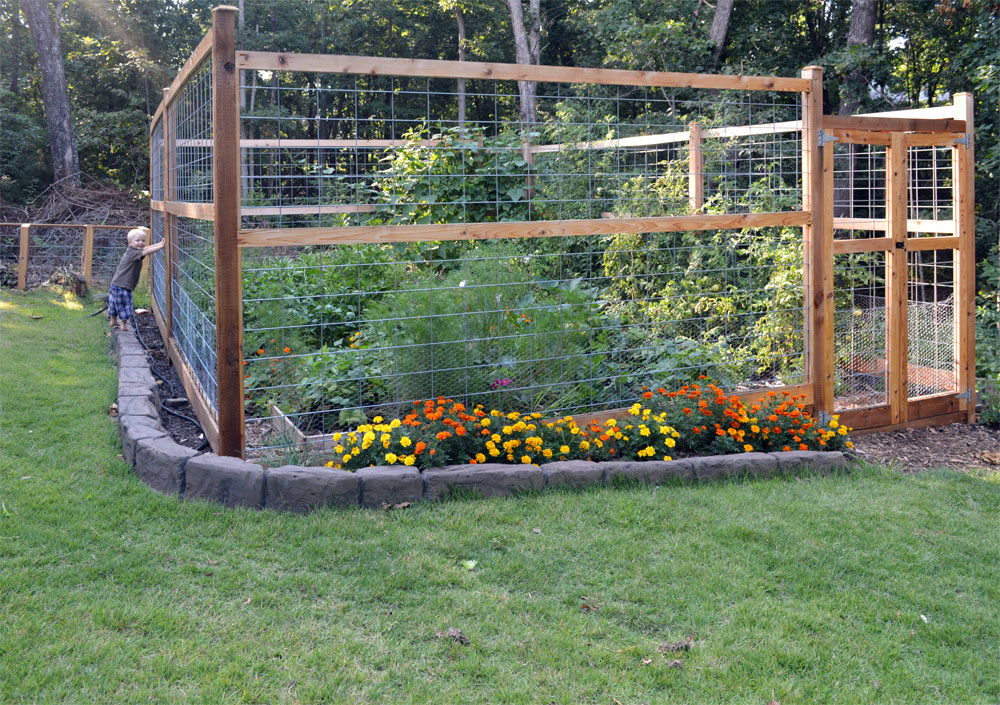
- Woven Wire (Field Fence) with Chicken Wire Base: 4-6 ft woven wire topped with electric offset for deer, plus 2 ft chicken wire buried or flared outward to stop diggers. Extremely durable (20+ years). Cost: $3-5 per foot.

- High-Tensile Electric Fencing: Multi-strand (5-7 wires) energized fence. Highly effective, portable, and affordable. Best for motivated DIYers. Requires solar charger in remote areas. Cost: $1.50-3 per foot.
- Wood or Welded Wire Panels: Aesthetic but expensive and less effective against determined deer unless 8ft+.
Key Design Features
- Height: Minimum 8ft for deer-prone areas.
- Anti-Dig Barrier: Bury bottom 12-18 inches or add an outward-flared apron.
- Gates: At least one wide gate (10-12 ft) for equipment.
- Corners and Bracing: Critical for stability—use H-braces or diagonal supports on T-posts.

Budgeting and Materials
For a 50×50 ft garden (10,000 sq ft perimeter ~200 linear feet):
- Basic deer netting: $300-500 materials.
- Electric: $400-800.
- Woven wire combo: $800-1,500. Factor in posts ($5-15 each), insulators, and tools. Shop farm supply stores or online for bulk savings.
Step 4: Preparing the Site
With plans in hand, it’s time to turn vision into reality. Always install the fence before planting to protect your work.
Clearing and Soil Preparation
Remove grass, weeds, rocks, and debris. Options:
- Tilling (for quick start, but disrupts soil biology).
- No-till: Smother with cardboard/newspaper, top with compost/mulch.

Amend soil based on test results—add organic matter for structure and fertility.
Installing the Fence First
Mark corners, dig post holes (2-3 ft deep), set braced corners, then line posts every 8-12 ft. Stretch material tightly. Test electric systems thoroughly.
Building or Amending Beds
Construct raised beds from untreated lumber, cedar, or metal. Fill with quality topsoil/compost mix.

Step 5: Planting Your Garden
Once protected, plant with confidence.
Timing and Starting Methods
Start seeds indoors 6-8 weeks before last frost (check your zone). Transplant after hardening off.
Planting Techniques
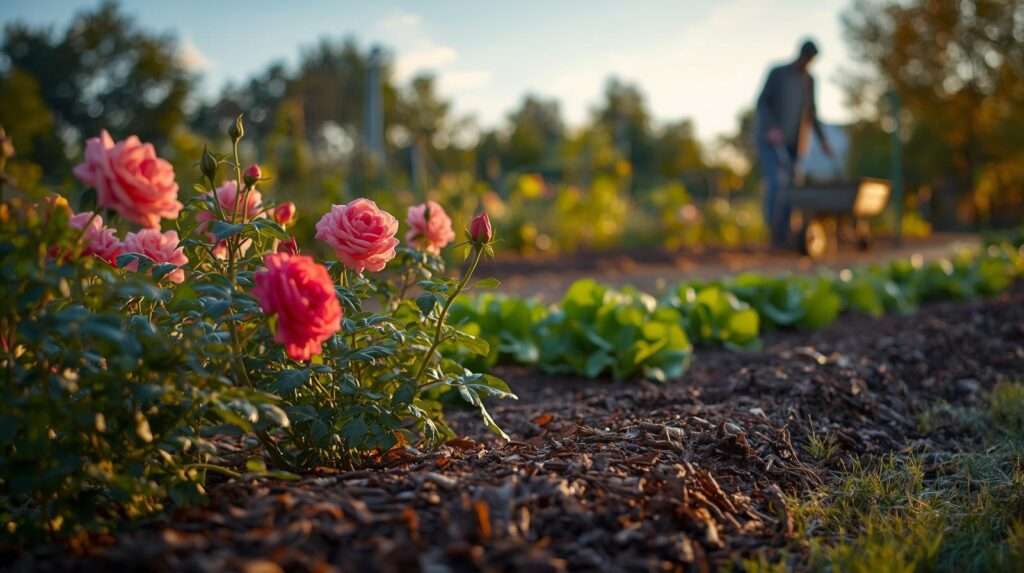
Follow spacing on packets to prevent disease. Mulch heavily with straw or wood chips for moisture and weed control.
:strip_icc()/Country-garden-170816-1945_DEF28PSf4vlAkuLViRi5IT-20c9735c2eba41f887803f47be93412a.jpg)
Initial Care
Water deeply 1-2 inches weekly. Use organic fertilizers and monitor for early pests.
Step 6: Maintenance and Long-Term Success
A thriving rural garden isn’t a “set it and forget it” project—consistent care ensures ongoing productivity and fence reliability.
Ongoing Fence Care
- Regular Inspections: Walk the perimeter monthly (weekly during high pest seasons). Look for leaning posts, gaps, vegetation touching wires (grounds out electric fences), or dig-under attempts.
- Vegetation Management: Keep grass and weeds trimmed around the base to deter hiding pests and prevent grounding.
- Seasonal Repairs: After storms or winter, check for damage. Replace broken insulators or torn netting promptly.
- Electric Fence Specifics: Test voltage (aim for 4,000-6,000 volts) and clean energizers. Solar units need panel cleaning for optimal charging.
Garden Maintenance Tips
- Weeding: Stay ahead early—mulch suppresses 90% of weeds.
- Fertilizing: Side-dress with compost or organic fertilizers mid-season.
- Pruning and Support: Stake tomatoes/peppers; prune suckers for better airflow and yield.
- Pest Monitoring: Scout daily for insects or damage. Use row covers, neem oil, or beneficial insects as first-line organic controls.
Seasonal Planning
- Fall Cleanup: Remove spent plants to reduce overwintering pests/diseases.
- Cover Cropping: Sow rye, clover, or oats to protect and enrich soil.
- Winter Prep: Mulch heavily for perennial protection; plan next year’s layout.
- Expansion Strategy: Add 20-50% more space each successful year as skills grow.
Common Mistakes to Avoid (And How to Fix Them)
Even experienced gardeners slip up—here are the most frequent pitfalls for new rural landowners:
- Starting Too Big Overambitious 1,000+ sq ft gardens lead to burnout. Fix: Begin with 100-200 sq ft; expand after mastering basics.
- Inadequate Fencing for Local Wildlife 4-6 ft fences fail against deer; no buried base invites rabbits. Fix: Research regional threats and overbuild slightly (e.g., 8 ft minimum in deer country).
- Poor Site Selection Shady or poorly drained spots yield weak plants. Fix: Relocate beds or build raised ones with imported soil.
- Skipping Soil Testing/Amendment Nutrient-deficient or pH-imbalanced soil stunts growth. Fix: Test annually; incorporate compost yearly.
- Over/Under Watering New gardeners often drown or drought-stress plants. Fix: Water deeply 1-2 times weekly; use moisture meters.
- Ignoring Legal Boundaries Fences or beds on neighbor lines cause disputes. Fix: Professional survey before major investment.
Drawing from extension reports and homesteader forums, avoiding these saves thousands in rework.
Expert Tips and Pro Insights
- University Extension Wisdom: Resources like Penn State, University of Minnesota, and Oregon State consistently recommend fencing before planting and starting small. Their free publications are goldmines.
- Budget Hacks: Source used T-posts from farm auctions; use recycled lumber for raised beds (avoid treated wood near edibles).
- Sustainable Enhancements: Plant pollinator strips (coneflowers, sunflowers) outside the fence to boost yields inside. Incorporate permaculture swales on sloped land for water retention.
- Long-Term Soil Building: Annual compost additions turn poor rural soil into rich loam over 3-5 years.
- Tool Investments: A good post driver, fence stretcher, and soil blocker pay for themselves quickly.
Frequently Asked Questions (FAQs)
How much does a basic rural garden fence cost? For a 50×50 ft garden (~200 linear feet):
- Basic deer netting setup: $400-800
- Electric fencing: $600-1,200
- Heavy-duty woven wire combo: $1,200-2,500 Costs vary by region and DIY vs. professional install.
What’s the best fence for deer-prone areas? 8-foot polypropylene deer netting or high-tensile electric (7+ strands) are top choices for effectiveness and cost balance.
Can I start a garden without fencing first? Technically yes, but highly risky in rural areas. Many lose entire crops and regret it. Fence first for peace of mind.
How long until first harvest? Fast crops like lettuce/radishes: 30-45 days. Tomatoes/peppers: 60-90 days from transplant. Plan succession for continuous harvest.
What if my soil is poor or clay-heavy? Build 12-inch raised beds and fill with 60% topsoil/40% compost mix. Over time, incorporate organic matter into native soil.
Electric vs. traditional fencing: Which for beginners? Traditional (woven wire or netting) requires less ongoing maintenance. Electric is cheaper upfront but needs regular checks—great if you’re comfortable with it.
Planning the first fence and garden on rural land sets the foundation for years of rewarding, self-sufficient living. By assessing your site thoughtfully, choosing wildlife-appropriate fencing, preparing soil properly, and maintaining diligently, you’ll transform open land into a protected, abundant food source.
The initial effort pays dividends in fresh produce, reduced grocery bills, and the deep satisfaction of growing your own food. Start small, learn from each season, and consult your local cooperative extension—they’re invaluable free resources.
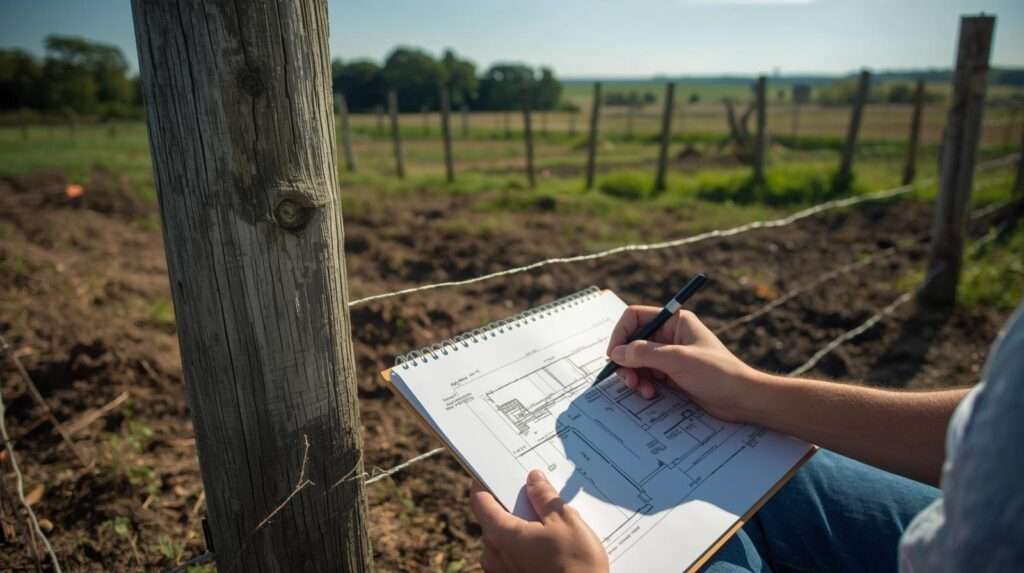
Your rural homestead journey begins with that first protected bed. Grab a notebook, sketch your layout, order materials, and get growing. The harvests—and independence—are worth every step.